





— Blogs —
—Products—
 Consumer hotline +8618073152920
 WhatsApp:+8615367865107
Address:Room 102, District D, Houhu Industrial Park, Yuelu District, Changsha City, Hunan Province, China
Product knowledge
Time:2026-06-01 11:00:59 Popularity:398
Quick Answer: Online pH meter acceptance should assess the complete installed measurement, not just display resolution or a successful buffer adjustment. Define the required accuracy, water conditions, reference procedure and receiving-system behavior. A 0.01 pH display increment does not establish 0.01 pH measurement accuracy or qualify one electrode for every process.
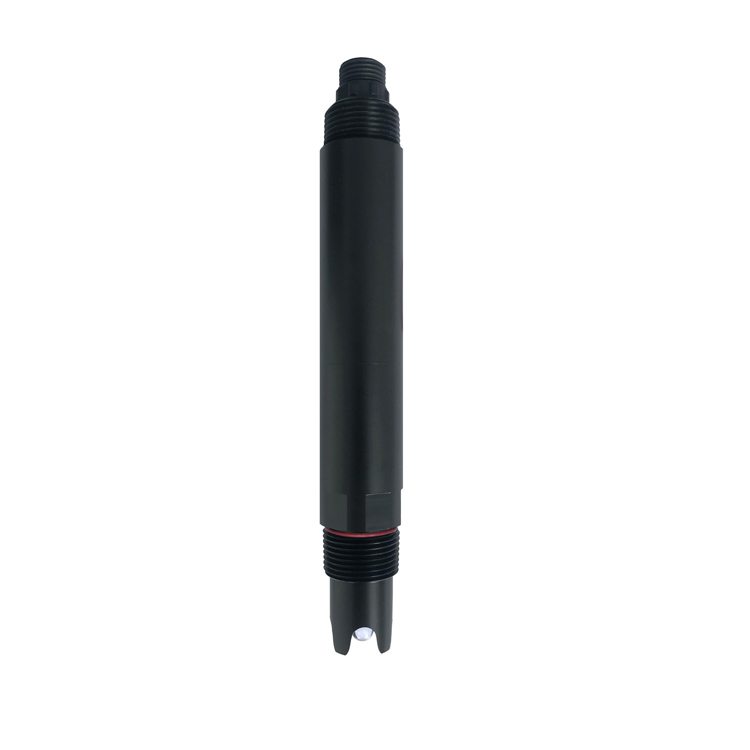
Separate resolution, stated accuracy and installed performance. Resolution is the smallest displayed step. Accuracy is a performance specification under defined conditions. The installed result also depends on electrode condition, sample contact, reference quality and the interpretation in the controller.
Specify the operating pH band, required decision tolerance, temperature, pressure and chemistry before choosing the model. Do not declare +/-0.1 pH sufficient for every industrial process; compare the intended operating decision with the complete measuring system's demonstrated capability.
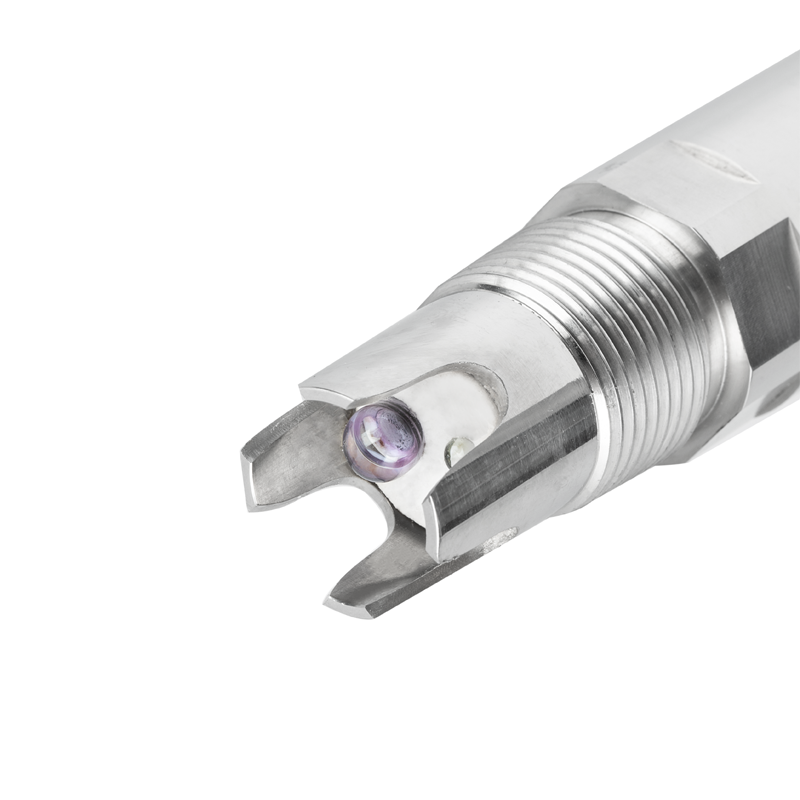
| Specification | Basic NBL-WQ-PH | Acceptance question |
|---|---|---|
| Range / resolution | 0-14 pH; 0.01 pH | Does the required band fall within the qualified application, not just the display span? |
| Accuracy | +/-0.1 pH; temperature +/-0.3 degrees C | Is the comparison procedure capable of assessing the required tolerance? |
| Temperature compensation | NTC | Is temperature acquired and interpreted for this model? |
| Operating envelope | 0-65 degrees C; pressure below 0.2 MPa | Are normal, upset and service exposures inside the intended envelope? |
| Materials / protection | POM; IP68 | Are liquid, cleaning chemicals, seals and cable jacket compatible? |
| Supply / consumption | 12-24 V DC; 0.2 W at 12 V | Is suitable voltage present at the operating probe? |
| Output | RS485 Modbus RTU | Does the receiving system preserve pH, temperature and current-data status? |
| Mounting / cable / calibration | Immersion, 3/4 NPT; standard 5 m cable; two-point calibration | Can the probe be serviced and returned to a representative position? |
The basic NBL-WQ-PH specification is not the PH-4 specification. PH-4 variants use Pt1000 and a 0-50 degrees C operating range, with their own materials and output options. Identify the installed version before comparing test results or approving a replacement.
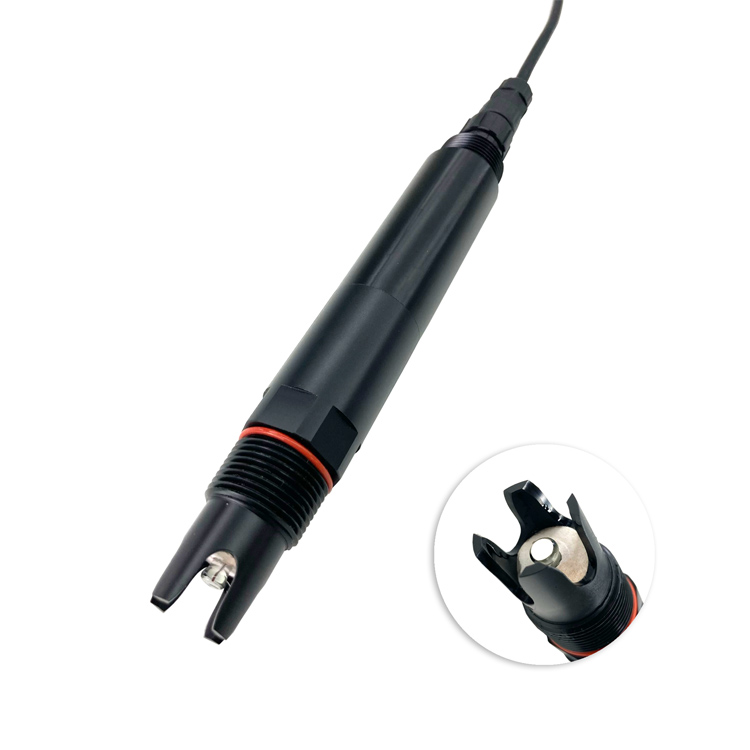
Select appropriate buffers and quality checks for the instrument and required analytical method. Use the buffer values applicable at the measured temperature. A calibration adjustment establishes a relationship at its calibration points; it is not an independent demonstration that all subsequent samples are correct.
Do not prescribe a universal number of buffers or claim that two points certify the entire 0-14 range. Some project methods require additional verification. Keep the pre-adjustment observations and use suitable checks after adjustment so the record distinguishes a verified instrument from one merely forced to match a reference.
For the detailed check-versus-adjustment procedure, see the online pH calibration guide. Avoid imposing a universal slope percentage or calendar interval without the applicable model and project criteria.
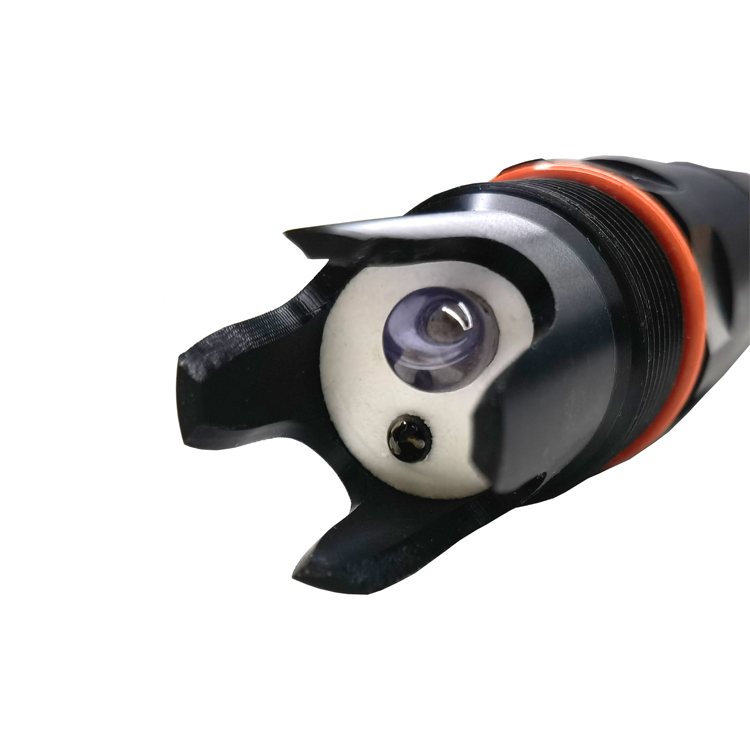
pH describes hydrogen-ion activity. It does not uniquely identify an acid, an alkali or its percentage concentration. Two solutions can have the same pH and different buffering or neutralization demand. A successful pH acceptance test therefore does not validate a claim that the station directly measures reagent concentration.
Likewise, pH alone does not certify metal removal, corrosion protection, product yield or discharge compliance. If the project needs those results, identify the additional analytical or process evidence. Keep any concentration calculation separate from the measured pH and establish its valid chemistry and operating interval.
Oils, deposits and reference-junction contamination can change response; pressure, temperature and incompatible chemistry can damage an assembly. A standard glass probe should not be approved for fluoride-bearing acidic water, strong oxidants or a sterilization cycle merely because it reads a buffer correctly.
Evaluate specialized sensing or sampling arrangements against the complete duty. There is no universal "salinity compensation" setting that qualifies every pH electrode for seawater, and a stainless-steel housing does not establish a different sensing principle. The difficult-media pH guide separates those exposure questions.
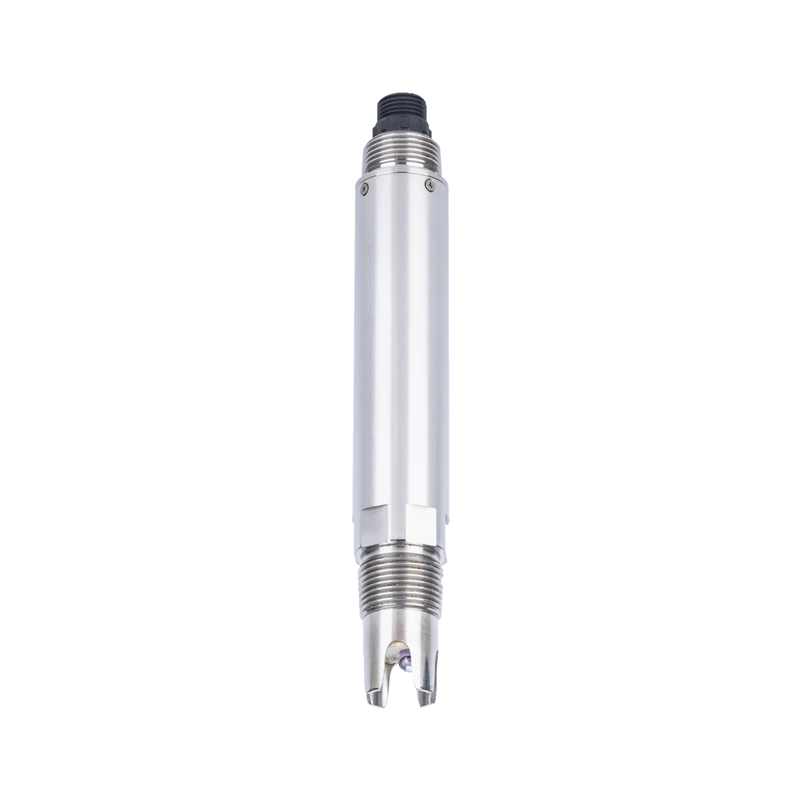
Place the electrode in representative water and compare a suitable reference close to the measuring point. Record timing, temperature and handling. A cooled or aerated sample may no longer describe the same water condition. Automatic temperature compensation cannot undo a real change in the sample's chemistry.
Check the acquired pH and temperature at the PLC or logger against direct sensor data, then test invalid or stale-data indications. The transparency probe below supplies a different optical measurement; it cannot independently validate the pH channel because both instruments share a station.
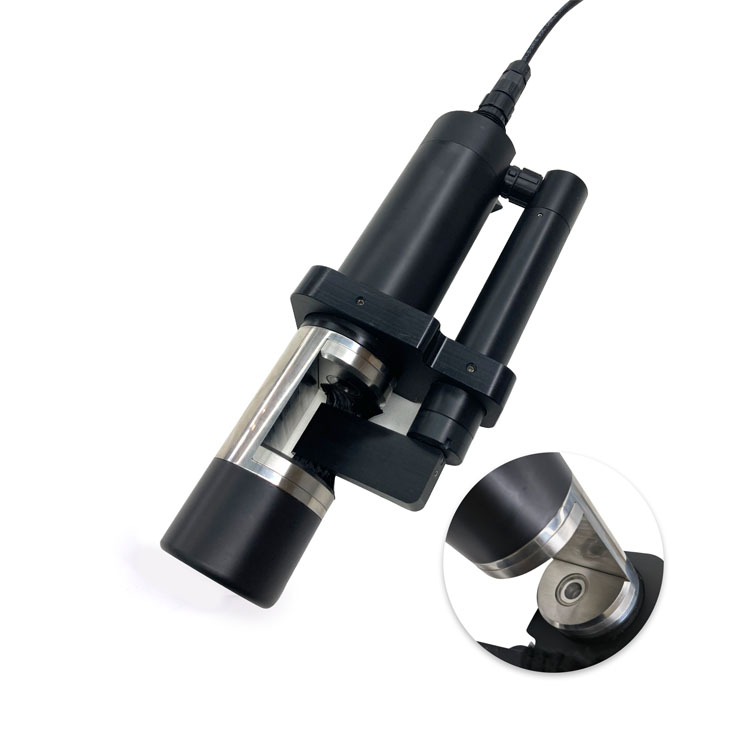
Include access for permitted cleaning, reference checks and electrode replacement. Do not specify a universal brush, chemical soak or 24-hour activation for every pH assembly. Service conditions and observed performance should determine when a channel needs attention, without treating an expected service interval as a guaranteed electrode life.
Ask for the exact model specification, output arrangement and relevant documentation with the quotation. Define warranty coverage, service responsibilities and required project support in the order. Keep consumable replacement needs distinct from the initial acceptance result.
No. Compare the separate accuracy specification and the complete measurement under the intended conditions. Display increments are not a substitute for an acceptance tolerance and reference procedure.
No. It checks or adjusts response under specified reference conditions. The actual medium, sample contact, fouling and exposure still need evaluation.
No. ATC addresses electrode response, not a universal correction for the sample's acid-base equilibria. Report temperature and investigate changed sample conditions rather than adding an arbitrary host correction.
Not from a short commissioning test. Define initial performance and service responsibilities separately; actual life depends on exposure, handling and maintenance.
Provide the model, process band and decision tolerance, water chemistry, temperature and pressure, reference method, calibration and comparison results, sample arrangement and receiver interpretation. NiuBoL can review configuration and measurement conditions against that defined duty.
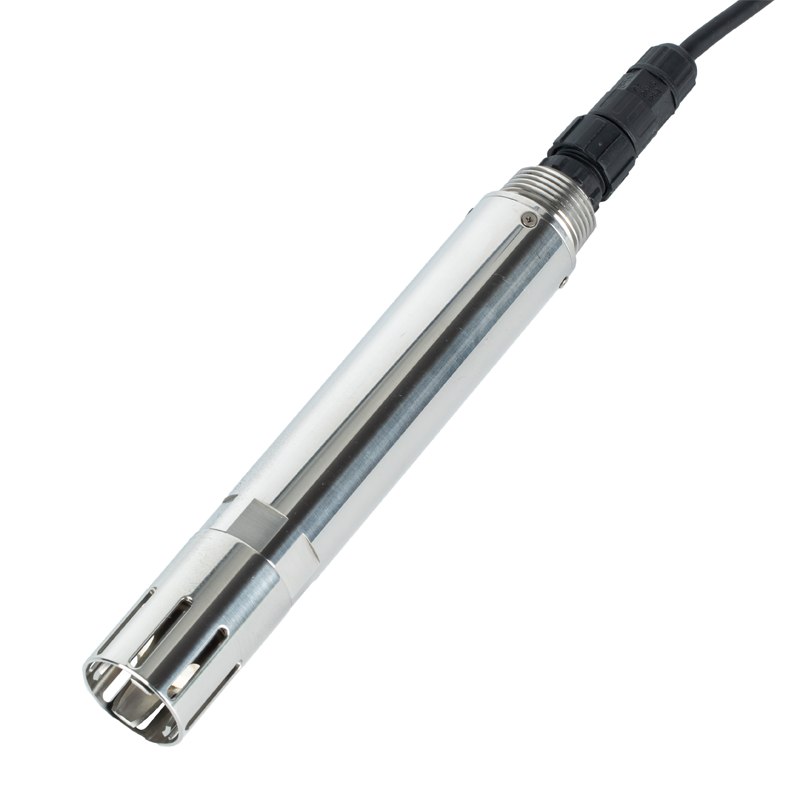
Online pH meter acceptance should distinguish resolution, accuracy, reference checks and real process suitability. Approve the installed channel against a defined measurement requirement rather than an attractive display, a universal electrode claim or an unverified project benefit. Keep pH separate from the other conclusions the treatment system must establish.
 NBL-WQ-PH Online Water Quality pH Sensor.pdf
Prev:Conductivity Sensor Installation: Bubbles, Clearances and Sample Flow
Next:Residual Chlorine System Design: Sample Flow, pH and Dosing Interlocks
Related recommendations
Sensors & Weather Stations Catalog
Agriculture Sensors and Weather Stations Catalog-NiuBoL.pdf
Weather Stations Catalog-NiuBoL.pdf
Agriculture Sensors Catalog-NiuBoL.pdf
Water Quality Sensor Catalog-NiuBoL.pdf
Related products
 Combined air temperature and relative humidity sensor
 TDR Soil Moisture & Temperature Sensor for irrigation| RS485 |4-20mA| NBL-S-THR
 Soil pH sensor RS485 soil Testing instrument soil ph meter for agriculture |NBL-S-PH
 Wind Speed sensor Output Modbus/RS485/Analog/0-5V/4-20mA
 Tipping bucket rain gauge for weather monitoring auto rainfall sensor RS485/Outdoor/stainless steel
 Pyranometer Solar Radiation Sensor 4-20mA/RS485

Screenshot, WhatsApp to identify the QR code
WhatsApp number:+8615367865107
(Click on WhatsApp to copy and add friends)

