





— Blogs —
—Products—
 Consumer hotline +8618073152920
 WhatsApp:+8615367865107
Address:Room 102, District D, Houhu Industrial Park, Yuelu District, Changsha City, Hunan Province, China
Product knowledge
Time:2026-07-29 10:00:59 Popularity:283
A ground water monitor must fit the well before it can measure the water. Borehole diameter, water depth, cable length, pressure, retrieval method and sampling plan decide whether a slim probe, single-parameter sensor or multi-parameter package is practical.
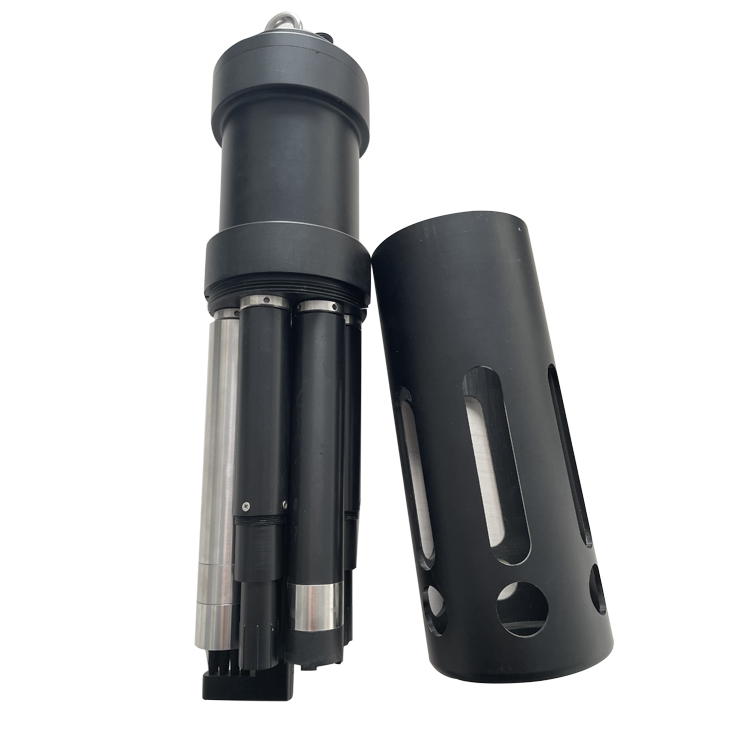
For procurement teams and integrators, ground water monitor selection should connect measurement purpose, installation, signal output, maintenance responsibility and acceptance evidence. If those items are missing, the ground water monitor quotation for the well monitoring point may look comparable on paper while the actual supply scope is different.
| ground water monitor project question | ground water monitor engineering decision | well monitoring point buyer evidence |
|---|---|---|
| What must this ground water monitor point measure? | Confirm whether ground water monitor is the right parameter or only one part of a package | Parameter list and operating goal |
| Where is the point? | Define the actual well monitoring point installation form before selecting accessories | Site photo, drawing, water depth or process sketch for the well monitoring point |
| How will the ground water monitor data be used? | Select display, RS485 Modbus RTU, 4-20 mA, alarm or upload based on the well monitoring point | Controller, gateway or platform requirement for this ground water monitor point |
| Who maintains the well monitoring point after handover? | Assign cleaning, calibration and spare-part responsibility | Maintenance schedule and handover record |
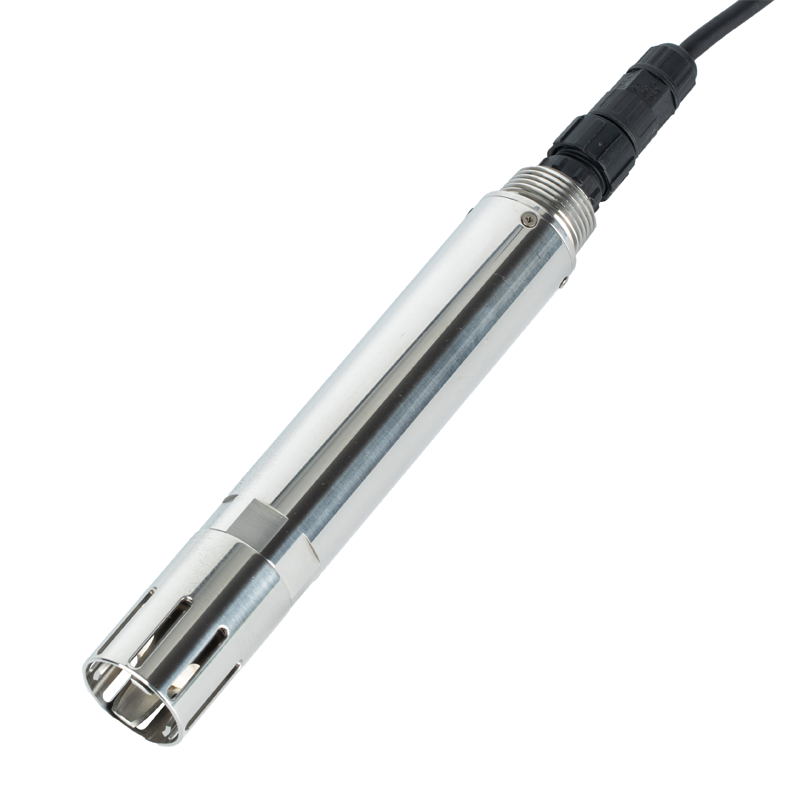
| Scenario | Field challenge | System approach | User value |
|---|---|---|---|
| Aquaculture or surface water | Outdoor fouling, cable exposure and changing water layers | Use protected probes, planned depth and alarm thresholds | Earlier response to abnormal water conditions |
| Water treatment or disinfection | Sample flow, dosing effects and control output | Use stable installation, controller output and verification records | More defensible process control |
| Wastewater or discharge | Solids, color, bubbles and fouling | Plan cleaning, range and laboratory comparison | Better trend visibility and fewer blind spots |
| OEM or contractor package | Repeatable installation across many units | Standardize cable, output, labels and documents | Lower commissioning time |
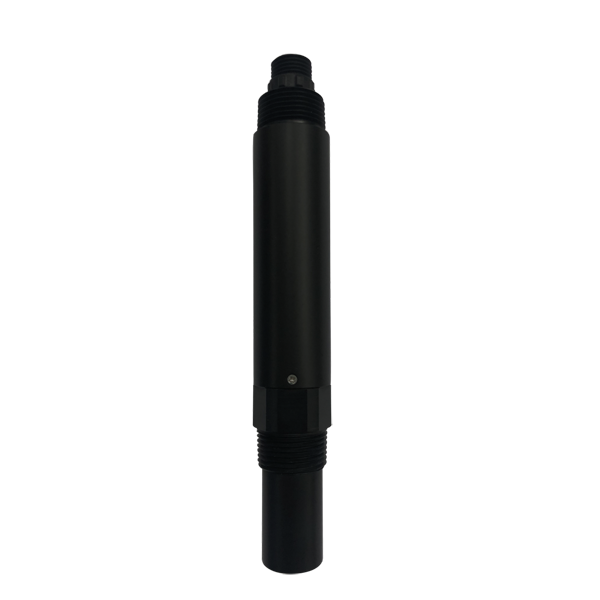
Groundwater monitoring starts with physical fit. Borehole diameter, casing material, water depth and screen position determine whether a probe can be installed and retrieved. A sensor that fits a tank may be too wide or too fragile for a well.
Cable length and strain relief are important. Deep wells create weight on the cable and make retrieval harder. The buyer should define whether the probe is permanent, periodic or connected to a low-power logger.
| Well condition | Sensor setup concern | Buyer input |
|---|---|---|
| Narrow borehole | Probe diameter and cable protection | Inside diameter and casing drawing |
| Deep water level | Cable length, strain and retrieval | Static and dynamic water depth |
| Low-flow sampling | Representativeness and stabilization time | Purge or sampling method |
| Remote well | Power and data logging | Visit interval and telemetry need |
Groundwater projects often start with pH, conductivity, temperature, DO and turbidity. Additional parameters should be added only when they answer a project question. Conductivity can indicate ionic change; turbidity can reveal sampling disturbance; DO may be sensitive to installation and sampling method.
A ground water monitor is less suitable if the well cannot be accessed safely or if the probe cannot be retrieved for cleaning and verification. In that case, a sampling-based method may be more practical.
For acceptance, record well ID, depth, installation level, stabilization time, sensor readings, reference sample results and cable condition. These records help compare data between wells.
Groundwater wells are often remote, so power and data logging are part of sensor selection. A low-power logger may be more important than a large display if the site is visited once per month.
Probe retrieval should be planned before installation. If the cable cannot be pulled safely, routine cleaning and verification become difficult. The buyer should define strain relief, cable marking and wellhead protection.
A groundwater monitoring setup is less suitable when the well diameter is unknown or the water level changes beyond the probe and cable design. Measure the well first, then choose the sensor.
A groundwater sensor setup should also include a retrieval and cleaning method. If the probe cannot be recovered safely, calibration and maintenance will eventually fail even if the first installation succeeds.
For borehole projects, avoid adding too many parameters into a probe body that is difficult to service. Start with the parameters tied to the monitoring purpose, then add others only when the well geometry and maintenance route can support them.
For RFQ, site drawings are more useful than generic words. Send well diameter, casing type, depth, water level and whether the logger must run on battery power.
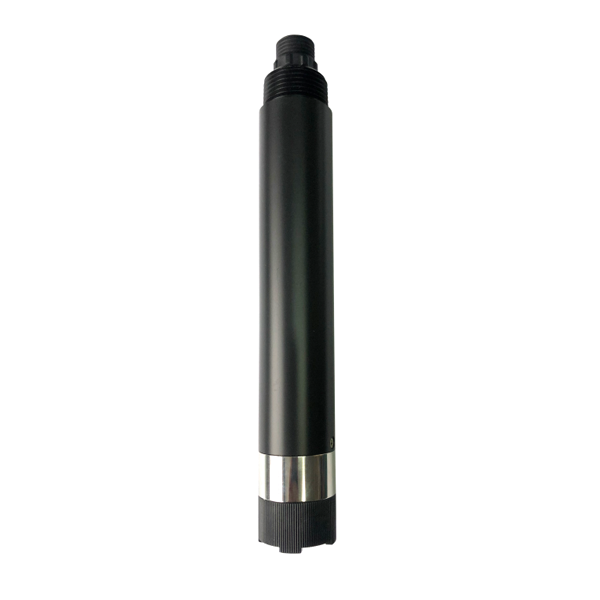
Q1: What should be confirmed before ordering a ground water monitor?
A: Confirm well diameter, casing type, depth, water level, parameters, cable length, logger requirement and sampling method. For a well or borehole, these details decide whether the ground water monitor quotation is a sensor-only price or a complete measuring point.
Q2: When does a ground water monitor create real project value?
A: A ground water monitor creates value when the reading is tied to groundwater data collection. If the site team does not act on ground water monitor data, the well monitoring point may collect numbers without reducing project risk.
Q3: When is a ground water monitor less suitable?
A: A ground water monitor is less suitable when the installation point is unstable, maintenance access is poor, verification is not planned, or the buyer cannot define what action follows an alarm.
Q4: Can the ground water monitor connect to PLC, RTU or a cloud dashboard?
A: Yes, if the selected NiuBoL ground water monitor hardware, controller or gateway supports the required interface for the well monitoring point. Ask for ground water monitor RS485 settings, analog scaling or platform data rules before panel work starts.
Q5: What documents should be requested for ground water monitor integration?
A: Request the ground water monitor datasheet, wiring diagram, register map when used, installation note, calibration method, cleaning instruction, spare-part list and warranty boundary.
Q6: How should ground water monitor site acceptance be checked?
A: Check ground water monitor stability at the installed point, unit scaling, controller communication, alarm response and the reference method suitable for the well monitoring point.
Q7: What causes unreliable ground water monitor data in the field?
A: Typical ground water monitor data problems include wrong point selection, fouling, bubbles, cable damage, poor grounding, wrong range and missing maintenance records.
Q8: Should the buyer choose a single ground water monitor or a wider sensor package?
A: Choose a single ground water monitor when one value answers the project question. Choose a package when values related to ground water monitor explain the well monitoring point decision better than one reading alone.
Q9: What affects ground water monitor price besides the probe?
A: ground water monitor price changes with cable length, holder, controller, output module, gateway, cleaning parts, calibration accessories, spare probes, documentation and delivery schedule.
Q10: What should be sent to NiuBoL for a ground water monitor quotation?
A: Send well diameter, casing type, depth, water level, parameters, cable length, logger requirement and sampling method, plus quantity, delivery target and whether NiuBoL should quote only the sensor or a complete monitoring package for the well or borehole.
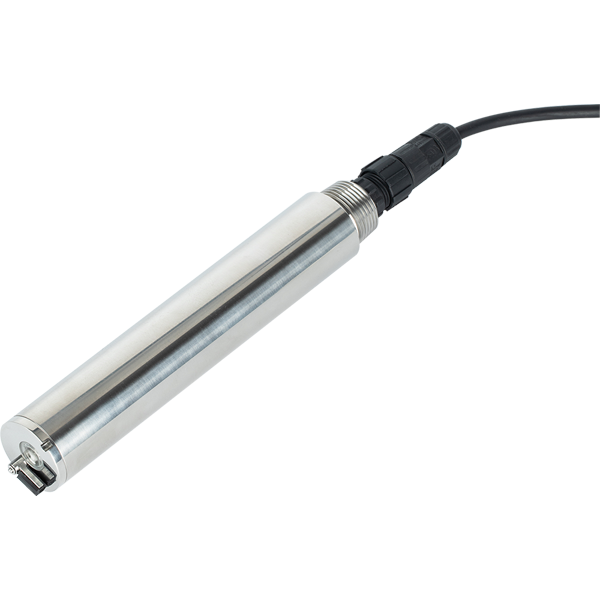
Groundwater Monitoring Sensor Setup for Wells and Boreholes should be treated as a buying and integration decision. The right ground water monitor choice depends on application, installation, communication, maintenance and acceptance records.
For a NiuBoL quotation, send well diameter, depth, water level, parameters, cable length, logger requirement and sampling method, plus quantity and delivery target. The NiuBoL reply can separate ground water monitor sensor supply, accessories, controller, gateway and spare parts for the well monitoring point.
Prev:Water Quality Monitoring System Design: From Sensors to Cloud Dashboard
Next:Water Quality Detector Accuracy: Site Acceptance Checks Before Handover
Related recommendations
Sensors & Weather Stations Catalog
 Agriculture Sensors and Weather Stations Catalog-NiuBoL.pdf
Weather Stations Catalog-NiuBoL.pdf
Agriculture Sensors Catalog-NiuBoL.pdf
Water Quality Sensor Catalog-NiuBoL.pdf
Related products
 Combined air temperature and relative humidity sensor
 TDR Soil Moisture & Temperature Sensor for irrigation| RS485 |4-20mA| NBL-S-THR
 Soil pH sensor RS485 soil Testing instrument soil ph meter for agriculture |NBL-S-PH
 Wind Speed sensor Output Modbus/RS485/Analog/0-5V/4-20mA
 Tipping bucket rain gauge for weather monitoring auto rainfall sensor RS485/Outdoor/stainless steel
 Pyranometer Solar Radiation Sensor 4-20mA/RS485

Screenshot, WhatsApp to identify the QR code
WhatsApp number:+8615367865107
(Click on WhatsApp to copy and add friends)

