





— Products —
 Consumer hotline +8618073152920
WhatsApp:+8615367865107
Address:Room 102, District D, Houhu Industrial Park, Yuelu District, Changsha City, Hunan Province, China
Water Quality Sensors
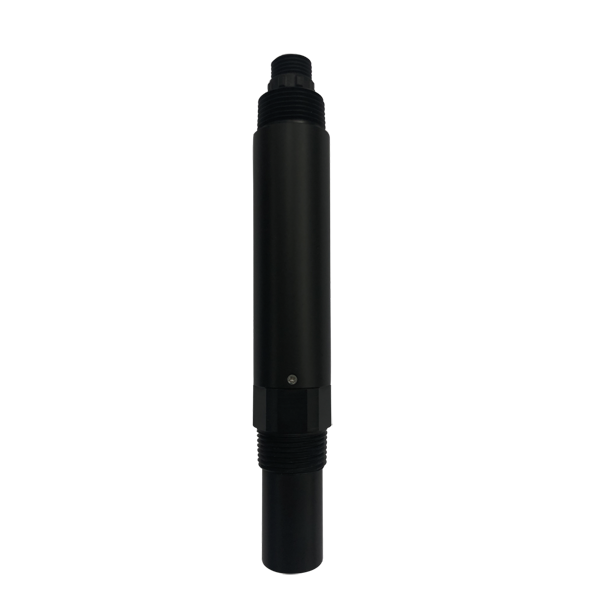
NiuBoL NBL-WQ-EC-4A online conductivity sensor is specially designed for industrial water treatment, drinking water monitoring and surface water analysis. It adopts high-performance electrode technology and built-in Pt1000 automatic temperature compensation, supports RS485 Modbus RTU protocol, and has IP68 extremely high protection rating. Its excellent anti-interference capability and easy integration make it an ideal choice for system integrators to reduce maintenance costs···
Tel/WhatsApp:+8615367865107
Email:Arvin@niubol.com +Nearly 100 partner companies in more than 75 countries. We are committed to providing high-quality, practical products to meet your needs and help you solve problems. Our products comply with international standards and are certified with ISO, CE and RoHS.Product Details
Product Overview: The NiuBoL NBL-WQ-EC-4A is an online water conductivity sensor designed for continuous electrical conductivity (EC) monitoring in water treatment, industrial process water and environmental applications. It provides a measurement range of 0–5000 µS/cm with 1 µS/cm resolution, automatic Pt1000 temperature compensation and RS485 Modbus RTU communication. The digital interface provides conductivity, temperature and TDS-related data for compatible PLCs, RTUs and data loggers.
Electrical conductivity is a useful indicator of dissolved ionic content in water. Conductivity changes can help operators observe variations in water composition, treatment processes, dilution and the addition of dissolved salts.
The NBL-WQ-EC-4A online conductivity sensor combines a conductivity measuring element, temperature compensation and digital signal processing in one probe assembly.
The sensor measures electrical conductivity in µS/cm and provides data through RS485 using the Modbus RTU protocol.
The communication register map also includes temperature and total dissolved solids (TDS) data. TDS is a conductivity-related estimate, not an independent analysis of every dissolved constituent.
With a 0–5000 µS/cm measurement range, the NBL-WQ-EC-4A can be considered for suitable freshwater, process water, industrial water and environmental monitoring applications.

0–5000 µS/cm conductivity range: Continuous EC measurement for compatible water applications.
1 µS/cm resolution: Digital conductivity readings in microsiemens per centimeter.
Pt1000 temperature compensation: Automatic correction for the sensor's temperature-dependent conductivity measurement.
RS485 Modbus RTU: Standard interface for compatible PLCs, RTUs and data loggers.
Conductivity, temperature and TDS data: Measurement channels defined in the digital communication protocol.
Optional 4–20 mA output: Available as a separately specified configuration.
Two-point calibration: Supports zero-point and standard-solution calibration.
ABS and SUS316L materials: Default specified wetted-material combination.
IP68 protection: Designed for suitable immersion applications.
3/4-inch NPT connection: Supports compatible tank, pipe and immersion mounting arrangements.
12–24 VDC supply: Compatible with suitable industrial monitoring equipment.
Standard 5-meter cable: Other lengths can be specified according to project requirements.
| Parameter | Specification |
|---|---|
| Brand | NiuBoL |
| Model | NBL-WQ-EC-4A Online Water Conductivity Sensor |
| Product Type | Online Electrical Conductivity (EC) Sensor |
| Conductivity Range | 0–5000 µS/cm |
| Conductivity Resolution | 1 µS/cm |
| Specified Conductivity Accuracy | ±1.5% |
| Temperature Accuracy | ±0.3°C |
| Temperature Compensation | Automatic, Pt1000 |
| Digital Data Channels | Conductivity, Temperature and TDS |
| Calibration Method | Two-Point Calibration |
| Standard Digital Output | RS485 Modbus RTU |
| Optional Analog Output | 4–20 mA |
| Power Supply | 12–24 VDC |
| Power Consumption | 0.2 W @12 VDC |
| Working Liquid Temperature | 0–50°C |
| Specified Sensor Temperature Range | -5 to 65°C |
| Operating Pressure | <0.6 MPa |
| Default Wetted Materials | ABS and SUS316L Stainless Steel |
| Protection Rating | IP68 |
| Installation Method | Immersion or Compatible Pipe / Tank Installation |
| Mounting Connection | 3/4-inch NPT |
| Electrical Connector | M16, 5-Pin Waterproof Connector |
| Standard Cable Length | 5 m; Custom Lengths Available |
The standard interface is RS485 Modbus RTU. The optional 4–20 mA version should be specified when ordering. Simultaneous operation of both output types should not be assumed.
For liquid measurement, observe the specified 0–50°C working range. The broader sensor temperature specification does not mean that the water can be continuously measured at 65°C.
Electrical conductivity describes how readily water conducts electrical current.
Dissolved ions such as sodium, chloride, calcium, magnesium and other charged constituents contribute to the electrical conductivity of water.
Conductivity is usually expressed in microsiemens per centimeter (µS/cm) or millisiemens per centimeter (mS/cm).
1 mS/cm = 1000 µS/cm
The NBL-WQ-EC-4A measures up to 5000 µS/cm, equivalent to 5 mS/cm.
Conductivity is useful for monitoring changes in dissolved ionic content, but it does not independently identify which ions are present or determine their individual concentrations.
For example, two water samples with the same electrical conductivity may contain different dissolved salts.
Electrical conductivity and total dissolved solids are related but represent different quantities.
EC measures the electrical conductivity of water, usually reported in µS/cm.
TDS represents the concentration of dissolved solids, commonly reported in mg/L.
Many online conductivity instruments estimate TDS from conductivity using a conversion coefficient.
The conversion depends on the ionic composition of the water and the algorithm used.
| Parameter | Typical Unit |
|---|---|
| Electrical Conductivity | µS/cm |
| Total Dissolved Solids | mg/L |
| Water Temperature | °C |
The NBL-WQ-EC-4A Modbus register map includes a TDS output channel.
The TDS value should be interpreted according to the conversion method configured in the sensor rather than treated as an independent laboratory gravimetric analysis.
For monitoring projects requiring agreement with laboratory TDS measurements, compare the reported TDS values with suitable reference samples.
Conductivity, TDS and salinity can all be related to dissolved salts, but they are not interchangeable.
| Measurement | Selection Consideration |
|---|---|
| Conductivity | Use when the monitoring requirement specifies EC in µS/cm or mS/cm. |
| TDS | Confirm the calculation factor or reference method when mg/L dissolved solids are required. |
| Salinity | Use a suitable salinity measurement or calculation method for the required reporting scale. |
The NBL-WQ-EC-4A is primarily an electrical conductivity sensor with a 0–5000 µS/cm range.
It is not suitable for directly measuring the full conductivity of normal seawater when the sample exceeds this range.
For higher-salinity water, consider the NBL-WQ-ECS-4 Online Salinity Sensor according to the required units and water composition.
The electrical conductivity of water changes with temperature because ion mobility changes.
Without a consistent temperature reference, the same water may produce different conductivity values at different temperatures.
The NBL-WQ-EC-4A includes a Pt1000 temperature element and automatic temperature compensation.
Temperature compensation is useful when comparing conductivity measurements collected under different conditions.
However, the compensation algorithm does not determine the individual dissolved-ion composition or eliminate every source of measurement uncertainty.
When comparing the NBL-WQ-EC-4A with another EC instrument, confirm whether the instruments use the same temperature reference and compensation convention.
Conductivity monitoring can provide useful information about changes in dissolved ionic content in industrial process water.
The NBL-WQ-EC-4A may be installed at suitable sampling or immersion locations where the expected EC remains within 0–5000 µS/cm.
For processes containing aggressive chemicals or unusual water chemistry, verify the compatibility of the sensor materials and measurement range.
Conductivity is commonly monitored in cooling water systems to observe changes in dissolved salts and concentration conditions.
The sensor can provide online EC data for compatible water monitoring systems.
Conductivity alone does not independently measure scale formation, corrosion rate or individual chemical treatment concentrations.
These assessments may require other water chemistry measurements and process information.
Electrical conductivity can help characterize changes in dissolved ionic content in source water, treated water, rivers and reservoirs.
The NBL-WQ-EC-4A can be integrated into compatible water quality monitoring stations using RS485 Modbus RTU.
For applications requiring regulatory or laboratory compliance testing, use the specified measurement method and acceptance criteria.
Conductivity monitoring can provide information about the dissolved ionic content of irrigation water and nutrient solutions.
In greenhouse and fertigation applications, EC may be used together with pH and other measurements to evaluate nutrient-solution conditions.
EC alone cannot independently determine the concentration of nitrogen, phosphorus, potassium or individual fertilizer ions.
Before selecting the sensor, verify that the maximum expected nutrient-solution conductivity remains within 5000 µS/cm.
Conductivity readings can support monitoring of dilution, ion removal and other process-related changes in water treatment systems.
The sensor may be used at a compatible monitoring point with a suitable flow or immersion arrangement.
For very low-conductivity applications, evaluate whether the 1 µS/cm resolution and specified accuracy meet the project requirements.
The NBL-WQ-EC-4A has a single documented conductivity measurement range of 0–5000 µS/cm.
When selecting an EC sensor, the required range should cover both normal operation and expected maximum conductivity.
| Selection Factor | What to Confirm |
|---|---|
| Expected EC | Normal and maximum conductivity in µS/cm or mS/cm. |
| Measurement Purpose | Conductivity, conductivity-derived TDS or another parameter. |
| Water Type | Freshwater, process water, nutrient solution or industrial water. |
| Measurement Accuracy | Required accuracy and permitted difference from a reference. |
| Operating Conditions | Temperature, pressure, material compatibility and installation method. |
| Signal Output | RS485 Modbus RTU or optional 4–20 mA. |
| Data Acquisition | Receiving PLC, RTU, data logger or gateway model. |
For measurement requirements significantly below 1 µS/cm or above 5000 µS/cm, evaluate a sensor with a more suitable conductivity range and resolution.
The NBL-WQ-EC-4A supports suitable immersion and pipe or tank installations using a 3/4-inch NPT connection.
The measuring section should remain in contact with representative water.
During installation and calibration, maintain at least 2 cm clearance from the side walls and bottom of the container.
Select a representative measurement location.
Keep the sensing section adequately immersed during normal operation.
Maintain at least 2 cm clearance from nearby container walls and bottom surfaces.
Avoid persistent bubbles and heavy deposits around the measuring element.
Keep the working liquid temperature within 0–50°C.
Maintain operating pressure below 0.6 MPa.
Use compatible fittings and installation hardware.
Protect the cable against mechanical stress.
Waterproof all external electrical connections exposed to moisture.
Provide access for inspection, cleaning and calibration.
For pressurized pipe installations, the complete mounting arrangement and seals should be suitable for the actual operating pressure and water chemistry.
IP68 protection does not establish unlimited immersion depth or unrestricted chemical resistance.
The NBL-WQ-EC-4A operates from a 12–24 VDC power supply.
The standard digital configuration uses RS485 Modbus RTU communication.
| Wire Color | Function |
|---|---|
| Red | 12–24 VDC Positive |
| Black | Power Ground (GND) |
| Blue | RS485 A |
| White | RS485 B |
| Yellow | Optional Current Output |
The yellow conductor is associated with an optional current-output configuration. If not used, leave it disconnected and properly insulated.
Verify the wiring arrangement and supplied output configuration before applying power.
Outdoor and submerged cable connections should use suitable waterproof junctions and cable protection.
The NBL-WQ-EC-4A uses RS485 Modbus RTU to communicate with compatible PLCs, RTUs and data loggers.
| Communication Parameter | Default Setting |
|---|---|
| Interface | RS485 |
| Protocol | Modbus RTU |
| Baud Rate | 9600 bps |
| Data Bits | 8 |
| Parity | None |
| Stop Bits | 1 |
| Default Modbus Address | 1 (0x01) |
| Configurable Address Range | 1–255 |
| Read Function Code | 03 |
| Write Function Code | 06 |
The main measurement block contains six consecutive 16-bit registers for conductivity, temperature and TDS data.
| Register Address | Function |
|---|---|
| 0x0000 | Conductivity Value and Decimal Scaling, 2 Registers |
| 0x0002 | Temperature Value and Decimal Scaling, 2 Registers |
| 0x0004 | TDS Value and Decimal Scaling, 2 Registers |
| 0x1000 | Conductivity Zero-Point Calibration |
| 0x1004 | Conductivity Slope Calibration |
| 0x1010 | Temperature Calibration |
| 0x2002 | Modbus Device Address Setting |
| 0x2020 | Restore Default Calibration Values |
Each measurement value uses one 16-bit register, followed by a separate 16-bit register specifying its number of decimal places.
The default data format uses high-byte-first integer values.
The following request reads six measurement registers from device address 1.
Request: 01 03 00 00 00 06 C5 C8
Example Response: 01 03 0C 01 02 00 00 00 B0 00 01 00 A5 00 00 F9 23
The example data is interpreted as follows:
| Measurement | Decoded Result |
|---|---|
| Conductivity | 258 µS/cm |
| Temperature | 17.6°C |
| TDS | 165 mg/L |
The TDS value in this example is the sensor's reported TDS-related reading. It should not be used to infer a universal TDS conversion factor for every water type.
Configure the receiving equipment to apply the correct register order, decimal scaling and measurement units.
The NBL-WQ-EC-4A can communicate with a compatible industrial monitoring system using RS485 Modbus RTU.
Online Conductivity Sensor → RS485 Modbus RTU → PLC / RTU / Data Logger → Monitoring Software
For remote monitoring, a compatible external communication gateway can transmit the acquired measurements to a server or monitoring platform.
The EC sensor itself does not contain a cellular modem or independent cloud communication function.
During commissioning, confirm the conductivity unit, temperature measurement, TDS interpretation and serial communication settings.
When multiple sensors share an RS485 network, configure unique device addresses and suitable bus wiring.
The NBL-WQ-EC-4A supports two-point conductivity calibration.
Rinse the sensing element with distilled water and carefully remove excess moisture.
Place the sensor vertically in air for approximately three minutes.
After the reading stabilizes, perform zero-point calibration when required.
The zero-point calibration register is 0x1000.
Use a suitable conductivity standard within 20–100% of the 5000 µS/cm measurement range.
Place the sensor vertically in the reference solution.
Maintain at least 2 cm clearance from the bottom and side walls of the calibration container.
Allow the reading to stabilize before performing the slope calibration through register 0x1004.
The written calibration value corresponds to the actual conductivity of the selected reference solution in µS/cm.
Inspect the measuring element for mineral deposits, biological fouling and other contamination.
Use an appropriate soft cleaning method to remove deposits without scratching or damaging the sensing surfaces.
Rinse with clean water after cleaning and check the measurement against a suitable reference standard.
Do not use abrasive cleaning methods unless they are explicitly permitted for the actual supplied electrode construction.
Compare the sensor reading with an appropriate conductivity reference when required by the monitoring program.
For comparisons between different instruments, use the same temperature compensation reference and suitable standard solutions.
Maintenance and calibration frequency depend on fouling, operating conditions and required data quality.
| Problem | Recommended Check |
|---|---|
| No Modbus Communication | Check 12–24 VDC supply, blue RS485 A, white RS485 B, 9600 baud and device address 1. |
| Unexpected EC Reading | Check measurement range, electrode cleanliness, calibration and water temperature. |
| Different TDS Results | Check the TDS calculation method, unit and reference instrument rather than assuming a sensor fault. |
| Reading Changes with Temperature | Check the temperature measurement and compensation settings used by the compared instruments. |
| Unstable Measurement | Inspect the sensing region, air bubbles, electrical connections and water conditions. |
A1. It measures electrical conductivity in water over a range of 0–5000 µS/cm. Its RS485 Modbus register map also provides temperature and TDS-related data.
A2. The specified resolution is 1 µS/cm. Resolution is different from the sensor's measurement accuracy.
A3. The digital interface includes TDS data, but TDS is a conductivity-related estimate rather than an independent laboratory gravimetric measurement.
A4. Its maximum range is 5000 µS/cm (5 mS/cm), which is below the typical conductivity of normal seawater. Select a suitable higher-range sensor for seawater applications.
A5. No. Conductivity reflects the combined electrical contribution of dissolved ions. It does not independently determine nitrogen, phosphorus, potassium or individual salt concentrations.
A6. Yes. The NBL-WQ-EC-4A uses an integrated Pt1000 temperature element for automatic compensation.
A7. Yes. The default settings are 9600 baud, 8 data bits, no parity, one stop bit and device address 1.
A8. It can connect to compatible Modbus RTU masters through a suitable RS485 interface. An ESP32 requires appropriate RS485 transceiver hardware and correct serial communication configuration.
A9. A 4–20 mA output is available as an optional configuration. Specify the required output when ordering.
A10. Provide the expected conductivity range, water type, temperature, pressure, installation method, required output, cable length, quantity and receiving data acquisition equipment.
Download the NBL-WQ-EC-4A manual for electrical wiring, installation dimensions, Modbus RTU register addresses, conductivity calibration and maintenance procedures.
 NBL-WQ-EC-4A Online water Conductivity Sensor.pdf
For product selection and quotation, please provide:
Water application: Industrial water, cooling water, irrigation, wastewater, surface water or another application.
Expected conductivity: Normal and maximum EC values in µS/cm or mS/cm.
Required measurements: EC, temperature and any TDS reporting requirements.
Water conditions: Temperature, pressure and relevant chemical composition.
Installation: Immersion, tank, pipe or compatible sampling arrangement.
Output: RS485 Modbus RTU or optional 4–20 mA.
Receiving equipment: PLC, RTU, ESP32-based controller, data logger or gateway model.
Order details: Required cable length, quantity and destination country.
NiuBoL can provide product documentation and configuration information for compatible online conductivity monitoring projects.
For salinity-specific applications, see the NBL-WQ-ECS-4 Online Salinity Sensor.
Explore additional NiuBoL Water Quality Sensors for conductivity, salinity, pH, dissolved oxygen, turbidity and other monitoring parameters.
Sensors & Weather Stations Catalog
 Agriculture Sensors and Weather Stations Catalog-NiuBoL.pdf
Weather Stations Catalog-NiuBoL.pdf
Agriculture Sensors Catalog-NiuBoL.pdf
Water Quality Sensor Catalog-NiuBoL.pdf
Related recommendations
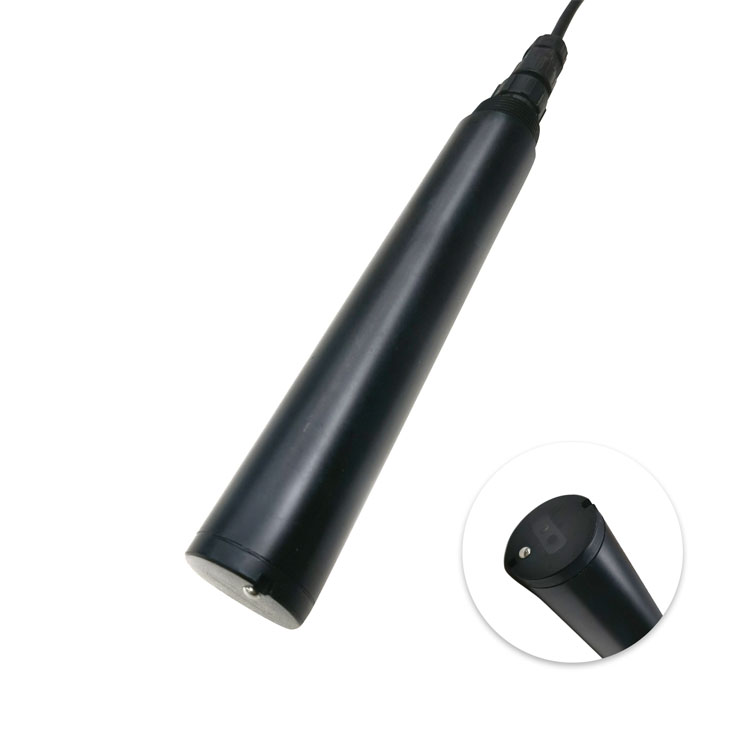 Online Turbidity Sensor RS485 Modbus | NBL-WQ-TS
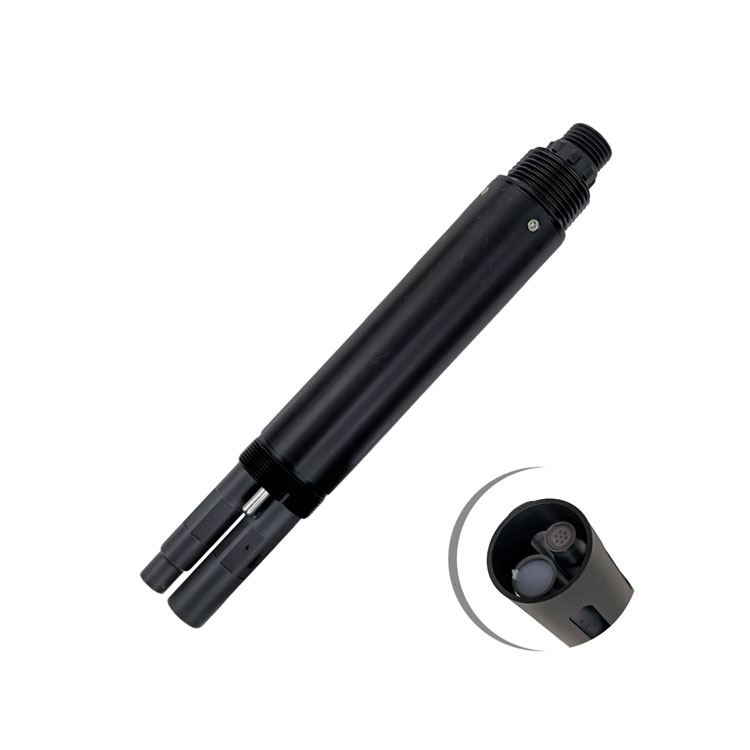 Online Ammonia Nitrogen Sensor (Ammonium ISE) | NBL-WQ-NHN
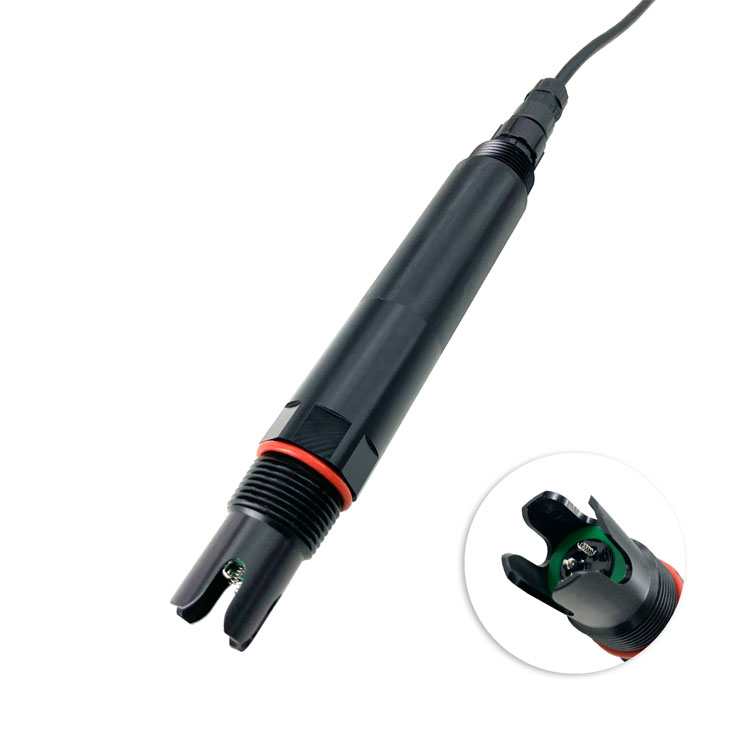 Online Residual Chlorine Sensor (HOCl) RS485 | Water Quality Sensor| NBL-WQ-CL
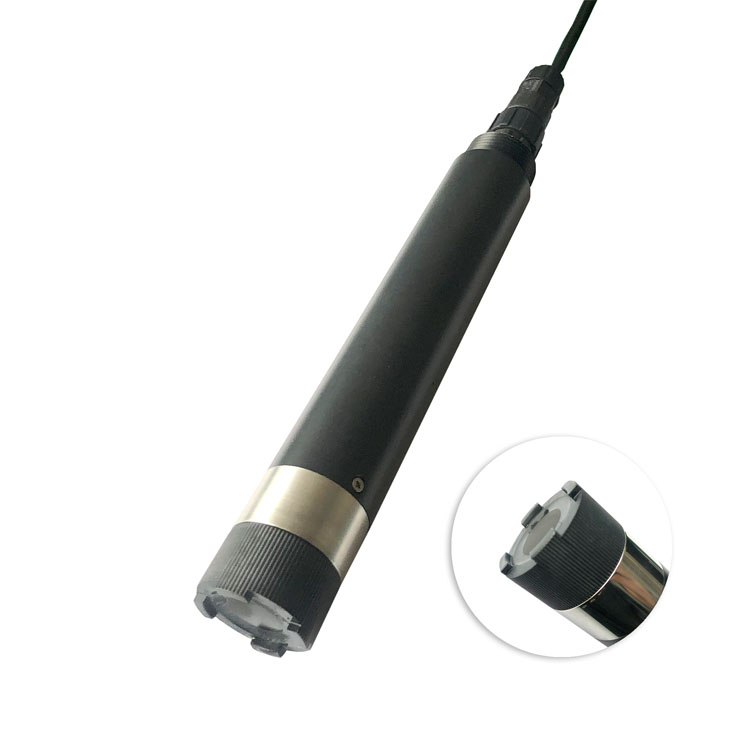 NBL-WQ-DO Online Fluorescence Dissolved Oxygen Sensor
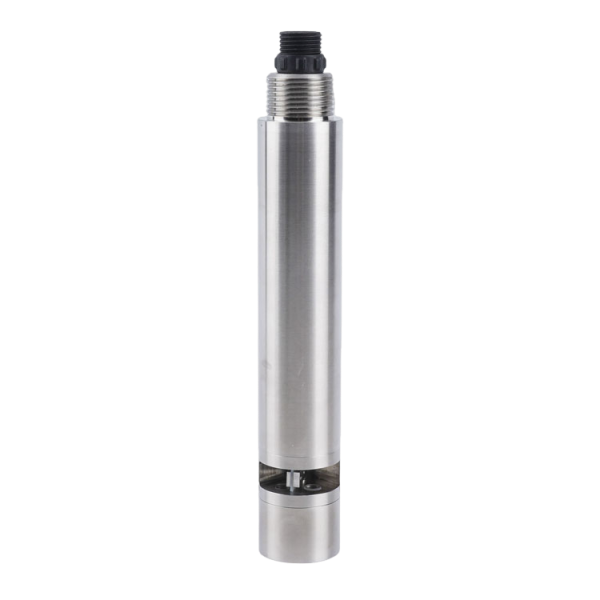 NBL-WQ-COD Online COD Water Quality Sensor
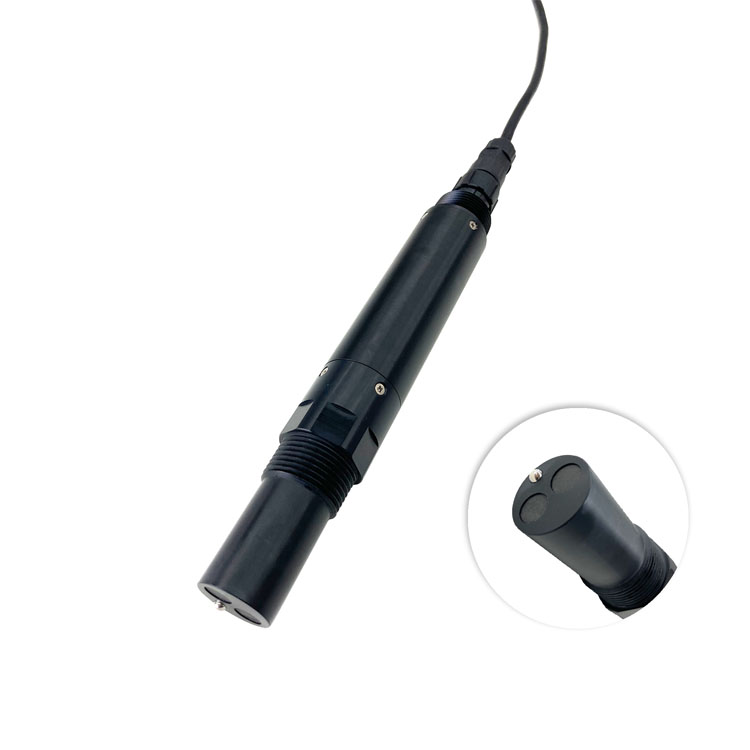 Water Conductivity EC Sensor RS485 Modbus IP68 | NBL-WQ-EC


Screenshot, WhatsApp to identify the QR code
WhatsApp number:+8615367865107
(Click on WhatsApp to copy and add friends)

