





— Products —
 Consumer hotline +8618073152920
 WhatsApp:+8615367865107
Address:Room 102, District D, Houhu Industrial Park, Yuelu District, Changsha City, Hunan Province, China
Water Quality Sensors
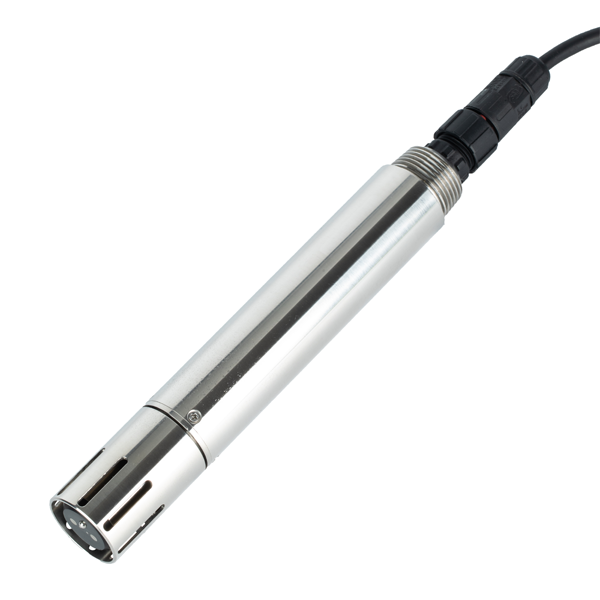
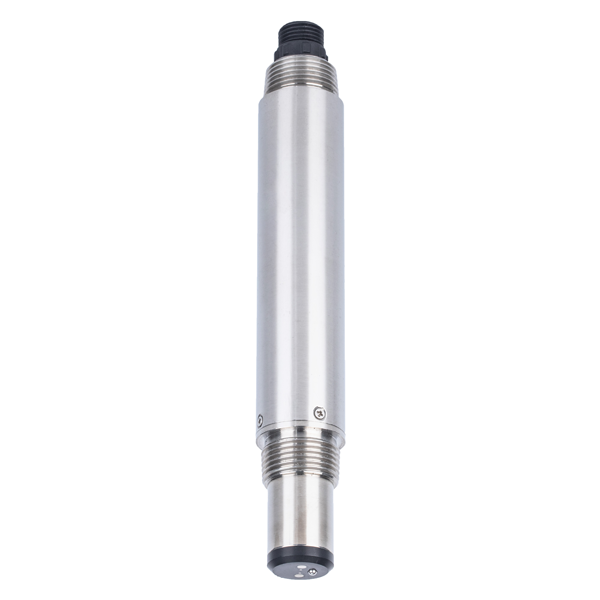
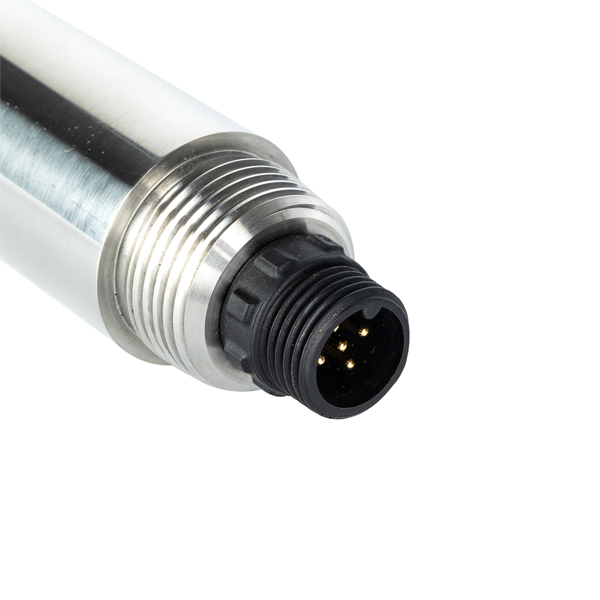
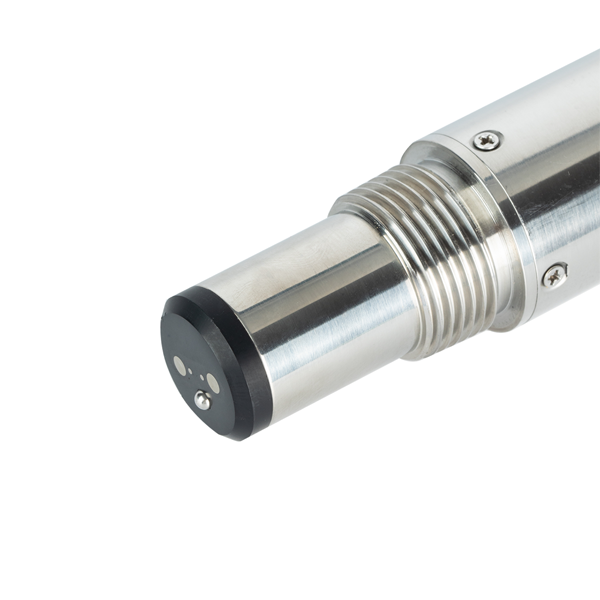
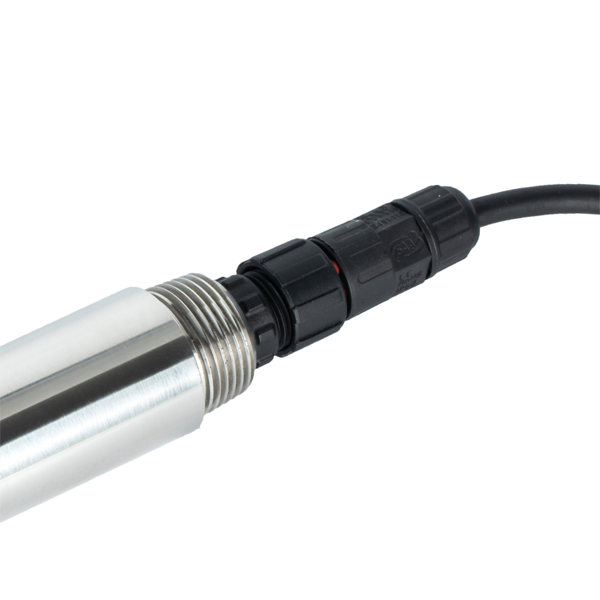
NiuBoL NBL-WQ-ECS-4 online salinity sensor is an industrial-grade online salinity monitoring device that adopts inductive electrode method, with a measurement range of 0~70.0 PSU, automatic temperature compensation (Pt1000). It supports RS485 Modbus RTU protocol and optional 4-20mA output, IP68 protection, and 3/4 NPT installation interface. It is suitable for long-term stable online monitoring in scenarios such as seawater, aquaculture, and high-salt industrial water treatm···
Tel/WhatsApp:+8615367865107
Email:Arvin@niubol.com +Nearly 100 partner companies in more than 75 countries. We are committed to providing high-quality, practical products to meet your needs and help you solve problems. Our products comply with international standards and are certified with ISO, CE and RoHS.Product Details
Monitoring of high-salinity water often faces problems such as rapid electrode corrosion, obvious temperature drift, installation limitations, and signal interference, which result in unstable measurements, frequent maintenance, and increased system integration difficulty. The NiuBoL NBL-WQ-ECS-4 online salinity sensor adopts the inductive electrode method and a design using highly corrosion-resistant materials, effectively solving these engineering pain points and providing system integrators and engineering contractors with a high-precision, high-stability, and easy-to-integrate online salinity monitoring solution.
Inductive electrode measurement: The non-contact inductive principle reduces electrode contamination and corrosion, ensuring long-term measurement stability.
Automatic temperature compensation: Built-in Pt1000 sensor provides real-time compensation for temperature effects, ensuring high-precision output within the range of 0–50℃.
Integrated digital output: RS-485 Modbus RTU protocol enables seamless connection to PLC, DCS, SCADA and other systems, with optional 4–20 mA analog output.
The NiuBoL NBL-WQ-ECS-4 online salinity sensor is specially designed for seawater, high-salinity water, and various industrial water treatment scenarios. Based on the inductive electrode method, it accurately measures the salinity (PSU) of water bodies. The product features a fast response (T90<30 s), a resolution of 0.1 PSU, and a minimum detection limit of 0.1 PSU, making it suitable for application environments that require continuous and reliable salinity data.
The sensor supports RS-485 bus and standard Modbus RTU communication protocol, and can be directly connected to PLCs, DCS, industrial control computers, touch screens and other third-party equipment to achieve remote data transmission and system linkage. The optional 4–20 mA current output further enhances compatibility with traditional control systems.
The entire device adopts a housing made of ABS and TC4 titanium alloy, with excellent resistance to seawater corrosion. It has an IP68 protection rating and supports long-term submerged installation (working pressure ≤0.6 MPa). The standard 3/4 NPT threaded interface makes installation convenient, especially suitable for long-term online monitoring under complex working conditions such as marine aquaculture, ocean monitoring, and high-salinity industrial water treatment, significantly reducing maintenance costs and system deployment difficulty.
Inductive electrode technology: Adopts a non-contact inductive measurement principle, avoiding problems such as easy contamination and corrosion of traditional electrodes, reducing maintenance frequency, and improving long-term stability in high-salinity environments.
Automatic temperature compensation: Built-in high-precision Pt1000 temperature sensor performs real-time automatic compensation to ensure that salinity measurement is not affected by temperature fluctuations, with accuracy of ±1% of reading and temperature ±0.3℃.
Highly corrosion-resistant material protection: The housing is composed of ABS and TC4 titanium alloy, with excellent resistance to seawater and strongly corrosive media. Combined with IP68 protection rating, it can withstand long-term water pressure ≤0.6 MPa and is suitable for harsh aquatic environments.
Digital communication and anti-interference: Standard RS-485 Modbus RTU protocol uses 5-core shielded twisted cable transmission, effectively resisting electromagnetic interference in industrial sites, and supports long-distance transmission and multi-node networking.
Convenient installation design: Standard 3/4 NPT threaded interface supports submerged, pipeline, or tank installation. During installation, the bottom of the sensor should be at least 5 cm away from the bottom of the container and at least 2 cm away from the side wall to ensure measurement accuracy.
Low power consumption operation: Power consumption is only 0.2 W @ 12 V, suitable for continuous online operation and reducing overall system energy consumption. The two-point calibration method is easy to operate, with stable and reliable calibration parameters.
1. Smart marine aquaculture management: Real-time monitoring of salinity in aquaculture ponds, combined with temperature data to optimize breeding environments and ensure healthy growth of fish, shrimp, and other organisms.
2. Seawater desalination and water supply systems: Monitoring salinity changes in raw seawater and during desalination processes to assist in process control and effluent quality assurance.
3. High-salinity industrial wastewater treatment: Online monitoring of salinity in high-salinity wastewater in chemical, petroleum, pharmaceutical and other industries to support process adjustment and compliant discharge.
4. Marine and coastal environmental monitoring: Submerged installation in marine areas and estuaries to achieve continuous online salinity data collection, supporting environmental research and pollution monitoring.
5. Industrial circulating cooling water and boiler water treatment: Monitoring water salinity to prevent scaling and corrosion and extend equipment service life.
During installation, the sensor should be kept vertical or slightly inclined. During testing, keep it at least 5 cm away from the bottom of the container and at least 2 cm away from the side wall to avoid interference from the container walls or bottom. It supports submerged installation and can also be used in pipelines or tanks (wall-mounted installation with a dedicated bracket is recommended).
Electrical connection (5-core shielded twisted cable):
Red wire → Power positive (12–24 VDC)
Black wire → Ground (GND)
Blue wire → 485A
Green wire → 485B
Yellow wire → 4–20 mA output (optional, leave floating if unused)
Q1: What measurement principle does the NBL-WQ-ECS-4 use?
A: It uses the inductive electrode method with a non-contact measurement approach, effectively reducing electrode contamination and corrosion, making it suitable for long-term online monitoring in high-salinity water bodies.
Q2: Does the sensor support temperature compensation?
A: Yes. It has a built-in Pt1000 temperature sensor that performs automatic temperature compensation to ensure measurement accuracy is not affected by temperature within the 0–50℃ range.
Q3: How does RS485 Modbus help system integration?
A: The sensor strictly follows the Modbus RTU standard and can be directly connected to PLC, DCS, SCADA, or IoT platforms. It supports multi-node networking, strong anti-interference capability, and easy integration.
Q4: How is the corrosion resistance in seawater?
A: The housing is made of ABS and TC4 titanium alloy, offering excellent resistance to seawater corrosion. The IP68 protection rating supports long-term immersion in high-salinity environments.
Q5: Is calibration complicated?
A: It uses two-point calibration (zero point + slope), which is simple to operate. Zero calibration is performed in air, and slope calibration is completed using a standard solution.
Q6: What are the installation distance requirements?
A: The sensor should be at least 5 cm from the bottom and 2 cm from the side wall to ensure accurate measurement without interference.
Q7: Does it support 4–20 mA output?
A: Yes. Optional 4–20 mA output can be used together with RS-485 to meet different system requirements.
Q8: What is the warranty period?
A: One-year warranty from the date of sale (excluding human-caused damage). The sensor uses high-quality materials, has a long service life, and requires low maintenance.
The NBL-WQ-ECS-4 provides a professional and stable engineering solution for high-salinity water monitoring through its inductive electrode technology, automatic temperature compensation, and highly corrosion-resistant materials. It helps system integrators and engineering contractors achieve reliable and continuous salinity monitoring in marine aquaculture, seawater desalination, and industrial water treatment, reducing operation and maintenance costs while improving overall system reliability.
Sensors & Weather Stations Catalog
 Agriculture Sensors and Weather Stations Catalog-NiuBoL.pdf
Weather Stations Catalog-NiuBoL.pdf
Agriculture Sensors Catalog-NiuBoL.pdf
Water Quality Sensor Catalog-NiuBoL.pdf
Related recommendations
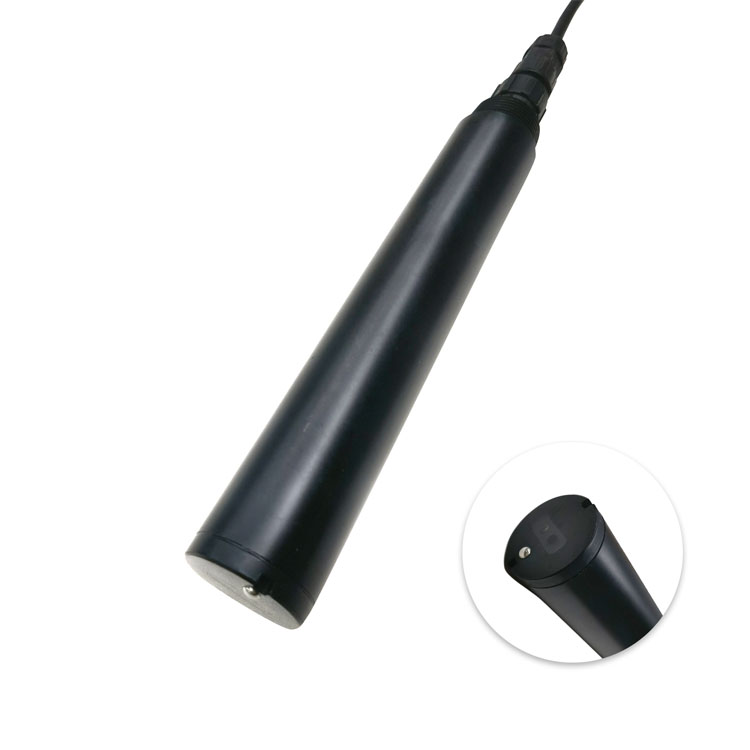 NBL-WQ-TS Online Turbidity Water Quality Sensor
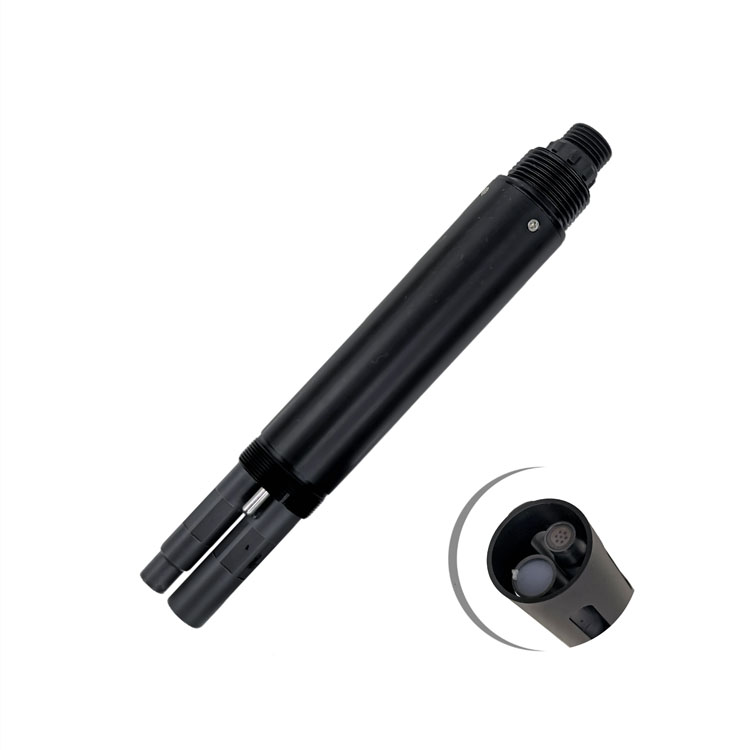 NBL-WQ-NHN Online Water Quality Ammonia Nitrogen Sensor
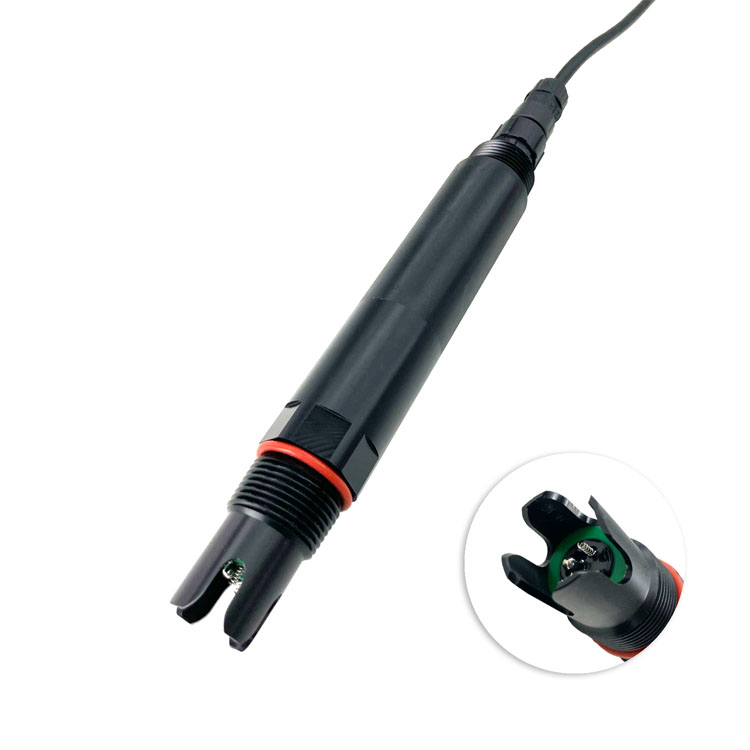 NBL-WQ-CL Water Quality Sensor Online Residual Chlorine Sensor
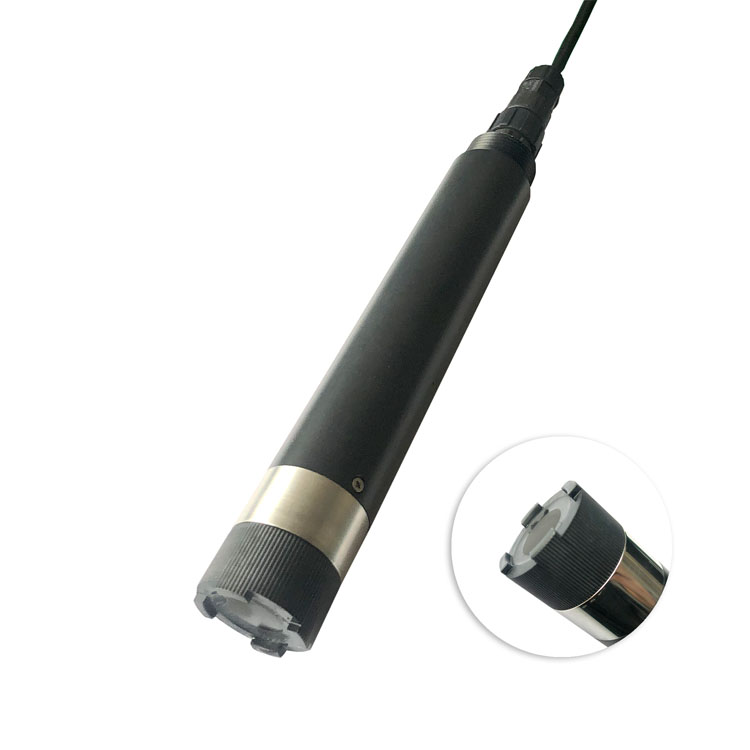 NBL-WQ-DO Online Fluorescence Dissolved Oxygen Sensor
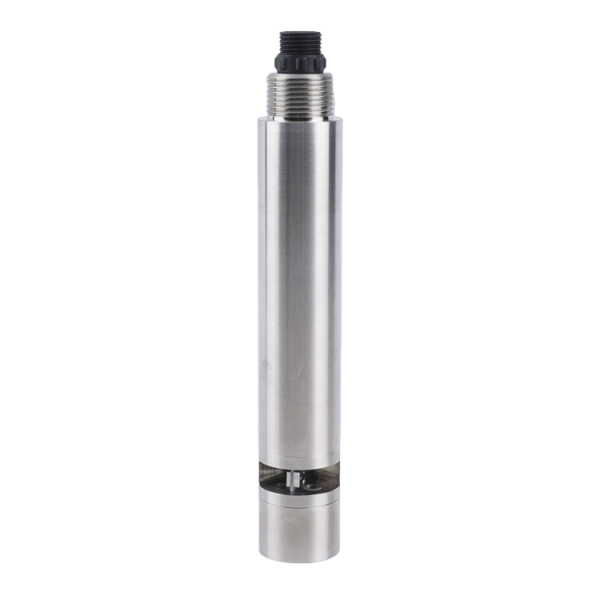 NBL-WQ-COD Online COD Water Quality Sensor
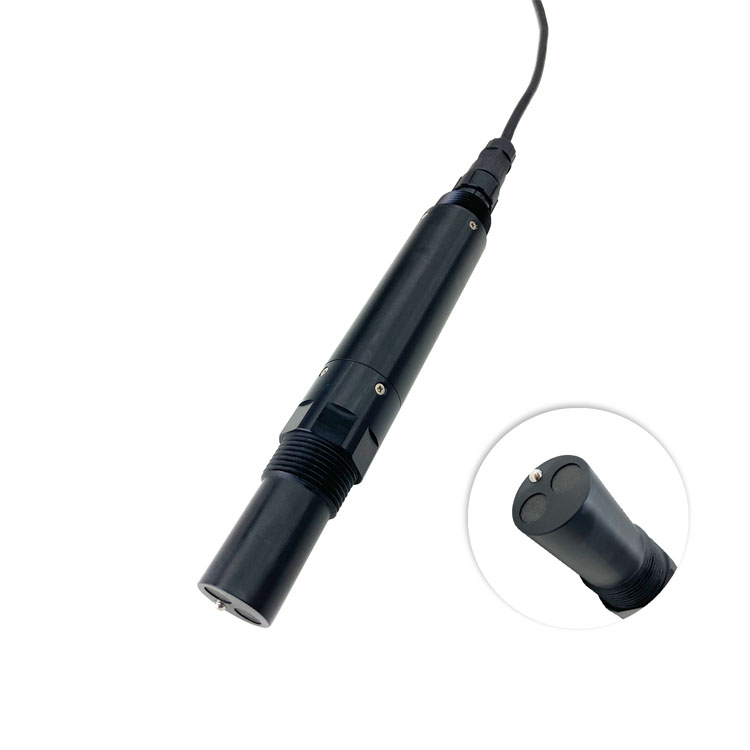 NBL-WQ-EC Online Water Quality Conductivity Sensor

Screenshot, WhatsApp to identify the QR code
WhatsApp number:+8615367865107
(Click on WhatsApp to copy and add friends)

