





— Products —
 Consumer hotline +8618073152920
WhatsApp:+8615367865107
Address:Room 102, District D, Houhu Industrial Park, Yuelu District, Changsha City, Hunan Province, China
Water Quality Sensors
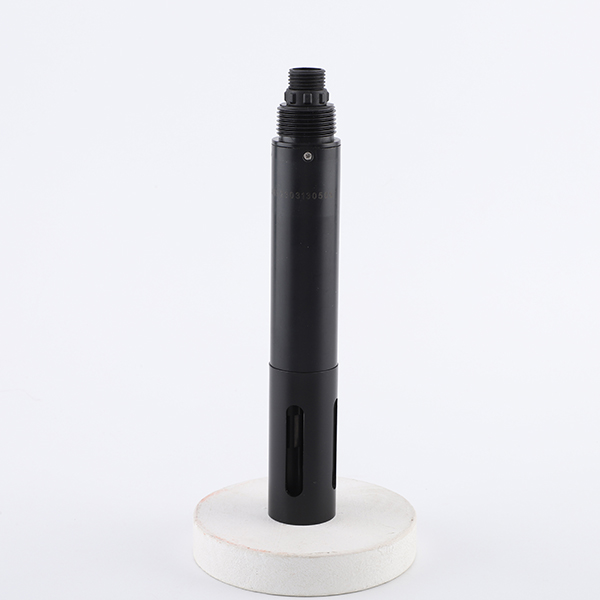
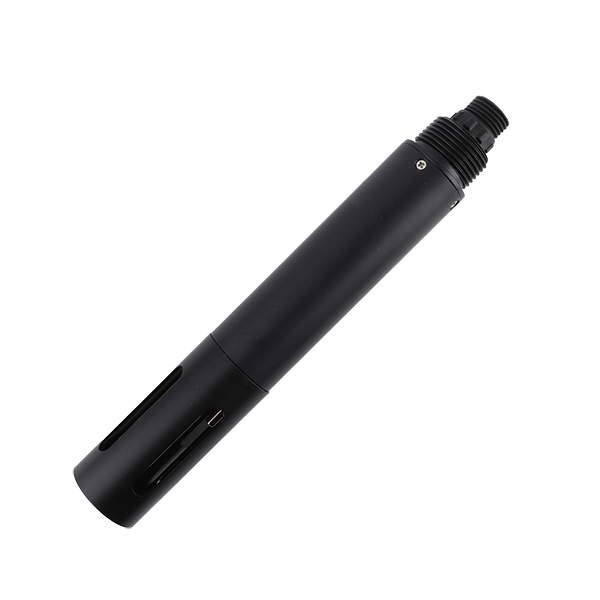
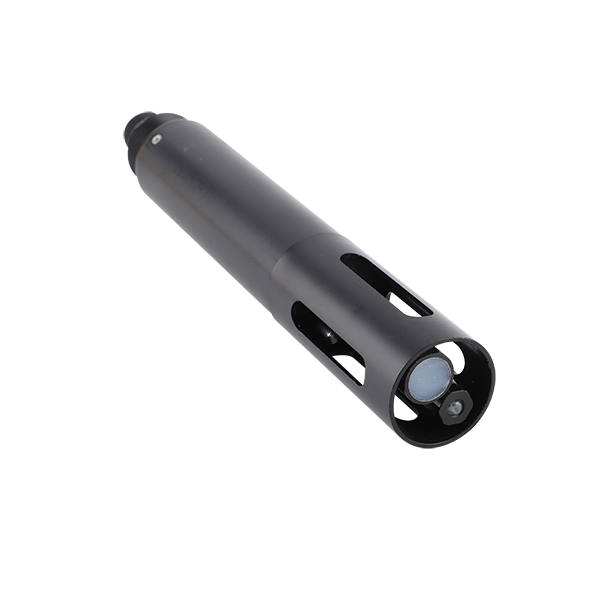
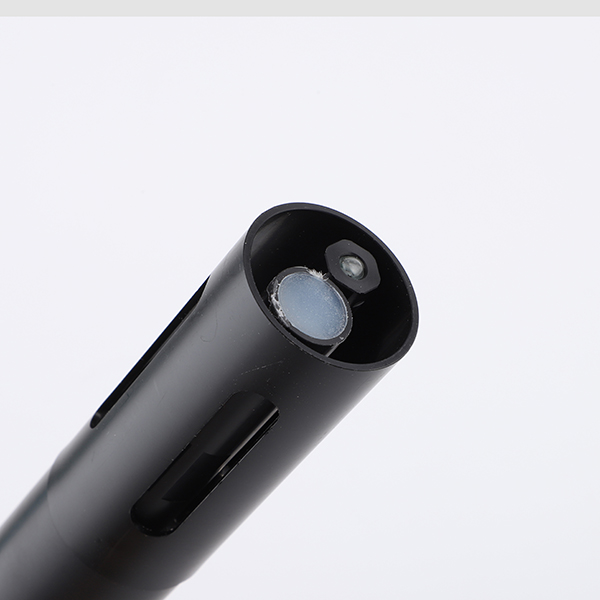
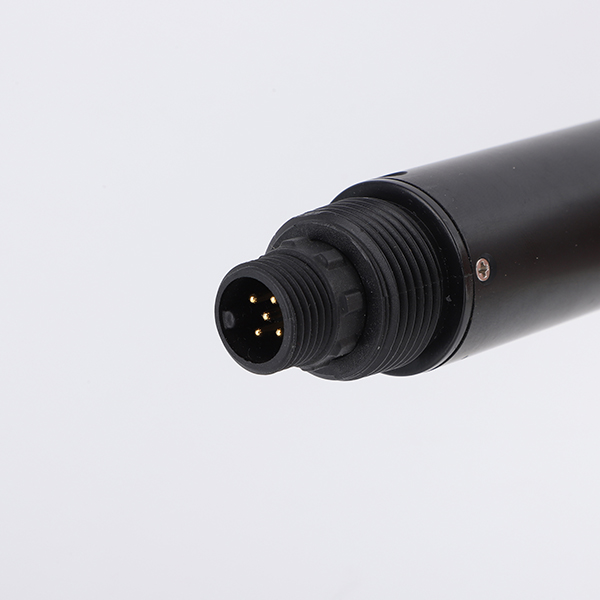
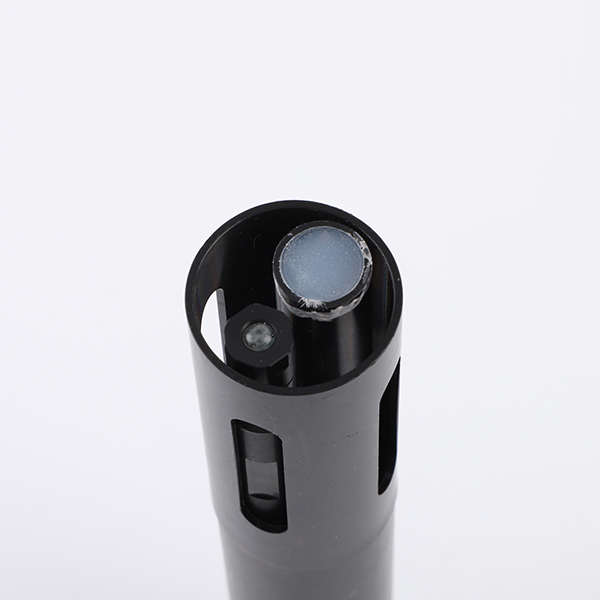
NiuBoL NBL-WQ-NHN-4A online ammonium nitrogen sensor is an industrial-grade online ammonia nitrogen monitoring device that adopts PVC membrane ion selective electrode method, with automatic temperature compensation. It supports RS485 Modbus RTU protocol and optional 4-20mA output, IP68 protection, and 3/4 NPT installation interface. It is suitable for long-term stable online measurement of ammonium nitrogen in scenarios such as wastewater treatment, river and lake monitoring,···
Tel/WhatsApp:+8615367865107
Email:Arvin@niubol.com +Nearly 100 partner companies in more than 75 countries. We are committed to providing high-quality, practical products to meet your needs and help you solve problems. Our products comply with international standards and are certified with ISO, CE and RoHS.Product Details
Product Overview: The NiuBoL NBL-WQ-NHN-4A is an online ammonia nitrogen sensor based on a PVC-membrane ammonium ion-selective electrode (ISE). It is designed for continuous ammonium-related monitoring in wastewater treatment, surface water and compatible industrial water applications. Two measurement ranges are available: 0–100.00 mg/L and 0–1000.0 mg/L. The sensor supports RS485 Modbus RTU communication, optional 4–20 mA output, automatic Pt1000 temperature compensation and IP68 protection.
Ammonia-related nitrogen is an important water quality parameter in wastewater treatment, aquaculture and environmental monitoring.
The NBL-WQ-NHN-4A uses an ammonium ion-selective electrode to detect changes in ammonium ion activity in water. The electrode response is processed using calibration information to provide a concentration-related measurement.
The sensor combines a PVC-membrane sensing electrode, reference electrode system, temperature compensation and digital communication in one probe assembly.
Unlike reagent-based colorimetric ammonia analyzers, the ion-selective electrode does not consume chemical reagents during normal measurement. However, electrode conditioning, cleaning, calibration solutions and periodic verification are still required.
The RS485 Modbus RTU interface allows the sensor to connect to compatible PLCs, industrial RTUs, data loggers and water quality monitoring systems.

Ammonium ion-selective electrode: PVC-membrane electrochemical sensing principle.
Two measurement ranges: 0–100.00 mg/L and 0–1000.0 mg/L configurations.
RS485 Modbus RTU: Digital communication for compatible industrial monitoring equipment.
Optional 4–20 mA: Analog output configuration available when specified.
Automatic temperature compensation: Integrated Pt1000 temperature element.
Two-point calibration: Supports calibration using suitable ammonium reference solutions.
IP68 protection: Designed for suitable immersion applications.
3/4-inch NPT connection: Supports compatible mounting arrangements.
Low-power operation: 0.2 W at 12 VDC under the specified conditions.
Standard 5-meter cable: Customized cable lengths are available.
Replaceable sensing electrode: Electrode maintenance and replacement can be performed when required.
The NBL-WQ-NHN-4A is available in two concentration range configurations. Select the appropriate range according to the expected ammonium-related concentration in the water.
| Measurement Range | Resolution |
|---|---|
| 0–100.00 mg/L | 0.01 mg/L |
| 0–1000.0 mg/L | 0.1 mg/L |
The specified accuracy is ±10% or ±1 mg/L. For formal acceptance testing, the applicable accuracy criterion and concentration reporting basis should be defined for the selected range.
The listed ranges are alternative product configurations. The selected range should cover normal concentrations and expected increases at the measurement location.
Measurement note: A resolution of 0.01 mg/L does not mean the sensor has an accuracy of ±0.01 mg/L or can reliably detect every small concentration change.
| Parameter | Specification |
|---|---|
| Brand | NiuBoL |
| Model | NBL-WQ-NHN-4A |
| Sensor Type | Online Ammonium Ion-Selective Electrode Sensor |
| Measurement Principle | PVC-Membrane Ion-Selective Electrode |
| Measurement Ranges | 0–100.00 / 0–1000.0 mg/L |
| Resolution | 0.01 / 0.1 mg/L |
| Measurement Accuracy | ±10% or ±1 mg/L |
| Temperature Accuracy | ±0.5°C |
| Temperature Compensation | Automatic, Pt1000 |
| Operating Temperature | 0–40°C |
| Operating Pressure | <0.1 MPa |
| Medium pH Range | 4–10 |
| Digital Output | RS485 Modbus RTU |
| Optional Analog Output | 4–20 mA |
| Power Supply | 12–24 VDC |
| Power Consumption | 0.2 W @ 12 V |
| Wetted Materials | PVC and POM |
| Installation Method | Immersion Installation |
| Mounting Thread | 3/4-inch NPT |
| Probe Diameter | Approximately 30 mm |
| Probe Length | Approximately 185 mm |
| Electrical Connector | M16, 5-Core Waterproof Male Connector |
| Standard Cable Length | 5 m; Customizable |
| Calibration | Two-Point Calibration |
| Protection Rating | IP68 |
Output configuration: RS485 Modbus RTU is the standard digital interface. A 4–20 mA output is optional. Specify the required interface when ordering.
Operating conditions: The sensor must operate within the specified water temperature, pH and pressure limits. The wetted materials should also be compatible with the water being monitored.
The NBL-WQ-NHN-4A measures an electrical potential associated with ammonium ion activity in water.
The sensing electrode contains a PVC-based ion-selective membrane. When ammonium ions interact with the membrane, the electrochemical potential changes.
This potential is measured against a reference electrode. The sensor processes the electrical signal using calibration information to produce a concentration-related result.
The relationship between electrode potential and ion activity follows the general principles of potentiometric ion-selective measurement.
Accurate measurement depends on electrode condition, calibration, temperature and the composition of the water sample.
The reference electrode system incorporates a microporous salt bridge that allows controlled contact between the reference solution and the surrounding water.
The sensing membrane and reference system require suitable maintenance to maintain stable measurement performance.

Ammonium and ammonia nitrogen are related terms, but their reporting units and chemical meanings must be distinguished.
In water, ammonia-related nitrogen exists primarily in two forms:
Ammonium (NH4+): The positively charged ammonium ion.
Unionized Ammonia (NH3): The non-ionized form of ammonia.
These forms are related by a pH-dependent equilibrium:
NH4+ ⇌ NH3 + H+
The proportion of NH3 and NH4+ changes with pH and temperature.
At higher pH and temperature, a greater proportion of total ammonia is generally present as unionized NH3.
The NBL-WQ-NHN-4A uses an ammonium-sensitive electrode. Its electrochemical response is associated with ammonium ion activity.
Ammonium nitrogen expresses the nitrogen mass associated with ammonium rather than the complete mass of the ammonium ion.
The numerical value in mg/L NH4+ is therefore different from a value in mg/L NH4-N.
Total ammonia nitrogen includes nitrogen associated with both NH3 and NH4+.
An ammonium ion-selective electrode does not independently measure unionized NH3 and ammonium as two separate channels.
For applications requiring TAN or unionized ammonia concentrations, the reporting basis and any conversion method must be defined using the applicable water chemistry information.
| Parameter | Meaning |
|---|---|
| NH4+ | Ammonium ion concentration. |
| NH4-N | Nitrogen concentration associated with ammonium ions. |
| NH3 | Unionized ammonia. |
| TAN | Total ammonia nitrogen, including NH3-N and NH4-N. |
Data integration recommendation: When connecting the NBL-WQ-NHN-4A to a monitoring system, verify the concentration reporting basis used by the supplied sensor and configure the displayed parameter name and unit accordingly.
Ion-selective electrodes respond to ion activity in water. Their readings can be influenced by other dissolved ions and changes in sample conditions.
Potassium ions (K+) are a significant potential source of interference in ammonium ion-selective electrode measurements.
Elevated potassium concentrations can contribute to an increased apparent ammonium response.
This is particularly important when measuring water with a complex ionic composition or relatively low ammonium concentration.
Sodium, calcium, magnesium and other ions may affect electrode behavior depending on their concentrations and the measurement conditions.
The effect of interfering ions depends on both the concentration of the interfering ion and the concentration of ammonium.
The sensor is specified for medium pH between 4 and 10.
Changes in pH also affect the equilibrium between ammonium and unionized ammonia.
The integrated Pt1000 element provides automatic temperature compensation for the electrode measurement.
Temperature compensation does not eliminate interference from other ions or changes in water chemistry.
Deposits, membrane aging, reference-system problems and unsuitable storage can affect measurement stability.
Cleaning, calibration verification and replacement of the sensing electrode may be necessary during long-term operation.

The NBL-WQ-NHN-4A can be considered for ammonium-related monitoring at suitable points in municipal wastewater treatment facilities.
Changes in ammonium concentration can provide information about nitrogen-related water quality conditions and biological treatment processes.
For applications involving nitrification monitoring, ammonium readings may be considered together with dissolved oxygen, pH, temperature and other relevant process measurements.
The sensor provides measurement information. Automatic aeration or process control requires a separate controller and appropriate control logic.
Some industrial wastewater streams contain ammonia-related nitrogen compounds.
The NBL-WQ-NHN-4A may be used for compatible monitoring applications where the expected concentration and water chemistry are suitable for ammonium ISE measurement.
For chemically complex wastewater, evaluate the influence of interfering ions and compare readings with an appropriate reference method.
Ammonia-related nitrogen monitoring can support environmental water quality observation in rivers, lakes and reservoirs.
For long-term deployment, consider the expected concentration range, water pH, temperature, fouling and maintenance accessibility.
Low-concentration environmental monitoring may require additional verification to ensure that the selected sensor provides useful performance near the required threshold.
Ammonia-related nitrogen is relevant to aquaculture water quality because unionized ammonia can affect aquatic organisms.
The NBL-WQ-NHN-4A may provide ammonium-related measurements as part of a broader water monitoring system.
However, ammonium measurement alone does not directly determine unionized ammonia toxicity.
Water pH and temperature are important when evaluating the proportion of unionized ammonia.
The sensor may be considered for selected agricultural drainage or nutrient-rich water monitoring projects where the measurement range is suitable.
Water containing elevated potassium or other dissolved ions requires particular attention to ion-selective electrode interference.
For applications requiring precise nutrient analysis, representative reference testing may be needed.
The expected concentration range and required decision threshold are important when selecting an ammonium ion-selective electrode sensor.
| Selection Item | What to Confirm |
|---|---|
| Measurement Range | 0–100 or 0–1000 mg/L configuration. |
| Required Parameter | Ammonium ion, ammonium nitrogen or total ammonia nitrogen. |
| Expected Concentration | Normal and maximum concentrations at the measurement point. |
| Decision Threshold | Minimum concentration change that must be measured reliably. |
| Water Chemistry | Potassium, other dissolved ions, salinity and interfering substances. |
| Operating pH | Within the specified range of 4–10. |
| Operating Temperature | Within the selected sensor's operating conditions. |
| Communication | RS485 Modbus RTU or optional 4–20 mA. |
| Reference Method | Required laboratory comparison or measurement acceptance procedure. |
For monitoring locations requiring precise measurements near zero, verify the performance at the actual operating threshold before selecting a broad-range sensor.
The NBL-WQ-NHN-4A supports immersion installation using a 3/4-inch NPT threaded connection.
The sensing section must remain in representative water during normal measurement.
The sensor must not be installed horizontally or upside down. A minimum installation inclination of 15 degrees is required.
Install the sensor with a suitable inclination of at least 15 degrees.
Do not mount the electrode horizontally or upside down.
Keep the sensing membrane exposed to representative water.
Avoid excessive mechanical impact and unnecessary cable tension.
Maintain operating pressure below 0.1 MPa.
Keep the water pH within 4–10.
Provide access for electrode conditioning, inspection and replacement.
Protect external electrical connections against moisture.
Check compatibility of PVC and POM with the monitored water.
The IP68 protection rating does not override the operating pressure or material compatibility limits.

The NBL-WQ-NHN-4A operates from a 12–24 VDC power supply.
For RS485 Modbus RTU communication, use the following wiring arrangement.
| Wire Color | Function |
|---|---|
| Red | 12–24 VDC Positive |
| Black | Power Ground (GND) |
| Blue | RS485 A |
| White | RS485 B |
| Yellow | Optional Current Output |
The yellow conductor is associated with the optional analog output. If unused, it should remain disconnected and properly insulated.
Check the wiring and supplied connector before applying power.
All electrical connections exposed to water or outdoor conditions should be protected using suitable waterproof connection methods.

The NBL-WQ-NHN-4A uses RS485 Modbus RTU for communication with compatible PLCs, RTUs and industrial data loggers.
| Communication Parameter | Default Setting |
|---|---|
| Interface | RS485 |
| Protocol | Modbus RTU |
| Baud Rate | 9600 bps |
| Data Bits | 8 |
| Parity | None |
| Stop Bits | 1 |
| Default Device Address | 6 (0x06) |
| Address Range | 1–255 |
| Read Function Code | 03 |
| Write Function Code | 06 |
| Register Address | Function |
|---|---|
| 0x0000 | Ammonium-Related Measurement and Temperature, 4 Registers |
| 0x1000 | Lower-Point Calibration |
| 0x1004 | Slope Calibration |
| 0x1010 | Temperature Calibration |
| 0x2002 | Device Address Configuration |
| 0x2020 | Restore Factory Calibration Values |
The measurement data block contains four consecutive 16-bit registers for the concentration value, concentration decimal scaling, temperature and temperature decimal scaling.
The following command reads four measurement registers from the sensor at the default address of 6.
Request: 06 03 00 00 00 04 45 BE
Example response: 06 03 08 00 55 00 02 01 18 00 01 B3 5D
In this example, the concentration raw value is 0x0055 (85 decimal), with two decimal places, giving a displayed reading of 0.85 mg/L.
The temperature raw value is 0x0118 (280 decimal), with one decimal place, giving 28.0°C.
This example demonstrates the communication data format. The measurement should be interpreted using the calibrated concentration reporting unit of the supplied configuration.
The NBL-WQ-NHN-4A can supply ammonium-related readings to compatible industrial monitoring equipment through RS485 Modbus RTU.
Ammonium Sensor → RS485 Modbus RTU → PLC / RTU / Data Logger → Monitoring Software
A compatible communication gateway can be added when measurement data must be transmitted to a remote server.
Remote cellular communication and cloud services require separate equipment and software.
The sensor supplies measurement data. Automatic aeration, chemical dosing or water treatment control requires separate compatible control equipment.
Ammonium ion-selective electrodes require appropriate preparation and maintenance to support reliable measurement.
Inspect the sensing electrode and protective components before installation.
Condition the sensing electrode using suitable activation and ammonium reference solutions according to the supplied electrode instructions.
Ensure the sensing membrane has been properly conditioned before performing measurement verification or calibration.
Rinse the sensing electrode with distilled or deionized water when cleaning is required.
Remove deposits carefully without damaging the PVC membrane.
Avoid prolonged immersion in distilled water or protein solutions. Prevent contact with silicone grease.
Clean the electrode and protect the sensing element using the appropriate protective container.
Follow the recommended storage and reactivation procedure before returning the electrode to service.
The sensing electrode is a consumable component.
If suitable cleaning, conditioning and calibration cannot restore acceptable measurement performance, electrode replacement may be necessary.
The NBL-WQ-NHN-4A supports two-point calibration using appropriate ammonium reference solutions.
The suitable calibration concentrations depend on the selected measurement range.
Place the sensing electrode in the appropriate lower-concentration calibration solution.
Allow approximately five minutes for the reading to stabilize.
When adjustment is necessary, perform calibration using the corresponding Modbus command.
Place the electrode in the appropriate higher-concentration reference solution.
Allow approximately five minutes for stabilization before applying the slope calibration command.
For the 0–100 mg/L configuration, the calibration register uses the reference concentration multiplied by 100.
For the 0–1000 mg/L configuration, the corresponding scaling is multiplied by 10.
Calibration adjustments should use the correct reference solution, measurement range and register value.
Calibration recommendation: Before changing calibration settings, verify the reference solution, electrode condition and measurement stability. Incorrect calibration can reduce the reliability of subsequent measurements.
| Problem | Recommended Check |
|---|---|
| No RS485 Communication | Check the power supply, wiring, Modbus address, baud rate and cable connections. |
| Unstable Reading | Inspect electrode conditioning, sensing membrane, calibration and water conditions. |
| Unexpected High Reading | Check potassium interference, calibration and the ionic composition of the water. |
| Unexpected Low Reading | Check electrode condition, calibration, concentration range and water pH. |
| Difference from Laboratory Results | Confirm the same reporting unit, reference method, sampling conditions and ammonia species. |
| Measurement Does Not Stabilize | Check electrode activation, membrane condition and the reference system. |

NBL-WQ-NHN-4A and NBL-WQ-NHN-4S are separate ammonium ion-selective electrode sensor configurations.
Both are intended for ammonium-related water monitoring and support RS485 Modbus RTU communication.
The models have different housing configurations and may have different available measurement ranges and technical details.
The NBL-WQ-NHN-4A described here uses PVC and POM wetted materials and offers 0–100 and 0–1000 mg/L measurement ranges.
For the stainless steel configuration, see the NBL-WQ-NHN-4S Online Ammonia Nitrogen Sensor.
For applications involving aggressive water chemistry or long-term immersion, select the housing configuration according to actual material compatibility and operating conditions.
A1. It uses an ammonium ion-selective electrode to measure an electrochemical response associated with ammonium ions in water.
A2. The available ranges are 0–100.00 mg/L and 0–1000.0 mg/L. Select the range according to the expected concentration.
A3. The specified accuracy is ±10% or ±1 mg/L. The applicable acceptance criterion should be defined for the selected range and measurement conditions.
A4. No. Total ammonia nitrogen includes nitrogen associated with both ammonium and unionized ammonia. The reporting basis must be considered when comparing different measurements.
A5. Yes. Potassium can interfere with ammonium ion-selective electrodes. The effect depends on potassium concentration, ammonium concentration and other sample conditions.
A6. Yes. The default communication settings are 9600 baud, 8 data bits, no parity, one stop bit and device address 6.
A7. A 4–20 mA output is available as an optional configuration. Specify the required output when ordering.
A8. The sensor operates from 12–24 VDC and has a specified power consumption of 0.2 W at 12 V.
A9. It is designed for suitable immersion installations and has an IP68 protection rating. Water pressure, temperature, chemical compatibility and cable sealing must remain within the supported conditions.
A10. No. The installation requires an inclination of at least 15 degrees. Horizontal and inverted mounting are not permitted.
A11. The sensor is calibrated before shipment and supports two-point calibration. Additional verification or recalibration may be needed according to electrode condition and project requirements.
A12. Yes, where the selected measurement range and water chemistry are suitable. Ion interference, fouling and reference measurement requirements should be considered.
A13. No. It does not independently measure unionized NH3. Evaluating unionized ammonia requires the appropriate ammonia measurement basis and water chemistry information, including pH and temperature.
A14. The sensor provides measurement data. Automatic equipment control requires separate compatible controllers and actuators.
A15. Provide the target concentration range, required reporting unit, water chemistry, operating pH and temperature, output interface, installation conditions, cable length and quantity.
Download the NBL-WQ-NHN-4A user manual for electrical wiring, installation requirements, electrode maintenance, calibration procedures and Modbus RTU register addresses.
The document can be used when integrating the sensor with a compatible PLC, RTU or industrial data logger.
 NBL-WQ-NHN-4A Online Ammonia Nitrogen Sensor User Manual.pdf
For product selection and quotation, please provide the following information:
Required measurement: Ammonium, ammonium nitrogen or total ammonia nitrogen.
Expected concentration: Normal and maximum concentrations in mg/L.
Water application: Wastewater treatment, environmental monitoring, aquaculture or industrial water.
Water chemistry: pH, temperature, salinity, potassium and other relevant dissolved ions.
Communication: RS485 Modbus RTU or optional 4–20 mA.
Installation: Immersion location, mounting method and cable length.
Reference method: Laboratory comparison or project acceptance requirements, if applicable.
Order details: Quantity and destination country.
NiuBoL can provide technical documentation and configuration information for evaluating the sensor in your water monitoring project.
Explore other NiuBoL Online Water Quality Sensors for pH, dissolved oxygen, conductivity, turbidity and related monitoring parameters.
Prev:Online Ammonia Nitrogen Sensor (NH4+ ISE) For Wastewater Treatment, River Monitoring| NBL-WQ-NHN-4S
Next:NBL-WQ-ECS-4 Online Salinity Sensor RS485 & 4-20mA | NiuBoL
Sensors & Weather Stations Catalog
 Agriculture Sensors and Weather Stations Catalog-NiuBoL.pdf
Weather Stations Catalog-NiuBoL.pdf
Agriculture Sensors Catalog-NiuBoL.pdf
Water Quality Sensor Catalog-NiuBoL.pdf
Related recommendations
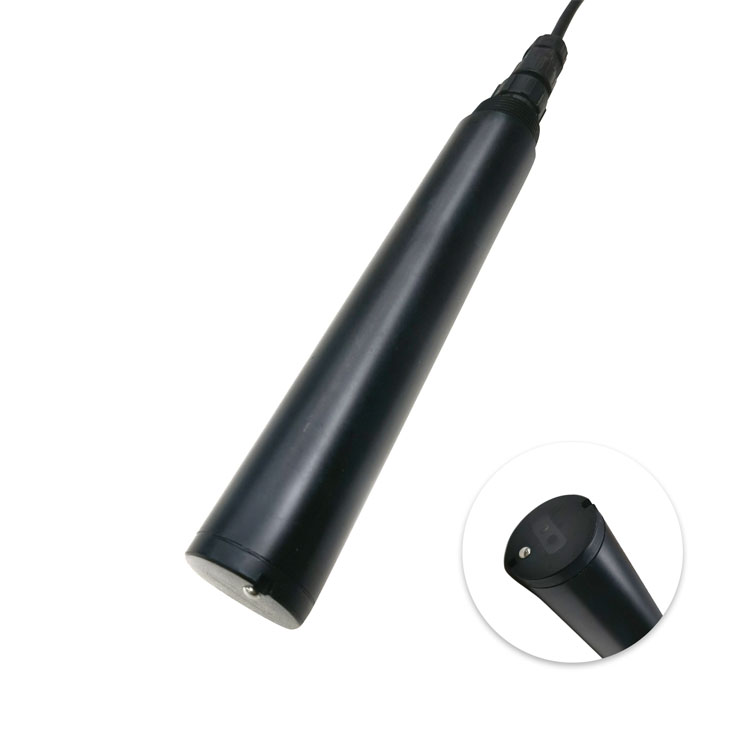 Online Turbidity Sensor RS485 Modbus | NBL-WQ-TS
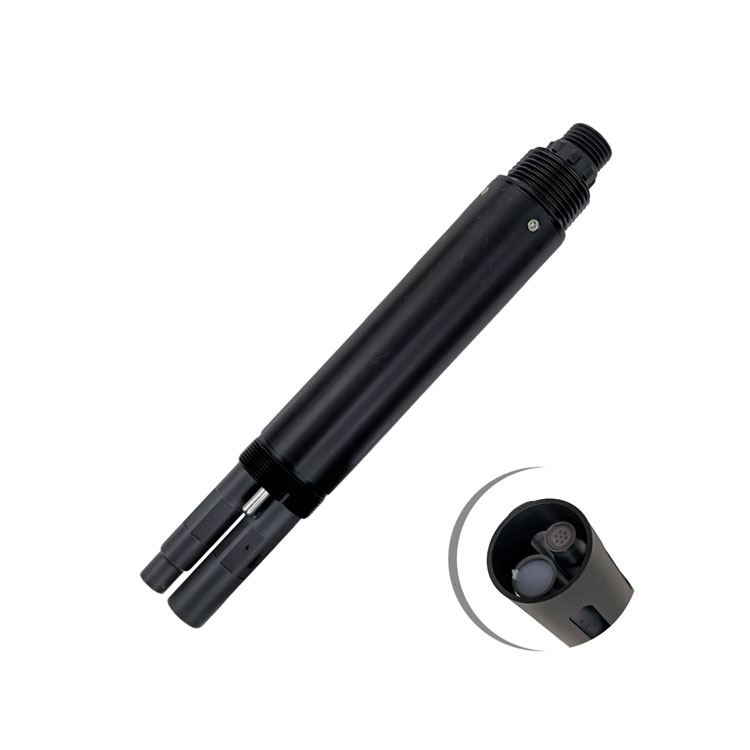 Online Ammonia Nitrogen Sensor (Ammonium ISE) | NBL-WQ-NHN
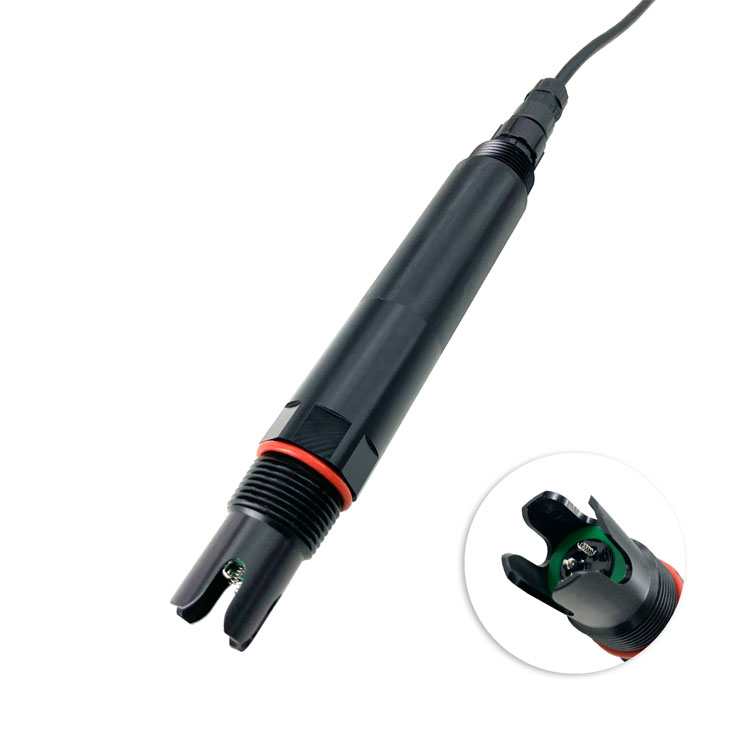 Online Residual Chlorine Sensor (HOCl) RS485 | Water Quality Sensor| NBL-WQ-CL
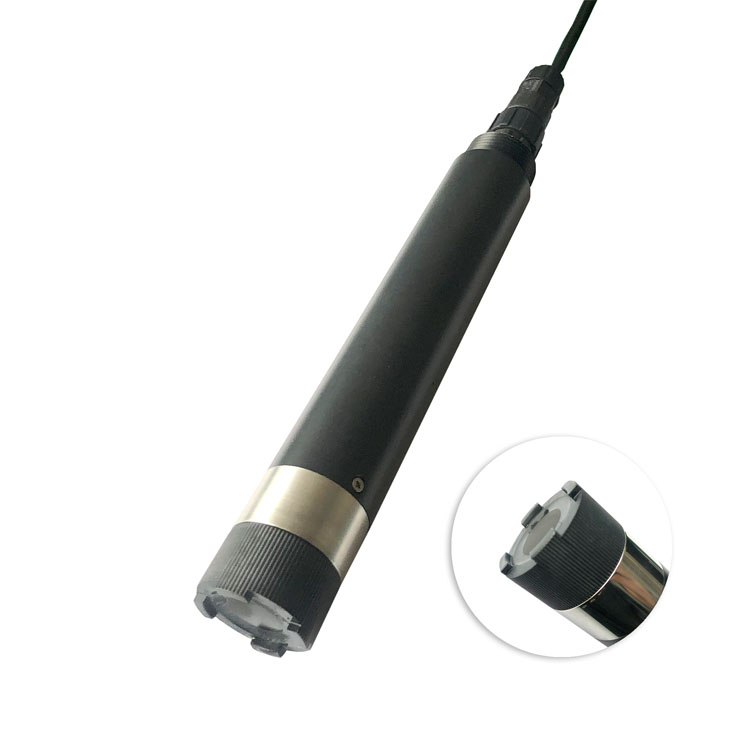 NBL-WQ-DO Online Fluorescence Dissolved Oxygen Sensor
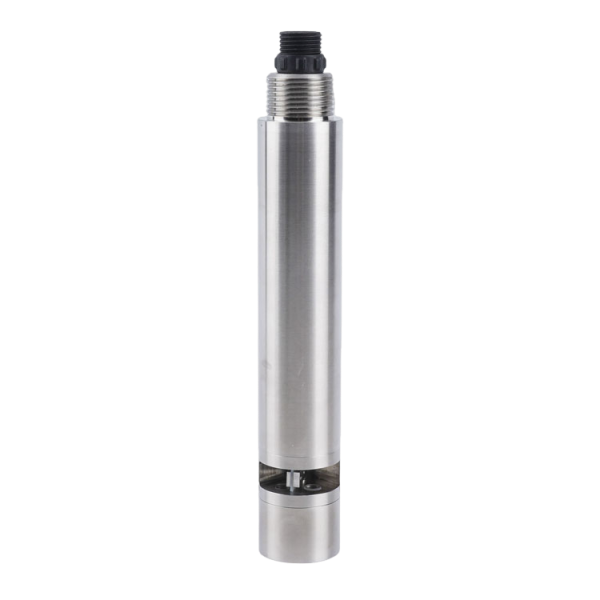 NBL-WQ-COD Online COD Water Quality Sensor
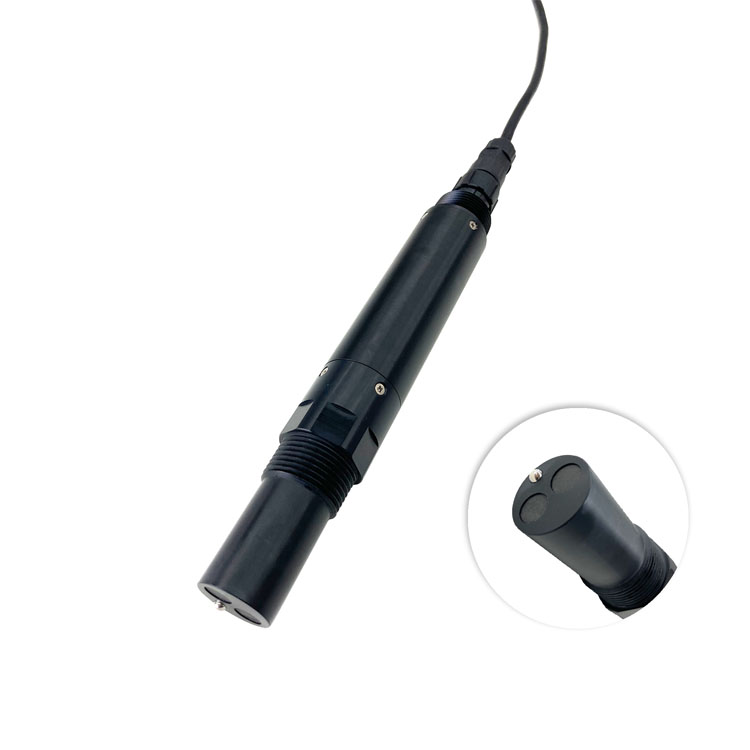 Water Conductivity EC Sensor RS485 Modbus IP68 | NBL-WQ-EC


Screenshot, WhatsApp to identify the QR code
WhatsApp number:+8615367865107
(Click on WhatsApp to copy and add friends)

