





— Products —
 Consumer hotline +8618073152920
 WhatsApp:+8615367865107
Address:Room 102, District D, Houhu Industrial Park, Yuelu District, Changsha City, Hunan Province, China
Water Quality Sensors
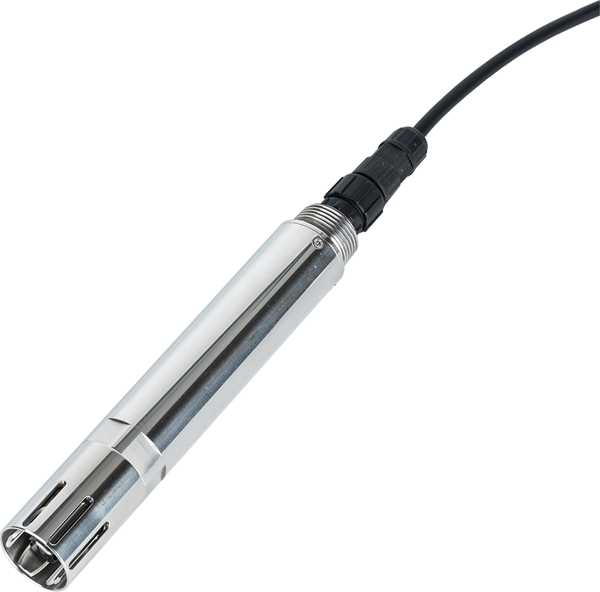
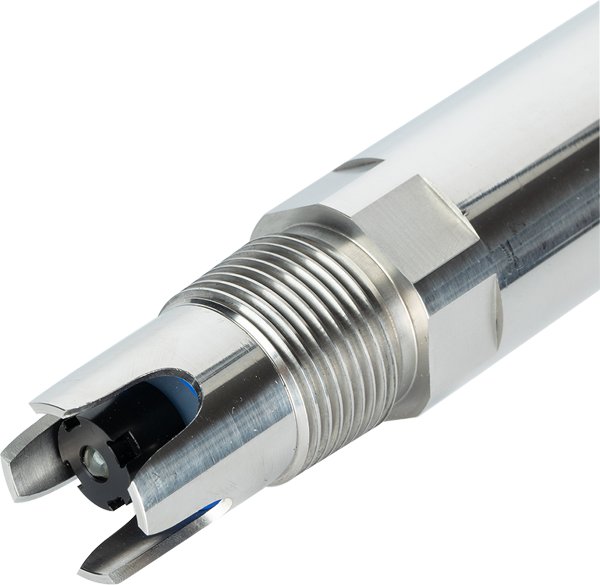
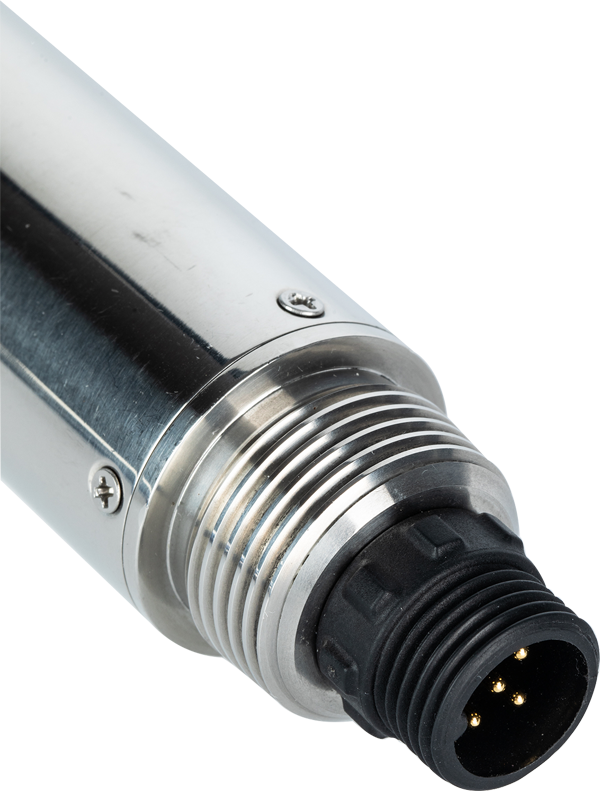

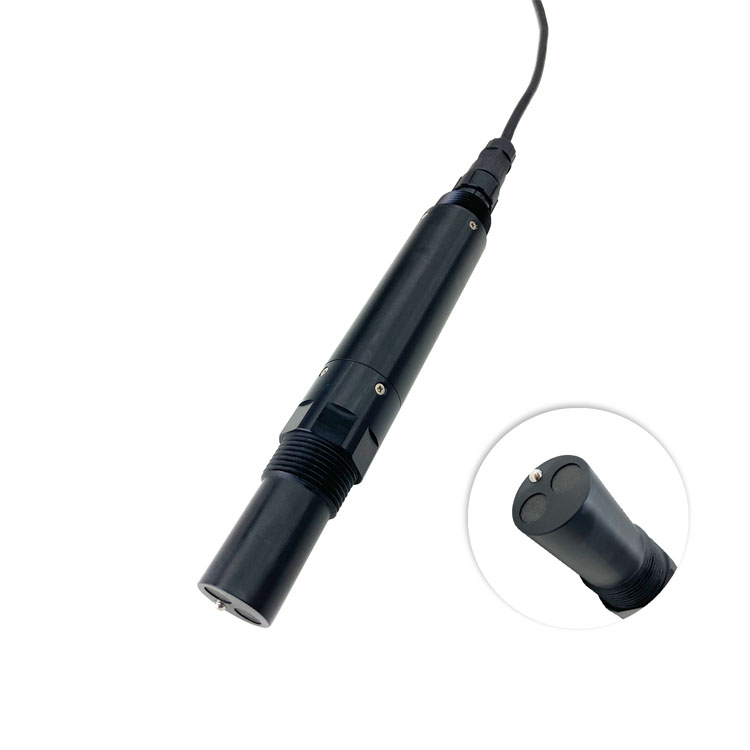
NiuBoL NBL-WQ-NHN-4S online ammonia nitrogen sensor adopts ion selective electrode (ISE) technology, with a patented ammonium ion probe and microporous salt bridge design. It is specially designed for wastewater treatment, river monitoring and industrial water quality control. It supports RS485 Modbus RTU protocol, features IP68 protection rating and automatic temperature compensation, solving engineering pain points such as high reagent consumption, high maintenance cost and···
Tel/WhatsApp:+8615367865107
Email:Arvin@niubol.com +Nearly 100 partner companies in more than 75 countries. We are committed to providing high-quality, practical products to meet your needs and help you solve problems. Our products comply with international standards and are certified with ISO, CE and RoHS.Product Details
In municipal wastewater denitrification processes or surface water environmental assessments, fluctuations in ammonia nitrogen indicators directly determine whether the effluent meets standards. However, traditional chemical methods (such as salicylic acid spectrophotometry) ammonia nitrogen analyzers are not only bulky and expensive, but also incur extremely high later operation and maintenance costs due to the need for frequent replenishment of chemical reagents.
The NiuBoL NBL-WQ-NHN-4S is an integrated online sensor specially designed for engineering sites. Based on the PVC membrane ammonium ion selective electrode (ISE) principle, it achieves real-time monitoring without reagents and with second-level response.
Reagent-free Maintenance: Adopts electrochemical measurement principle, completely eliminating complex flow path systems and expensive chemical reagents.
Patented Stability Design: Built-in microporous salt bridge and patented reference system ensure electrode life far exceeds ordinary industrial-grade sensors.
Seamless System Integration: Standard RS485 digital output, directly connects to PLC or IoT platforms, significantly reducing system complexity for integrators.
The NiuBoL NBL-WQ-NHN-4S online ammonia nitrogen sensor deeply integrates the ion sensing unit, Pt1000 temperature compensation module and high-performance transmitter. The product can capture changes in ammonium ion concentration in water in real time and correct temperature drift through internal complex compensation algorithms.
For system integrators, the core value of the NBL-WQ-NHN-4S lies in its engineering usability. It does not require a cumbersome sampling system and can work by directly immersing in the water body. With wide voltage power supply of 12-24V DC and IP68 sealing protection, it can provide stable, continuous and accurate monitoring data whether submerged in aeration tanks or installed on river monitoring buoys.
1. Patented Ammonium Ion Probe and Ultra-slow Seepage Salt Bridge
NiuBoL adopts a special patented probe design. The internal reference liquid seeps out extremely slowly from the microporous salt bridge under a pressure of at least 100 KPa (1 Bar). This design effectively prevents external pollutants from reverse permeating into the electrode interior, ensuring the potential stability of the reference system. Compared with traditional industrial electrodes, this structure extends electrode life by more than 40%.
2. Fast Response and Real-time Feedback
Unlike chemical analyzers with measurement cycles of 30 minutes or longer, the NBL-WQ-NHN-4S can achieve second-level data updates. This is crucial for wastewater plants that need to control frequency converters and blowers in real time for precise aeration optimization (such as achieving dynamic energy consumption management).
3. Built-in Pt1000 Automatic Temperature Compensation
The activity of ammonium ions is highly susceptible to water temperature. NiuBoL integrates a high-precision Pt1000 platinum resistor at the front end of the electrode. Through the built-in Nernst equation compensation model, the sensor automatically corrects potential drift caused by temperature fluctuations, ensuring data consistency in the -5~40℃ environment.
4. Industrial-grade POM and 316L Materials
To address possible complex acid-base environments and microbial corrosion in wastewater treatment, the sensor housing uses POM (polyoxymethylene) engineering plastic and 316L stainless steel. This combination not only has excellent chemical compatibility but also possesses extremely strong mechanical structural strength, sufficient to withstand the challenges of harsh outdoor conditions.
5. Minimalist Digital Communication
The device supports the standard Modbus RTU protocol. Integrators no longer need to write complex analog conversion programs and can directly read hexadecimal data through digital addresses, effectively avoiding electromagnetic noise interference of analog signals during long-distance transmission.
| Parameter Item | Technical Specification |
|---|---|
| Brand | NiuBoL |
| Product Model | NBL-WQ-NHN-4S |
| Measurement Range | 0 ~ 100.00 mg/L or 0 ~ 1000.0 mg/L |
| Resolution | 0.01 mg/L / 0.1 mg/L |
| Measurement Accuracy | ±10% or ±1mg/L (whichever is greater); Temperature ±0.5℃ |
| Operating Temperature | Medium: 0~40℃; Storage: -5~40℃ |
| Operating Pressure | < 0.1 MPa |
| pH Applicable Range | 4 ~ 10 pH |
| Power Supply | 12 ~ 24V DC |
| Signal Output | RS-485 (Modbus RTU); 4-20mA (optional) |
| Wetted Materials | POM engineering plastic + 316L stainless steel |
| Temperature Compensation | Automatic temperature compensation (built-in Pt1000) |
| Protection Rating | IP68 |
| Installation Method | Submerged installation (3/4 NPT thread) |
| Power Consumption | 0.2W @ 12V DC |
| Cable Length | Standard 5 meters (customizable length supported) |
Municipal Wastewater Treatment: Used to monitor inlet load changes and nitrification-denitrification efficiency in the biochemical section (A2O process), guiding aeration volume adjustment.
River and Watershed Management: Integrated into water quality monitoring micro-stations or buoy systems to monitor water eutrophication indicators in real time and prevent large-scale fish deaths.
Aquaculture Water Monitoring: Real-time monitoring of ammonia nitrogen concentration in aquaculture to prevent toxicity to fish and shrimp, linked with ventilation or water exchange equipment.
Industrial Wastewater Monitoring: Real-time early warning of ammonia nitrogen indicators in discharged wastewater in leather, chemical, and fertilizer production processes to ensure compliance with environmental discharge standards.
Tilted Installation Requirement: To prevent air bubbles from accumulating on the sensor sensitive membrane surface and affecting readings, inverted or horizontal installation is strictly prohibited. The angle between the sensor and the liquid surface must be ≥15 degrees.
Depth Control: Due to electrode design pressure limitations, the installation depth should be controlled within 10 meters underwater.
The sensor uses 5-core twisted shielded wire with the following wiring definition:
Red wire: Power positive (12~24V DC)
Black wire: Power ground (GND)
Blue wire: RS485-A
Green wire: RS485-B
Yellow wire: Current output (connect to the corresponding port if 4-20mA module is configured; leave floating if not in use)
Expert Advice: Ion electrodes are extremely precise. All wiring points must be strictly waterproof to prevent water vapor from entering, which may cause impedance changes and data drift.
Q1: Can the NBL-WQ-NHN-4S measure ultra-high concentration ammonia nitrogen in industrial concentrated water?
A: The maximum range of this model is 1000 mg/L. If your wastewater concentration exceeds this range, data accuracy will decrease. It is recommended to contact the NiuBoL technical team to confirm whether the working conditions are applicable.
Q2: Why does the new sensor need "activation" before use?
A: The PVC sensitive membrane of the electrode performs poorly in a dry state. Before use, it must be soaked in activation liquid or low-concentration ammonium standard solution for 24 hours to bring the sensitive membrane into a moist ion exchange equilibrium state.
Q3: Will potassium ions (K+) in water interfere with the measurement?
A: Yes. Potassium ions are the main interfering ions for ammonium ion electrodes. NiuBoL has reduced such interference through algorithm optimization, but if the potassium ion concentration in the working condition is much higher than ammonium ions (such as in some fertilizer wastewater), it is recommended to conduct background testing of interfering ions first.
Q4: Can the sensor be installed horizontally on the side of the pipeline?
A: No. Horizontal installation will cause uneven contact between the reference liquid inside the electrode and the sensitive membrane, and may even produce air bubbles. Please ensure an installation tilt of at least 15 degrees.
Q5: How often does the sensor need to be calibrated?
A: The calibration frequency depends on water quality complexity. In relatively clean environments, the calibration cycle can reach 1-2 months; in harsh sewage tanks, it is recommended to perform two-point calibration every two weeks.
Q6: Can the sensitive membrane be brushed if it is dirty?
A: It is strictly prohibited to use hard brushes or chemical corrosives for cleaning. Only distilled water (or deionized water) can be used for rinsing. If there are deposits, gently wipe with a soft cloth dipped in water. Be careful not to puncture the sensitive membrane.
Q7: Can the sensor output 4-20mA analog signal?
A: Yes. The NBL-WQ-NHN-4S supports dual output modes of RS485 and 4-20mA (optional), which is convenient for connecting to old secondary instruments.
Q8: Why does my measured value change dramatically with pH?
A: When pH value is greater than 10, ammonium ions (NH4+) in water will largely convert to free ammonia (NH3), causing the sensor to be unable to read the true total ammonia nitrogen. It is recommended to use in neutral or slightly acidic environments with pH 4~10.
Today, with increasingly stringent environmental protection standards, stable and real-time ammonia nitrogen monitoring has become a rigid requirement for water conservancy and municipal engineering. The NiuBoL NBL-WQ-NHN-4S successfully solves the pain points of high cost and low efficiency in traditional monitoring methods with its patented probe technology and minimalist digital integration solution.
Are you looking for a long-term stable ammonia nitrogen monitoring solution for your next river management or wastewater plant technical renovation project?
Contact the NiuBoL engineering team immediately to obtain detailed technical protocols and project application cases.
Sensors & Weather Stations Catalog
 Agriculture Sensors and Weather Stations Catalog-NiuBoL.pdf
Weather Stations Catalog-NiuBoL.pdf
Agriculture Sensors Catalog-NiuBoL.pdf
Water Quality Sensor Catalog-NiuBoL.pdf
Related recommendations
 NBL-WQ-TS Online Turbidity Water Quality Sensor
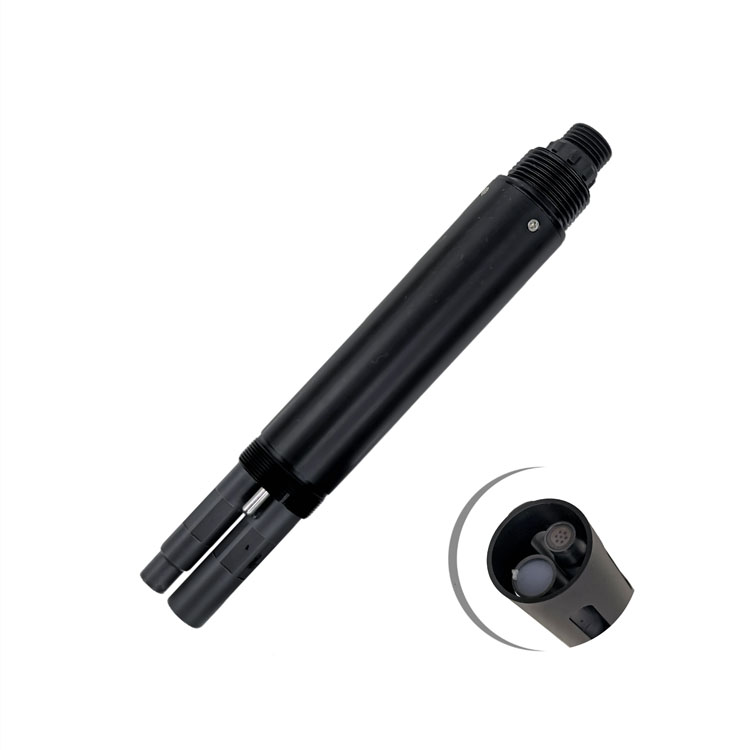 NBL-WQ-NHN Online Water Quality Ammonia Nitrogen Sensor
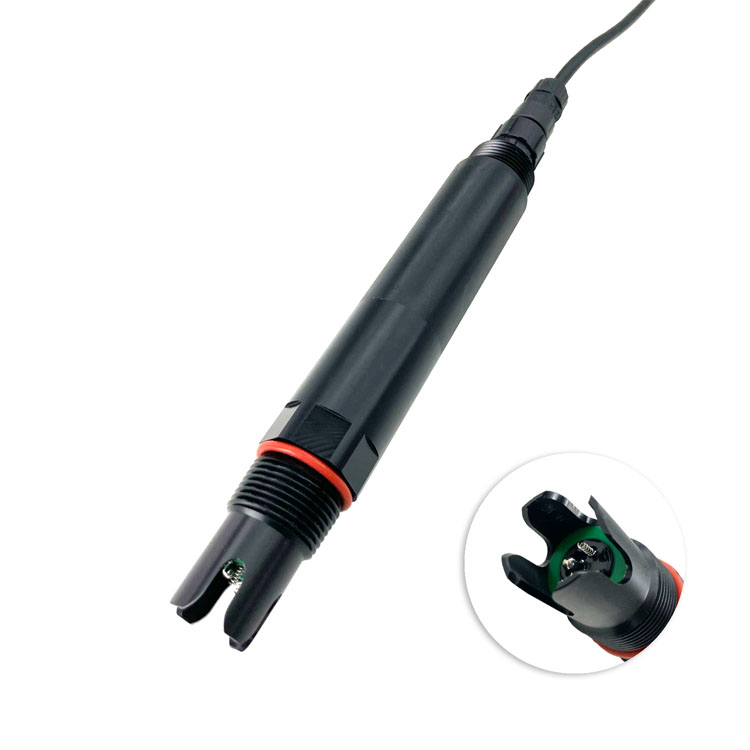 NBL-WQ-CL Water Quality Sensor Online Residual Chlorine Sensor
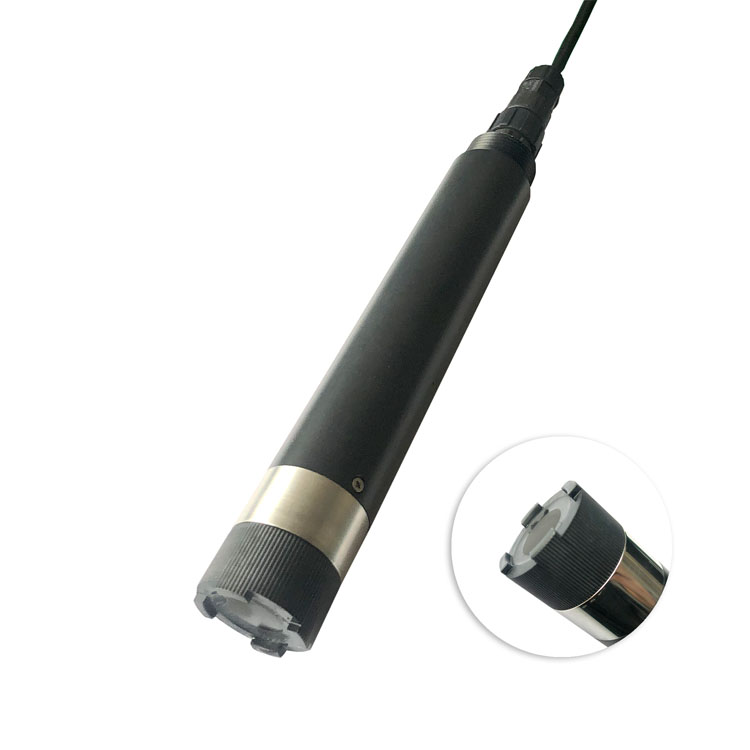 NBL-WQ-DO Online Fluorescence Dissolved Oxygen Sensor
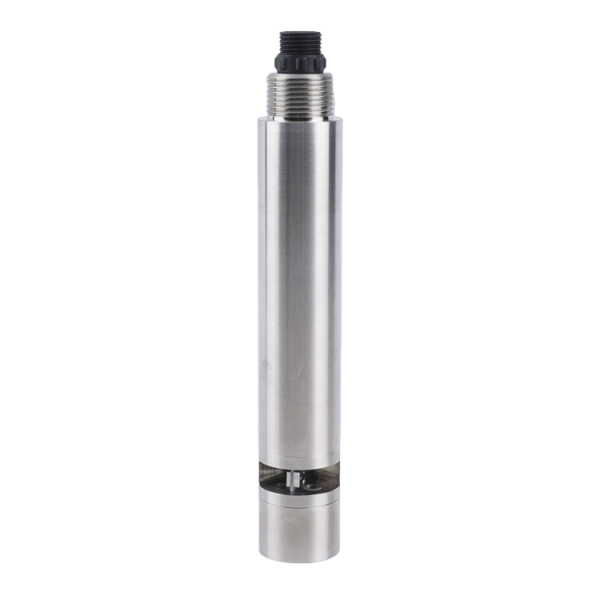 NBL-WQ-COD Online COD Water Quality Sensor
 NBL-WQ-EC Online Water Quality Conductivity Sensor

Screenshot, WhatsApp to identify the QR code
WhatsApp number:+8615367865107
(Click on WhatsApp to copy and add friends)

