





— Products —
 Consumer hotline +8618073152920
WhatsApp:+8615367865107
Address:Room 102, District D, Houhu Industrial Park, Yuelu District, Changsha City, Hunan Province, China
Water Quality Sensors


Select the NiuBoL CLI-2A chloride ion sensor for industrial water. Check range, interfering ions, electrode conditioning and Modbus inputs before requesting a quote.
Tel/WhatsApp:+8615367865107
Email:Arvin@niubol.com +Nearly 100 partner companies in more than 75 countries. We are committed to providing high-quality, practical products to meet your needs and help you solve problems. Our products comply with international standards and are certified with ISO, CE and RoHS.Product Details
Quick Answer: The NBL-WQ-CLI-2A chloride ion sensor uses an ion-selective electrode to monitor chloride in water through RS485 Modbus RTU. It is not a residual-chlorine instrument. Select the concentration range, review interfering ions and plan electrode conditioning before using its reading for a process decision.
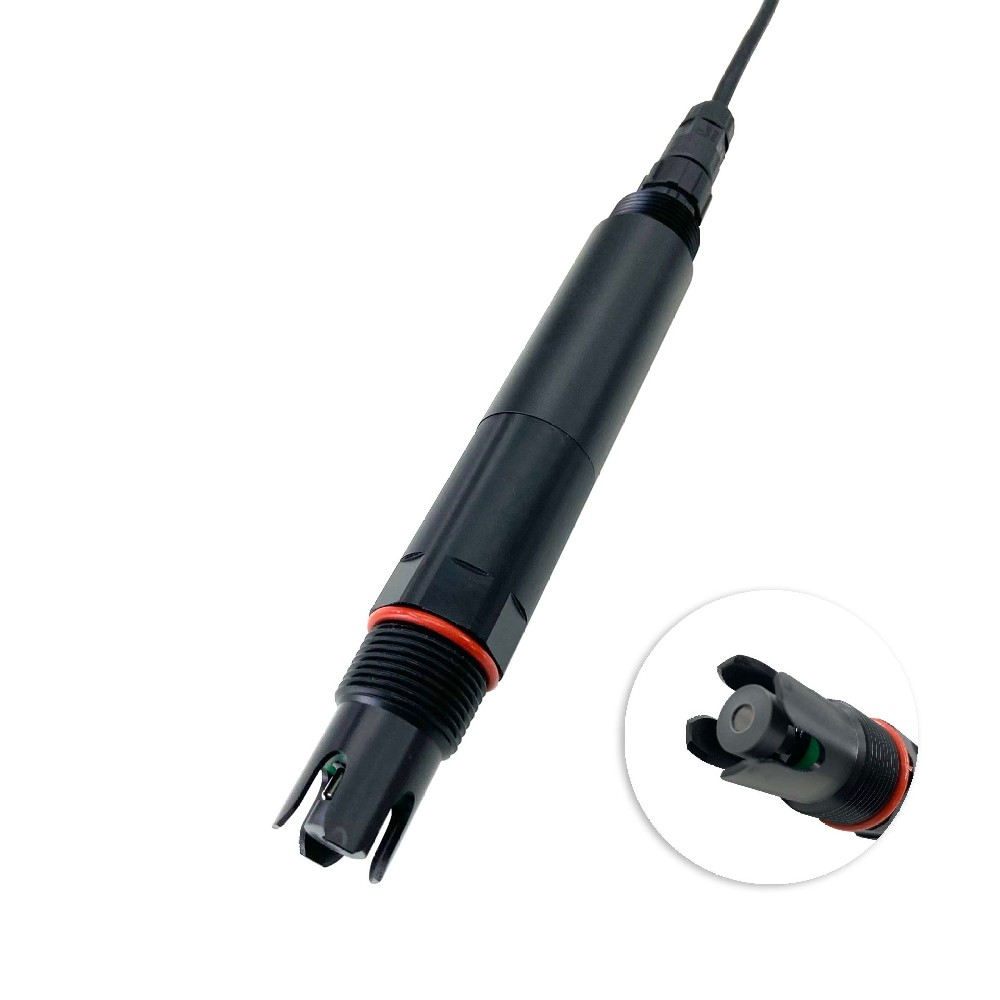
Chloride is the dissolved Cl- ion. Residual chlorine concerns disinfectant species such as hypochlorous acid and hypochlorite, depending on the measurement method. A chloride concentration does not indicate the remaining disinfectant concentration. Similar names are not a reason to connect the wrong instrument to a disinfection-control channel.
The CLI-2A is relevant where a project needs to follow chloride changes, such as salt intrusion, industrial-water mixing or a defined treatment stream. Its electrode responds to ionic activity and the internal conversion reports a concentration. Changes in ionic strength or interfering species can affect comparison with a laboratory concentration result.
| Item | Specified arrangement |
|---|---|
| Range options and resolution | 0-3500 mg/L at 0.1 mg/L resolution; 0-35000 mg/L at 1 mg/L resolution |
| Accuracy | +/-5%; temperature +/-0.3 degrees C; confirm percentage basis and applicable matrix |
| Operating temperature and pressure | -5 to +65 degrees C; pressure <0.2 MPa |
| Medium pH | 2-12 |
| Compensation and calibration | Pt1000 automatic temperature compensation; two-point calibration |
| Supply, output and consumption | 12-24 V DC; RS485 Modbus RTU; 0.2 W at 12 V |
| Housing and installation | POM; immersion mounting with 3/4 NPT thread; IP68 |
| Cable | Standard 5 m; alternative length and jacket requirements to be specified |
The pH and temperature envelope does not establish compatibility with every chemical at those conditions. Identify the sample composition and electrode exposure. A negative lower temperature rating is not permission to measure a frozen sample or ignore the freeze protection needed by the complete installation.
Sulfide, iodide and bromide can interfere with a chloride ion-selective measurement. Assess their possible presence and variability in the actual stream. A wider concentration range does not remove interference, and temperature compensation does not correct every change in ionic strength.
Use a reference chloride method to assess the installed matrix across the operating band. Select calibration standards appropriate to the intended measurements rather than choosing points only because they are close to the instrument's limits. Record any sample treatment so comparisons remain meaningful.
For seawater or process brines, range and materials are only part of the review. Check the chemistry and required uncertainty before accepting an online ion-selective result as suitable for the decision. Where a change in process chemistry produces disagreement, investigate the matrix before repeatedly recalibrating.
Remove the protective cap for operation and avoid touching the sensitive membrane with fingers. Do not install the assembly inverted or horizontally; retain the specified inclination of at least 15 degrees and confirm the mounting drawing's reference orientation. Keep the sensing region properly immersed and avoid trapped bubbles.
New-use conditioning includes a short deionized-water stage followed by a dilute chloride solution. The preparation also distinguishes storage and return-to-service conditions. Obtain the exact sequence for the delivered electrode rather than combining different soaking steps into one universal rule. Avoid prolonged distilled-water or protein-solution exposure and contact with silicone grease.
Secure the probe and keep cable tension off the body. Protect the membrane from abrasion and mechanical impact. Arrange safe access for electrode checks and replacement; ingress protection does not mean the sensing element is a permanent, maintenance-free component.
The identified digital leads are red for supply positive, black for GND, blue for RS485 A and white for RS485 B. Confirm the actual lead assignment before energizing. Waterproof all relevant junctions and select cable protection for the submerged and exposed route.
Configure the receiving PLC or logger with the supplied serial settings, address, register interpretation and concentration units. Check both chloride and temperature values. A compatible gateway can transfer acquired values onward, but does not change the electrode's selectivity or supply a missing calibration relationship.
Acceptance should demonstrate stable response in appropriate references and representative water, correct units at the final display and the response to lost communication. Record electrode identity and installation date. If checks fail after appropriate conditioning and maintenance, investigate electrode condition rather than adjusting software scale to force agreement.
Provide normal and peak chloride, minimum useful concentration, pH, temperature, pressure and possible interfering ions. State the mounting orientation, cable length, controller input and reference method. Ask about the supplied electrode, conditioning requirements and replacement items together so the point can be maintained after installation.
Not as a residual-chlorine measurement. Chloride and disinfectant chlorine are different analytes; select the appropriate disinfectant instrument and control method.
No. Sulfide, iodide and bromide may affect the electrode response regardless of display range. Evaluate composition and reference agreement in the intended water.
The membrane and reference system need the appropriate preparation before reliable use. Follow the delivered electrode's new-use or storage-return sequence instead of treating every electrode as ready for immediate measurement.
No. The described assembly prohibits horizontal and inverted installation and requires at least 15 degrees inclination. Confirm the drawing and bracket arrangement before fixing the mount.
No. First check conditioning, membrane condition, temperature, sample handling and possible interference. Calibrate using the appropriate standards and procedure when the evidence supports it.
They should be considered. Confirm compatible sensing elements, storage and conditioning requirements, availability and the checks needed after replacement.
The CLI-2A chloride ion sensor is selected by analyte, matrix and electrode-care requirements as well as its nominal range. Keep it distinct from residual-chlorine monitoring, validate interfering-ion effects and connect the actual Modbus data definition to the receiving system.
Sensors & Weather Stations Catalog
 Agriculture Sensors and Weather Stations Catalog-NiuBoL.pdf
Weather Stations Catalog-NiuBoL.pdf
Agriculture Sensors Catalog-NiuBoL.pdf
Water Quality Sensor Catalog-NiuBoL.pdf
Related recommendations
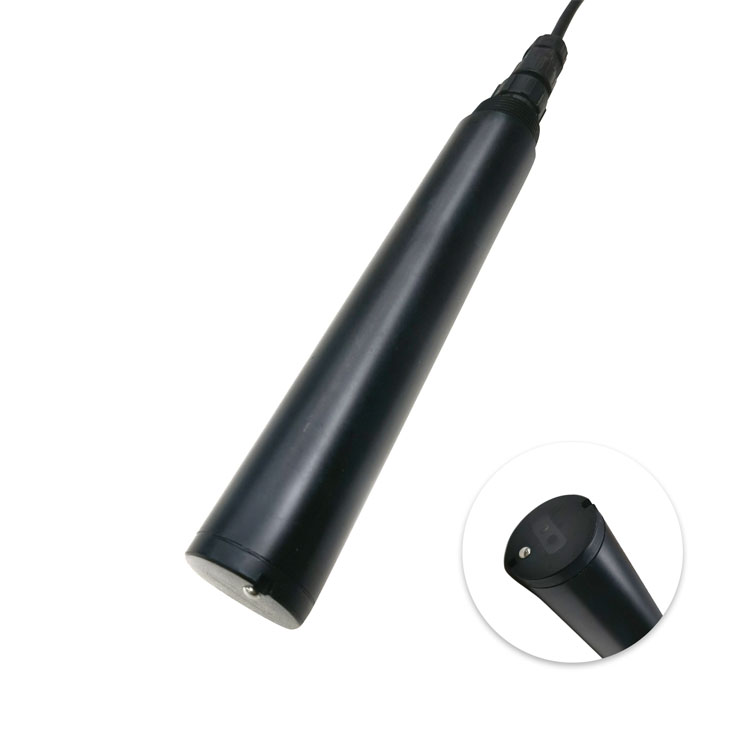 NBL-WQ-TS Online Turbidity Water Quality Sensor
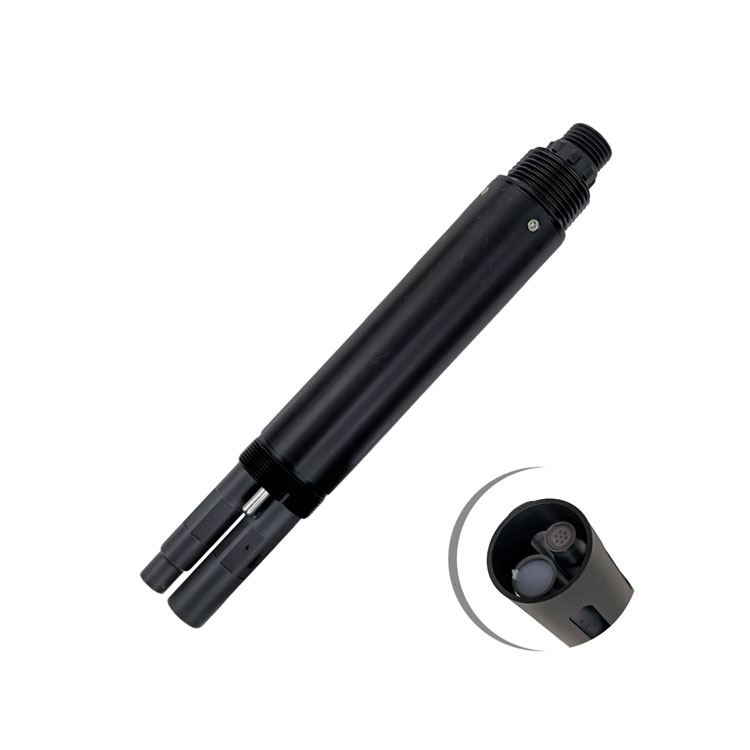 NBL-WQ-NHN Online Water Quality Ammonia Nitrogen Sensor
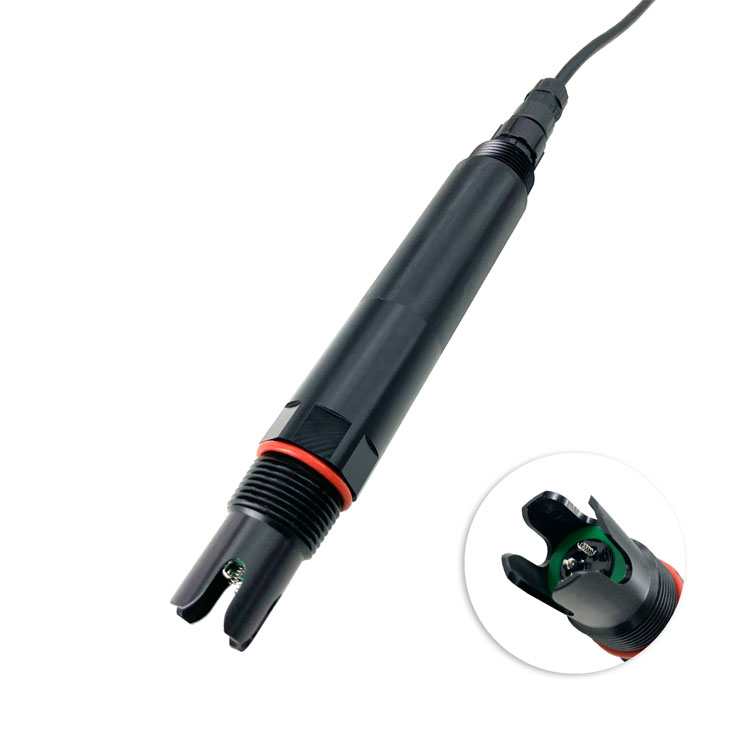 NBL-WQ-CL Water Quality Sensor Online Residual Chlorine Sensor
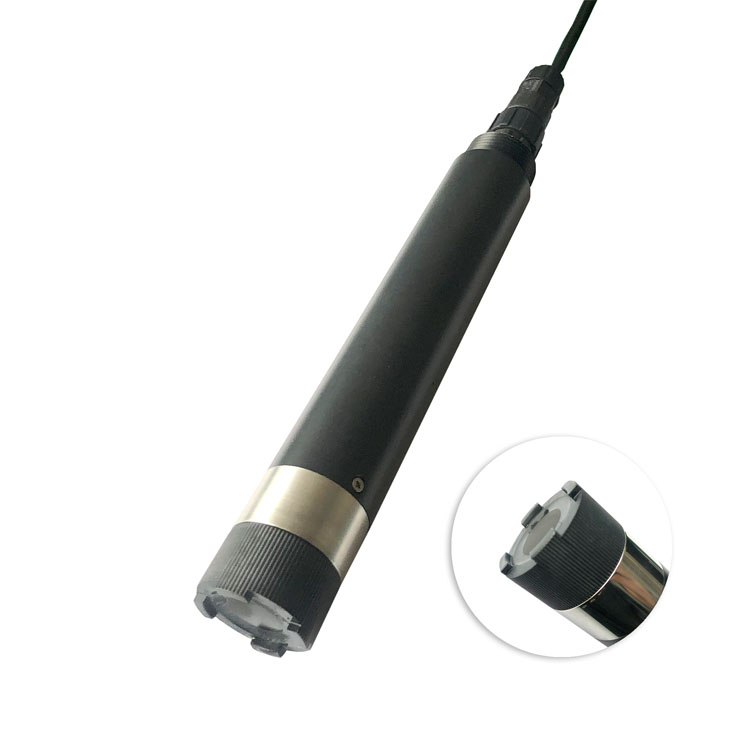 NBL-WQ-DO Online Fluorescence Dissolved Oxygen Sensor
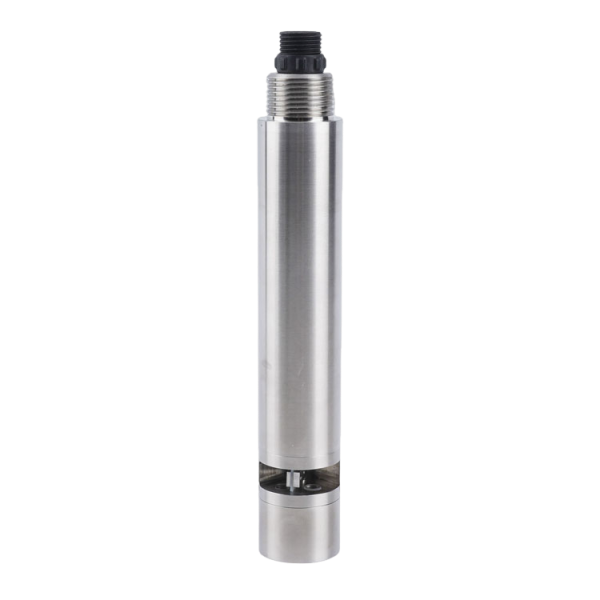 NBL-WQ-COD Online COD Water Quality Sensor
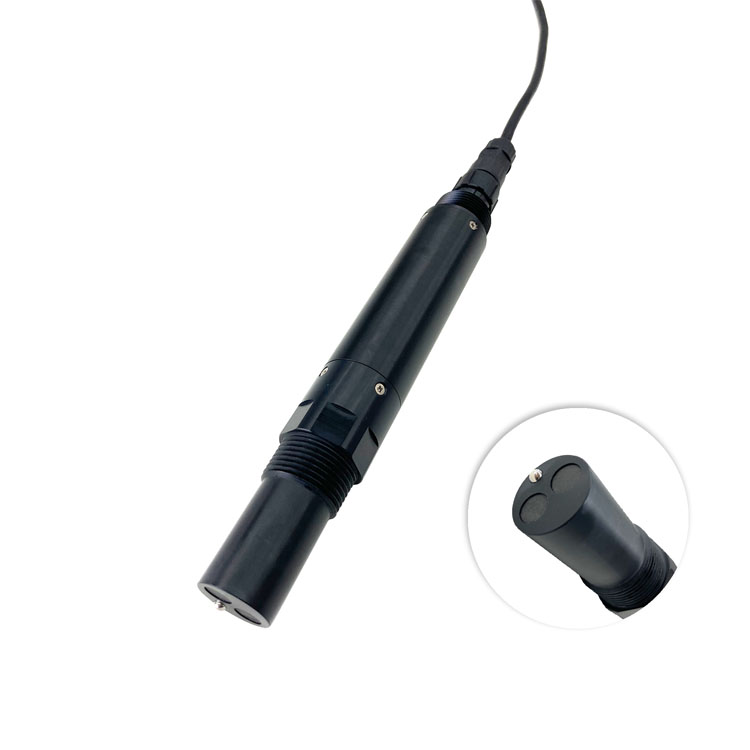 Water Conductivity EC Sensor RS485 Modbus IP68 | NBL-WQ-EC


Screenshot, WhatsApp to identify the QR code
WhatsApp number:+8615367865107
(Click on WhatsApp to copy and add friends)

