





— Products —
 Consumer hotline +8618073152920
 WhatsApp:+8615367865107
Address:Room 102, District D, Houhu Industrial Park, Yuelu District, Changsha City, Hunan Province, China
Water Quality Sensors
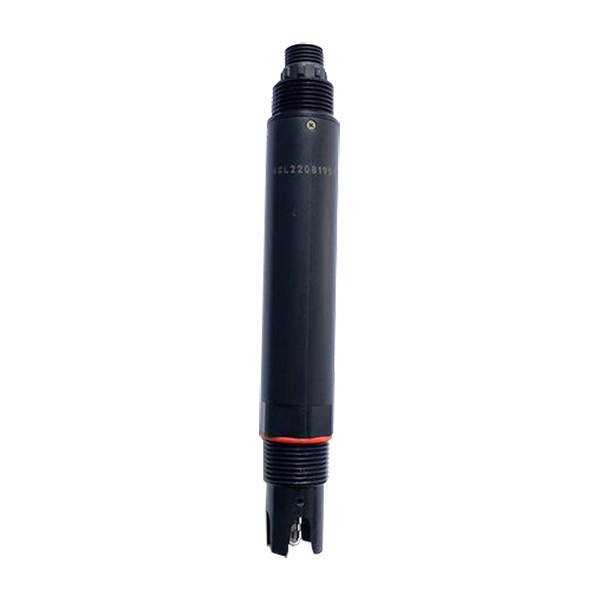
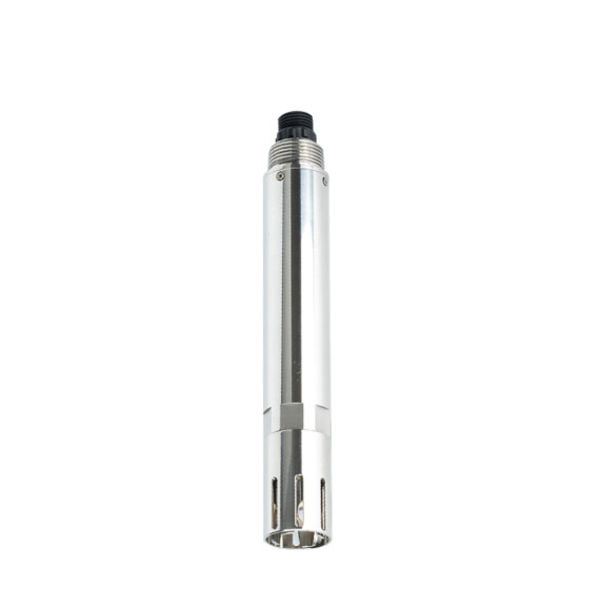
NiuBoL NBL-WQ-CL-4A is an industrial-grade online residual chlorine sensor that adopts advanced constant voltage measurement principle, without the need to replace membranes or electrolyte. It supports RS485 Modbus-RTU protocol and 4-20mA analog output, with built-in Pt1000 automatic temperature compensation, providing a high-stability, low-maintenance monitoring solution for drinking water monitoring, swimming pool water quality management and industrial circulating water co···
Tel/WhatsApp:+8615367865107
Email:Arvin@niubol.com +Nearly 100 partner companies in more than 75 countries. We are committed to providing high-quality, practical products to meet your needs and help you solve problems. Our products comply with international standards and are certified with ISO, CE and RoHS.Product Details
Maintenance-free Constant Voltage Principle: Compared with traditional membrane sensors, there is no need to replace electrolyte and membrane, significantly reducing later operation and maintenance labor and consumable costs.
Dual-mode Signal Output: Integrated standard RS485 Modbus-RTU digital interface, and optional 4-20mA analog current output, compatible with all mainstream industrial control systems.
High-precision Temperature Compensation: Built-in Pt1000 temperature sensor automatically compensates within 5-50℃ to ensure data stability in complex environments.
In drinking water treatment, food filling and industrial cooling circulating water systems, the content of residual chlorine (HClO) is directly related to sterilization effect and water quality safety. Traditional residual chlorine measurement methods often rely on frequent replacement of chemical reagents or membranes, which is a huge cost burden for system integrators requiring remote and continuous monitoring.
The NiuBoL NBL-WQ-CL-4 series online residual chlorine sensor adopts the mature constant voltage measurement principle. This technology maintains a constant polarization potential on the electrode, sensitively capturing the current changes of residual chlorine ions in water, thereby achieving fast and accurate quantitative analysis. Combined with NiuBoL's rigorous industrial-grade encapsulation (IP68) and corrosion-resistant material design, the sensor can be seamlessly integrated into various automated water treatment platforms, providing users with a stable operation guarantee of up to one year.
1. Membrane-free Design: Breaking the Curse of High-frequency Maintenance
The NBL-WQ-CL-4 abandons the traditional thin-film electrolysis method and adopts constant voltage measurement. This means that in daily use, users no longer need to face measurement interruptions caused by "membrane damage" or "electrolyte failure". This design is particularly suitable for remote monitoring points that cannot be frequently maintained on site or large-scale distributed water quality networks.
2. Precise Digital Processing and Algorithm Optimization
The sensor integrates a high-precision sampling circuit inside, combined with proprietary digital filtering algorithms, effectively filtering common industrial site noises such as pump vibration and electromagnetic interference. Its response time (T90) is less than 90 seconds, which can reflect water quality abnormalities at the first time and help automation systems achieve closed-loop control.
3. Corrosion Resistance and Full Sealing Process
To meet the needs of different industries, the NBL-WQ-CL-4 provides two material models: A (POM+ABS) and S (POM+316L stainless steel). The 316L model is specially optimized for high salinity or slightly corrosive industrial environments. The whole body reaches IP68 protection level, which is not only waterproof but also has excellent chemical aging resistance.
4. Open Integration Architecture
As the core sensing layer under the industrial IoT architecture, NiuBoL equips the sensor with a standard RS485 digital bus. It supports multi-address configuration, allowing multiple water quality sensors (such as residual chlorine, pH, turbidity) to be mounted on the same line, greatly simplifying the wiring difficulty for system integrators.
| Parameter Item | Technical Performance / Specification (Type A / Type S) |
|---|---|
| Model | NBL-WQ-CL-4A / NBL-WQ-CL-4S |
| Brand | NiuBoL |
| Measurement Principle | Constant voltage method |
| Housing Material | POM+ABS (Type A) / POM+316L stainless steel (Type S) |
| Measurement Range | 0-2.000 mg/L or 0-20.00 mg/L (HClO) |
| Resolution | 0.001 mg/L / 0.01 mg/L |
| Measurement Accuracy | +/-5% of reading (low range) / +/-0.05 (high range) |
| Temperature Accuracy | +/-0.3℃ |
| Temperature Compensation | Automatic temperature compensation (Pt1000) |
| Response Time (T90) | < 90s |
| Output Method | RS-485 (Modbus-RTU) / 4-20mA (optional) |
| Power Supply Voltage | 12-24V DC |
| Protection Rating | IP68 |
| Working Conditions | 5-50℃, pressure <= 0.2MPa, pH 4-9 |
| Installation Method | Flow cell installation (3/4NPT interface) |
| Cable Length | Standard 5 meters (customizable length supported) |
Water Treatment Plants and Secondary Water Supply Monitoring: Continuous monitoring at key nodes of drinking water distribution networks to ensure that the residual chlorine value at the end of the pipe network meets national drinking water standards.
Swimming Pool Water Quality Automatic Control: Real-time feedback of residual chlorine data, linked with dosing pumps for automatic dosing, maintaining pool water cleanliness and preventing excessive chemical substances.
Food and Beverage Filling Production Lines: Ensure that the residual chlorine content of flushing water is within the safe process range to prevent microbial contamination or excessive chlorine content from affecting product flavor.
Industrial Circulating Cooling Water Treatment: Control the dosage of bactericides by monitoring residual chlorine content to prevent the growth of Legionella and biological scale in cooling towers and pipelines.
Flow Cell Installation: To ensure measurement accuracy, the sensor must be used with the flow cell provided by the original factory. Please ensure that the sensor measurement end is located near the water inlet and avoid facing the water outlet directly.
Flow Rate Control: The water flow should be stable during measurement. It is recommended to control the flow rate at 30-60 L/h. Unstable flow rate will cause reading fluctuations.
Electrode Activation: For new sensors or sensors that have been dry-stored for a long time, please be sure to soak and activate in tap water for 24 hours before use.
Red wire: Power positive (12-24V DC)
Black wire: Power negative (GND)
Blue wire: RS-485 A
Green wire: RS-485 B
Yellow wire: 4-20mA current output (optional, leave floating and insulated if not in use)
Q1: What is the difference between the constant voltage method of NiuBoL NBL-WQ-CL-4 and the traditional DPD reagent method?
A: The DPD method is usually discrete manual measurement and requires consumable reagents. The NBL-WQ-CL-4 constant voltage method provides continuous electronic measurement without reagent consumption, which is more suitable for automated real-time control.
Q2: Why is the reading inaccurate when my sensor is just installed?
A: Residual chlorine sensors require an activation process. Please ensure that the sensor is left standing in tap water for 24 hours (powered or unpowered) to form a stable polarization layer on the platinum electrode surface.
Q3: Will pH fluctuations affect the measurement?
A: Yes. The constant voltage method mainly measures hypochlorous acid (HClO). Changes in pH value will alter the ratio of HClO to hypochlorite. The sensor is suitable for environments with pH 4-9. It is recommended to use in systems with relatively stable pH.
Q4: Can the sensor measure residual chlorine in seawater?
A: The measurement principle is universal, but the seawater environment is complex. It is recommended to choose the NBL-WQ-CL-4-S (316L stainless steel model) to enhance corrosion resistance.
Q5: How to clean the electrode surface when it is dirty?
A: If attachments are generated due to water quality problems, it can be cleaned with dilute hydrochloric acid and then rinsed with tap water. Do not use hard objects to mechanically brush the electrode surface.
Q6: If my PLC only has analog interfaces, can it be used?
A: Yes. When ordering, select the optional 4-20mA analog output function, which can be directly connected to the analog input module of the PLC through the yellow wire.
Q7: What is "zero point calibration"? How often should it be done?
A: Zero point calibration is to calibrate the sensor reading in chlorine-free water. It is recommended to check every 3-6 months, or recalibrate after major system overhaul.
Q8: Why does the flow rate need to be controlled at 30-60L/h?
A: The constant voltage method is an electrochemical measurement based on diffusion. Too fast flow rate will produce shear interference, and too slow flow rate will cause residual chlorine depletion around the measurement point. Maintaining a constant flow rate is the core of obtaining high-precision data.
In modern water treatment projects, high-frequency data collection and low operation and maintenance costs are the core indicators for evaluating the pros and cons of integration solutions. The NiuBoL NBL-WQ-CL-4 has become the preferred sensing element for many domestic and international water supply networks and smart swimming pool projects with its constant voltage maintenance-free technology and powerful RS485 digital integration capability.
Are you designing a fully automatic dosing control system?
We provide a complete Modbus protocol manual and a 12-month quality guarantee. Contact NiuBoL immediately to obtain detailed quotation for NBL-WQ-CL-4 and technical parameters of the flow cell installation kit.
 NBL-WQ-CL-4A Industrial-grade Online Residual Chlorine Sensor.pdf
Sensors & Weather Stations Catalog
Agriculture Sensors and Weather Stations Catalog-NiuBoL.pdf
Weather Stations Catalog-NiuBoL.pdf
Agriculture Sensors Catalog-NiuBoL.pdf
Water Quality Sensor Catalog-NiuBoL.pdf
Related recommendations
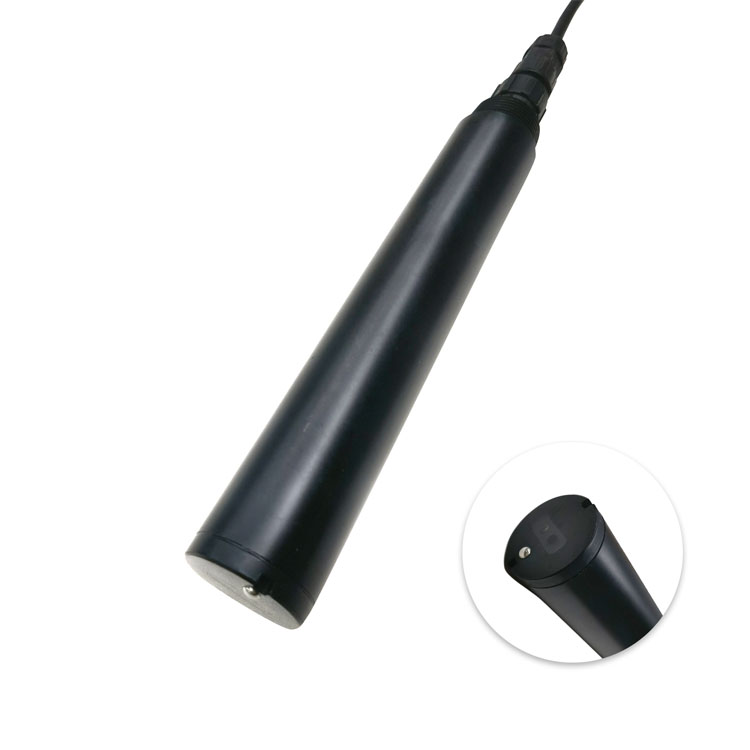 NBL-WQ-TS Online Turbidity Water Quality Sensor
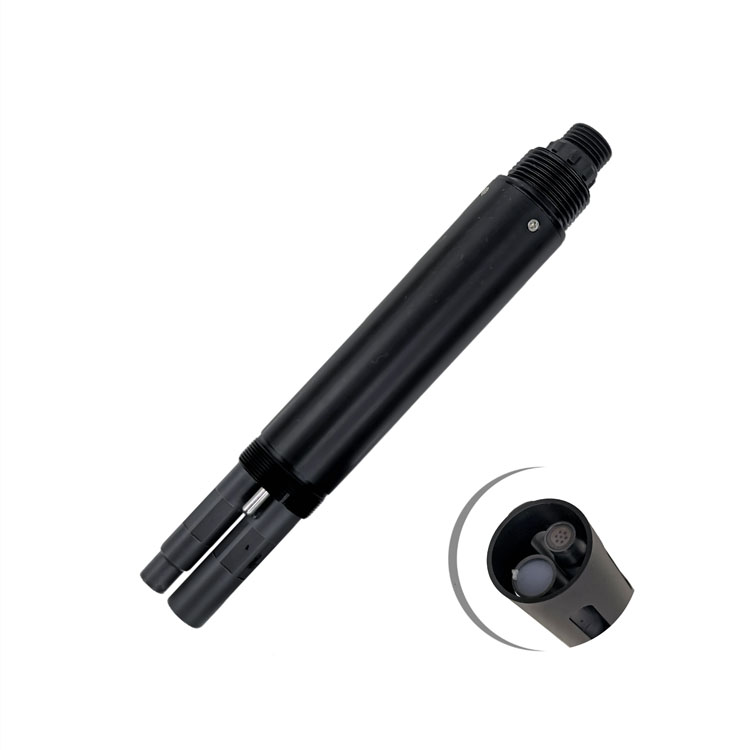 NBL-WQ-NHN Online Water Quality Ammonia Nitrogen Sensor
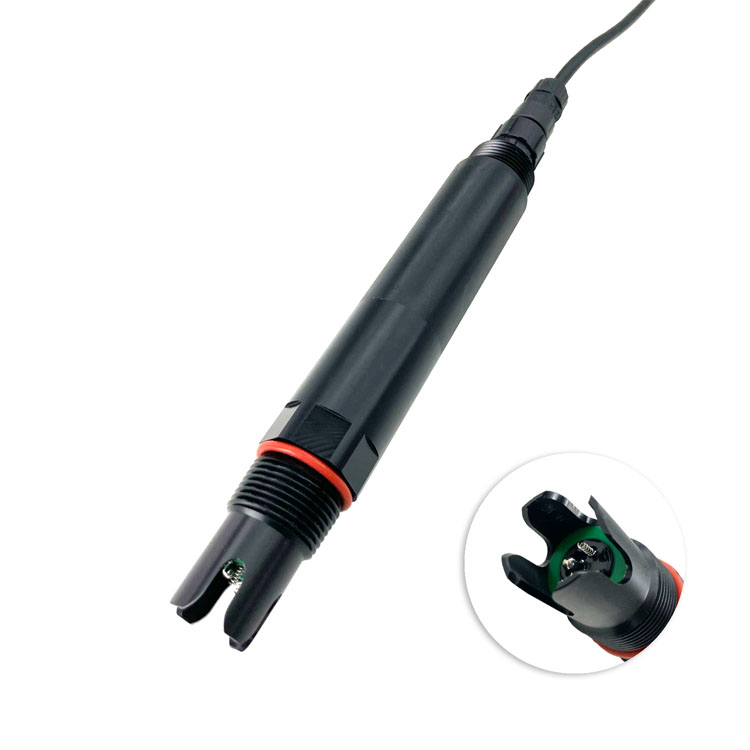 NBL-WQ-CL Water Quality Sensor Online Residual Chlorine Sensor
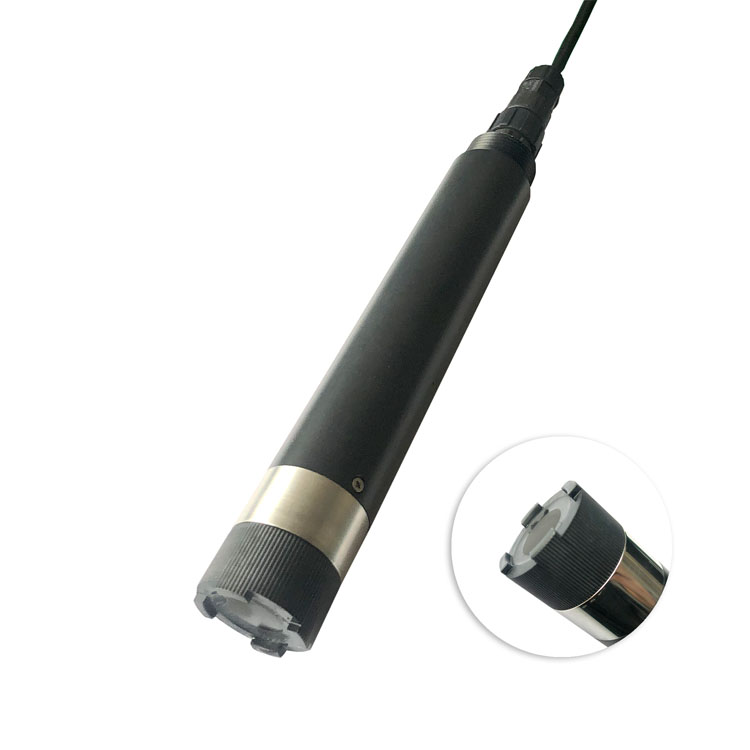 NBL-WQ-DO Online Fluorescence Dissolved Oxygen Sensor
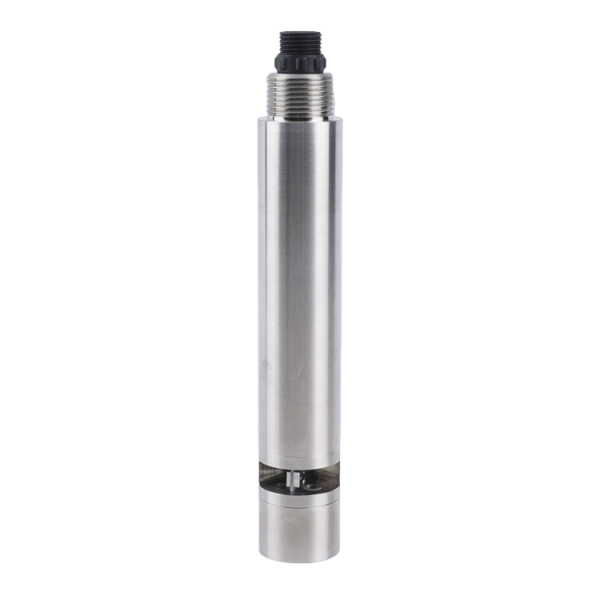 NBL-WQ-COD Online COD Water Quality Sensor
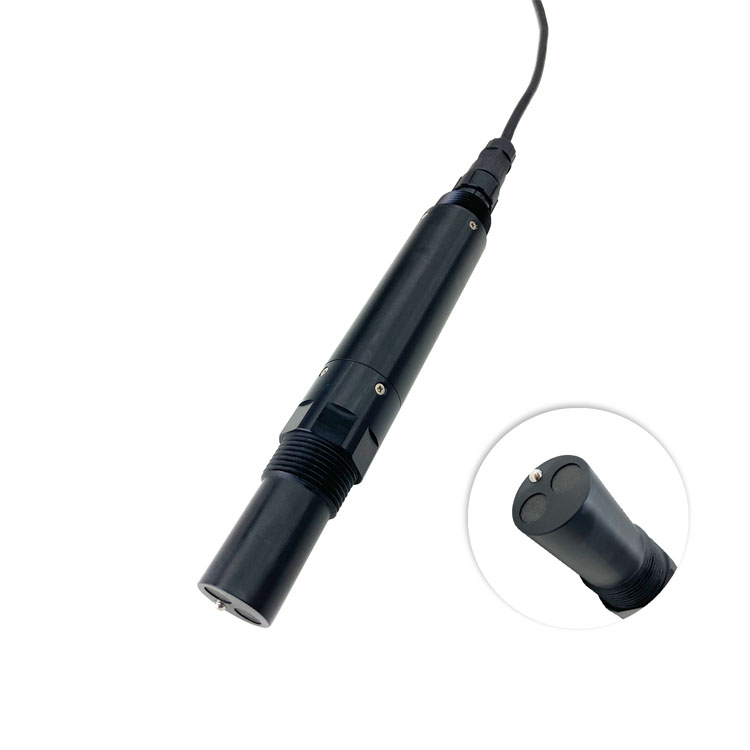 NBL-WQ-EC Online Water Quality Conductivity Sensor

Screenshot, WhatsApp to identify the QR code
WhatsApp number:+8615367865107
(Click on WhatsApp to copy and add friends)

