





— Products —
 Consumer hotline +8618073152920
WhatsApp:+8615367865107
Address:Room 102, District D, Houhu Industrial Park, Yuelu District, Changsha City, Hunan Province, China
Water Quality Sensors
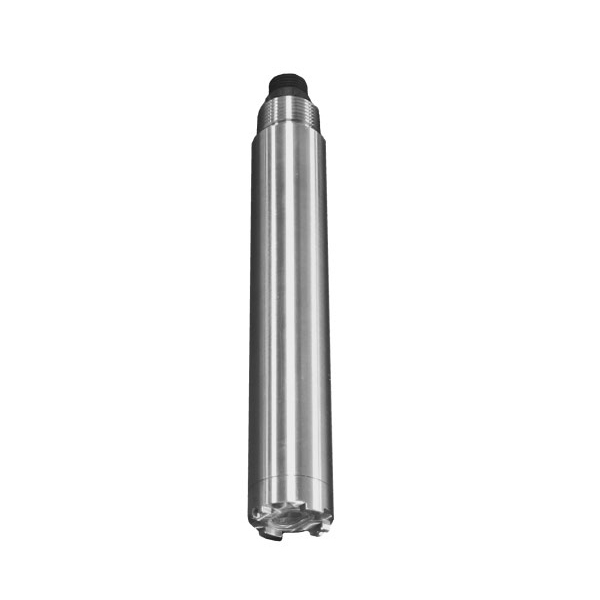
NBL-WQ-CDOM-406-S fluorescence CDOM sensor for water monitoring. 0–2 mg/L range, RS485 Modbus RTU, Pt1000 compensation and IP68 protection.
Tel/WhatsApp:+8615367865107
Email:Arvin@niubol.com +Nearly 100 partner companies in more than 75 countries. We are committed to providing high-quality, practical products to meet your needs and help you solve problems. Our products comply with international standards and are certified with ISO, CE and RoHS.Product Details
Product Overview: The NiuBoL NBL-WQ-CDOM-406-S is an online CDOM sensor designed to monitor the fluorescence response of colored dissolved organic matter in water. It uses a UV LED excitation source and offers a measurement range of 0–2.000 mg/L, RS485 Modbus RTU communication, automatic Pt1000 temperature compensation and IP68 protection. The sensor is suitable for continuous CDOM trend monitoring in rivers, lakes, reservoirs, water intakes and compatible industrial water applications.
Colored dissolved organic matter (CDOM) is a component of dissolved organic matter that absorbs light in the ultraviolet and visible regions of the spectrum. Some CDOM compounds also produce fluorescence when exposed to suitable excitation wavelengths.
The NBL-WQ-CDOM-406-S uses fluorescence measurement to detect changes in CDOM-related optical properties. A UV LED provides excitation light, and the sensor detects the resulting fluorescence signal.
The measurement can help identify changes in water-source composition, organic matter characteristics and water quality conditions over time.
CDOM fluorescence is an optical indicator. It does not independently measure total organic carbon (TOC), chemical oxygen demand (COD), biochemical oxygen demand (BOD) or individual organic pollutants.
The sensor provides digital readings through RS485 Modbus RTU for integration with compatible PLCs, RTUs, data loggers and water quality monitoring systems.

Fluorescence measurement: Detects optical signals associated with colored dissolved organic matter.
UV LED excitation: Provides an optical excitation source for CDOM fluorescence measurement.
Measurement range: 0–2.000 mg/L on the sensor's calibrated reporting scale.
Digital resolution: 0.001 mg/L.
Specified detection limit: 0.02 mg/L.
Fast response: T90 less than 30 seconds.
RS485 Modbus RTU: Compatible with suitable industrial data acquisition equipment.
Optional analog output: 4–20 mA configuration available.
Temperature compensation: Integrated Pt1000 temperature element.
316L stainless steel housing: For compatible water monitoring environments.
IP68 protection: Designed for immersion within the specified operating conditions.
Two-point calibration: Supports zero and span adjustment.
| Parameter | Specification |
|---|---|
| Brand | NiuBoL |
| Model | NBL-WQ-CDOM-406-S Online CDOM Sensor |
| Product Type | Online Colored Dissolved Organic Matter Sensor |
| Measurement Principle | Fluorescence Method |
| Excitation Source | UV LED |
| Measurement Range | 0–2.000 mg/L |
| Resolution | 0.001 mg/L |
| Specified Accuracy | ±3% of Reading |
| Minimum Detection Limit | 0.02 mg/L |
| Response Time | T90 <30 s |
| Temperature Accuracy | ±0.3°C |
| Temperature Compensation | Automatic, Pt1000 |
| Calibration Method | Two-Point Calibration |
| Automatic Cleaning | Not Included |
| Digital Output | RS485 Modbus RTU |
| Optional Output | 4–20 mA |
| Power Supply | 12–24 VDC |
| Power Consumption | 0.2 W @12 VDC |
| Operating Temperature | 0–50°C |
| Operating Pressure | <0.2 MPa |
| Storage Temperature | -5 to 65°C |
| Housing Material | 316L Stainless Steel |
| Installation Method | Immersion Installation |
| Mounting Connection | 3/4-inch NPT |
| Electrical Connector | M16, 5-Core Waterproof Male Connector |
| Cable | 5-Core Shielded Cable |
| Standard Cable Length | 5 m |
| Protection Rating | IP68 |
Measurement interpretation: The displayed mg/L result depends on the sensor's fluorescence calibration. CDOM contains many different organic compounds, so the reading is not a universal mass concentration of all dissolved organic matter. Comparisons between different instruments should use a consistent calibration basis.
Output selection: RS485 Modbus RTU is the standard digital interface. A 4–20 mA output is optional and should be specified when ordering.
The NBL-WQ-CDOM-406-S uses the fluorescence properties of certain dissolved organic compounds.
When ultraviolet excitation light enters the water, fluorescent components of CDOM absorb part of that energy and emit light at longer wavelengths.
The sensor measures the emitted fluorescence signal and processes it using calibration information.
Changes in the detected fluorescence can indicate changes in the concentration or composition of fluorescent dissolved organic matter.
However, different organic compounds produce different fluorescence responses. A change in fluorescence does not always correspond to an equivalent change in total dissolved organic carbon.
The measurement can also be influenced by optical attenuation, suspended particles, water temperature and the condition of the sensing window.
Colored dissolved organic matter is the light-absorbing fraction of dissolved organic matter found in natural and treated waters.
CDOM can originate from soil organic matter, vegetation, aquatic biological processes and other natural or human-related inputs.
Its optical properties vary with the chemical composition and environmental history of the water.
In rivers and reservoirs, changes in CDOM may be associated with runoff, water-source mixing or seasonal changes.
In treatment processes, CDOM fluorescence may provide supplementary information about changes in selected dissolved organic components.
The NBL-WQ-CDOM-406-S supports continuous observation of these fluorescence-related trends.
CDOM, DOM, TOC, COD and BOD are different water quality concepts. They should not be treated as interchangeable measurements.
| Parameter | What It Represents |
|---|---|
| CDOM | The light-absorbing fraction of dissolved organic matter, characterized by optical properties. |
| DOM | Dissolved organic matter, including fluorescent and non-fluorescent components. |
| TOC | Total organic carbon content determined by an appropriate analytical method. |
| COD | Chemical oxygen demand determined by a defined measurement method. |
| BOD | Biochemical oxygen demand determined under specified biological test conditions. |
A CDOM fluorescence sensor cannot independently determine COD, BOD or TOC.
In some applications, CDOM fluorescence may correlate with other water quality measurements. Such relationships depend on the water source, organic matter composition and operating conditions.
Any numerical conversion between CDOM and another parameter requires appropriate site-specific validation.
CDOM fluorescence can help monitor changes in dissolved organic matter characteristics in rivers and lakes.
Changes may be associated with rainfall runoff, organic matter inputs, water mixing or seasonal processes.
The NBL-WQ-CDOM-406-S can be installed at a representative monitoring point and connected to a suitable data acquisition system.
For meaningful trend interpretation, maintain a consistent installation location and record relevant environmental conditions.
Reservoirs and drinking water intakes may receive water with different dissolved organic matter characteristics throughout the year.
Online CDOM monitoring can provide a supplementary indicator of water-source changes.
A baseline should be established using representative operating conditions before setting investigation thresholds.
A change in CDOM fluorescence should prompt appropriate evaluation; it does not by itself prove the presence of a particular contaminant.
Industrial water systems may experience changes in dissolved organic components caused by process variation or changing water sources.
The fluorescence CDOM sensor may be considered where the substances of interest produce a suitable optical response.
Industrial wastewater with strong coloration, suspended solids or interfering compounds may require additional evaluation.
CDOM monitoring does not independently establish compliance with COD, BOD or TOC discharge requirements.
CDOM fluorescence can provide supplementary information about changes in selected dissolved organic components during wastewater treatment.
It may be used alongside turbidity, pH, dissolved oxygen and other water quality measurements.
For applications requiring treatment efficiency calculations, define the relevant inlet and outlet measurements and verify that the selected fluorescence indicator reflects the process changes of interest.
Wetlands, rivers and lakes contain dissolved organic matter from a variety of natural sources.
Continuous CDOM measurements can support investigation of temporal changes, water mixing and organic matter transport.
For research requiring comparisons between sites or instruments, use consistent calibration, units, sampling and quality-control procedures.
Different organic compounds have different fluorescence efficiencies and optical properties.
Changes in organic matter composition can therefore change the fluorescence reading even when total organic carbon does not change proportionally.
Suspended particles can scatter or attenuate light, affecting optical fluorescence measurements.
For water with variable turbidity, interpret CDOM trends alongside appropriate supporting measurements where available.
The sensor includes Pt1000 automatic temperature compensation.
Temperature compensation helps account for the sensor's defined temperature response, but it does not eliminate every optical or chemical influence on fluorescence.
Biofilm, sediment and mineral deposits can interfere with excitation and emitted light.
The measurement window should be inspected and cleaned at intervals appropriate to the monitored water.
The optical system uses an AC-driven UV LED to reduce interference from ambient light.
Suitable installation remains important. Avoid unnecessary reflections, trapped air bubbles and poorly mixed sampling locations.
The NBL-WQ-CDOM-406-S supports immersion installation using a 3/4-inch NPT connection.
Choose a monitoring location with representative water exchange and sufficient space around the optical measurement region.
| Installation Requirement | Specification |
|---|---|
| Installation Method | Immersion |
| Mounting Connection | 3/4-inch NPT |
| Side-Wall Clearance | More than 2 cm |
| Bottom Clearance | More than 10 cm |
| Operating Temperature | 0–50°C |
| Operating Pressure | <0.2 MPa |
Keep the optical measurement region immersed during normal operation and avoid locations where sediment or debris can accumulate around the sensing window.
Provide a mounting arrangement that permits safe retrieval for inspection and calibration.
Use suitable cable protection and waterproof connections.
For seawater and chemically aggressive environments, evaluate the compatibility of the complete wetted assembly, including the housing, optical window, connector and cable materials.
The IP68 rating does not establish unrestricted resistance to all marine environments or operating depths.
The NBL-WQ-CDOM-406-S online CDOM sensor operates from a 12–24 VDC power supply.
The standard digital interface uses RS485 Modbus RTU communication.
| Wire Color | Function |
|---|---|
| Red | 12–24 VDC Positive |
| Black | Power Ground (GND) |
| Blue | RS485 A |
| Green | RS485 B |
| Yellow | Optional Current Output |
The yellow wire is associated with the optional current output configuration. When not used, it should remain disconnected and properly insulated.
Verify the supplied output configuration and cable connections before applying power.
Water-exposed connections should be suitably waterproofed, and the cable should be protected against mechanical stress and abrasion.
The NBL-WQ-CDOM-406-S communicates through RS485 Modbus RTU and can be integrated with compatible PLCs, RTUs and industrial data loggers.
CDOM Sensor → RS485 Modbus RTU → PLC / RTU / Data Logger → Monitoring Software
For correct data acquisition, configure the receiving equipment with the sensor's Modbus address, communication parameters, register map and measurement scaling.
Where both CDOM and temperature readings are required, configure the corresponding measurement channels.
For remote monitoring, a separate compatible communication gateway may transmit the acquired readings over an available network.
The CDOM sensor does not independently provide cellular communication, cloud hosting or automatic treatment control.
Monitoring software should record measurement timestamps, calibration events and maintenance activities so that changes in fluorescence can be interpreted correctly.
The NBL-WQ-CDOM-406-S does not include a built-in automatic cleaning brush.
Regular inspection of the optical measurement window is important for continuous operation.
Rinse the sensor surface with clean tap water.
For remaining deposits, gently clean the surface with a soft, damp cloth. A mild cleaning solution may be used when compatible with the sensor materials.
Do not use abrasive tools that may scratch the optical window.
Check the housing, optical window, cable and connectors for damage or contamination.
Avoid pulling the sensor by its electrical cable or exposing the sensor to severe mechanical impact.
Use appropriate reference checks to evaluate sensor performance when required by the monitoring program.
Maintenance frequency should reflect the actual rate of fouling and the importance of the measurement to the project.
The NBL-WQ-CDOM-406-S supports zero-point and slope calibration.
Place the sensor vertically in distilled water.
Keep the optical measuring end at least 10 cm above the bottom of the calibration container.
Allow approximately 3–5 minutes for the reading to stabilize before performing the zero-point adjustment.
Place the sensor in the appropriate CDOM reference solution and allow the reading to stabilize.
Maintain sufficient clearance between the measuring end and the calibration container.
Perform the slope adjustment using the correct calibration procedure for the sensor configuration.
Calibration reference materials and concentration units should be consistent when comparing readings over time or between instruments.
Before purchasing an online CDOM sensor, define the measurement objective and the water conditions at the installation point.
| Selection Factor | Information Required |
|---|---|
| Monitoring Objective | CDOM trend monitoring, water-source change detection or another defined purpose |
| Water Type | River, lake, reservoir, source water, wastewater or industrial water |
| Measurement Range | Whether 0–2.000 mg/L on the selected calibration scale is appropriate |
| Reference Basis | Required calibration material and any laboratory comparison |
| Water Conditions | Temperature, turbidity, salinity, fouling and chemical compatibility |
| Installation | Depth, mounting position, water pressure and maintenance access |
| Output | RS485 Modbus RTU or optional 4–20 mA |
| System Integration | PLC, RTU, data logger or external communication gateway |
| Order Details | Quantity, cable length and destination country |
For water-source monitoring, establishing a local baseline can help distinguish normal seasonal variation from changes requiring investigation.
Read the CDOM Sensor Selection and Water Intake Monitoring Guide for additional information about baseline development and field installation.
A1. It measures fluorescence associated with colored dissolved organic matter in water. The reading can be used to monitor CDOM-related trends under a consistent calibration basis.
A2. The specified measurement range is 0–2.000 mg/L, with a resolution of 0.001 mg/L.
A3. The specified minimum detection limit is 0.02 mg/L. Resolution and detection limit represent different characteristics.
A4. No. CDOM is an optically active fraction of dissolved organic matter. TOC is a carbon-based analytical parameter. There is no universal conversion between them.
A5. No. It measures a CDOM-related fluorescence response. COD and BOD require appropriate separate measurement methods.
A6. Yes. Suspended particles can scatter and attenuate light, affecting optical measurements.
A7. Yes. The standard digital output uses RS485 Modbus RTU for communication with compatible monitoring equipment.
A8. Yes. A 4–20 mA output is available as an optional configuration and should be specified when ordering.
A9. The sensor operates from 12–24 VDC. Its specified power consumption is 0.2 W at 12 V.
A10. Yes. It is designed for suitable immersion applications with IP68 protection. Operating pressure, material compatibility and cable sealing must remain within the specified limits.
A11. Seawater applications require assessment of the complete wetted assembly, including housing materials, optical components, connector and cable, as well as the expected maintenance conditions.
A12. No built-in automatic cleaning brush is specified for the NBL-WQ-CDOM-406-S. The optical window requires periodic inspection and cleaning.
A13. Calibration frequency depends on the monitored water, sensor condition and the measurement quality required by the project.
A14. Yes. It supports integration through RS485 Modbus RTU with compatible PLCs, RTUs and data loggers.
A15. No. A CDOM fluorescence reading does not independently identify the chemical composition or source of a pollutant. Additional analytical methods may be required.
A16. Provide the water application, monitoring objective, expected optical range, water conditions, output requirement, installation details, quantity and cable length.
For product selection and quotation, please share the following information:
Monitoring objective: Water-source changes, environmental observation, industrial water monitoring or another application.
Water conditions: Freshwater, wastewater, seawater or other water type, including turbidity and salinity where relevant.
Measurement requirement: Expected range, calibration basis and required comparison method.
Installation conditions: Water temperature, depth, pressure, mounting arrangement and maintenance access.
Communication: RS485 Modbus RTU or optional 4–20 mA.
Data acquisition: PLC, RTU, logger or communication gateway model.
Order information: Quantity, cable length and destination country.
NiuBoL can provide technical specifications and quotation information for the selected CDOM monitoring application.
Explore additional NiuBoL Water Quality Sensors for turbidity, pH, dissolved oxygen, conductivity and related online water monitoring parameters.
Prev:NBL-WQ-CL-4A Online Water Residual Chlorine Sensor RS485 | NiuBoL
Next:NBL-WQ-NON-4S Online Nitrate Nitrogen Sensor: For Drinking Water Monitoring, Groundwater
Sensors & Weather Stations Catalog
 Agriculture Sensors and Weather Stations Catalog-NiuBoL.pdf
Weather Stations Catalog-NiuBoL.pdf
Agriculture Sensors Catalog-NiuBoL.pdf
Water Quality Sensor Catalog-NiuBoL.pdf
Related recommendations
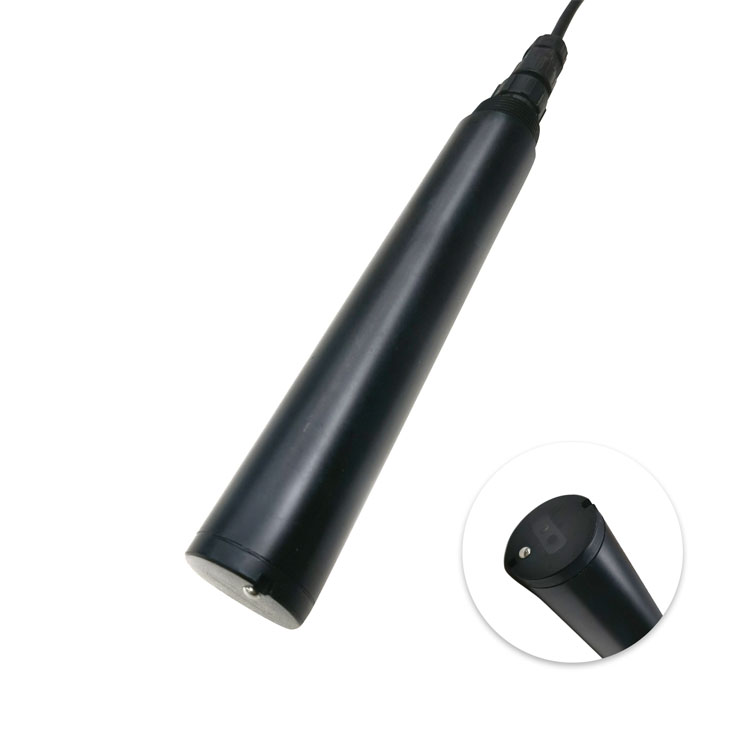 Online Turbidity Sensor RS485 Modbus | NBL-WQ-TS
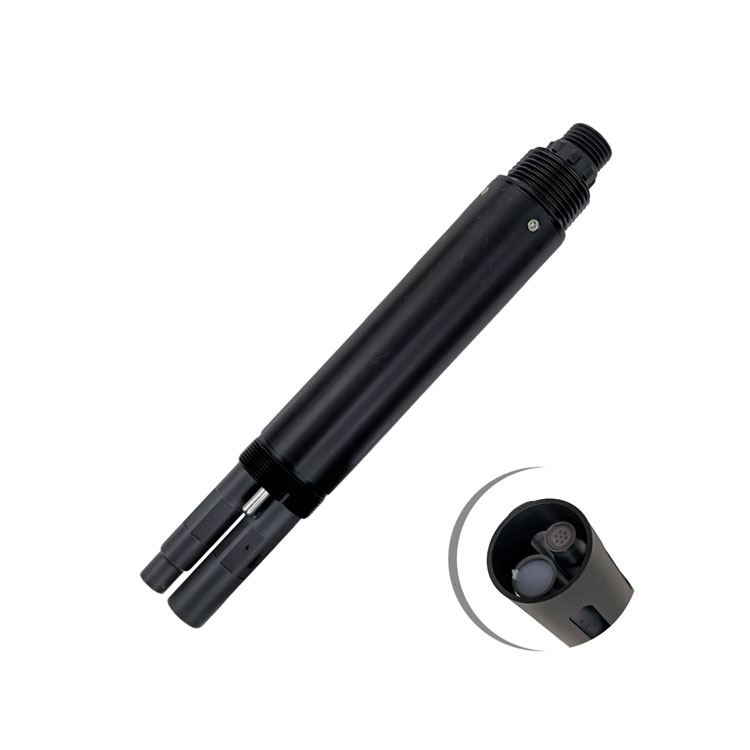 Online Ammonia Nitrogen Sensor (Ammonium ISE) | NBL-WQ-NHN
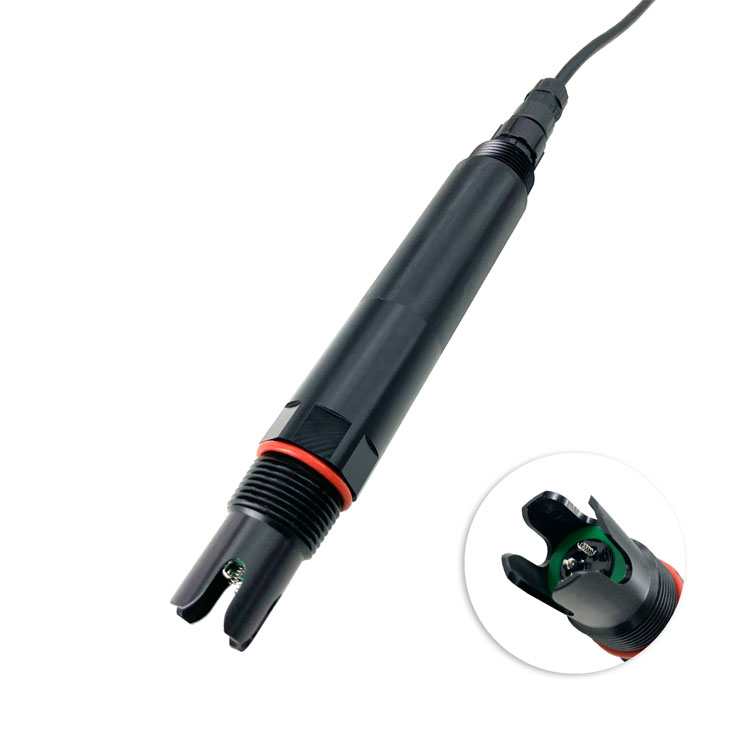 Online Residual Chlorine Sensor (HOCl) RS485 | Water Quality Sensor| NBL-WQ-CL
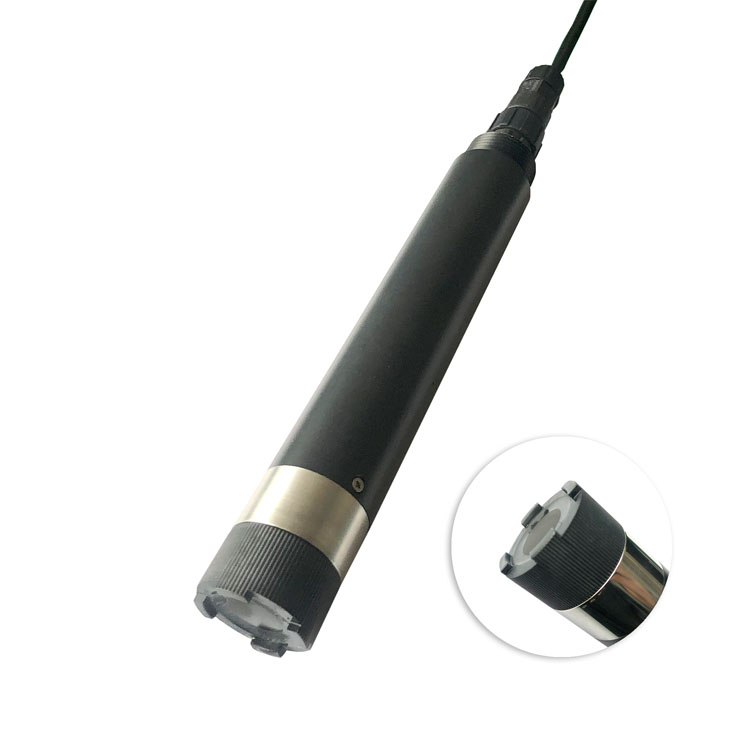 NBL-WQ-DO Online Fluorescence Dissolved Oxygen Sensor
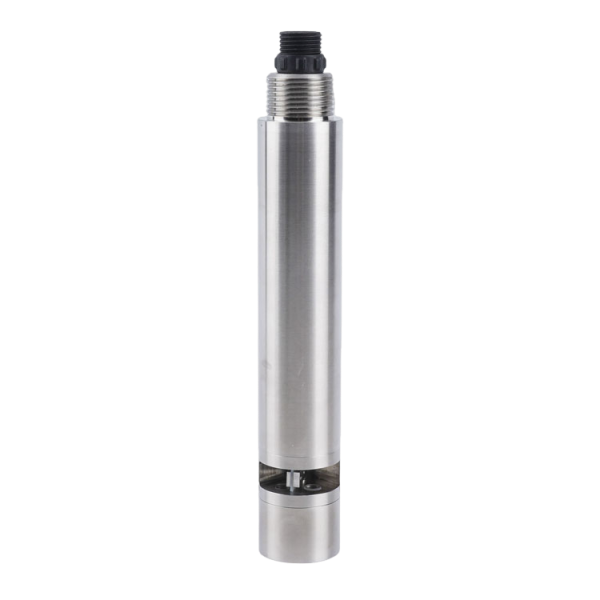 NBL-WQ-COD Online COD Water Quality Sensor
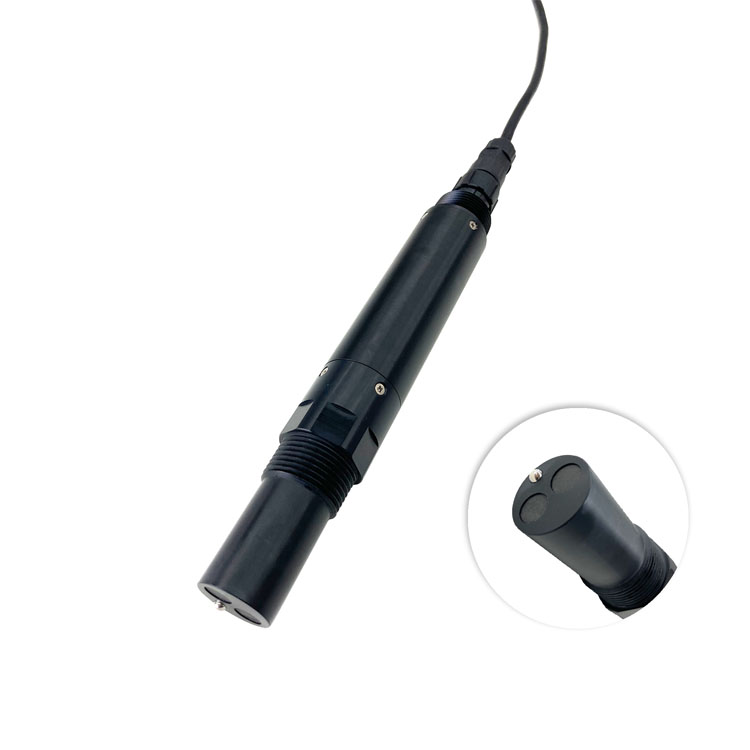 Water Conductivity EC Sensor RS485 Modbus IP68 | NBL-WQ-EC


Screenshot, WhatsApp to identify the QR code
WhatsApp number:+8615367865107
(Click on WhatsApp to copy and add friends)

