





— Products —
 Consumer hotline +8618073152920
 WhatsApp:+8615367865107
Address:Room 102, District D, Houhu Industrial Park, Yuelu District, Changsha City, Hunan Province, China
Water Quality Sensors
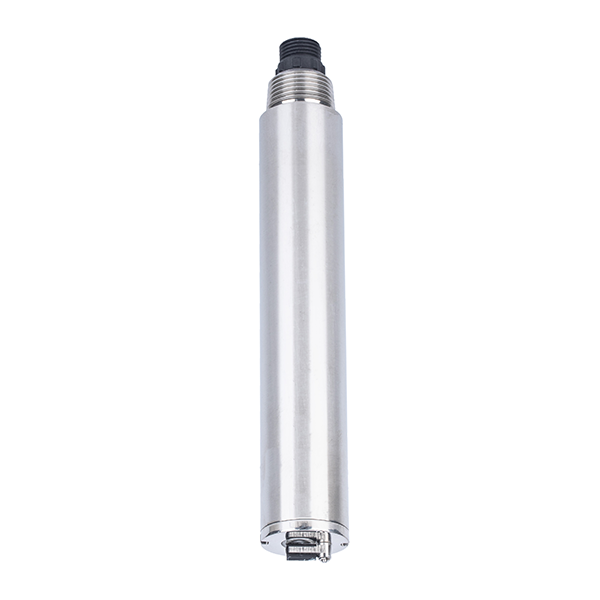
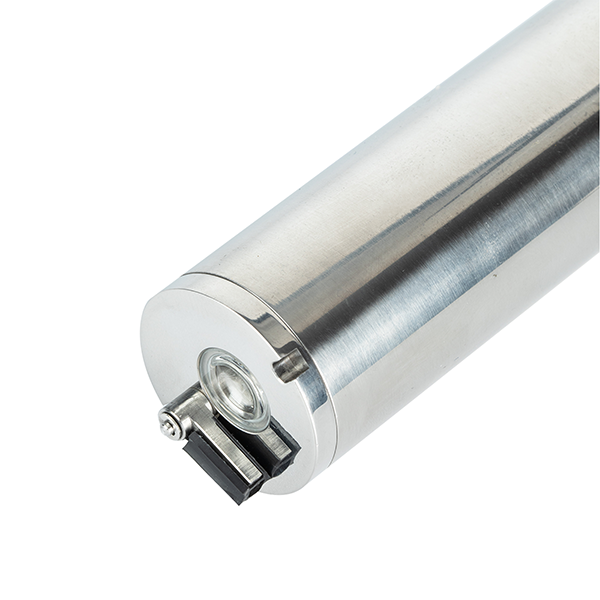
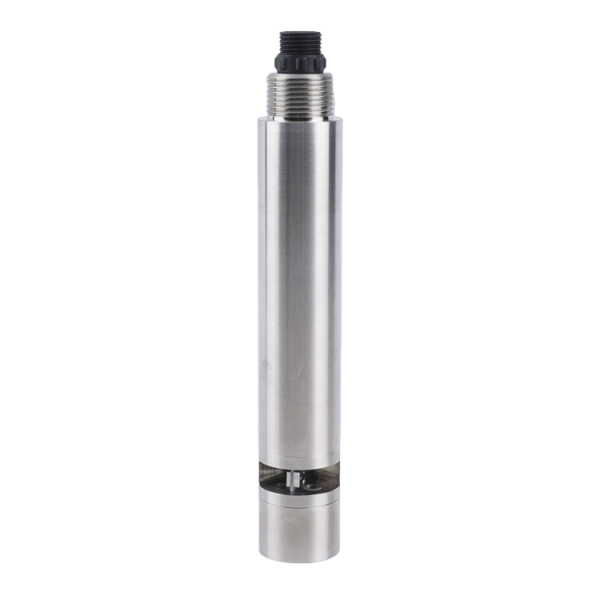
NiuBoL NBL-BGA-408-S online blue-green algae sensor adopts the fluorescence method principle to monitor blue-green algae concentration in water in real time (0~300.0 Kcells/mL), with a resolution of 0.1 Kcells/mL and accuracy of ±3%. It features built-in automatic temperature compensation (Pt1000) and a self-cleaning brush, effectively addressing uneven distribution of blue-green algae and biological attachment issues in water bodies. Specially designed for water bloom earl···
Tel/WhatsApp:+8615367865107
Email:Arvin@niubol.com +Nearly 100 partner companies in more than 75 countries. We are committed to providing high-quality, practical products to meet your needs and help you solve problems. Our products comply with international standards and are certified with ISO, CE and RoHS.Product Details
The NiuBoL NBL-WQ-BGA-408-S online blue-green algae sensor is based on the fluorescence method principle. It utilizes the absorption and emission peak characteristics of blue-green algae under specific spectra, measures the fluorescence intensity after excitation by monochromatic light, and realizes real-time and continuous detection of blue-green algae concentration in water. The sensor integrates automatic temperature compensation and has a built-in cleaning brush, which effectively reduces the impact of biofilm attachment on measurement and provides stable and reliable algae biomass data.
This sensor is specially developed for online water environment monitoring and is suitable for various scenarios that require timely understanding of blue-green algae dynamics. It helps system integrators and engineering contractors build efficient water quality monitoring and early warning systems. NiuBoL aims at industrial-grade stability and is committed to providing low-maintenance, highly integrated IoT sensor solutions for the environmental protection, water conservancy, and aquaculture industries.
1. Fluorescence High-precision Detection: Measurement range 0~300.0 Kcells/mL, resolution 0.1 Kcells/mL, accuracy ±3% (reading), linearity up to 0.999 R². Response time T90<30s, minimum detection limit 1 Kcells/mL, supports two-point calibration, meeting precise monitoring requirements.
2. Automatic Compensation and Self-cleaning Function: Built-in Pt1000 automatic temperature compensation effectively corrects the influence of temperature on fluorescence intensity. The self-cleaning brush reduces biofilm attachment, extends maintenance intervals, and improves long-term data stability.
3. Strong Protection and Environmental Adaptability: IP68 protection rating, supports submersible installation, operating conditions 0~50℃, <0.2 MPa. 316L stainless steel housing with excellent corrosion resistance, suitable for freshwater, seawater and various industrial water bodies. Installation distance requirements (side wall ≥5cm, bottom ≥20cm) facilitate on-site layout.
4. Low Power Consumption and Anti-interference Design: Power consumption only 0.2W@12V, low energy consumption facilitates deployment in remote or solar-powered systems. Digital signal processing enhances anti-interference ability, ensuring reliable measurement values in complex water quality environments.
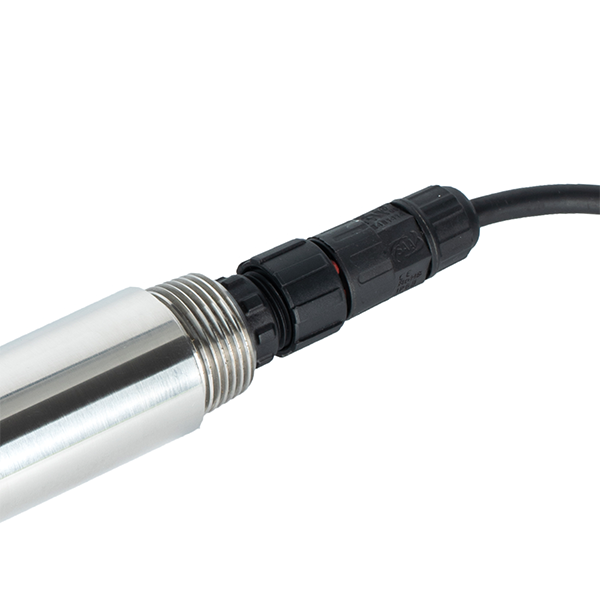
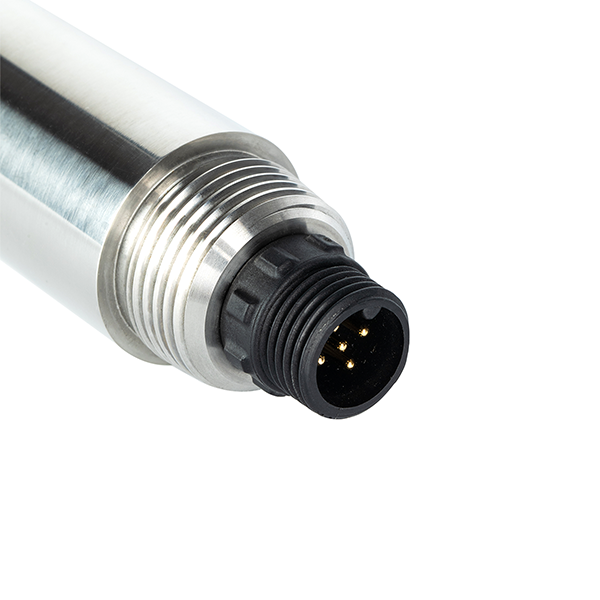
5. Excellent Integration: Standard RS-485 interface follows Modbus/RTU protocol, optional 4-20mA output, can seamlessly connect to PLC, DCS, SCADA or IoT platforms. M16-5-core waterproof male connector, standard cable length 5 meters (customizable), reducing integration difficulty.
These features enable the NBL-WQ-BGA-408-S to maintain excellent performance in water bodies with turbidity below 50 NTU, significantly reducing on-site maintenance workload and meeting the requirements of engineering projects for data continuity and system reliability.
| Parameter | Specification |
|---|---|
| Model | NBL-WQ-BGA-408-S |
| Measurement Principle | Fluorescence method |
| Measurement Range | 0~300.0 Kcells/mL |
| Resolution | 0.1 Kcells/mL |
| Accuracy | ±3% (reading), ±0.3℃, linearity 0.999 R² |
| Response Time (T90) | <30s |
| Minimum Detection Limit | 1 Kcells/mL |
| Calibration Method | Two-point calibration |
| Cleaning Method | Built-in self-cleaning brush |
| Temperature Compensation | Automatic temperature compensation (Pt1000) |
| Output Method | RS-485 (Modbus/RTU), 4-20mA (optional) |
| Working Conditions | 0~50℃, <0.2 MPa |
| Storage Temperature | -5~65℃ |
| Protection Rating | IP68 |
| Installation Method | Submersible installation, 3/4NPT |
| Power Consumption | 0.2W@12V |
| Power Supply Voltage | 12~24V DC |
| Housing Material | 316L stainless steel |
Note: The sensor connector is M16-5-core waterproof male connector. It is recommended that water turbidity be lower than 50 NTU. Multi-point monitoring is recommended to cope with uneven distribution of blue-green algae. The cable is 5-core shielded wire, and the yellow wire is for current output (leave floating when not in use).
Rivers, Lakes and Reservoirs Water Bloom Monitoring: Deployment in environmental automatic monitoring stations to track blue-green algae concentration changes in real time, provide early warning of water bloom risks, and support water quality management decisions.
Marine Bays and Nearshore Waters Microalgae Monitoring: Water quality monitoring in ports and bays to assess red tide or harmful algae outbreak trends and ensure marine ecological safety.
Seawater and Freshwater Aquaculture Farm Management: Monitoring of breeding ponds or cage water bodies to control blue-green algae density, optimize water quality environment, and reduce aquaculture risks.
Green Algae Cultivation and Treatment Projects: Accurately measure green algae concentration in algae cultivation equipment to assist production process control and harvest decisions.
Drinking Water Source Protection: Continuous monitoring at lake and reservoir water intakes to timely detect abnormal algae growth caused by nutrient enrichment and ensure water supply safety.
Wetland Ecology and Scientific Research Investigation: Combined with multi-parameter water quality sensors to provide high-resolution algae data, supporting ecological research and model validation.
By combining with NiuBoL chlorophyll, COD, turbidity and other sensors, a comprehensive water quality biological and chemical parameter monitoring platform can be built.
Adopt submersible installation, keep a distance of more than 5cm from the side wall and more than 20cm from the bottom to avoid interference from walls or the bottom.
It is recommended to install in flowing or well-mixed areas to ensure the measurement window fully contacts the water to be measured. Multi-point deployment is recommended to cope with uneven distribution of blue-green algae.
Red wire: Power positive (12~24VDC)
Black wire: Ground (GND)
Blue wire: RS-485 A
White wire: RS-485 B
Yellow wire: Current output (4-20mA, leave floating when not in use)
After wiring, please carefully check the sequence to avoid losses caused by incorrect connections. When the cable is immersed in water (including seawater) for a long time or exposed, all wiring points must be waterproofed, and cables with certain corrosion resistance should be selected. Confirm the wiring is correct before powering on.
The cleanliness of the measurement window directly affects reading accuracy. The sensor outer surface can be rinsed with tap water. Stubborn dirt can be wiped with a soft cloth dipped in mild detergent. Avoid tightening the cable during normal operation to prevent internal wire breakage. The built-in cleaning brush can effectively reduce the frequency of manual cleaning. The sensor interior consists of precision optical and electronic components with no user-maintainable parts. Please avoid severe mechanical impact.
Calibration Method:
Zero point calibration: Place the sensor vertically in distilled water, with the front end at least 20cm from the bottom of the bucket, stabilize for 3~5 minutes before performing calibration.
Slope calibration: Place in standard solution, with the front end at least 20cm from the bottom, stabilize before performing calibration. Temperature influence on fluorescence intensity should be considered during calibration (refer to the Rhodamine B correlation table if necessary).
Please refer to the operation manual attached randomly for specific instructions. Calibration frequency should be determined according to the requirements of the competent authority or actual usage conditions.
Q1: What is the measurement principle of the NBL-WQ-BGA-408-S?
A: It adopts the fluorescence method, utilizing the absorption and emission peak characteristics of blue-green algae to achieve concentration detection through the relationship between excitation light and fluorescence intensity.
Q2: What is the impact of water turbidity on measurement?
A: It is recommended to use in water bodies with turbidity below 50 NTU. In higher turbidity environments, multi-point monitoring or combined use with a turbidity sensor can be used to improve data reliability.
Q3: Can the built-in self-cleaning brush reduce maintenance work?
A: Yes. The built-in self-cleaning brush can effectively prevent biological attachment and extend the cleaning cycle. However, the window cleanliness still needs to be checked regularly.
Q4: How to connect to existing automation systems?
A: The sensor supports RS-485 Modbus/RTU protocol (optional 4-20mA) and can be directly connected to PLC or SCADA systems. NiuBoL provides protocol documents and integration support.
Q5: Is it suitable for seawater environments?
A: Yes. The 316L stainless steel housing is corrosion-resistant, and IP68 protection supports long-term immersion in seawater. However, it is recommended to strengthen window cleaning checks.
Q6: What to do when the measured value is unstable?
A: First clean the measurement window, check cable connection and power supply stability. If the problem persists, please contact technical support for troubleshooting.
Q7: Does the cable length support customization?
A: Yes, the standard length is 5 meters and can be customized according to project requirements. Please specify the length requirement when ordering and pay attention to waterproof and corrosion-resistant specifications.
Q8: Does sensor calibration need to pay attention to temperature?
A: Yes. Fluorescence intensity is affected by temperature. During calibration, it is recommended to refer to the temperature compensation mechanism or Rhodamine B correlation table to ensure that calibration conditions are close to actual working conditions.
The NiuBoL NBL-WQ-BGA-408-S online blue-green algae sensor takes high-precision fluorescence detection, automatic temperature compensation, self-cleaning design and excellent integration as its core advantages, providing a stable and reliable online solution for water bloom early warning, algae monitoring and water quality management projects. It helps system integrators and engineering contractors achieve real-time data collection, risk early warning and scientific decision-making, effectively improving the overall performance of water environment monitoring systems.
If your project involves river, lake and reservoir water bloom monitoring, marine bay ecological assessment, seawater aquaculture water quality control or algae cultivation projects, please feel free to contact the NiuBoL professional team. We can provide detailed selection guidance, system integration solutions and on-site technical support. Scan the contact information on the page or visit the NiuBoL official website to obtain the complete product manual, typical application cases and the latest technical materials, and jointly build an efficient and intelligent industrial IoT water quality monitoring system.
Sensors & Weather Stations Catalog
 Agriculture Sensors and Weather Stations Catalog-NiuBoL.pdf
Weather Stations Catalog-NiuBoL.pdf
Agriculture Sensors Catalog-NiuBoL.pdf
Water Quality Sensor Catalog-NiuBoL.pdf
Related recommendations
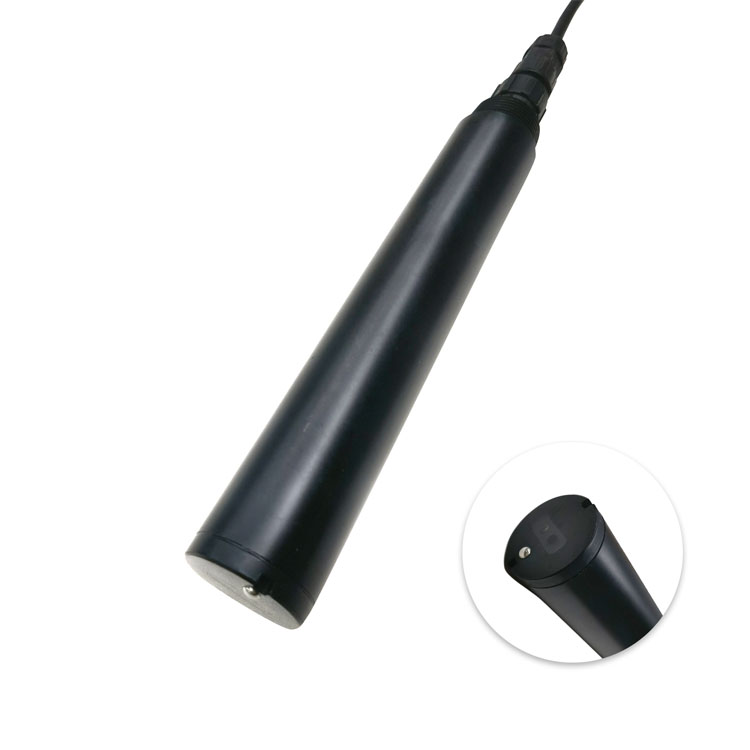 NBL-WQ-TS Online Turbidity Water Quality Sensor
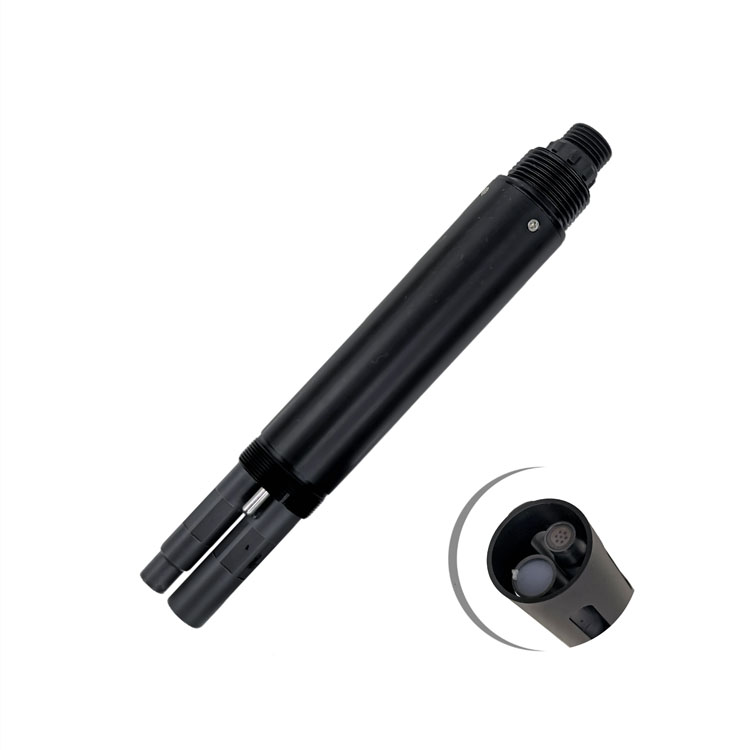 NBL-WQ-NHN Online Water Quality Ammonia Nitrogen Sensor
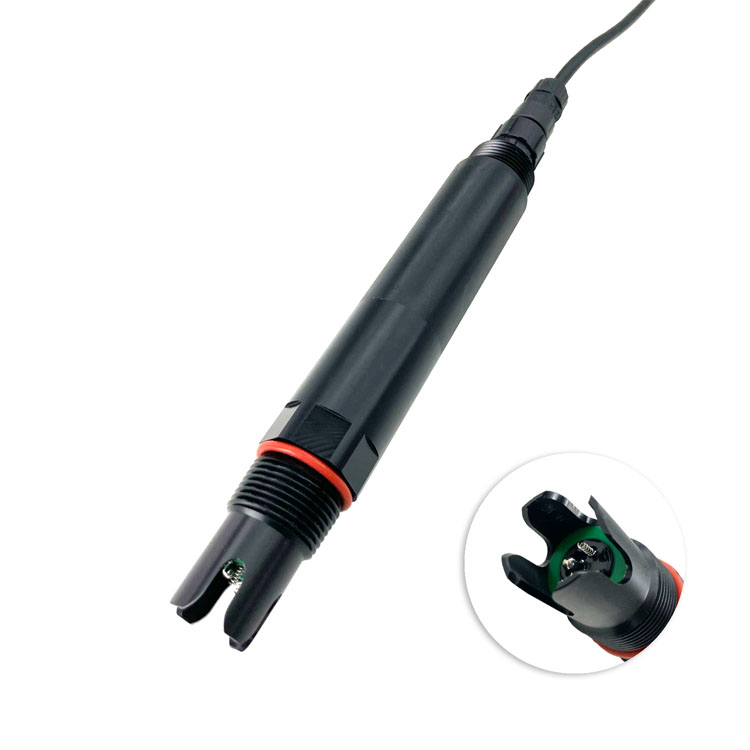 NBL-WQ-CL Water Quality Sensor Online Residual Chlorine Sensor
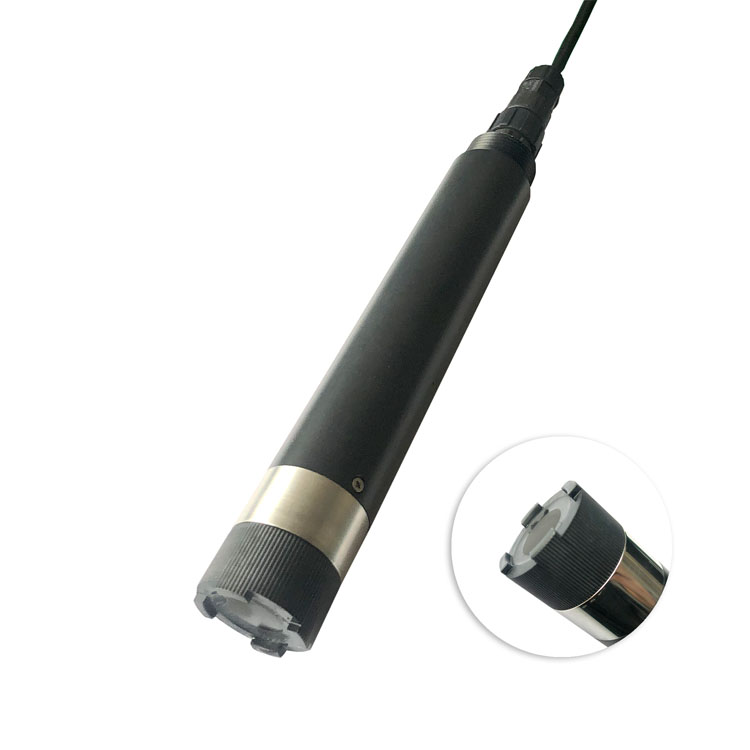 NBL-WQ-DO Online Fluorescence Dissolved Oxygen Sensor
 NBL-WQ-COD Online COD Water Quality Sensor
 NBL-WQ-EC Online Water Quality Conductivity Sensor

Screenshot, WhatsApp to identify the QR code
WhatsApp number:+8615367865107
(Click on WhatsApp to copy and add friends)

