





— Products —
 Consumer hotline +8618073152920
 WhatsApp:+8615367865107
Address:Room 102, District D, Houhu Industrial Park, Yuelu District, Changsha City, Hunan Province, China
Water Quality Sensors
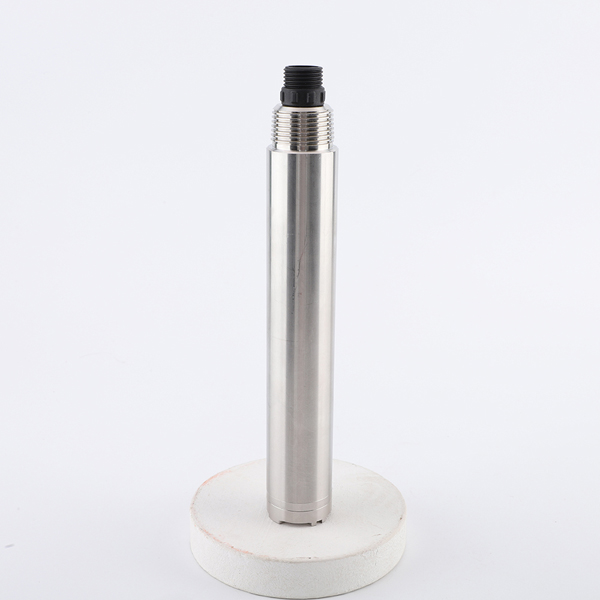
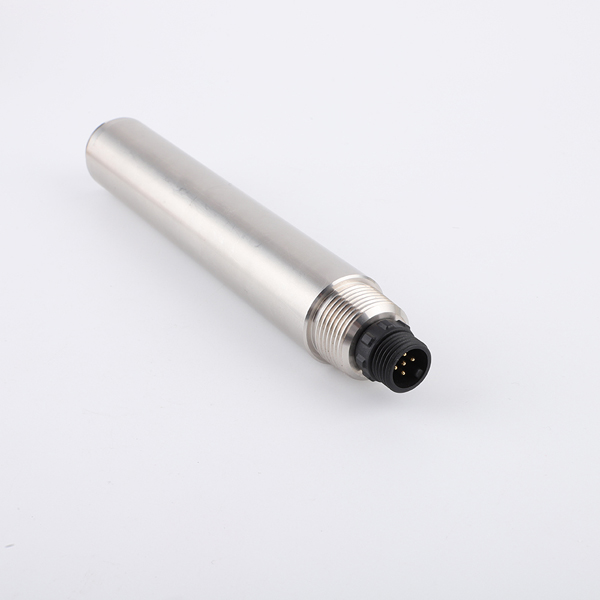
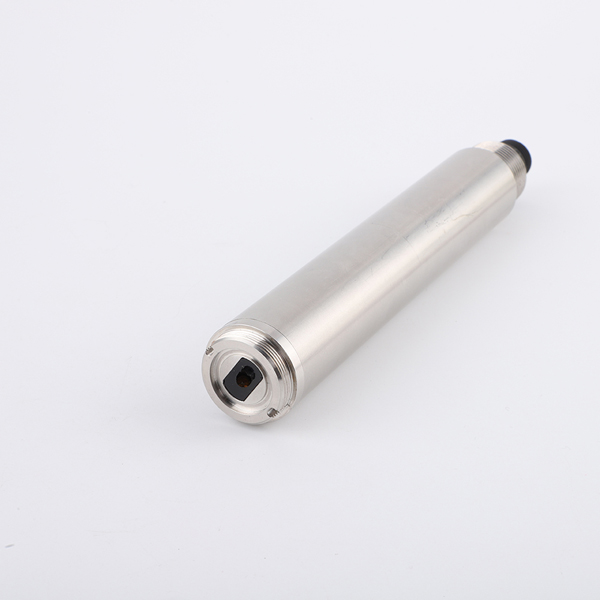
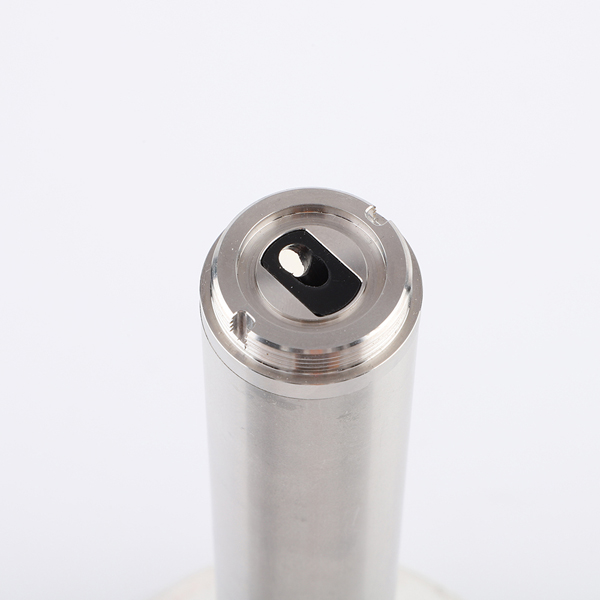
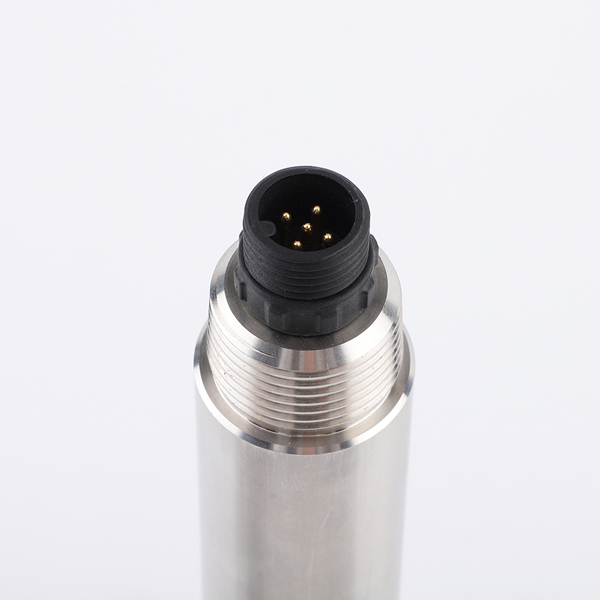
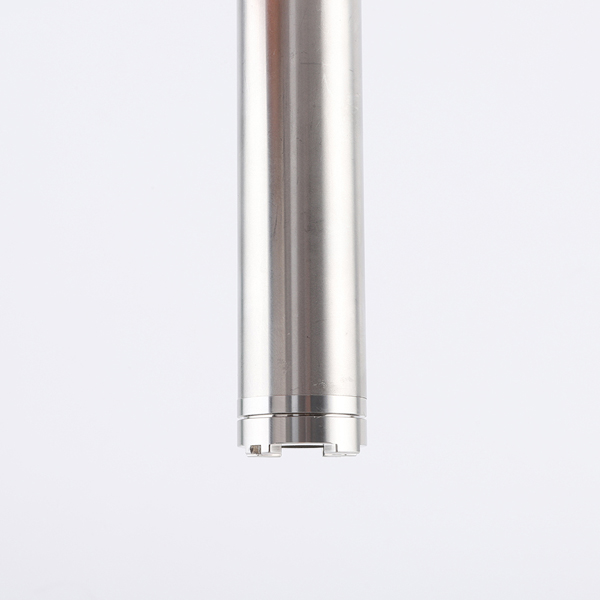
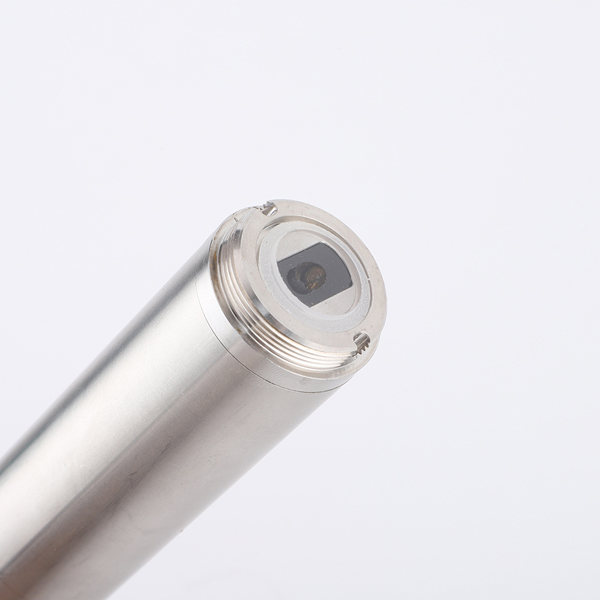
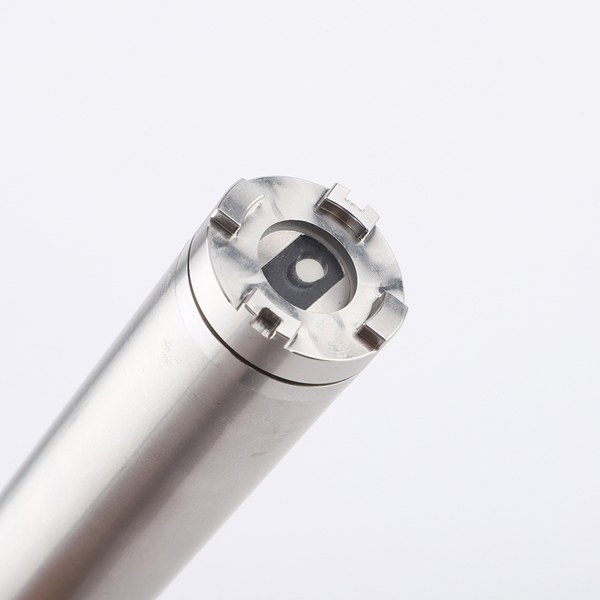
NiuBoL NBL-WQ-BGA-4S is a professional online blue-green algae sensor that uses fluorescence analysis method for measurement. It supports RS485 Modbus-RTU digital protocol and 4-20mA analog output. With IP68 high-level protection, it is specially designed for marine, river and lake water quality monitoring, providing system integrators with a high-precision, low-maintenance real-time algae density monitoring solution.
Tel/WhatsApp:+8615367865107
Email:Arvin@niubol.com +Nearly 100 partner companies in more than 75 countries. We are committed to providing high-quality, practical products to meet your needs and help you solve problems. Our products comply with international standards and are certified with ISO, CE and RoHS.Product Details
Fluorescence Instant Response: Based on specific wavelength absorption and emission characteristics, blue-green algae (cyanobacteria) concentration can be obtained in seconds without sampling and laboratory analysis.
High Robustness Industrial Design: Encapsulated with 316L stainless steel and ABS alloy material, IP68 protection rating, supports long-term stable operation in deep water and high-pressure environments.
Multi-protocol Compatible Integration: Built-in digital RS485 Modbus-RTU and optional 4-20mA interface, seamlessly connects to industrial PLC, DCS or smart water cloud platforms.
The outbreak of blue-green algae not only destroys the water ecological balance but also produces toxins that affect drinking water safety. Traditional laboratory manual sampling methods have long cycles and low efficiency, making it difficult to meet the early warning needs of water conservancy and environmental protection departments for sudden algae outbreaks.
The NiuBoL NBL-WQ-BGA-4S online blue-green algae sensor is specially designed for industrial, municipal and marine monitoring. It utilizes advanced fluorescence measurement technology to emit monochromatic light into the water body and capture the secondary energy released by cyanobacteria, converting the optical signal into high-precision digital concentration data. This product greatly reduces operation and maintenance costs. With its excellent anti-interference ability and physical protection, it has become an ideal core component for integrators to build automated water quality monitoring stations.
1. Fluorescence Spectrum Analysis: Non-destructive Precise Detection
The NBL-WQ-BGA-4S utilizes the characteristic that specific pigments in cyanobacterial cells emit fluorescence under specific wavelength excitation, enabling direct in-situ measurement. This method requires no chemical reagents, does not destroy biological samples, and has a range of up to 300.0 Kcells/mL, which can sensitively capture the key inflection point of water bodies from clear to slightly eutrophic.
2. Selected Industrial-grade Materials and IP68 Protection
The sensor contact surface uses corrosion-resistant 316L stainless steel, combined with an ABS alloy shell, which can resist chemical erosion from marine salt spray and industrial sewage. The whole machine reaches IP68 protection level and can work long-term submerged underwater up to 20 meters (0.2MPa), ensuring long-cycle service capability under harsh outdoor conditions.
3. High-stability Circuit and Anti-interference Optimization
For the complex electromagnetic environment of industrial sites, NiuBoL has optimized the internal amplification circuit design. The sensor has a certain tolerance to dirt on the measurement window mirror surface and supports two-point calibration (zero point and slope), effectively compensating for the interference of background turbidity on fluorescence intensity (it is recommended to use in water bodies with turbidity below 50 NTU for optimal accuracy).
4. Low Power Consumption and Flexible Data Communication
The device consumes only 0.2W at 12V power supply. The extremely low power consumption makes it very suitable for solar-powered field monitoring stations. It supports the industry-standard Modbus-RTU protocol, allowing system integrators to read concentration, temperature and other parameters with one click, shortening system development and on-site debugging cycles.
| Parameter Item | Technical Specification / Parameter Content |
|---|---|
| Model | NBL-WQ-BGA-4S |
| Brand | NiuBoL |
| Measurement Range | 0 - 300.0 Kcells/mL |
| Resolution | 0.1 Kcells/mL |
| Measurement Accuracy | +/-3% FS;Temperature +/-0.3℃ |
| Signal Output | RS-485 (Modbus-RTU protocol) / 4-20mA (optional) |
| Power Supply Voltage | 12 - 24V DC |
| Operating Current / Power Consumption | 0.2W @ 12V |
| Protection Rating | IP68 |
| Pressure Resistance | < 0.2MPa (maximum depth about 20 meters) |
| Operating Temperature | 0 - 50℃ |
| Storage Temperature | -5 - 65℃ |
| Housing Material | 316L stainless steel + ABS alloy |
| Installation Interface | Submerged installation / Pipe installation |
| Cable Length | Standard 5 meters (customizable according to requirements) |
Marine Ports and Coastal Water Quality Monitoring: Real-time monitoring of microalgal concentration changes in ports to provide data early warning for ecological risks such as red tides and blue-green algae outbreaks.
Inland River and Lake Ecological Management: Installed at river hubs or lake catchment outlets to report algae density in real time as a hard indicator for water quality compliance assessment.
Seawater Aquaculture (Red Algae / Green Algae Monitoring): Monitor the content of specific algae in marine ranches to prevent hypoxia or disease risks caused by excessive proliferation.
Municipal Raw Water Early Warning System: Install NiuBoL sensors at the water intake of water treatment plants to timely grasp changes in raw water algae and optimize subsequent water production processes.
Spacing Requirements: The front section of the sensor sensing window should remain open. The distance from the pool wall should be greater than 5cm, and the distance from the bottom should be greater than 20cm to avoid measurement errors caused by reflection interference.
Vertical Installation: It is recommended to install vertically in water bodies with good fluidity to avoid air bubbles accumulating on the surface of the sensing window.
To ensure communication stability, the NBL-WQ-BGA-4S uses high-standard shielded cables:
Red wire: Power positive (12V - 24V DC)
Black wire: Power negative (GND)
Blue wire: RS485-A
Green wire: RS485-B
Yellow wire: Current output (4-20mA, please keep floating and insulate if not in use)
Engineering Tip: Since the cable is immersed for a long time or exposed in the field, all wiring terminals must be placed in a waterproof junction box, and the shielding layer grounding should be checked regularly to prevent surge damage.
Q1: Does the NiuBoL NBL-WQ-BGA-4S measure the quantity or concentration of blue-green algae?
A: The measurement unit is Kcells/mL (thousand cells per milliliter), which reflects the density of blue-green algae per unit volume.
Q2: Will turbidity cause great interference to the measurement results?
A: Although the fluorescence method is more resistant to interference than the transmission method, high turbidity will absorb the excitation light. It is recommended to use in water bodies with turbidity below 50 NTU to ensure +/-3% measurement accuracy.
Q3: Can digital signal and analog signal be output simultaneously?
A: Yes. The standard version supports RS485 (Modbus-RTU). If the current module is selected, 4-20mA analog can be output simultaneously through the yellow wire.
Q4: How to clean the sensor window when it is dirty?
A: The cleanliness of the measurement window is very important. It is recommended to rinse regularly with tap water or gently wipe with a damp soft cloth dipped in a small amount of household detergent. It is strictly prohibited to scrape the optical window with hard objects.
Q5: Why does the value keep jumping when I test in a bucket?
A: It may be due to reflection interference from the inner wall of the container. Please ensure that the front end of the sensor is at least 20cm away from the container wall and bottom, and try to use dark, non-reflective containers.
Q6: Does this sensor support use in seawater environments?
A: Yes. Due to the use of 316L stainless steel material, it has good salt spray resistance. However, in seawater environments, it is recommended to increase the cleaning frequency to prevent marine organisms from attaching.
Q7: What is the calibration cycle of the sensor?
A: It depends on the water quality environment. In heavily polluted environments, calibration is recommended every 1-3 months. It supports zero point calibration (distilled water) and slope calibration (standard solution).
Q8: Can I extend the cable myself if it is not long enough?
A: In theory, yes, but the joints must be strictly reinforced for protection level, and it is recommended that the total length does not exceed 500 meters (for RS485). We provide factory-customized cables up to tens of meters.
With the advancement of smart water conservancy and digital ecological monitoring, real-time and accurate algae data has become the core of decision-making for water environment management. The NiuBoL NBL-WQ-BGA-4S, with its industrial-grade stability and flexible system compatibility, can significantly reduce the project deployment risks for system integrators.
Are you looking for stable and durable blue-green algae monitoring components for large river monitoring stations?
We provide complete register documentation and secondary development technical guidance. Contact the NiuBoL technical team immediately to obtain customized water quality monitoring hardware selection suggestions for your project.
 NBL-WQ-BGA-4S Professional Online Blue-Green Algae Sensor.pdf
Sensors & Weather Stations Catalog
Agriculture Sensors and Weather Stations Catalog-NiuBoL.pdf
Weather Stations Catalog-NiuBoL.pdf
Agriculture Sensors Catalog-NiuBoL.pdf
Water Quality Sensor Catalog-NiuBoL.pdf
Related recommendations
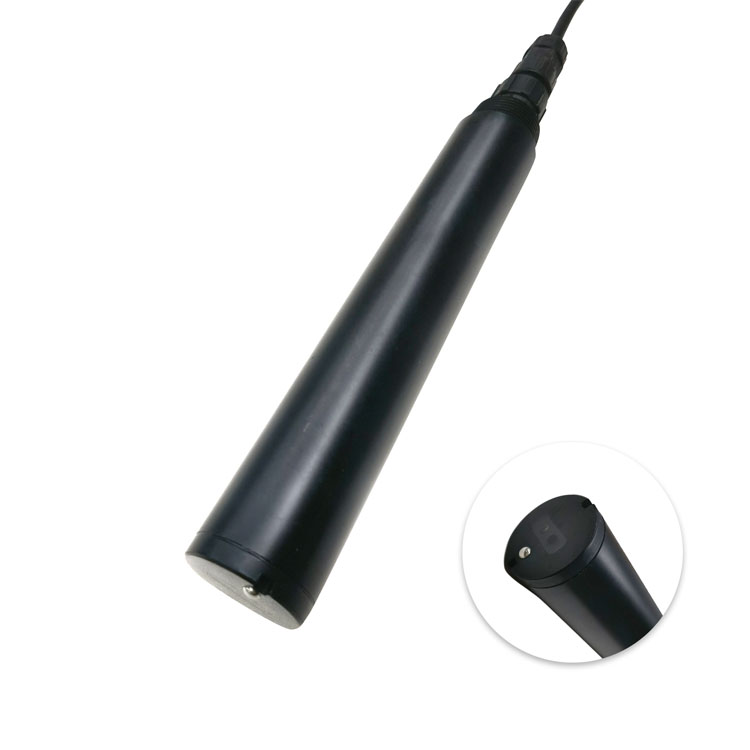 NBL-WQ-TS Online Turbidity Water Quality Sensor
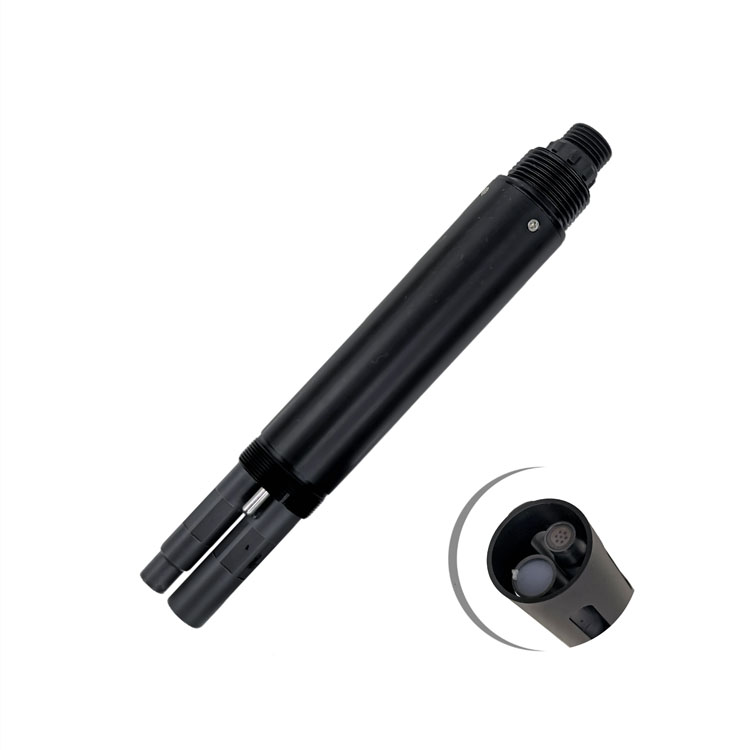 NBL-WQ-NHN Online Water Quality Ammonia Nitrogen Sensor
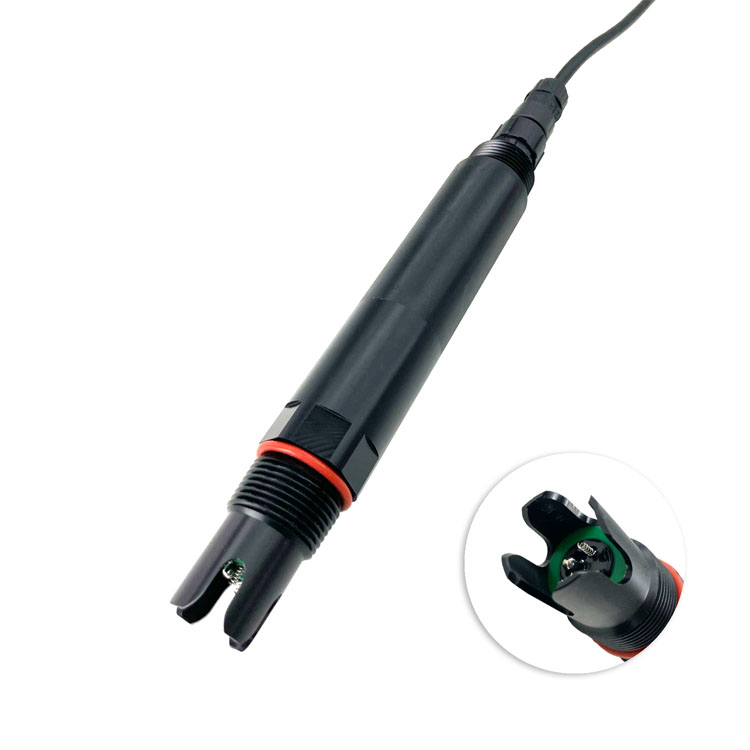 NBL-WQ-CL Water Quality Sensor Online Residual Chlorine Sensor
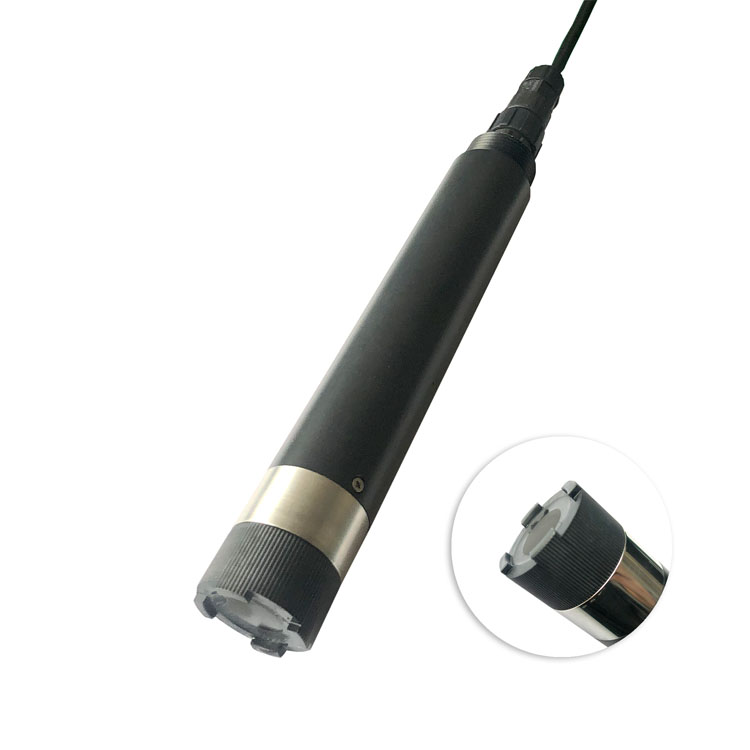 NBL-WQ-DO Online Fluorescence Dissolved Oxygen Sensor
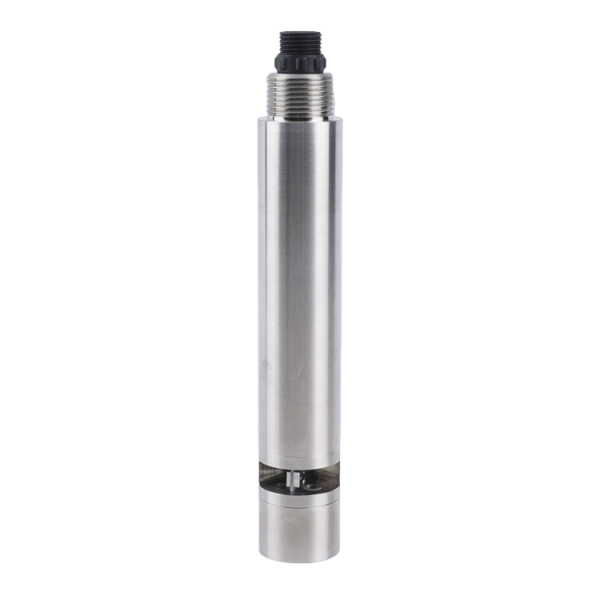 NBL-WQ-COD Online COD Water Quality Sensor
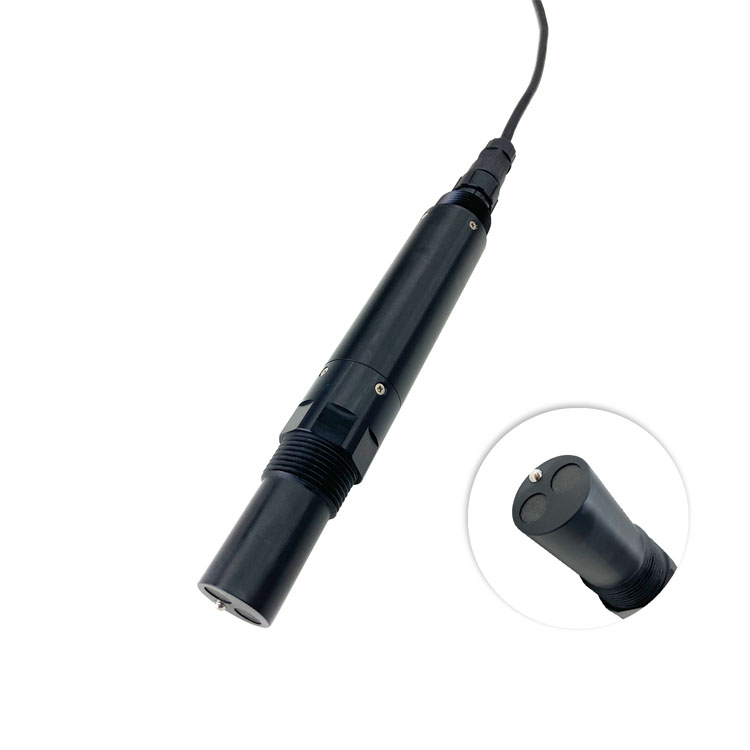 NBL-WQ-EC Online Water Quality Conductivity Sensor

Screenshot, WhatsApp to identify the QR code
WhatsApp number:+8615367865107
(Click on WhatsApp to copy and add friends)

