





— Blogs —
—Products—
 Consumer hotline +8618073152920
 WhatsApp:+8615367865107
Address:Room 102, District D, Houhu Industrial Park, Yuelu District, Changsha City, Hunan Province, China
Product knowledge
Time:2026-02-19 09:56:35 Popularity:597
The fall armyworm (Spodoptera frugiperda), a migratory pest native to the Americas, has rapidly become a major threat to crops such as corn and rice since it invaded China from Southeast Asia in 2019. It has a short life cycle, strong reproductive capacity, and pronounced migratory behavior, capable of causing widespread damage across large areas in a short time. According to data from the Ministry of Agriculture and Rural Affairs, this pest has already broken out in provinces such as Yunnan and Guangdong, with a trend of spreading northward. Without effective control, it could lead to crop yield reductions of up to 20%-30%, seriously threatening food security.
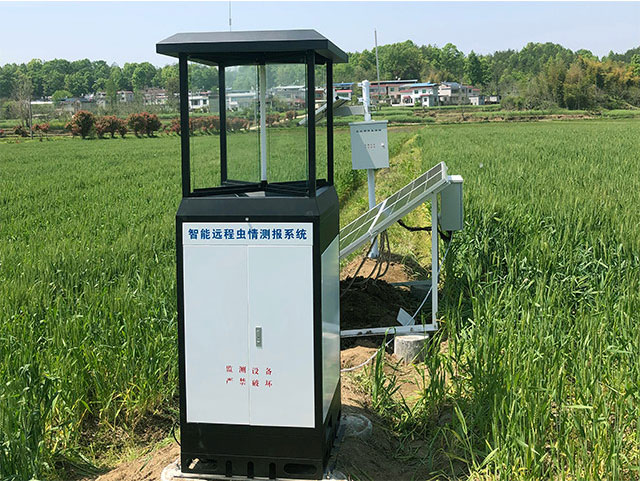
When the pest first appeared, relevant research teams acted quickly, deploying high-altitude observation lamps in Yunnan and other areas for on-site monitoring and forecasting. This early intervention emphasized the principles of “early prediction, early warning, and early control.” Through real-time data collection, it helped farmers promptly release natural enemies or apply biological pesticides. The Ministry of Agriculture and Rural Affairs also organized expert seminars, formulated export control plans, and guided grassroots units to implement zoned control strategies. These efforts aimed to contain the pest in its early stages and prevent large-scale spread.
However, traditional monitoring methods rely on manual inspections, which are inefficient and easily affected by weather. In the context of “full-staff management,” corporate technological innovation has become a key supplement. As a company focused on agricultural technology services, NiuBoL has actively participated in pest control with its strong R&D capabilities, providing intelligent solutions to help industry clients address pain points.
The NiuBoL intelligent remote pest forecasting system is a plant protection tool integrating light, electricity, digital control, and IoT technologies, specifically designed for pest monitoring. The system complies with the national standard GB/T 24689.1-2009 for plant protection machinery pest forecasting lamps and adopts an all-stainless steel structure to ensure outdoor durability. It can automatically complete pest attraction, killing, collection, and separation without the need for constant on-site human supervision, making it suitable for agriculture, forestry, and other fields.
The core of the system lies in image recognition and data transmission. Through deep learning algorithms, the device can accurately identify and count insects, improving monitoring accuracy. The R&D team spent 60 days integrating multi-source information to develop this product, helping plant protection departments deploy control measures promptly and reduce crop losses. Compared to traditional lamps, it not only traps and kills pests but also provides real-time data analysis to support optimized decision-making.
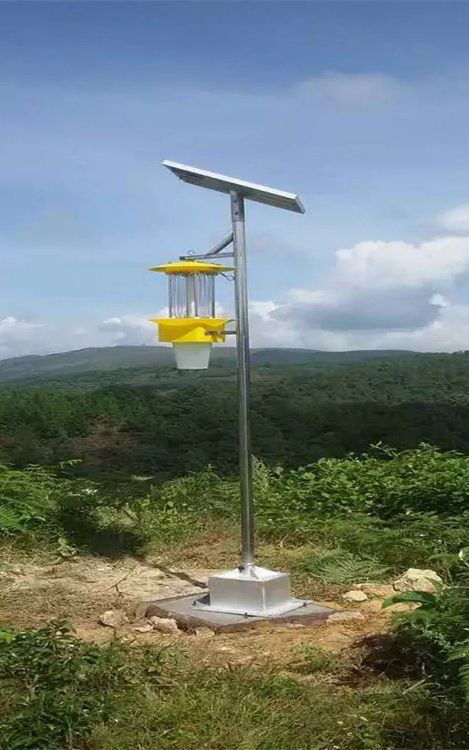
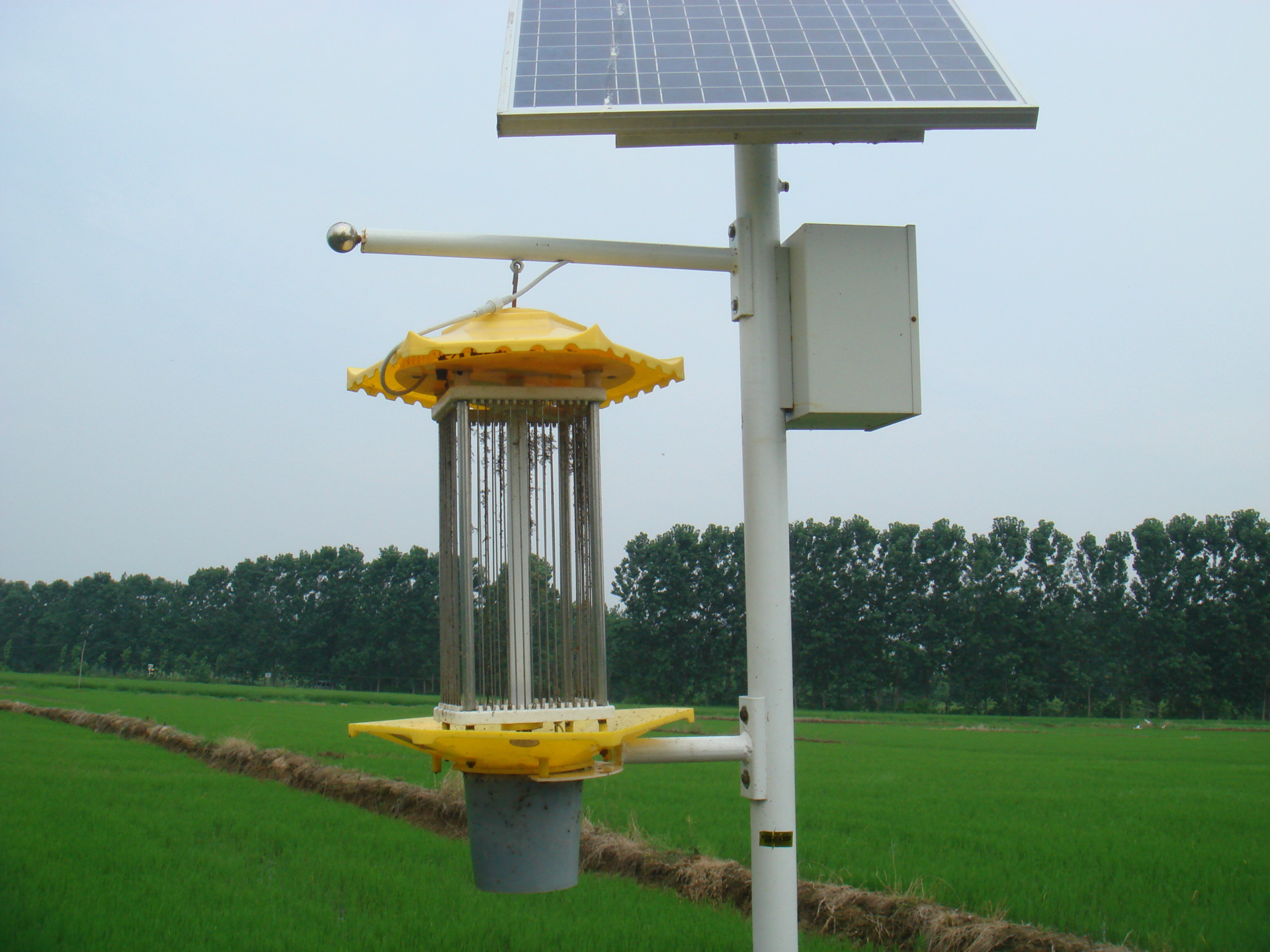
The system is equipped with a 1000W metal halide lamp as the light source, capable of attracting large numbers of fall armyworm adults over a wide range. The 360° impact screen structure maximizes capture efficiency and allows normal operation even in rainy conditions, avoiding missed migration information. It reduces pest population density through physical means, alleviating infestation pressure.
After pests enter, the far-infrared automatic processing function activates. The insect-water separation mechanism effectively drains water to prevent accumulation from affecting the equipment. Automatic drying uses infrared technology with temperature controlled at 85±5℃ to ensure complete and dry insect bodies for subsequent analysis. Drying time is customizable, and two insect collection chambers support simultaneous operation for improved efficiency.
Built-in 1200W pixel industrial camera captures pest photos at scheduled intervals and uploads them to the IoT platform. Users can view images via mobile phone or computer. The platform integrates AI recognition to automatically identify pest species, names, and quantities, significantly enhancing the precision of plant protection monitoring.
Control modes are diverse, including light control, rain control, and time control. The lamp automatically turns on at night and off during the day; time settings can be optimized according to pest behavior. Rain control ensures normal operation in rain, while light control prevents interference from external strong light. Power-off memory and remote restart functions enhance reliability and provide long-distance technical support.
The system reserves 485/232 communication interfaces for connecting meteorological or soil monitoring equipment, with data uniformly displayed on the platform. Real-time device location mapping facilitates regional management. Power consumption is controlled at ≤225W in working state and ≤15W in standby, making it energy-efficient and environmentally friendly. Solar power option (400W solar panel + 200AH battery) is suitable for remote areas.
Four impact screens are arranged at 90-degree angles with precise dimensions (length 608mm±2mm, width 330±2mm, thickness ≥5mm). Lamp startup time ≤5s, insulation resistance ≥2.5MΩ, equipped with leakage protection and lightning protection devices for safety.
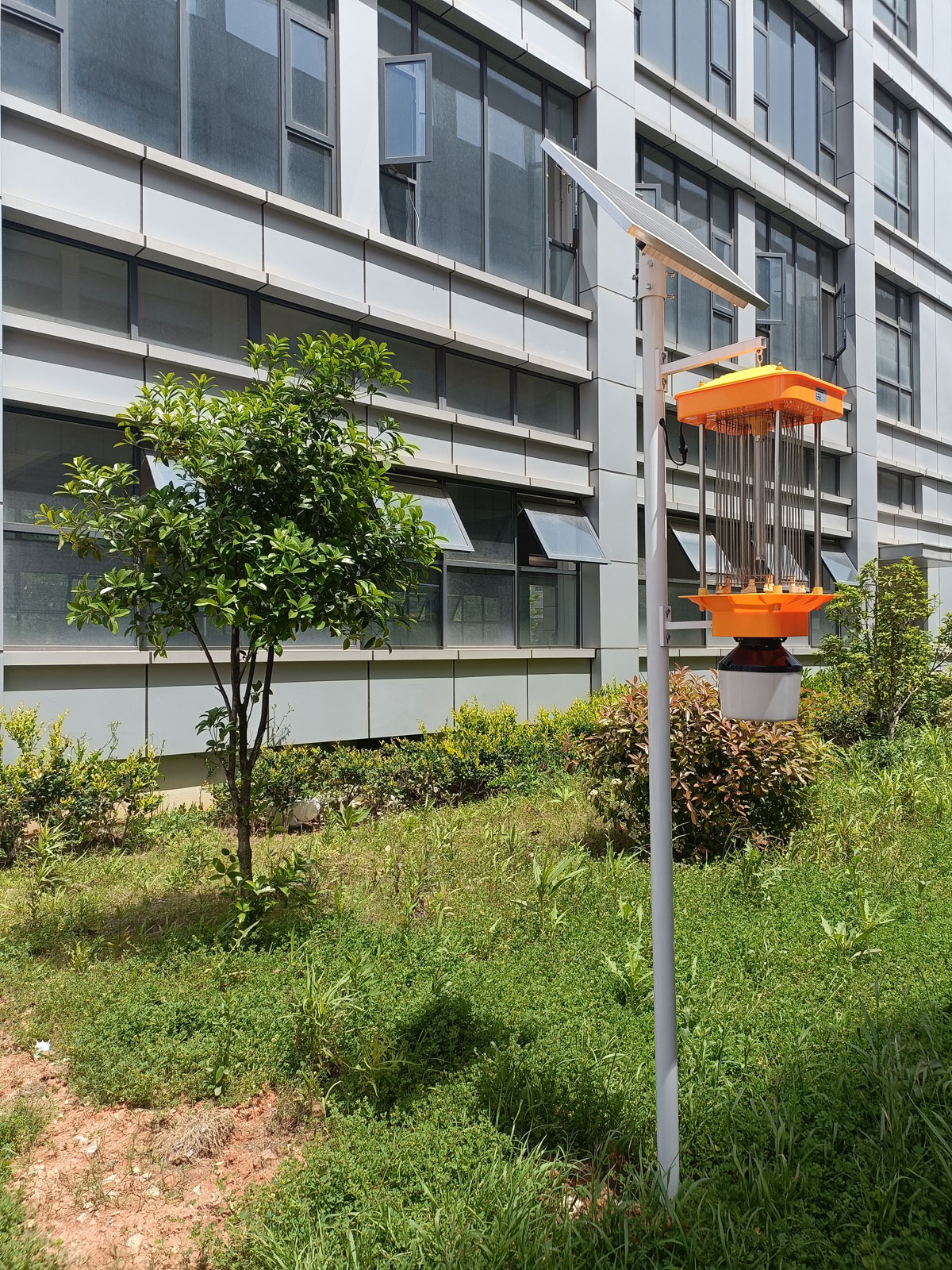
In a corn planting area in Yunnan, after deploying the NiuBoL system, migration dynamics of fall armyworm were successfully monitored. While the equipment trapped and killed adults, the AI platform analyzed photos to predict infestation trends. Based on this, the plant protection department released natural enemies such as Trichogramma wasps combined with chemical control, keeping losses below 5%.
Another case is a tobacco field in Guangdong. By integrating the system with meteorological data, early warnings were issued for migration peaks during the rainy season. Farmers viewed real-time data via the App and adjusted spraying timing, avoiding excessive pesticide use and reducing environmental pollution. This reflects the requirement of “comprehensive and precise monitoring and early warning, timely and effective control.”
For annual breeding areas, migration transition zones, and key control zones, NiuBoL provides customized solutions—such as adjusting time control or expanding sensors—to support nationwide control efforts in both forecasting and killing aspects.
The NiuBoL system improves plant protection efficiency, reduces labor input, and is suitable for protecting large-field crops. Its IoT integration enables more convenient data sharing and supports multi-department collaboration. Amid the northward spread trend of the pest, this technology helps suppress the momentum of “fall armyworm tracking,” ensuring that crops like corn do not suffer widespread damage.
In the long term, it promotes agricultural modernization. By analyzing pest data, it predicts occurrence and development trends, providing a basis for policy formulation. Corporate responsibility is evident here—NiuBoL not only delivers products but also accumulates technical experience to drive industry upgrading.
| Question | Answer |
|---|---|
| Q1. What is the main harm caused by fall armyworm? | This pest mainly damages corn leaves and ears, hindering plant growth and causing severe yield reduction. It can also transmit viruses, exacerbating crop diseases. |
| Q2. How does the NiuBoL system achieve insect identification? | Through deep learning algorithms and a 1200W camera, the system automatically captures photos, and the AI platform identifies pest species and quantities with high accuracy. |
| Q3. What power supply environments is the system suitable for? | It supports AC220V mains or solar power. The solar option includes a 400W panel and 200AH battery, suitable for areas without electricity. |
| Q4. How does it handle monitoring in rainy weather? | Rain control function automatically adjusts, insect-water separation mechanism drains water, and louvered rainproof design ensures continuous operation. |
| Q5. How to access platform data? | Users can log in to the IoT platform via mobile phone or computer to view real-time photos, operating status, and extended monitoring data. |
| Q6. What should be noted for system maintenance? | Regularly clean the insect collection drawer, check welds and surfaces, avoid sharp edge injuries. Remote debugging supports online maintenance. |
| Q7. Can it be integrated with other devices? | Yes, it reserves 485/232 interfaces for connecting meteorological and soil sensors, with unified data display. |
| Q8. How to test functions after installation? | Use the 10-inch LCD touchscreen to set control modes and perform function tests, such as lamp startup and image capture. |
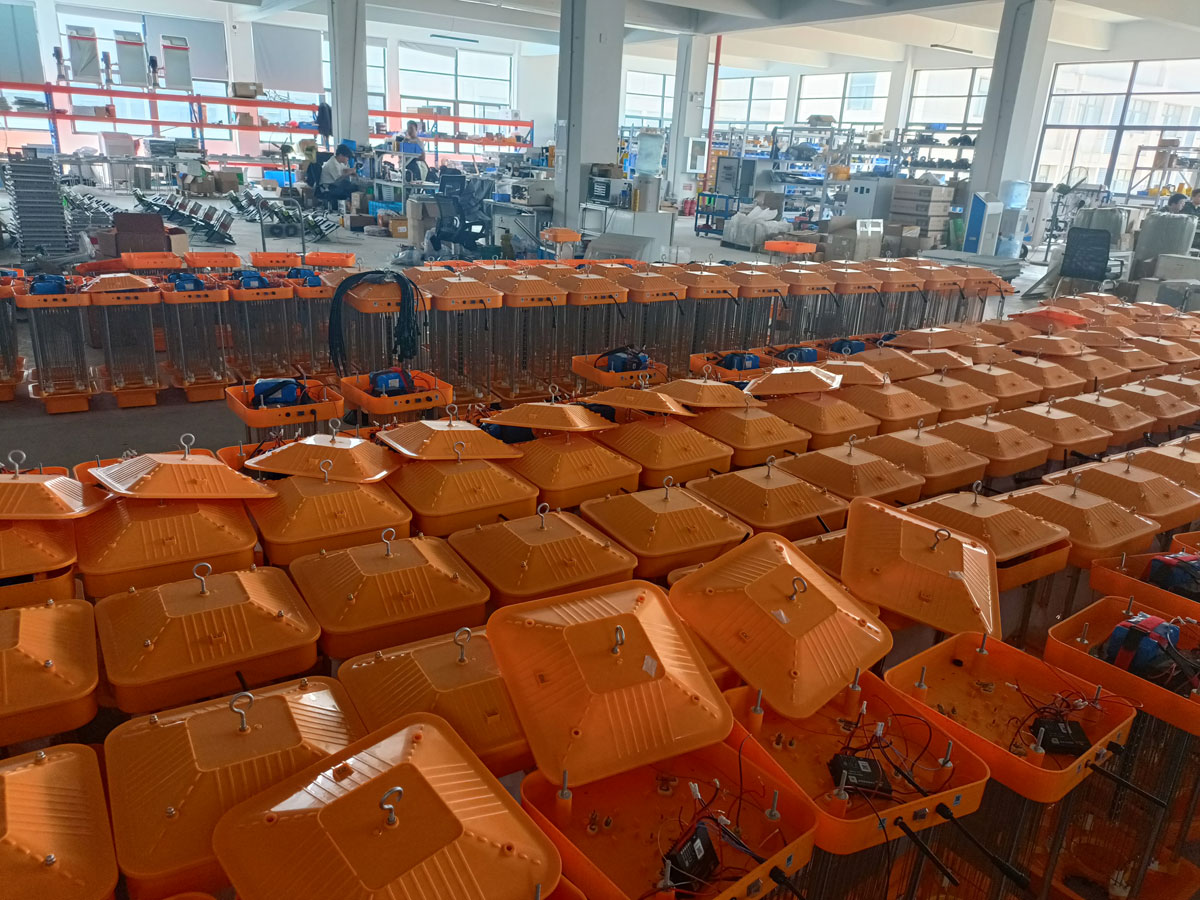
Facing migratory pests such as the fall armyworm, timely monitoring and comprehensive control are key. The NiuBoL intelligent remote pest forecasting system injects new vitality into agricultural plant protection with its reliable technology and performance. Through trapping, identification, and data analysis, it helps reduce crop losses and promotes sustainable agricultural development. With joint efforts from government, enterprises, and farmers, pest control will become more efficient, ensuring food security. In the future, similar innovations will continue to support the global process of agricultural modernization.
Prev:Core Aspects of Agricultural IoT Solutions and System Integration Practices
Next:Highway Weather Stations: Core Infrastructure for Building Intelligent Traffic Safety Systems
Related recommendations
Sensors & Weather Stations Catalog
 Agriculture Sensors and Weather Stations Catalog-NiuBoL.pdf
Weather Stations Catalog-NiuBoL.pdf
Agriculture Sensors Catalog-NiuBoL.pdf
Water Quality Sensor Catalog-NiuBoL.pdf
Related products
 Combined air temperature and relative humidity sensor
 TDR Soil Moisture & Temperature Sensor for irrigation| RS485 |4-20mA| NBL-S-THR
 Soil pH sensor RS485 soil Testing instrument soil ph meter for agriculture |NBL-S-PH
 Wind Speed sensor Output Modbus/RS485/Analog/0-5V/4-20mA
 Tipping bucket rain gauge for weather monitoring auto rainfall sensor RS485/Outdoor/stainless steel
 Pyranometer Solar Radiation Sensor 4-20mA/RS485

Screenshot, WhatsApp to identify the QR code
WhatsApp number:+8615367865107
(Click on WhatsApp to copy and add friends)

