





— Blogs —
—Products—
 Consumer hotline +8618073152920
 WhatsApp:+8615367865107
Address:Room 102, District D, Houhu Industrial Park, Yuelu District, Changsha City, Hunan Province, China
Product knowledge
Time:2026-02-19 10:01:59 Popularity:556
In the context of increasingly complex global transportation systems, road safety management is transitioning from “passive response” to “proactive prevention.” Weather factors, as one of the most uncontrollable and difficult-to-predict external variables affecting traffic safety, pose long-term risks to highways, bridges, tunnels, and airport operations. Heavy rain causing ponding, low temperatures leading to icing, dense fog causing sudden visibility drops, and strong winds affecting bridge passage safety—these issues are not occasional but follow periodic and regional patterns.
The deployment of highway weather stations is a key technical means to address this systemic risk. By monitoring critical meteorological parameters in real time and deeply integrating with traffic management systems, it enables risk prediction, warning issuance, and linkage control, effectively reducing accident rates, improving road traffic efficiency, and safeguarding public life and property.
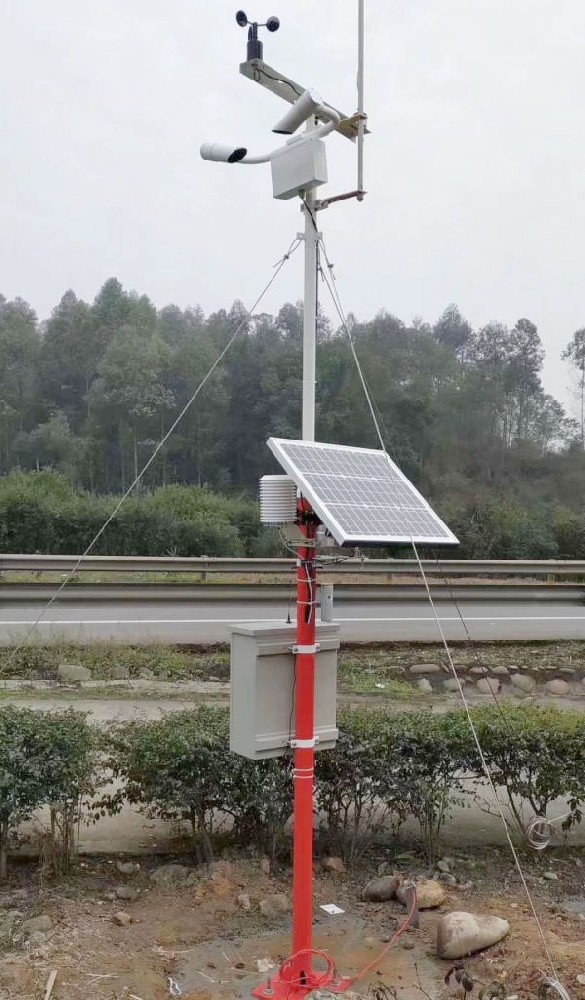
In the modern Intelligent Transportation Systems (ITS) architecture, meteorological monitoring is no longer an auxiliary module but a fundamental data source. Traffic flow control, variable speed limit systems, variable message signs (VMS), bridge restriction controls, tunnel ventilation systems, etc., all rely on real-time meteorological data as decision inputs.
For example:
When visibility falls below 200 meters, the system automatically triggers speed limit prompts.
When road surface temperature approaches 0°C with high humidity, advance warning of potential icing.
When bridge wind speed exceeds safe thresholds, automatically issue restriction instructions.
When rainfall reaches set intensity, trigger drainage or warning systems.
The core prerequisite for these actions is precise, continuous, and reliable meteorological data collection. Without the support of highway weather stations, traffic management often relies only on manual patrols or post-event feedback, resulting in delayed responses and easily leading to large-scale chain accidents. Facts have proven that most traffic accidents caused by adverse weather are not unpredictable but result from missing warning mechanisms or delayed data.
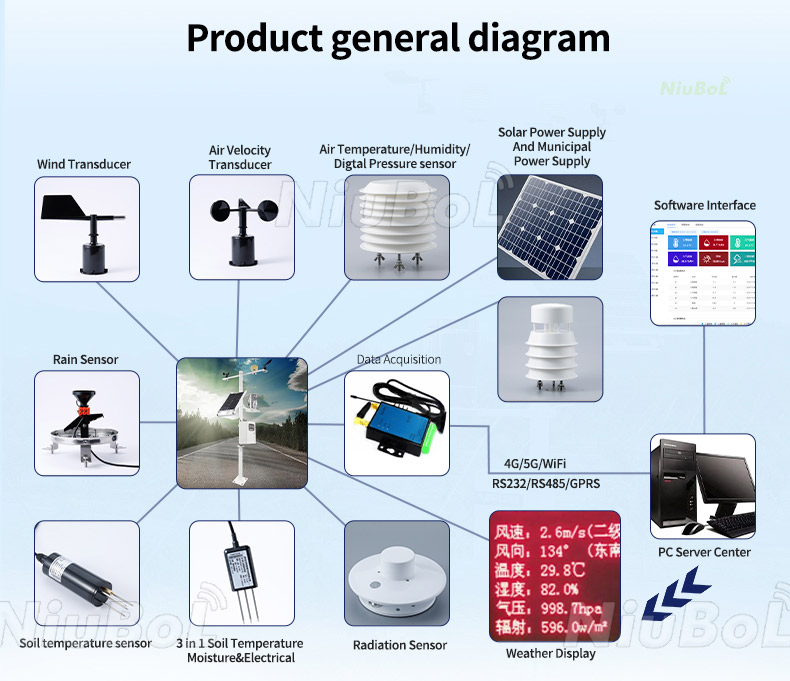
The NiuBoL highway weather station adopts a modular integrated design, allowing flexible configuration according to different application scenarios. The system mainly consists of sensor layer, data acquisition layer, communication layer, and platform layer.
Configurable according to road environment requirements:
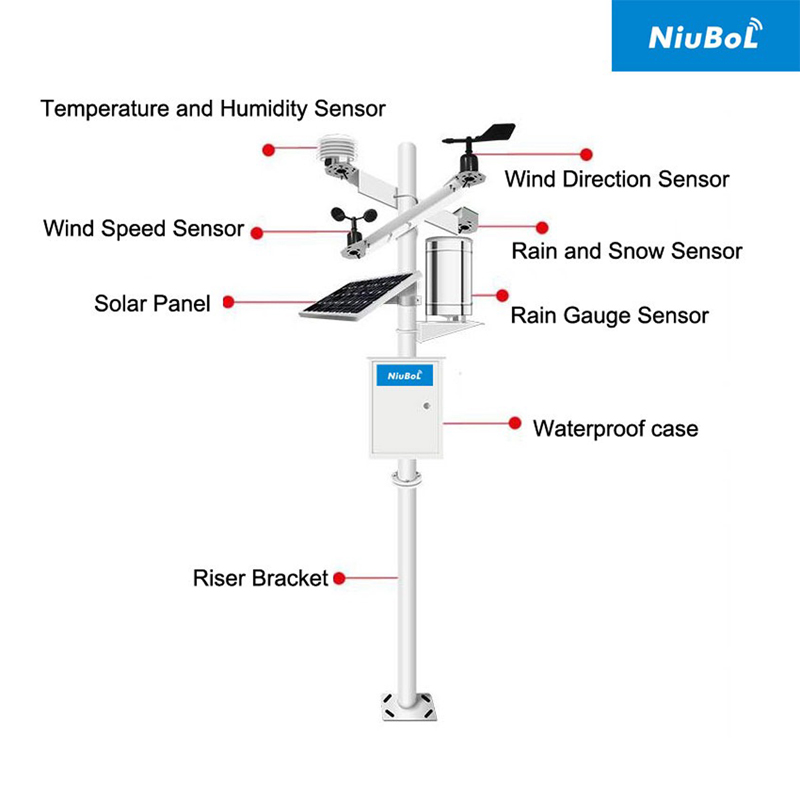
Road surface condition sensor (dry / wet / slippery / ponding / icing / snow accumulation)
Wind speed and direction sensor
Temperature and humidity sensor
Rain gauge
All sensors adopt industrial-grade design, with anti-vibration, anti-salt fog, and anti-UV aging capabilities, suitable for complex highway environments.
The system core uses high-stability RTU or data collector, supporting multi-channel acquisition and edge computing functions. It can achieve:
Local data caching
Abnormal threshold triggering
Automatic alarm logic
Data encrypted transmission
Even in case of network interruption, data loss is prevented.
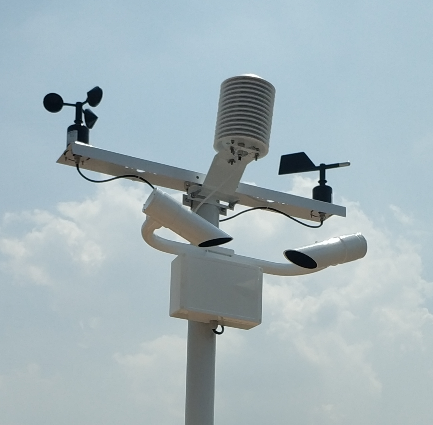
Supports multiple communication methods:
RS485
Modbus RTU
TCP/IP
4G / 5G
Optical fiber
LoRa (long-distance low-power scenarios)
This high compatibility enables seamless integration into existing traffic management platforms, reducing secondary development costs.
The system supports standard protocol docking and provides API interfaces for deep integration with:
Traffic command center platform
VMS information release system
Intelligent speed limit system
AI analysis platform
Cloud data platform
3.1 Highway Multi-Fog Sections
In coastal or mountainous highways where dense fog occurs frequently, deploying visibility monitoring systems enables real-time tracking of fog changes. When visibility falls below set values, the system automatically links speed limit signs or issues warning information, effectively reducing rear-end collision risks.
3.2 Bridges and Cross-Sea Bridges
Bridges are particularly sensitive to strong winds. Continuous monitoring of wind speed and gust values enables wind speed graded warning mechanisms. When dangerous levels are reached, automatic restriction or closure measures are triggered to ensure structural and vehicle passage safety.
3.3 Tunnels and Mountainous Sections
Tunnel entrances experience significant temperature differences, prone to “black ice” in winter. Combining road surface temperature and humidity data allows early judgment of icing risks and linkage with snow-melting or spraying systems.
3.4 Airports and Runway Environments
Runway meteorological monitoring is critical for flight takeoffs and landings. Wind speed, direction, and visibility data directly influence flight decisions. Highway weather station technology can also be extended to airport operation support.
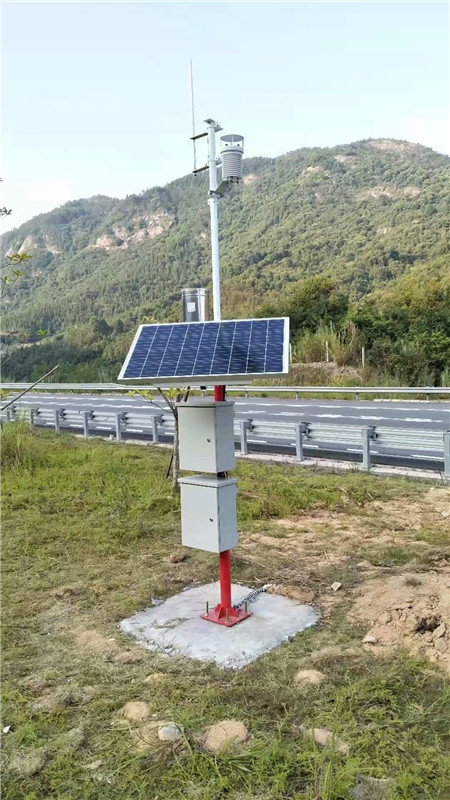
In project implementation, selection is not only a technical issue but also involves long-term operation & maintenance and system scalability.
4.1 Accuracy and Standard Compliance
During bidding, confirm whether all indicators meet local traffic specifications. For example:
Wind speed accuracy ±0.3 m/s
Visibility measurement range 10m–10km
Road surface temperature error ±0.5℃
Humidity accuracy ±2% RH
Non-compliant equipment will directly affect acceptance.
4.2 Protection and Environmental Adaptability
Highway environments involve high-temperature exposure, freezing conditions, strong wind vibration, and salt fog corrosion. Equipment protection rating should reach IP67 or above, using corrosion-resistant structural materials.
4.3 Power Supply System Design
Mountainous or remote sections usually use solar power systems. Properly design battery capacity to match power consumption, ensuring stable operation during continuous cloudy and rainy weather.
4.4 Data Security and Backup Mechanisms
The system should have local caching, cloud backup, offline continuation, and data encryption to prevent loss of critical data.
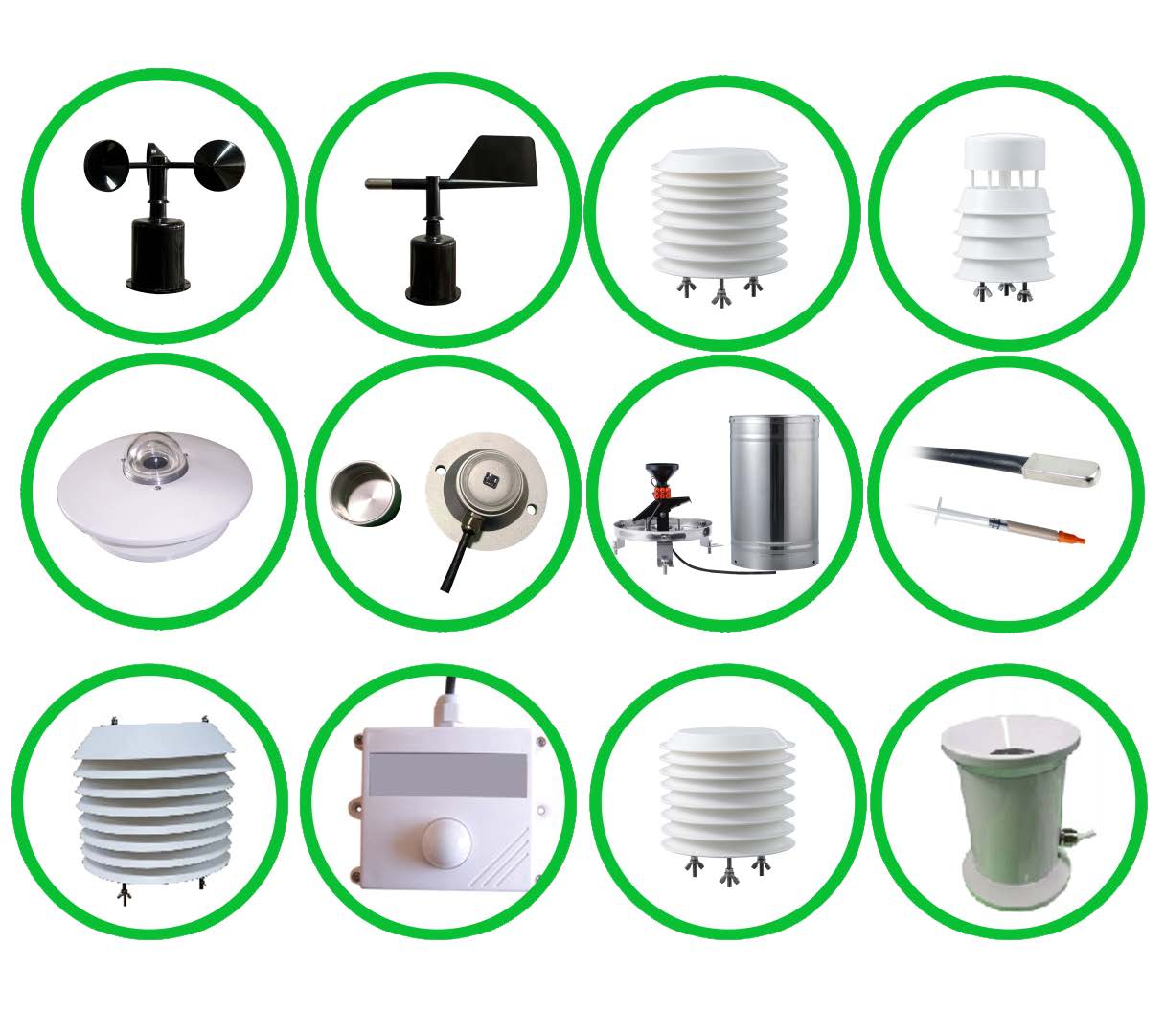
| Item | Technical Parameter |
|---|---|
| Temperature Range | -40°C ~ +85°C |
| Humidity Range | 0% ~ 100% RH |
| Wind Speed Range | 0 ~ 60 m/s |
| Visibility Range | 10m – 10km |
| Road Surface Condition Identification | Dry / Wet / Slippery / Icing / Ponding / Snow accumulation |
| Communication Methods | RS485 / Modbus / TCP/IP / 4G |
| Protection Rating | IP67 |
| Operating Voltage | DC 9-24V |
| Installation Method | Pole-mounted / Custom bracket |
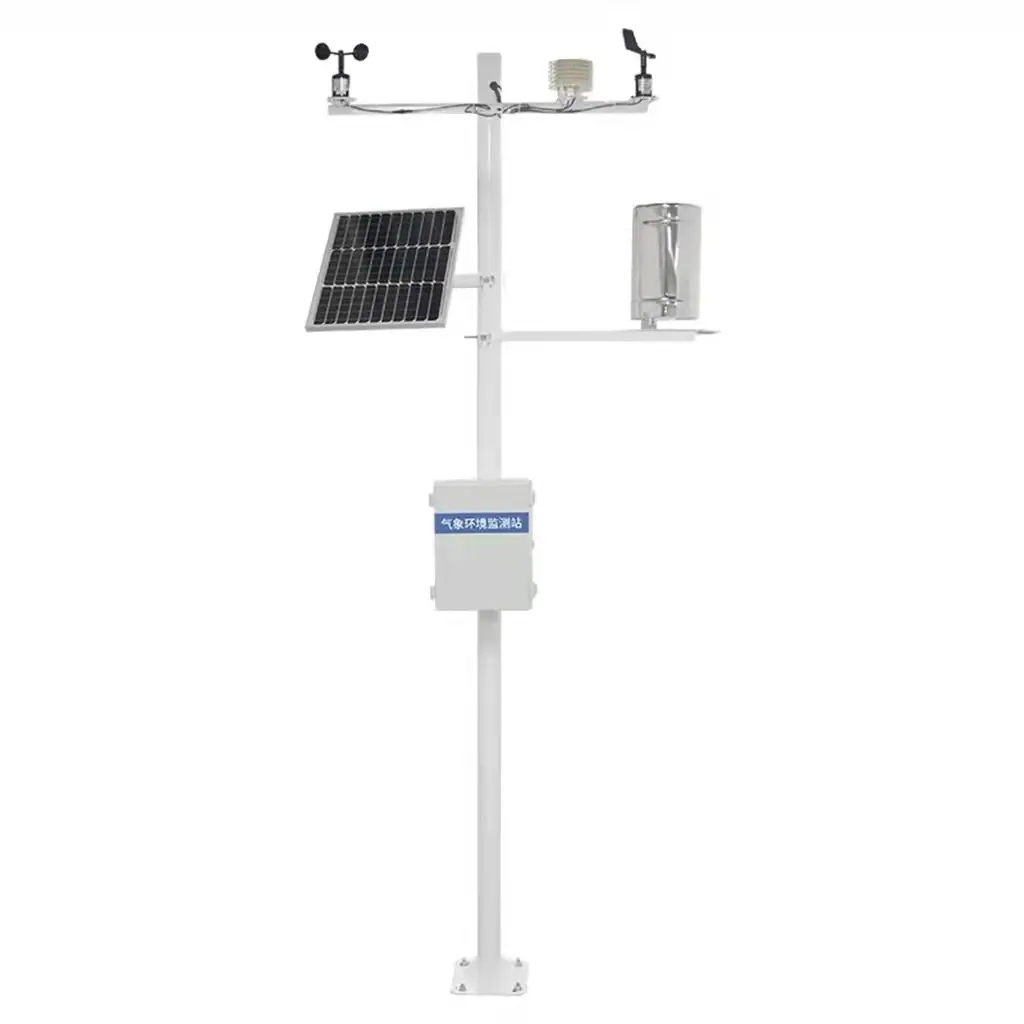
Highway weather stations are not just safety equipment but risk management systems.
Reduce accident rates
Decrease compensation costs
Improve road operation efficiency
Lower manual inspection expenses
Establish meteorological big data assets
Provide foundational data for AI prediction models
Elevate intelligent transportation construction level
Enhance credibility of government or operating entities
From a full lifecycle cost perspective, the return on investment for weather stations significantly exceeds traditional passive management models.
With the development of artificial intelligence and big data technologies, highway weather stations will further upgrade:
Icing prediction models based on historical data
Extreme weather trend analysis
Automatic generation of risk level reports
Linkage with unmanned patrol vehicles or drone systems
Multi-site data fusion analysis
Future weather stations will no longer be mere data collection terminals but important components of intelligent traffic decision-making systems.
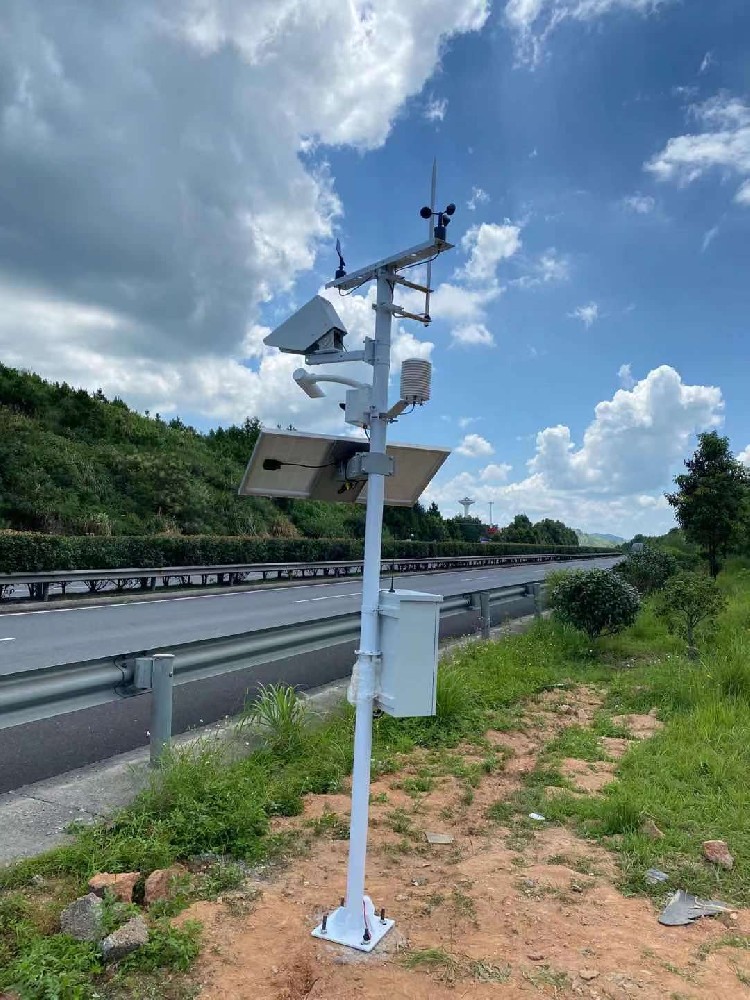
In the era of rapid development of intelligent transportation, highway weather stations have evolved from optional equipment to essential infrastructure. Through real-time monitoring and system linkage, weather risks can be transformed from uncontrollable factors into manageable variables. With its modular design, industrial-grade stability, multi-protocol compatibility, and flexible deployment capabilities, the NiuBoL highway weather station provides highly reliable solutions for system integrators and project contractors.
In the process of upgrading road safety management from “experience-based judgment” to “data-driven,” the construction of meteorological monitoring systems will become a key link. Scientifically deploying highway weather stations is not only a guarantee of traffic safety but also a strategic investment in the future construction of intelligent transportation systems.
Related recommendations
Sensors & Weather Stations Catalog
 Agriculture Sensors and Weather Stations Catalog-NiuBoL.pdf
Weather Stations Catalog-NiuBoL.pdf
Agriculture Sensors Catalog-NiuBoL.pdf
Water Quality Sensor Catalog-NiuBoL.pdf
Related products
 Combined air temperature and relative humidity sensor
 TDR Soil Moisture & Temperature Sensor for irrigation| RS485 |4-20mA| NBL-S-THR
 Soil pH sensor RS485 soil Testing instrument soil ph meter for agriculture |NBL-S-PH
 Wind Speed sensor Output Modbus/RS485/Analog/0-5V/4-20mA
 Tipping bucket rain gauge for weather monitoring auto rainfall sensor RS485/Outdoor/stainless steel
 Pyranometer Solar Radiation Sensor 4-20mA/RS485

Screenshot, WhatsApp to identify the QR code
WhatsApp number:+8615367865107
(Click on WhatsApp to copy and add friends)

