





— Blogs —
—Products—
 Consumer hotline +8618073152920
 WhatsApp:+8615367865107
Address:Room 102, District D, Houhu Industrial Park, Yuelu District, Changsha City, Hunan Province, China
Product knowledge
Time:2026-02-19 09:46:00 Popularity:543
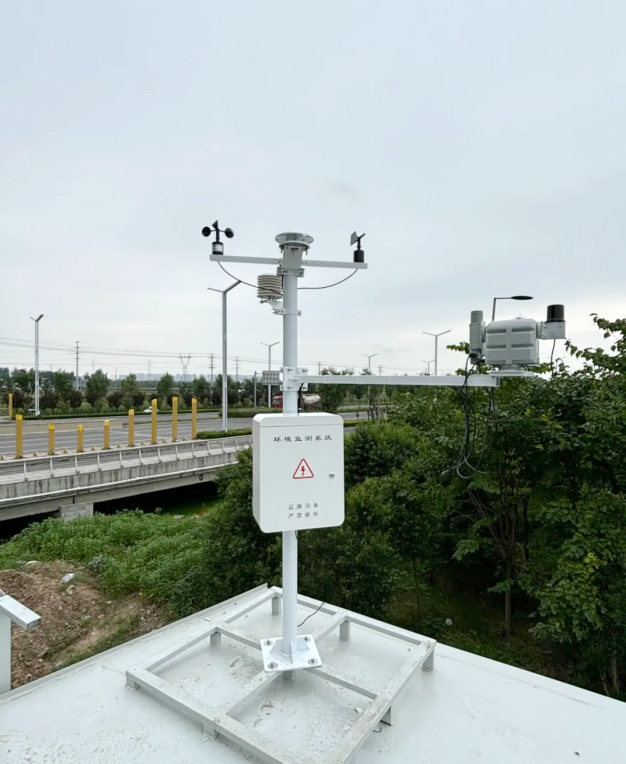
Mini weather stations are meteorological monitoring devices that integrate multiple sensors, capable of real-time monitoring of meteorological elements such as wind speed, wind direction, temperature, humidity, barometric pressure, solar radiation, rainfall, PM2.5, PM10, etc. Their high precision, low cost, and flexibility make them an important tool for meteorological monitoring. With the advancement of technology, mini weather stations have been widely applied in various industries, providing strong support for environmental monitoring and disaster early warning.
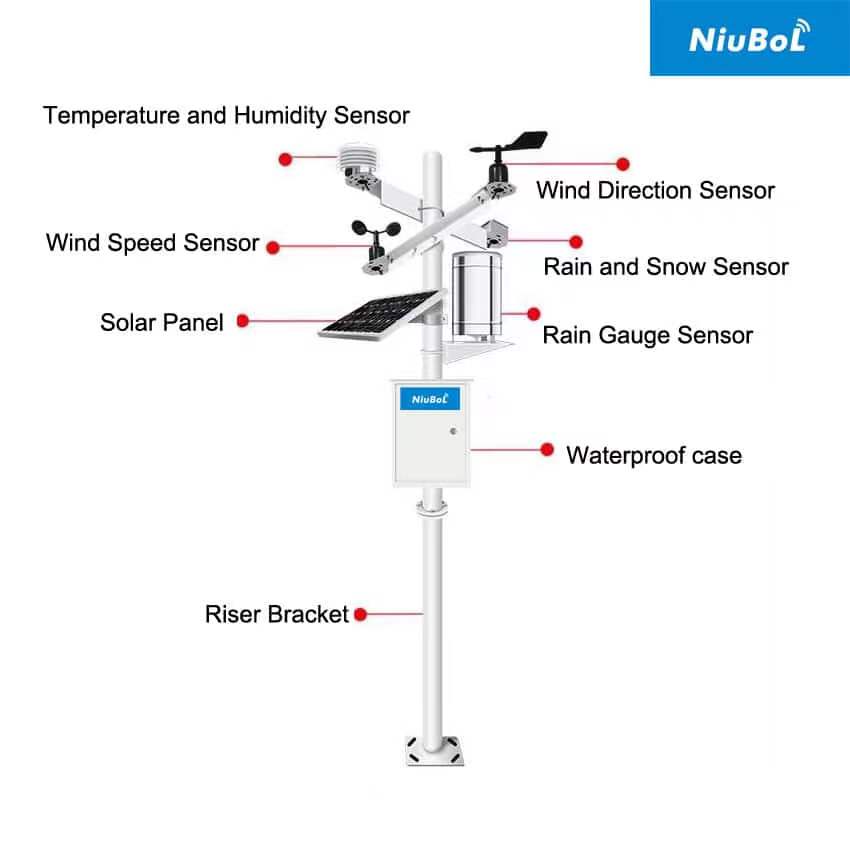
1. Continuous Observation Capability: Mini weather stations can perform uninterrupted meteorological data collection 24 hours a day, unaffected by weather conditions, ensuring data continuity and reliability.
2. High Measurement Accuracy: By adopting advanced sensor technology, mini weather stations offer high accuracy in measuring various meteorological elements, suitable for research and application scenarios that require precise data.
3. Cost-Effectiveness: Compared to traditional large weather stations, mini weather stations are more affordable, suitable for procurement and deployment by organizations of different scales.
4. Flexibility and Scalability: The design of mini weather stations allows easy integration of multiple sensors and expansion according to needs, adapting to different application scenarios.
5. System Compatibility: Modern mini weather stations typically feature good communication protocol support (such as LoRa, NB-IoT, etc.), facilitating integration with existing systems and enhancing data sharing and analysis capabilities.
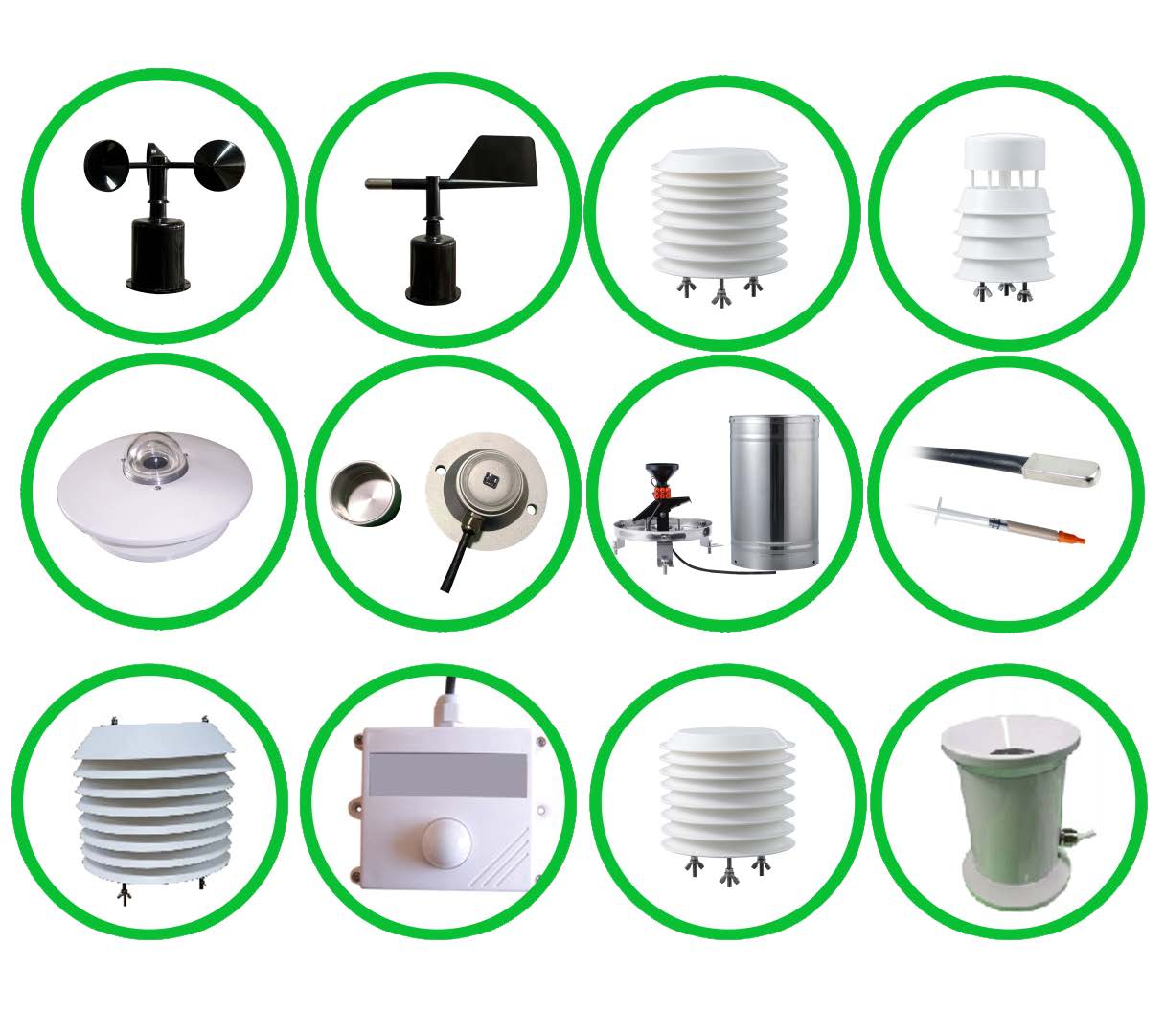
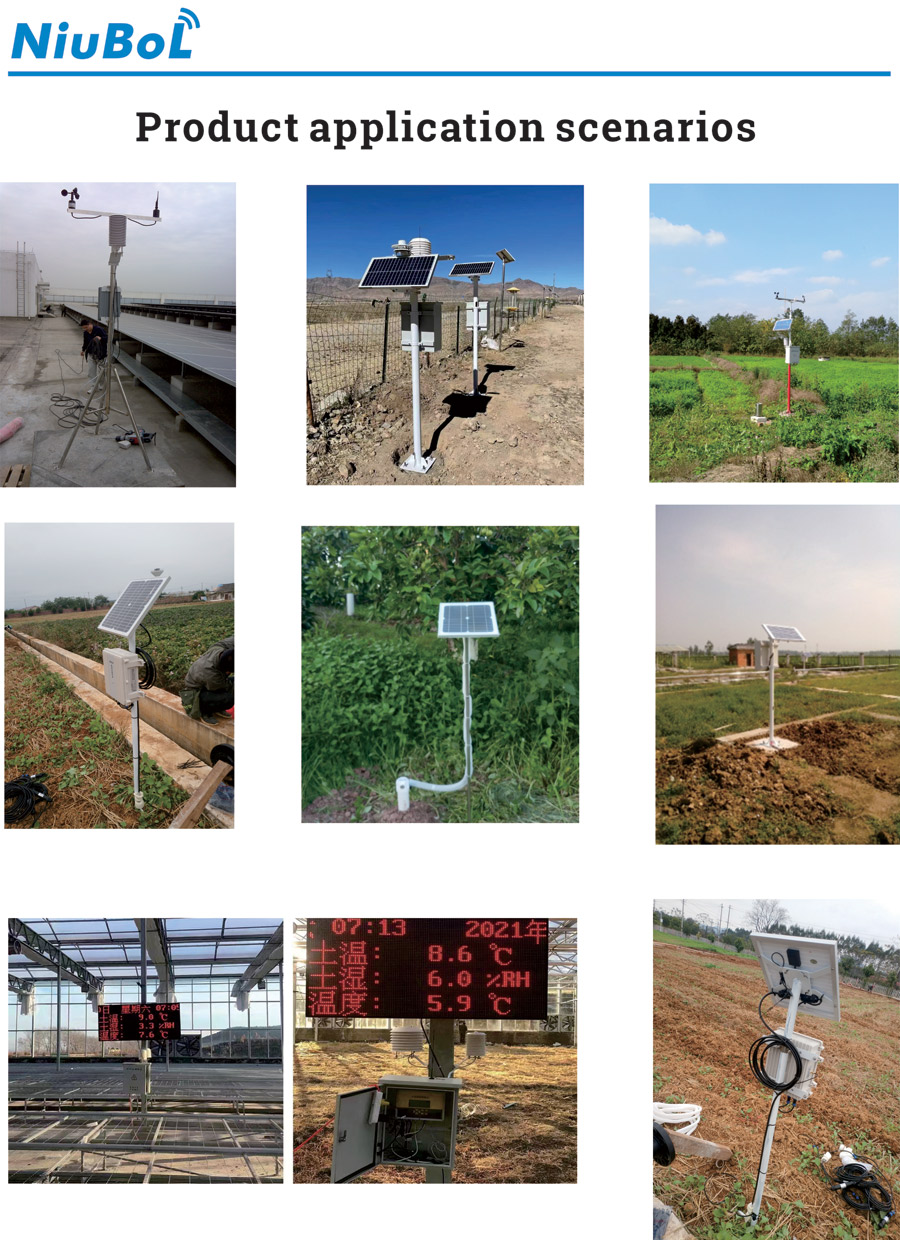
1. Agricultural Meteorological Monitoring
In the agricultural field, mini weather stations help farmers achieve precision agriculture management. For example:
Smart Irrigation: By monitoring soil moisture with soil moisture sensors and combining weather forecast data, automatically control irrigation systems to effectively save water resources.
Pest and Disease Early Warning: Monitoring changes in temperature and humidity, combined with historical data analysis, can provide advance warnings for potential pest and disease occurrences in certain crops, helping farmers take timely measures.
2. Environmental Protection and Air Quality Monitoring
Mini weather stations can be used for urban air quality monitoring, with specific applications including:
Pollution Source Tracking: Deployed in industrial areas or traffic-congested zones, real-time monitoring of PM2.5, PM10 and other indicators helps environmental protection departments identify pollution sources.
Health Warnings: When air pollution indexes exceed standards, notifications are pushed through mobile applications to remind citizens to take protective measures.
3. Urban Intelligent Management
Mini weather stations provide real-time data support for urban management, with specific cases including:
Urban Heat Island Effect Research: Deploying mini weather stations in different urban areas to analyze temperature differences, providing a basis for urban planning and greening design.
Emergency Response: Monitoring extreme weather conditions (such as heavy rain, storms) to help governments respond quickly and dispatch resources, reducing losses from natural disasters.
4. Scientific Research and Education
The role of mini weather stations in scientific research and education cannot be ignored:
Climate Change Research: Academic institutions can use mini weather stations to collect long-term meteorological data, thereby analyzing climate change trends.
Student Practice: Schools can utilize mini weather stations to conduct meteorology and environmental science education, allowing students to understand meteorological monitoring principles through hands-on operation.
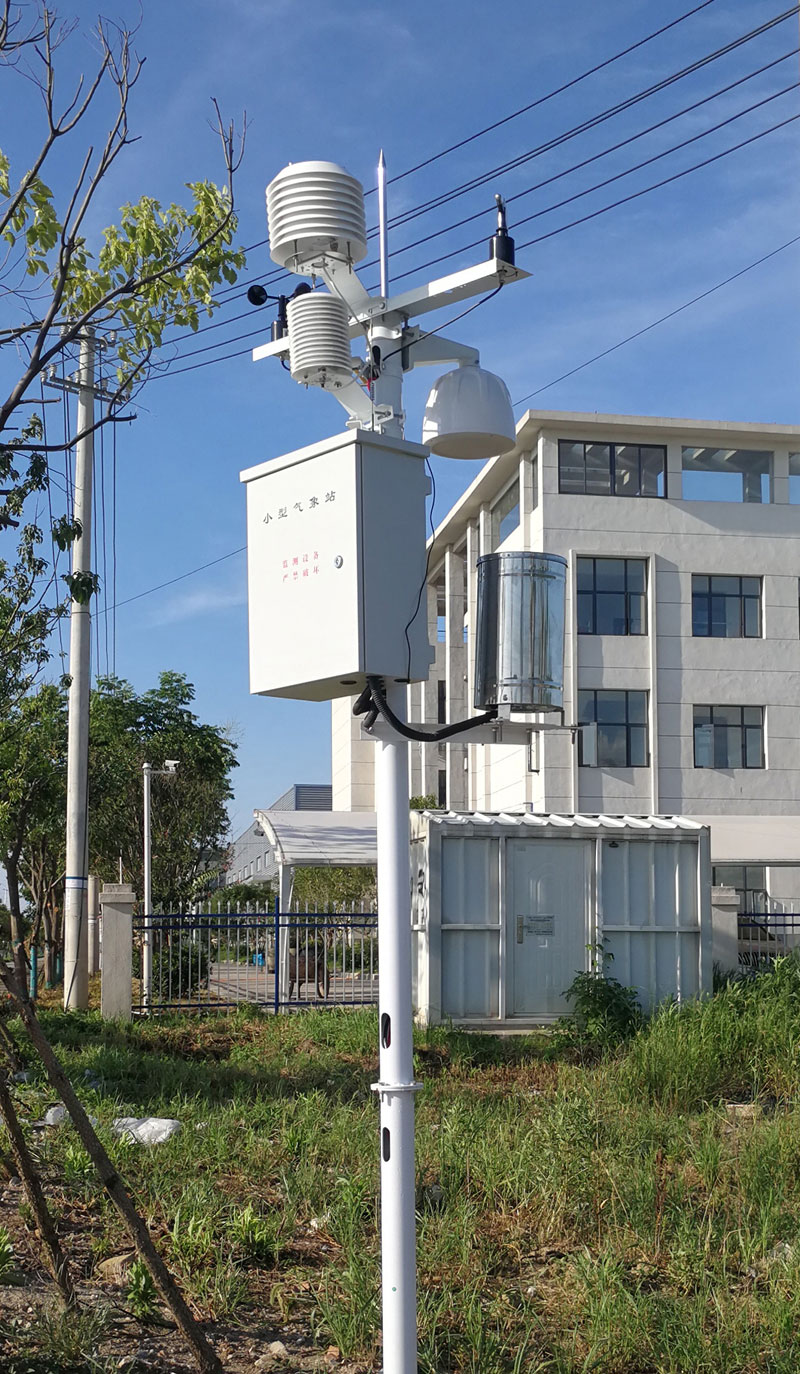
| Sensor Type | Function | Application Scenarios |
|---|---|---|
| Wind Speed Sensor | Measures wind speed | Meteorological monitoring, navigation, agriculture |
| Wind Direction Sensor | Measures wind direction | Aviation, environmental monitoring |
| Temperature Sensor | Measures ambient temperature | Agriculture, weather stations, construction |
| Humidity Sensor | Measures air humidity | Agriculture, meteorological monitoring |
| Barometric Pressure Sensor | Measures barometric pressure changes | Weather forecasting, scientific research |
| Solar Radiation Sensor | Measures solar radiation | Renewable energy, agriculture |
| PM2.5 Sensor | Measures fine particulate matter concentration | Air quality monitoring, urban management |
| PM10 Sensor | Measures particulate matter below 10 microns in the atmosphere | Environmental monitoring |
| Noise Sensor | Measures environmental noise | Urban management, environmental protection |
| CO Sensor | Measures carbon monoxide concentration | Air quality monitoring |
| NO2 Sensor | Measures nitrogen dioxide concentration | Environmental monitoring |
| SO2 Sensor | Measures sulfur dioxide concentration | Air quality monitoring |
| O3 Sensor | Measures ozone concentration | Environmental monitoring |
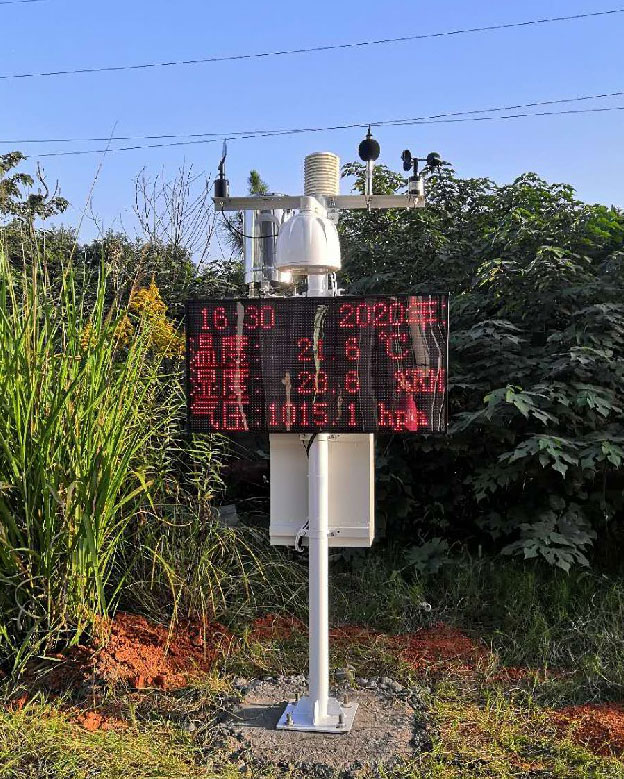
Mini weather stations are usually equipped with various data collection and communication interfaces to facilitate real-time monitoring and data transmission:
Data Storage: Internal storage can accommodate several months of data records, supporting regular uploads.
Communication Protocols: Supports Wi-Fi, 4G/5G, LoRa, and other communication methods, facilitating flexible deployment in different environments.
Cloud Services: Most devices support cloud platform integration, allowing users to view real-time data and historical records through mobile applications or web platforms.
Mini weather stations often need to be integrated with other systems to achieve more powerful functions:
IoT Platforms: Utilize IoT technology to centralize data from multiple mini weather stations into one platform for unified management.
Big Data Analysis: Combine machine learning algorithms to analyze large-scale meteorological data, providing intelligent support for decision-making.
API Interfaces: Provide open API interfaces, allowing third-party software or applications to access meteorological data, enhancing flexibility in application scenarios.
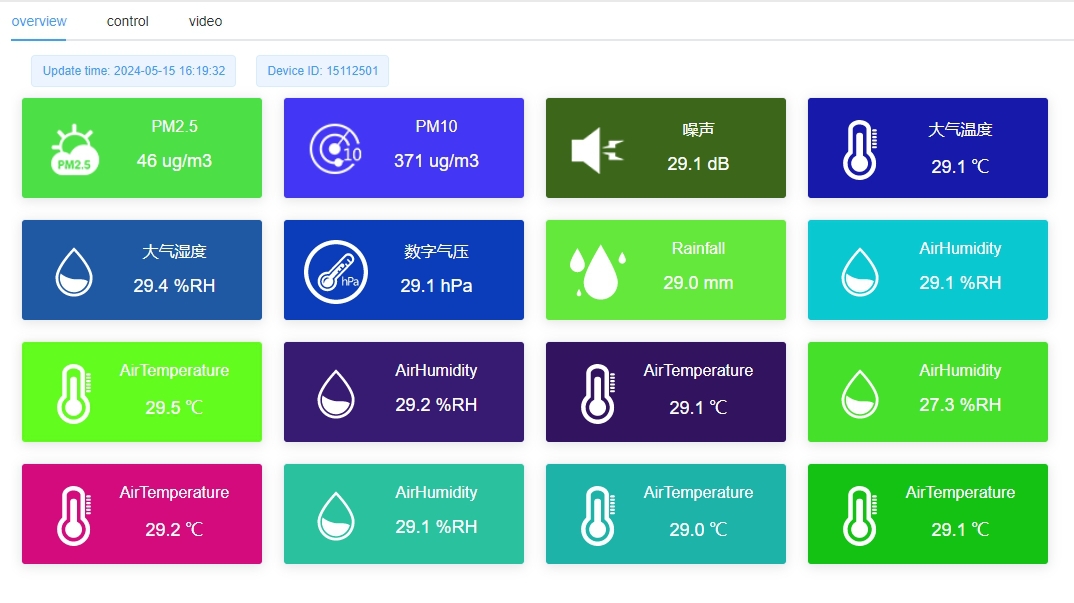
When selecting a mini weather station, consider the following factors:
1. Needs Analysis: Determine the required meteorological elements to monitor and select the appropriate sensor configuration.
2. Manufacturer Qualifications: Choose reputable manufacturers, check whether their products comply with relevant standards, and ensure equipment safety and reliability.
3. Technical Support and After-Sales Service: Understand the manufacturer's technical support capabilities and after-sales service quality to provide assurance for subsequent use.
4. Data Analysis Capabilities: Consider your own data processing capabilities and choose mini weather stations that provide data analysis software or services.
| Question | Answer |
|---|---|
| Q1. What is the working principle of a mini weather station? | The mini weather station collects meteorological data in real time through integrated various sensors and sends the data to the data center for analysis and storage via wireless communication. |
| Q2. What meteorological elements can a mini weather station monitor? | Mini weather stations can typically monitor various meteorological elements such as wind speed, wind direction, temperature, humidity, barometric pressure, solar radiation, rainfall, and air quality. |
| Q3. How to choose a suitable mini weather station? | Determine the monitoring elements based on actual needs, choose formal manufacturers with good manufacturing qualifications, and consider data analysis capabilities and after-sales service. |
| Q4. Is the maintenance of mini weather stations difficult? | Relatively speaking, the maintenance of mini weather stations is relatively simple, but it is still necessary to regularly calibrate sensors and check the equipment's operating status. |
| Q5. How is the data from mini weather stations processed? | Data can be processed and analyzed through software provided by the manufacturer. Users can set alarm thresholds themselves to receive timely warning information. |
| Q6. What are the application scenarios for mini weather stations? | Mini weather stations can be applied for real-time meteorological monitoring in multiple fields such as agriculture, environmental monitoring, urban management, scientific research, etc. |
| Q7. Do the sensors of mini weather stations need to be replaced regularly? | The service life of different sensors varies, and some sensors may need regular replacement to maintain measurement accuracy. |
| Q8. Do mini weather stations support remote monitoring? | Modern mini weather stations typically support remote monitoring functions, allowing users to view data in real time via mobile phones or computers. |
As an important tool for modern meteorological monitoring, mini weather stations have gained wide recognition in multiple industries due to their superior performance and diverse application scenarios. By selecting appropriate products and reasonably configuring sensors, users can efficiently obtain meteorological data, thereby providing scientific basis for decision-making. With the continuous progress of technology, the application of mini weather stations will become more widespread, contributing to the sustainable development of society.
Prev:Accuracy Analysis and Maintenance Guide for Small Weather Stations
Next:Core Aspects of Agricultural IoT Solutions and System Integration Practices
Related recommendations
Sensors & Weather Stations Catalog
 Agriculture Sensors and Weather Stations Catalog-NiuBoL.pdf
Weather Stations Catalog-NiuBoL.pdf
Agriculture Sensors Catalog-NiuBoL.pdf
Water Quality Sensor Catalog-NiuBoL.pdf
Related products
 Combined air temperature and relative humidity sensor
 TDR Soil Moisture & Temperature Sensor for irrigation| RS485 |4-20mA| NBL-S-THR
 Soil pH sensor RS485 soil Testing instrument soil ph meter for agriculture |NBL-S-PH
 Wind Speed sensor Output Modbus/RS485/Analog/0-5V/4-20mA
 Tipping bucket rain gauge for weather monitoring auto rainfall sensor RS485/Outdoor/stainless steel
 Pyranometer Solar Radiation Sensor 4-20mA/RS485

Screenshot, WhatsApp to identify the QR code
WhatsApp number:+8615367865107
(Click on WhatsApp to copy and add friends)

