





— Blogs —
—Products—
 Consumer hotline +8618073152920
 WhatsApp:+8615367865107
Address:Room 102, District D, Houhu Industrial Park, Yuelu District, Changsha City, Hunan Province, China
Product knowledge
Time:2025-11-16 15:24:07 Popularity:1023
In modern agricultural production, pest control has always been a major challenge for farmers and managers. While traditional chemical pesticides offer short-term control, long-term reliance leads to soil contamination, water pollution, and pesticide residues, posing risks to ecological balance and food safety. The NiuBoL Frequency-Vibration Solar Insect Killer Lamp, with its unique physical pest control principle, solar-powered system, and intelligent management, has become the ideal solution for green agricultural pest prevention, driving agriculture toward sustainability, environmental protection, and high efficiency.
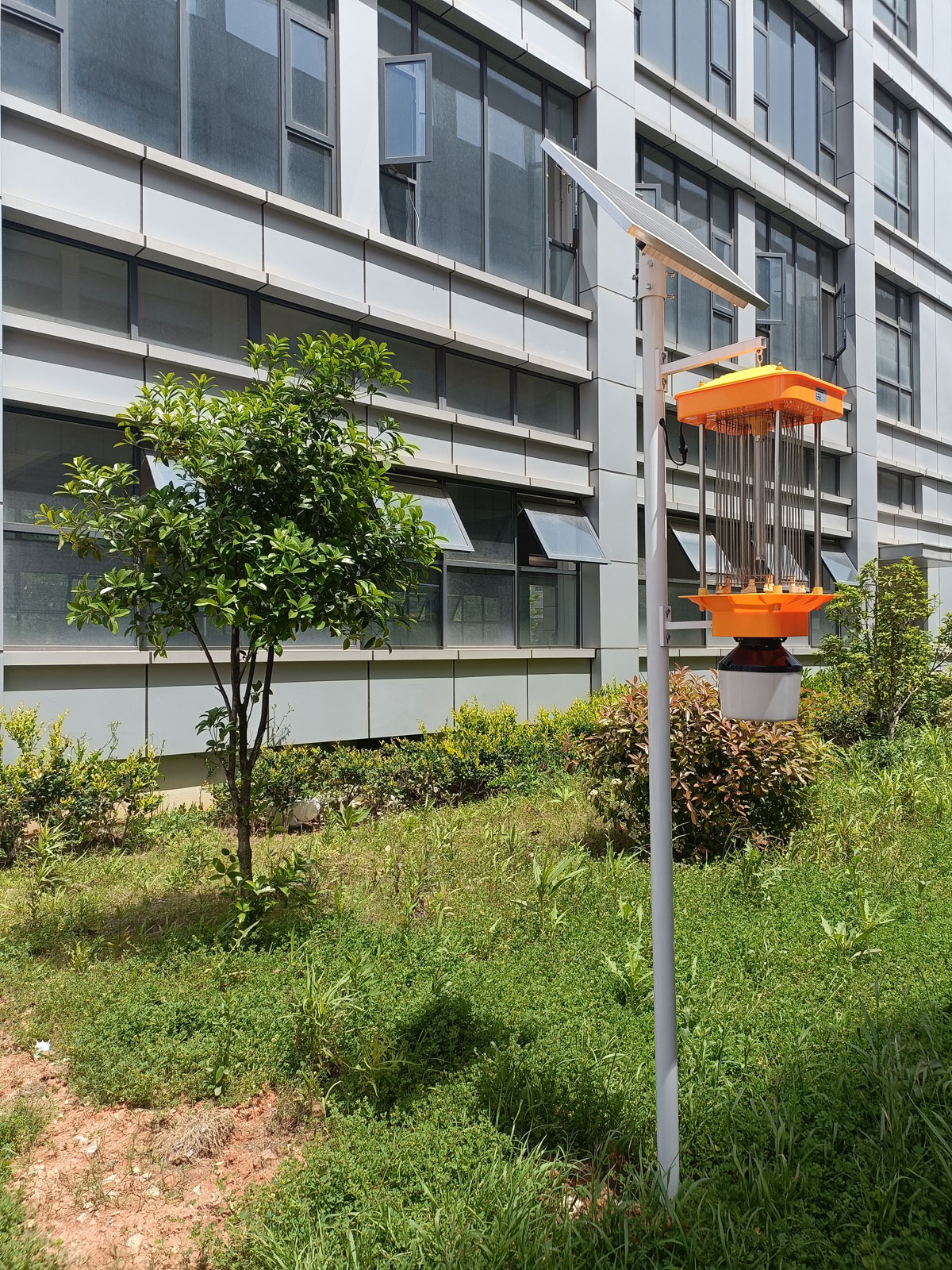
The frequency-vibration solar insect killer lamp combines phototaxis (insects’ attraction to light) with frequency-vibration induction technology to achieve efficient physical pest elimination. The lamp uses a multi-spectrum insect-attracting light source (320–680nm), covering the sensitive wavelengths of most pests, effectively luring Lepidoptera, Coleoptera, Orthoptera, and other insect orders. A high-voltage grid (5.5–5KV) surrounds the light source—when insects fly toward the light, they are instantly electrocuted, eliminating the need for chemical pesticides.
The lamp is equipped with a dedicated lithium iron phosphate battery (12Ah, DC12.8V). During the day, the monocrystalline silicon solar panel converts sunlight into electricity, stored in a maintenance-free battery. The system controller features light control, time control, rain control, and protections against overcharge, over-discharge, and short circuits, ensuring stable nighttime operation. The frequency-vibration technology generates a low-temperature plasma field in the grid, enhancing trapping efficiency while remaining safe and reliable.
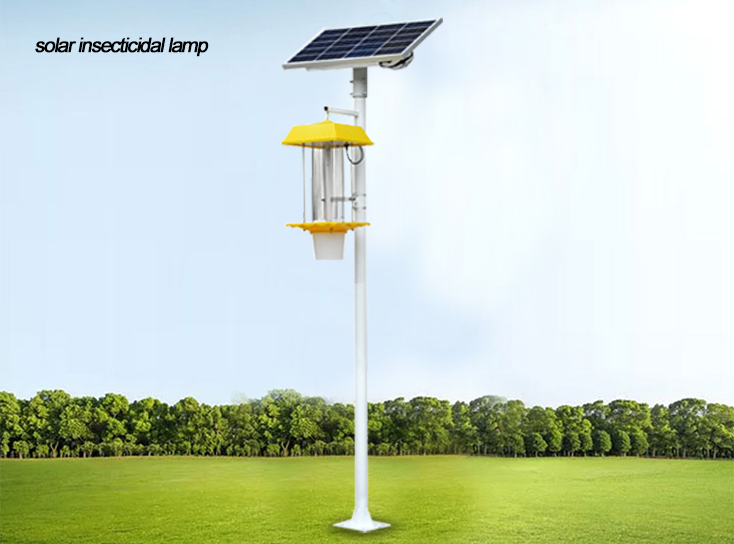
The NiuBoL insect killer lamp complies with the GB/T24689.2-2017 National Standard for Plant Protection Machinery – Frequency-Vibration Insect Killer Lamps and holds a safety certification mark. Key technical parameters include:
| Parameter | Specification |
| Battery | Lithium iron phosphate, 12Ah, DC12.8V, with built-in protection |
| Solar Panel | Monocrystalline silicon, ≥40WP, conversion efficiency ≥21%, top-mounted with tilt |
| Grid Voltage | ≥4000V, short-circuit current ≤10mA |
| Impact Area | ≥0.15㎡ |
| Lamp Tube | Wavelength 320–680nm, power ≤20W |
| Pole Material | Galvanized steel tube, Ø60mm, wall thickness 2.0mm, height 3m |
| Insect Collection Box | Rotary or snap-on plastic box |
| Control Area | 30–50 acres (varies by terrain, crop, and environment) |
| Electrical Strength | 5000V for 1 minute without breakdown |
| Protection Rating | IP65 |
These specifications ensure stability, safety, and adaptability, enabling long-term reliable operation in diverse agricultural environments.
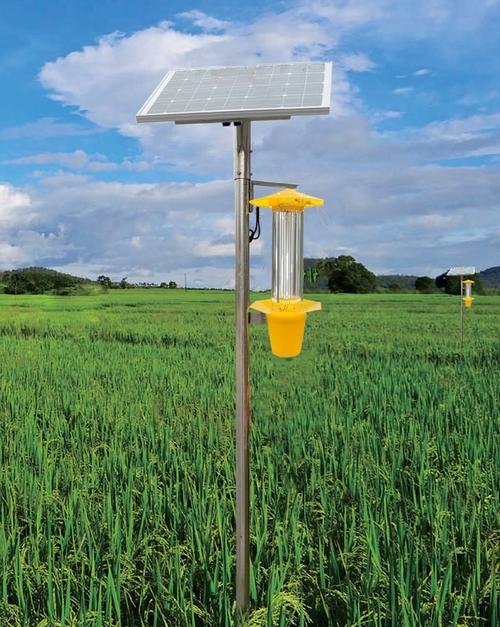
- Uses physical pest control, eliminating chemical pesticides
- Reduces pesticide use by over 15kg per growth season per unit
- Protects soil, water sources, and food safety
- Multi-band light + high-voltage grid targets 87 families, 1,287 pest species
- Effective against cotton bollworm, scarab beetles, cutworms, corn borers, noctuids, etc.
- Built-in temperature/humidity sensors and intelligent pest counter
- Real-time data upload to cloud platform
- Farmers monitor via mobile app or PC
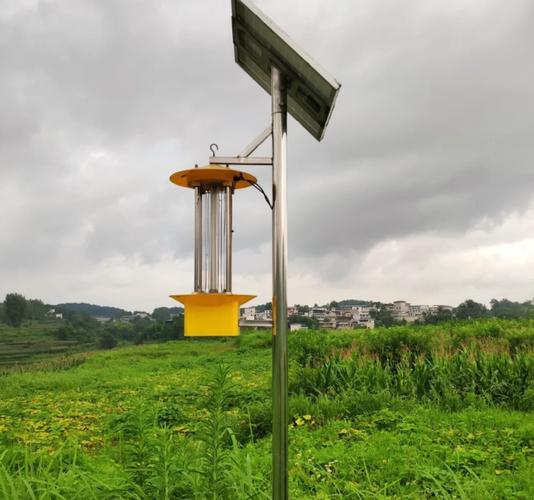
- Daytime charging, nighttime operation
- Ideal for remote fields, orchards, or off-grid areas
- High-voltage grid meets national safety standards
- Short-circuit current ≤10mA, IP65 waterproof rating
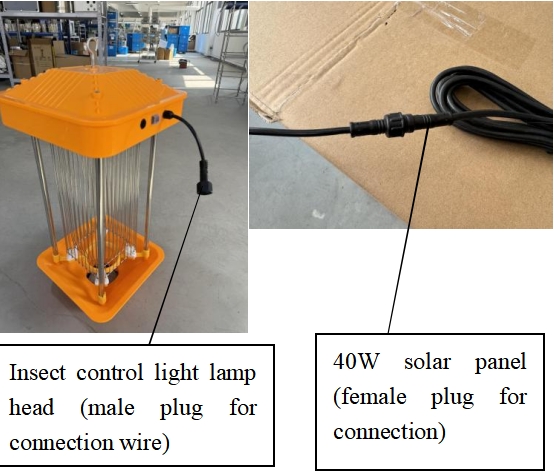
- Modular design, simple installation
- No professional skills required
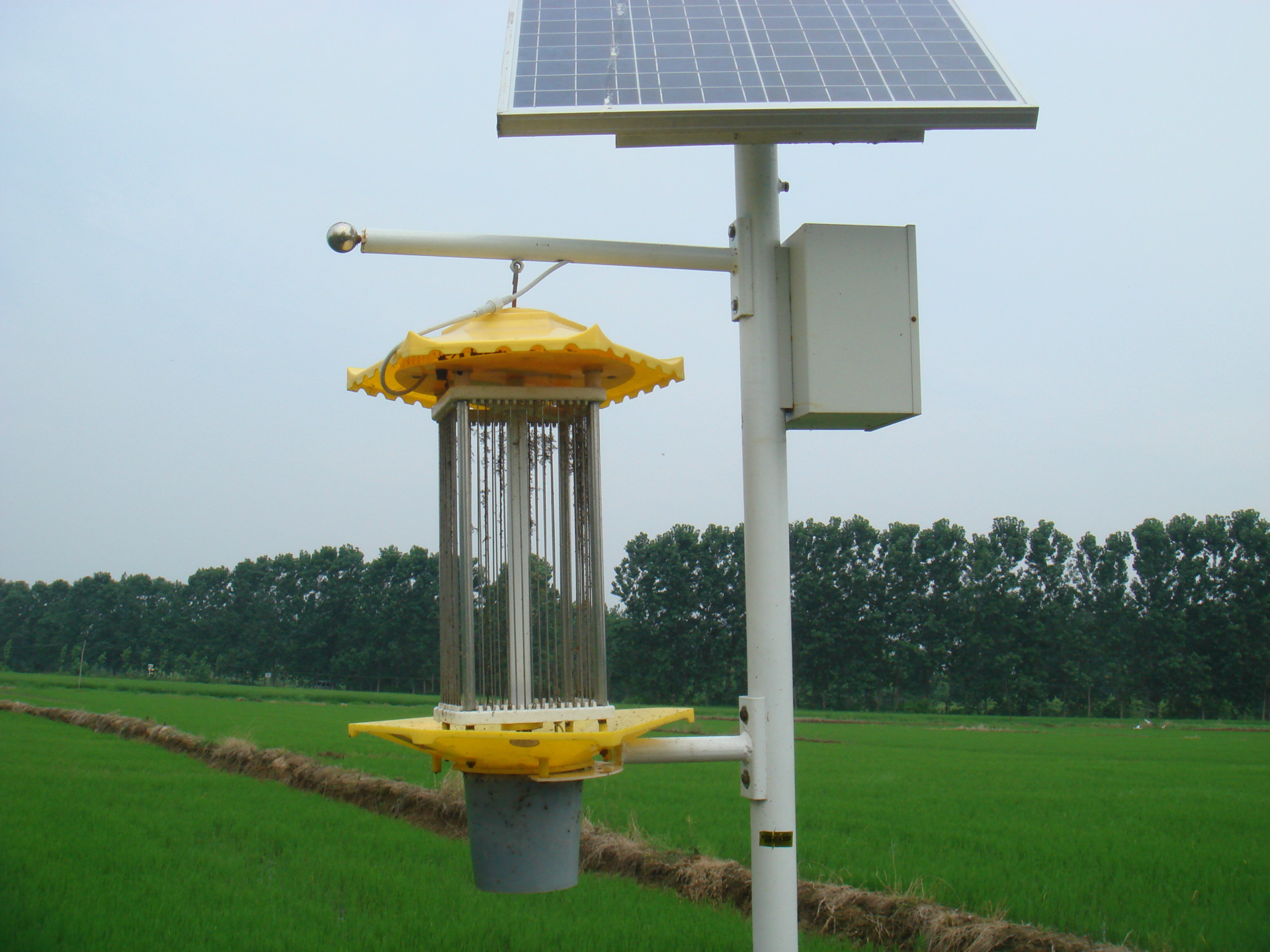
The solar insect killer lamp is widely used across agricultural sectors:
- Field Crops: Cotton, corn, rice, vegetables, tobacco
- Orchards & Gardens: Apples, peaches, grapes, flowers, urban landscaping
- Forestry & Nurseries: Pine caterpillars, longhorn beetles
- Storage & Brewing: Grain warehouses, wineries
- Aquaculture: Shrimp and fish farms (prevents flying insects)
A core tool for integrated pest management (IPM) in agriculture, forestry, and horticulture.
| Benefit | Impact |
| Reduces chemical pesticide use | Protects soil, water, and ecosystems |
| Solar energy | Lowers energy costs, supports green agriculture |
| Data-driven decisions | Reduces labor, improves precision |
| Higher yield & quality | Fewer pest losses, better produce |
The NiuBoL smart insect killer lamp supports IoT and cloud platform integration. The intelligent counting system records trapped pests in real time and uploads data to the cloud. Farmers can:
- Analyze pest trends from historical data
- Adjust control strategies proactively
- Monitor temperature, humidity, rainfall, and light intensity
- Optimize device operation and field management
This enables precision pest control and scientific farming.
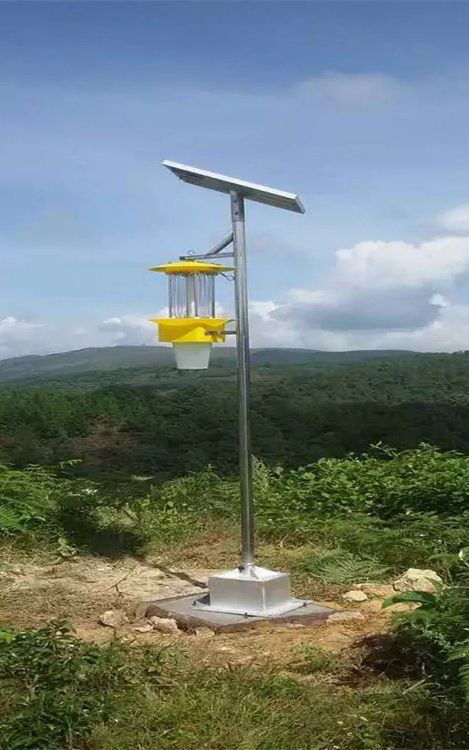
Suitable for cotton, corn, rice, vegetables, tobacco, orchards, forestry, and landscaping. Effective against 87 families, 1,287 pest species.
Modular design, easy to install. Farmers can follow the manual—no professional skills needed.
Charges via solar panel during the day; uses stored energy at night.
High-voltage grid: short-circuit current ≤10mA; 5000V electrical strength test passed; complies with national standards.
Cotton bollworm, scarab beetles, cutworms, corn borers, noctuids, pine caterpillars, longhorn beetles, etc.
Yes—includes pest counting, environmental sensors, and cloud upload for remote monitoring.
Yes—IP65 rating, with rain and temperature control functions.
Lamp power ≤20W; controls 30–50 acres (depending on terrain and crop).
100% physical control, zero chemical residue, fully supports green agriculture.
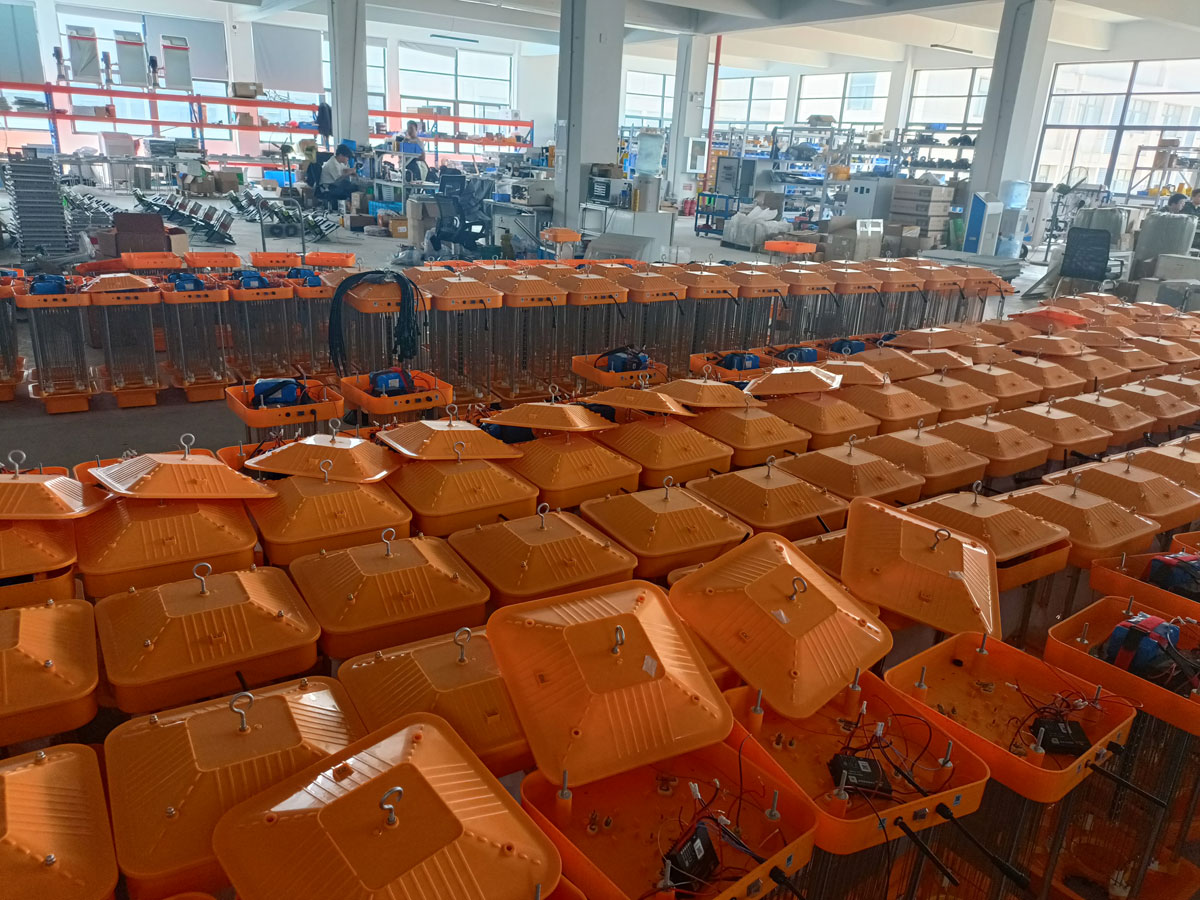
The NiuBoL Frequency-Vibration Solar Insect Killer Lamp stands out with its green, intelligent, safe, and efficient features, making it a vital tool in modern pest control. Powered by solar energy, equipped with multi-band light (320–680nm), a 5.5KV high-voltage grid, and an intelligent counting system, it delivers scientific, precise, and effective pest management. Widely applied in field crops, orchards, forestry, storage, and aquaculture, it helps farmers reduce chemical use, cut costs, and improve yield and quality. With cloud-based data analysis, it not only protects the environment but also drives agriculture toward green, smart, and sustainable development—truly the “Guardian of Green Agriculture”.
Prev:How Wireless Weather Stations Improve Efficiency in Agriculture and Energy
Next:How to Choose Between 4-20mA and RS485 Signal Transmission Sensors
Related recommendations
Sensors & Weather Stations Catalog
 Agriculture Sensors and Weather Stations Catalog-NiuBoL.pdf
Weather Stations Catalog-NiuBoL.pdf
Agriculture Sensors Catalog-NiuBoL.pdf
Water Quality Sensor Catalog-NiuBoL.pdf
Related products
 Combined air temperature and relative humidity sensor
 TDR Soil Moisture & Temperature Sensor for irrigation| RS485 |4-20mA| NBL-S-THR
 Soil pH sensor RS485 soil Testing instrument soil ph meter for agriculture |NBL-S-PH
 Wind Speed sensor Output Modbus/RS485/Analog/0-5V/4-20mA
 Tipping bucket rain gauge for weather monitoring auto rainfall sensor RS485/Outdoor/stainless steel
 Pyranometer Solar Radiation Sensor 4-20mA/RS485

Screenshot, WhatsApp to identify the QR code
WhatsApp number:+8615367865107
(Click on WhatsApp to copy and add friends)

