





— Blogs —
—Products—
 Consumer hotline +8618073152920
 WhatsApp:+8615367865107
Address:Room 102, District D, Houhu Industrial Park, Yuelu District, Changsha City, Hunan Province, China
Product knowledge
Time:2022-10-16 11:36:16 Popularity:2763
Greenhouse greenhouse planting has largely met people's production needs. However, in the production management of greenhouses, the temperature in the greenhouse, the humidity in the greenhouse, and the water in the greenhouse must always pay attention to it. the greenhouse planting In the industry's demand, the greenhouse control system has appeared!
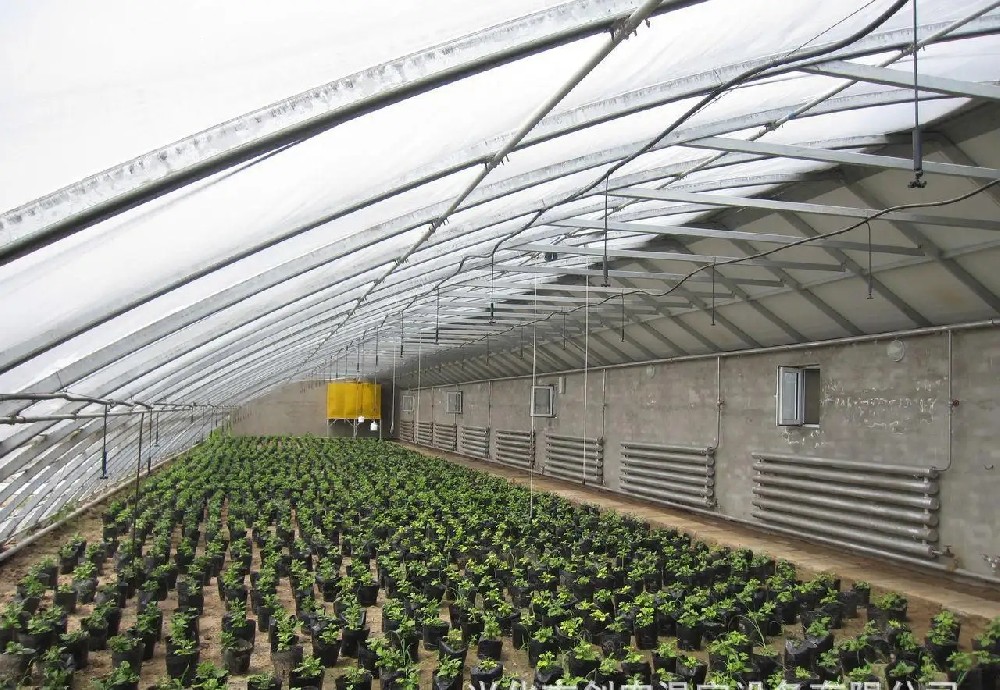
The greenhouse garden control system can monitor the temperature and humidity data in the greenhouse through the sensor. By monitoring the temperature of the greenhouse, the corresponding system is controlled. For example, the temperature in the greenhouse can automatically open the heating system. Adjusting the temperature of the greenhouse, the user only needs to set the temperature standard value in the greenhouse in advance to achieve automated control.
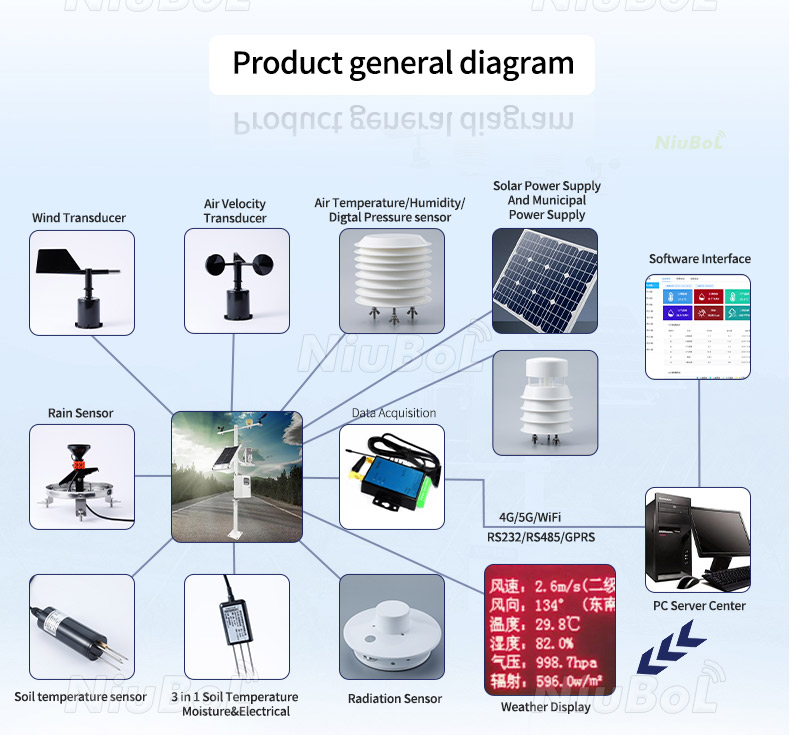
The temperature and humidity greenhouse control system can also control the water control of the greenhouse. Monitor the soil humidity data through soil humidity sensors. Once the humidity is detected below the standard value, it can open the irrigation system to achieve irrigation. When the soil humidity reaches the standard value, it can be turned off. Irrigation system realizes automated irrigation!
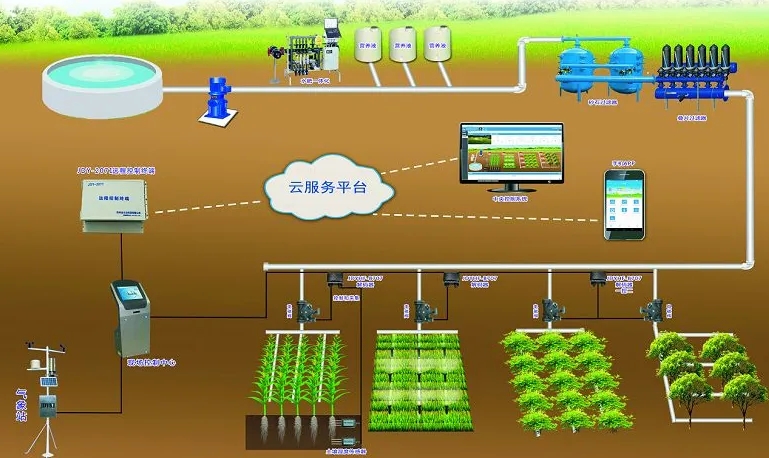
With the technology of automatic control system, greenhouse greenhouses can also be transformed into "smart factories". In the smart greenhouse, all greenhouse crops are cultivated through IoT technology.
With the development of agricultural planting in recent years, the planting of automatic control system greenhouses has become the mainstream, and many regions can be realized. The monitoring and control of the elements of greenhouses through the mobile phone side has greatly improved planting efficiency!
Prev:Application of agricultural meteorological stations in vineyards
Next:Online Water Quality Monitoring System | Sensors & RS485 | NiuBoL
Related recommendations
Sensors & Weather Stations Catalog
 Agriculture Sensors and Weather Stations Catalog-NiuBoL.pdf
Weather Stations Catalog-NiuBoL.pdf
Agriculture Sensors Catalog-NiuBoL.pdf
Water Quality Sensor Catalog-NiuBoL.pdf
Related products
 Combined air temperature and relative humidity sensor
 TDR Soil Moisture & Temperature Sensor for irrigation| RS485 |4-20mA| NBL-S-THR
 Soil pH sensor RS485 soil Testing instrument soil ph meter for agriculture |NBL-S-PH
 Wind Speed sensor Output Modbus/RS485/Analog/0-5V/4-20mA
 Tipping bucket rain gauge for weather monitoring auto rainfall sensor RS485/Outdoor/stainless steel
 Pyranometer Solar Radiation Sensor 4-20mA/RS485

Screenshot, WhatsApp to identify the QR code
WhatsApp number:+8615367865107
(Click on WhatsApp to copy and add friends)

