





— Blogs —
—Products—
 Consumer hotline +8618073152920
 WhatsApp:+8615367865107
Address:Room 102, District D, Houhu Industrial Park, Yuelu District, Changsha City, Hunan Province, China
Product knowledge
Time:2023-07-23 10:02:43 Popularity:2140
The major producers of rice are China, India, Japan, Bangladesh, Indonesia, Thailand and Myanmar. Other important producers are Vietnam, Brazil, South Korea, the Philippines and the United States.
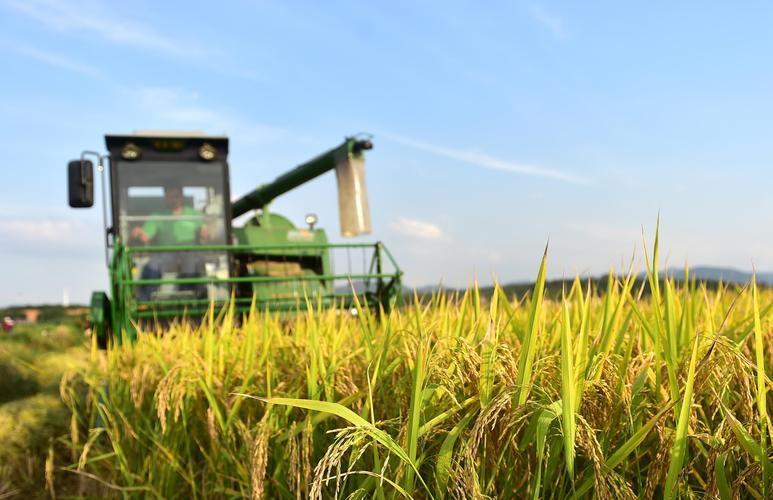
The amount of rainfall has a direct impact on the production of rice, to maintain stable production of rice, rainfall monitoring is essential.
Rainfall recorder to monitor the rainfall parameters of rice, rainfall recorder is a more important environmental meteorological parameters of the instrument, rainfall recorder is mainly used to monitor the rainfall of this meteorological parameter, so the use of rainfall recorder to do a good job of monitoring the rainfall in a timely manner to take defensive safeguards is to protect the production of crops in an important way.
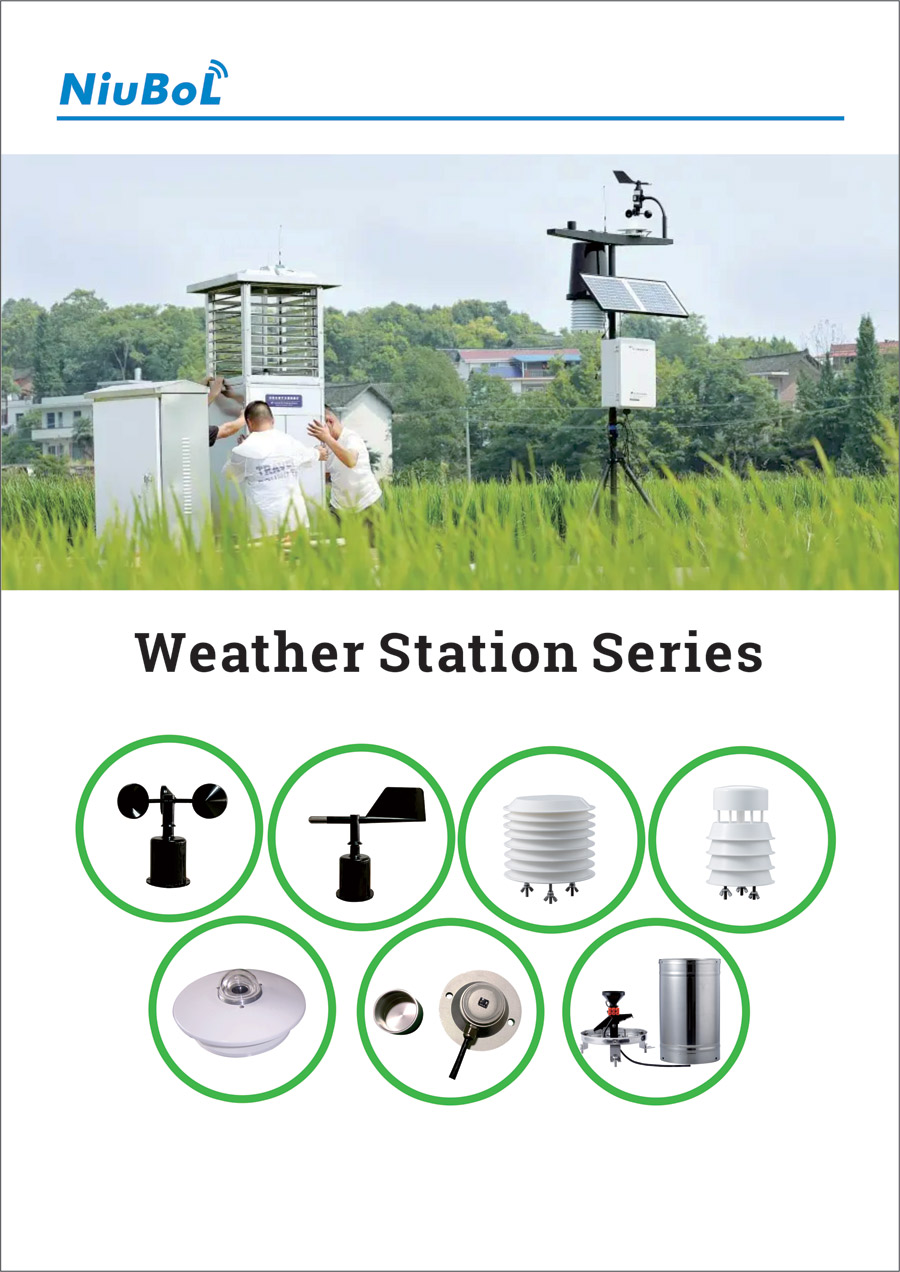
Rainfall recorders play an important role in monitoring rainfall indicators during the reproductive period of rice. Below are some common applications of rainfall indicators:
Pre-planting: During the pre-planting period of rice, especially during the sowing and seedling stages, proper soil moisture and water availability are essential for good germination and seedling growth. Rainfall loggers can help monitor the amount and frequency of rainfall to determine if additional irrigation or drainage measures are needed.
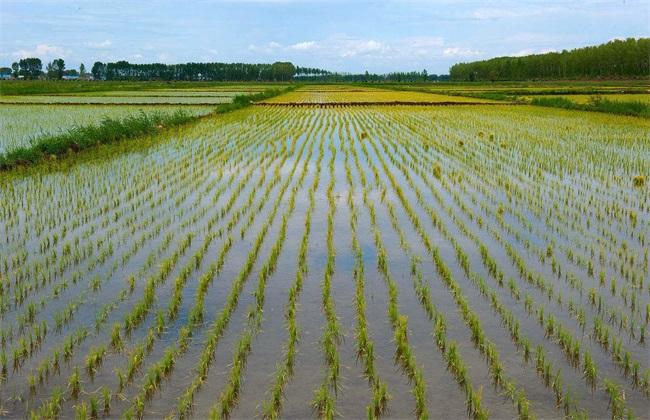
Growing period: During the growing period of rice, especially at the tillering, tasseling and filling stages, the right amount of rainfall is critical for yield and quality formation. A rainfall recorder can monitor the cumulative rainfall at each fertility stage, helping farmers to rationalize irrigation and drainage measures to ensure proper growth and development of rice.
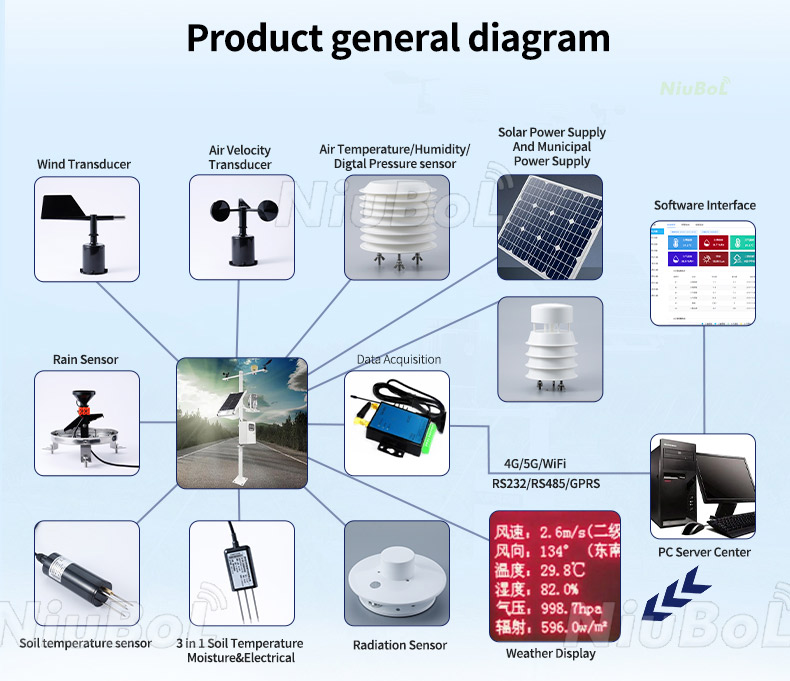
Ripening: During the ripening stage of rice, especially during grain filling and harvesting, the right amount of rainfall ensures grain filling and quality formation. Rainfall recorders can help farmers monitor rainfall and take timely measures, such as drainage or shade nets, to prevent excessive rainfall from adversely affecting mature rice.
It should be noted that different rice varieties and ecological environments may have different rainfall requirements. Therefore, in practical application, reasonable irrigation and drainage measures can be formulated by taking into account the specific agronomic requirements and experience, referring to historical data and weather forecasts, and considering the rainfall situation in order to maximize the normal growth and yield of rice.
Prev:Agricultural monitoring weather stations for vineyards
Next:Agrometeorological monitoring instruments for determining wind speed and direction
Related recommendations
Sensors & Weather Stations Catalog
 Agriculture Sensors and Weather Stations Catalog-NiuBoL.pdf
Weather Stations Catalog-NiuBoL.pdf
Agriculture Sensors Catalog-NiuBoL.pdf
Water Quality Sensor Catalog-NiuBoL.pdf
Related products
 Combined air temperature and relative humidity sensor
 TDR Soil Moisture & Temperature Sensor for irrigation| RS485 |4-20mA| NBL-S-THR
 Soil pH sensor RS485 soil Testing instrument soil ph meter for agriculture |NBL-S-PH
 Wind Speed sensor Output Modbus/RS485/Analog/0-5V/4-20mA
 Tipping bucket rain gauge for weather monitoring auto rainfall sensor RS485/Outdoor/stainless steel
 Pyranometer Solar Radiation Sensor 4-20mA/RS485

Screenshot, WhatsApp to identify the QR code
WhatsApp number:+8615367865107
(Click on WhatsApp to copy and add friends)

