





— Blogs —
—Products—
 Consumer hotline +8618073152920
 WhatsApp:+8615367865107
Address:Room 102, District D, Houhu Industrial Park, Yuelu District, Changsha City, Hunan Province, China
Product knowledge
Time:2026-01-03 15:08:51 Popularity:765
Soil moisture monitoring is the cornerstone for studying water cycle laws, precise irrigation in agriculture and animal husbandry, rational allocation of water resources, and basic information collection for drought relief and disaster mitigation. For a long time, domestic understanding of soil moisture has often been limited to single "soil water content" measurement. However, in the context of modern precision agriculture and smart water conservancy, a complete set of soil moisture monitoring standards should encompass comprehensive evaluation of environmental elements, soil properties, groundwater dynamics, and crop physiological status.
As a global expert in agricultural environmental perception, NiuBoL is always committed to promoting standardization and digitization of soil moisture monitoring. This article will combine current industry standards to detail the four core elements of soil moisture monitoring, technical requirements, and their strategic significance in modern agriculture.
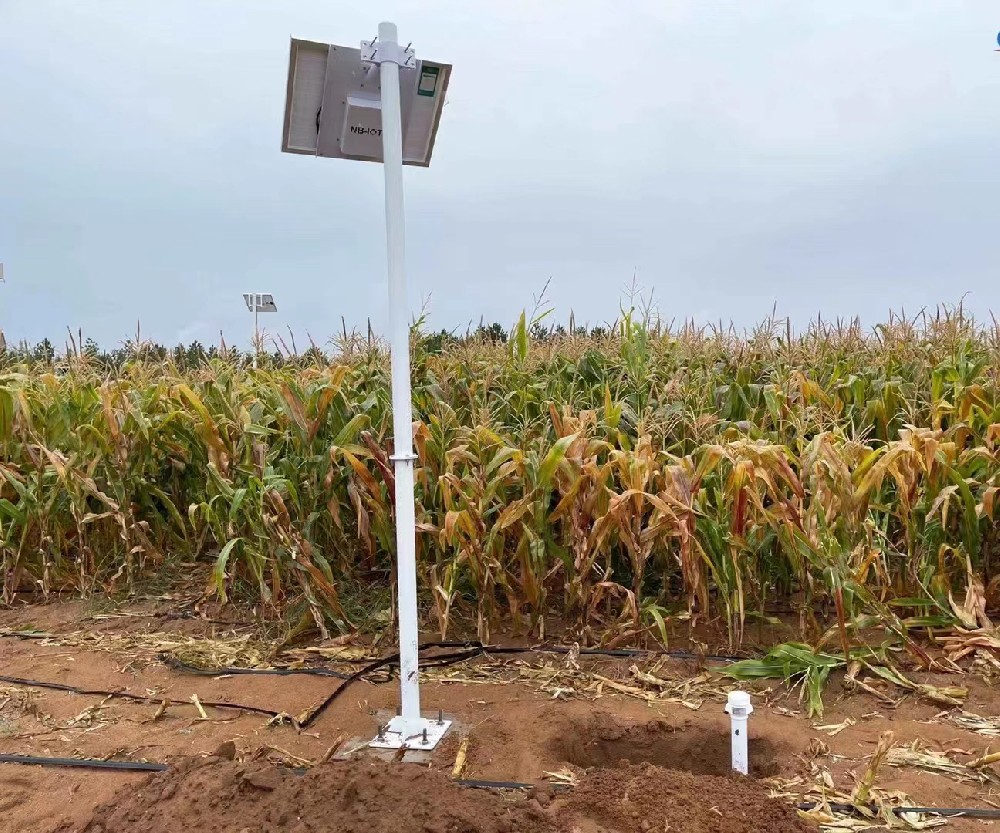
Changes in soil moisture are the result of interwoven multiple natural factors. The NiuBoL monitoring system achieves full coverage of the following four elements through integrated sensors:
1.Meteorological Elements: Environmental Driving Force
Meteorological conditions determine water input (precipitation) and output (evaporation). Standards require that soil moisture monitoring stations must collect or establish their own meteorological observation fields to record key data:
Core Indicators: Precipitation, daily average temperature, daily maximum/minimum temperature, daily average humidity, daily average atmospheric pressure.
Evapotranspiration Reference: Wind speed, daily water surface evaporation, ground temperature (and temperatures at various layers), sunshine duration.
NiuBoL recommends that if there is no nearby meteorological station in the monitoring area, a self-established meteorological station conforming to standards should be built and data compiled according to standards to obtain an accurate portrait of crop water demand environment.
2.Soil Physical Characteristics and Water Content: Underlying Logic of Data
Soil physical characteristics are the basis for judging soil moisture, with water content as the core indicator.
Physical Indicators: Need to analyze soil texture (sandy, loamy, clay, etc.), structure, specific gravity, dry bulk density, and porosity. If the soil has vertical layering, layered sampling is required.
Key Water Constants: Determine saturated water content, field capacity, wilting water content, and crop suitable water content.
Expression Indicators: Expressed jointly through gravimetric water content, volumetric water content, soil layer water storage, and soil relative humidity.
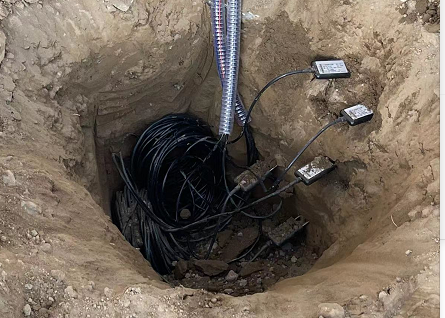
3.Shallow Groundwater: Invisible Vertical Recharge
Groundwater burial depth is an important factor affecting surface soil moisture changes, especially in plain irrigation areas.
Monitoring Content: Groundwater level, burial depth, water temperature, and water quality.
Observation Standards: When using nearby wells, the elevation of the well plot should be consistent with the soil moisture monitoring point. Note that water level data during irrigation pumping periods cannot be used as routine monitoring reference.
4.Crop Growth and Development Status: Feedback from Water Demand Subject
Soil moisture monitoring ultimately serves production, so crop information in representative areas must be recorded:
Planting Overview: Crop types, distribution ratio, sowing date, and growth stages.
Moisture Status Classification: Divide moisture status into waterlogging, stagnation, normal, water shortage (dehydration), and drought-affected five levels.
Critical Point Warning: Record the start date and duration of drought-affected periods to provide real-time decision-making basis for regional drought resistance and disaster mitigation.
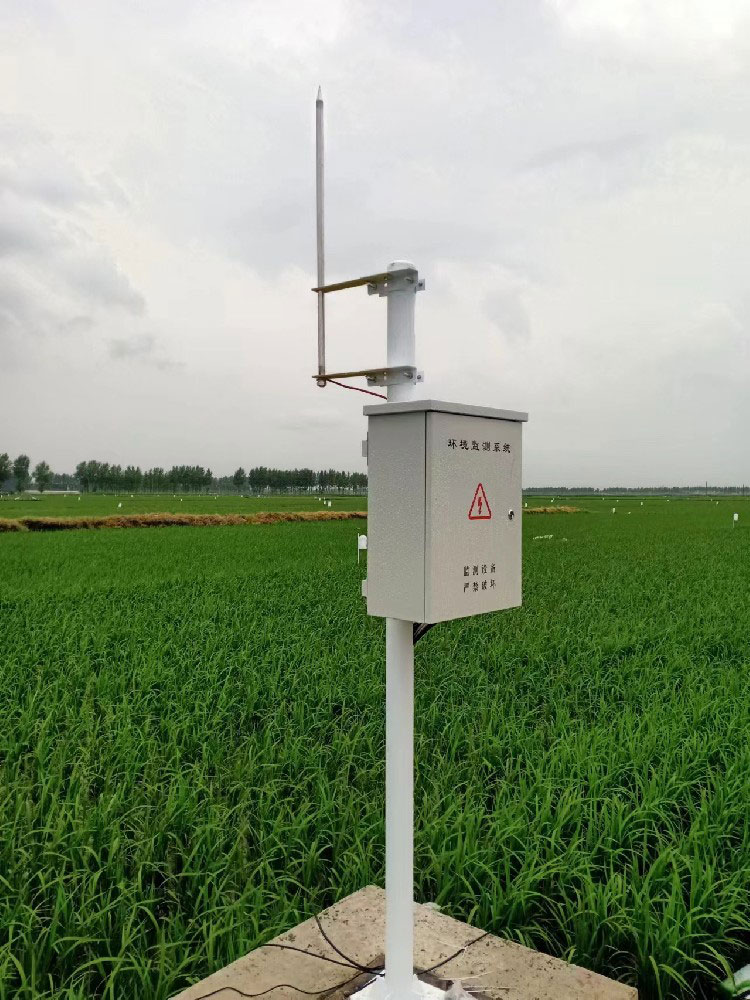
To ensure data representativeness, NiuBoL strictly follows the following construction standards during system deployment:
Station Network Layout: Soil moisture monitoring stations should be set in plots representative of the industry. In plain areas, one point per 100,000-150,000 mu; in hilly and mountainous areas, increase density based on terrain complexity.
Vertical Layered Monitoring: Usually divided into multiple layers such as 10cm, 20cm, 40cm, 60cm, 100cm for monitoring to obtain vertical distribution gradient of root zone moisture.
Reporting System: During drought emergencies, implement "daily reporting" or "real-time transmission"; routine monitoring can implement "ten-day reporting" or "weekly reporting" to ensure data timeliness performance.
Introducing the NiuBoL soil moisture monitoring system into farmland essentially completes the leap from "experience-driven" to "data-driven."
Precise Irrigation, Cost-Saving and Efficiency-Increasing: Bid farewell to the old mode of watering by feeling. By analyzing field capacity data, the system can precisely calculate irrigation quotas, preventing water and fertilizer loss from deep percolation.
Dynamic Monitoring, Quality Optimization: Crop quality highly depends on root zone moisture stability. Real-time monitoring can predict "dehydration" risks and supplement water before crops are affected by drought, improving per mu yield benefits.
Disaster Prevention and Mitigation, Scientific Assessment: Standardized monitoring network points can truly reflect regional drought extent, serving as scientific factual basis for government departments to launch drought emergency plans and dispatch water resources.
Q1: Why not just monitor soil water content but also meteorological elements?
A: Soil water content is a "static result," while meteorological elements (such as precipitation, sunshine, wind speed) are "dynamic causes." Monitoring meteorological elements helps analyze future soil moisture evolution trends (evaporation speed), achieving a shift from "post-event monitoring" to "pre-event prediction."
Q2: How to convert gravimetric water content and volumetric water content?
A: Volumetric water content = Gravimetric water content × Soil dry bulk density. NiuBoL sensors mostly directly measure volumetric water content because it can more intuitively convert to soil layer water storage (mm), convenient for direct comparison with precipitation.
Q3: How to define soil in a "drought-affected" state?
A: Standard definition: When soil water content is less than wilting water content, crops cannot absorb water, defined as drought-affected. When water content is only below the lower limit of suitable water content, it is called "water shortage" or "dehydration."
Q4: In areas with shallow groundwater burial depth, what special requirements for station construction?
A: Dedicated groundwater level wells must be established. Because shallow groundwater replenishes surface soil through capillary action, without observing water level, the true degree of soil drought cannot be accurately assessed.
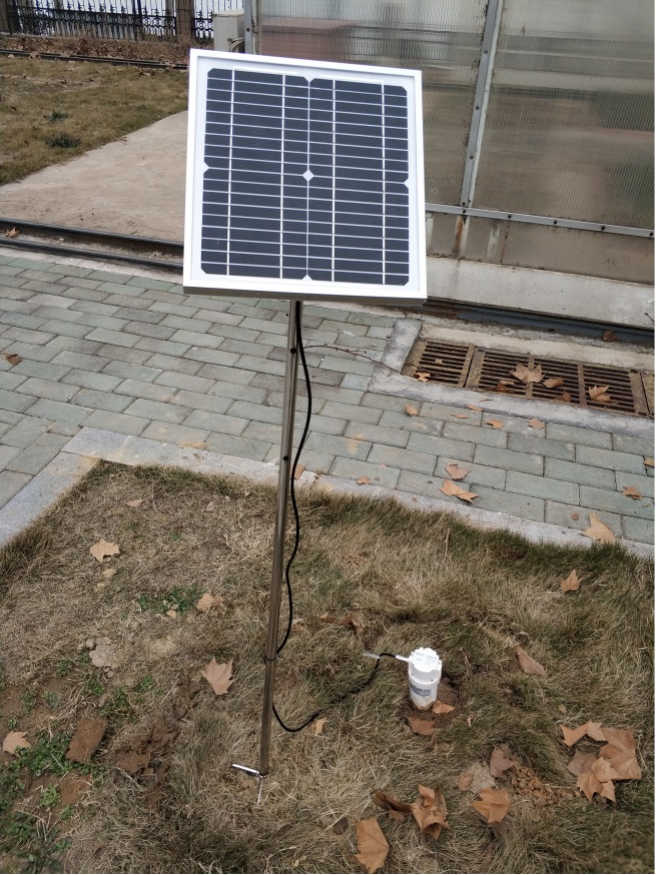
Q5: Why does soil moisture monitoring need to be layered?
A: Different crops have different root depths. For example, seedling stage mainly absorbs surface water, while mature stage utilizes deep water. Layered monitoring reflects water infiltration process and deep storage status, guiding precise irrigation for deep-root or shallow-root crops.
Q6: What is the significance of soil relative humidity (SRH)?
A: Soil relative humidity is the ratio of measured water content to field capacity. It is the most universal indicator for assessing drought. Usually SRH at 60%-80% is normal, below 50% is considered entering drought-affected state.
Q7: Why not just look at soil water content but also groundwater level?
A: In areas with shallow groundwater burial depth, due to capillary tension, groundwater replenishes soil upward. Without monitoring water level changes, it is impossible to accurately explain why deep soil moisture remains stable without precipitation, leading to irrigation decision errors.
Q8: What is the difference between gravimetric water content and volumetric water content?
A: Gravimetric water content is the ratio of water mass to dry soil mass, mostly used in laboratory weighing methods; volumetric water content is the ratio of water volume to total soil volume. NiuBoL sensors mostly directly measure volumetric water content because it can more intuitively convert to soil layer water storage (mm), facilitating comparison with precipitation.
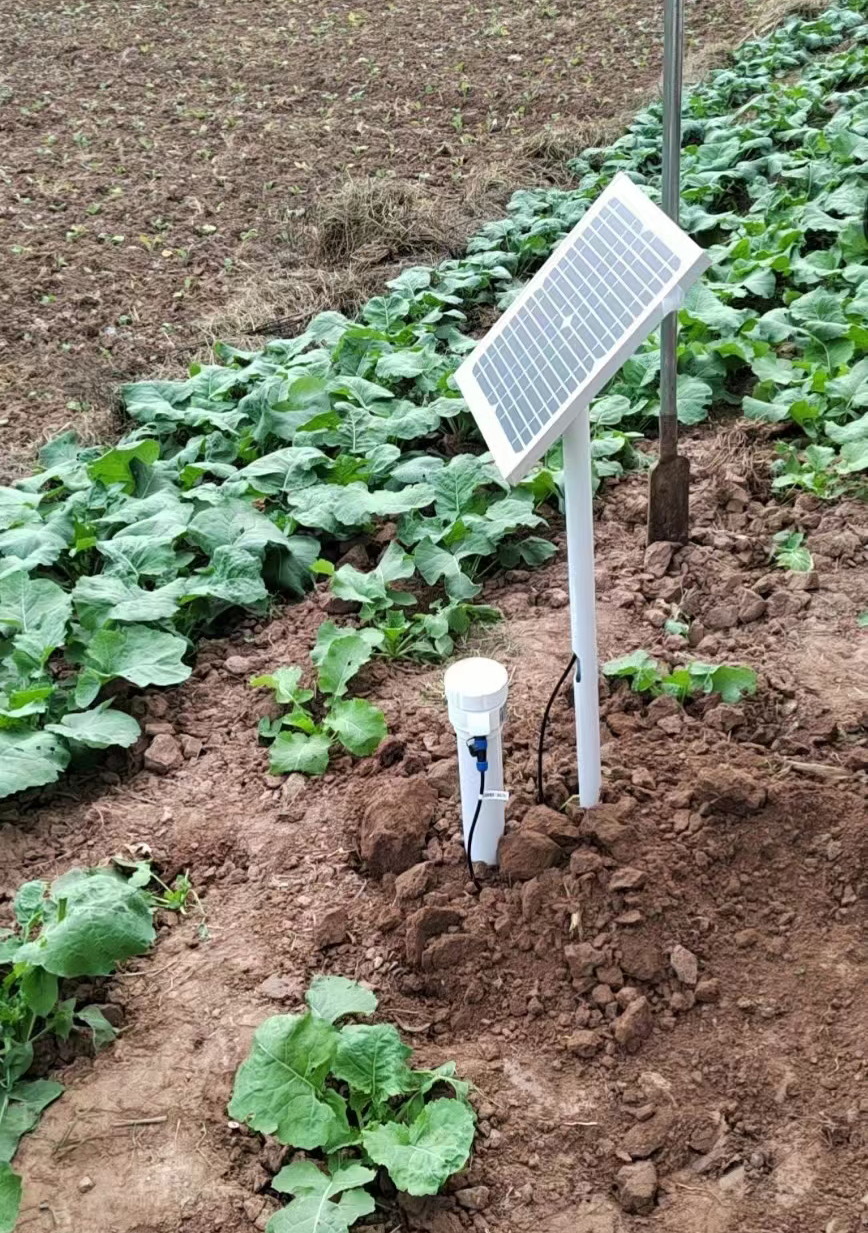
The establishment and application of soil moisture monitoring standards is not just a technical procedure but the lifeline of modern agriculture's precision process. From capturing meteorological elements to deep cultivation of soil physical characteristics, and to dynamic association of groundwater and crops, every monitoring dimension is adding value to agricultural performance.
By deploying the NiuBoL soil moisture monitoring system, we can comprehensively, truly, and in real time perceive the "breathing" and "thirst" of the earth. Data is no longer cold numbers but transformed into scientific farming recommendations. Letting every drop of water flow to where it is most needed—this is the modern agricultural vision that NiuBoL and you jointly pursue.
Are you seeking standardized upgrades for soil monitoring networks in your region? The NiuBoL expert team is always ready to provide 1-on-1 consultation and technical solutions. Contact us—let precise data empower every inch of fertile soil!
Related recommendations
Sensors & Weather Stations Catalog
 Agriculture Sensors and Weather Stations Catalog-NiuBoL.pdf
Weather Stations Catalog-NiuBoL.pdf
Agriculture Sensors Catalog-NiuBoL.pdf
Water Quality Sensor Catalog-NiuBoL.pdf
Related products
 Combined air temperature and relative humidity sensor
 TDR Soil Moisture & Temperature Sensor for irrigation| RS485 |4-20mA| NBL-S-THR
 Soil pH sensor RS485 soil Testing instrument soil ph meter for agriculture |NBL-S-PH
 Wind Speed sensor Output Modbus/RS485/Analog/0-5V/4-20mA
 Tipping bucket rain gauge for weather monitoring auto rainfall sensor RS485/Outdoor/stainless steel
 Pyranometer Solar Radiation Sensor 4-20mA/RS485

Screenshot, WhatsApp to identify the QR code
WhatsApp number:+8615367865107
(Click on WhatsApp to copy and add friends)

