





— Blogs —
—Products—
 Consumer hotline +8618073152920
 WhatsApp:+8615367865107
Address:Room 102, District D, Houhu Industrial Park, Yuelu District, Changsha City, Hunan Province, China
Product knowledge
Time:2026-01-03 15:03:16 Popularity:805
Meteorological data is the "primary productive force" for modern agriculture, transportation, and environmental research. From remote snowy plateaus to busy international airports, automatic meteorological stations (AWS) serve as "eyes of wisdom" on 24-hour standby, constantly monitoring every pulse of the atmosphere.
As a brand in the meteorological monitoring field, NiuBoL is committed to deeply integrating precision sensing technology with industrial-grade automation control. This article will detail the three mainstream forms of automatic meteorological stations and deeply analyze the technical advantages of miniaturized monitoring equipment.
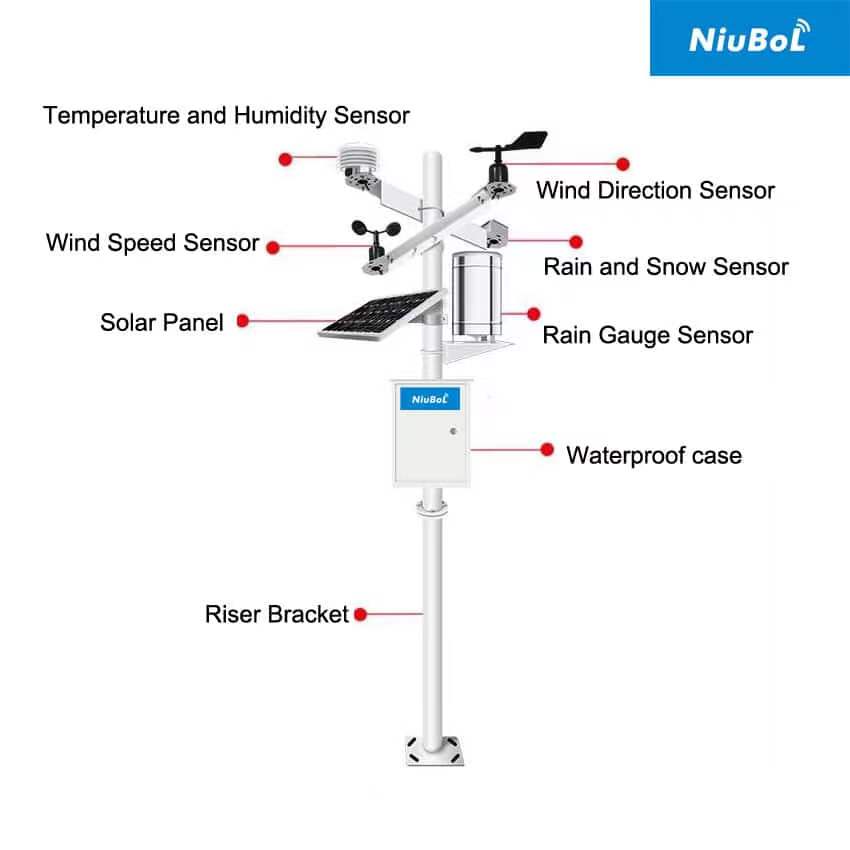
Based on data collection transmission paths, control modes, and application geographic environments, automatic meteorological stations are mainly divided into the following three categories:
1.Wired Telemetry Meteorological Station: Real-Time Hub for High-Frequency Interaction
Wired telemetry stations connect sensing parts to display instruments several kilometers away via physical cables, mostly used in specific areas with extremely high real-time requirements.
Working Principle: Sensing elements capture non-electrical signals (such as pressure changes), convert them into electrical signals via transducers, and transmit them using wired communication circuits.
Core Advantages: Extremely stable signal transmission, near-zero delay, unaffected by electromagnetic environment fluctuations.
Typical Scenarios: Airport meteorological stations, large chemical plants, and water conservancy hubs. Currently, NiuBoL's wired telemetry solutions have achieved cluster control of dozens of stations by central computers, greatly enhancing the automation performance of data collection.
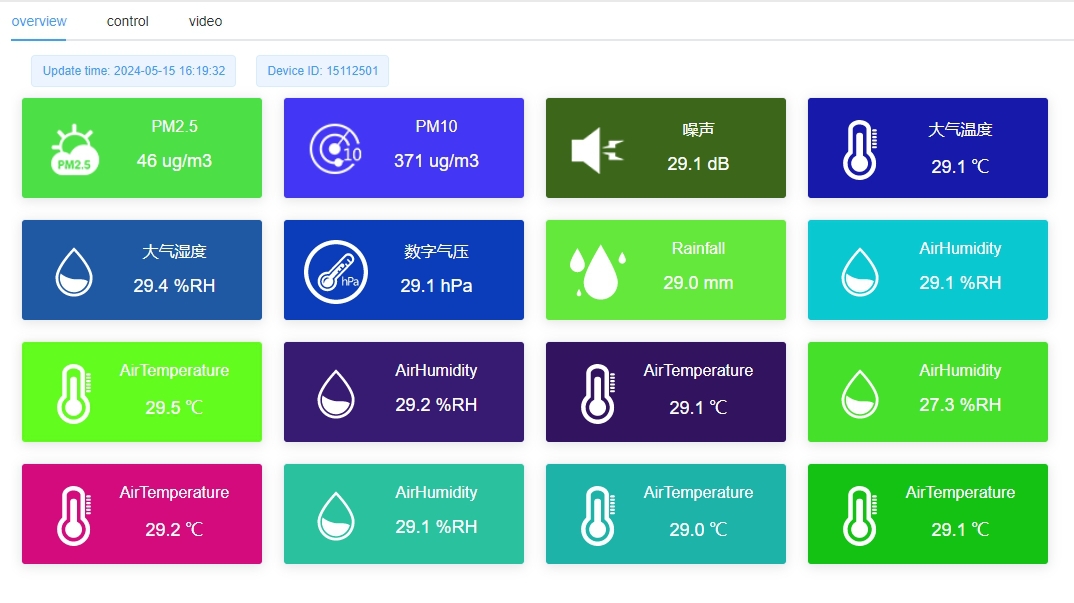
2.Wireless Telemetry Meteorological Station: "Unmanned Guardians" Crossing Borders
Also known as unmanned meteorological stations, automatically controlled by electronic circuits, transmitting via radio waves, the preferred choice for environmental monitoring in remote areas.
System Composition: Measurement system (high-precision sensors), program control system, encoding transmission system, and long-lasting power supply.
Technical Features: Adopts timed observation and encoded transmission mode, capable of overcoming geographic barriers.
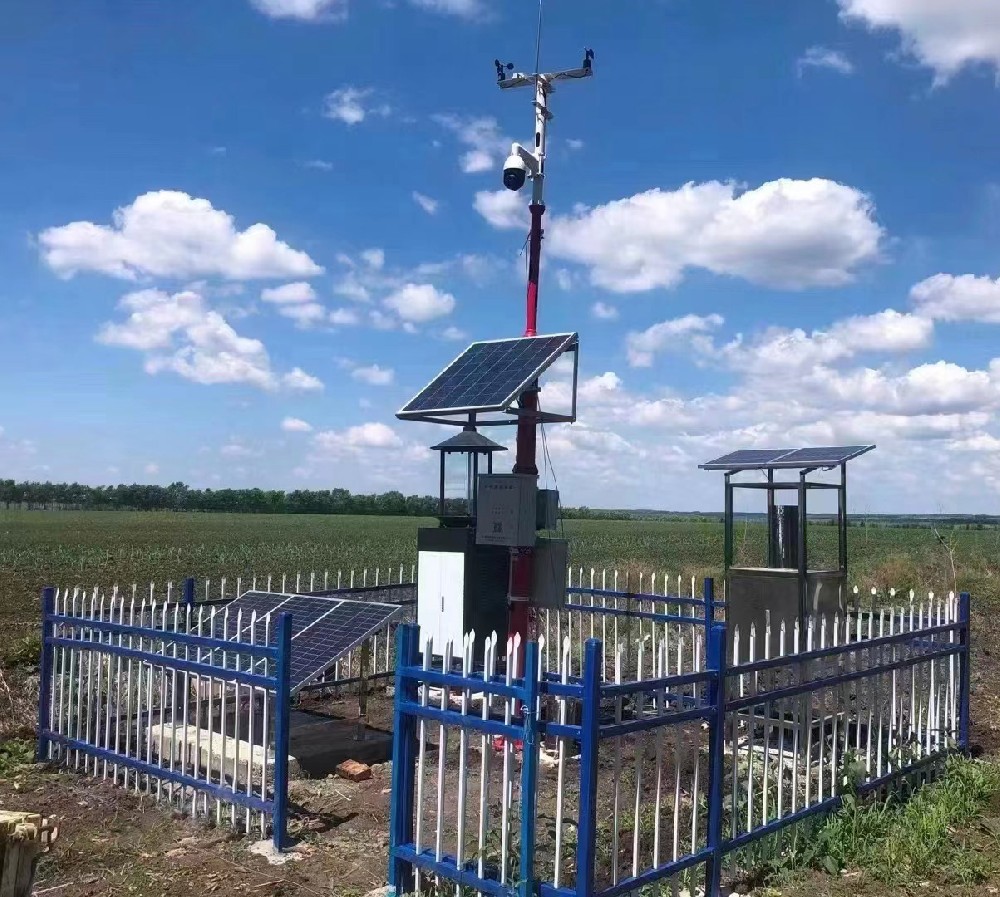
Application Scope: Widely used in deserts, high mountains, border lines, and other areas difficult for long-term human presence. It can convert meteorological fluctuations in extreme cold or heat into encrypted codes, transmitting them back to rear centers across hundreds of kilometers.
3.Ocean Automatic Meteorological Station: Sentinels in Deep Blue Environments
Specially customized for marine extreme environments, with high protection levels and special stability supports.
Form Division: Divided into floating type (buoys) and fixed type (offshore platforms).
Technical Challenges: Must overcome high salt spray corrosion, wave impact, and complex satellite communication links. They are key pillars for meteorologists to monitor offshore storms and ocean currents around the clock.
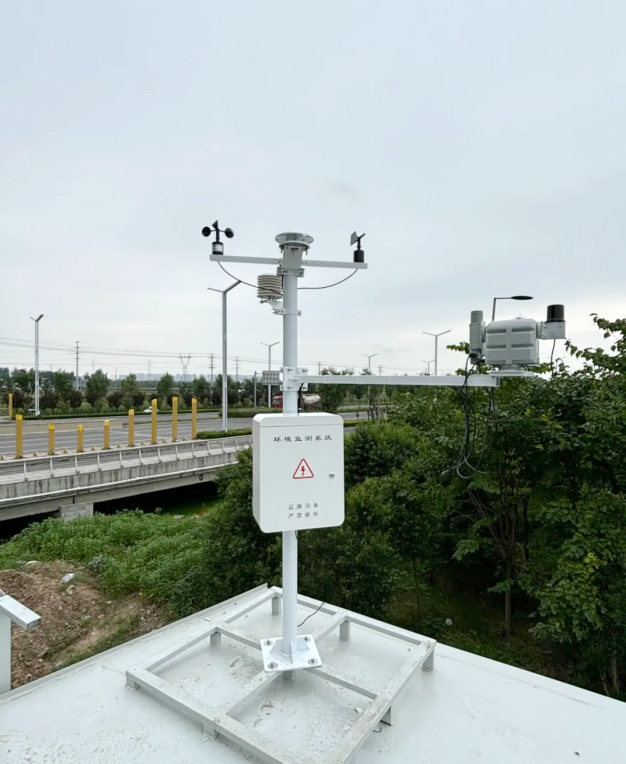
In numerous application scenarios, NiuBoL small automatic meteorological stations have become market benchmarks for smart agriculture and environmental monitoring with their "high integration, high stability, and easy maintenance" features.
1.Full-Element Perception and Customized Configuration
NiuBoL systems support 10+ core parameters such as wind speed, wind direction, rainfall, air temperature and humidity, illumination, soil temperature and humidity, evaporation, and atmospheric pressure. Users can flexibly add or reduce sensors based on project needs for optimal cost-effectiveness.
2.Powerful Automatic Data Protection
Features timed storage and parameter setting functions. Even in unexpected power outages, the internal storage module can lock historical data via automatic protection mechanisms, ensuring monitoring performance continuity.
3.Modular Open Design
Both hardware and software adopt modular combinations, supporting secondary development and system expansion. Sensor interfaces mostly use aviation plugs for plug-and-play, greatly reducing on-site construction difficulty.
4.Industrial-Grade Craftsmanship in Extreme Environments
Brackets use full stainless steel or thick-walled galvanized steel materials, heights of 3 meters or 10 meters, with extremely strong wind resistance and corrosion resistance. Recorder boxes adopt sealed waterproof concepts, effectively blocking field humidity and dust.
5.Diversified Power Supply Solutions
For field unattended needs, supports solar battery combination power supply, DC 12V, or 220V AC power supply. In low-power mode, the system can continue operating for more than 7-15 days in continuous rainy weather.
6.Flexible and Diverse Communication Links
Humanized communication interface design, not only supporting RS485 field bus communication but also GPRS/4G/5G remote communication, ensuring data crosses regional limits and uploads in real time to NiuBoL cloud platform or third-party cloud servers.
Q1: What is the main difference between wireless telemetry stations and wired telemetry stations?
A: The core difference lies in "distance" and "stability." Wired telemetry (commonly used in airports) has the highest stability but is limited by wiring costs; wireless telemetry (commonly used in uninhabited areas) is flexible in deployment, covering areas inaccessible to humans, mainly relying on satellite or 4G network transmission.
Q2: How does NiuBoL meteorological station handle lightning strike risks?
A: Our systems are specially equipped with professional lightning protection measures, including lightning rods for guidance and induced lightning protection, effectively reducing the risk of circuit damage from lightning strikes on tall field brackets.
Q3: Can stored data be exported for analysis?
A: Yes. NiuBoL software is powerful, supporting one-click export of historical data from collectors as Excel tables, convenient for researchers to use other professional analysis software for in-depth data processing.
Q4: Why are small stations more suitable for agricultural applications?
A: Small stations have beautiful appearance, convenient transportation and carrying, and low installation thresholds. They can provide precise field microclimate data, more valuable for agronomic guidance than data from distant national meteorological stations.
Q5: If a sensor is damaged, does the whole machine need repair?
A: No. Thanks to modular design, each sensor is independent. If one parameter is abnormal, only replace that sensor individually without affecting continuous monitoring of other elements.
Q6: Is solar power sufficient in winter?
A: Yes. NiuBoL adopts high-efficiency monocrystalline silicon solar panels, capable of trickle charging even in weak winter light, combined with large-capacity battery packs, sufficient to maintain low-power system operation.
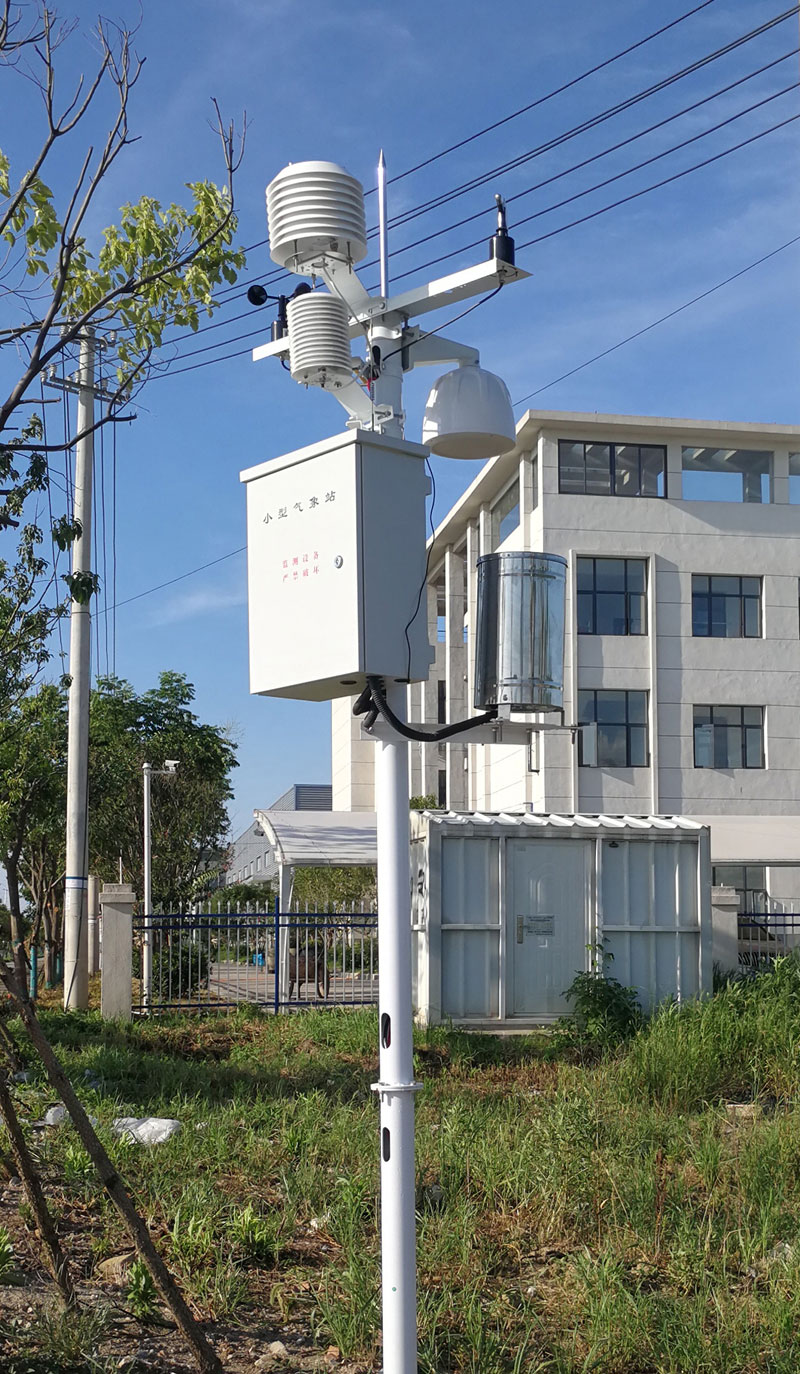
Automatic meteorological stations are not just hardware stacking but deep decoding of environmental operation laws. From wired systems supporting real-time queries to wireless bases deep in uninhabited areas, NiuBoL always takes "high precision, high reliability, intelligence" as its core, providing all-weather meteorological guardianship for you.
Whether monitoring rainfall fluctuations in storms or recording temperature trajectories on snowy plateaus, our systems ensure data authenticity, transparency, and real-time performance. Let precise meteorological monitoring become your decision-making "compass," empowering every fertile land with technology.
Are you looking for the most suitable automatic meteorological monitoring solution for your project? The NiuBoL expert team is always ready to provide 1-on-1 station-building guidance. Contact us—let meteorological monitoring enter a new era of intelligence and automation!
Related recommendations
Sensors & Weather Stations Catalog
 Agriculture Sensors and Weather Stations Catalog-NiuBoL.pdf
Weather Stations Catalog-NiuBoL.pdf
Agriculture Sensors Catalog-NiuBoL.pdf
Water Quality Sensor Catalog-NiuBoL.pdf
Related products
 Combined air temperature and relative humidity sensor
 TDR Soil Moisture & Temperature Sensor for irrigation| RS485 |4-20mA| NBL-S-THR
 Soil pH sensor RS485 soil Testing instrument soil ph meter for agriculture |NBL-S-PH
 Wind Speed sensor Output Modbus/RS485/Analog/0-5V/4-20mA
 Tipping bucket rain gauge for weather monitoring auto rainfall sensor RS485/Outdoor/stainless steel
 Pyranometer Solar Radiation Sensor 4-20mA/RS485

Screenshot, WhatsApp to identify the QR code
WhatsApp number:+8615367865107
(Click on WhatsApp to copy and add friends)

