





— Blogs —
—Products—
 Consumer hotline +8618073152920
 WhatsApp:+8615367865107
Address:Room 102, District D, Houhu Industrial Park, Yuelu District, Changsha City, Hunan Province, China
Product knowledge
Time:2024-05-30 10:51:07 Popularity:2189
Application of wind speed and direction sensors in agricultural production
In modern agricultural production, wind speed and wind direction sensor is increasingly playing a key role as an important meteorological monitoring equipment. It can accurately measure wind speed and direction, provide real-time and accurate meteorological data for farmers, help farmers better understand the farmland microclimate environment, so as to optimise agricultural production decisions, improve agricultural production efficiency, reduce resource waste, and contribute to environmental protection and enhance the quality of agricultural products. In this paper, the application of wind speed and direction sensors in agricultural production is described in detail, with a view to providing reference and reference for the development of agricultural modernisation.
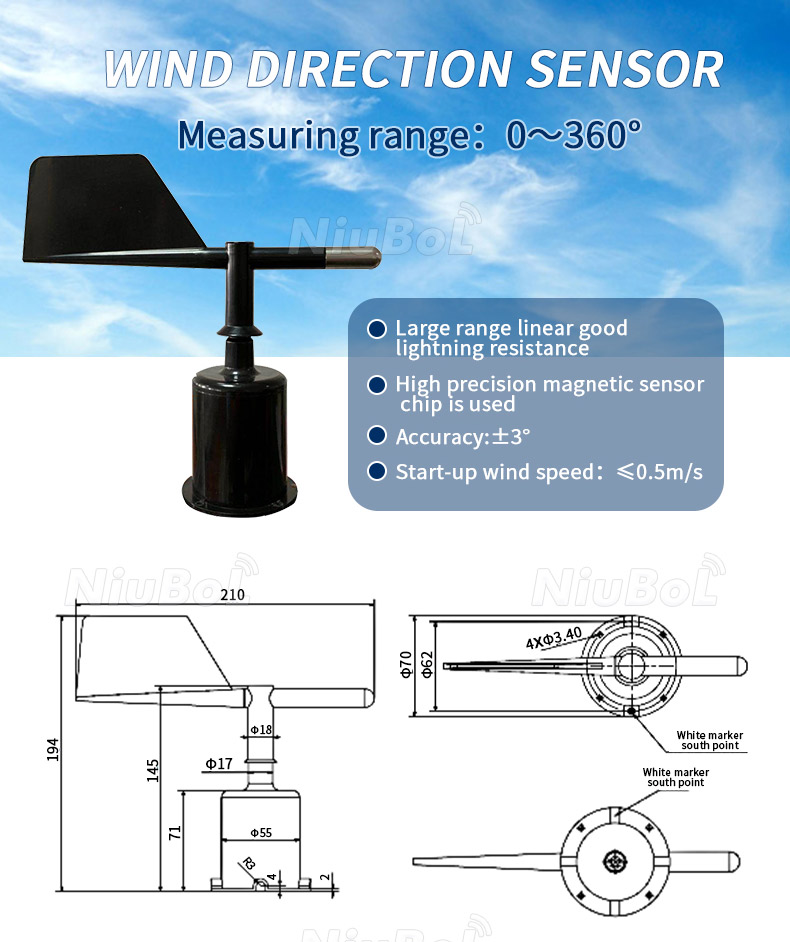
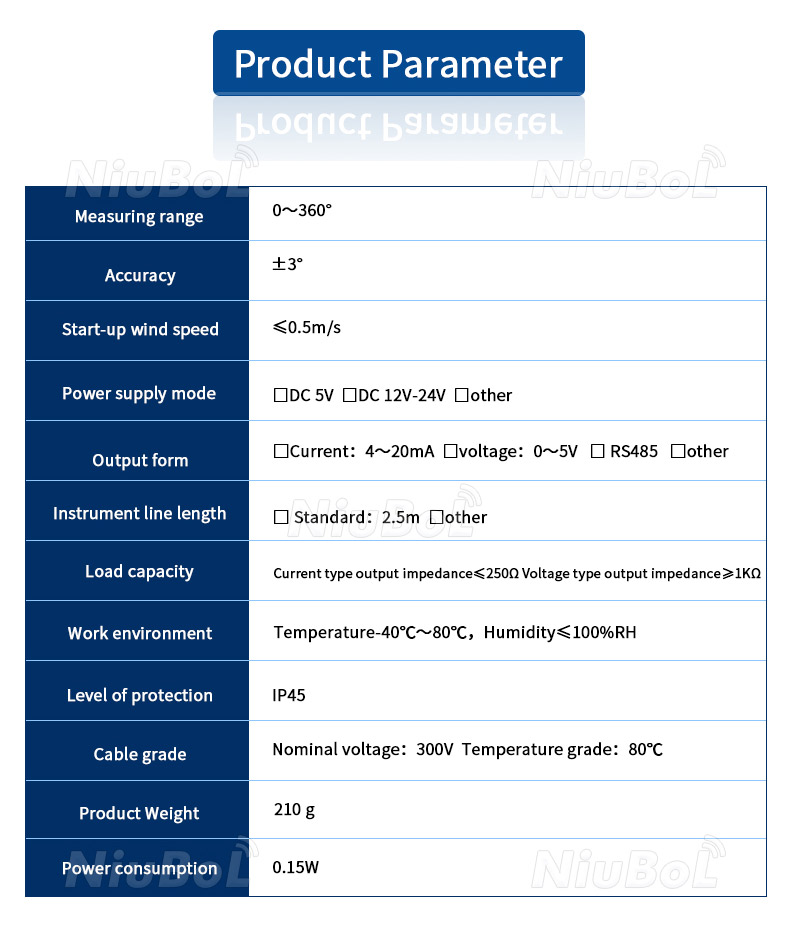
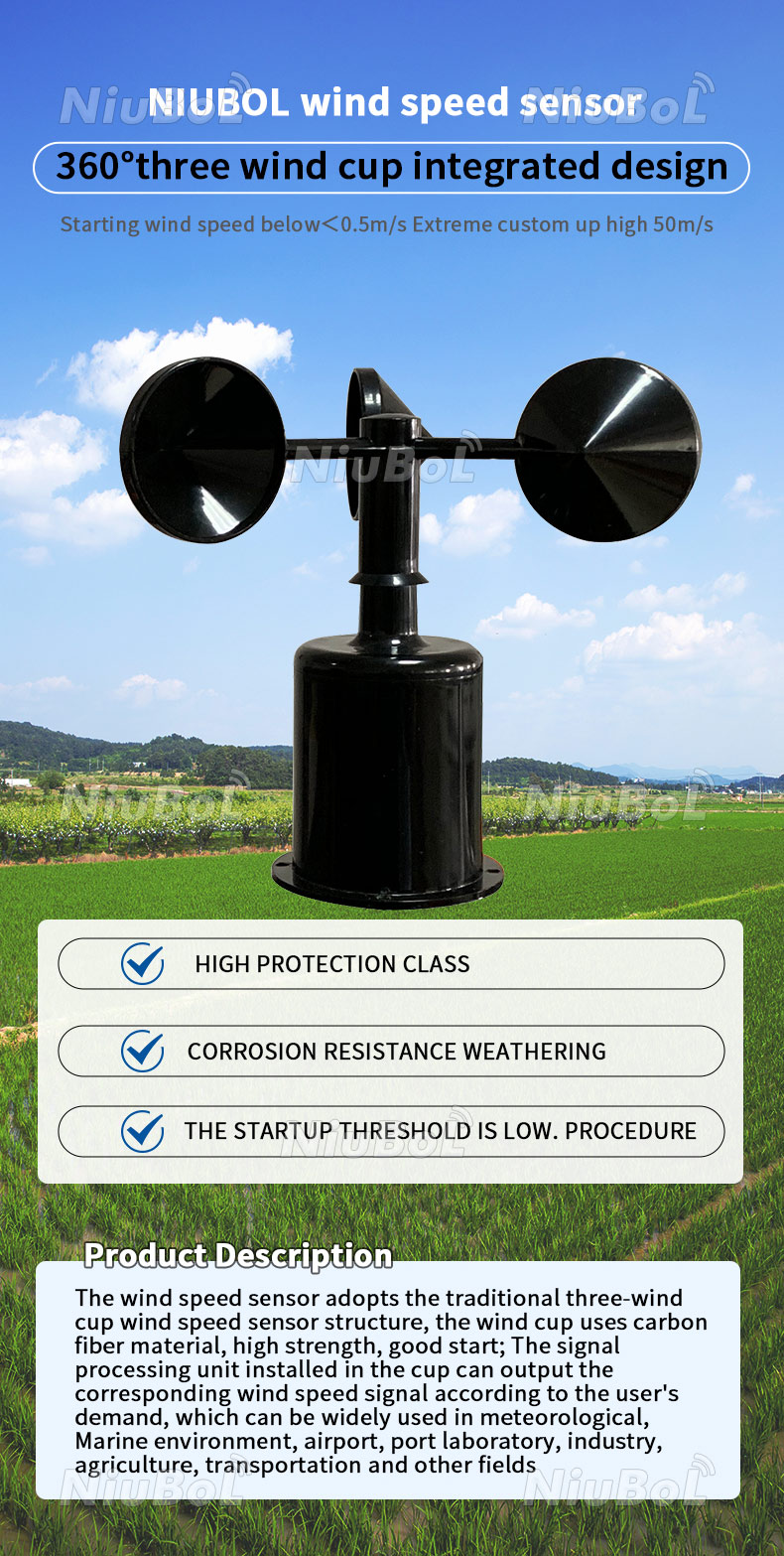
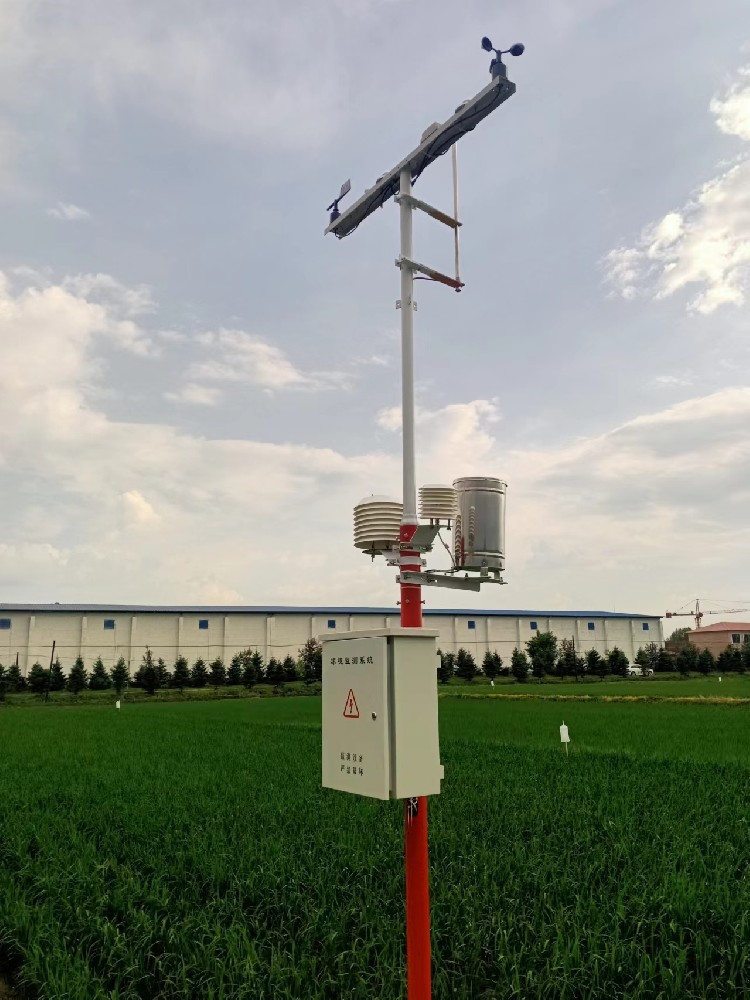
Wind speed and wind direction sensors play an important role in agricultural production, especially in the field of modern agricultural meteorological services and agricultural technologisation. The following are several roles of wind speed and wind direction sensors in agricultural production:
1. Provide real-time meteorological data:
Wind speed and wind direction sensors can measure and record the wind speed and direction in the atmospheric environment in real time, providing basic meteorological data for agrometeorological monitoring. These data are an important reference for understanding the microclimate environment of farmland, and are important for guiding agricultural production.
2. Preventing natural disasters:
By monitoring wind speed, farmers can be informed in advance of possible strong winds, typhoons and other extreme weather, so that they can take measures to protect crops and reduce losses caused by natural disasters.
3. Optimise irrigation management:
Wind speed and direction information is important for optimising irrigation management. In the case of high wind speed, the evaporation rate of soil moisture may be accelerated, and then farmers can adjust the irrigation plan accordingly to ensure that the water supply matches the crop demand.
4. Improve the efficiency of agricultural production:
Modern agriculture often relies on mechanical operations, wind speed and wind direction sensors can help farmers understand the impact of wind on the operation of agricultural machinery, such as excessive wind speed may affect the efficiency and safety of spraying pesticides, fertilisers and other operations.
5. Prediction and prevention of meteorological disasters:
Wind speed and direction sensor is an important tool for predicting and preventing meteorological disasters. Before the arrival of typhoons, gales and other severe weather, farmers can make preparations in advance based on the real-time monitoring data of wind speed and wind direction sensors, and take windproof measures such as reinforcing greenhouses and reinforcing fruit trees, in order to reduce the loss of agricultural production caused by disasters. At the same time, these data can also provide data support for the agrometeorological disaster warning system to improve the accuracy and timeliness of early warning.
6. Pesticide spraying:
Agricultural production often need to carry out pesticide spraying to control pests and diseases, wind speed and direction sensors can help farmers to choose the appropriate spraying time and direction, reduce the dispersion of drugs range, improve the effect of drug application and reduce the impact on the environment.
7. Greenhouse management:
In greenhouse cultivation, wind speed and direction sensors can help farmers monitor the wind direction and wind speed changes inside and outside the greenhouse in real time, which can help to regulate the ventilation facilities, maintain a suitable climate environment inside the greenhouse, and promote the growth of crops.
8. Support agricultural scientific research:
The data collected by wind speed and wind direction sensors can also provide an important reference for agricultural scientific research. Researchers can use these data to study the impact of different wind speed and direction on crop growth, pests and diseases, etc., to provide more scientific guidance for agricultural production.
9. Guiding crop planting and management:
Accurate information on wind speed and direction can help farmers to understand the ventilation condition of their farmland, so that they can choose appropriate crop planting programmes. For example, in windy areas, farmers can choose to plant wind-resistant crop varieties to reduce the impact of wind damage on crop growth. In addition, wind speed and direction data can also guide farmers in irrigation, fertiliser application and other farm management measures to ensure that crops thrive in a good growing environment.
10. Optimise the allocation of agricultural resources:
With the data collected by wind speed and direction sensors, farmers can more accurately understand the meteorological conditions of farmland, thus optimising the allocation of agricultural resources. For example, in areas where the wind is strong, farmers can reasonably deploy wind power generation facilities to provide clean energy for agricultural production; in areas where the wind is small, other energy use methods can be adopted to reduce agricultural production costs.
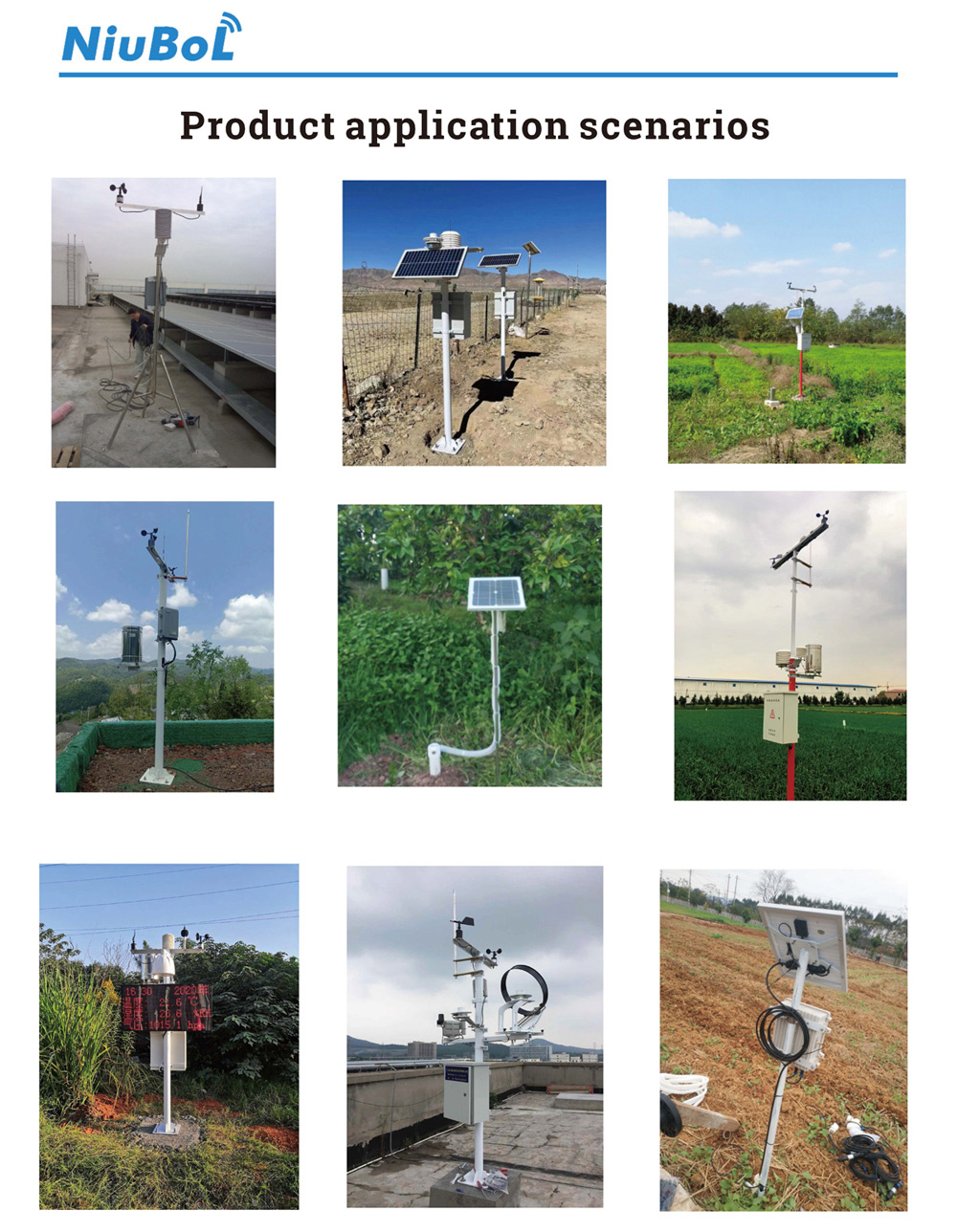
In summary, wind speed and wind direction sensors play an important role in agricultural meteorological monitoring, which can not only provide real-time meteorological data to guide crop cultivation and management, predict and prevent meteorological disasters, but also optimize the allocation of agricultural resources and support agricultural scientific research. With the advancement of agricultural modernisation, the application of wind speed and direction sensors in agricultural production will become more and more widespread.
 NBL-W-SS-Wind-Speed-Sensors-Instruction-Manual-V4.0.pdf
Related recommendations
Sensors & Weather Stations Catalog
 Agriculture Sensors and Weather Stations Catalog-NiuBoL.pdf
Weather Stations Catalog-NiuBoL.pdf
Agriculture Sensors Catalog-NiuBoL.pdf
Water Quality Sensor Catalog-NiuBoL.pdf
Related products
 Combined air temperature and relative humidity sensor
 TDR Soil Moisture & Temperature Sensor for irrigation| RS485 |4-20mA| NBL-S-THR
 Soil pH sensor RS485 soil Testing instrument soil ph meter for agriculture |NBL-S-PH
 Wind Speed sensor Output Modbus/RS485/Analog/0-5V/4-20mA
 Tipping bucket rain gauge for weather monitoring auto rainfall sensor RS485/Outdoor/stainless steel
 Pyranometer Solar Radiation Sensor 4-20mA/RS485

Screenshot, WhatsApp to identify the QR code
WhatsApp number:+8615367865107
(Click on WhatsApp to copy and add friends)

