





— Products —
 Consumer hotline +8618073152920
 WhatsApp:+8615367865107
Address:Room 102, District D, Houhu Industrial Park, Yuelu District, Changsha City, Hunan Province, China
Water Quality Sensors
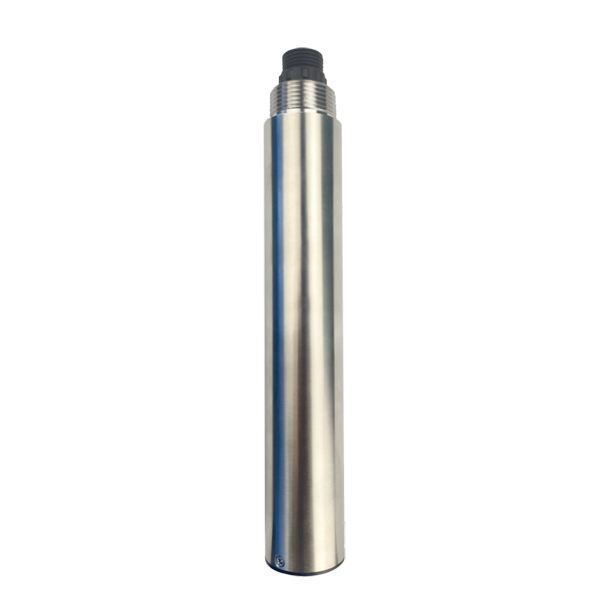
NiuBoL NBL-WQ-TSS-4S online suspended solids sensor adopts infrared scattering light measurement principle with built-in temperature compensation and self-cleaning algorithm. RS485 Modbus/RTU and 4-20mA dual output, 316L stainless steel, IP68 protection (20m water depth). Suitable for municipal sewage, industrial outlets, river monitoring and more. Stable, anti-interference and easy to maintain.
Tel/WhatsApp:+8615367865107
Email:Arvin@niubol.com +Nearly 100 partner companies in more than 79 countries. We are committed to providing high-quality, practical products to meet your needs and help you solve problems. Our products comply with international standards and are certified with ISO, CE and RoHS.Product Details
NiuBoL NBL-WQ-TSS-4S online Total suspended solids sensor adopts infrared scattering light measurement principle with built-in temperature compensation and self-cleaning algorithm. RS485 Modbus/RTU and 4-20mA dual output, 316L stainless steel, IP68 protection (20m water depth). Suitable for municipal sewage, industrial outlets, river monitoring and more. Stable, anti-interference and easy to maintain.
Infrared Scattering Light Method — Accurately Penetrates Complex Water Bodies, Suspended Solids / Sludge Concentration Known in One Measurement
Aeration tank foam surging, secondary sedimentation tank effluent carrying mud, sudden river turbidity… Suspended solids (SS) and sludge concentration are key indicators for measuring water quality and controlling processes. However, traditional sampling and weighing methods lag by several hours and cannot be used for real-time regulation. NiuBoL NBL-WQ-TSS-4S online suspended solids sensor uses infrared backscattering light technology with built-in Pt1000 temperature compensation and second-level response to real concentration. Digital + analog dual output, submersible 3/4" NPT installation, providing a truly reliable online suspended solids solution for wastewater treatment and environmental monitoring.
Infrared Scattering Light Method, Strong Anti-ambient Light Interference: Uses infrared LED light source combined with pure quartz optical path design. Outputs stable data even under natural light or artificial illumination.
Dual Output Interface, Barrier-free Integration: Standard RS-485 Modbus/RTU, optional 4-20mA current output, meeting the access needs of both new systems and legacy PLCs.
316L Full Stainless Steel + IP68 20m Water Depth Resistance: Unaffected by corrosive water bodies and deep installation. Suitable for aeration tanks, deep wells, rivers and other harsh environments.
NiuBoL NBL-WQ-TSS-4S is an integrated intelligent sensor specially designed for continuous monitoring of suspended solids (SS) concentration in water. It adopts the optical scattering measurement principle: an infrared LED inside the sensor emits a beam of constant light intensity into the water sample. Suspended particles in the water cause light scattering. A high-sensitivity photodetector receives the backscattered light intensity proportional to the particle concentration, which is then linearized internally and directly outputs the concentration value.
The sensor requires no reagents or consumables and has extremely fast response (T90 < 30 seconds). Built-in Pt1000 temperature sensor automatically compensates for the effect of temperature on the scattering signal. 316L stainless steel housing with IP68 protection rating (can be continuously immersed at 20 meters water depth). With 3/4" NPT thread, it supports submersible installation in tanks, pipelines or open channels. Standard RS-485 digital signal with optional 4-20mA analog signal, easily compatible with distributed control systems (DCS) or legacy recorders.
| Item | Specification |
|---|---|
| Model | NBL-WQ-TSS-4S |
| Shell Material | 316L Stainless Steel |
| Measurement Principle | Infrared Backscattering Light Method |
| Range & Resolution | 0~200.0 mg/L (0.1 mg/L) 0~2000.0 mg/L (0.1 mg/L) |
| Accuracy | ±5% (depending on sludge homogeneity), ±0.3℃ |
| Response Time (T90) | < 30 seconds |
| Minimum Detection Limit | 1 mg/L |
| Calibration Method | Two-point Calibration (Zero & Slope) |
| Temperature Compensation | Automatic, Pt1000 |
| Output Signal | RS-485 (Modbus/RTU), optional 4-20mA |
| Working Voltage | 12~24 VDC |
| Power Consumption | 0.2W @12V |
| Working Conditions | 0~60℃, ≤0.2MPa (approx. 20 meters water depth) |
| Storage Temperature | -5~65℃ |
| Installation Thread | 3/4" NPT |
| Protection Rating | IP68 |
| Cable Length | 5 meters (customizable) |
Municipal sewage treatment plants: MLSS monitoring in aeration tanks, effluent suspended solids monitoring in secondary sedimentation tanks, return sludge concentration measurement — assisting precise sludge discharge and return ratio control.
Industrial wastewater treatment: Online suspended solids monitoring in electroplating, printing and dyeing, papermaking, food processing and other industries to ensure discharge compliance.
Surface water and river monitoring: Real-time reflection of water turbidity changes, early warning of sediment scouring, algae outbreaks or illegal discharge.
Mining and coal washing plants: Coal powder concentration monitoring in mine water treatment and coal washing circulating water to ensure equipment safety and water resource reuse.
Construction sites and runoff: Suspended solids control at construction dewatering and slurry wastewater outlets to meet environmental supervision requirements.
Electrical Connection (5-core shielded cable)
| Wire Color | Definition | Remark |
|---|---|---|
| Red | 12~24VDC (Power Positive) | |
| Black | GND (Power Ground) | |
| Blue | RS485 A+ | |
| White | RS485 B- | |
| Yellow | 4-20mA Output | Optional, insulate and leave floating if not used |
Q1. Can the NBL-WQ-TSS-4S sensor measure extremely low concentrations of suspended solids (such as drinking water)?
Yes. The minimum detection limit is 1 mg/L with 0.1 mg/L resolution in the 0-200 mg/L range. However, for low-turbidity clean water such as tap water, a dedicated turbidity sensor is recommended for better sensitivity. This sensor is more suitable for sewage, industrial water and other medium to high concentration suspended solids scenarios.
Q2. Will the sensor be interfered with by ambient light?
Interference is extremely low. The sensor uses an infrared LED light source and narrow-band filter. The receiver only responds to specific wavelength infrared light. The pure quartz optical path and housing design effectively shields stray light. Data remains stable even when exposed to strong sunlight or installed in transparent pipes.
Q3. Can the 4-20mA output be used simultaneously with Modbus?
Yes. If you order the model with 4-20mA optional function (yellow wire), both Modbus digital signal and 4-20mA analog signal can be output simultaneously without interference. This provides convenience for connecting to two systems (such as on-site display and remote PLC) at the same time.
Q4. How often does the sensor need calibration?
It is recommended to perform zero and slope calibration with standard solution after initial installation. Afterwards, calibrate every 1~3 months depending on water quality stability. Recalibrate if the deviation from laboratory weighing method exceeds expectations. For stable conditions (such as MLSS measurement in municipal sewage plants), the calibration interval can be appropriately extended.
Q5. How to clean the sensor optical window?
Use a soft wet cloth or sponge dipped in clean water or mild detergent to gently wipe the quartz window surface, then rinse with clean water. Do not use hard objects to scrape or strong acid/alkali to clean, as this may damage the optical surface. Develop a cleaning frequency based on on-site sludge adhesion (usually 1-2 times per week).
Q6. Is the suspended solids concentration output by the sensor in mg/L consistent with the SS gravimetric method results?
The sensor calculates suspended solids concentration from scattering light intensity and is factory calibrated with standard substances. For specific water samples (such as industrial wastewater with large sludge characteristic differences), scattering characteristics may differ from standard substances. It is recommended to make 5-10 groups of comparisons between sensor readings and laboratory gravimetric method (drying at 103-105℃) during initial use to establish a correlation correction coefficient for the most accurate comparison results.
Q7. Can the sensor be installed horizontally?
Yes, it can be installed horizontally or at any angle, but ensure the measurement window is fully submerged below the liquid surface and there is no obstruction or bubble attachment in front of the window. It is recommended to use the submersible installation bracket provided by NiuBoL to keep the sensor stable and facing the water flow direction.
Q8. What is the maximum supported power and communication distance?
At 12VDC supply voltage, cable length is recommended not to exceed 50 meters; at 24VDC, the cable can be extended to more than 200 meters. RS-485 communication at 9600bps can reach a reliable transmission distance of 1200 meters. Repeaters are required beyond this distance.
Suspended solids monitoring should not be a long cycle of “sampling – sending for testing – waiting”, nor should it be constrained by frequent cleaning, reagent consumption and signal drift. NiuBoL NBL-WQ-TSS-4S provides you with solid scattering optical design and industrial-grade packaging technology:
For integrators: Modbus + 4-20mA dual output, one sensor adapts to all projects; transparent protocol and efficient debugging.
For engineering contractors: 316L stainless steel + IP68 deep water protection, stable installation in aeration tanks, deep wells and open channels; 3/4" NPT standard interface with strong spare parts versatility.
For end users: No reagents, long-term operation with simple wiping; second-level response, real-time control of suspended solids change trends, optimizing sludge discharge and dosing.
Next:NBL-WQ-TSS-4A Online Suspended Solids Sensor for Water Quality Monitoring and Wastewater Treatment
Sensors & Weather Stations Catalog
 Agriculture Sensors and Weather Stations Catalog-NiuBoL.pdf
Weather Stations Catalog-NiuBoL.pdf
Agriculture Sensors Catalog-NiuBoL.pdf
Water Quality Sensor Catalog-NiuBoL.pdf
Related recommendations
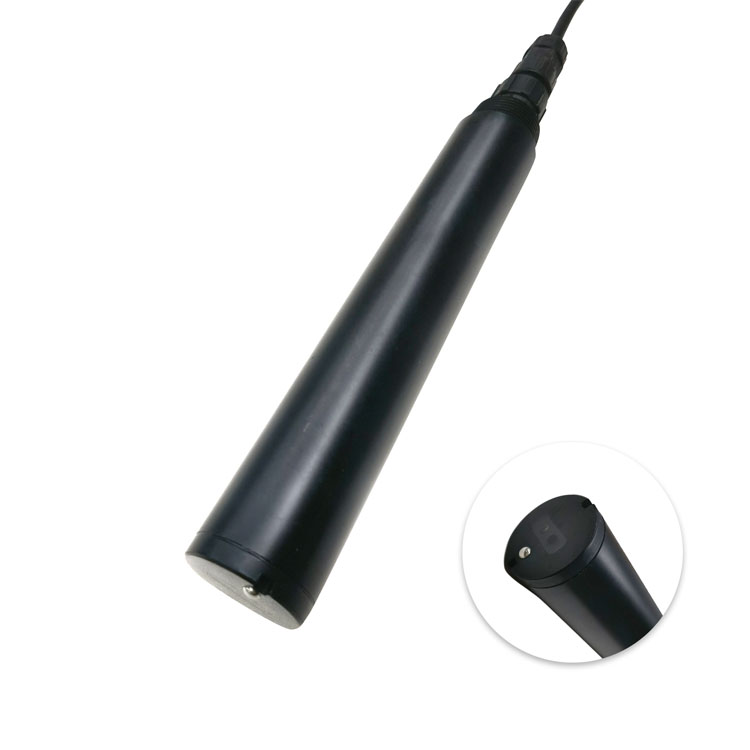 NBL-WQ-TS Online Turbidity Water Quality Sensor
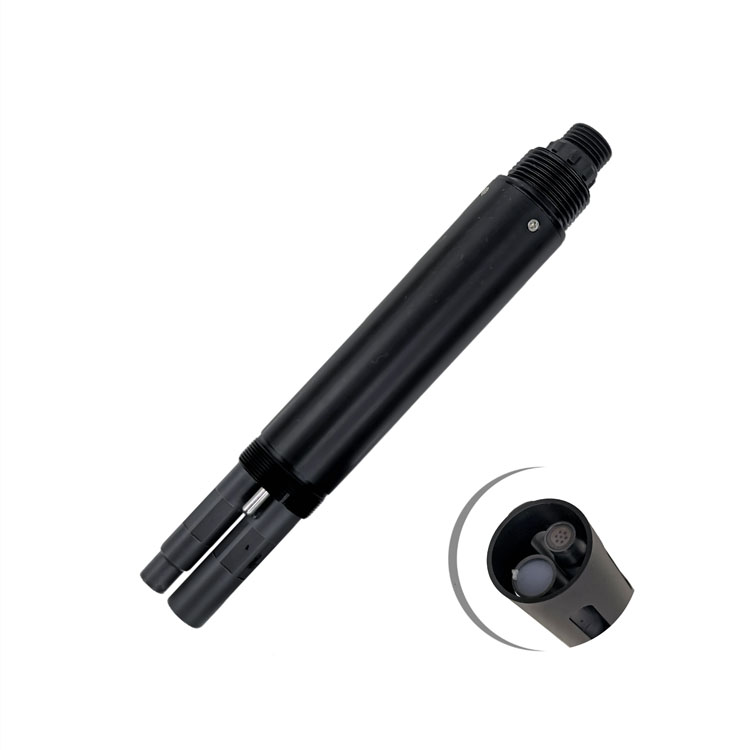 NBL-WQ-NHN Online Water Quality Ammonia Nitrogen Sensor
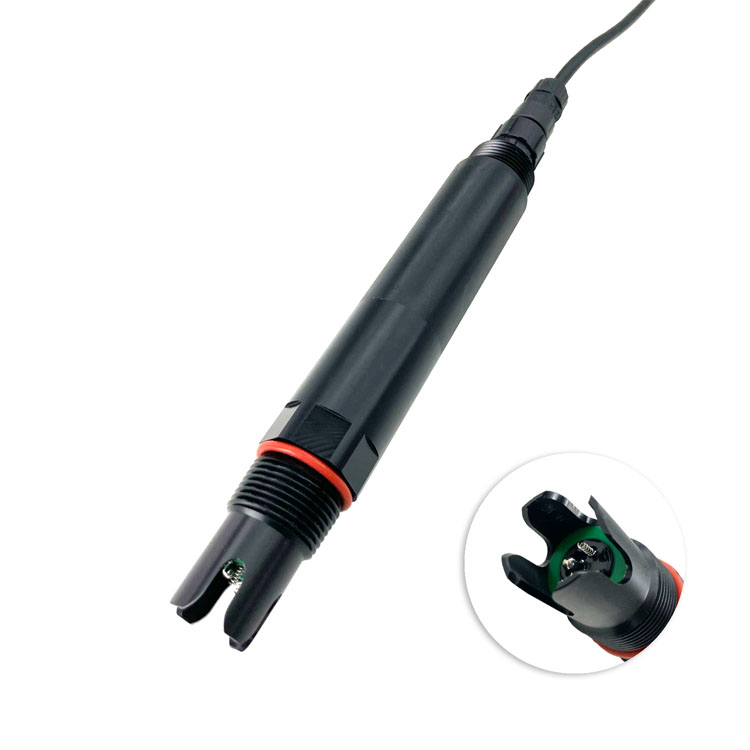 NBL-WQ-CL Water Quality Sensor Online Residual Chlorine Sensor
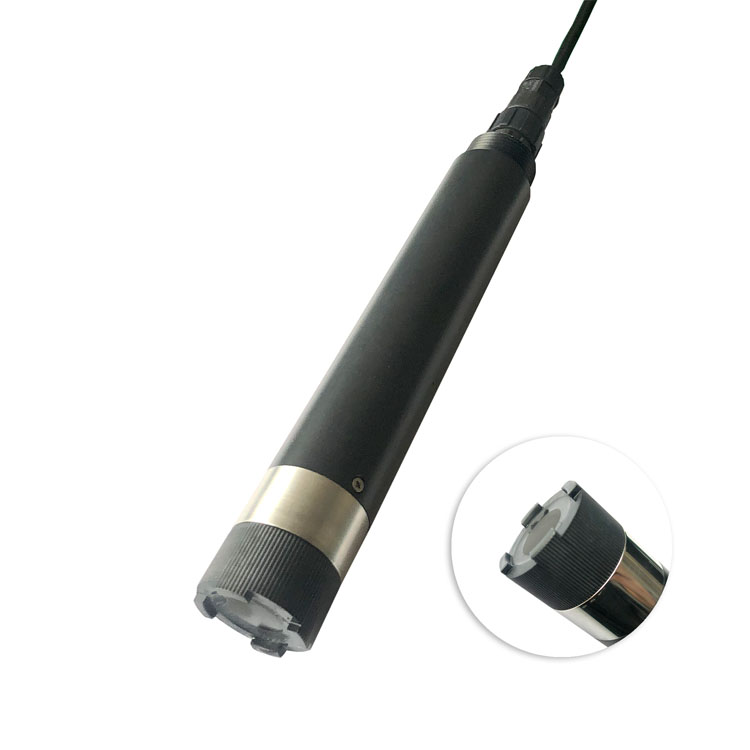 NBL-WQ-DO Online Fluorescence Dissolved Oxygen Sensor
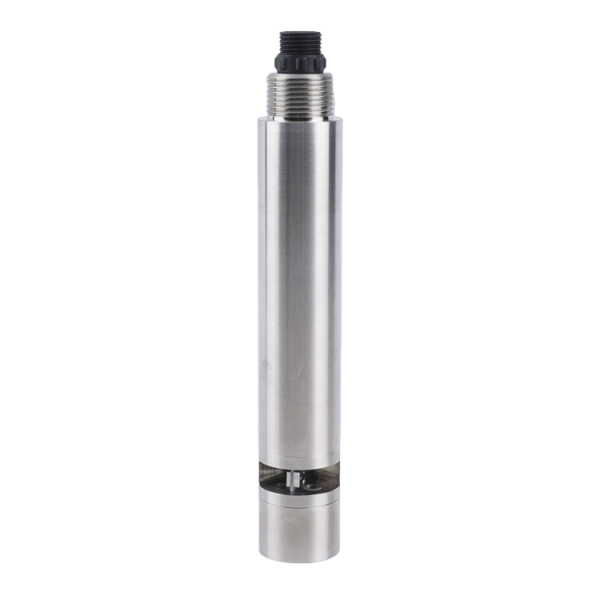 NBL-WQ-COD Online COD Water Quality Sensor
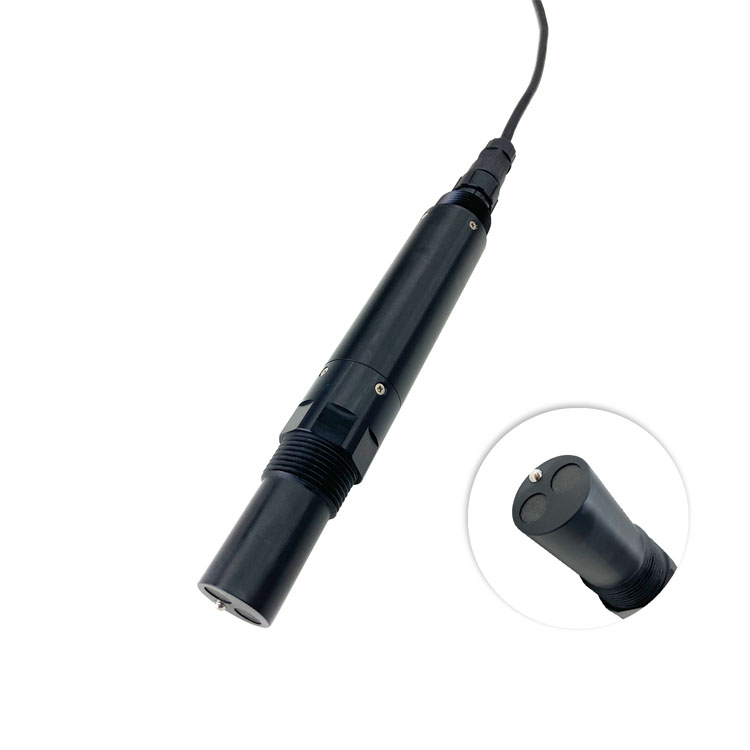 NBL-WQ-EC Online Water Quality Conductivity Sensor

Screenshot, WhatsApp to identify the QR code
WhatsApp number:+8615367865107
(Click on WhatsApp to copy and add friends)

