





— Solutions —
—Products—
 Consumer hotline +8618073152920
 WhatsApp:+8615367865107
Address:Room 102, District D, Houhu Industrial Park, Yuelu District, Changsha City, Hunan Province, China
Water & Hydrology
Time:2026-01-23 10:01:01 Popularity:1050
With the rise of national fitness trends, swimming has become a favored sport across all age groups. However, public health and safety issues hidden behind crystal-clear pool water are becoming increasingly prominent. If pool water quality fails to meet standards or residual chlorine is improperly controlled, it can lead to health problems such as red eye disease, skin allergies, sticky hair, and in severe cases, even outbreaks of infectious diseases.
To meet local regulatory requirements for water quality disclosure and smart health supervision, NiuBoL has launched automated online monitoring equipment specifically designed for swimming pool scenarios. Through precise sensing of key parameters and intelligent linkage, we provide pool operators with a closed-loop solution from monitoring to automatic treatment.
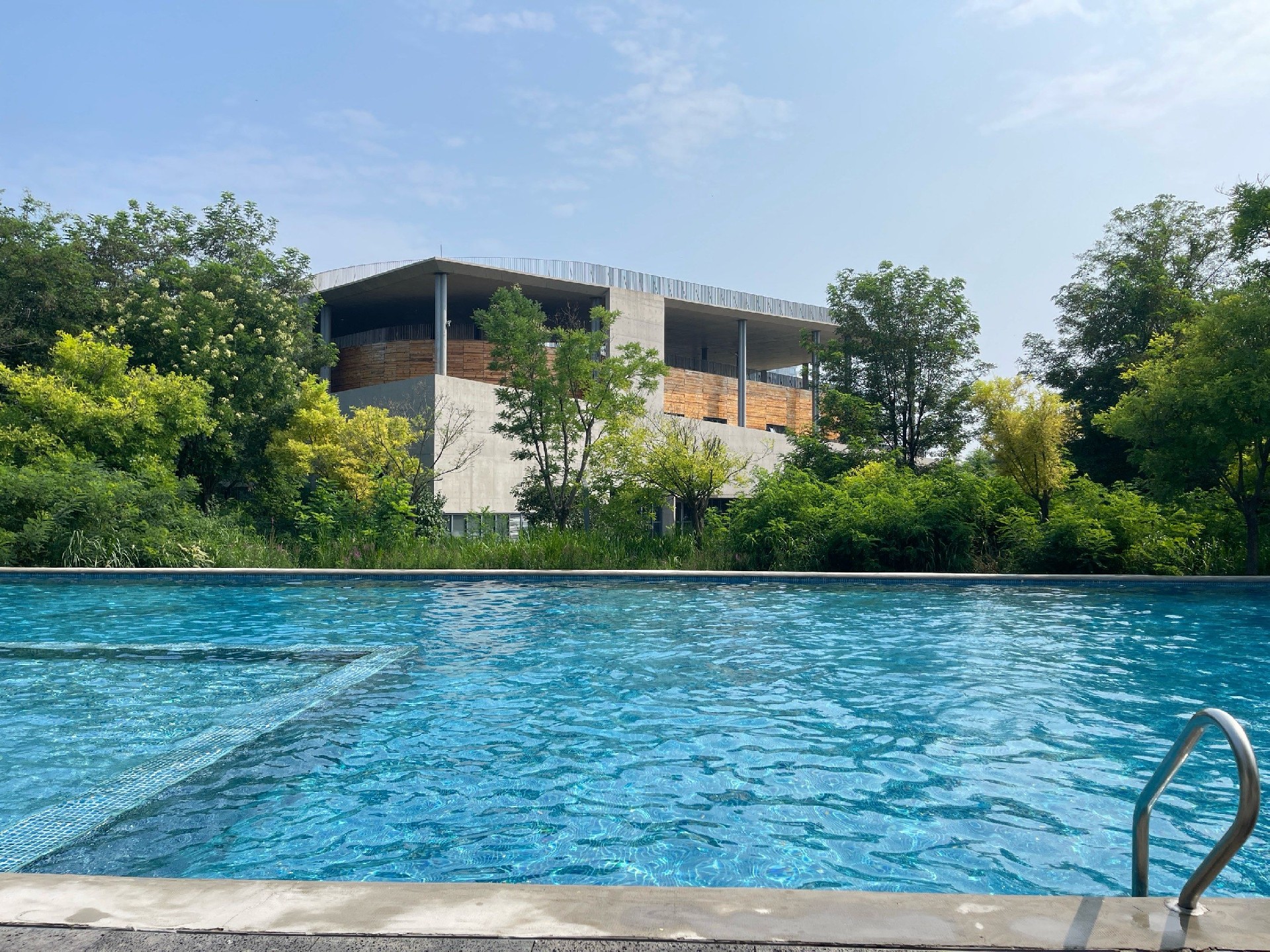
Swimming pool water comes into direct contact with human mucous membranes and skin, so any parameter deviation can translate into health risks. The following are the five core parameters defined in the NiuBoL monitoring system.
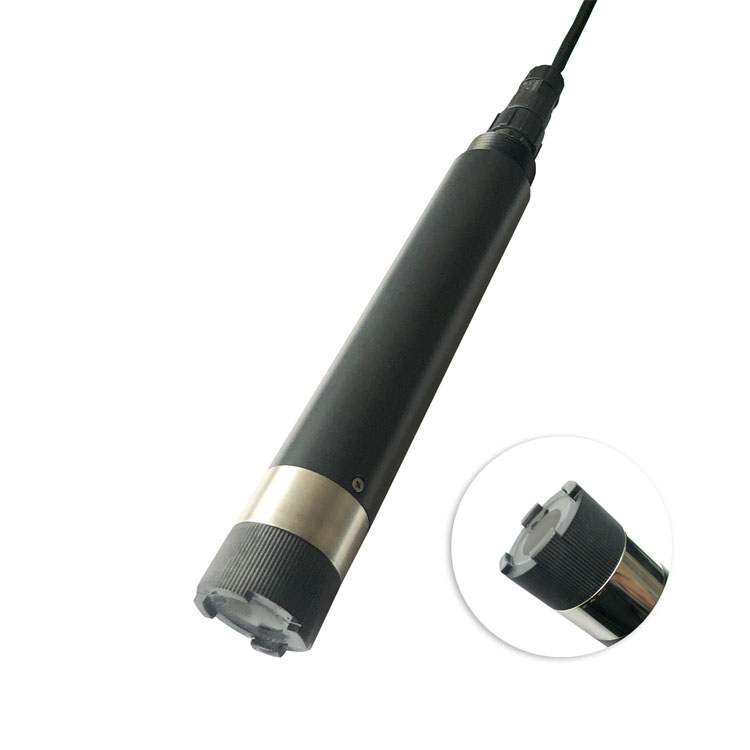
1. Turbidity: The “Appearance” and Cleanliness Foundation of Pool Water
Turbidity reflects the content of suspended particles in the water (such as human skin flakes, organic matter from sweat, etc.).
Safety Value: High turbidity significantly reduces underwater visibility and increases drowning accident risks.
Hygiene Value: Suspended particles serve as “shelters” for bacteria and viruses, protecting them from disinfectant action. Maintaining low turbidity is the foundation of effective disinfection.
2. Residual Chlorine: The “First Line of Defense” Against Microorganisms
Residual chlorine is the direct standard for judging pool disinfection capability.
Risks of Insufficiency: Inability to effectively kill pathogens such as E. coli and Staphylococcus aureus, easily leading to gastroenteritis and skin diseases.
Hazards of Excess: Strong chlorine odor irritates the respiratory tract and causes red, stinging eyes in swimmers.
Technical Breakthrough: NiuBoL adopts membrane-covered residual chlorine sensors that effectively address the “chlorine lock” phenomenon caused by trichloroisocyanuric acid, accurately distinguishing free residual chlorine with data highly consistent with handheld professional portable devices.
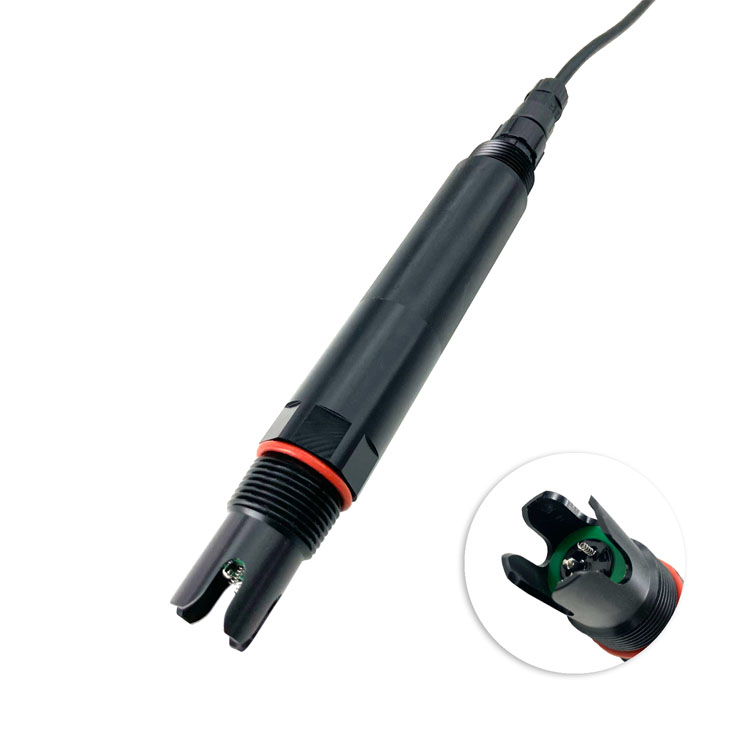
3. pH Value: The “Lever” of Acid-Base Balance
Human body fluid pH is approximately 7.4, making pH balance in pool water critical.
Acidic Environment (pH < 7.0): Disinfectant decomposes too quickly, residual chlorine is difficult to maintain, and it severely corrodes pool metal pipes and filtration equipment.
Alkaline Environment (Excessively High pH): Inhibits chlorine’s bactericidal efficiency, greatly reducing disinfection effectiveness.
Comfort: Only by controlling pH within a reasonable range can swimmers experience no skin discomfort.
4. ORP (Oxidation-Reduction Potential): The “Digital Scale” of Disinfection Efficiency
ORP is a comprehensive indicator measuring the oxidation capacity of water.
Mechanism Explanation: It reflects the real-time bactericidal strength resulting from interactions among various chemical substances in the water. Relying solely on residual chlorine concentration can sometimes be misleading due to pH interference, but ORP directly shows the “speed of sterilization.”
Ideal Range: Typically maintained between 650~750 mV to ensure instantaneous inactivation of pathogenic microorganisms.
5. Water Temperature: Balance Between Comfort and Microbial Activity
Competition Requirements: Competition pools generally need to be stable at 25~27℃.
Operational Value: For every 10℃ increase in water temperature, chemical reaction rates and microbial reproduction rates increase significantly. Precise water temperature monitoring assists in adjusting dosing amounts and reducing operating costs.
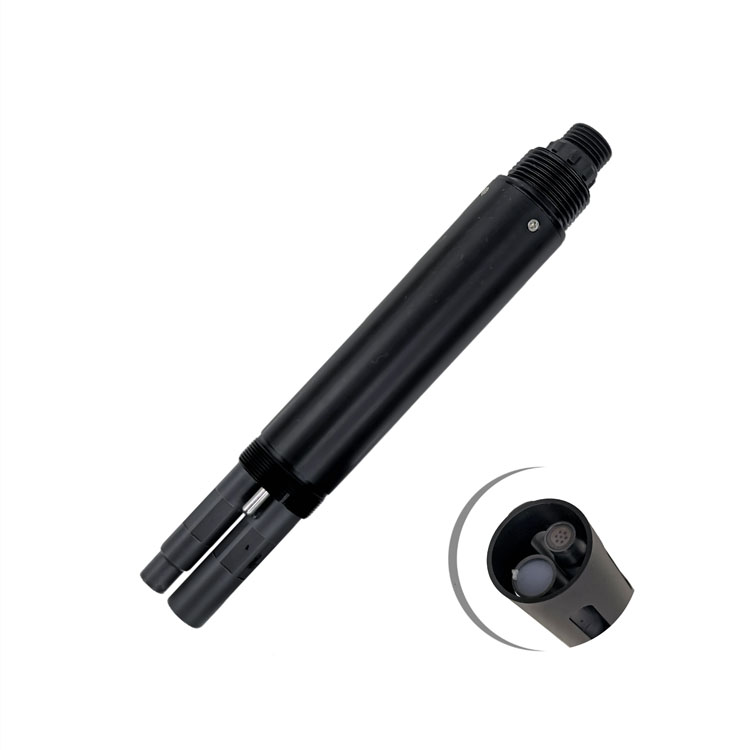
Addressing pain points such as low frequency, poor real-time performance, and susceptibility to human interference in traditional manual testing, NiuBoL’s online monitoring equipment features the following core advanced technologies:
1. Membrane-Covered Sensor Specifically Designed for Trichloroisocyanuric Acid
Most pools currently use trichloroisocyanuric acid as a disinfectant, which easily leads to accumulation of “combined residual chlorine.” Ordinary electrodes often cannot distinguish free chlorine from combined chlorine. NiuBoL equips specialized electrolyte and breathable membrane heads that react only to free chlorine, solving the industry-wide “inaccurate measurement” problem.
2. Relay Linkage: Leap from “Monitoring” to “Treatment”
The equipment can be optionally equipped with a relay module for direct linkage with metering pumps.
Automatic Replenishment: When sensors detect residual chlorine or pH below the set lower limit, the metering pump is automatically activated to add disinfectant or pH adjuster.
Precise Stoppage: Automatically cuts off upon reaching the standard, achieving true unattended automatic dosing and avoiding dosing accidents caused by human error.
3. Water Level Sensor Linkage Protection: An Extra Layer of Safety
In automatic dosing systems, the greatest fear is “dry burning” or “dosing without water.”
Risk Prevention: If the circulation system stops but the monitoring equipment continues to issue dosing commands, it can cause locally excessive chemical concentration, potentially harming swimmers upon water resumption.
Optional Solution: NiuBoL equipment can be equipped with a water level sensor. Upon detecting water stoppage or abnormal water level drop, it immediately forces dosing to pause and triggers an alarm to ensure process safety.
| Technical Item | Parameter Specification/Feature | Brand |
|---|---|---|
| Monitoring Parameters | Residual chlorine, pH, ORP, turbidity, water temperature, water level (optional) | NiuBoL |
| Sensor Technology | Membrane-covered electrochemical (residual chlorine), glass electrode (pH/ORP), optical scattering (turbidity) | NiuBoL |
| Residual Chlorine Accuracy | ±0.01 mg/L | NiuBoL |
| pH Accuracy | ±0.01 pH | NiuBoL |
| Output Interface | RS485 (Modbus RTU), 4-20mA (optional) | NiuBoL |
| Linkage Control | Multi-channel relay output, supports metering pump pulse or on/off control | NiuBoL |
| Protection Rating | Host IP65, sensor IP68 | NiuBoL |
| Data Transmission | Supports access to smart health supervision platform, real-time data to cloud | NiuBoL |
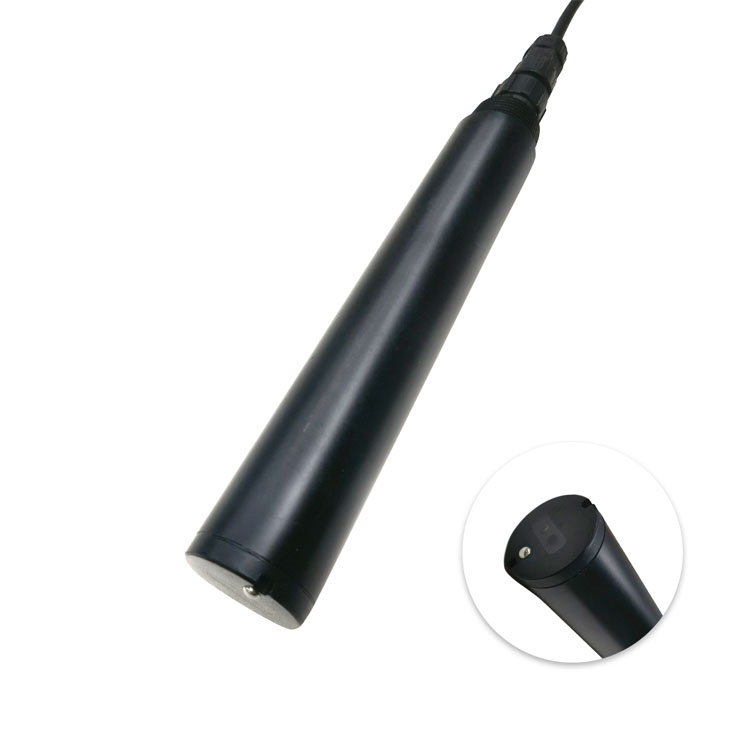
In many regions, health management departments now require pools to publicly display real-time water quality data. The NiuBoL online monitoring system can seamlessly connect to smart health supervision platforms, enabling the following functions:
Automatic report generation: Daily and weekly automatic generation of water quality curves, eliminating the need for manual handwritten records.
Immediate anomaly alerts: Upon exceeding standards, managers receive push notifications via mobile APP, allowing issues to be resolved before regulatory inspections.
Transparent disclosure: Real-time values of pH, residual chlorine, etc., displayed synchronously on external large screens, allowing swimmers to enjoy peace of mind.
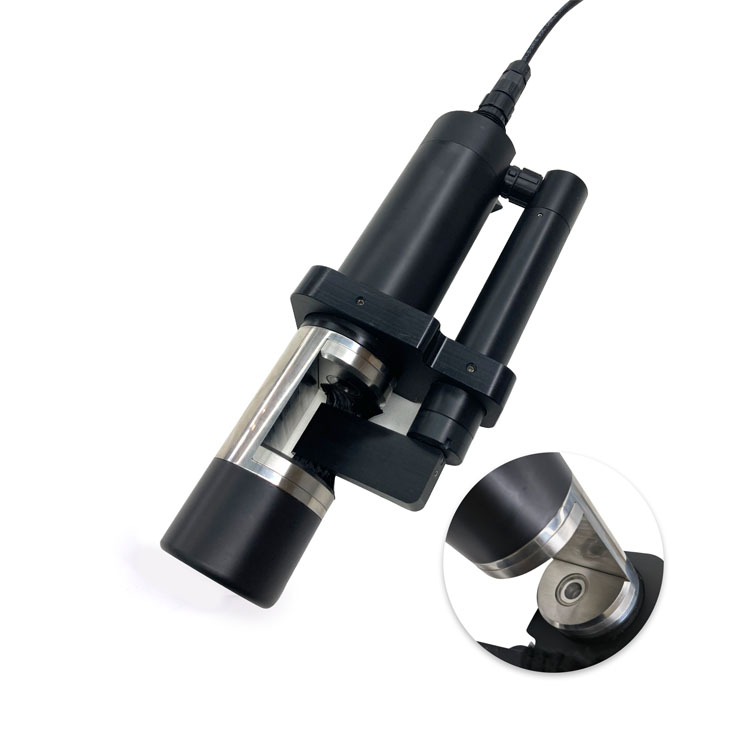
Q1: What is the difference between membrane-covered residual chlorine sensors and ordinary constant voltage residual chlorine electrodes?
A: Ordinary constant voltage electrodes are greatly affected by water flow velocity and pH fluctuations and are prone to scaling on the electrode surface. NiuBoL’s membrane-covered sensor isolates interference through a selective permeable membrane, with the electrode not directly contacting dirty water, resulting in more accurate measurements and a maintenance cycle extended by more than 3 times.
Q2: Will the automatic dosing system overdose due to sensor inaccuracy?
A: No. Our system features a “multiple lockout” mechanism: first, water level linkage prevents dosing without water; second, it supports setting single dosing duration and maximum dosing limits; third, sensors include regular automatic cleaning and calibration reminder functions.
Q3: Is the equipment installation complicated? Does it require shutdown?
A: Installation typically uses a bypass method. Simply draw a small pipe from after the pool circulation system filter and before dosing to the monitoring tank. No pool shutdown is required, and normal pool operations are unaffected.
Q4: Why does my pool water have a strong chlorine smell, but the residual chlorine reading is not high?
A: This is a classic “chlorine lock” phenomenon. The so-called “chlorine smell” is actually the ammonia odor produced by combined residual chlorine, indicating insufficient effective residual chlorine. At this point, shock treatment or increased fresh water addition should be performed based on NiuBoL’s accurate readings.
Q5: Will turbidity sensors be affected by varying light conditions?
A: Our turbidity sensor uses infrared light scattering principle with self-compensation function, effectively eliminating interference from external ambient light and maintaining accuracy in various environments.
Swimming pool water quality safety is not only the responsibility of operators but also a red line for public health. NiuBoL swimming pool water quality online monitoring equipment upgrades traditional “remedial” management to “preventive” governance through high-precision sensing technology and intelligent linkage solutions.
Precise residual chlorine monitoring, balanced pH regulation, sensitive ORP response, combined with safe water level linkage protection, build a solid water quality safety barrier. Choosing NiuBoL is not just selecting a piece of equipment, but providing every swimmer with a promise of worry-free, healthy swimming.
Is your current pool still using manual dosing? To more precisely match your system requirements, would you like me to send you an equipment layout suggestion list specifically for the circulation pump room?
Communication Protocol: RS-485, Modbus RTU
Parameter Units: pH (unitless), residual chlorine (mg/L), ORP (mV), turbidity (NTU), water temperature (℃)
Linkage Control: Relay contact output (normally open / normally closed)
Residual Chlorine Sensor Type: Membrane-covered polarographic electrochemical sensor
 NBL-RDO-206 Online Fluorescence Dissolved Oxygen Sensor.pdf
NBL-COD-208 Online COD Water Quality Sensor.pdf
NBL-CL-206 Water Quality Sensor Online Residual Chlorine Sensor.pdf
Prev:no more
Next:no more
Related recommendations
Sensors & Weather Stations Catalog
Agriculture Sensors and Weather Stations Catalog-NiuBoL.pdf
Weather Stations Catalog-NiuBoL.pdf
Agriculture Sensors Catalog-NiuBoL.pdf
Water Quality Sensor Catalog-NiuBoL.pdf
Related products
 Combined air temperature and relative humidity sensor
 TDR Soil Moisture & Temperature Sensor for irrigation| RS485 |4-20mA| NBL-S-THR
 Soil pH sensor RS485 soil Testing instrument soil ph meter for agriculture |NBL-S-PH
 Wind Speed sensor Output Modbus/RS485/Analog/0-5V/4-20mA
 Tipping bucket rain gauge for weather monitoring auto rainfall sensor RS485/Outdoor/stainless steel
 Pyranometer Solar Radiation Sensor 4-20mA/RS485

Screenshot, WhatsApp to identify the QR code
WhatsApp number:+8615367865107
(Click on WhatsApp to copy and add friends)

