

— Products —
 Consumer hotline +8618073152920
WhatsApp:+8615367865107
Address:Room 102, District D, Houhu Industrial Park, Yuelu District, Changsha City, Hunan Province, China
Weather Stations
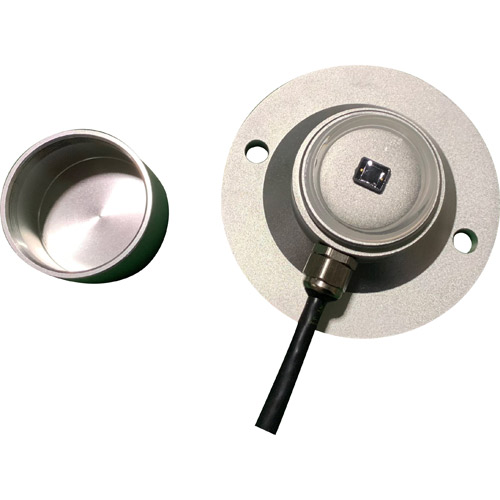
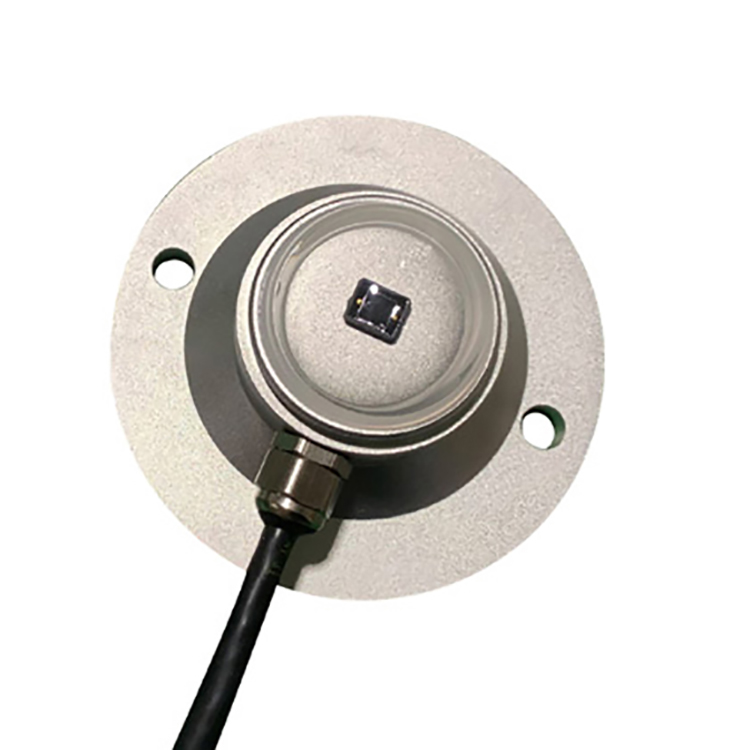
NBL-W-SDS Sunshine Duration Sensor is a high-end weather observation device designed for continuous monitoring of sunshine duration. The sensor integrates precise measurement technology and durable design concepts to ensure stable and highly accurate data in a variety of climatic conditions. By accurately sensing solar radiation, the sensor starts timing when the radiation voltage exceeds a threshold of 200mv and automatically resets at zero point each day to ensure accurate ···
Tel/WhatsApp:+8615367865107
Email:Arvin@niubol.com +Nearly 100 partner companies in more than 75 countries. We are committed to providing high-quality, practical products to meet your needs and help you solve problems. Our products comply with international standards and are certified with ISO, CE and RoHS.Product Details
The NiuBoL NBL-W-SDS Sunshine Duration Sensor is designed for continuous monitoring of daily sunshine duration. It measures accumulated sunshine time from 0 to 24 hours with a resolution of 0.1 hours, providing sunshine-hour data for meteorological observations, agriculture, solar energy studies and environmental monitoring.
The sensor uses a high-precision photosensitive element to detect incoming solar radiation. When the internal radiation signal exceeds a preset threshold of 200 mV, the instrument accumulates sunshine time. The accumulated duration is reset at the beginning of each new day, allowing daily sunshine hours to be recorded by a compatible data logger.
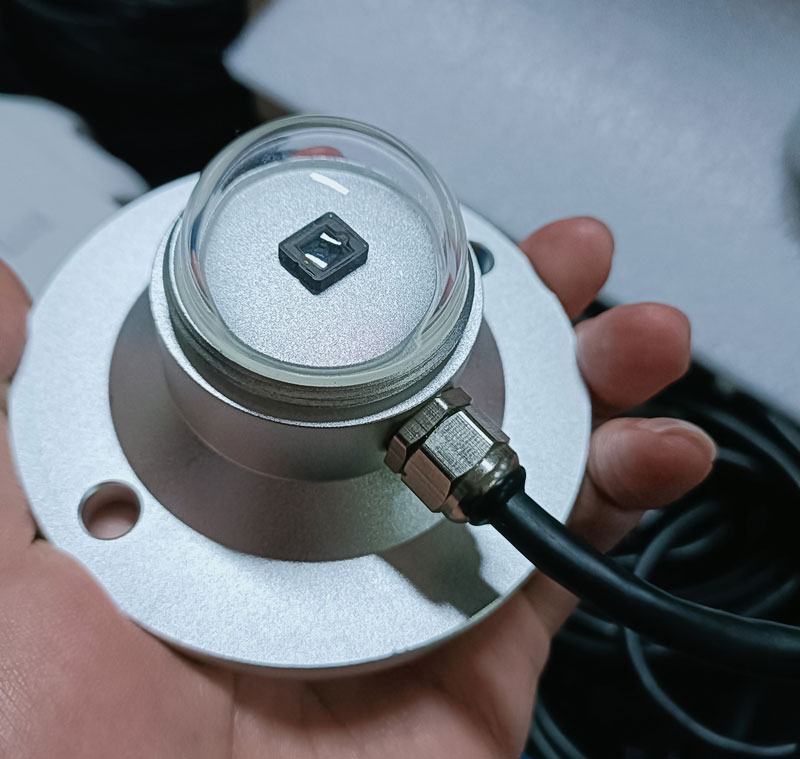
The NBL-W-SDS Sunshine Duration Sensor has no moving measurement parts and features a protective quartz glass cover, low power consumption and multiple output options, including RS485 Modbus RTU, 4–20 mA, 0–5 V and 0–2.5 V. It is suitable for outdoor automatic weather stations and unattended environmental monitoring systems.
| Parameter | Specification |
|---|---|
| Model | NBL-W-SDS |
| Product Name | Sunshine Duration Sensor |
| Measured Parameter | Accumulated Sunshine Duration |
| Measurement Range | 0–24 hours |
| Resolution | 0.1 hour |
| Sunshine Detection | Photoelectric threshold detection |
| Preset Signal Threshold | 200 mV |
| Spectral Range | 0.3–3 μm |
| Response Time | Less than 5 seconds |
| Temperature Dependence | Less than ±0.08%/°C |
| Cosine Response | Less than ±10% at a solar altitude angle of 10° |
| Nonlinearity | Less than ±2% |
| Annual Variation | Less than ±2% |
| Power Supply | DC 12–24 V |
| Output Options | RS485 / 4–20 mA / 0–5 V / 0–2.5 V |
| RS485 Protocol | Modbus RTU |
| Power Consumption | 0.15 W |
| Standard Cable Length | 2.5 m; other lengths available |
| Current Output Load | RL ≤250 Ω |
| Voltage Output Load | RL ≥1 kΩ |
| Operating Temperature | -50 to 80°C |
| Operating Humidity | ≤100% RH |
| Sensor Weight | Approximately 420 g |
| Weight with Transmitter | Approximately 760 g |
Output types are selectable product configurations. The required RS485, current or voltage output should be specified when ordering.
Sunshine duration is the accumulated period during which the solar radiation signal meets the instrument's sunshine detection criterion. The NBL-W-SDS uses a photosensitive element to detect incoming solar radiation and an electronic circuit to evaluate the signal against a preset threshold.
When the detected radiation signal exceeds the instrument's 200 mV threshold, sunshine time is accumulated. The system evaluates sunshine conditions at minute intervals and provides the accumulated duration in hours.
The accumulated daily sunshine duration is cleared at the daily reset point. A connected monitoring system can read the current accumulated value and store daily records for later comparison or analysis.
| Measurement Step | Operation |
|---|---|
| 1. Solar Radiation Detection | The photosensitive element receives incoming solar radiation through the quartz glass cover. |
| 2. Threshold Evaluation | The electronics compare the optical signal against the 200 mV detection threshold. |
| 3. Time Accumulation | Qualifying sunshine intervals are added to the daily accumulated duration. |
| 4. Data Output | The accumulated sunshine time is supplied through the selected digital or analog output. |
| 5. Daily Reset | The daily sunshine counter resets for the next observation day. |
The 200 mV threshold is an instrument-specific electrical signal criterion. Standard meteorological definitions of sunshine duration may use a direct normal solar irradiance threshold of 120 W/m². Compliance with a particular meteorological observation standard requires separate verification of the measurement method and calibration.
Daily Sunshine Measurement
Accumulates sunshine duration from 0 to 24 hours with 0.1-hour output resolution.
Photoelectric Detection
Uses an optical sensing element and electronic threshold detection.
Quartz Glass Cover
Protects the photosensitive element from direct environmental exposure.
No Moving Parts
Provides a compact measurement structure with reduced mechanical maintenance.
Multiple Output Options
RS485 Modbus RTU, 4–20 mA, 0–5 V and 0–2.5 V configurations.
Low Power Consumption
Approximately 0.15 W for energy-conscious monitoring system design.
Sunshine duration, solar irradiance and photosynthetically active radiation describe different aspects of incoming sunlight. Selecting the correct sensor depends on the parameter required by the monitoring project.
| Sensor | Measurement | Unit |
|---|---|---|
| Sunshine Duration Sensor | Accumulated qualifying sunshine time | h |
| Pyranometer | Solar irradiance on a measurement surface | W/m² |
| PAR Sensor | Photosynthetic photon flux density | μmol/m²/s |
A sunshine duration sensor is suitable for recording how long sunshine conditions occur during the day. For solar photovoltaic performance analysis or solar energy calculations, a calibrated solar radiation sensor may also be required. For greenhouse plant-light measurements, a PAR sensor is generally more appropriate.
The NBL-W-SDS Sunshine Duration Sensor supports several output configurations for integration with weather stations, PLCs and data acquisition systems. The appropriate version should be selected according to the receiving controller's available inputs.
| Output | Typical Integration |
|---|---|
| RS485 Modbus RTU | Weather station controllers, data loggers, PLCs and IoT gateways with RS485 inputs. |
| 4–20 mA | Industrial analog input modules and remote monitoring systems. |
| 0–5 V | Compatible voltage-input data acquisition equipment. |
| 0–2.5 V | Controllers and data loggers with low-voltage analog inputs. |
For the 4–20 mA output version, the accumulated sunshine duration is calculated using:
T = (I - 4) / 16 × 24
T = sunshine duration in hours (h); I = measured output current in milliamperes (mA).
| Output Current | Sunshine Duration |
|---|---|
| 4 mA | 0 h |
| 8 mA | 6 h |
| 12 mA | 12 h |
| 16 mA | 18 h |
| 20 mA | 24 h |
The RS485 version can transmit the accumulated sunshine duration to a compatible data logger or industrial monitoring controller using Modbus RTU. The instrument communicates at a default baud rate of 9600 bps and supports Modbus function code 03 for reading measurement data.
| Communication Interface | RS485 |
| Protocol | Modbus RTU |
| Default Baud Rate | 9600 bps |
| Data Bits | 8 |
| Parity | None |
| Stop Bits | 1 or 2 bits, as configured |
| Read Function Code | 03 |
| Measurement Register | 0000H |
| Register Quantity | 1 register |
| Data Scaling | Raw value ÷ 10 = sunshine hours |
| Minimum Communication Interval | 1,000 ms |
For a sensor with address 01, the following example reads the accumulated sunshine duration:
| Request (HEX) | 01 03 00 00 00 01 84 0A |
| Response (HEX) | 01 03 02 00 05 78 47 |
| Raw Data | 0005H = 5 |
| Sunshine Duration | 5 ÷ 10 = 0.5 h |
For multi-sensor RS485 networks, each device should have a unique address. Power supply capacity, termination, cable length and data polling intervals should be considered when integrating several sensors into one monitoring system.
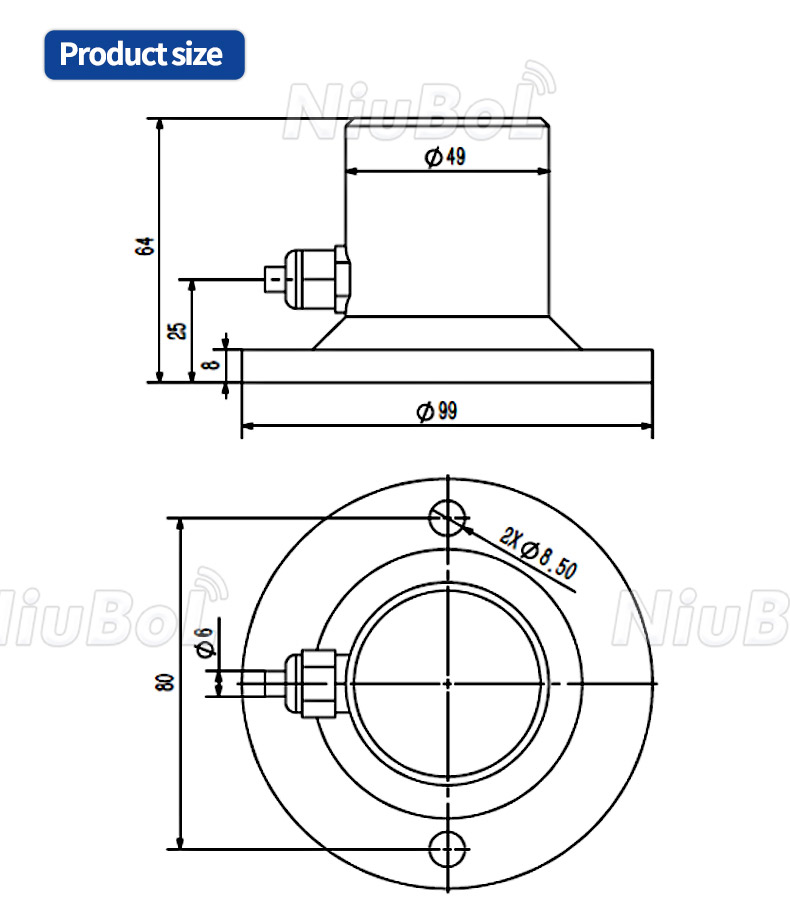
The sensor should be installed in an unobstructed location where the sensing surface can receive representative sunlight throughout the observation period. Installation on a level and stable mounting bracket helps maintain consistent measurements.
| Installation Item | Recommendation |
|---|---|
| Location | Select an open position away from buildings, trees and other objects that may shade the sensor. |
| Mounting Bracket | Ensure that the support bracket is level and mechanically stable. |
| Mounting Hardware | Secure the sensor using the two mounting holes and appropriate M6 bolts, nuts and washers. |
| Optical Surface | Keep the quartz glass cover free from dust, oil, debris and other contamination. |
| Electrical Connection | Disconnect power before wiring and verify the output configuration and cable identification. |
| Maintenance Access | Provide safe access for cleaning and inspection. |
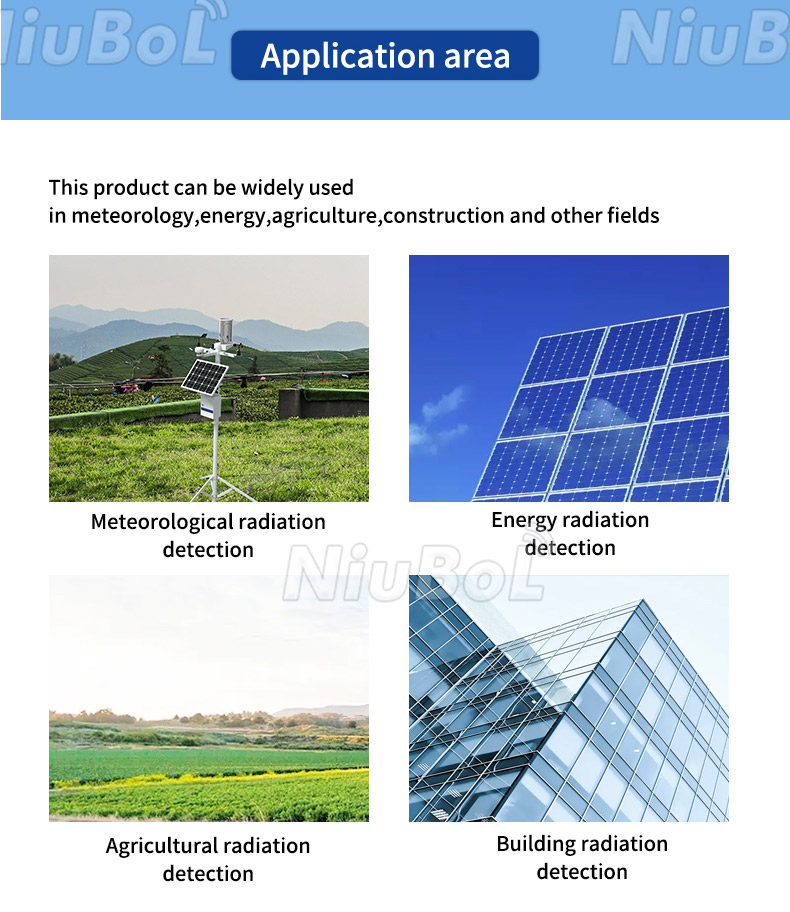
| Application | Monitoring Value |
|---|---|
| Meteorological Stations | Record daily sunshine hours as part of routine meteorological observations. |
| Agricultural Monitoring | Compare sunshine duration across growing seasons and crop cultivation periods. |
| Solar Energy Studies | Supplement irradiance measurements with sunshine-hour statistics. |
| Climate Research | Build long-term records of daily and seasonal sunshine duration. |
| Building Research | Support studies of sunlight exposure and building environmental conditions. |
| Ecological Monitoring | Provide sunshine-duration records for habitat and vegetation studies. |
The NBL-W-SDS can form part of an automatic weather station or environmental monitoring system. Depending on the selected output configuration, the sensor connects to a compatible RS485, analog current or analog voltage input.
| System Component | Function |
|---|---|
| NBL-W-SDS Sunshine Duration Sensor | Measures accumulated daily sunshine duration. |
| Data Logger / PLC | Reads, stores and processes the sunshine-duration value. |
| Communication Gateway | Optionally transmits records through 4G, Ethernet or another supported communication interface. |
| Monitoring Platform | Displays daily sunshine hours and long-term records. |
For daily sunshine statistics, the monitoring system should retain the final accumulated value before the sensor's daily reset. The collection schedule and observation-day timing should be coordinated with the logger configuration.
| Condition | Recommended Check |
|---|---|
| Unexpectedly Low Reading | Check shading, optical-surface contamination and actual sunshine conditions. |
| No Output Signal | Check DC supply voltage, cable connections and output compatibility. |
| Incorrect Analog Reading | Verify the selected output range, load impedance and conversion formula. |
| RS485 Communication Failure | Check device address, baud rate, RS485 polarity and communication timing. |
| Incomplete Daily Records | Verify logger recording frequency, daily reset timing and data retention. |
A1. It measures accumulated sunshine duration, expressed in hours, over a measurement range of 0–24 h.
A2. The output resolution is 0.1 hours, equivalent to 6 minutes.
A3. It uses a photosensitive element and an internal 200 mV signal threshold. Sunshine time is accumulated when the measurement signal exceeds this threshold.
A4. No. Its primary output is accumulated sunshine duration in hours. A pyranometer should be selected when solar irradiance in W/m² is required.
A5. Yes. An RS485 Modbus RTU output version is available for connection to compatible weather stations and data loggers.
A6. Yes. Available output options include 4–20 mA, 0–5 V, 0–2.5 V and RS485. The required output configuration should be specified when ordering.
A7. Yes. The instrument performs a daily reset. A compatible data logger should preserve the completed daily measurement record before the reset.
A8. Yes. With approximately 0.15 W power consumption and DC 12–24 V supply, it can be integrated into a correctly sized solar-powered monitoring system.
A9. Routine inspection and cleaning of the quartz glass cover are recommended. Dust, oil and other contamination on the optical surface can affect measurements.
 NBL-W-SDS-Sunshine-Duration-Sensor-Data-Sheet.pdf
The NiuBoL NBL-W-SDS Sunshine Duration Sensor provides daily sunshine-hour measurements for automatic weather stations, agricultural monitoring, solar energy studies, building research and environmental observation systems.
With a 0–24 h measurement range, 0.1 h resolution, low power consumption and selectable RS485 or analog outputs, the sensor can be integrated into new monitoring systems or existing data acquisition equipment.
For product selection and quotation, specify the required output type, power supply, cable length, installation arrangement and data acquisition system.
Prev:3D Ultrasonic Anemometer RS485 Modbus U/V/W | NBL-W-3D-UWDS
Next:8-in-1 Ultrasonic Weather Station Sensor with PM2.5 PM10 Noise | NBL-W-81GUWS
Sensors & Weather Stations Catalog
 Agriculture Sensors and Weather Stations Catalog-NiuBoL.pdf
Weather Stations Catalog-NiuBoL.pdf
Agriculture Sensors Catalog-NiuBoL.pdf
Water Quality Sensor Catalog-NiuBoL.pdf
Related recommendations
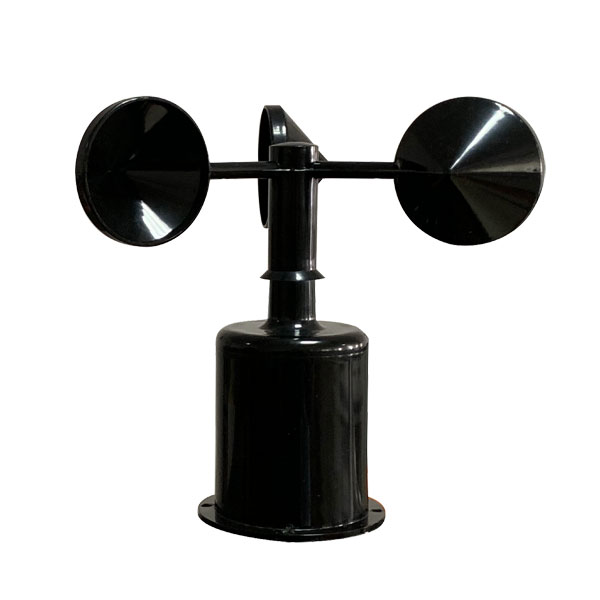 Wind Speed sensor Output Modbus/RS485/Analog/0-5V/4-20mA
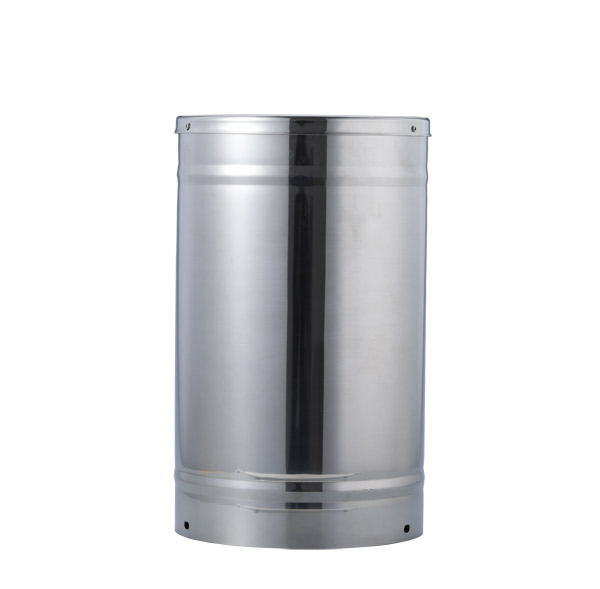 Tipping bucket rain gauge for weather monitoring auto rainfall sensor RS485/Outdoor/stainless steel
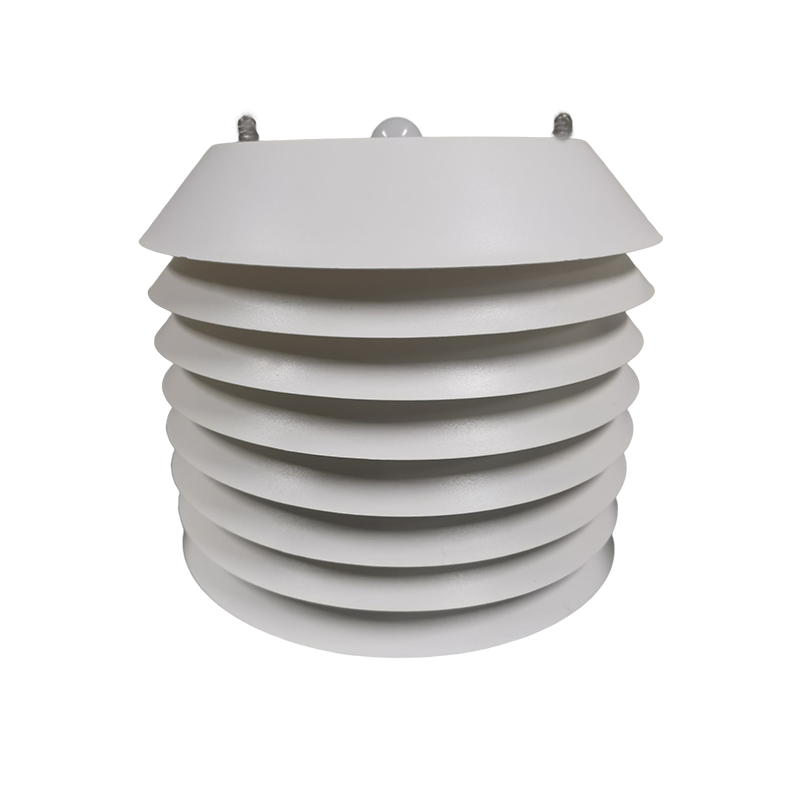 5-in-1 Temperature, Humidity, Air Pressure, Illumination, CO2 Sensor
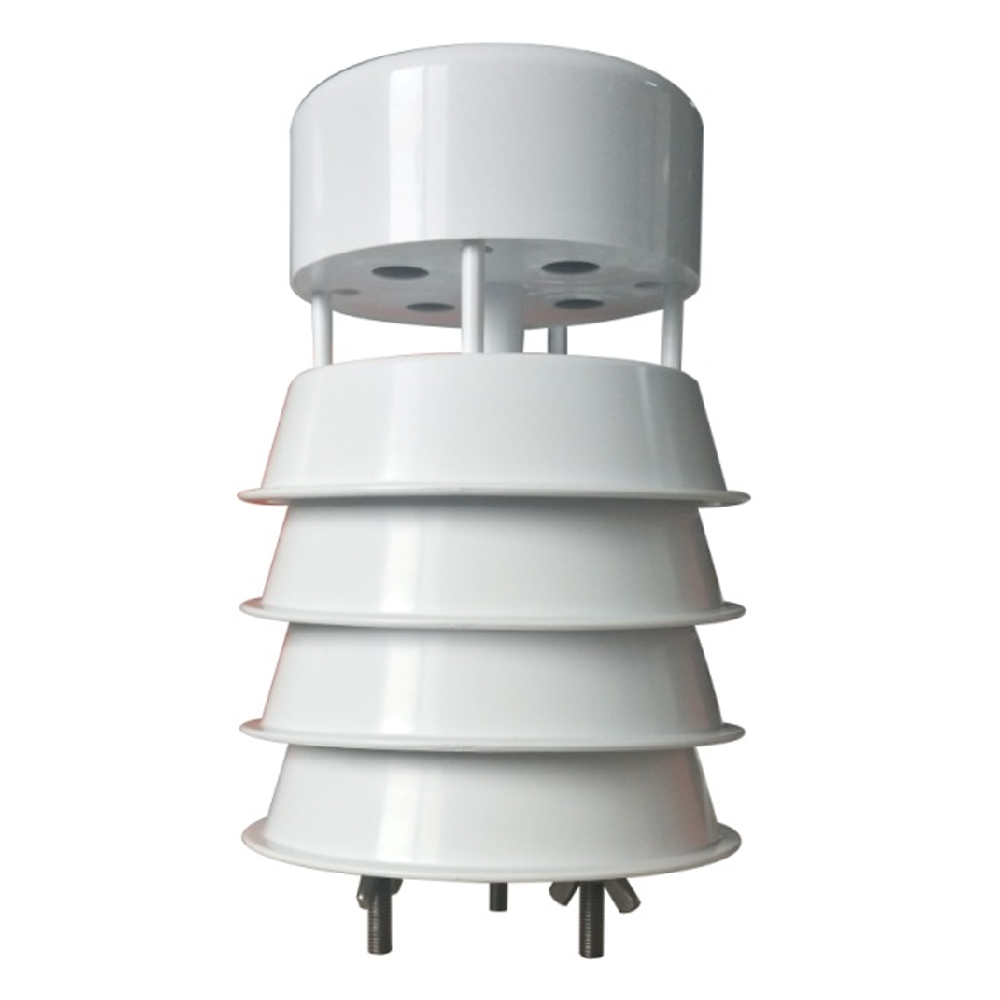 5-in-1 Ultrasonic Weather Station Sensor RS485 | NBL-W-51MUWS
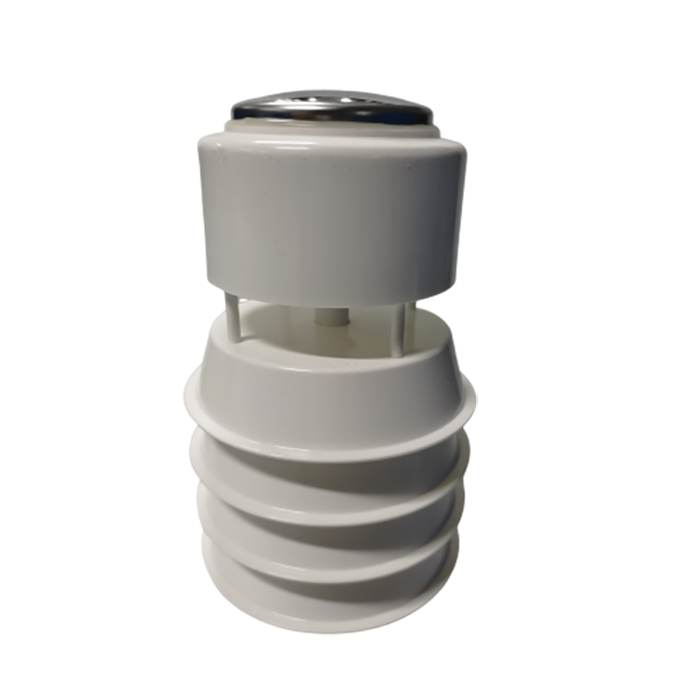 6-in-1 Ultrasonic Weather Station Sensor with Rainfall | NBL-W-61MUWS 7-in-1 Ultrasonic Weather Sensor with Rainfall & illuminance | NBL-W-71MUWS

Screenshot, WhatsApp to identify the QR code
WhatsApp number:+8615367865107
(Click on WhatsApp to copy and add friends)