






— Download —
—Products—
 Consumer hotline +8618073152920
 WhatsApp:+8615367865107
Address:Room 102, District D, Houhu Industrial Park, Yuelu District, Changsha City, Hunan Province, China
Product catalog
Time:2026-02-03 13:29:34 Popularity:6
In the ecosystem architecture of Smart Agriculture, “perception” is the starting point for all logical decision-making. As agriculture transitions from traditional “relying on the weather” to “digitally driven”, agricultural micro-meteorological monitors are no longer simple observation devices but key perception terminals in IoT integrated systems.
NiuBoL, as a global environmental monitoring hardware manufacturer, is committed to providing high-performance, easy-to-integrate farmland meteorological monitoring solutions for system integrators, IoT solution providers, and engineering companies. This article deeply explores the core value of micro-meteorological monitors in smart agriculture from dimensions such as technical architecture, model support, and project engineering practice.
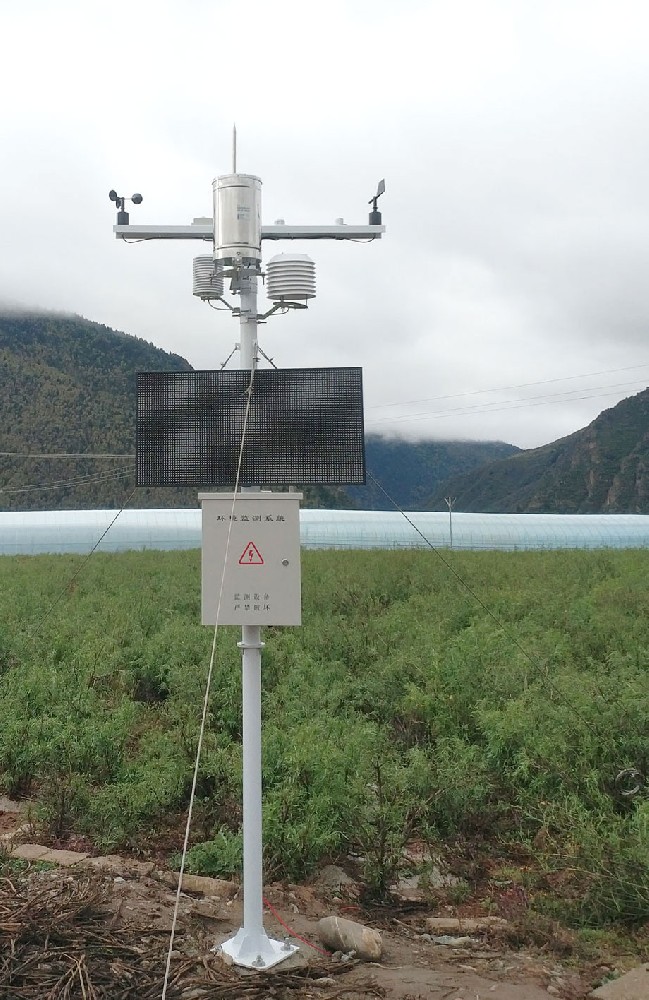
For smart agriculture project contractors, micro-meteorological monitors (Agro-meteorological Stations) serve as a bridge connecting physical farmland with digital twin platforms. Their core function is to provide high-quality, high spatiotemporal resolution environmental data streams.
1. Driving Precision Agriculture Models (Precision Ag Models)
High-quality data input is the “oxygen” for efficient operation of agricultural algorithm models:
Crop growth models: Real-time collected air temperature and humidity, effective light radiation, and precipitation data are core parameters for predicting crop development stages, leaf area index, and yield potential.
Pest and disease prediction models: The outbreak of many pests and diseases is closely related to specific temperature and humidity thresholds. By monitoring field microclimates, the system can achieve early warning of pest and disease occurrence probabilities.
Integrated water and fertilizer decision-making: Based on real-time soil moisture (Soil Moisture), potential evapotranspiration (ET0), and rainfall forecasts, precisely calculate crop water requirements to achieve automated closed-loop control of irrigation systems.
2. Enabling Intelligent Linkage of Agricultural Equipment
In modern farms, farmland weather instruments act as “logic switches” to trigger automated operations:
Frost protection system linkage: When near-ground temperature is monitored to drop to the critical freezing damage point, the system can automatically activate high-power fans or frost protection smoke systems.
Controlled environment agriculture regulation: In greenhouse projects, based on light intensity and barometric pressure changes, link control of shading nets, ventilation windows, and supplementary lights to build the optimal micro-environment.
Drainage and irrigation system automation: Combined with soil temperature and humidity sensors, when soil moisture falls below the set threshold and no effective rainfall is expected, automatically trigger water and fertilizer machine operations.
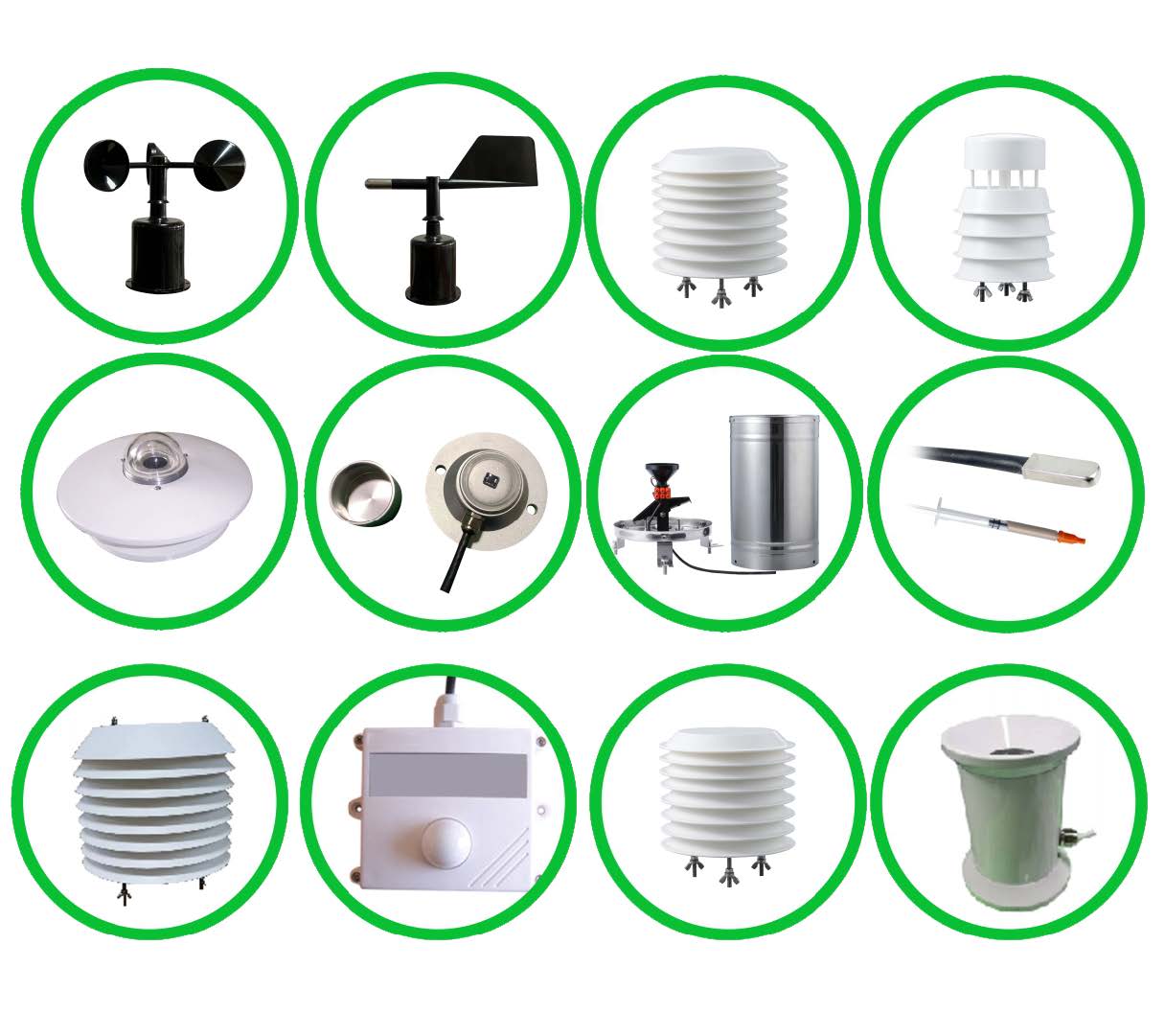
NiuBoL agricultural micro-meteorological monitors adopt a modular design, supporting flexible sensor configuration according to specific project requirements. Standard monitoring elements cover:
Atmospheric environmental elements: Air temperature, relative humidity, barometric pressure.
Light energy resource elements: Light intensity, photosynthetically active radiation (PAR), sunshine duration.
Hydrometeorological elements: Precipitation amount, precipitation intensity, wind speed, wind direction.
Soil physical elements: Soil temperature and humidity at different depths, soil electrical conductivity (EC value), soil pH value.
All sensors use standardized signal output. For B2B integrators, we have strengthened the compatibility of communication interfaces:
Wired integration: Standard RS485 interface, supporting Modbus RTU protocol, convenient for access to PLC or industrial gateways.
Wireless transmission: Supports 4G, 5G, LoRaWAN and other low-power wide-area network (LPWAN) technologies, adapting to networking needs in remote farmlands.
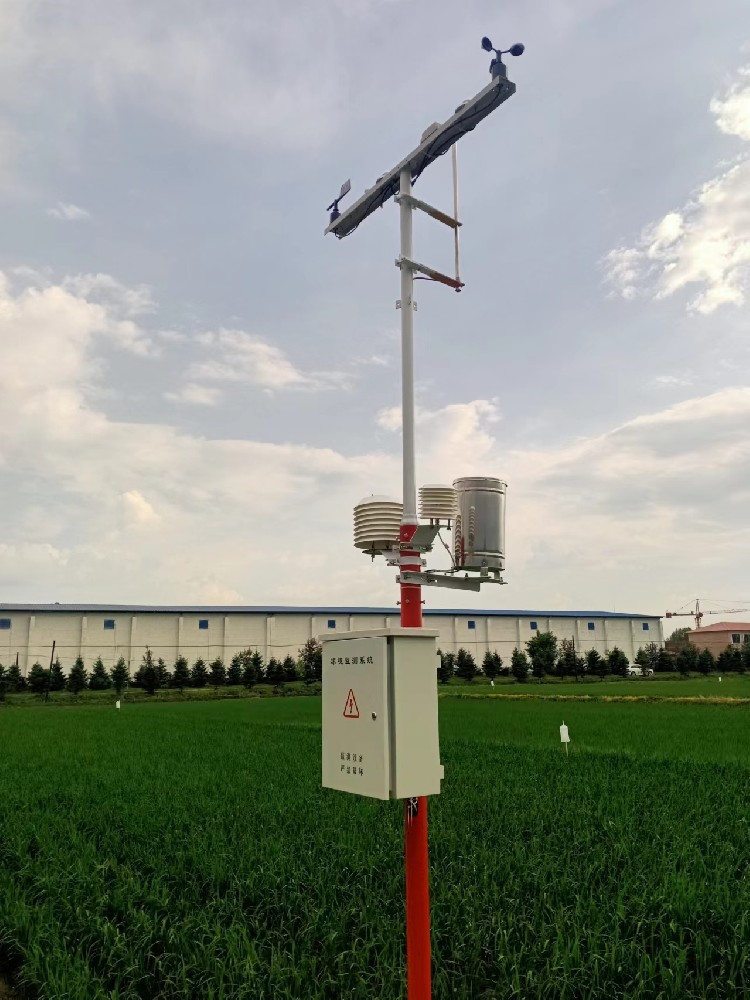
In the process of smart agriculture bidding and project implementation, selection strategy directly affects later O&M costs and system lifespan.
1. Environmental Adaptability and Protection Rating
Farmland environments face high temperature, high humidity, fertilizer corrosion, and lightning strikes. Integrators should prioritize equipment with IP66 or higher protection rating and corrosion-resistant materials (such as ASA engineering plastic or 304 stainless steel). NiuBoL sensors have undergone rigorous salt spray and high/low temperature aging tests.
2. System Compatibility and Scalability
In large-scale agricultural IoT projects, weather stations need to interface with video surveillance, water-fertilizer controllers, and cloud platforms of different brands. Weather stations supporting standard industrial protocols can greatly reduce protocol parsing and secondary development costs.
3. Low-Power Design and Energy Self-Sufficiency
For deployment in areas without electricity, equipment must support solar power supply systems and ultra-low power standby modes. The integrated power supply solutions provided by NiuBoL ensure uninterrupted operation of monitors even during consecutive rainy days.
4. Maintenance Convenience
Choosing equipment with aviation plug and integrated bracket design can significantly shorten on-site construction cycles and reduce the technical difficulty of later sensor replacement.
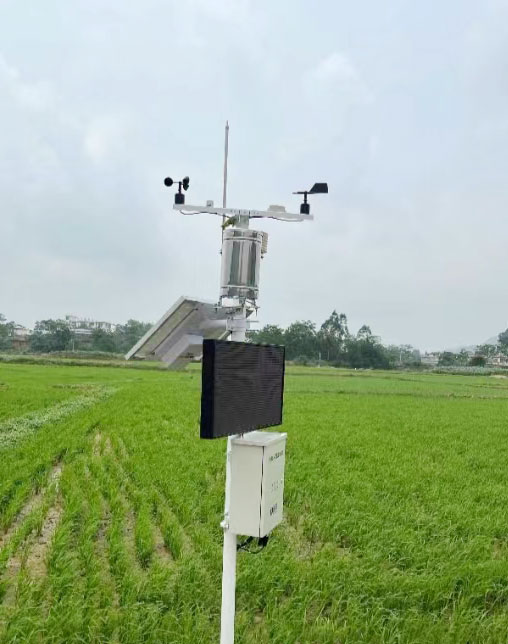
Purchasing is not “one-size-fits-all”. NiuBoL recommends modular selection based on specific project attributes:
| Application Scenario | Recommended Core Elements | Engineering Focus Points |
|---|---|---|
| High-Standard Farmland Construction | Precipitation amount, wind speed and direction, multi-layer soil moisture | Long-term maintenance-free performance and lightning protection capability of the equipment |
| Facility Horticulture (Greenhouse) | Photosynthetically active radiation (PAR), CO2 concentration, indoor temperature and humidity | Sensor response speed and flexibility for small-space deployment |
| Orchard/Tea Garden Monitoring | Micro-climate, leaf wetness, low-temperature warning | Wireless penetration capability for complex terrain |
| Scientific Research/Breeding Base | Sunshine duration, spectral radiation, soil heat flux | Extremely high sampling frequency and traceability accuracy of data |
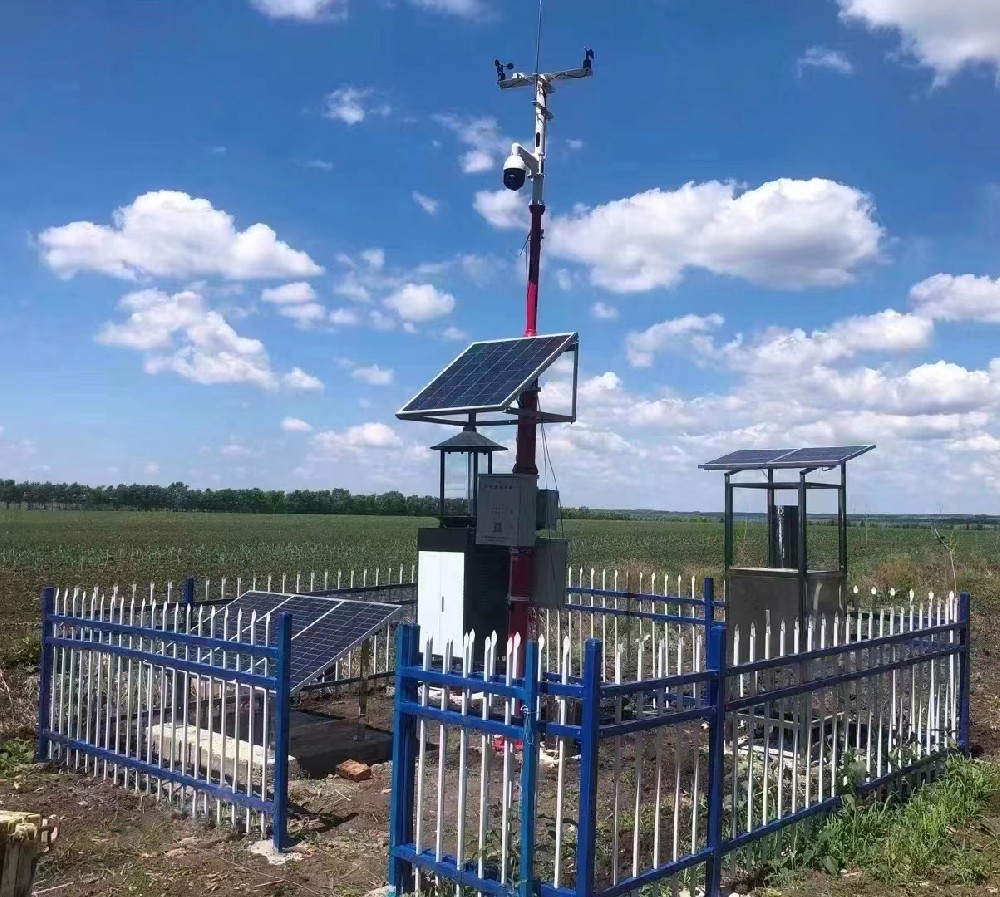
Q1: Does the NiuBoL agricultural micro-meteorological instrument support access to third-party agricultural big data platforms?
A1: Yes. We provide complete register address tables and protocol documents, supporting seamless docking with any gateway or third-party cloud platform with transparent transmission capabilities via standard Modbus RTU protocol.
Q2: What is the calibration cycle for sensors used in the field?
A2: Industrial-grade sensors are recommended to undergo accuracy verification every 12-24 months. For soil moisture sensors, due to differences in soil physical properties, on-site calibration is recommended during installation to achieve optimal accuracy.
Q3: For large farms, how to achieve data synchronization for grid-based deployment?
A3: We recommend an architecture of “wireless gateway + multiple meteorological terminals”. Through 4G/5G communication, all node data can be synchronously uploaded to the central control system, enabling refined agricultural meteorological disaster risk mapping.
Q4: What is the specific value of micro-meteorological monitors for pest and disease control?
A4: The spread of many fungal diseases depends on “leaf wetness” and “sustained temperature-humidity combinations”. By monitoring these micro-meteorological parameters, models can provide early warnings 3-5 days in advance of disease outbreak windows, helping farmers use pesticides precisely.
Q5: How is the system’s lightning protection design considered?
A5: NiuBoL integrates multi-level lightning and surge protection measures in both sensor internal circuits and external acquisition boxes, complying with GB/T 17626 and other industrial electromagnetic compatibility standards, reducing damage risks in field operations.
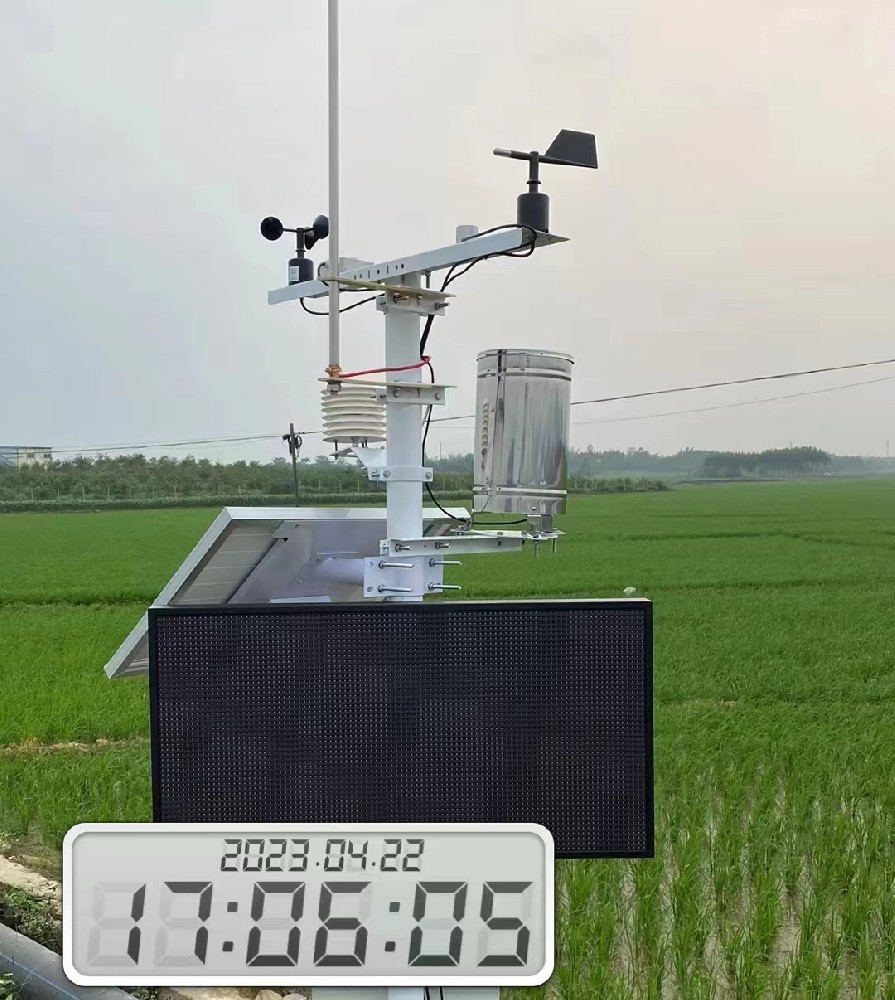
Q6: Does it support customization of specific monitoring elements, such as carbon dioxide (CO2) concentration?
A6: Yes. Our data loggers have multi-channel expansion capabilities and can add special sensors such as CO2, photosynthetically active radiation, soil EC value, etc., according to project needs.
Q7: For small agricultural projects with limited budgets, are there more cost-effective solutions?
A7: We provide “five-element integrated sensors” that integrate the most core meteorological elements into a single hardware unit, reducing hardware procurement costs while significantly cutting labor costs for installation and commissioning.
Q8: What technical support services can NiuBoL provide to integrators?
A8: We offer full lifecycle support from pre-sales selection advice, communication protocol docking, customized OEM services to after-sales remote technical guidance, ensuring integrators can efficiently complete project delivery.
Q9: What role can agricultural micro-meteorological monitors play in “carbon neutrality” agricultural projects?
A9: Through high-precision soil respiration monitoring and temperature-humidity records, the system can assist in calculating farmland carbon sink capacity and greenhouse gas emission intensity, providing core data support for carbon trading and sustainable agriculture projects.
Q10: How does NiuBoL address high humidity and chemical corrosion issues in agricultural field sites?
A10: Our sensor circuit boards are treated with three-proof paint coating process, the enclosures use industrial-grade polymers resistant to ultraviolet rays and acid rain corrosion, and core interfaces have good sealing to ensure no signal drift in frequent spraying and high-humidity environments.
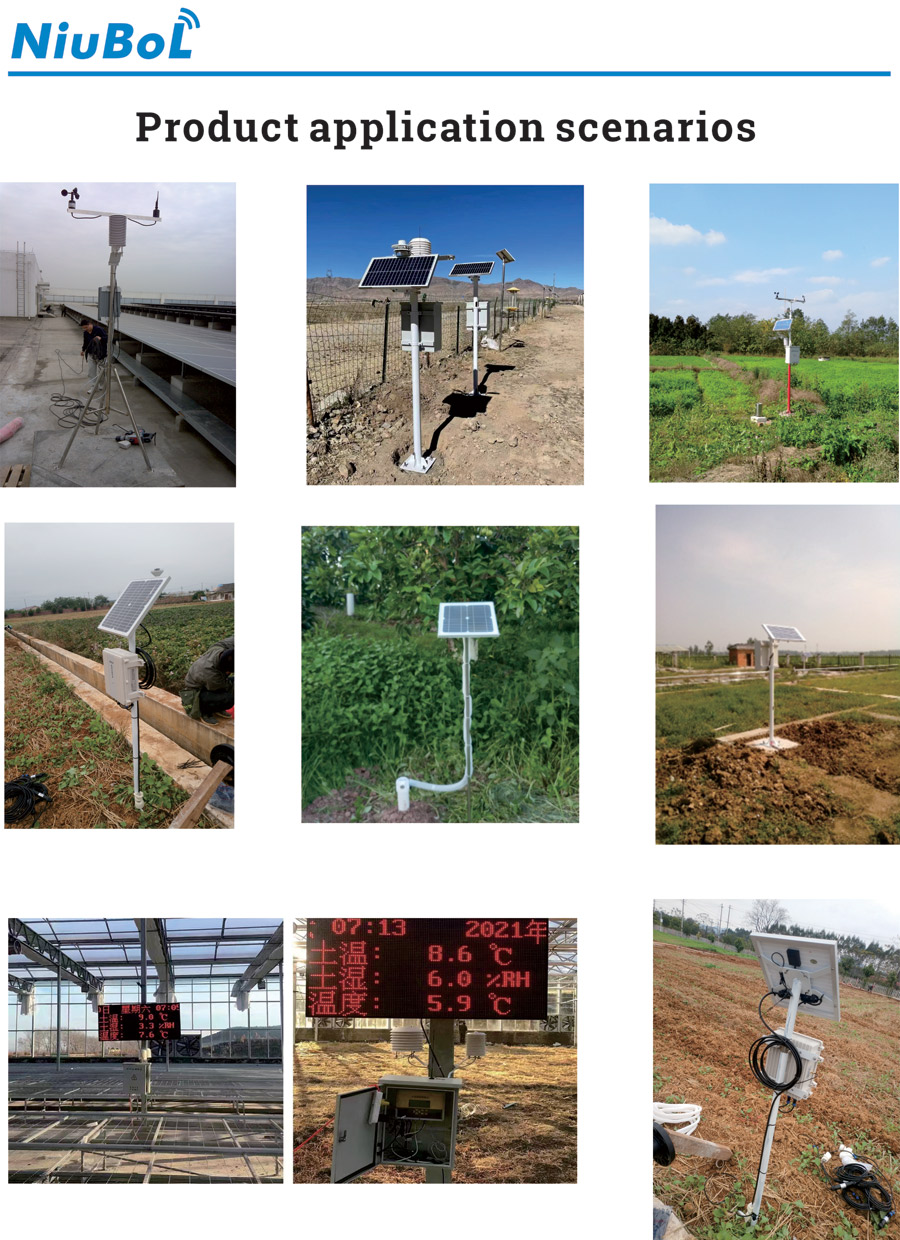
The implementation of smart agriculture lies not only in fancy software interfaces but more importantly in high-precision, high-frequency perception capabilities at the production frontline. As the underlying architecture of “digital farmland”, agricultural micro-meteorological monitors are the core engines driving precision planting and scientific decision-making.
For system integrators and engineering companies, choosing NiuBoL not only means selecting high-quality monitoring hardware but also gaining a strategic partner deeply familiar with industrial standards and agricultural scenarios. We will continue to strengthen hardware performance to help global partners seize the initiative in the wave of smart agriculture.
Are you looking for stable and reliable agricultural environmental perception solutions? NiuBoL is now recruiting IoT partners globally. Contact our engineering consultants to obtain the latest product manuals, Modbus protocol tables, and major customer procurement support. Click to contact us and build the most solid data foundation for your smart agriculture projects!
Related recommendations
Sensors & Weather Stations Catalog
 Agriculture Sensors and Weather Stations Catalog-NiuBoL.pdf
Weather Stations Catalog-NiuBoL.pdf
Agriculture Sensors Catalog-NiuBoL.pdf
Related products
 Combined air temperature and relative humidity sensor
 Soil Moisture Temperature sensor for irrigation
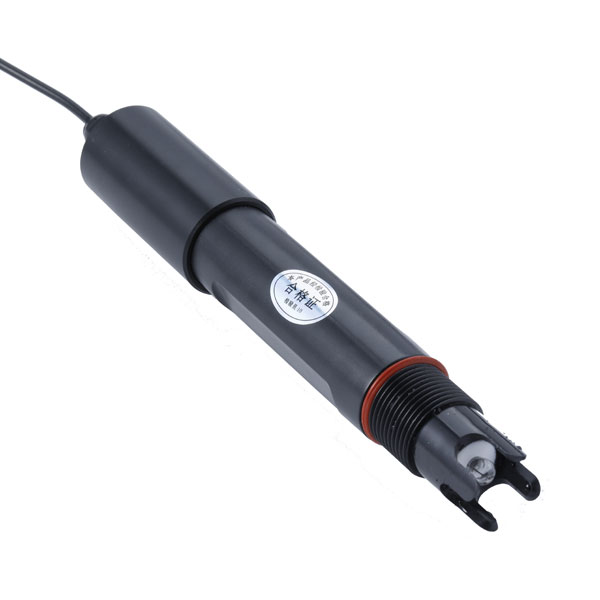 Soil pH sensor RS485 soil Testing instrument soil ph meter for agriculture
 Wind Speed sensor Output Modbus/RS485/Analog/0-5V/4-20mA
 Tipping bucket rain gauge for weather monitoring auto rainfall sensor RS485/Outdoor/stainless steel
 Pyranometer Solar Radiation Sensor 4-20mA/RS485

Screenshot, WhatsApp to identify the QR code
WhatsApp number:+8615367865107
(Click on WhatsApp to copy and add friends)

