





— Download —
—Products—
 Consumer hotline +8618073152920
 WhatsApp:+8615367865107
Address:Room 102, District D, Houhu Industrial Park, Yuelu District, Changsha City, Hunan Province, China
Product catalog
Time:2026-02-03 14:44:48 Popularity:10
As hydropower station system integrators, EPC contractors, etc., delivering compliant, stable, and economical hydraulic and electromechanical projects is the core mission. With the tightening of environmental regulations, ecological discharge flow monitoring has become a mandatory requirement for compliant operation and project acceptance of hydropower stations.
Currently, integrators often face pain points such as poor selection adaptation, insufficient equipment compatibility, unstable data transmission, and non-standard site layout, leading to prolonged project cycles, increased O&M costs, and heightened compliance risks. NiuBoL, from the integrator's perspective, builds a one-stop industrial-grade solution adapted to various hydropower stations, solving integration difficulties, helping reduce costs and increase efficiency, and ensuring smooth acceptance.
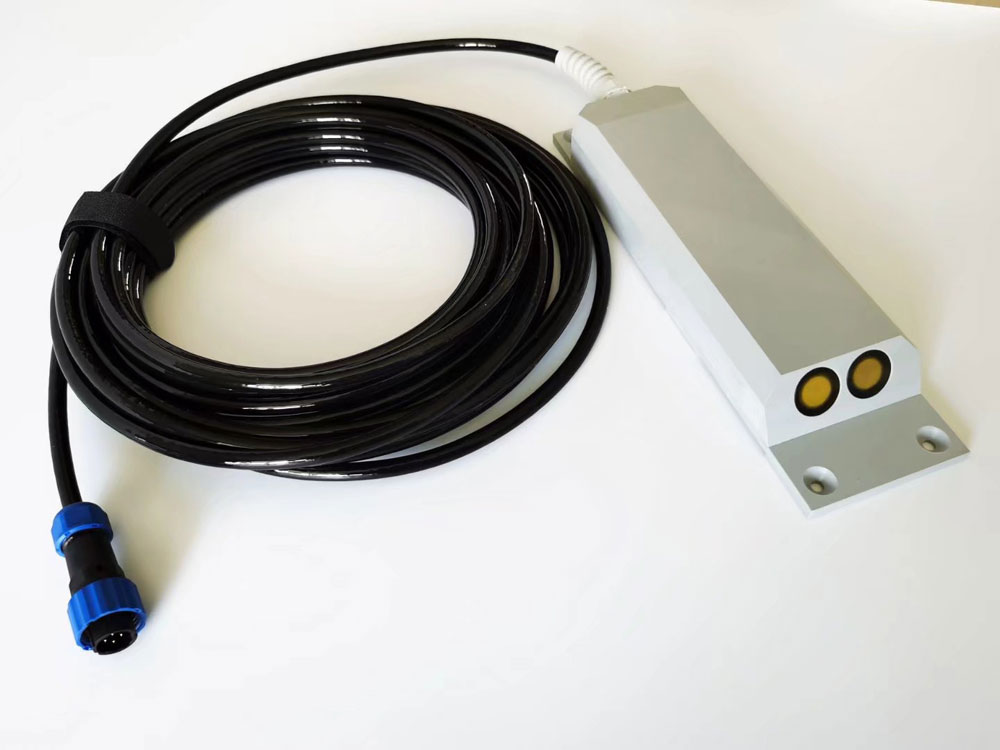
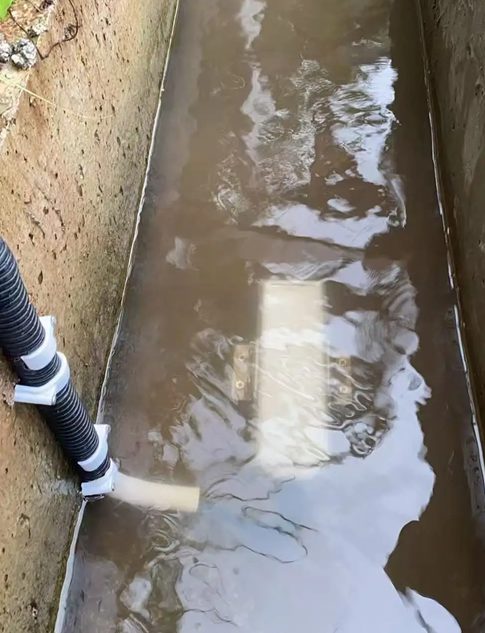
The NiuBoL ecological discharge flow monitoring system is specifically designed for hydropower station ecological discharge scenarios. It enables remote monitoring of water level, flow velocity, and discharge flow, integrated with video surveillance to achieve “data + video” dual verification, meeting environmental, ecological, and production safety requirements.
The system adopts a three-layer modular architecture of “perception layer - transmission layer - platform layer” with standardized interfaces and support for personalized customization. It consists of five core modules:
1. Water Level and Flow Perception Module
Offers diverse selection options to fit different integration scenarios:
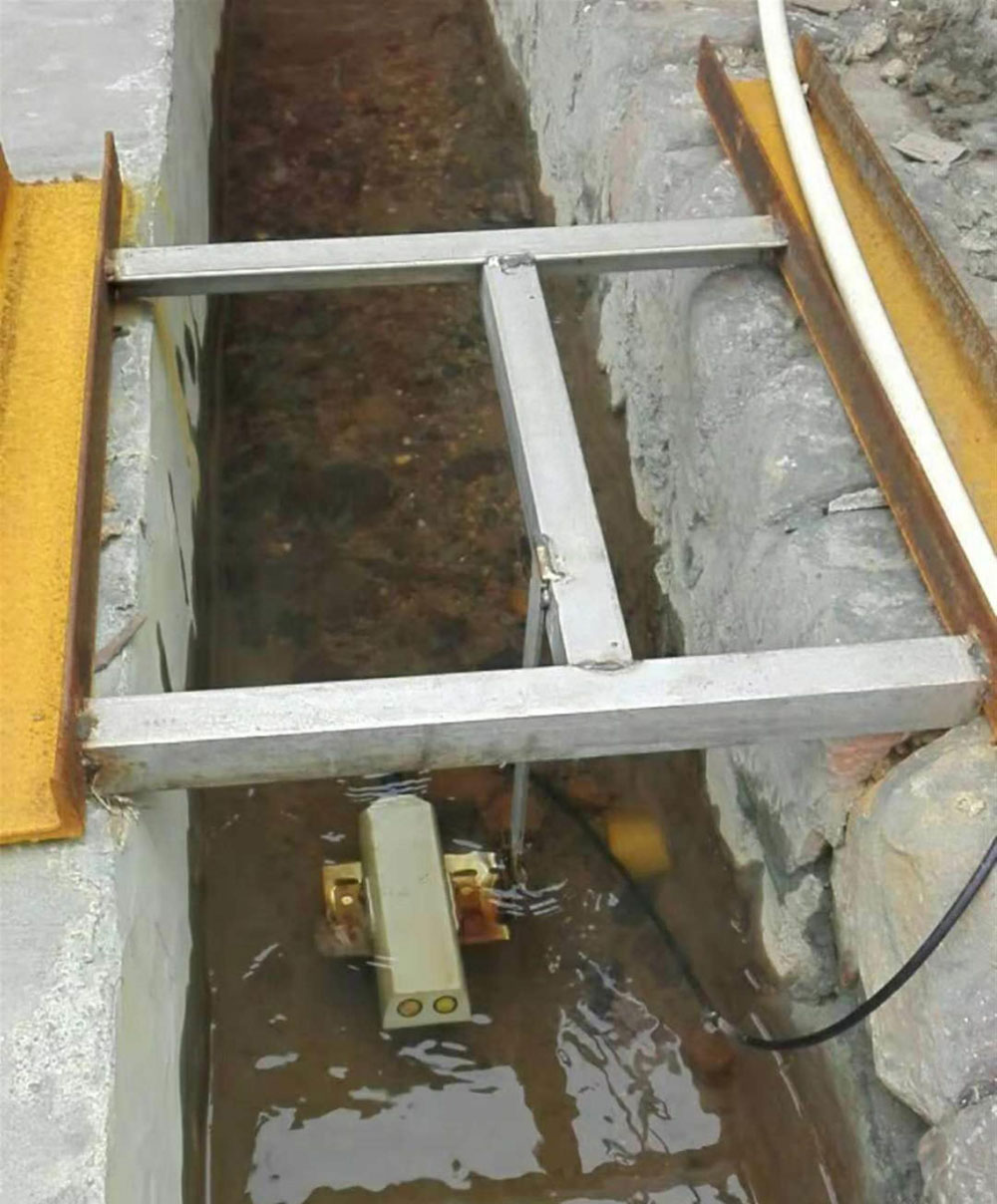
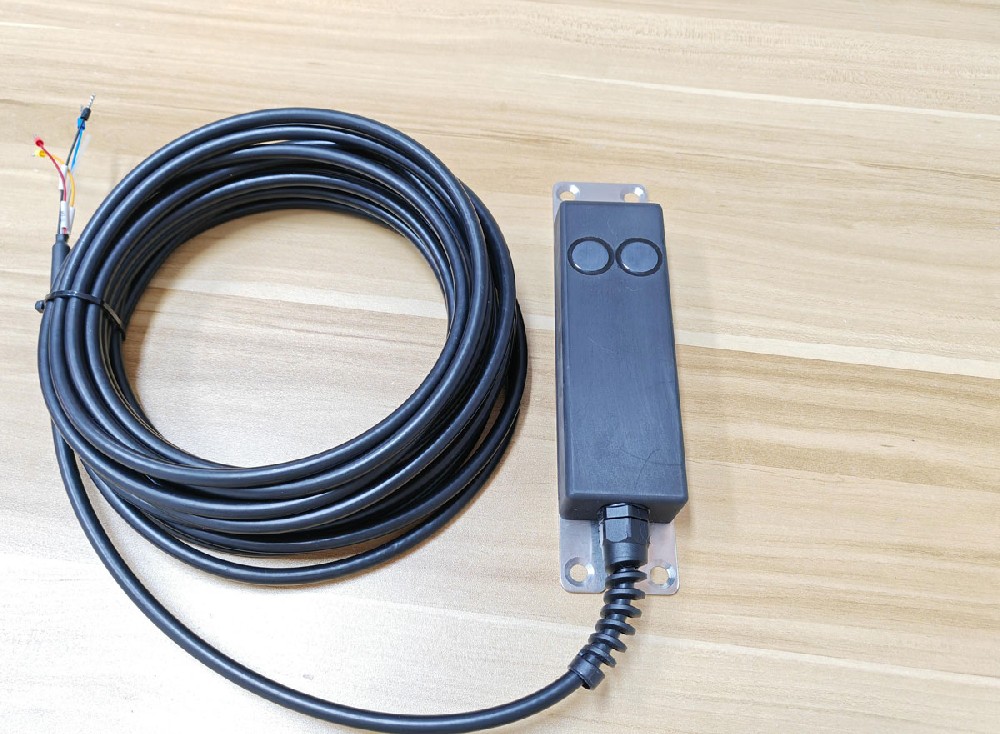
1. Doppler ultrasonic flowmeter (contact type): High precision and strong anti-interference, suitable for tailwater channels and other sediment-laden water bodies;
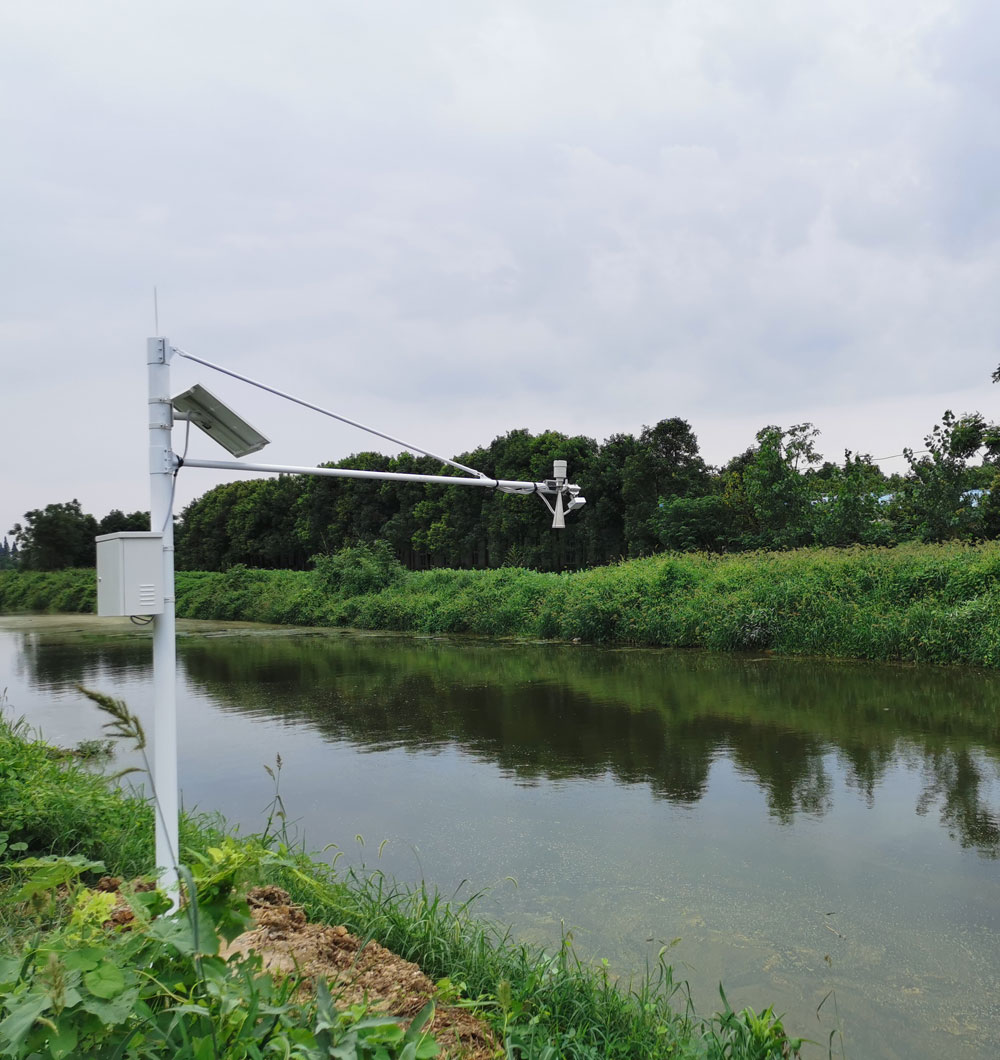
2. Radar flowmeter (non-contact type): No contact with water body, easy installation, suitable for natural river channels and discharge outlets in harsh environments.
2. Image and Video Surveillance Module
Equipped with industrial-grade high-definition waterproof cameras adapted to outdoor environments. Video and flow data are synchronously uploaded, providing intuitive evidence for equipment O&M and regulatory enforcement, reducing compliance risks for integrators.
3. Power Supply System Module
Diversified power supply adaptation to site conditions: Utility power supply is stable and convenient for sites near powerhouses; solar power supply requires no wiring, is energy-saving and environmentally friendly, suitable for remote sites without utility power, reducing construction costs.
4. Communication Transmission Module
Core uses NiuBoL industrial-grade telemetry terminal (RTU) for data acquisition, storage, and encrypted transmission, supporting forwarding to regulatory servers and solving data island issues.
5. Data Viewing and Management Module
Relies on NiuBoL intelligent cloud platform, supporting multi-role data viewing and management. Easy operation without professional training, significantly reducing integrator O&M and training costs.
NiuBoL focuses on standardized design, multi-scenario adaptation, and high-precision monitoring as core competitiveness, with three core technologies helping integrators improve delivery quality.
1. Multi-Mode Data Transmission Methods
Three standardized transmission methods adapted to different scenarios without additional development:
1. Fiber optic wired transmission: High speed and strong stability, suitable for large projects near networks with high transmission requirements;
2. GPRS/4G wireless communication: Flexible deployment and wide coverage, suitable for remote sites without wiring, reducing construction costs;
3. Beidou communication: Adapted to remote sites without network coverage, ensuring continuous data transmission.
All methods support MODBUS and HJ212 protocols for seamless docking with existing station systems, with encrypted data to prevent tampering.
2. Standardized Monitoring Site Layout
Follows the “Technical Specification for Ecological Flow Monitoring in Hydropower Stations”. Standardized principles are formulated for different hydropower stations: Priority monitoring points at discharge outlets; when inconvenient, select downstream river cross-sections of the dam; for diversion-type and mixed-type, cross-sections are set downstream of the powerhouse dam; for embankment-type, at the dam or downstream tailwater; when there are tributary inflows, cross-sections are set upstream of the confluence to avoid data interference.
3. High-Precision Flow Measurement Technology
Four flow measurement technologies for on-demand selection:
3.1.Conventional current meter method: Low cost and reliable precision, suitable for regular cross-sections in small and medium-sized stations;
3.2. Doppler ultrasonic flowmeter: Core selection, suitable for tailwater channels with sediment-laden water;
3.3. Radar wave flow measurement system: Non-contact, suitable for natural river channels in harsh environments;
3.4. Electromagnetic flowmeter: Only applicable to full-pipe discharge scenarios.
In actual projects, Doppler, radar, and electromagnetic flowmeters are mainly used, balancing precision and economy.
The NiuBoL cloud data platform adopts B/S architecture, requiring no client installation, supporting remote viewing and management to help integrators reduce O&M costs and ensure compliant acceptance.
Core functions: Unified site management, real-time/historical data viewing, data report export, video surveillance, multi-protocol adaptation. Advantages: Free use, support for self-built platform data parsing, easy operation, significantly reducing integrator costs and training pressure.
Five key selection points to help integrators avoid risks:
1. Prioritize standardized and modular solutions to reduce custom development;
2. Flow measurement equipment should match on-site scenarios and be selected as needed;
3. Transmission methods should balance stability and economy;
4. Emphasize system compatibility and compliance, supporting standard protocols and regulatory docking;
5. Choose brands with comprehensive localized services to reduce O&M pressure.
Four core considerations to ensure stable system operation:
1. Site installation follows specifications to ensure data authenticity;
2. Standardize installation of power supply and communication systems to ensure stability;
3. Comprehensively debug equipment, calibrate data, and test platform functions;
4. Plan O&M in advance, conduct regular inspections, calibrate equipment, and back up data.

1. Can the system adapt to all types of hydropower stations?
Yes, modular standardized design supports personalized customization and adapts to various scales and types of hydropower stations.
2. Can the system dock with regulatory platforms?
Yes, supports standard protocols, can upload data according to regulatory requirements, with encryption to prevent tampering, and data retention meets regulatory requirements.
3. How to choose between Doppler and radar flowmeters?
Select Doppler for tailwater channels and sediment-laden water bodies; select radar flowmeter for natural river channels and harsh environments.
4. How to ensure data transmission at remote sites without network?
Use Beidou communication + solar power supply to ensure continuous data and 24-hour system operation.
5. Is the later O&M cost high?
O&M costs are low, equipment failure rate is low, supports remote O&M, paired with localized services, requiring minimal manpower.
6. Can it integrate with the station's existing system?
Yes, standardized protocols and interfaces allow seamless docking with existing systems such as SCADA without additional development.
7. What is the calibration cycle and service for flow measurement equipment?
Recommended calibration once a year; NiuBoL provides localized on-site calibration or equipment rental services.
8. Is technical support provided?
Full-process support is provided, including selection consultation, solution design, on-site guidance, commissioning and O&M, with 7×24-hour response.
In the context of environmental compliance, ecological flow monitoring is a core competitiveness for integrators. The NiuBoL solution focuses on high precision, high compatibility, easy integration, and low cost, covering full-process products and services to solve integration pain points, shorten cycles, reduce costs, and ensure compliant project acceptance.
Choosing NiuBoL allows integrators to rely on standardized solutions, high-quality equipment, and comprehensive services to avoid risks, build differentiated advantages, and achieve mutual benefit and win-win outcomes.
If you are undertaking ecological discharge flow monitoring projects and facing pain points in selection, integration, compliance, etc., welcome to contact the NiuBoL professional team for free selection consultation, solution design, and full-process technical support to help efficiently deliver compliant projects.
Related recommendations
Sensors & Weather Stations Catalog
 Agriculture Sensors and Weather Stations Catalog-NiuBoL.pdf
Weather Stations Catalog-NiuBoL.pdf
Agriculture Sensors Catalog-NiuBoL.pdf
Related products
 Combined air temperature and relative humidity sensor
 Soil Moisture Temperature sensor for irrigation
 Soil pH sensor RS485 soil Testing instrument soil ph meter for agriculture
 Wind Speed sensor Output Modbus/RS485/Analog/0-5V/4-20mA
 Tipping bucket rain gauge for weather monitoring auto rainfall sensor RS485/Outdoor/stainless steel
 Pyranometer Solar Radiation Sensor 4-20mA/RS485

Screenshot, WhatsApp to identify the QR code
WhatsApp number:+8615367865107
(Click on WhatsApp to copy and add friends)

