





— Download —
—Products—
 Consumer hotline +8618073152920
 WhatsApp:+8615367865107
Address:Room 102, District D, Houhu Industrial Park, Yuelu District, Changsha City, Hunan Province, China
Product catalog
Time:2026-02-03 14:50:41 Popularity:9
In the context of China's hydropower construction entering a stage of high-quality development, compliance monitoring of ecological discharge flow has become a rigid assessment indicator for hydropower station operations. Due to insufficient early design in some hydropower stations, downstream river sections experience reduced flow or dry-up phenomena, seriously affecting river ecological functions.
To respond to the long-term regulatory requirements of water resources and environmental protection departments for “ecological flow discharge”, NiuBoL has launched an industrial-grade monitoring solution integrating real-time monitoring, automatic alarming, data storage, and image integration. The solution adopts non-contact radar monitoring methods, aiming to provide system integrators and EPC contractors with a highly stable, low-maintenance-cost data foundation.
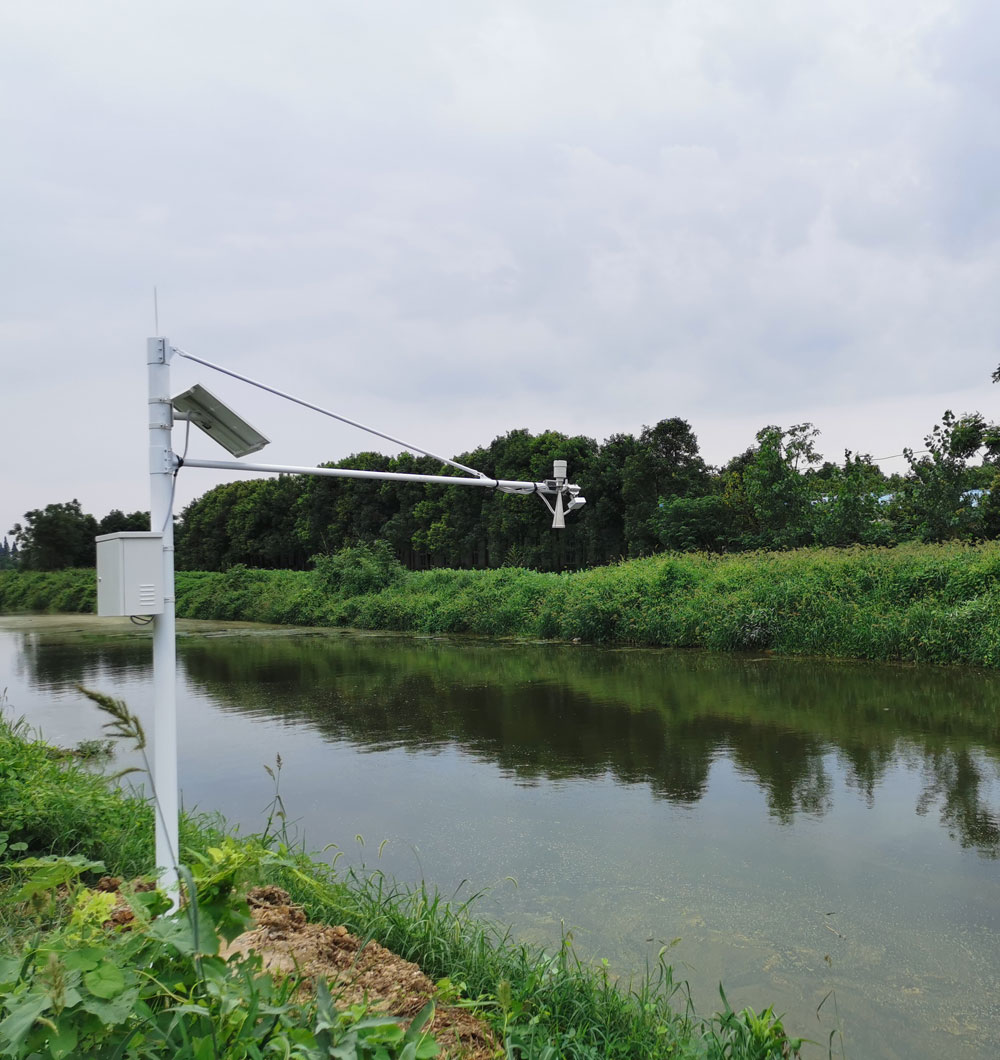
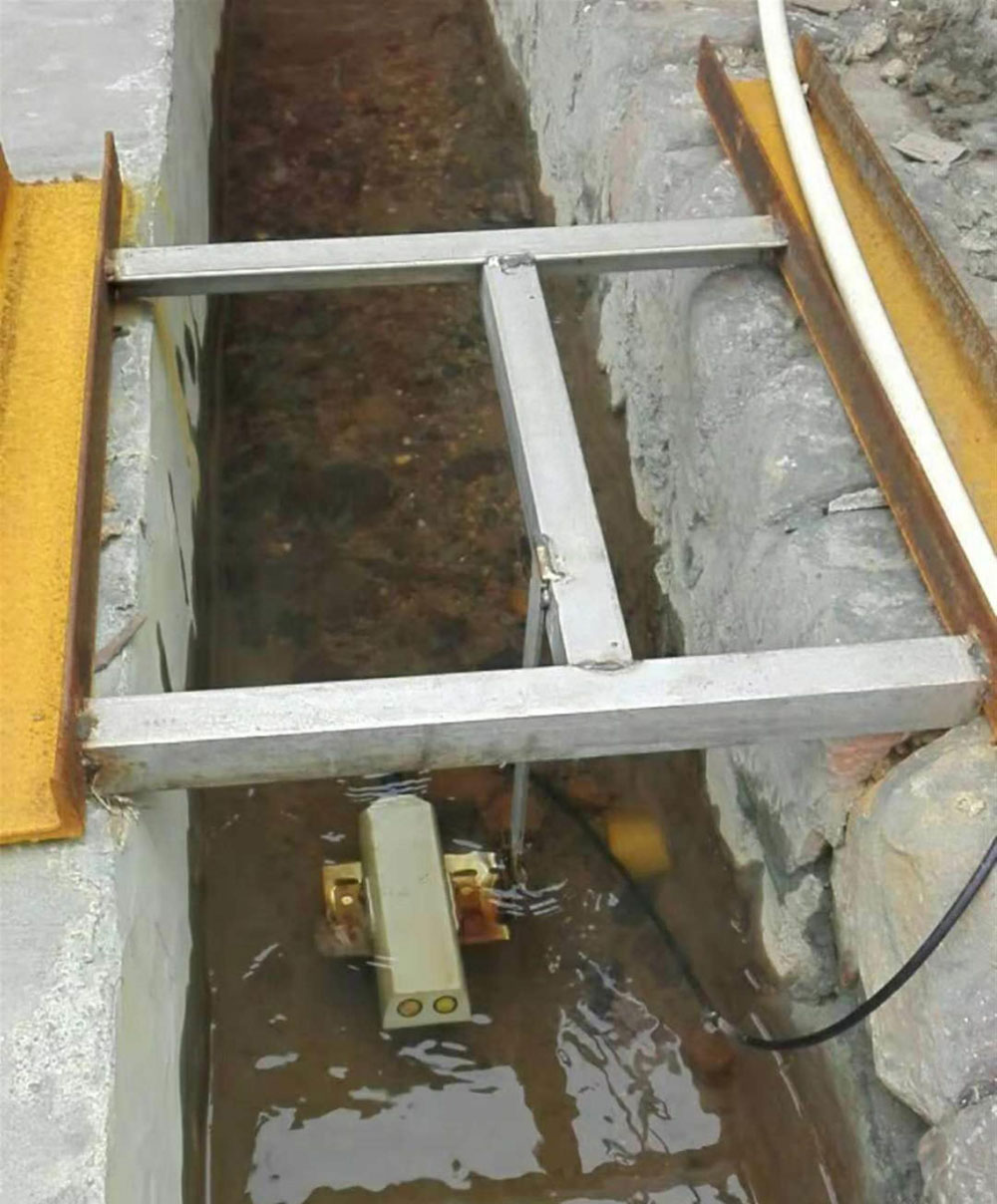
For hydropower station tailwaters, natural river channels, and complex cross-sections, traditional contact flow measurement equipment is susceptible to water quality, floating debris, or turbulent scouring. NiuBoL recommends a combined architecture of radar velocimeter + radar level gauge to achieve high-precision non-contact monitoring.
1. Key Sensing Layer: Perceiving Environmental “Vital Signs”
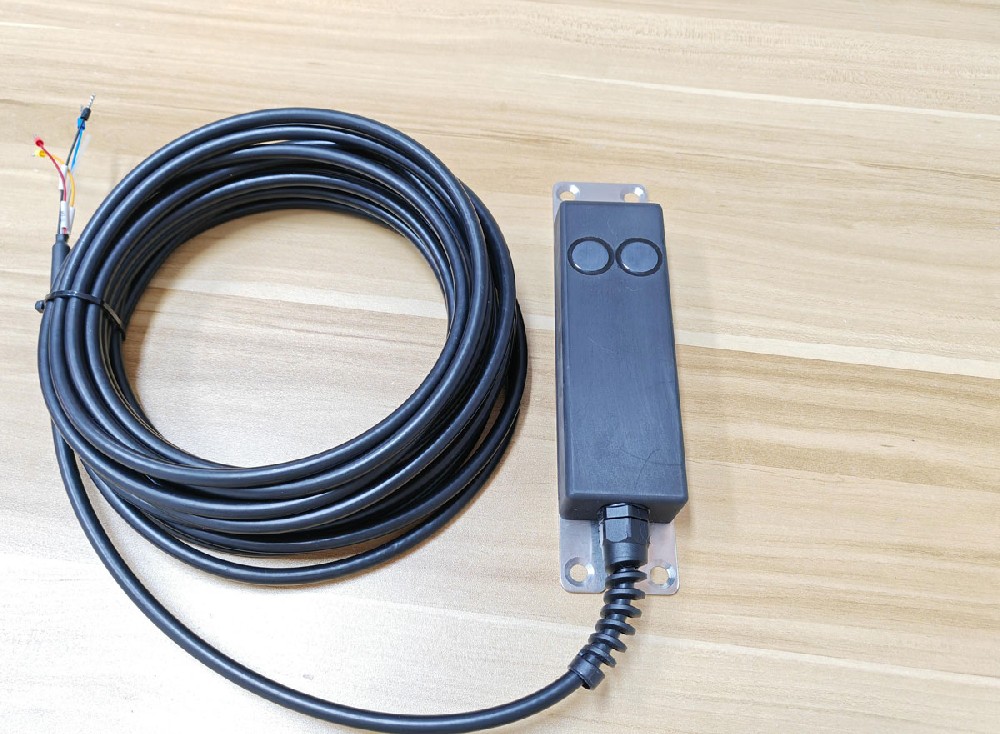
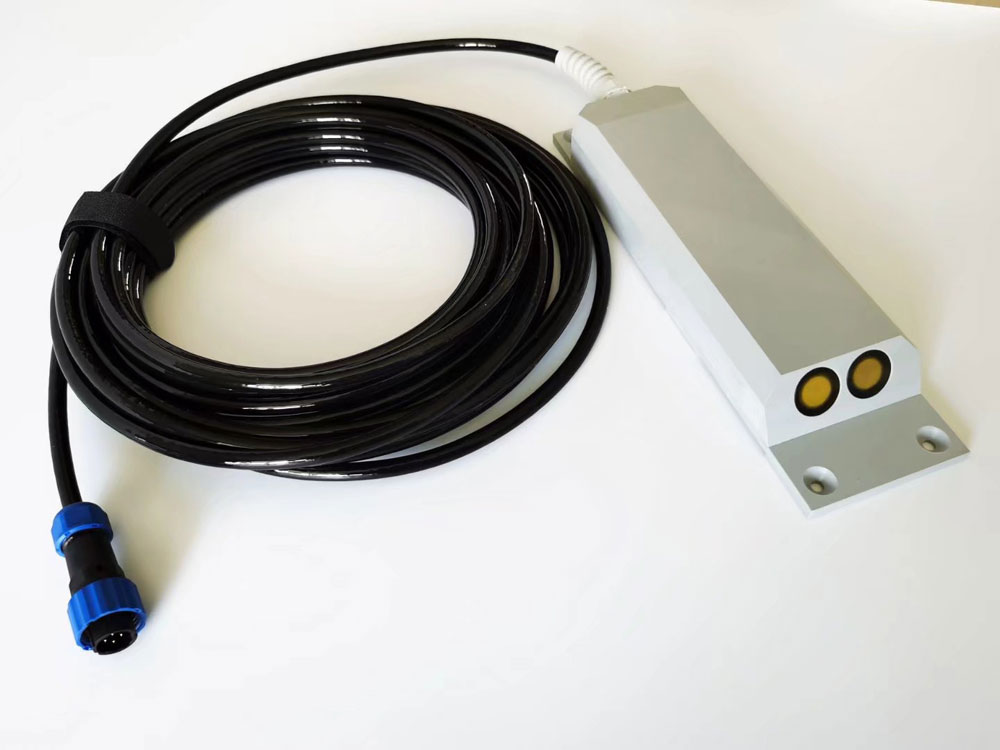
Radar Velocimeter (Radar Velocity Sensor): Based on the Doppler effect, measures surface flow velocity through microwave reflection. Since it has no contact with the water body, it completely avoids risks of sensor fouling, corrosion, and damage from floating debris, greatly extending the equipment's maintenance-free period.
Radar Level Gauge (Radar Level Sensor): Uses pulse or continuous wave frequency modulation technology to measure water surface height. In scenarios with high flow velocity or drastic water level fluctuations, radar level gauges offer higher sampling frequency and measurement accuracy compared to pressure-type level gauges.
Video Camera: Supports wired or 4G transmission, captures real-time images of monitoring cross-sections, providing visual auxiliary endorsement for flow data and facilitating manual verification.
2. Data Transmission Layer: RTU Telemetry Terminal
The RTU (Telemetry Terminal Unit) serves as the system's “nerve center”, responsible for collecting digital signals (Modbus RTU) from front-end sensors.
Protocol Support: Compatible with Json format.
Storage and Forwarding: Built-in large-capacity flash memory automatically stores data during network outages and retransmits upon network recovery, ensuring continuity of the data link.
3. Power Supply and Guarantee System
For remote monitoring points downstream of hydropower stations without utility power coverage, NiuBoL provides customized solar power supply systems (including solar panels, gel batteries or lithium batteries, charge controllers), supporting continuous system operation during consecutive rainy days.
This solution demonstrates extremely high adaptability in actual engineering implementation, especially suitable for the following typical B2B projects:
Hydropower Station Discharge Cross-Section Monitoring: Real-time calculation of the minimum ecological discharge flow from the hydropower station, with data directly connected to various levels of monitoring platforms, meeting regulatory department's listed supervision requirements.
Basin Hydrological and Rainfall Automatic Monitoring: Integrates rain gauges, temperature and humidity sensors to build a multi-element hydrological monitoring grid, serving flood control dispatching and water administration management.
Smart Irrigation Districts and Urban Drainage: Suitable for distributed deployment of numerous monitoring points over large areas, with good grid expansion capabilities.
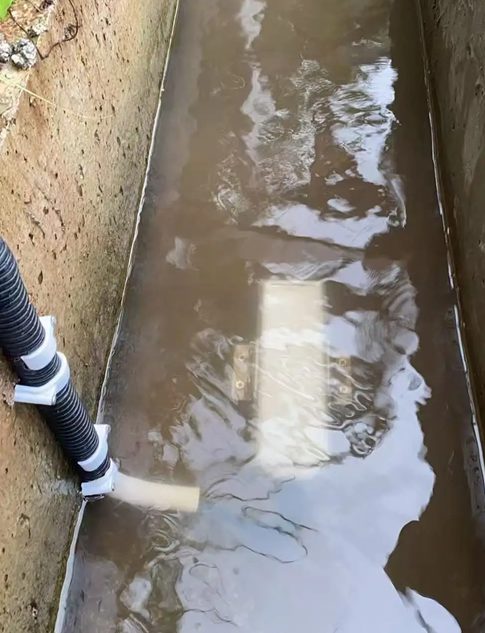
During project selection and implementation, system integrators need to focus on the following engineering details:
Stability of Installation Bracket: Radar flow measurement has certain requirements for equipment verticality and horizontality. In high-wind-speed areas, reinforced cantilever brackets should be used to avoid scattered flow velocity data caused by bracket vibration.
Cross-Section Algorithm Calibration: Flow Q is the integral of velocity V and wetted area S. Integrators need to accurately input the geometric data of the cross-sectional profile in the RTU or cloud platform and correct it based on the field-measured velocity distribution coefficient (K value).
System Compatibility: Ensure the RTU has rich interfaces (RS485, RS232, DI/DO, AI) for later integration of extended elements such as rainfall and water quality.
Communication Protocol Docking: Confirm the IP address, port number, and specific encryption verification logic for data reporting to the upper-level regulatory platform in advance.

Q1: Why prioritize radar wave method in hydropower station ecological flow monitoring?
A1: Tailwater areas of hydropower stations have complex flow regimes often accompanied by floating debris. The non-contact radar method avoids equipment wear, reduces dredging and maintenance workload, and is easy to install without altering the original hydrodynamic characteristics of the river channel.
Q2: Does NiuBoL RTU support multi-platform reporting?
A2: Yes. The RTU can send data to up to 5 central platforms simultaneously, meeting the need for integrators' self-built platforms and government regulatory platforms to access data synchronously.
Q3: Can the radar velocimeter measure accurately when the river surface is still or at extremely low velocity (<0.02m/s)?
A3: Radar velocimeters have a lower measurement limit. In still water conditions, velocity readings may return to zero. For long-term extremely low velocity conditions, it is recommended to combine with weir-slot methods or use contact Doppler ultrasonic flow measurement solutions.
Q4: How are monitoring images and flow data synchronized?
A4: The RTU collects flow data and timestamps it; the video camera captures snapshots according to instructions. Both are associated on the cloud platform side, allowing users to synchronously view real-time cross-section images from the time when querying historical records.
Q5: How does the system handle low water level or flow conditions?
A5: The controller can have built-in warning thresholds. Once discharge flow falls below the set minimum ecological value, the system pushes real-time warnings via WeChat, SMS, or platform pop-ups to relevant responsible persons.
Q6: How does the solar power supply system resist frost and extreme high temperatures?
A6: NiuBoL uses industrial-grade gel batteries or low-temperature lithium iron phosphate batteries, combined with professional protective box design, covering operating temperatures from -40°C to +80°C, ensuring stable operation in high-altitude hydropower stations.
Q7: Does the system support accident traceability functions?
A7: Yes. The cloud platform provides structured report querying, export, and print functions; all abnormal data and operation logs are permanently recorded, serving as legal basis for compliance audits and accident investigations.
Q8: Can NiuBoL provide secondary development support?
A8: We provide detailed underlying communication protocols and API interface documentation, supporting integrators in interface customization or in-depth data mining.
Ecological discharge flow monitoring in hydropower stations is not only a technical issue but also a core demand for policy compliance. The full-chain solution provided by NiuBoL—“radar perception + RTU transmission + cloud management”—solves O&M challenges in complex field environments through high-precision non-contact flow measurement technology.
For system integrators, choosing NiuBoL means obtaining highly compatible and robust hardware support, significantly shortening project delivery cycles and reducing after-sales costs.
Are you planning hydropower station ecological flow remediation projects? NiuBoL provides customized selection solutions and multi-level communication protocol documentation for engineering partners. Contact our technical support team to obtain the most competitive industrial-grade hardware quotes and system integration solutions!
Prev:Hydropower Station Ecological Discharge Flow Monitoring System Solution
Next:no more
Related recommendations
Sensors & Weather Stations Catalog
 Agriculture Sensors and Weather Stations Catalog-NiuBoL.pdf
Weather Stations Catalog-NiuBoL.pdf
Agriculture Sensors Catalog-NiuBoL.pdf
Related products
 Combined air temperature and relative humidity sensor
 Soil Moisture Temperature sensor for irrigation
 Soil pH sensor RS485 soil Testing instrument soil ph meter for agriculture
 Wind Speed sensor Output Modbus/RS485/Analog/0-5V/4-20mA
 Tipping bucket rain gauge for weather monitoring auto rainfall sensor RS485/Outdoor/stainless steel
 Pyranometer Solar Radiation Sensor 4-20mA/RS485

Screenshot, WhatsApp to identify the QR code
WhatsApp number:+8615367865107
(Click on WhatsApp to copy and add friends)

