





— Blogs —
—Products—
 Consumer hotline +8618073152920
 WhatsApp:+8615367865107
Address:Room 102, District D, Houhu Industrial Park, Yuelu District, Changsha City, Hunan Province, China
Product knowledge
Time:2025-12-19 14:59:06 Popularity:737
In the evolution of Industry 4.0, air purification and ventilation systems have shifted from traditional “mechanical exhaust” to precisely controlled “digital governance.” Whether in semiconductor cleanrooms, automotive painting workshops, or large metal processing plants, the efficient operation of air purification systems not only concerns production safety but also directly impacts product yield rates and enterprise energy consumption levels.
As a pioneer in environmental sensing, NiuBoL, with its deep accumulation in industrial sensing technology, provides global enterprises with one-stop air quality monitoring solutions—from precise sensing and data transmission to intelligent linkage—through a full series of industrial-grade sensor arrays.
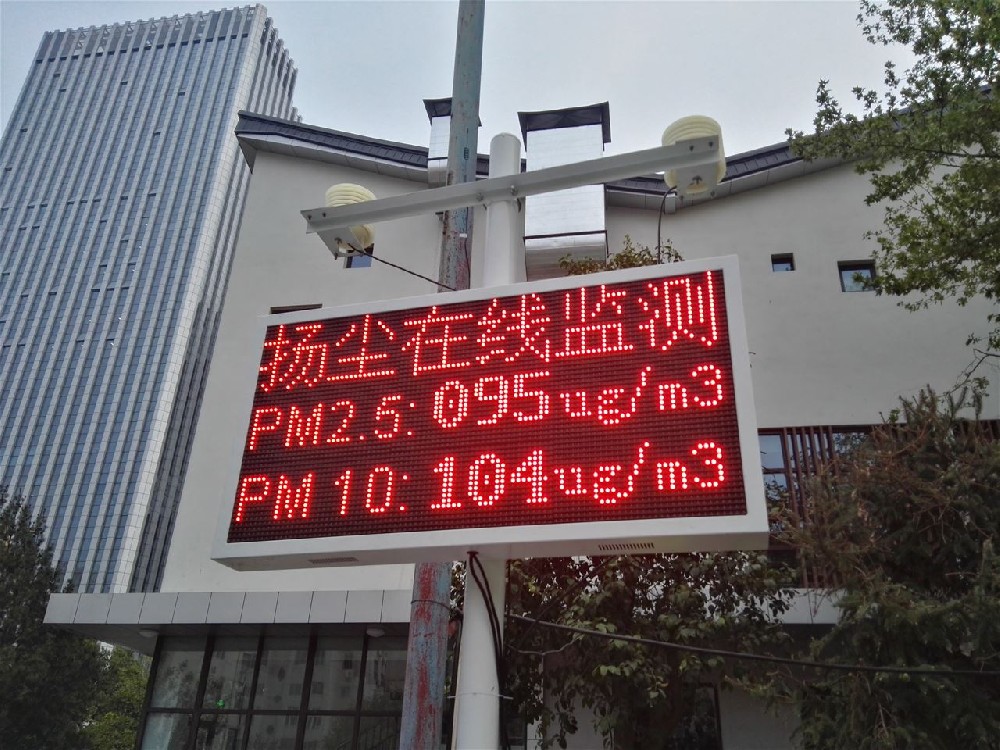
In an industrial context, air purification system sensors refer to precision detection instruments deployed in production environments, dust removal ducts, or exhaust treatment terminals to capture changes in physical and chemical parameters.
Unlike consumer-grade sensors, NiuBoL industrial-grade sensors offer irreplaceable core value in complex electromagnetic interference, high temperature, high humidity, and high dust environments:
Safety and Compliance Assurance: Real-time monitoring of harmful substance concentrations in workshops ensures environmental indicators remain strictly below occupational exposure limits (OELs).
Ultimate Energy Optimization: Based on real-time air velocity and pollutant concentration feedback, drives intelligent variable frequency control of fans, avoiding ineffective exhaust and significantly reducing power consumption.
Process Quality Protection: In precision manufacturing, strictly controls particulate matter concentration and temperature/humidity to provide a stable production environment for core processes.
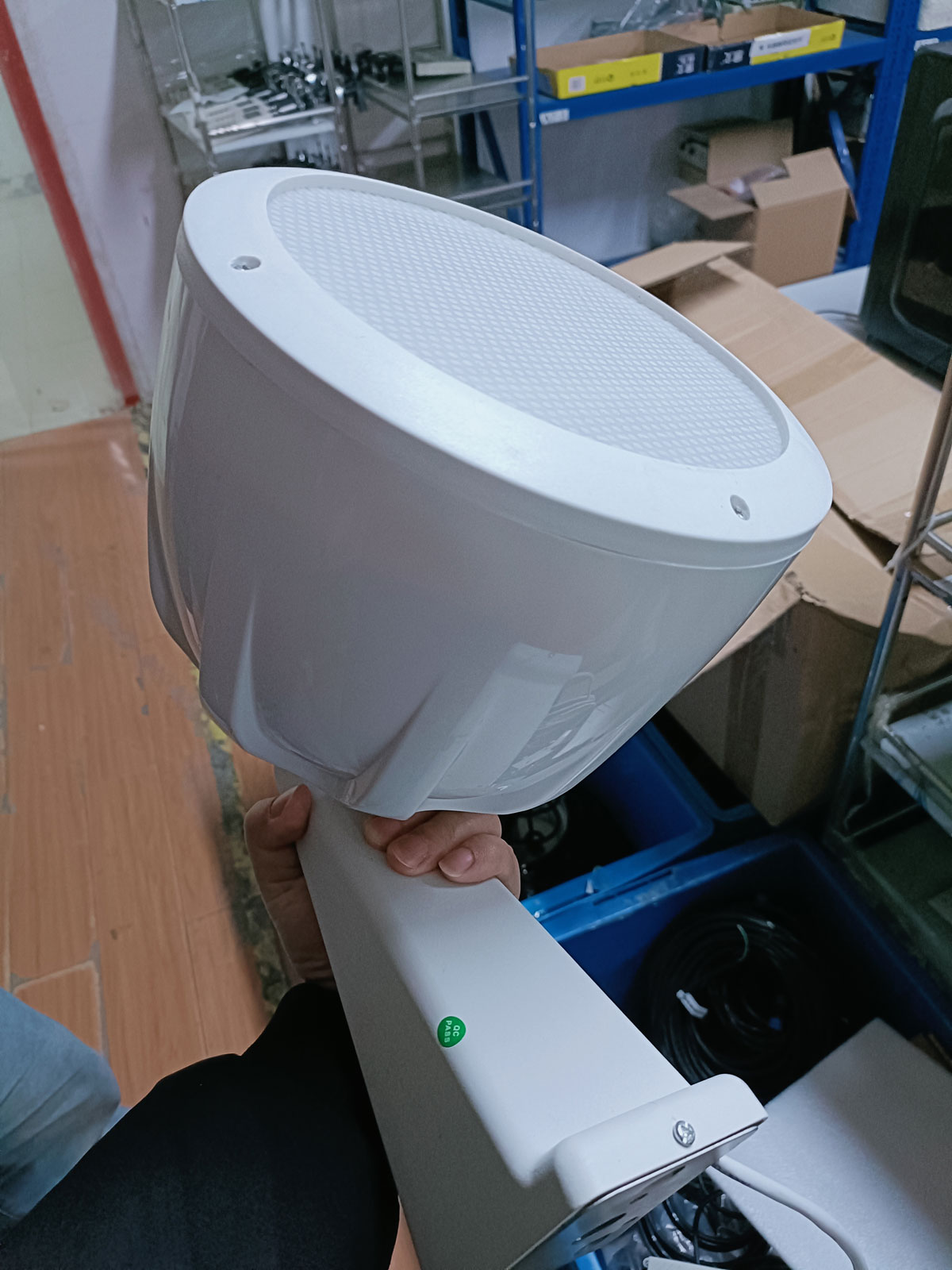
Industrial Duct Air Velocity Sensor: Commander of Airflow Organization
Air velocity is the core indicator for measuring purification system circulation efficiency, negative pressure balance, and dust extraction capability.
Measurement Principle: NiuBoL employs thermal mass flow technology or ultrasonic time-of-flight method. Thermal sensors are based on the heat dissipation principle, using precision platinum resistors to sense heat carried away by airflow, directly outputting mass flow velocity without additional pressure or temperature compensation.
Industrial Structure: Probe rod made of 316L stainless steel for excellent wear and corrosion resistance. Split design separates the sensing head from core circuitry, enabling it to withstand duct temperatures up to 120°C.
Application Scenarios: Primarily used for main duct monitoring in dust removal systems, cleanroom air volume verification, and fume hood exhaust efficiency monitoring.
Industrial-Grade Particulate Matter (Dust/PM) Monitoring Unit
Traditional monitoring methods easily fail in high-concentration dust environments.
Technical Principle: Adopts laser scattering technology. When a laser beam hits flowing particles, scattered light intensity is proportional to dust concentration. Through high-gain detectors combined with NiuBoL proprietary algorithms, achieves real-time monitoring at the μg/m³ level.
Structural Advantages: For high-velocity, high-concentration environments in ducts, employs in-situ monitoring or bypass sampling design with optical window purge function to prevent lens dust accumulation affecting accuracy.
Core Value: Real-time early warning of filter bag damage or dust collector efficiency decline, preventing compliance risks from excessive environmental emissions.
VOC and Hazardous Gas Monitoring Module
Volatile organic compounds (VOCs) and acid-base gases common in industrial production are monitoring challenges.
Measurement Technology: NiuBoL uses high-performance photoionization detectors (PID) or long-life electrochemical modules. PID technology provides rapid response to thousands of organic compounds, with ranges covering 0-1000 ppm.
Industrial-Grade Protection: Transmitter housing features IP65 protection rating. For special scenarios like petrochemicals, offers explosion-proof certified options to ensure safe operation in dusty, humid, or flammable/explosive areas.
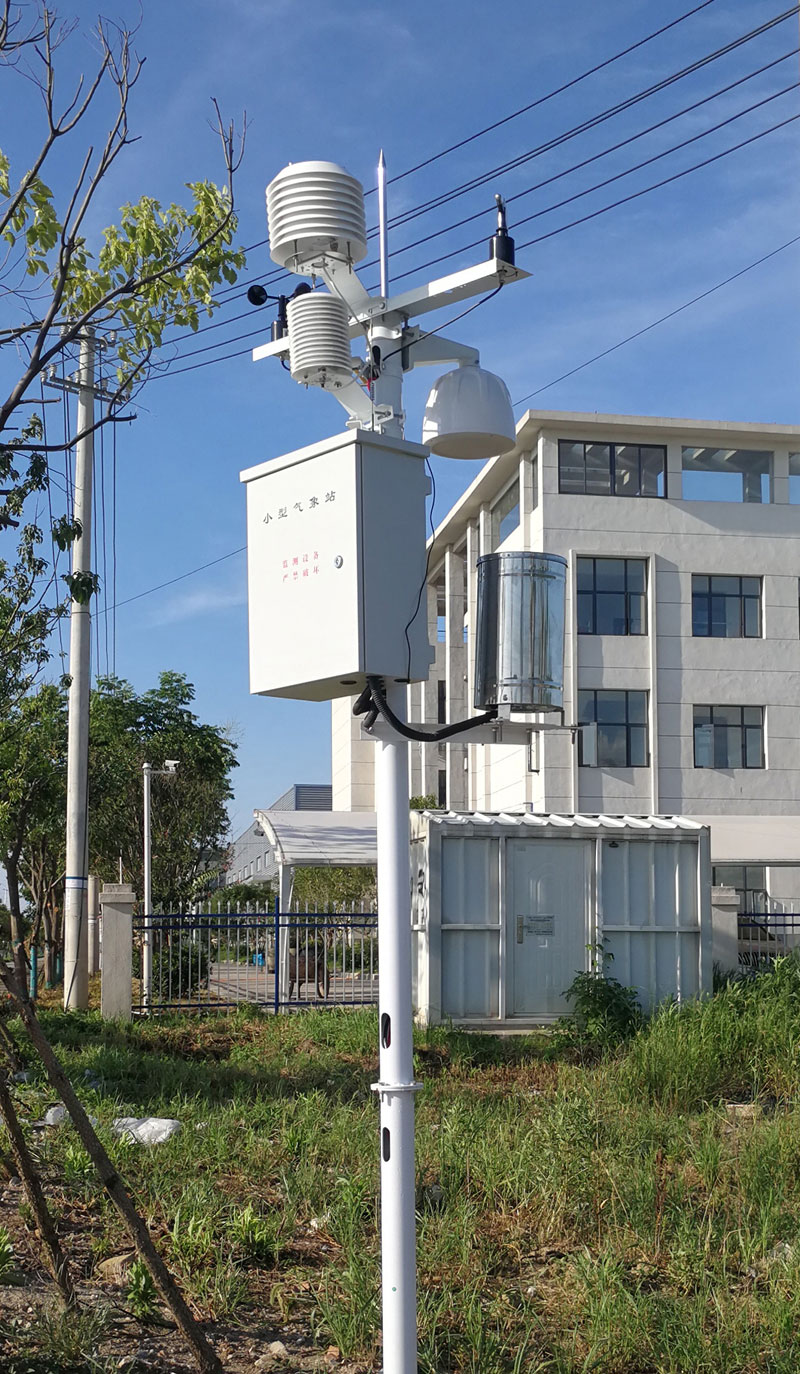
In large industrial plants, traditional analog signal wiring faces weak anti-interference and high construction costs. NiuBoL sensors achieve interconnection through standard digital protocols:
Standard Modbus-RTU (RS485): Exceptional electromagnetic interference resistance, supports long-distance wired transmission, and directly integrates with plant PLC, DCS, or SCADA systems.
Wireless Expansion Solutions: For old plant retrofits with wiring difficulties, NiuBoL provides mature wireless transmission modules, ensuring signal penetration while greatly shortening system deployment cycles.
To ensure reliable data output from NiuBoL sensors, field deployment must follow strict industrial standards:
Duct Installation “Avoidance Zone” Principle: Air velocity and sampling sensors should be installed in straight duct sections. Recommended “10 upstream, 5 downstream” rule (i.e., reserve 10 times duct diameter upstream and 5 times downstream straight sections) to avoid turbulence from elbows and valves.
Spatial Layout Logic: In large-span plants, vertical placement should consider relative gas density. Detectors for gases heavier than air (e.g., benzene series) should be installed 30-60cm from the ground; lighter gases at top diffusion areas.
Pre-Treatment System: For high-temperature, high-humidity industrial exhaust fronts, pair with NiuBoL dedicated cooling and dehumidification pre-treatment kits to protect sensor core components from physical damage.
Regular Calibration: Due to environmental stress, industrial sensors are recommended for annual zero and span calibration. NiuBoL sensors support quick on-site calibration without disassembly or off-site inspection.
Purge Maintenance: For duct dust monitors, regularly check purge air pressure to ensure optical windows are not blocked by oil or dust.
Consumables Records: Electrochemical modules and PID lamps have physical lifespans. Recommended to establish lifecycle records via NiuBoL digital platform for pre-expiry warnings and timely replacement.
Q: In mechanical processing workshops with strong vibration or electromagnetic interference, how to ensure sensor accuracy?
A: NiuBoL industrial-grade products use fully potted circuit processes and reinforced mounting brackets to physically filter vibration noise; electrically, multi-stage isolation and filtering ensure data purity in strong electromagnetic environments.
Q: How does the system achieve control linkage with automated production lines?
A: Sensor data is converted via RS485 bus or gateway to Modbus-TCP protocol, directly integrating with workshop central control systems. The system can automatically adjust fan frequency, activate purification units, or trigger emergency audio-visual alarms based on real-time pollutant concentrations.
Q: Can sensors adapt to explosion-proof workshops?
A: Yes. For high explosion-proof requirement scenarios like chemical storage or painting rooms, NiuBoL offers full explosion-proof housing options compliant with industrial Ex safety standards.
The efficiency of air purification systems directly determines enterprise operating costs and environmental compliance capabilities. NiuBoL industrial sensor solutions transform invisible air parameters into clear, controllable digital assets through precise physical quantity acquisition and stable digital transmission.
In the future, data-driven intelligent ventilation will become standard in modern factories. NiuBoL is committed to using ultimate sensing technology to assist enterprises in leaping from “perceiving the environment” to “governing the environment.”
Related recommendations
Sensors & Weather Stations Catalog
 Agriculture Sensors and Weather Stations Catalog-NiuBoL.pdf
Weather Stations Catalog-NiuBoL.pdf
Agriculture Sensors Catalog-NiuBoL.pdf
Water Quality Sensor Catalog-NiuBoL.pdf
Related products
 Combined air temperature and relative humidity sensor
 TDR Soil Moisture & Temperature Sensor for irrigation| RS485 |4-20mA| NBL-S-THR
 Soil pH sensor RS485 soil Testing instrument soil ph meter for agriculture |NBL-S-PH
 Wind Speed sensor Output Modbus/RS485/Analog/0-5V/4-20mA
 Tipping bucket rain gauge for weather monitoring auto rainfall sensor RS485/Outdoor/stainless steel
 Pyranometer Solar Radiation Sensor 4-20mA/RS485

Screenshot, WhatsApp to identify the QR code
WhatsApp number:+8615367865107
(Click on WhatsApp to copy and add friends)

