





— Blogs —
—Products—
 Consumer hotline +8618073152920
WhatsApp:+8615367865107
Address:Room 102, District D, Houhu Industrial Park, Yuelu District, Changsha City, Hunan Province, China
Product knowledge
Time:2025-12-19 15:04:54 Popularity:882
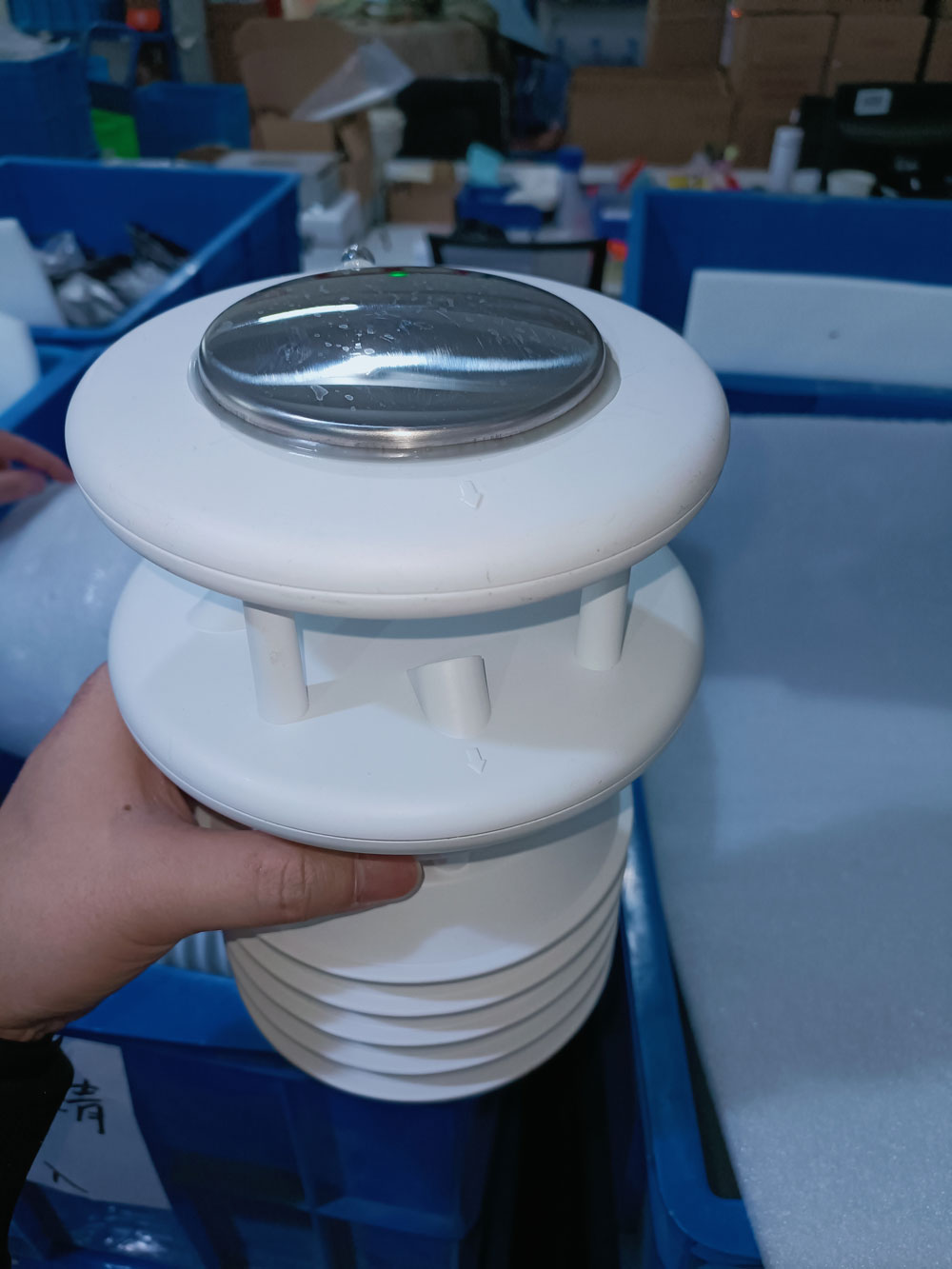
Quick Answer: An all-in-one ultrasonic weather station combines several observations in a compact sensing head, reducing separate field connections. It is useful when those channels can share an appropriate location and the maintenance arrangement is practical. Choose the actual modules and acquisition functions; a multi-parameter head is not automatically a logger, cellular terminal or approved control instrument.
| Project condition | Integrated head can help when | Separate instruments may be preferable when |
|---|---|---|
| Space and field wiring | A compact local environmental point needs a manageable instrument assembly. | Cable and mounting space are available for independently positioned channels. |
| Exposure | The required observations can reasonably share the same position. | Wind, air conditions or radiation need distinctly different locations or methods. |
| Service | A head can be safely accessed and replaced within the maintenance plan. | The project needs to service or replace one channel without disturbing the others. |
| Measurement requirement | The actual integrated modules meet the operating decision and uncertainty needs. | A specialist radiation, precipitation, wind or other instrument is required. |
Integration reduces some connections but creates common dependencies. A damaged cable, failed shared supply or service removal can affect several observations at once. Decide whether that consequence is acceptable before treating a smaller assembly as an unconditional improvement.
For an urban pole or campus monitoring point, several local environmental channels may be useful in one head. A reference meteorological project can have different exposure and performance requirements. The same equipment shape should not be used to imply that those applications are equivalent.
The NiuBoL NBL-W-10GUWS family combines the five core observations of wind speed, wind direction, air temperature, relative humidity and pressure with selected additional modules. Available configurations can include rain, particulate matter, noise and either radiation or illuminance. Confirm the offered parameter list rather than assuming every optional item is fitted.
Illuminance in lux and solar irradiance in W/m2 are different measurements. For the configuration described here, radiation and illuminance are alternatives, not simultaneous channels. If a project needs both, plan the appropriate additional instrument and acquisition rather than renaming one value.
For agricultural light management, the required quantity may instead be photosynthetically active radiation. For photovoltaic analysis, a particular radiation reference and measurement plane may be required. A general light channel should not be substituted simply because it is available in the head.
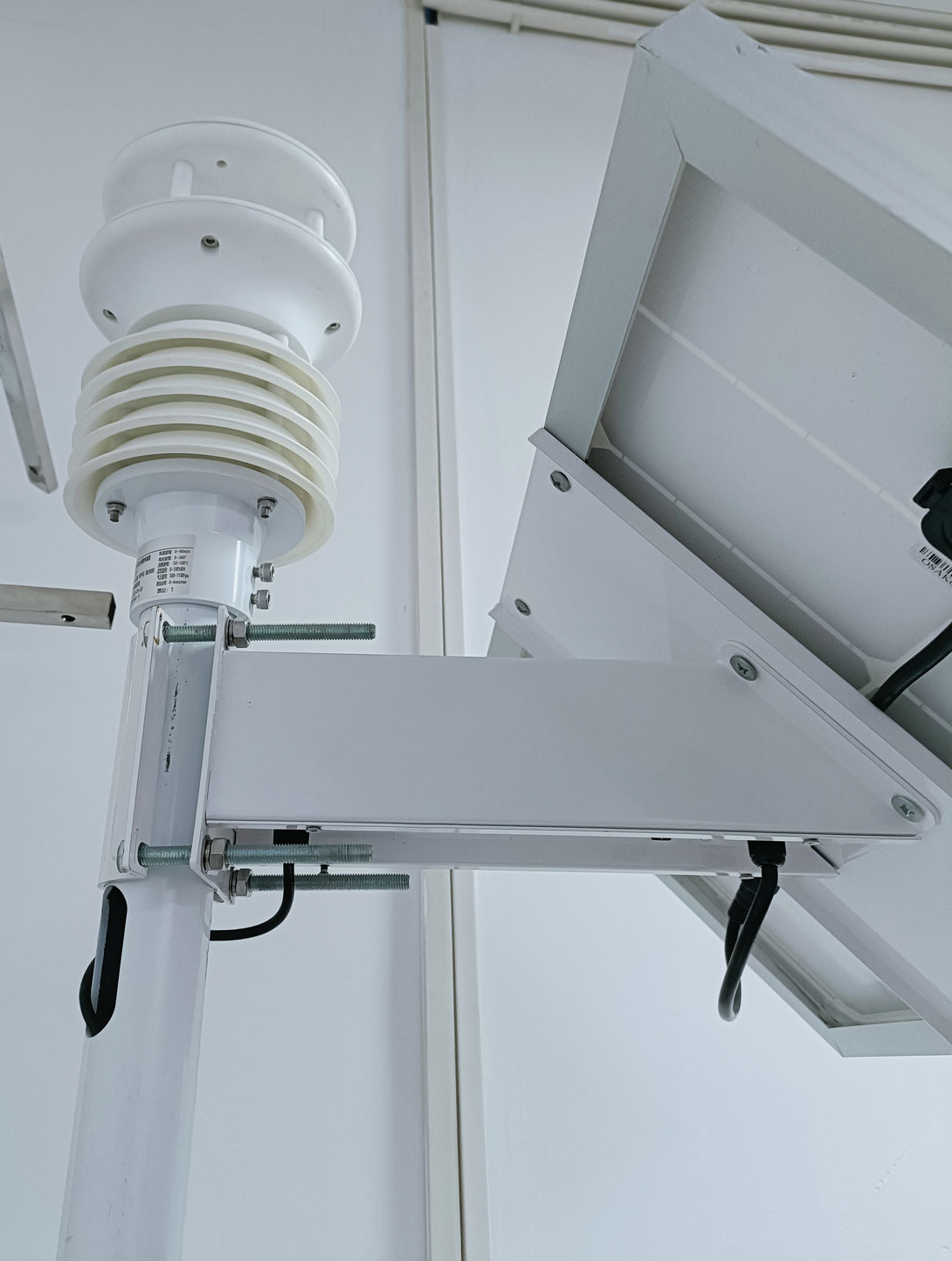
The following characteristics apply to the specified NBL-W-10GUWS family configuration. Other heads, including the seven-in-one and other compact designs illustrated here, have their own component lists and specifications.
| Observation or function | Configuration characteristic | What to compare |
|---|---|---|
| Wind speed | 0-60 m/s; stated accuracy term +/-0.3 + 3% FS; 0.01 m/s resolution | Confirm the offered accuracy expression; do not replace FS with percent of reading. |
| Wind direction | 0-359 degrees; +/-3 degrees | Orientation and the receiving direction convention remain necessary. |
| Air temperature and humidity | -40 to +80 degrees C, +/-0.5 degrees C; 0-100% RH, +/-5% RH | Assess the actual exposure and required operating conditions. |
| Pressure | 10-1100 hPa; +/-1.5 hPa | Distinguish measured local pressure from any calculated reduction. |
| PM options | PM2.5: 0-1000 micrograms/m3; PM10: 0-2000 micrograms/m3; stated +/-10% | Check the required method, humidity effects and suitability for the intended monitoring task. |
| Noise option | 30-130 dB; stated +/-5 dB | Do not infer suitability for a regulated acoustic assessment from channel availability alone. |
| Rain option | Piezoelectric measurement; 0-8 mm/min; stated +/-10%; 0.01 mm resolution | Confirm the actual rainfall method and interpretation; it is not a tipping-bucket counter. |
| Light option | Illuminance 0-200000 lux, stated +/-7%, or radiation 0-1500 W/m2, stated +/-10% | Select the quantity required by the analysis, not a generic light label. |
A channel's measurement range is not a complete uncertainty budget or proof of suitability for every reporting method. Identify the operating decision and required performance for each selected module. A large parameter count can be less useful than a smaller configuration with the right measurements.
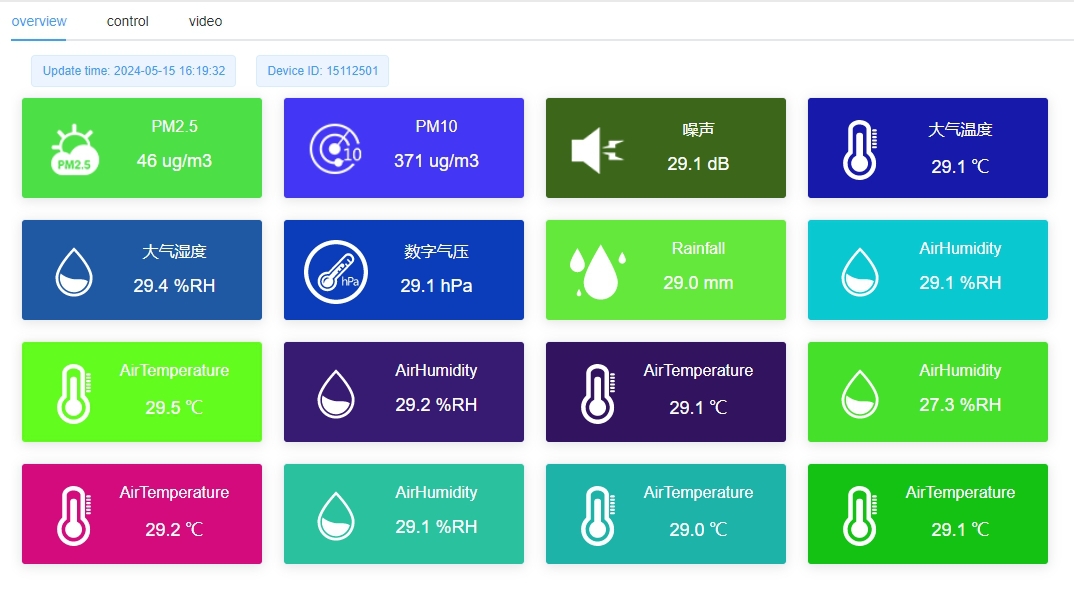
The sensing head sends measurements to acquisition equipment. A logger can store and process them; an implemented gateway function can then transmit them. A local display, cloud account, API or mobile application is a separate function to specify and test.
| NBL-W-10GUWS electrical detail | Characteristic | Integration consequence |
|---|---|---|
| Input and interface | 9-24 V DC; RS485 Modbus; 9600 bps configuration | Verify wiring, actual mapping and receiver compatibility. |
| Average consumption | 0.4 W without dust sensor; 1 W with dust sensor | Use the fitted configuration and budget optional heating separately. |
| Operating environment | -40 to +80 degrees C; 0-95% RH; IP65 | Check the logger, cabinet and connections as separate components. |
| Field cable and housing | Cable length, jacket and exact assembly materials to be specified for the offer | Do not assign one material or cable option to the whole product family. |
For RS485 Modbus RTU integration, test the exact serial settings, register definitions, units and validity handling. An additional module may alter the channel schedule or power budget. Plan spare acquisition capacity from the actual interface rather than assuming every head accepts arbitrary external sensors.
When adding remote reporting, verify data delivery and recovery independently of sensing. A network outage can occur while the head continues measuring; a failed head can occur while the gateway remains online. The receiving application should distinguish those conditions.
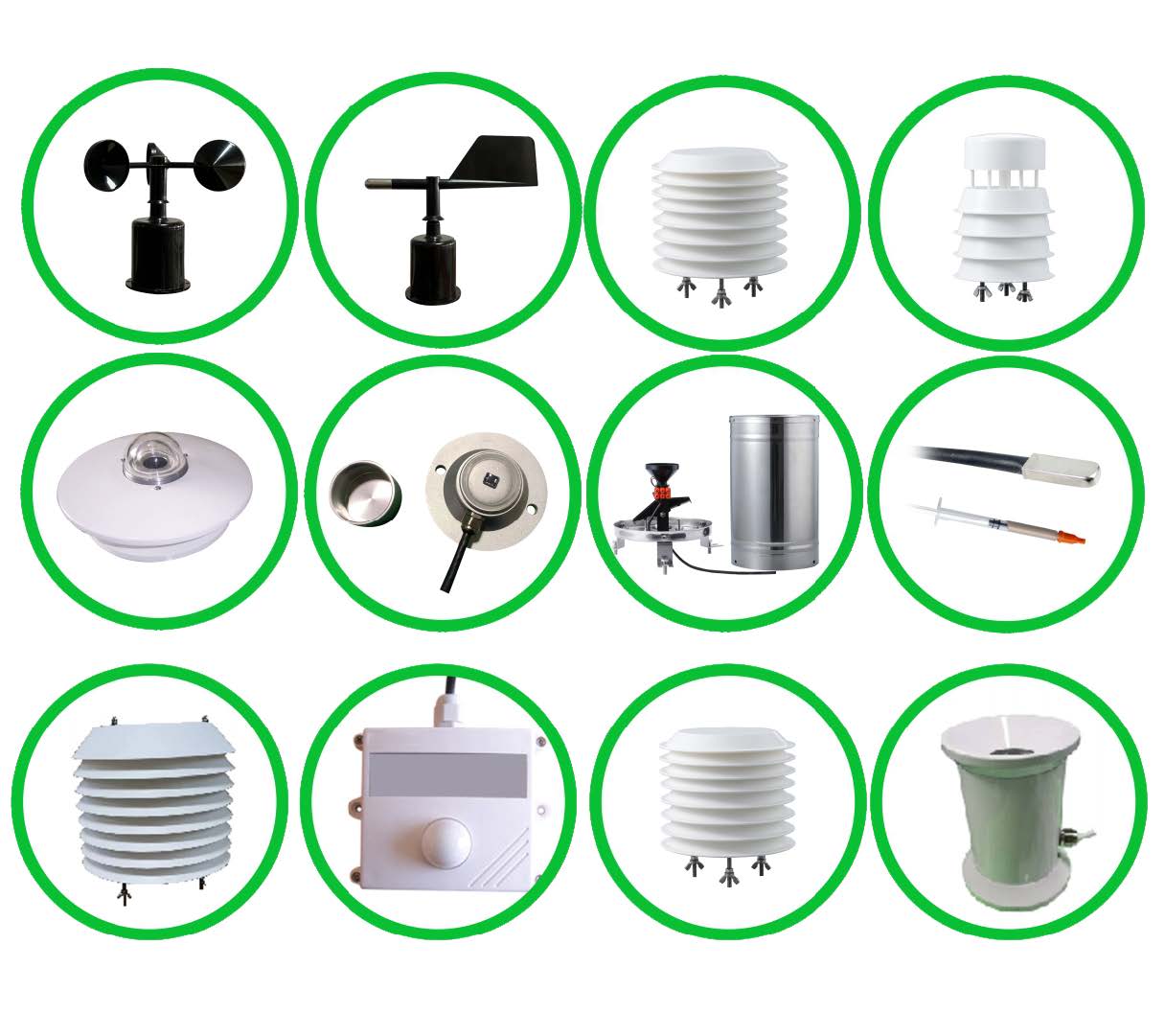
Ultrasonic wind measurement avoids rotating cups and a vane mechanism, but other failure and contamination paths remain. Inspect the acoustic region, fitted optical or particulate modules, precipitation surface, cable and connector. No-moving-parts wind sensing does not establish zero maintenance for every channel.
A piezoelectric rain surface uses impact-related signals rather than a collector and tipping bucket. It needs suitable exposure and an appropriate check for that method. Do not claim that the absence of a funnel makes it immune to contamination, obstruction, vibration or every precipitation condition.
Optional heating has to be ordered and included in the power design. It does not establish guaranteed data continuity under every icing event. The service plan should describe how invalid measurements are recognized and how the head can be inspected safely.
Clarify whether the affected module is field-replaceable or whether the whole head must be serviced. Identify a compatible spare and the configuration work required after replacement. A replacement assembly with a different channel list can be mechanically convenient but incompatible with the existing logger map.
If several important channels share one head, assess the consequence of removing it for service. Some projects may justify a spare or a separate reference instrument. Others may accept a defined interruption. Choose from the actual operating requirement rather than assuming a particular maintenance interval or service life.
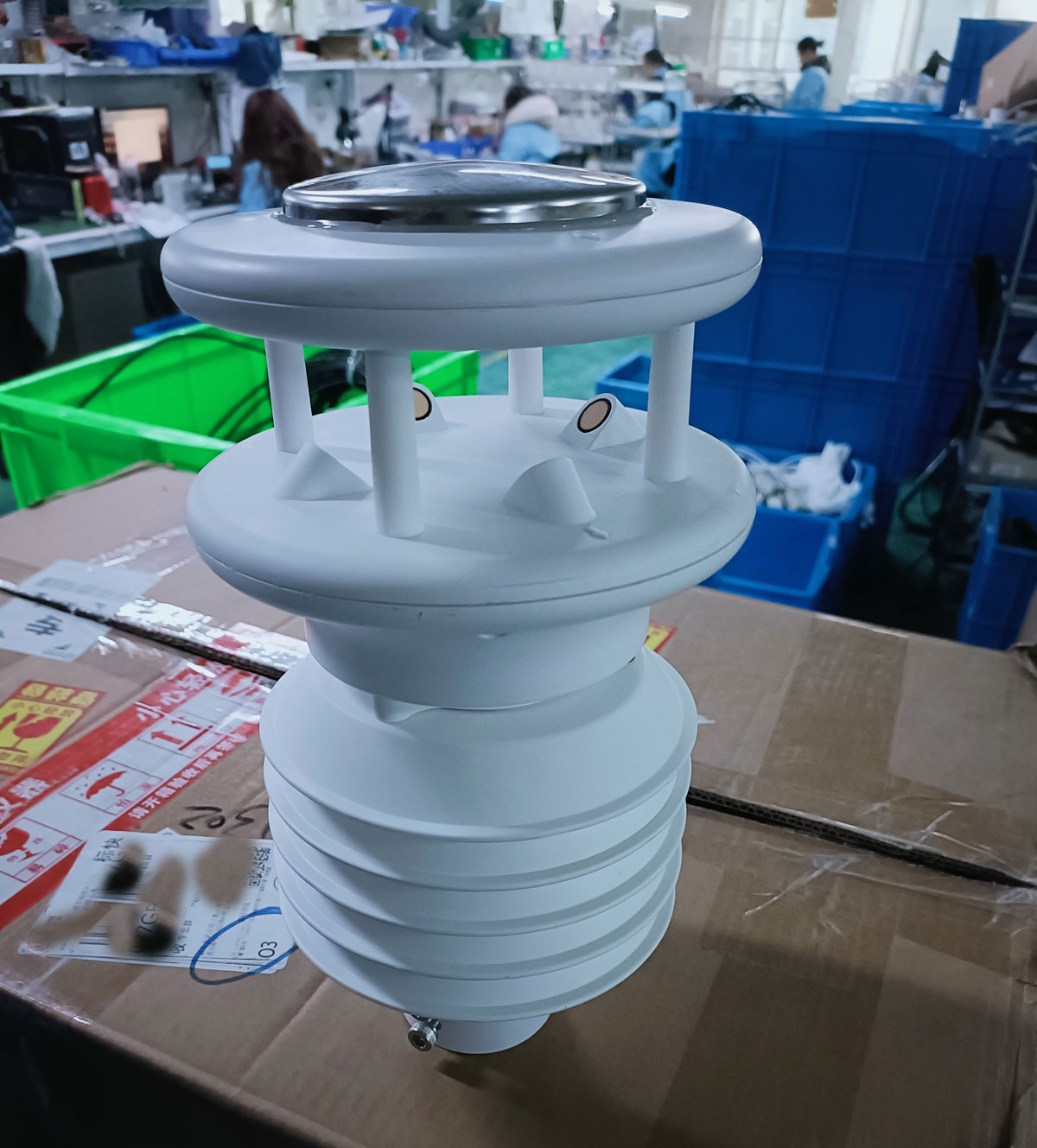
Start with the actual module schedule, receiving interface and intended use at one representative location. Verify that every displayed channel has a real fitted source, the units and averaging definitions are correct, and missing data remains identifiable. Also inspect whether the point's co-located exposure suits its intended decisions.
For a comparison with separate instruments, match observation times, methods and exposure where practical. A difference can reflect a different sensing method or location rather than a failed module. Do not force unlike rain or radiation channels to agree through arbitrary scaling.
Send NiuBoL the required channels, performance needs, location, acquisition inputs and any special light, heating or service requirement. Compare head-only and complete-station offers separately. This makes the inquiry specific enough to select a usable configuration without implying that a standard package includes every sensing and platform function.
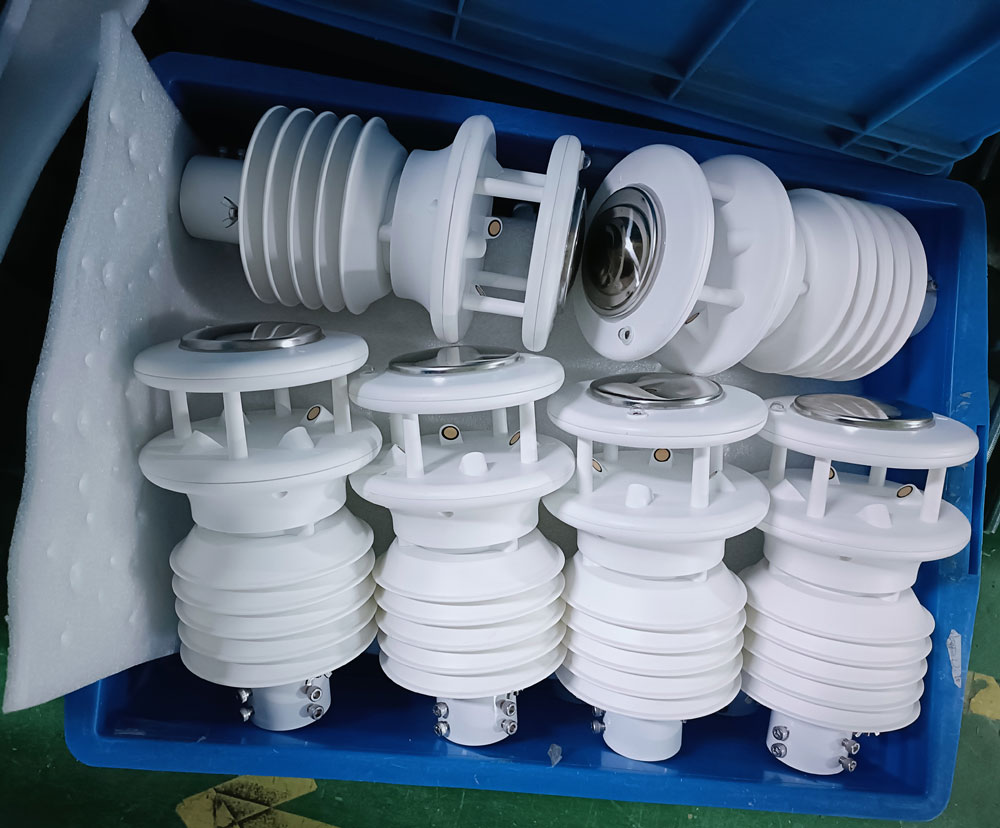
No. Obtain the actual parameter list for the offered model. In the configuration described here, radiation and illuminance are alternatives, and heating is optional.
No. Lux, broadband irradiance and photosynthetically active radiation are different quantities. Select the measurement required by the calculation and verify its exposure and performance.
The described GUWS configuration uses piezoelectric measurement. Use its actual method, limits and data definition; do not apply tip-count logic from a separate bucket gauge.
No. It describes the version without a dust sensor. The stated dust-equipped average is 1 W, and optional heating and acquisition equipment require separate assessment.
No. It removes some mechanical wear from wind sensing, but the acoustic region, fitted modules, surfaces, connector and field cable still need inspection appropriate to the site.
Consider them when exposure, specialist measurement requirements or independent serviceability matter more than compactness. The correct choice follows the observation task, not a universal preference for integration.
Confirm the exact modules, electrical requirements, firmware mapping, orientation and receiving channel configuration. A connector that fits does not prove an equivalent measurement assembly.
An all-in-one ultrasonic head can simplify a suitable monitoring point, but its modules and shared dependencies still need explicit selection. Match channel quantities, exposure, acquisition and serviceability, and compare actual model specifications. Integration is useful when it makes the required observations easier to maintain, not merely when it adds more dashboard values.
 Integrated ultrasonic weather sensor specifications
NBL-W-61MUWS weather sensor specifications
Integrated weather sensor wiring and communication reference
Prev:Air Monitoring in Digital Workshops: NiuBoL Industrial Sensors and Intelligent Control Technology
Next:Rainfall Intensity for Drainage Monitoring: Configure a Tipping Bucket Gauge
Related recommendations
Sensors & Weather Stations Catalog
Agriculture Sensors and Weather Stations Catalog-NiuBoL.pdf
Weather Stations Catalog-NiuBoL.pdf
Agriculture Sensors Catalog-NiuBoL.pdf
Water Quality Sensor Catalog-NiuBoL.pdf
Related products
 Combined air temperature and relative humidity sensor
 TDR Soil Moisture & Temperature Sensor for irrigation| RS485 |4-20mA| NBL-S-THR
 Soil pH sensor RS485 soil Testing instrument soil ph meter for agriculture |NBL-S-PH
 Wind Speed sensor Output Modbus/RS485/Analog/0-5V/4-20mA
 Tipping bucket rain gauge for weather monitoring auto rainfall sensor RS485/Outdoor/stainless steel
 Pyranometer Solar Radiation Sensor 4-20mA/RS485


Screenshot, WhatsApp to identify the QR code
WhatsApp number:+8615367865107
(Click on WhatsApp to copy and add friends)

