





— Blogs —
—Products—
 Consumer hotline +8618073152920
 WhatsApp:+8615367865107
Address:Room 102, District D, Houhu Industrial Park, Yuelu District, Changsha City, Hunan Province, China
Product knowledge
Time:2026-03-13 15:23:21 Popularity:433
In modern agricultural production, agricultural weather stations have become core tools for improving crop yield and sustainability. By real-time monitoring of meteorological elements such as temperature, humidity, precipitation, wind speed, and wind direction, these devices help system integrators and IoT solution providers optimize agricultural projects. Targeting crop pest and disease control, rice high-temperature heat damage defense, and agricultural meteorological disaster early warning, agricultural weather stations provide data-driven decision support. As a professional agricultural meteorological monitoring equipment manufacturer, NiuBoL is committed to providing reliable solutions for project contractors and engineering companies to ensure stable operation of agricultural infrastructure.
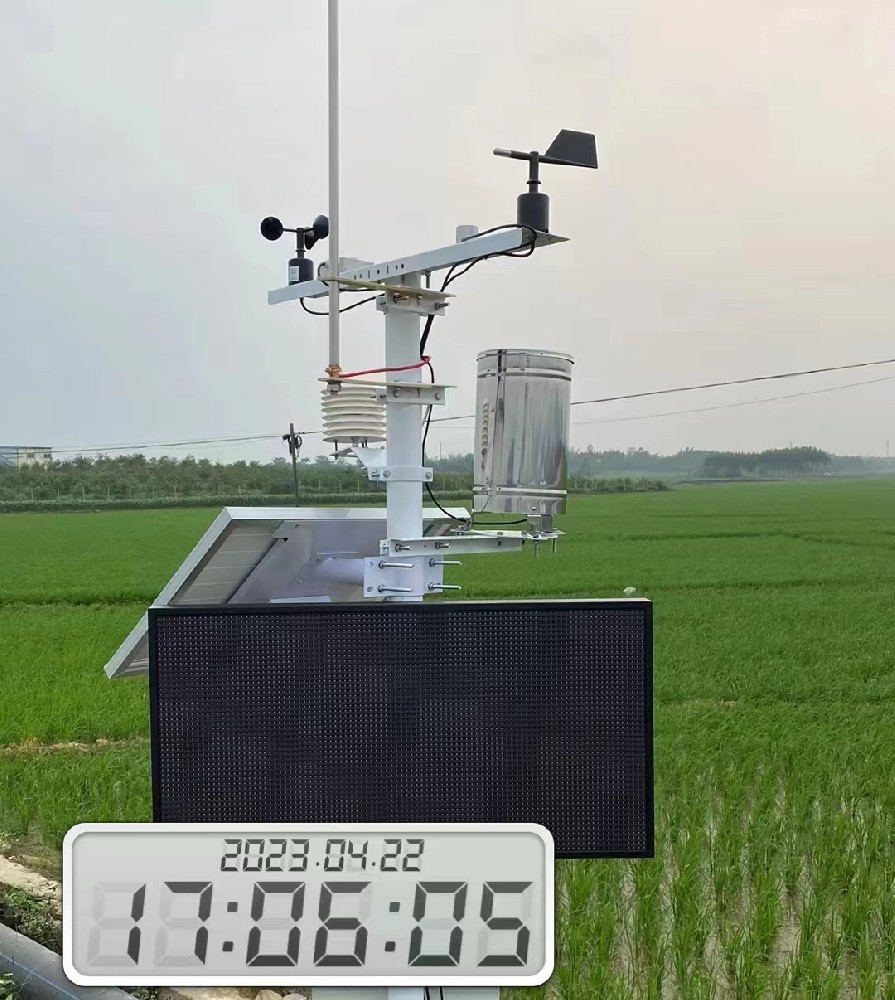
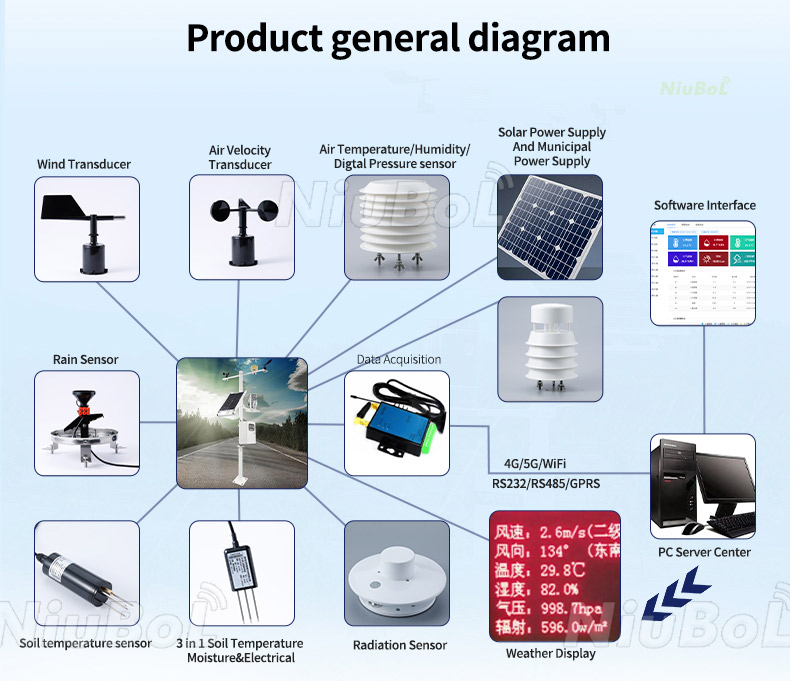
Agricultural weather stations are monitoring systems integrating multiple sensors for collecting and analyzing field microclimate data. These data include air temperature, relative humidity, soil moisture, wind speed, wind direction, light intensity, and precipitation. Through wireless communication protocols such as LoRa or Modbus, data can be transmitted in real time to cloud platforms for remote monitoring and automated alarms.
For system integrators, the integration value of agricultural weather stations lies in their modular design, facilitating embedding into existing IoT frameworks. For example, in large-scale agricultural projects, engineering companies can combine these stations with drone inspection systems or smart irrigation controllers to form closed-loop control systems. This not only improves overall project efficiency but also reduces operating costs. According to industry data, farms adopting meteorological monitoring can reduce crop losses by 15-20%, thereby improving return on investment.
In B2B procurement environments, selecting the appropriate agricultural weather station requires consideration of equipment weather resistance, data accuracy, and compatibility. NiuBoL's solutions emphasize IP65 protection rating and multi-protocol support to ensure stable operation in harsh outdoor environments. Project contractors can quickly deploy monitoring networks through these devices to meet clients' demands for sustainable agriculture.
Crop pests and diseases are major threats in agricultural production, caused by fungi, bacteria, viruses, and harmful insects. Meteorological conditions directly influence the occurrence and development of pests and diseases; for example, rising temperatures can shorten pest development cycles and increase reproduction generations. Agricultural weather stations help predict and control these risks through continuous monitoring of key elements.
Temperature is the primary factor. High temperature and humid environments promote pathogen spore germination, while low temperatures may inhibit pest overwintering. Agricultural weather stations equipped with high-precision temperature sensors (accuracy ±0.5°C) capture minor changes, allowing system integrators to develop early warning algorithms. For example, when temperature exceeds 25°C accompanied by high humidity, the system can trigger alarms to prompt targeted pesticide application.
Humidity and precipitation are equally critical. Excessive precipitation easily induces fungal diseases such as rice blast, while drought exacerbates pest outbreaks. Wind speed and direction affect spore diffusion and pest migration; when wind speed exceeds 5 m/s, pathogen spread range can expand several times. NiuBoL's agricultural weather stations integrate wind direction sensors supporting 360° omnidirectional monitoring, helping engineering companies design wind-direction-optimized spraying systems.
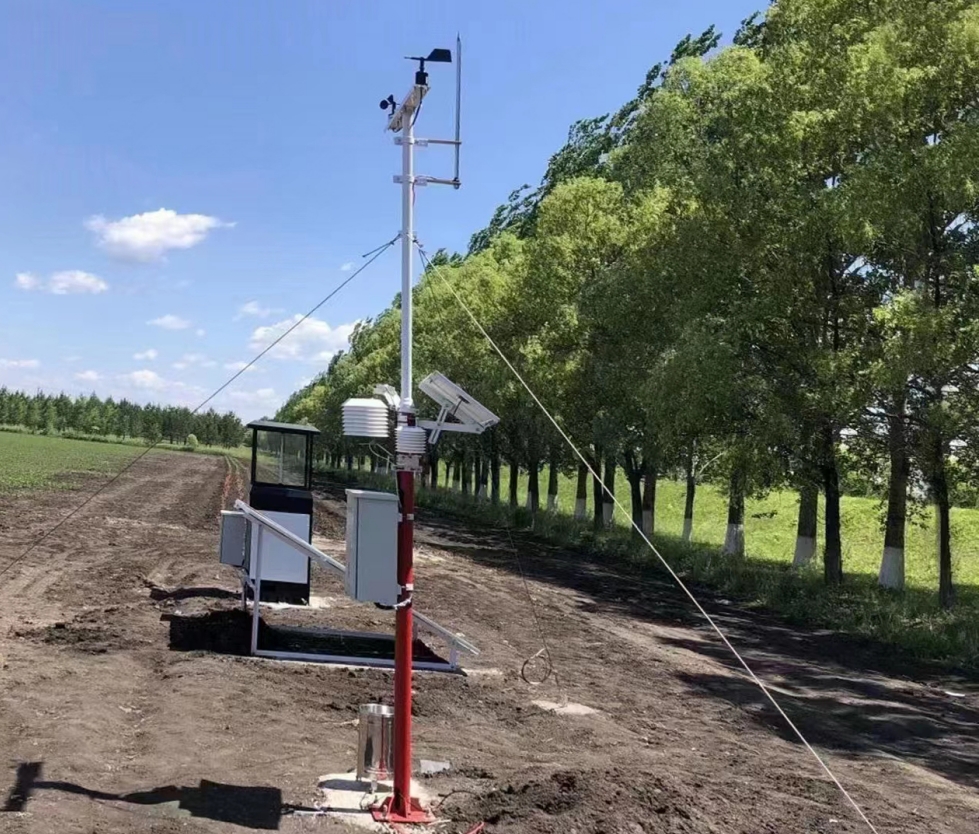
In actual deployment, agricultural weather stations can be combined with spore traps and sex attractant traps to form comprehensive monitoring networks. System integrators use these data to build prediction models, such as machine learning algorithms based on historical data and real-time inputs to estimate pest and disease occurrence probability. Such integration not only improves control efficiency but also reduces pesticide usage, promoting green agriculture.
When designing solutions, project contractors can refer to NiuBoL's open API interfaces for seamless data fusion. For example, in a 500-hectare corn planting project, meteorological station data optimized spraying drone paths, reducing pest and disease losses by 25%. This data-driven approach ensures long-term project sustainability.
Based on agricultural weather station data, control strategies include timely spraying and regional isolation. When humidity exceeds 80%, automated ventilation systems can be activated to reduce disease risk. IoT solution providers can connect these stations to central control platforms for multi-site synchronous management, enhancing overall project efficiency.
Rice, as a major food crop, is sensitive to temperature. High-temperature heat damage is prominent during heading and grain-filling stages, potentially causing reduced seed-setting rate and grain weight. Agricultural weather stations help mitigate these effects through precise monitoring.
Rice high-temperature heat damage occurs when daily maximum temperature exceeds 35°C, with 3-5 consecutive days causing pollen inactivation and glume degeneration. Studies show that continuous high temperature 10-15 days before heading can increase empty and shriveled grain rate by over 20%. Agricultural weather stations' real-time data collection allows farms to identify risk thresholds in advance.
Humidity and light interaction exacerbate heat damage. NiuBoL equipment integrates solar radiation sensors to measure PAR (photosynthetically active radiation), helping analyze heat stress accumulation. System integrators can use these data to develop threshold alarm systems, such as triggering protective measures when accumulated heat exceeds specific GDD (growing degree days).
The key to preventing high-temperature heat damage is irrigation management and fertilizer optimization. Agricultural weather stations monitor soil moisture tension (unit: kPa) to guide day irrigation and night drainage strategies, reducing field temperature by 2-3°C. During deployment, project contractors can link weather stations with smart pumping stations for automated water level control.
In a thousand-mu rice project in southern China, NiuBoL agricultural weather stations helped contractors adjust irrigation in real time, successfully defending against a high-temperature event. Data analysis showed an 8% increase in seed-setting rate, demonstrating the equipment's value in ensuring food security.
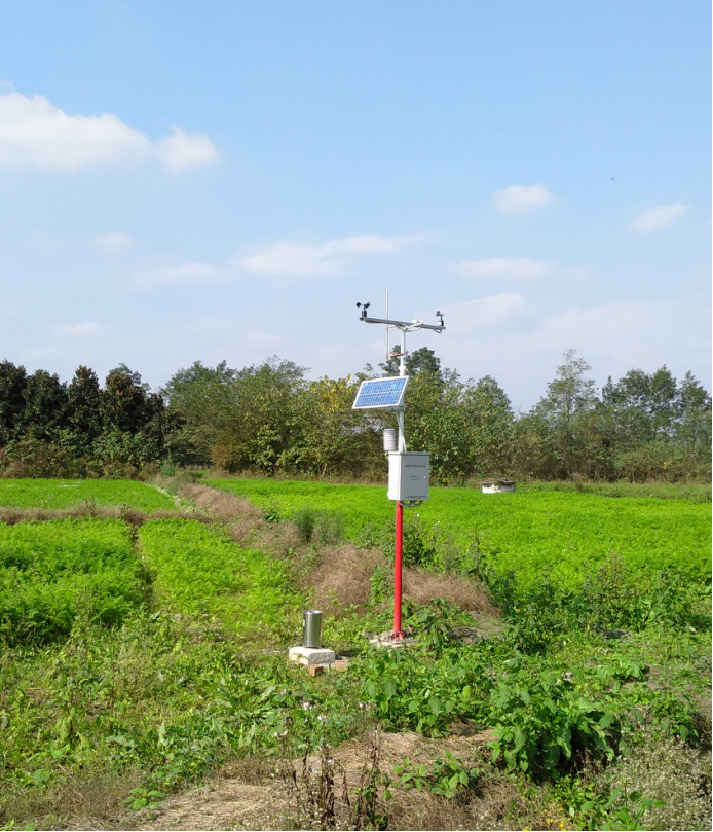
Agricultural meteorological disasters such as frost, flooding, and drought are major causes of crop yield reduction. Agricultural weather stations enhance early warning capabilities to mitigate disaster impacts.
Frost damage occurs when temperature drops below 0°C, affecting crop cell structure. Agricultural weather stations' low-temperature alarm function (customizable thresholds) allows system integrators to integrate heating systems. Flood disasters require monitoring precipitation intensity (unit: mm/h) to guide drainage engineering design.
Drought is detected through soil moisture sensors with accuracy ±3%. Strong winds and typhoons require wind speed sensor support, with alarms triggered when thresholds exceed 20 m/s. NiuBoL equipment supports multi-sensor fusion for comprehensive disaster assessment.
Agricultural departments use weather station data to predict disaster probabilities, such as using time-series analysis models to estimate flood risk. Engineering companies can integrate these data into GIS platforms for spatial visualization to help plan defense measures such as drainage ditches.
After cold wave warnings, growers can increase insulation coverage. IoT solution providers aggregate data through cloud platforms to ensure multi-regional coordinated responses, improving disaster defense efficiency.
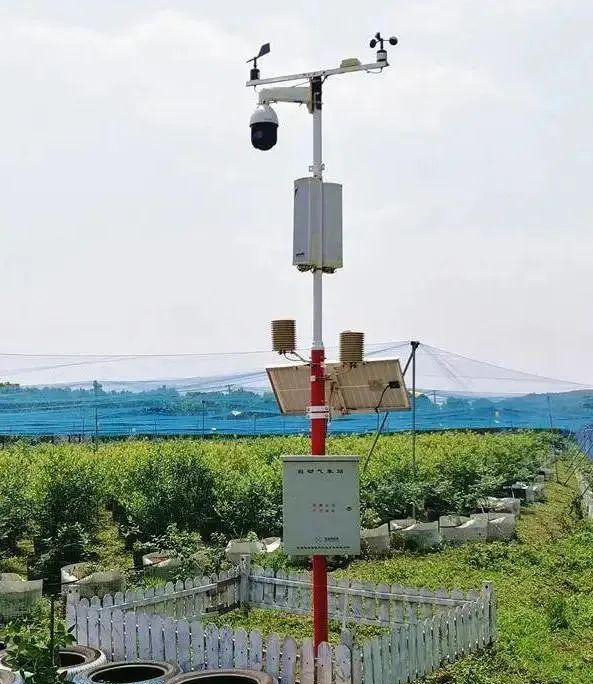
Strengthening disaster defense construction maximizes crop yield and ensures stability of agricultural industry chains. NiuBoL's solutions emphasize low-power design (solar-powered), suitable for remote area deployment and reducing maintenance costs.
NiuBoL offers various models of agricultural weather stations suitable for projects of different scales. The following table lists key parameters:
| Parameter | Description | Specification Range |
|---|---|---|
| Temperature Sensor | Air temperature measurement, high accuracy, supports remote calibration | -40°C to +60°C, ±0.5°C |
| Humidity Sensor | Relative humidity monitoring, suitable for high-humidity environments | 0-100% RH, ±3% RH |
| Wind Speed Sensor | Ultrasonic technology, no mechanical parts, corrosion-resistant | 0-60 m/s, ±0.3 m/s |
| Wind Direction Sensor | 360° omnidirectional detection, supports data filtering | 0-360°, ±3° |
| Precipitation Sensor | Tipping bucket rain gauge, automatic zero reset | 0-4 mm/min, ±4% |
| Soil Moisture | Capacitive probe, multi-layer measurement | 0-100% VWC, ±3% |
| Communication Protocol | Supports Modbus RTU, 4G module | Data transmission rate: 9600 bps |
| Protection Rating | Outdoor waterproof and dustproof design | IP65 |
| Power Supply | Solar panel combined with lithium battery, self-powered | Continuous operation time: >7 days |
| Data Storage | Local SD card and cloud backup | Storage capacity: >1 year data |
Q1: How does the agricultural weather station integrate into existing IoT systems?
NiuBoL agricultural weather stations support standard protocols such as Modbus, facilitating integration with SCADA systems or cloud platforms. System integrators can quickly access via APIs for data sharing.
Q2: What is the prediction accuracy of agricultural weather stations in crop pest and disease control?
Based on historical data and real-time monitoring, prediction model accuracy can reach over 80%, depending on algorithm optimization and sensor precision.
Q3: What specific measures are needed for rice high-temperature heat damage defense?
Including deep-water irrigation and grain fertilizer application. Weather station data guides timing to ensure effective measures.
Q4: What is the response time for agricultural meteorological disaster early warning?
Under real-time monitoring, alarms can be issued 5-10 minutes after anomaly occurrence, supporting SMS or APP notifications.
Q5: Does NiuBoL equipment support custom threshold settings?
Yes, users can customize thresholds for temperature, humidity, etc., via web interface to adapt to different crop needs.
Q6: In drought areas, how does the agricultural weather station optimize irrigation?
Through soil moisture sensor monitoring, linked with irrigation controllers for precise water resource allocation, saving 20-30% water.
Q7: How do project contractors evaluate the ROI of agricultural weather stations?
Calculate ROI through reduced crop losses and increased yield; typically recovered within 1-2 years.
Q8: What is the equipment maintenance frequency?
NiuBoL equipment is designed for low maintenance, with calibration every 6-12 months and remote diagnostics to reduce on-site visits.
Agricultural weather stations, as core components of modern agriculture, play a key role in crop pest and disease control, rice high-temperature heat damage defense, and meteorological disaster early warning. NiuBoL is committed to providing professional and reliable solutions to help system integrators, IoT suppliers, and engineering companies build efficient smart agriculture projects. Through data-driven approaches, these devices not only enhance agricultural production resilience but also promote sustainable development goals. When selecting partners, prioritize compatibility and durability to ensure long-term value. Interested clients are welcome to contact us to discuss customized integration solutions.
Prev:NiuBoL Ultrasonic Weather Station: Core Monitoring Solution for Forest Fire Prevention Projects
Next:How Agricultural Weather Stations Improve Greenhouse Production Efficiency?
Related recommendations
Sensors & Weather Stations Catalog
 Agriculture Sensors and Weather Stations Catalog-NiuBoL.pdf
Weather Stations Catalog-NiuBoL.pdf
Agriculture Sensors Catalog-NiuBoL.pdf
Water Quality Sensor Catalog-NiuBoL.pdf
Related products
 Combined air temperature and relative humidity sensor
 Soil Moisture Temperature sensor for irrigation|NBL-S-THR
 Soil pH sensor RS485 soil Testing instrument soil ph meter for agriculture |NBL-S-PH
 Wind Speed sensor Output Modbus/RS485/Analog/0-5V/4-20mA
 Tipping bucket rain gauge for weather monitoring auto rainfall sensor RS485/Outdoor/stainless steel
 Pyranometer Solar Radiation Sensor 4-20mA/RS485

Screenshot, WhatsApp to identify the QR code
WhatsApp number:+8615367865107
(Click on WhatsApp to copy and add friends)

