





— Blogs —
—Products—
 Consumer hotline +8618073152920
 WhatsApp:+8615367865107
Address:Room 102, District D, Houhu Industrial Park, Yuelu District, Changsha City, Hunan Province, China
Product knowledge
Time:2026-03-13 15:31:10 Popularity:497
In modern agricultural production, agricultural weather stations have become core tools for improving crop yield and sustainability. By real-time monitoring of meteorological elements such as temperature, humidity, precipitation, wind speed, and wind direction, these devices help system integrators and IoT solution providers optimize agricultural projects. Targeting crop pest and disease control, rice high-temperature heat damage defense, and agricultural meteorological disaster early warning, agricultural weather stations provide data-driven decision support. As a professional agricultural meteorological monitoring equipment manufacturer, NiuBoL is committed to providing reliable solutions for project contractors and engineering companies to ensure stable operation of agricultural infrastructure.
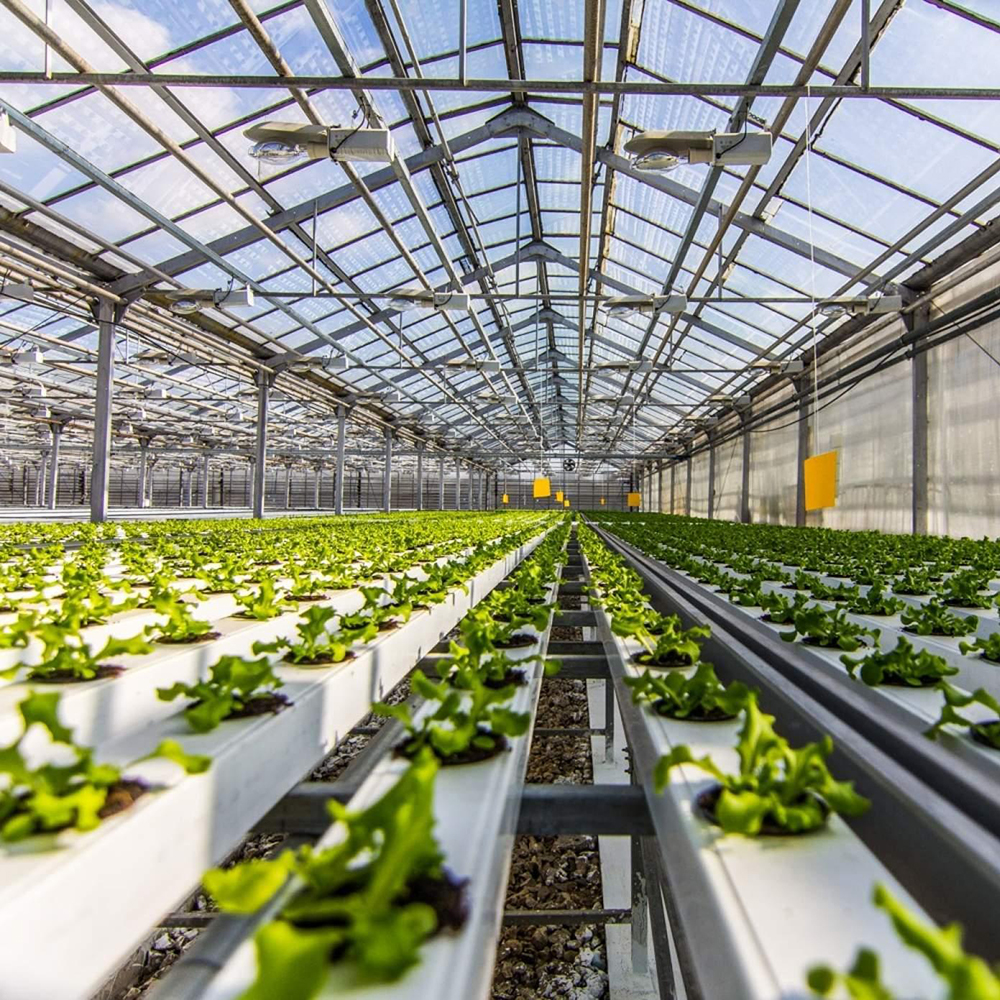
Greenhouse planting mode significantly reduces natural climate interference with crops by artificially regulating environmental factors. This facility agriculture form allows adjustment of temperature, humidity, light, and carbon dioxide concentration, thereby extending crop growth cycles and enabling off-season production. For example, in cold winters, greenhouses can maintain suitable microclimates to ensure normal growth and harvest of vegetables, fruits, and other crops. This not only increases market supply periods but also improves economic returns.
However, the internal environment of greenhouses is not completely independent of external factors. Film light transmittance, insulation material performance, and sudden weather changes (such as cold waves or heavy rain) can still affect crop health. Selecting high light transmittance and anti-aging films is crucial, while equipping monitoring equipment to track internal meteorological parameters is essential. Agricultural weather stations play a core role here, continuously monitoring multiple elements to ensure environmental parameters remain within crop growth thresholds.
For purchasers, choosing IoT-compatible agricultural weather stations means seamless integration into existing SCADA systems or cloud platforms. This allows project contractors to incorporate automated control logic when designing large greenhouse projects, achieving a closed-loop process from data collection to decision-making.
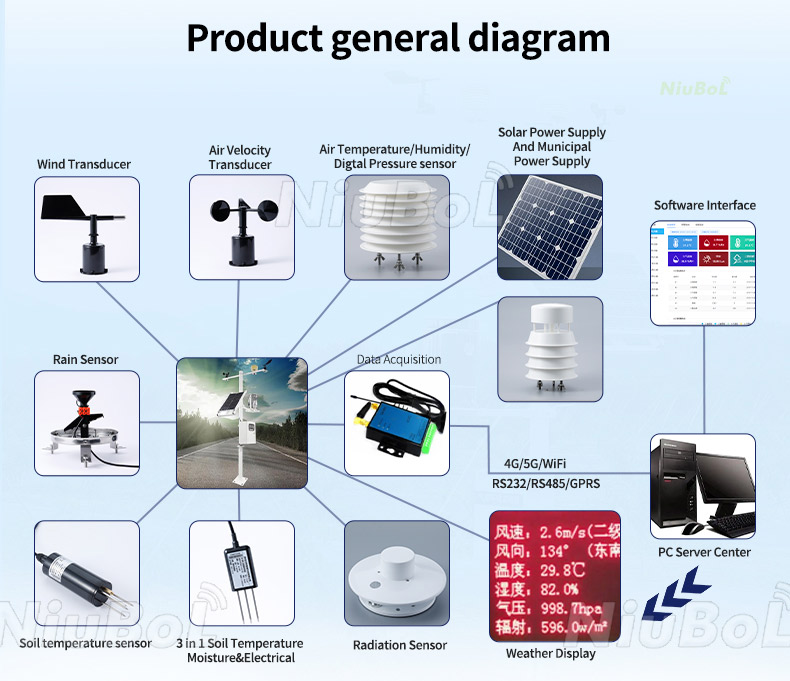
Agricultural weather stations are multi-element automatic observation devices designed specifically for agricultural environments. They follow WMO standards and can monitor key parameters such as wind direction, wind speed, temperature, humidity, air pressure, rainfall, and soil temperature/humidity. These data are collected in real time by sensors, processed by data loggers, and support Modbus RTU or RS485 communication protocols for easy integration with PLCs or IoT gateways.
NiuBoL agricultural weather stations consist of meteorological sensors, data loggers, and environmental monitoring software. Sensors use high-precision components, such as temperature sensors with ±0.5°C accuracy and humidity sensors with ±3% RH accuracy. Data loggers feature automatic storage, supporting SD cards or cloud backup with capacity up to several GB. The software interface provides visual dashboards, allowing users to customize alarm thresholds, such as triggering alerts when temperature falls below crop frost thresholds.
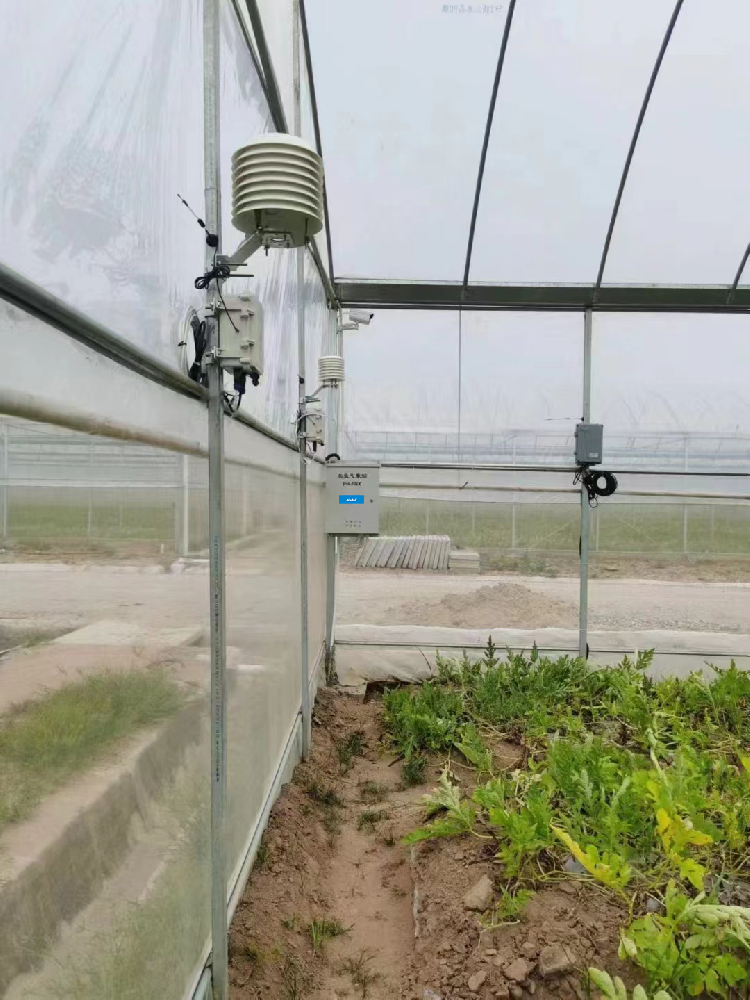
Main technical parameters of NiuBoL agricultural weather stations:
| Parameter | Description | Unit/Range |
|---|---|---|
| Wind Direction | 360° omnidirectional measurement, magnetic or optical encoder | Degrees (°) |
| Wind Speed | Ultrasonic or cup sensor, measurement range 0-60 m/s | m/s |
| Temperature | PT100 or digital sensor, accuracy ±0.5°C | -40°C to +60°C |
| Humidity | Capacitive sensor, accuracy ±3% RH | 0-100% RH |
| Air Pressure | Piezoresistive sensor, accuracy ±1 hPa | 300-1100 hPa |
| Rainfall | Tipping bucket rain gauge, resolution 0.2 mm | mm |
| Soil Temperature | Thermal resistance sensor, accuracy ±0.5°C | -20°C to +50°C |
| Soil Moisture | Capacitive or TDR sensor, accuracy ±3% | 0-100% |
| Data Communication | RS485/Modbus RTU, supports 4G/LoRa wireless transmission | - |
| Power Supply | Solar or 12V DC adapter, power consumption<5W | - |
| Protection Rating | IP65, suitable for outdoor installation | - |
These specifications ensure equipment durability in harsh agricultural environments, such as dustproof and waterproof designs suitable for external greenhouse installation. System integrators can use open API interfaces to import data into enterprise-level ERP systems for predictive maintenance and resource optimization.
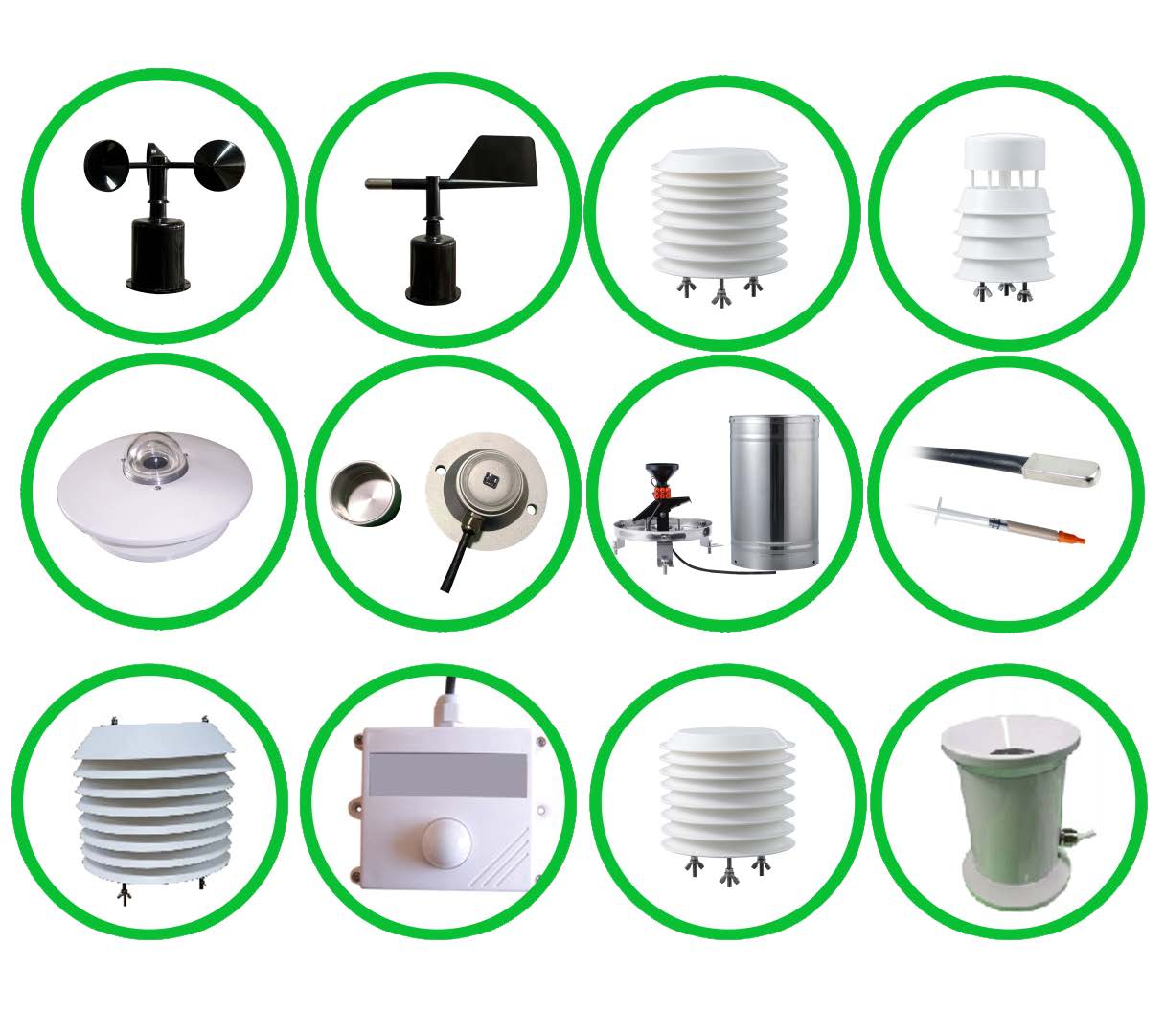
Agricultural production has always been constrained by meteorological conditions, as reflected in the saying “relying on the sky for food.” Even in greenhouses, external disasters such as heavy rain, drought, or frost can penetrate and affect crops. Heavy rain may cause roof water accumulation or structural damage, while prolonged overcast and rainy conditions induce fungal diseases such as rape sclerotinia or wheat stripe rust. Under drought conditions, soil moisture decline inhibits root development, affecting crop yield.
NiuBoL agricultural weather stations help users intervene early through real-time monitoring and over-limit alarms. For example, when rainfall sensors detect cumulative precipitation exceeding 50 mm, the system can trigger drainage pump linkage to avoid waterlogging. Frost warnings are calculated based on temperature and humidity data to determine dew point temperature; if below 0°C, users are notified to add insulation layers or activate heating systems.
For IoT solution providers, this means scalability to multi-site deployment. Aggregating data through cloud platforms allows project contractors to provide clients with regional disaster prediction models, using historical data to train machine learning algorithms and improve early warning accuracy to over 85%. This data-driven approach not only reduces crop losses but also optimizes irrigation and fertilization scheduling, lowering water resource consumption.
In practical applications, integrators can combine weather stations with automated ventilation systems, using PID control algorithms to adjust fan speed based on humidity thresholds. This ensures air circulation inside greenhouses, preventing pest and disease outbreaks in high-humidity environments.
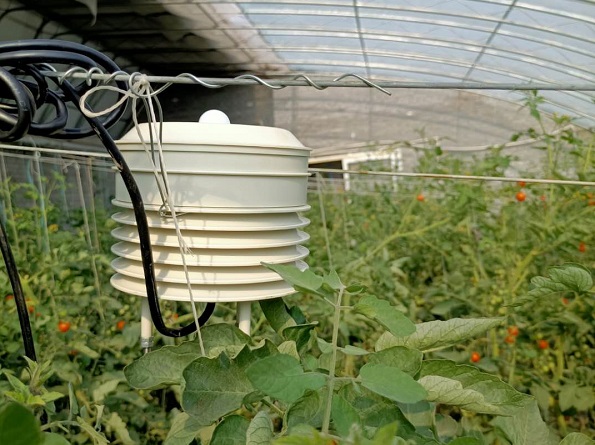
Vegetable production is a major area of greenhouse cultivation. China's “Vegetable Basket Project” since 1988 has promoted base construction to ensure year-round supply of fresh products. Traditional planting relies on experience for watering and fertilization, often leading to yield fluctuations. Greenhouse vegetables are environmentally sensitive: excessive temperature inhibits photosynthesis, and insufficient light reduces carbohydrate synthesis.
Agricultural weather stations provide precise data to support scientific management. For example, monitoring carbon dioxide concentration (optional extended sensor) ensures 800-1200 ppm range to promote photosynthetic efficiency. Maintaining humidity at 60-80% RH prevents downy mildew.
NiuBoL systems in vegetable bases include real-time dashboard displays to help growers adjust ventilation or supplementary lighting. Engineering companies can integrate this into smart greenhouse projects, using wireless networks to cover large bases for remote monitoring and data sharing. This not only improves vegetable quality but also supports traceability systems compliant with food safety standards.
Extending to large-scale operations, weather station data can be combined with drone inspections to generate thermal imaging maps identifying hotspot areas. System integrators thus build end-to-end solutions from sensor layer to application layer, ensuring compatibility.
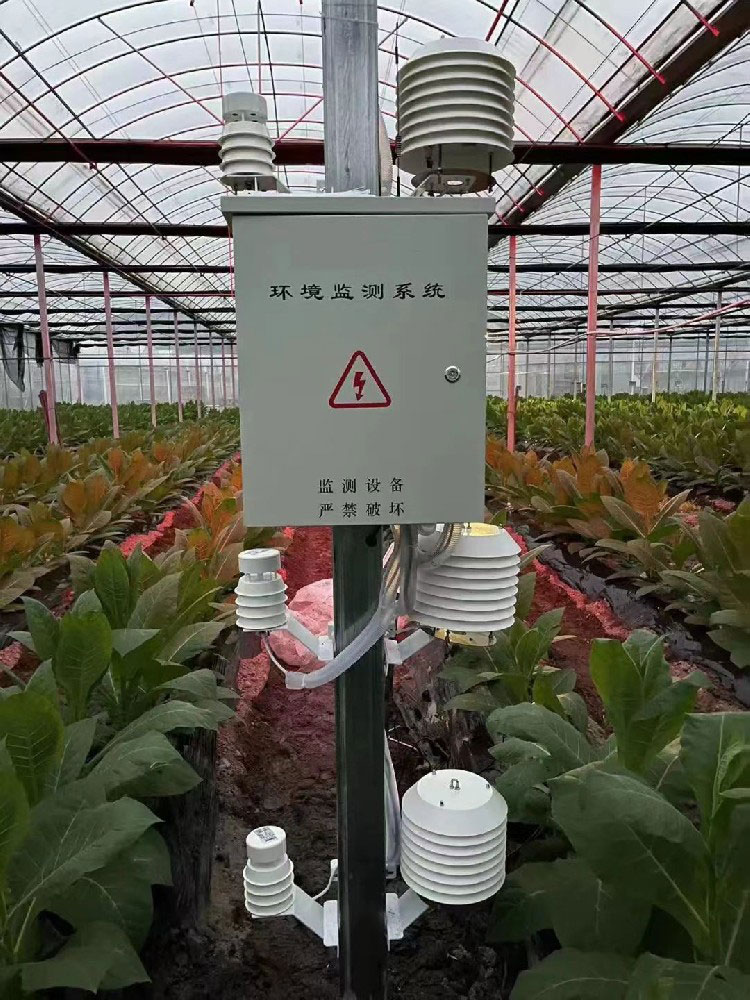
Persimmons, as nutrient-rich fruit trees, are traditionally grown outdoors and easily affected by frost and drought. Greenhouse mode extends maturity periods, such as in Yongji City, Shanxi, delaying harvest by over half a month to increase market value. Persimmon trees prefer warmth and light: germination requires above 10°C, fruiting period 22-25°C, and sufficient light ensures fruit quality.
NiuBoL agricultural weather stations monitor internal parameters to support regulation strategies. For example, when temperature sensors show below 15°C, activate insulation measures; when light is insufficient, supplement with LED lights. Soil moisture data guides drip irrigation systems to maintain 40-60% field capacity, avoiding root rot.
Project contractors can use this equipment to design customized solutions, integrating fertigation systems for automatic nutrient solution proportioning based on meteorological data. This optimizes resource utilization and reduces labor input.
For system integrators, choosing NiuBoL agricultural weather stations means easy incorporation into existing infrastructure. Equipment supports multiple protocols such as Modbus TCP/IP for easy connection to Siemens or PLCs. IoT suppliers can use built-in 4G modules for edge computing to reduce latency.
In project planning, engineering companies should evaluate installation locations: place sensors at key internal points to avoid obstruction. Power options include solar panels to ensure reliable operation in remote areas. Data security through encrypted transmission complies with standards similar to GDPR.
Extended functions include integration with weather APIs to overlay external forecasts with internal monitoring for comprehensive risk assessment. This helps contractors deliver high-value projects and improve client ROI.
In a large vegetable base in North China, NiuBoL agricultural weather stations were deployed in 50 greenhouses. After integration, crop loss rate decreased by 20%, and three frost events were avoided through alarm functions. Data analysis optimized irrigation, saving 15% water.
Another case is a southern fruit and vegetable greenhouse combining IoT platforms for mobile APP monitoring. Project contractors reported high system stability, low maintenance costs, and support for rapid expansion.
These examples demonstrate the practicality of the solution, emphasizing the role of data-driven decision-making in agricultural modernization.
Q1: How does the agricultural weather station integrate into existing IoT systems?
NiuBoL agricultural weather stations support standard protocols such as Modbus, facilitating connection to cloud platforms like AWS IoT or Azure. Integrators can quickly configure data flows via APIs.
Q2: What is the durability of the equipment in extreme weather?
IP65 protection rating ensures dustproof and waterproof performance, operating temperature -40°C to +60°C, suitable for outdoor deployment. Solar power options provide redundancy.
Q3: How to set over-limit alarms?
Customize thresholds such as temperature<5°C via software interface to trigger SMS or email alerts, supporting multi-user notifications.
Q4: What additional parameters can the agricultural weather station monitor?
Beyond standard configuration, expandable to light, carbon dioxide, and soil pH sensors to meet specific crop needs.
Q5: What are the data storage and export functions?
Logger supports local SD card storage with optional cloud backup. Data exportable in CSV or JSON format for analysis.
Q6: What skills are required for installation and maintenance?
Basic electrical knowledge suffices for installation; maintenance includes periodic sensor calibration once a year.
Q7: How to calculate ROI for agricultural weather stations?
Calculate through reduced disaster losses and optimized resources; typical ROI recovered in 12-18 months. Data analysis tools help quantify benefits.
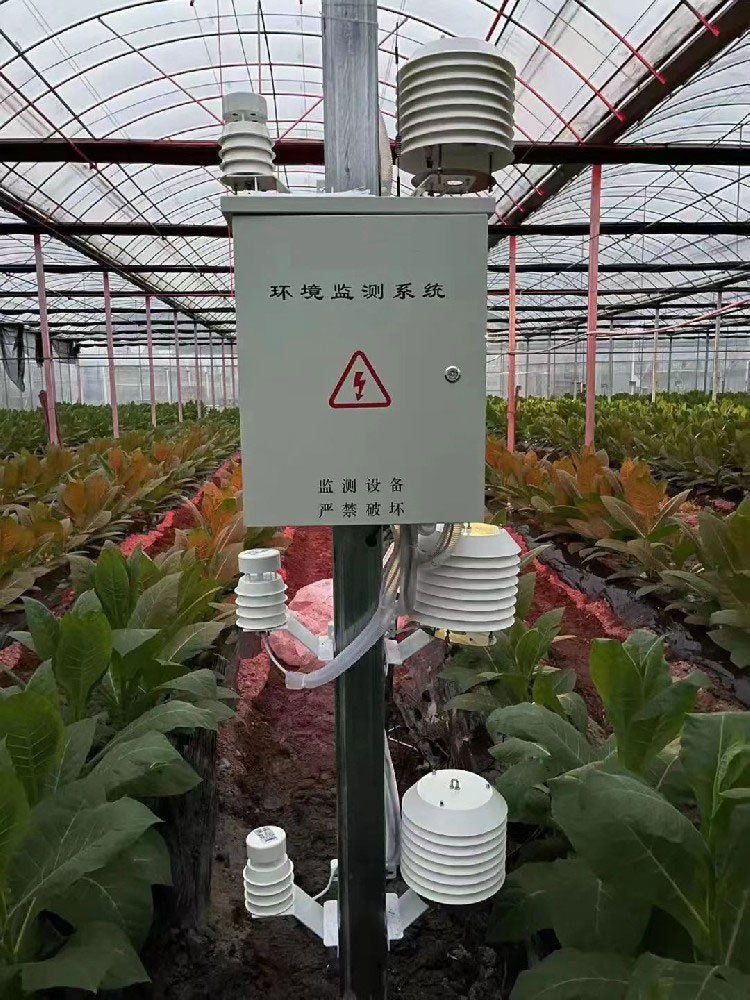
Agricultural weather stations like NiuBoL products provide reliable environmental monitoring solutions for greenhouse production. Through real-time data collection, alarms, and integration capabilities, they help system integrators, IoT suppliers, and engineering companies build efficient agricultural projects. Focusing on preventing meteorological disasters and optimizing crop growth, the system improves production efficiency and economic benefits. When selecting partners, prioritize compatibility and durability to ensure long-term value. Interested clients are welcome to contact us to discuss customized integration solutions.
 NBL-W-PARS-RAR-SENSOR-User-Manual.pdf
NBL-S-THR-Soil-temperature-and-moisture-sensors.pdf
NBL-S-TMC-Soil-temperature-and-moisture-ec-sensor.pdf
NBL-W-LBTH-Atmosphere-temperature-humidity-and-pressure-sensor.pdf
Prev:Application of Agricultural Weather Stations in Crop Pest and Disease Control and Disaster Defense
Related recommendations
Sensors & Weather Stations Catalog
Agriculture Sensors and Weather Stations Catalog-NiuBoL.pdf
Weather Stations Catalog-NiuBoL.pdf
Agriculture Sensors Catalog-NiuBoL.pdf
Water Quality Sensor Catalog-NiuBoL.pdf
Related products
 Combined air temperature and relative humidity sensor
 Soil Moisture Temperature sensor for irrigation|NBL-S-THR
 Soil pH sensor RS485 soil Testing instrument soil ph meter for agriculture |NBL-S-PH
 Wind Speed sensor Output Modbus/RS485/Analog/0-5V/4-20mA
 Tipping bucket rain gauge for weather monitoring auto rainfall sensor RS485/Outdoor/stainless steel
 Pyranometer Solar Radiation Sensor 4-20mA/RS485

Screenshot, WhatsApp to identify the QR code
WhatsApp number:+8615367865107
(Click on WhatsApp to copy and add friends)

