





— Blogs —
—Products—
 Consumer hotline +8618073152920
WhatsApp:+8615367865107
Address:Room 102, District D, Houhu Industrial Park, Yuelu District, Changsha City, Hunan Province, China
Product knowledge
Time:2026-03-13 15:39:20 Popularity:552
Quick answer: Small weather station applications are local observation tasks where a compact installation can provide the required measurements in a representative location. Size does not define accuracy, sensor count or certification. A farm, factory yard and research plot may need different exposure, recording intervals and service arrangements even when their stations look similar.
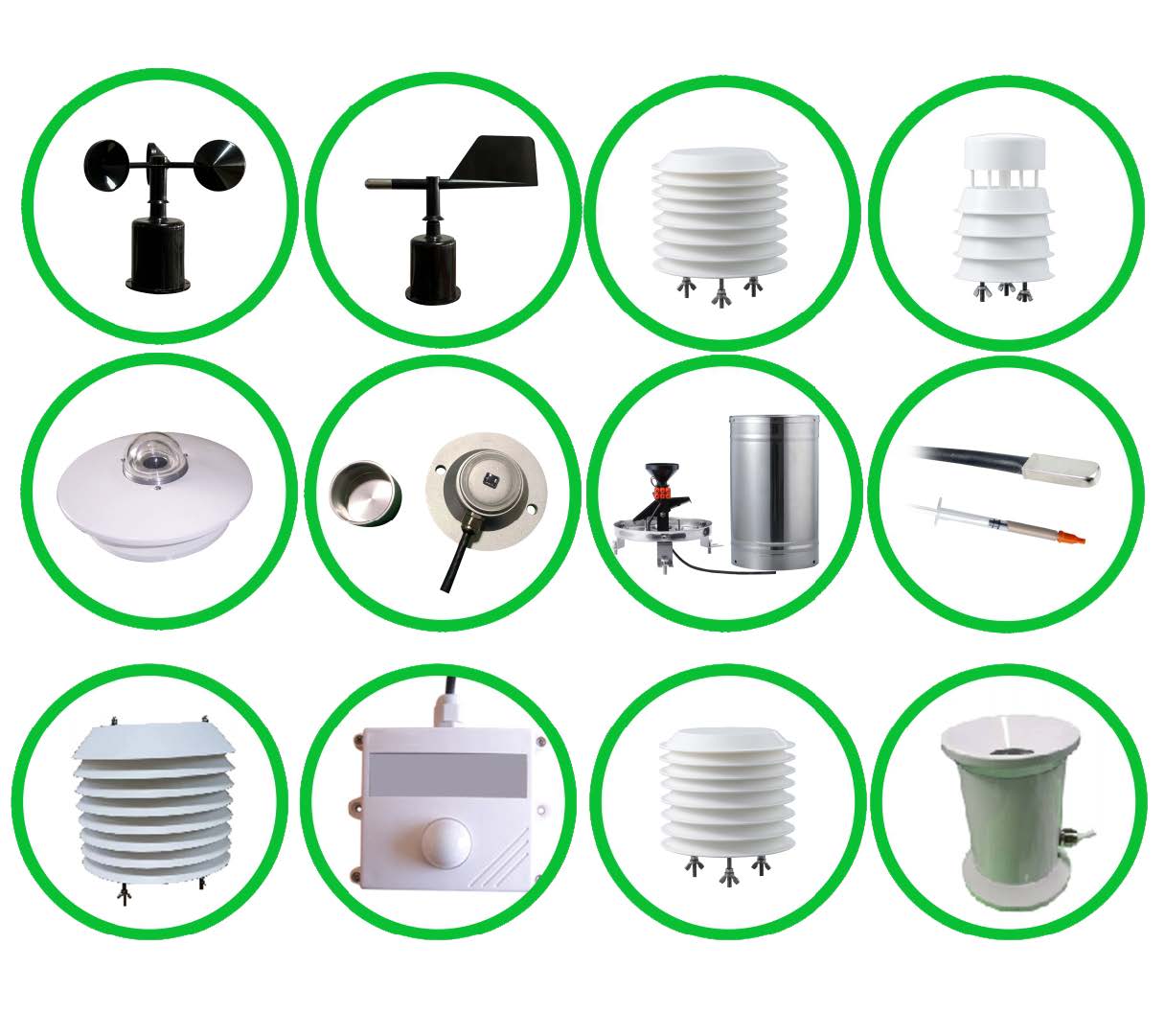
A small station is useful when its observation can answer a specific question: conditions at an experimental plot, wind near an industrial activity or rainfall at a remote site. Start with that question and the geographic area it concerns. A reading taken beside a hot wall may be accurate for that micro-location but unsuitable for an open-field comparison.
Separate local weather monitoring from regulatory observations, emergency warnings and forecasts. Each has different requirements for placement, processing and verification. A compact installation can contribute data to a larger system, but an enclosure, solar panel and modem do not establish approval for a safety-critical or statutory task.
| Project question | Useful observations | Decision to settle before purchase |
|---|---|---|
| What conditions affected this crop plot? | Air conditions and rainfall; soil or radiation when required | Open-field weather versus canopy or root-zone conditions |
| What wind occurred near an industrial operation? | Wind speed, direction and supporting air observations | Representative exposure and required averaging |
| Can two experimental treatments be compared? | Matched measurement methods and timed records | Common reference conditions or deliberate microclimate differences |
| What should an outdoor public display report? | Identified local channels with current timestamps | Display location versus observation location |
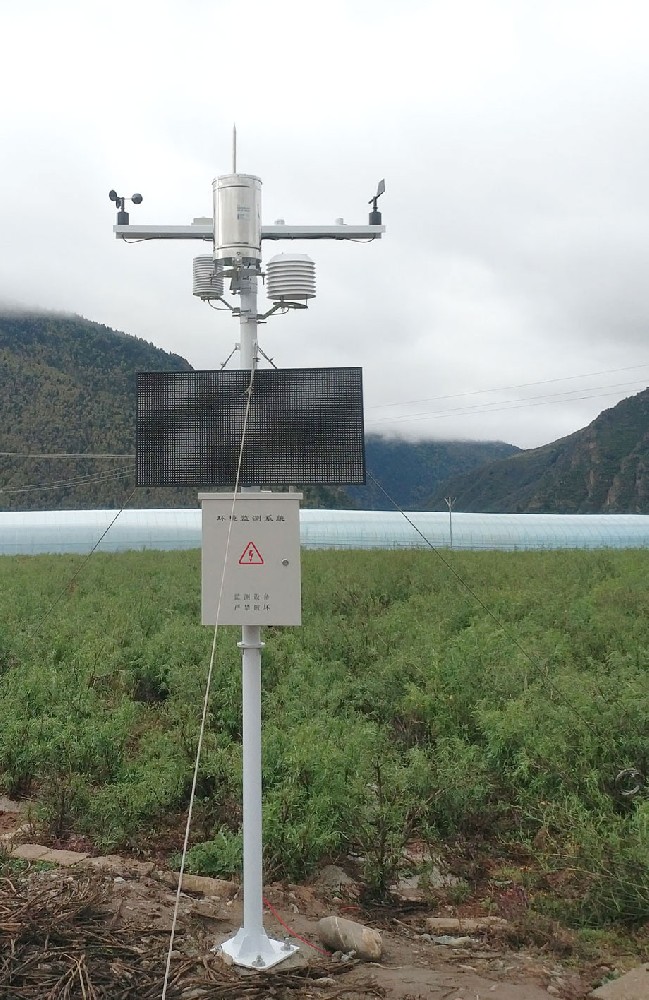
Take photographs in several directions and identify buildings, trees, paving, irrigation spray and future construction. Review where the equipment can be serviced and how cables will be protected. A convenient position beside a building may have good power and radio coverage yet poor exposure for air temperature or wind.
The WMO Guide to Instruments and Methods of Observation provides a framework for considering instrument exposure and observing methods. Apply the relevant observation requirements to the project; it is not evidence that an arbitrary compact station is WMO-certified.
If several variables need incompatible positions, allow separate brackets or a distributed arrangement. Shortening the installation footprint is a tradeoff, not an improvement by itself. Retain a site sketch with sensor heights, surrounding surfaces and nearby obstacles, so a changed environment can be identified later.
Mechanical cups, wind vanes, tipping buckets and electronic air sensors use different measuring methods. Select the actual components before specifying their performance. A rain collector should not be described as optical unless the selected model measures rainfall optically. Pressure should be reported in a consistent unit; 1000 hPa is 100 kPa, not 1000 kPa.
| Example component | Relevant limits | Consequence for a small installation |
|---|---|---|
| NBL-W-LBTH air sensor | -40 to 80 C, +/-0.5 C; 0-100% RH, +/-5% RH; 10-1200 hPa, +/-1.5 hPa; 12-24 VDC; selected RS485 or 4-20 mA output | Keep the shield ventilated and away from artificial heating or direct spray |
| NBL-W-RS, 0.2 mm tipping bucket | 0.2 mm per tip; 0-4 mm/min intensity; +/-4% indoor static test at 2 mm/min; working 0-50 C; standard cable 5 m | Provide leveling, collector access and an appropriate pulse or selected transmitter input |
| NBL-W-SS / NBL-W-DS wind instruments | Housing protection IP65; range and output depend on the selected version | Evaluate unobstructed exposure, direction reference and access to moving parts |
| Logger, modem and enclosure | Supply, consumption, storage, enclosure rating and communication functions depend on the assembled configuration | Specify the actual load and data task; do not assign a sensor rating to the entire station |
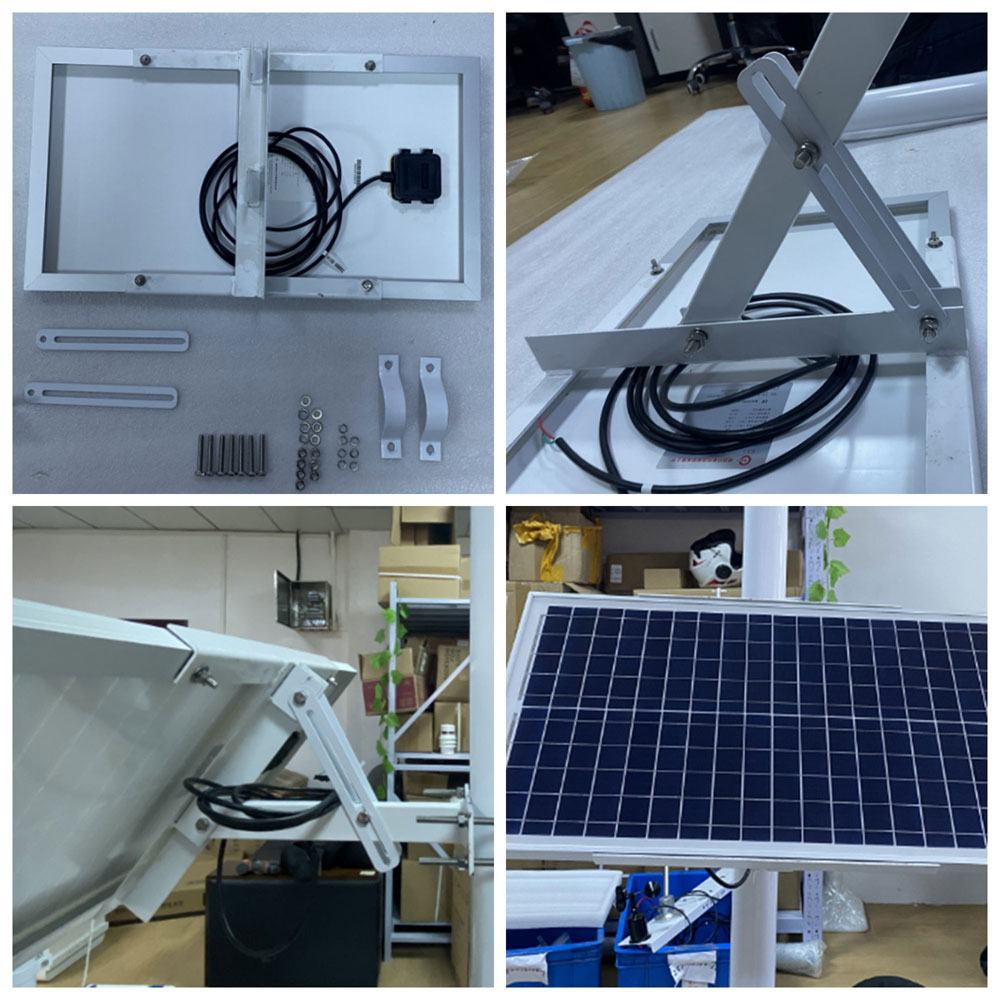
Request cable jacket material for the planned burial, sunlight and chemical exposure. The standard length is not a material specification. Battery capacity, panel rating and autonomy also need a load calculation for the chosen instruments and radio; a generic solar package cannot guarantee continuous operation at every site.
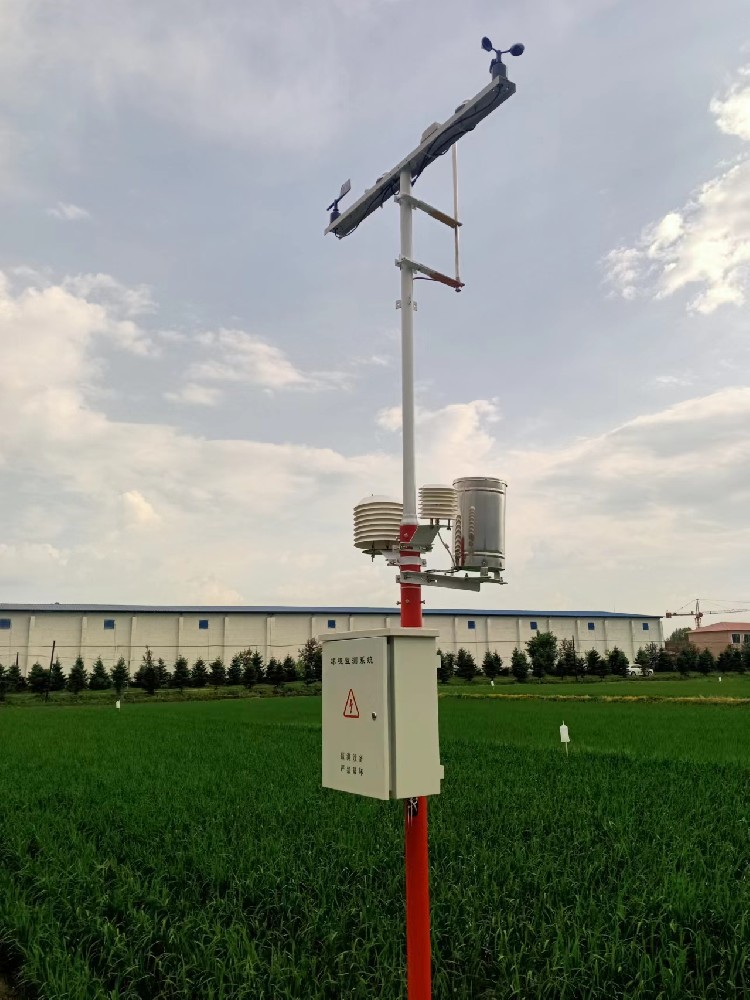
For a planting base, use open exposure when the objective is to compare local weather across seasons. For canopy conditions, locate the sensor deliberately within the target crop environment and label it accordingly. A canopy observation can be useful without being equivalent to an open reference observation.
Where irrigation is the decision, add representative soil measurements rather than inferring root-zone water from rainfall alone. A small air-and-rain station does not measure soil moisture unless the required probes and acquisition channels are included.
An industrial site weather station may provide wind context for yard operations or environmental investigations. It does not measure pollutant concentration or qualify a crane shutdown function by itself. If an operation uses a wind limit, define the measuring location, averaging and required integrity with the responsible engineer.
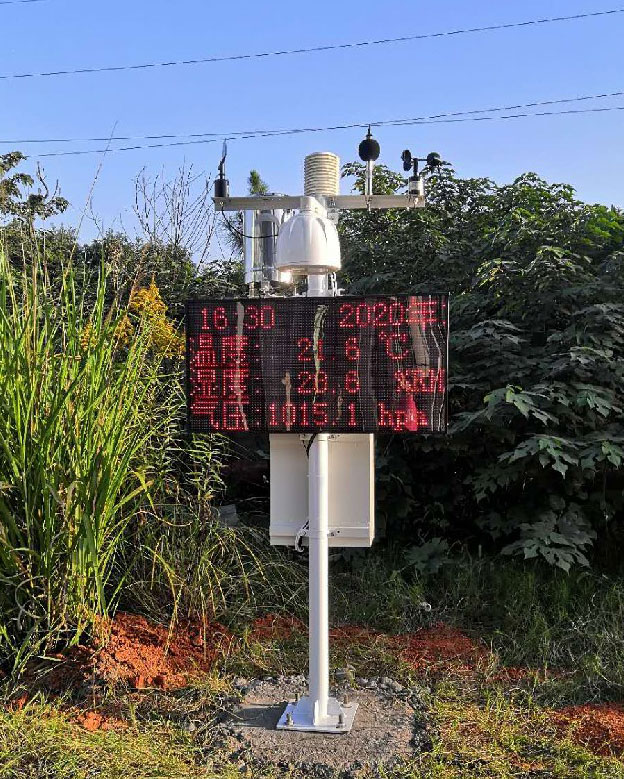
A display at a campus, park or scenic area can communicate current local conditions. Its convenient viewing position is not automatically a good observation site. A screen, enclosure or paved foreground can influence nearby air temperature or wind. Separate the sensing position from the display where the observation requires it.
Show the channel identity, unit and observation age. When communication fails, retaining the last number without a visible stale indication can mislead staff or visitors. Decide whether the display blanks the channel, marks it unavailable or shows its last observation time.
Outdoor environmental monitoring may also include particulate matter, noise or gases, but these are separate instruments with separate exposure requirements. Do not describe weather channels as evidence that air pollution is within a limit. List the actual measurements on a quotation instead of relying on a broad environmental-station label.
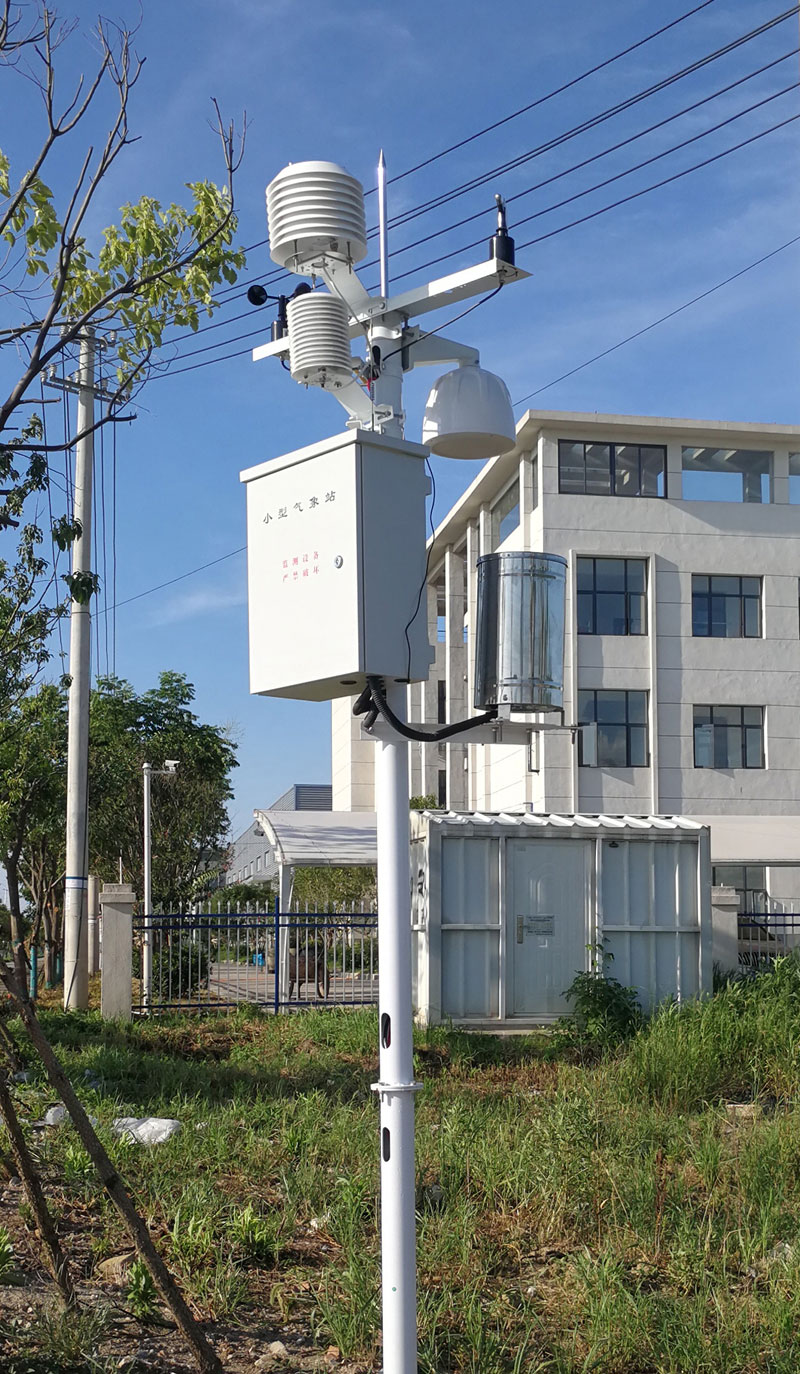
For a research plot, decide whether instruments should observe the same background conditions or deliberate treatment differences. Use matched measurement methods and synchronized time boundaries. Different radiation shields or mounting heights can introduce a systematic difference that resembles a treatment effect.
Keep calibration and verification results, sensor replacements, cleaning dates and exposure changes with the series. A compact station can be suitable for a pilot or a defined experiment without being suitable for every research method. Confirm the required uncertainty at the point where the study interprets a difference, not only the number of displayed decimal places.
For university teaching, accessible instruments and clear data export may matter more than a broad channel count. For long-term comparison, continuity of method and metadata becomes more important. Specify the intended use before paying for measurements that will not contribute to the experiment.
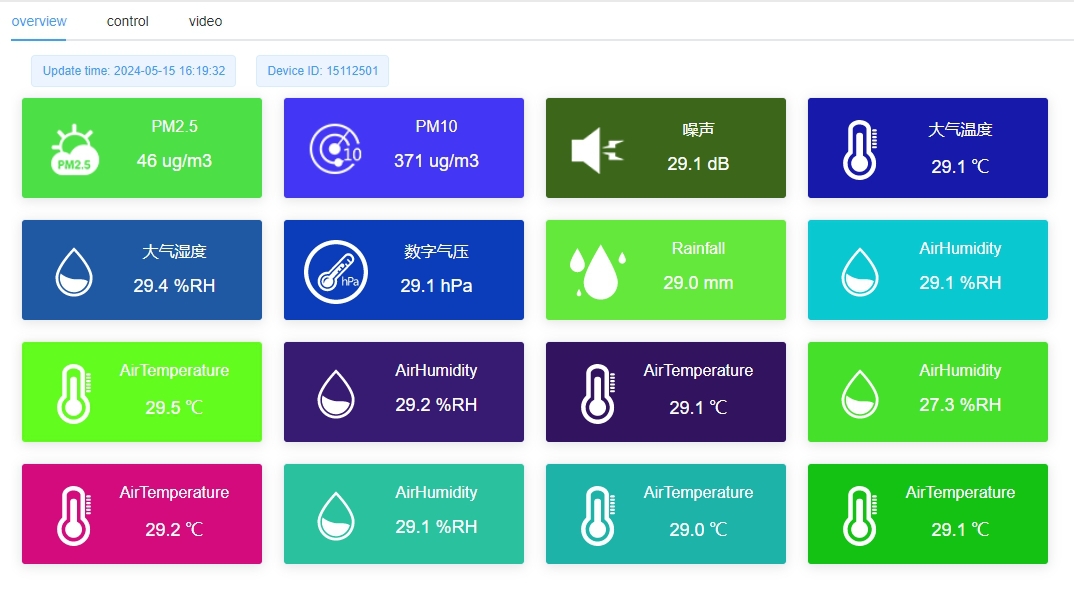
Define the scan interval, stored interval and upload interval separately. A dashboard refreshing every minute may be showing a single instantaneous reading rather than a one-minute average. Rain totals, wind averages and maximum values require explicit processing; a frequent refresh is not a substitute for the required statistic.
For RS485 Modbus RTU, verify addressing, serial settings, scaling and units between the instruments and collector. Remote delivery requires an additional supported communications path and destination. Cellular coverage, platform access and export capability must be checked for the project location and ordered equipment.
Confirm what is stored locally during an interruption and how later uploads are identified. Test a loss of network and a power restart. A blanket thirty-second latency or no-data-loss promise would ignore network service, load, storage and recovery conditions.
At a reservoir or drainage site, rainfall provides local event context, while water-level or flow instruments answer different hydraulic questions. Select those channels separately if the project needs a warning based on rising water. Nearby open water can also influence the local air measurement, so record that exposure. On an exposed road or bridge, the wind observation must represent the affected route and use the statistic required by the operating procedure. A nearby compact station is not automatically a qualified warning point for either application.
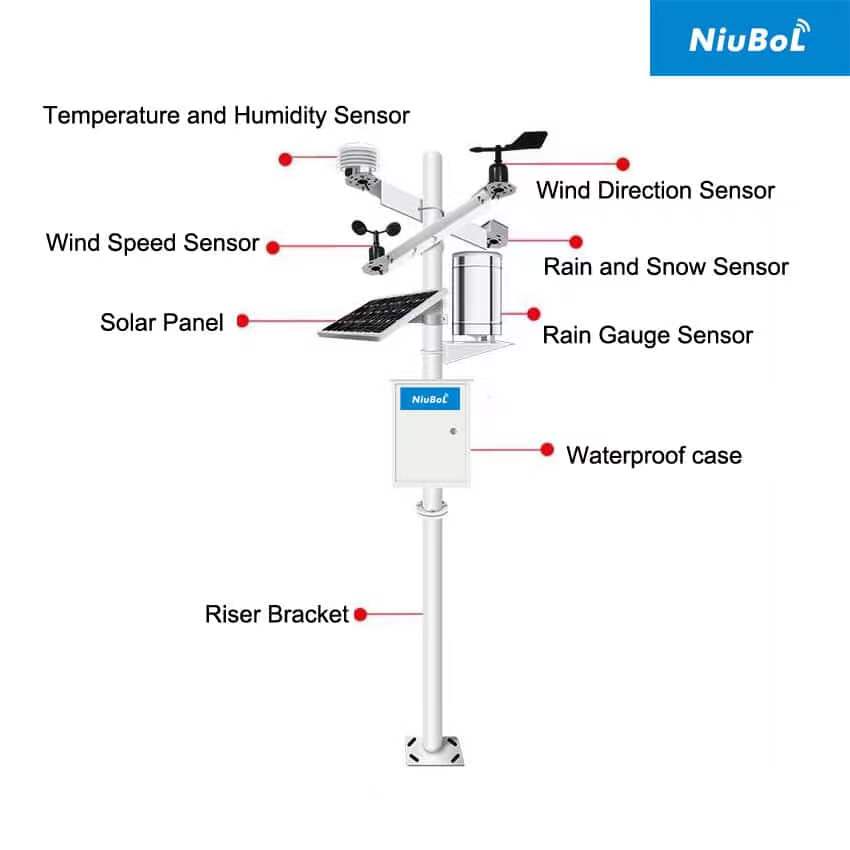
For weather station installation, allow access to clean the rain funnel, inspect wind movement and service the shield without disturbing other instruments. Provide appropriate cable support, enclosure entries and electrical protection. Foundations, mast loads, bonding and surge protection require site assessment, particularly near water, exposed roofs or overhead services.
Send NiuBoL the site photographs, intended observations, accuracy needs, available power and receiving system. Include the mounting arrangement, required historical export and service restrictions. Compare offers with the same installation and data scope. Warranty, on-site assistance and spare-part arrangements should be agreed in the quotation rather than assumed from the station's size.
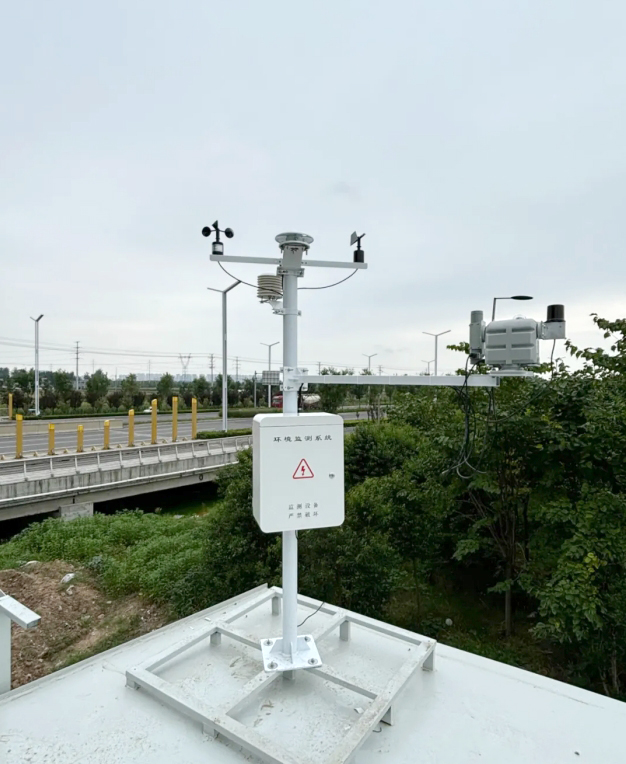
There is no fixed count. The term describes a compact installation, not a standardized measurement list. Specify each required quantity and instrument, including any separate soil, radiation or environmental channels.
Sometimes, but roof heating, turbulence, obstructions and servicing can affect suitability. Evaluate each observation against the required exposure and arrange structural and electrical checks. An open space on a roof is not automatically a representative weather site.
It can be, when the methods, uncertainty, time handling and record history meet that study's needs. Ask for channel-specific performance and a verification plan. A general research label is not a substitute for those requirements.
Only if the complete assembly has that defined rating and configuration. The wind instruments described here have IP65 housings. Rain openings, field joints and a separately chosen logger enclosure must be assessed individually.
Additional instruments may be included, but their mounting, power and data requirements need separate evaluation. Weather observations alone cannot establish particulate or gas concentrations.
Accept a representative pilot's exposure, channel values, units, time statistics, data recovery and maintenance access. Check remaining sites for different surroundings or communications conditions rather than copying the pilot layout unchanged.
Small weather station applications succeed when the installation represents the intended environment and delivers clearly defined observations. NiuBoL modular equipment can be configured for farms, industrial sites, public facilities or research, but each use needs its own exposure and data checks. Select the observation task first, then the physical package and service arrangement.
Prev:How Agricultural Weather Stations Improve Greenhouse Production Efficiency?
Next:Scenic Area Weather Station for Environmental Monitoring
Related recommendations
Sensors & Weather Stations Catalog
 Agriculture Sensors and Weather Stations Catalog-NiuBoL.pdf
Weather Stations Catalog-NiuBoL.pdf
Agriculture Sensors Catalog-NiuBoL.pdf
Water Quality Sensor Catalog-NiuBoL.pdf
Related products
 Combined air temperature and relative humidity sensor
 TDR Soil Moisture & Temperature Sensor for irrigation| RS485 |4-20mA| NBL-S-THR
 Soil pH sensor RS485 soil Testing instrument soil ph meter for agriculture |NBL-S-PH
 Wind Speed sensor Output Modbus/RS485/Analog/0-5V/4-20mA
 Tipping bucket rain gauge for weather monitoring auto rainfall sensor RS485/Outdoor/stainless steel
 Pyranometer Solar Radiation Sensor 4-20mA/RS485


Screenshot, WhatsApp to identify the QR code
WhatsApp number:+8615367865107
(Click on WhatsApp to copy and add friends)

