





— Blogs —
—Products—
 Consumer hotline +8618073152920
 WhatsApp:+8615367865107
Address:Room 102, District D, Houhu Industrial Park, Yuelu District, Changsha City, Hunan Province, China
Product knowledge
Time:2026-03-13 14:13:48 Popularity:438
Winter is the high-incidence period for forest fires in China. With widespread forest distribution and complex terrain and landforms—from mountainous forest areas to plateau woodlands—high vegetation coverage combined with accumulated dry branches and leaves in winter significantly increases combustible load. Once a forest fire occurs, it spreads rapidly with complex and variable fire conditions. Due to inconvenient transportation in forest areas, fire trucks and rescue equipment struggle to arrive quickly, making firefighting extremely difficult. This not only causes huge ecological damage and economic losses but may also threaten rescuers' lives. Therefore, the core of forest fire prevention work has shifted from “passive firefighting” to “active prevention,” and precise, real-time meteorological monitoring is the core support for active prevention systems in forest areas.
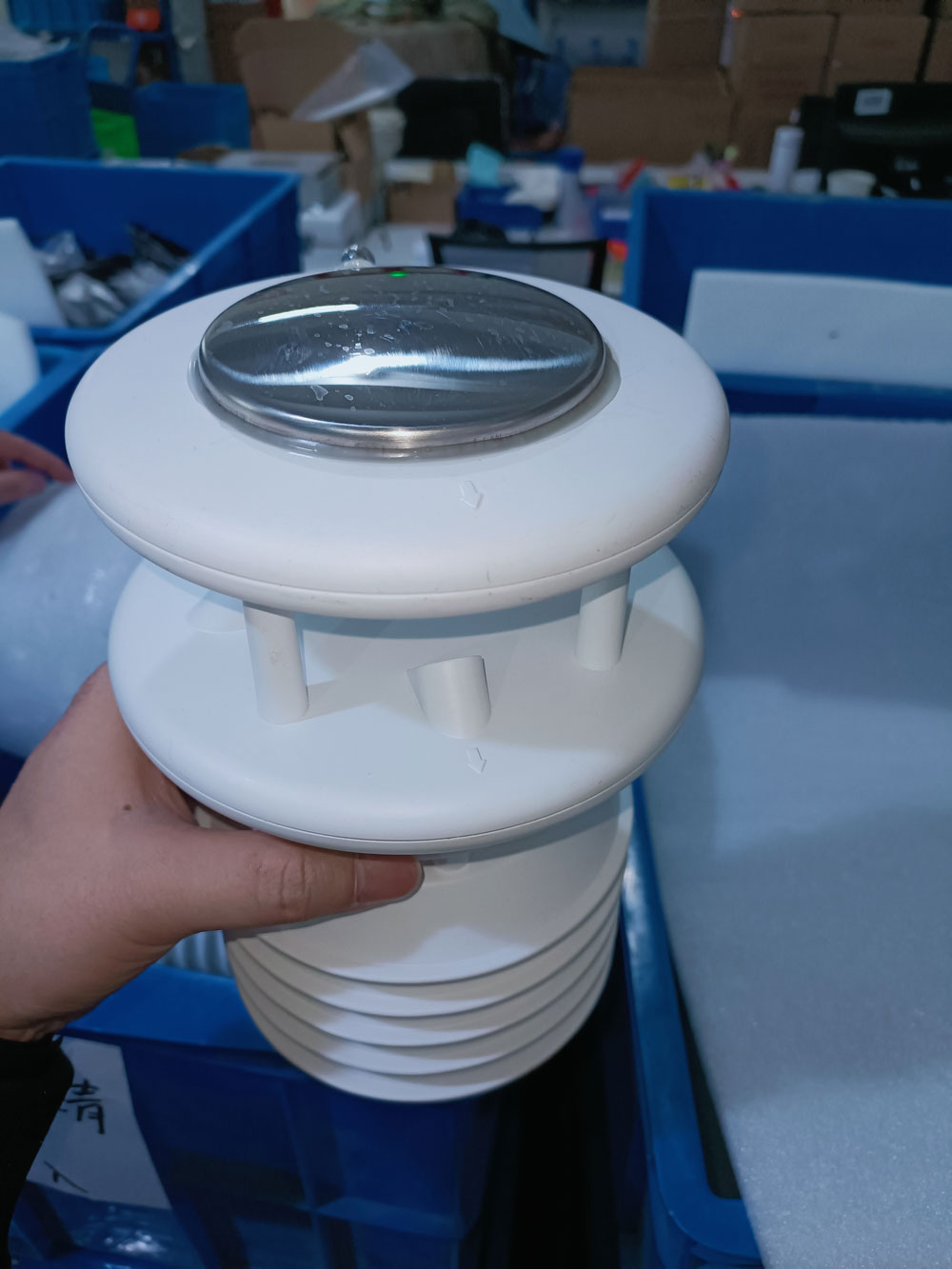
As a manufacturer focused on R&D and production of engineering-grade meteorological monitoring equipment, NiuBoL has been deeply involved in the meteorological monitoring field for many years. It accurately identifies the procurement pain points of system integrators, IoT solution providers, project contractors, and engineering companies in forest fire prevention projects. The launched NiuBoL ultrasonic weather station, with its high integration, low power consumption, high protection, and easy installation core advantages, has become the preferred procurement product for various forest area fire prevention meteorological monitoring projects. It provides reliable equipment support for building comprehensive, all-weather meteorological monitoring and forest fire early warning systems in forest areas, helping purchasers efficiently implement forest fire prevention projects and enhance project quality and reputation.
Forest fire occurrence, development, and spread are closely related to meteorological conditions. Wind speed, wind direction, temperature, humidity, solar radiation, and other meteorological elements directly determine the probability of forest fire occurrence, spread speed, and direction. For purchasers undertaking forest fire prevention projects, clearly identifying the core pain points of forest area meteorological monitoring is the premise for precise selection and efficient project implementation, as well as the key to improving engineering prevention effectiveness.
In winter forest areas, precipitation is scarce, air is dry, relative humidity remains low for extended periods, and combustible materials such as dry branches, fallen leaves, and peat drop to critical moisture content. Once suitable meteorological conditions occur, fires are extremely likely. Based on engineering monitoring practice, the core meteorological triggers for high-incidence forest fires mainly include the following:
Temperature and humidity imbalance: Winter forest areas experience large temperature fluctuations, with high daytime solar radiation intensity causing rapid surface temperature rise, while relative humidity below 30% causes rapid dehydration of dry branches and rotten leaves, significantly increasing spontaneous combustion risk;
Strong wind weather amplification: Northern winter forest areas often have northerly or northwesterly winds; when wind speed exceeds 5 m/s, once a fire source appears, the fire spreads rapidly, and wind direction changes make fire conditions unpredictable, increasing firefighting difficulty;
Special meteorological disaster triggers: Lightning weather can directly ignite forest vegetation, especially in high-mountain forest areas where lightning-caused fires have strong concealment and fast ignition, making early detection difficult;
Solar radiation accumulation: During prolonged no-precipitation weather, continuous solar radiation accumulation raises the temperature of dry branches, rotten leaves, peat, and other combustibles, reaching ignition point and causing spontaneous combustion.
In addition to meteorological factors, human activities are another major cause of forest fires. When overlaid with meteorological conditions, they dramatically increase fire occurrence probability, posing greater challenges to engineering monitoring and prevention. From the perspective of engineering procurement and implementation, the following human risk points require key attention:
Agricultural production fire risk: In some forest-adjacent rural areas, farmers burn straw and weeds for fertilizer after crop harvest. If strong wind, dry conditions, or other adverse meteorological conditions occur simultaneously, sparks are easily blown into forest areas, igniting fires;
Outdoor work and tourism fire risk: Winter outdoor tourism, camping, picnics, and other activities increase. Some individuals illegally use open flames or carelessly discard cigarette butts. In dry, windy meteorological environments, these easily ignite surrounding combustibles;
Sacrificial and festival fire risk: Traditional sacrificial and festival activities frequently involve incense burning and paper burning. If prevention measures are inadequate and meteorological conditions are unfavorable, forest fires are easily triggered.

Some forest areas still use traditional manual patrols and fixed-point observations, which have obvious shortcomings and fail to meet the prevention needs of modern forest fire prevention projects, becoming core pain points for engineering purchasers:
Limited monitoring coverage: Manual patrols struggle to cover large, remote forest areas, leaving monitoring blind spots;
Slow response: Manual monitoring cannot capture real-time meteorological element changes, making early fire risk warning difficult;
Insufficient data accuracy: Traditional monitoring equipment mostly uses mechanical structures, easily worn by outdoor environments, resulting in large measurement errors and inability to provide precise support for forest fire early warning;
High operation and maintenance costs: Remote forest areas require high-frequency, difficult manual patrols, significantly increasing long-term engineering O&M costs.
Therefore, building a high-precision, all-weather, unattended meteorological monitoring system has become the core demand of forest fire prevention projects. Selecting a meteorological monitoring device adapted to forest wild environments, easy to integrate, and low-power is the key for purchasers to maximize project value.
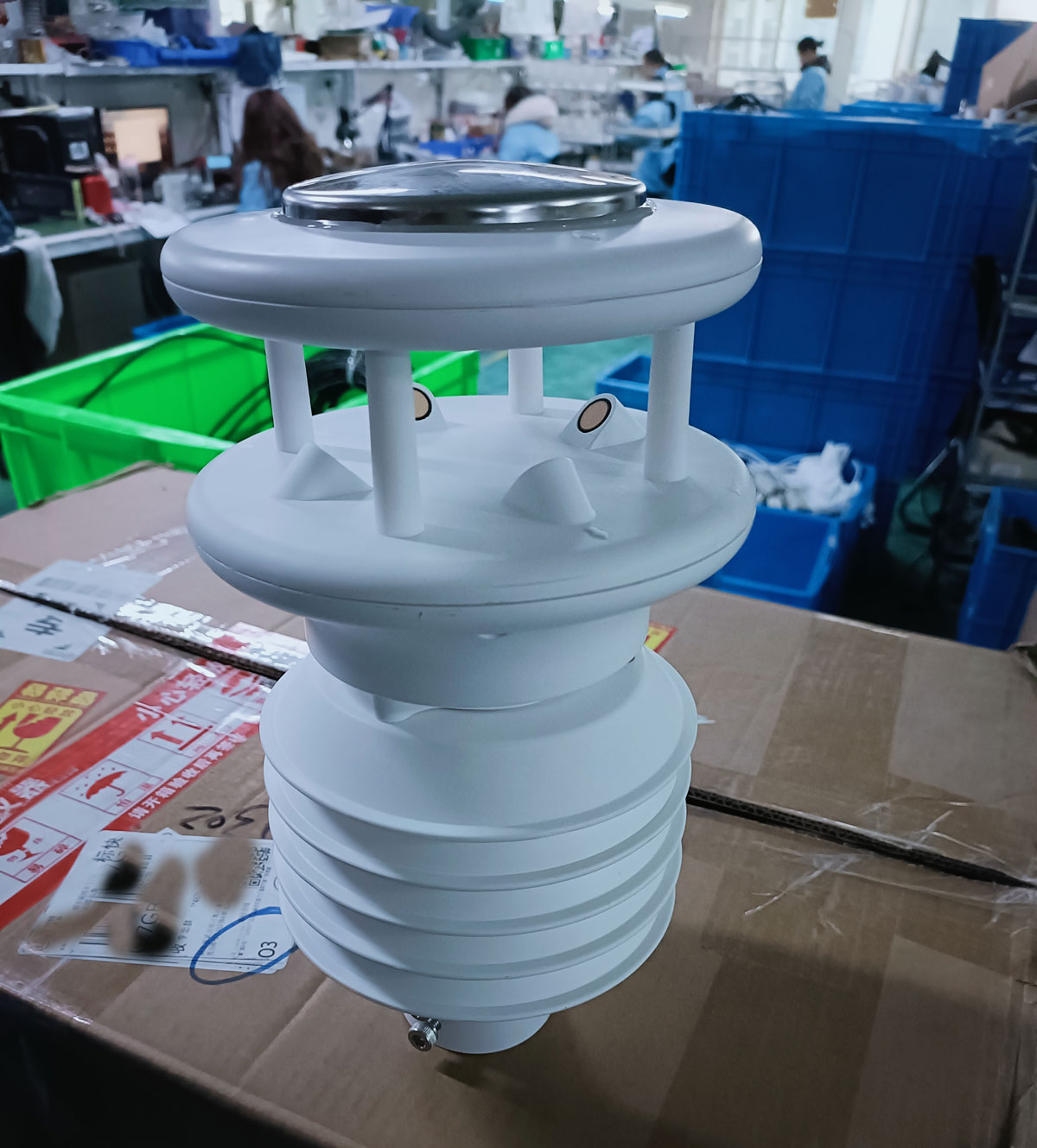
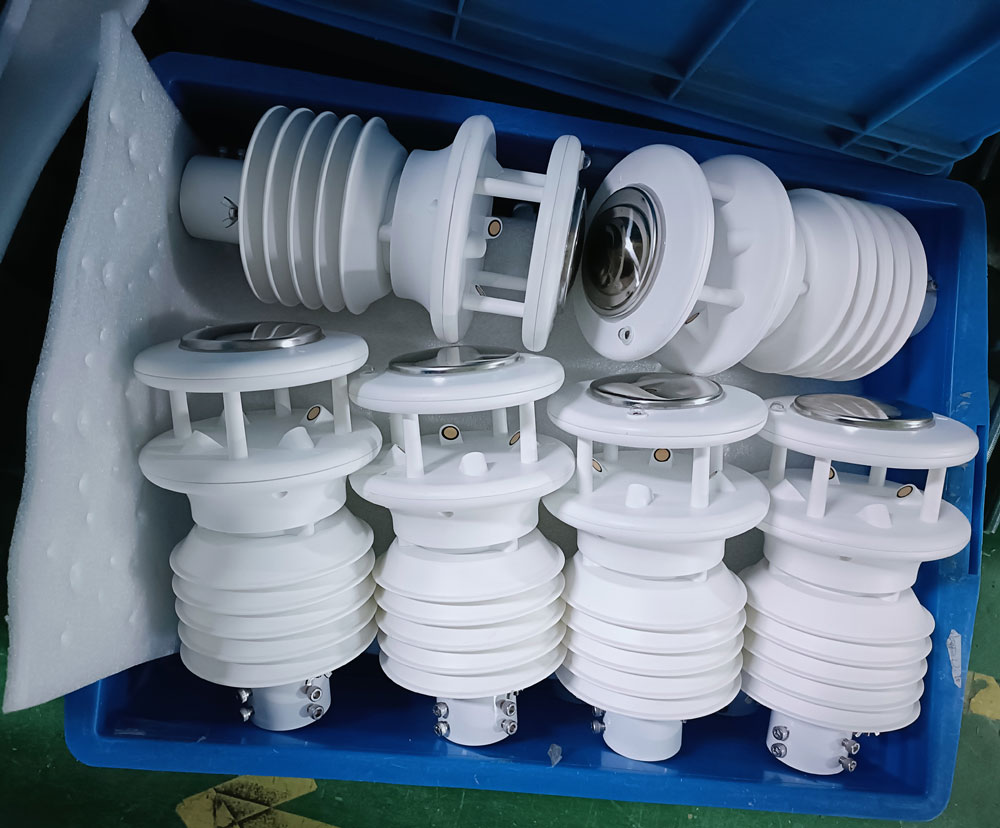
Addressing the monitoring needs and procurement pain points of forest fire prevention projects, the NiuBoL ultrasonic weather station launched is a highly integrated, low-power, quick-installation, easy-to-use high-precision automatic meteorological observation device for field monitoring. It focuses on core forest area meteorological monitoring needs, with professional engineering-grade quality that perfectly matches the project implementation requirements of system integrators, IoT solution providers, project contractors, and engineering companies, providing comprehensive meteorological monitoring solutions for forest fire prevention projects.
The NiuBoL ultrasonic weather station fully considers the special characteristics of complex forest wild environments in its design, balancing accuracy, stability, integration, and maintenance convenience. Its core advantages precisely match engineering procurement pain points, helping purchasers efficiently implement projects.
The NiuBoL ultrasonic weather station accurately monitors core meteorological elements for forest fire prevention, covering wind speed, wind direction, temperature, humidity, air pressure, optical rainfall, PM2.5, etc., with flexible expansion of monitoring parameters (such as solar radiation, UV) according to engineering needs, comprehensively capturing meteorological triggers of forest fire occurrence. The device uses ultrasonic detection principle, compared to traditional mechanical weather stations, with no mechanical wear, higher monitoring accuracy, and faster response. Wind speed measurement range 0~60 m/s, error ±0.1 m/s, no start-up wind speed limit, accurately capturing wind speed changes from breeze to strong wind, providing precise data for forest fire spread speed prediction; relative humidity measurement range 0-100% RH, error ±0.3% RH, real-time monitoring of forest area air dryness, early warning of spontaneous combustion risk, fully meeting forest fire prevention engineering monitoring accuracy requirements.
Forest wild environments are harsh, with high temperature, severe cold, heavy rain, salt fog, dust, and other factors severely affecting equipment operational stability. NiuBoL ultrasonic weather station sensors adopt all-in-one design, with ASA material housing featuring excellent corrosion resistance, aging resistance, and salt-fog resistance, protection rating IP65 or above, effectively resisting outdoor rainwater and dust erosion, avoiding precision degradation due to mechanical wear or corrosion in traditional weather stations. The device operates stably in extreme temperatures from -40℃ to 60℃, adapted to various scenarios including northern cold forest areas and southern high-temperature forest areas, requiring no additional protective measures, significantly reducing engineering installation and maintenance costs.
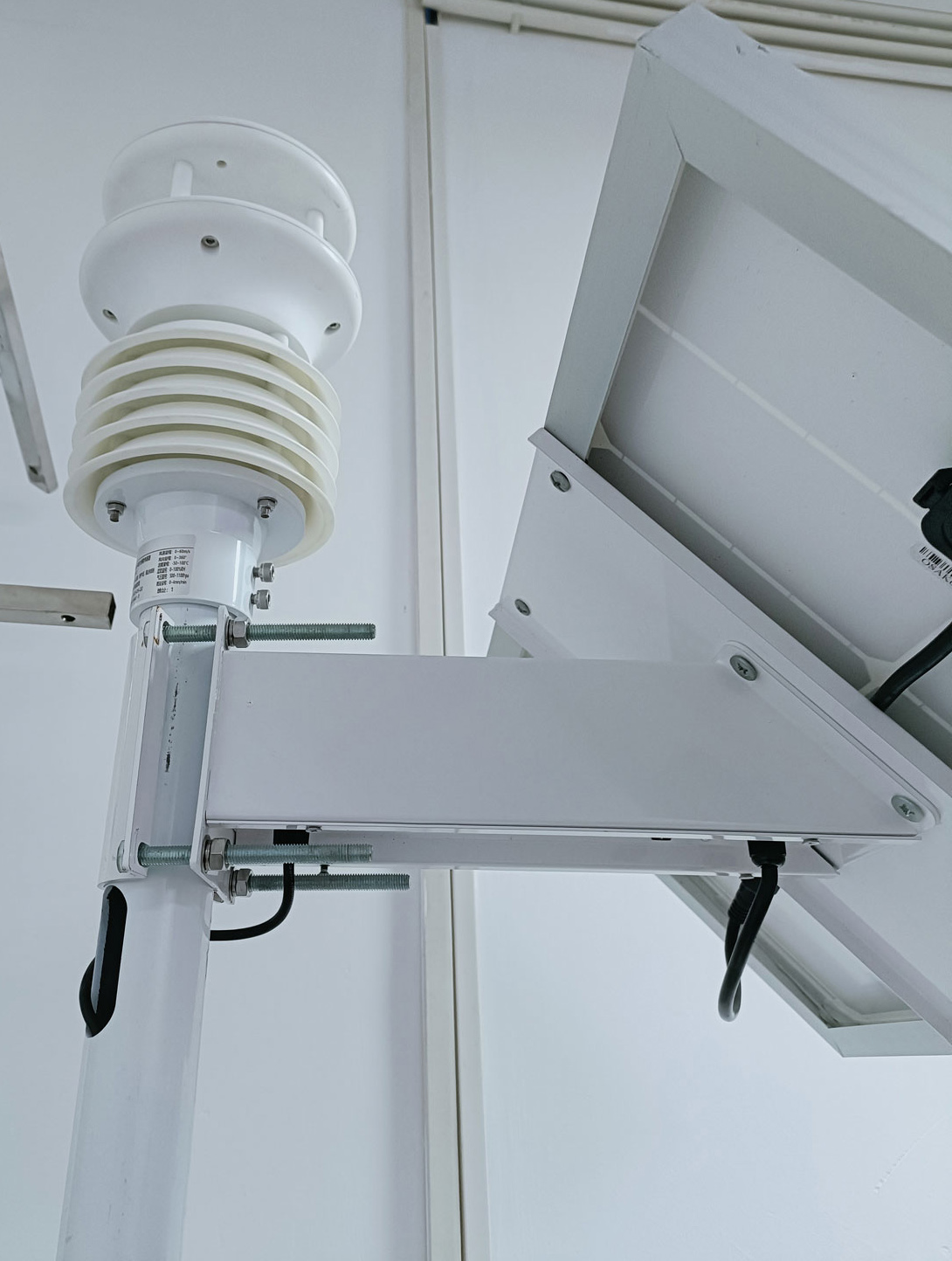
Forest areas are mostly remote with limited power and communication conditions, imposing high requirements on device integration and power consumption. NiuBoL ultrasonic weather station adopts highly integrated design, combining sensors, data logger, and communication module into one, compact size, quick installation, no complex on-site debugging, significantly improving engineering implementation efficiency; low-power design with power consumption ≤800 mW, supporting 220V mains or solar power options. Solar power solution adapts to remote forest areas without mains, paired with large-capacity batteries for 24-hour unattended stable operation, effectively reducing long-term engineering O&M costs.
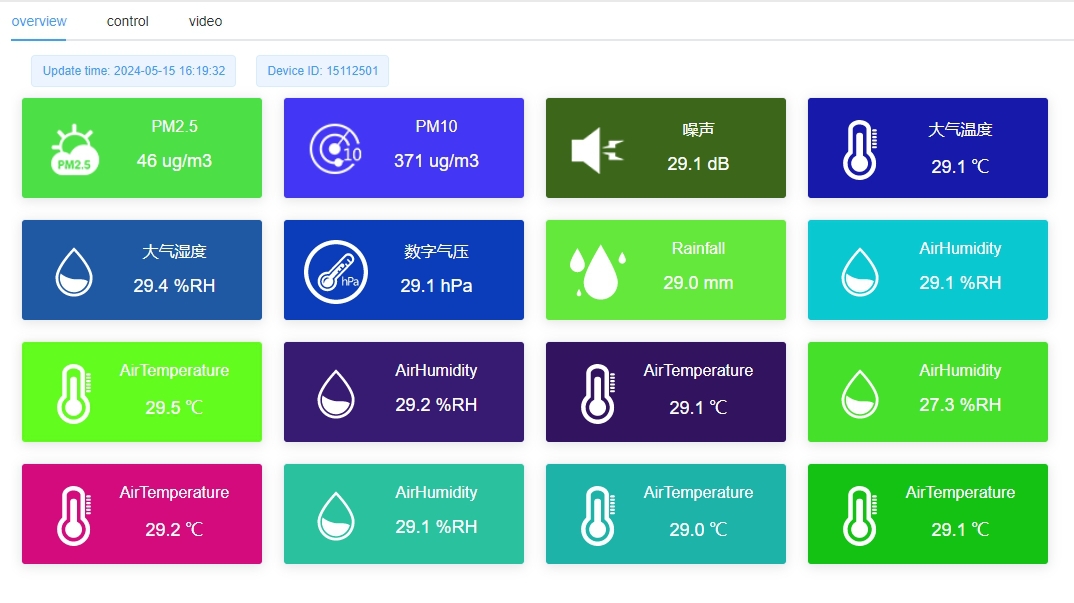
The NiuBoL ultrasonic weather station supports cloud platform remote monitoring. Engineering purchasers and forest farm management can view monitoring data in real time, set parameters, and modify warning thresholds via the cloud platform for remote control of forest area meteorological environment. When monitoring data reaches preset warning thresholds (such as excessive wind speed, low humidity), the cloud platform automatically sends alarm messages to relevant responsible persons, reminding staff to take timely prevention measures and deploy fire prevention teams in advance, achieving active forest fire risk early warning and rapid response, significantly improving forest fire prevention engineering effectiveness.
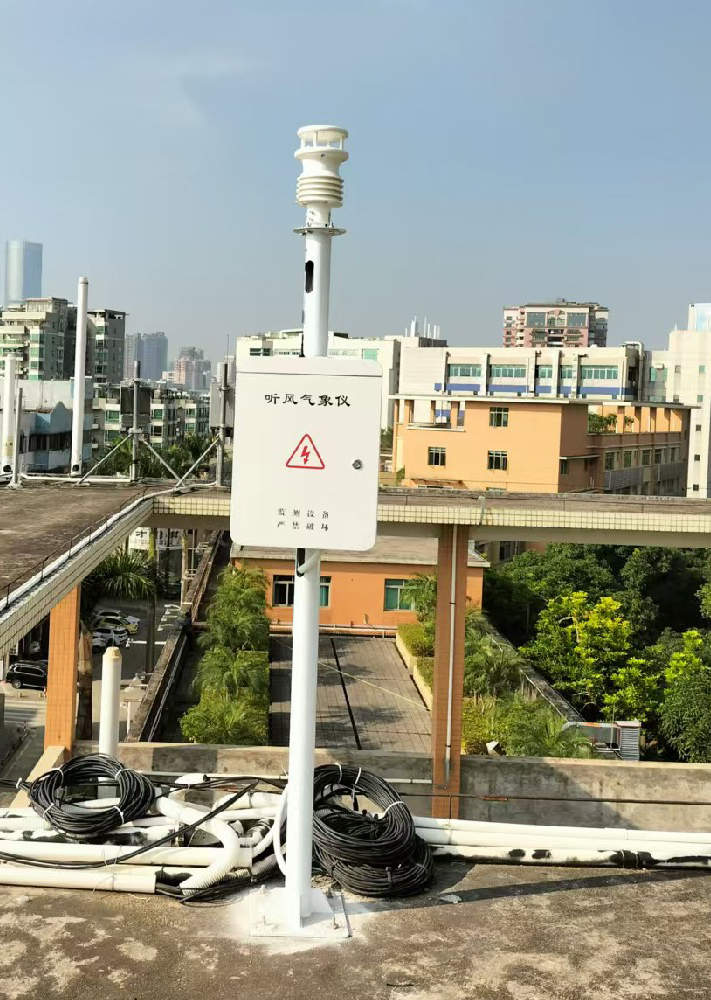
The following are the core technical parameters of the NiuBoL ultrasonic weather station, precisely matching forest fire prevention engineering procurement selection needs. All parameters comply with industry standards and can be customized and adjusted according to actual engineering requirements.
| Monitoring Parameter | Measurement Range | Accuracy | Resolution |
|---|---|---|---|
| Wind Speed | 0~60 m/s | ±0.1 m/s | 0.01 m/s |
| Wind Direction | 0~360° | ±2° | 1° |
| Temperature | -40℃~60℃ | ±0.3℃ | 0.01℃ |
| Humidity | 0-100% RH | ±0.3% RH | 0.1% RH |
| Air Pressure | 300-1100 hPa | ±0.25% | 0.1 hPa |
| Optical Rainfall | 0-4 mm/min | ±4% | 0.1 mm |
| PM2.5 | 0-1000 μg/m³ | ±10% | 1 μg/m³ |
| Power Supply Method | 220V mains / optional solar | Stable power supply | Power consumption ≤800 mW |
| Communication Method | GPRS/4G/fiber | Stable transmission | Transmission delay ≤30 s |
| Protection Rating | IP65 or above | Waterproof, dustproof, corrosion-resistant | Resistant to level 15 typhoon |
| Data Storage | Can store more than 1 year of raw data | No error | Minute-level storage |
| Installation Method | Pole installation (3-5 m optional) | Easy installation | Single-person installation |
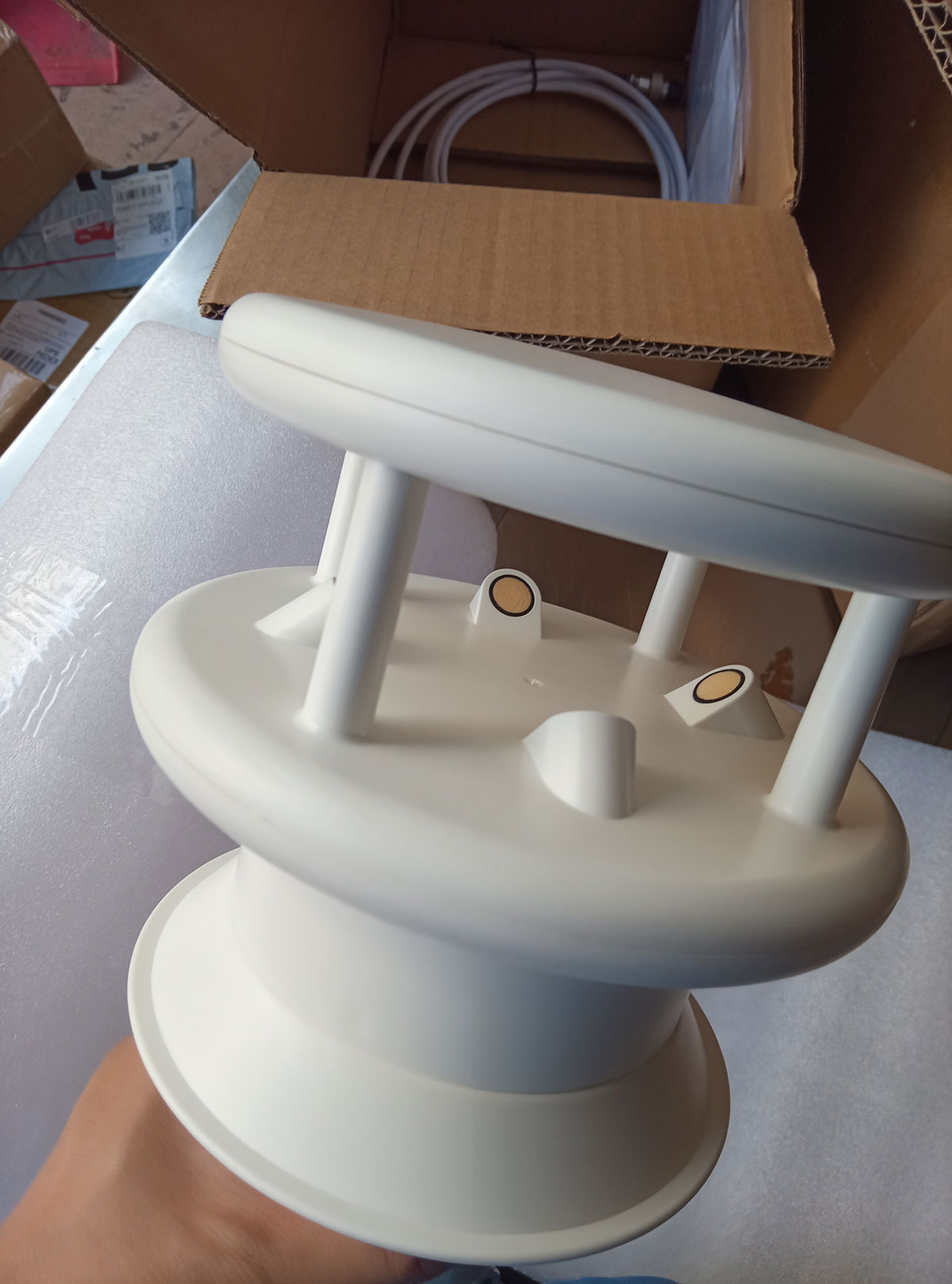
With its high adaptability, high stability, and easy integration core advantages, the NiuBoL ultrasonic weather station has been widely applied in various forest fire prevention projects, matching the different project needs of system integrators, IoT solution providers, project contractors, and engineering companies. The following are core application scenarios for purchaser reference.
State-owned forest farms cover vast areas with complex terrain and are key zones for forest fire prevention, requiring extremely high coverage, accuracy, and stability in meteorological monitoring. The NiuBoL ultrasonic weather station can be deployed in grid layout within forest farms to achieve full-domain meteorological monitoring, real-time capturing changes in core elements such as temperature, humidity, wind speed, and wind direction, providing precise forest fire risk early warning data for forest farm management. System integrators can integrate it with forest farm smart fire prevention systems to achieve linkage between meteorological data and video surveillance, fire alarms, etc., building comprehensive forest fire prevention systems adapted to large-scale state-owned forest farm fire prevention project procurement needs.
Mountainous forest areas have steep terrain and inconvenient transportation, making manual patrols difficult. Once a fire occurs, it spreads rapidly with high emergency disposal difficulty. The NiuBoL ultrasonic weather station adopts a solar power supply solution for quick deployment in mountainous forest areas without mains power, achieving 24-hour unattended monitoring. When dangerous meteorological conditions such as excessive wind speed or low humidity are detected, timely warnings are triggered, providing precise data support for emergency team deployment and fire prevention material allocation. Project contractors can rely on this equipment to quickly implement mountainous forest area emergency early warning projects, improving engineering emergency disposal effectiveness.
Agricultural production fire use around forest areas is a major cause of forest fires, requiring key monitoring of meteorological conditions in agricultural fire use areas. The NiuBoL ultrasonic weather station can be deployed in agricultural fields, orchards, and other areas around forest zones, real-time monitoring wind speed, wind direction, humidity, and other parameters. When adverse meteorological conditions such as strong wind or dryness occur, timely reminders are sent to staff to strengthen agricultural fire use supervision, eliminating human-caused fires at the source. IoT solution providers can integrate it with fire use monitoring equipment to achieve linkage monitoring of meteorological conditions and fire use behavior, improving targeted engineering prevention.
Forest tourist scenic areas have high tourist flow with frequent open-fire behaviors such as camping and picnics, resulting in high forest fire risk. The NiuBoL ultrasonic weather station can be deployed in key areas such as scenic entrances, camping zones, and trails, real-time monitoring meteorological environment and displaying monitoring data via accompanying LED screens to remind tourists of fire safety; at the same time, when dangerous meteorological conditions are detected, timely scenic area warnings are triggered to assist management in evacuating tourists and strengthening patrols, reducing forest fire occurrence probability. Engineering companies undertaking scenic forest fire prevention projects can select this equipment to enhance intelligent prevention levels.
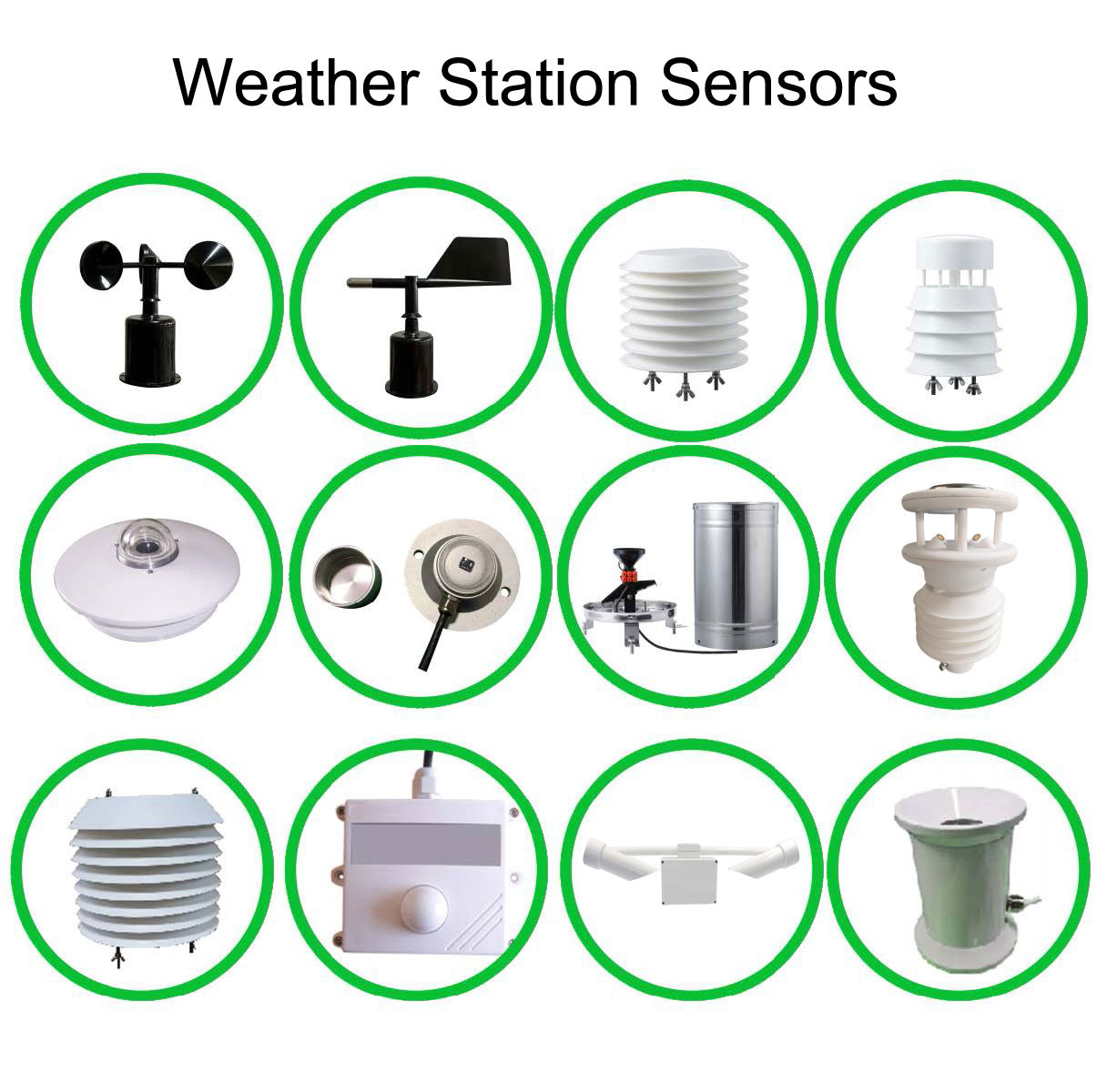
For common questions from system integrators, IoT solution providers, project contractors, and engineering companies during procurement of NiuBoL ultrasonic weather stations, the following 8 core Q&As are compiled to assist purchasers in quick decision-making and efficient implementation of forest fire prevention projects.
Q1: Can the NiuBoL ultrasonic weather station integrate with our forest fire prevention monitoring system?
A1: Yes. The NiuBoL ultrasonic weather station uses standardized Modbus communication protocol with 485 interface, allowing direct integration with purchasers' forest fire prevention monitoring systems or IoT platforms without additional interface modification. We provide complete integration technical documents and technical support to assist purchasers in quickly completing system docking and achieving linkage between meteorological data and fire monitoring, emergency disposal, and other systems.
Q2: How does the equipment ensure stable operation in remote forest areas without mains power?
A2: We provide optional solar power supply solutions, configuring appropriate power solar panels and large-capacity batteries according to forest area sunlight conditions for 24-hour unattended stable operation without mains power. The equipment adopts low-power design to effectively reduce solar panel load, ensuring stable power supply even in low-light winter conditions, fully adapted to remote forest area scenarios.
Q3: Can the equipment's monitoring accuracy meet the early warning needs of forest fire prevention projects?
A3: Fully meets requirements. The NiuBoL ultrasonic weather station uses ultrasonic detection principle with no mechanical wear, and monitoring accuracy complies with national meteorological industry standards. Wind speed error ±0.1 m/s, humidity error ±0.3% RH, accurately capturing core meteorological triggers of forest fire occurrence, providing high-quality data support for forest fire early warning, adapted to various forest fire prevention engineering early warning needs.
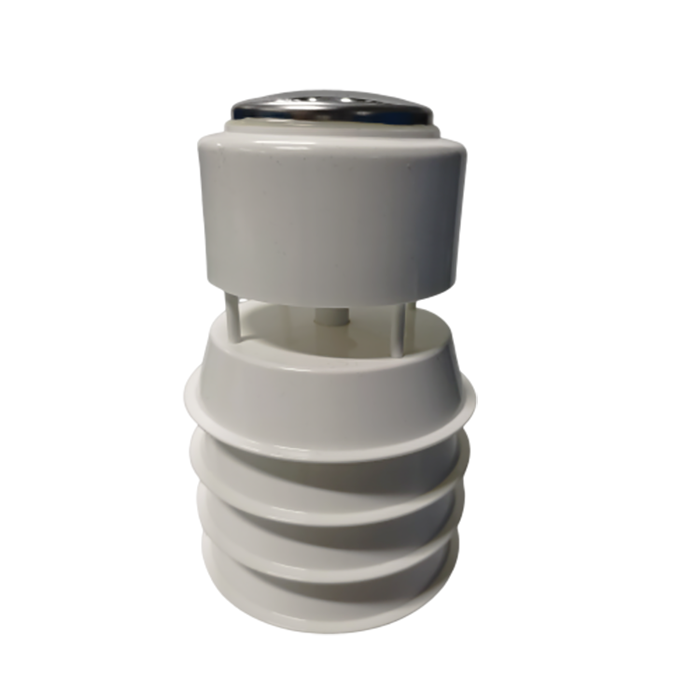
Q4: How difficult is equipment installation? Is installation guidance and technical support provided?
A4: The equipment adopts all-in-one integrated design with professional pole brackets, allowing single-person installation and commissioning, significantly reducing engineering installation difficulty. We provide complete installation manuals and tutorials, arrange professional technical personnel for remote installation guidance, and offer on-site technical support when necessary to assist purchasers in efficiently completing equipment installation and commissioning, ensuring smooth project progress.
Q5: What is the warranty period? How is post-warranty operation and maintenance ensured?
A5: The NiuBoL ultrasonic weather station has a 1-year warranty period, with free repair and parts replacement during warranty; post-warranty provides lifetime maintenance service with parts supplied at cost price. The equipment features remote fault diagnosis, real-time monitoring of operational status, timely reminders for faults, and 24-hour technical team response for quick resolution of O&M issues, reducing purchasers' long-term O&M costs.
Q6: Can monitoring parameters and equipment specifications be customized according to actual forest fire prevention project needs?
A6: Yes. NiuBoL has professional customization R&D capabilities and can customize monitoring parameters (e.g., add solar radiation, UV), equipment specifications (e.g., pole height, solar power), power supply methods, and communication methods according to purchasers' engineering needs and forest area characteristics, fully adapting to actual project requirements and improving engineering adaptability and prevention effectiveness.
Q7: Can the equipment operate stably in extreme weather such as severe cold or heavy rain?
A7: Yes. The equipment uses imported ASA material housing with protection rating IP65 or above, featuring excellent waterproof, dustproof, corrosion-resistant, and aging-resistant performance; it operates stably in extreme temperatures from -40℃ to 60℃ and withstands level 15 typhoons, adapting to harsh weather conditions such as winter severe cold, heavy rain, and strong winds in forest areas, ensuring uninterrupted monitoring.
Q8: Compared to other brands, what is the core competitiveness of NiuBoL ultrasonic weather station in forest fire prevention projects?
A8: Core competitiveness lies in three aspects: first, precise adaptation to forest fire prevention scenarios with high protection, low power consumption, and easy installation, perfectly fitting complex forest wild environments; second, high integration and scalability, supporting integration with various forest fire prevention systems and customizable parameters according to engineering needs, reducing integration and upgrade costs; third, full-process technical support and perfect O&M service, providing professional technical support from selection, integration, installation to post-maintenance, helping purchasers efficiently implement projects and avoid engineering risks.
Forest fire prevention is an important safeguard for ecological environmental protection and people's lives and property. With the transformation of forest fire prevention work from “passive firefighting” to “active prevention,” high-precision, all-weather meteorological monitoring systems have become the core supporting facility for forest fire prevention projects. For system integrators, IoT solution providers, project contractors, and engineering companies, selecting a meteorological monitoring device adapted to forest wild environments, with stable performance, easy integration, and low O&M costs is the key to improving engineering quality and enhancing market competitiveness.
As a professional engineering-grade meteorological monitoring equipment manufacturer, NiuBoL has been deeply involved in the industry for many years, accurately identifying procurement pain points and monitoring needs in forest fire prevention projects. The launched NiuBoL ultrasonic weather station, with core advantages of high-precision multi-element monitoring, high-protection design, low-power operation, and easy integration adaptation, has become the preferred procurement product for forest fire prevention projects. Whether you are undertaking state-owned forest farm fire prevention projects, mountainous forest area emergency early warning projects, or scenic forest fire prevention projects, the NiuBoL ultrasonic weather station can precisely adapt to your project needs. With professional products and comprehensive services, we assist in efficiently implementing your forest fire prevention projects, building a strong forest fire prevention line, and maximizing project value.
 NBL-W-21GUWS-Ultrasonic-Wind-speed-and-direction-Sensor.pdf
NBL-W-61MUWS-Ultrasonic-Weather-Station-Instruction-Manual.pdf
NBL-W-71MUWS-Micrometeorological-Sensor-Operating-Instructions.pdf
Prev:Full Life-Cycle Maintenance Guide for Small Agricultural Weather Stations
Next:Application of Agricultural Weather Stations in Crop Pest and Disease Control and Disaster Defense
Related recommendations
Sensors & Weather Stations Catalog
Agriculture Sensors and Weather Stations Catalog-NiuBoL.pdf
Weather Stations Catalog-NiuBoL.pdf
Agriculture Sensors Catalog-NiuBoL.pdf
Water Quality Sensor Catalog-NiuBoL.pdf
Related products
 Combined air temperature and relative humidity sensor
 Soil Moisture Temperature sensor for irrigation|NBL-S-THR
 Soil pH sensor RS485 soil Testing instrument soil ph meter for agriculture |NBL-S-PH
 Wind Speed sensor Output Modbus/RS485/Analog/0-5V/4-20mA
 Tipping bucket rain gauge for weather monitoring auto rainfall sensor RS485/Outdoor/stainless steel
 Pyranometer Solar Radiation Sensor 4-20mA/RS485

Screenshot, WhatsApp to identify the QR code
WhatsApp number:+8615367865107
(Click on WhatsApp to copy and add friends)

