





— Blogs —
—Products—
 Consumer hotline +8618073152920
 WhatsApp:+8615367865107
Address:Room 102, District D, Houhu Industrial Park, Yuelu District, Changsha City, Hunan Province, China
Product knowledge
Time:2026-08-04 08:46:58 Popularity:163
Water quality sensor calibration and site acceptance should be written into the purchase document before the order is placed. A certificate alone does not prove that the installed point is correct. Site acceptance must show that the sensor, wiring, controller and maintenance plan work together.
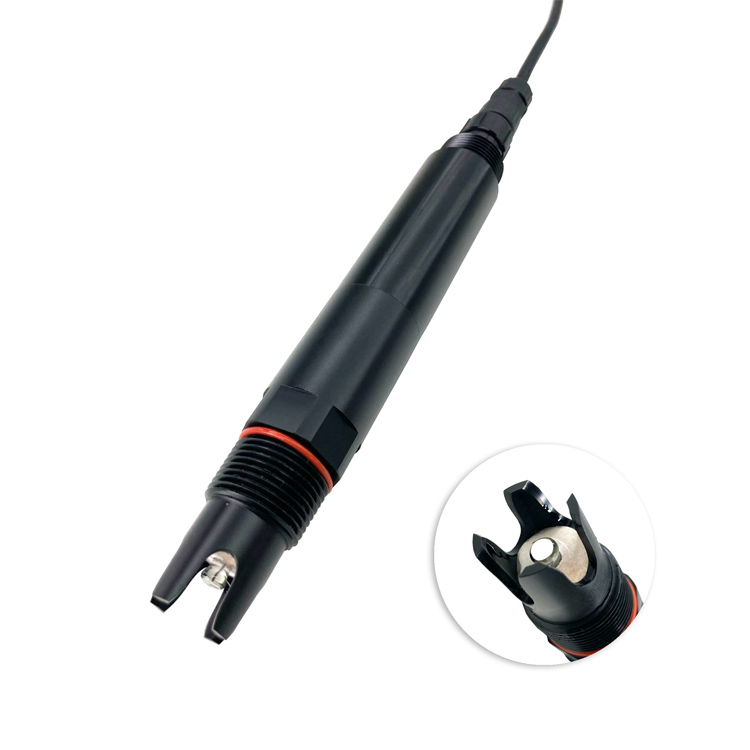
Some projects fail at handover because the buyer expects laboratory-style certainty from an online field sensor, while the supplier only promised a product shipment. The gap can be closed by defining what will be checked before acceptance: factory calibration, field comparison, Modbus data, alarm logic, images of installation and cleaning responsibility.
| Symptom | Likely cause | What to check first |
|---|---|---|
| Certificate exists but field value differs | Site water, installation or reference method difference | Compare sampling point and calibration condition |
| PLC value is scaled wrong | Register or unit mismatch | Check Modbus map and decimal place |
| Alarm not triggered | Controller logic not tested | Simulate threshold and fault condition |
| Drift after one month | Maintenance interval not defined | Review cleaning and calibration log |
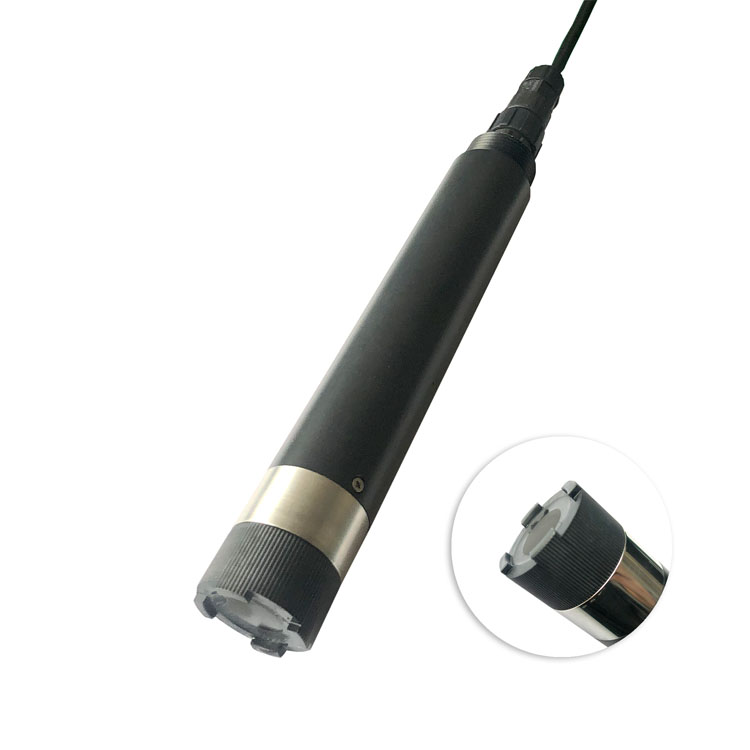
NiuBoL online sensors can provide digital output through RS485 Modbus RTU and are used with controllers, RTUs and gateways. Calibration evidence should be paired with site verification because the final data is affected by sample location, fouling, cable connection and software interpretation.
| Parameter | Project value | Why it matters |
|---|---|---|
| Factory document | Model, parameter, range and basic calibration information | Confirms shipped product identity. |
| Field comparison | Reference sample, portable meter or lab result | Confirms site-level usability. |
| Communication | RS485 Modbus RTU value and unit check | Prevents digital integration errors. |
| Power | 12-24 VDC on many online sensors | Must be stable at the field cabinet. |
| Protection | IP68 on referenced online models | Still requires cable gland and junction sealing. |
| Calibration interval | Defined by water quality and fouling | Keeps maintenance predictable. |
| Alarm test | Threshold and fault condition | Proves the system reacts as intended. |
| Record keeping | Date, person, method and result | Supports later warranty and troubleshooting. |
| Use case | Field challenge | Integration method | Buyer value |
|---|---|---|---|
| Contractor handover | Client needs proof, not only product delivery. | Use checklist with photos and data screenshots. | Reduces acceptance dispute. |
| Distributor bulk order | End users ask repeated technical questions. | Prepare standard calibration and wiring documents. | Improves after-sales efficiency. |
| Municipal project | Records may be audited. | Keep calibration and comparison logs. | Supports accountability. |
| Remote station | Faults are costly to visit. | Test alarms and data upload before leaving site. | Improves uptime. |
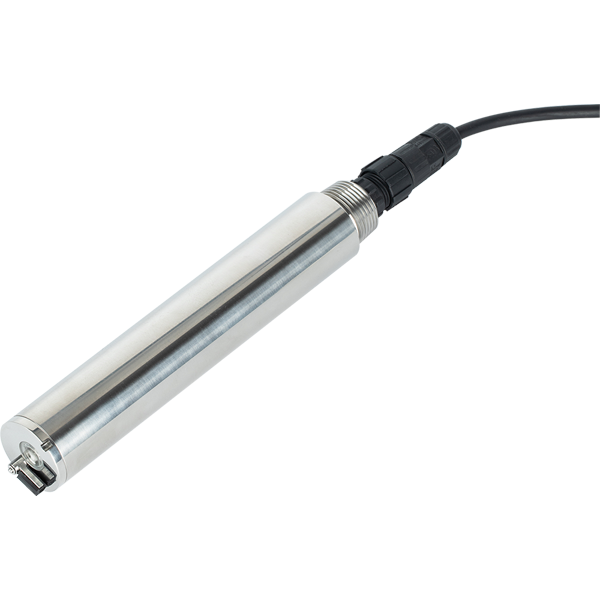
Define acceptance criteria in plain language. For example: sensor online, value visible in gateway, unit correct, one reference comparison recorded, alarm tested, image count and installation position documented. This is more useful than a vague sentence such as 'equipment works normally'.
A water quality sensor calibration should be accepted as part of a measuring point, not as an isolated instrument. Before handover, the buyer should confirm live data in the controller, compare at least one field value with a reference method, trigger one alarm condition, record the Modbus address and keep the first cleaning or calibration note. These small records matter when the site team later asks whether a reading changed because of the water, the sensor, the cable or the controller logic.
| Check item | What to verify | Practical reason |
|---|---|---|
| Live value | Value, unit and decimal place in PLC, RTU or gateway | Prevents scaling or register mistakes. |
| Reference comparison | Portable meter, lab result or known standard as appropriate | Creates the baseline for later troubleshooting. |
| Alarm logic | Threshold, delay, hysteresis and fault alarm | Stops one noisy value from becoming a false process action. |
| Maintenance access | Sensor can be removed, cleaned and reinstalled safely | Field reliability depends on serviceability. |
| Documents | Wiring, protocol, calibration and packing list | Helps distributors and contractors support the end user. |
Different readers use a water quality sensor calibration article in different ways. A distributor needs enough detail to explain the product to a customer without promising the wrong range or output. A system integrator needs wiring, protocol and installation limits. A contractor needs acceptance checks and maintenance responsibility. A purchasing manager needs to know what changes the quotation and what information must be collected before price comparison.
| Reader | Useful decision | Information to confirm |
|---|---|---|
| Distributor | Whether the product fits the customer's application before quoting | Water type, range, output, cable and accessories. |
| System integrator | Whether the sensor can connect to the target controller | RS485 settings, register units, grounding and polling interval. |
| Engineering contractor | Whether the site can be installed and handed over cleanly | Mounting point, cabinet, service access and acceptance checklist. |
| Procurement team | Whether two offers are technically comparable | Model, range, material, cable, controller, documents and delivery terms. |
This is why the lowest unit price is often not the lowest project cost. The complete cost includes sensor body, mounting hardware, cable extension, controller or gateway, calibration material, cleaning accessories, installation labor, packaging, freight and post-delivery support. If one quotation includes a controller, Modbus document and bracket while another includes only the probe, the two prices cannot be compared directly.
A water quality sensor calibration is a poor fit when the site cannot provide a representative water point, stable power, safe access for cleaning, or a person responsible for records. It is also a poor fit when the buyer expects one online number to replace every laboratory or compliance method without a correlation plan. In those cases, the project should add a bypass sample line, a service bracket, a reference testing plan, or a simpler monitoring scope before ordering.
For export and project supply, ask for the packaging and documentation scope before confirming the order. Product label, wiring definition, Modbus table, installation note and calibration guidance are not decorative documents. They reduce commissioning time and help the buyer's technical team solve problems without waiting for repeated email clarification.
A practical specification for a water quality sensor calibration should read like a project note, not like a catalogue copy. Example: the sensor will be installed at a treated water outlet, aeration basin, river station, buoy or cabinet-defined monitoring point; the value will be read by RS485 Modbus RTU; the data will be used for alarm, trend review or control support; the site team will clean and compare the sensor at a defined interval; and the supplier will provide wiring and protocol documents with the shipment.
This kind of note helps both sides. The buyer can compare quotations against the same scope. The supplier can recommend the correct product and accessory set. The integrator can prepare terminal blocks, Modbus addresses and dashboard units before the equipment reaches the site. It also prevents a common handover problem: everyone agreed to buy a sensor, but nobody agreed who would clean it, how the alarm would be tested, or what reference check would be accepted.
For longer projects, add spare parts and service response to the same document. State whether the site needs spare probes, calibration materials, cleaning parts, extension cable, mounting hardware or a replacement schedule. This is especially useful for distributors because a small spare-parts plan can prevent one failed field point from becoming an urgent international shipment. If the site is remote or seasonal access is difficult, keep the critical spare with the local operator instead of waiting until the sensor is already offline.
If a tender requires a short technical submittal, this project note can be reused as the basis for the sensor schedule, cabinet drawing notes and commissioning checklist.
| Specification line | Good wording | Weak wording |
|---|---|---|
| Application | Filter outlet turbidity alarm after sand filtration | Water quality monitoring |
| Signal | RS485 Modbus RTU to existing RTU, register map required | Digital output |
| Installation | Flow-through or immersion point with cleaning access | Easy installation |
| Acceptance | Reference comparison and alarm test before handover | Normal operation |
To select the right water quality sensor calibration, send water type, expected range, normal and peak values, temperature, pressure, installation drawing, cable length, power supply, output interface, controller or gateway model, quantity and delivery requirement. For this topic, also include required documents, reference method, acceptance checklist, alarm test requirement and whether remote data upload must be verified.
A clear RFQ helps NiuBoL quote the sensor, accessory and communication package together. It also helps the buyer compare offers fairly, because each supplier is answering the same project condition instead of guessing the missing site details.
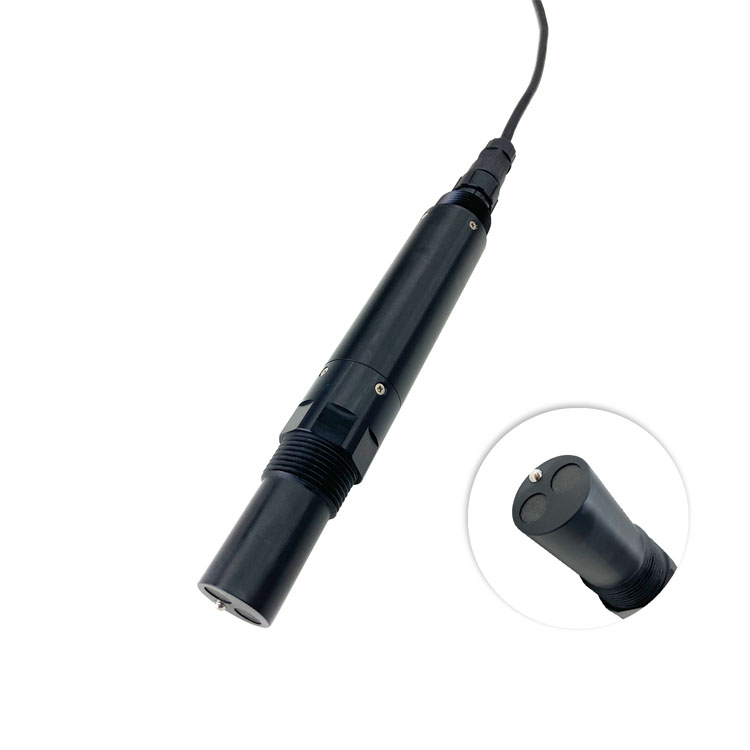
No. A certificate confirms product-side calibration, but site acceptance must also verify installation point, wiring, data unit, alarm logic and reference comparison.
It should include live value confirmation, RS485 register check, one reference comparison, one alarm test, installation photos and the first maintenance record.
Differences can come from water matrix, sampling point, temperature, fouling, reference method, cable issue or controller scaling.
The operator or project owner should keep records, but contractors and distributors should provide the starting method, form and handover guidance.
Only when the project specification or regulation accepts that method. Many projects still require laboratory or approved reference methods for formal reporting.
Ask for model information, wiring definition, Modbus register table, calibration guidance, installation note and packing list.
It depends on parameter and water condition. Start with a conservative interval, then adjust based on drift records and reference comparisons.
Send the required acceptance standard, reference method, site drawings, controller type, alarm requirements and documentation expectations.
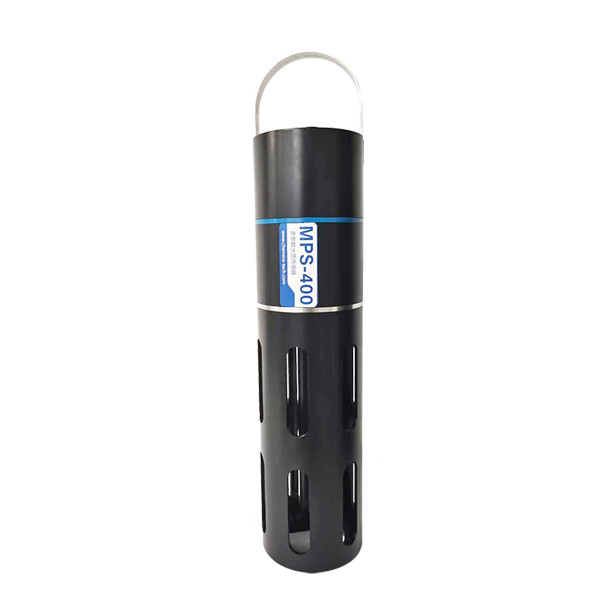
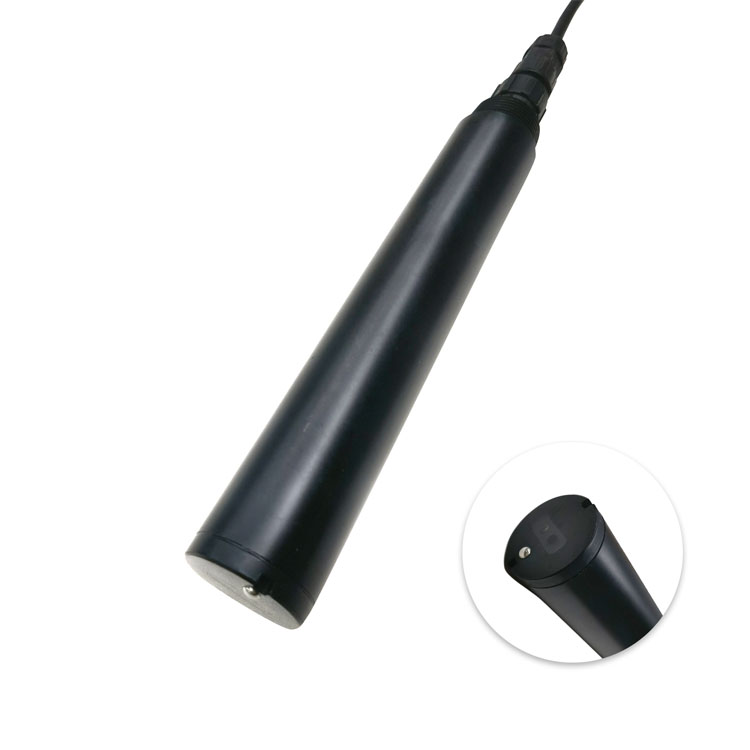
Calibration certificates are useful, but site acceptance proves the complete monitoring point. Buyers should require documents, reference comparison and RS485 data verification before signing off an online water quality sensor project.
Prev:Ion Selective Water Quality Sensors: Maintenance Questions Buyers Should Ask Before Ordering
Next:Water Quality Monitoring Buoy Sensor Package: Seasonal Maintenance and Data Reliability
Related recommendations
Sensors & Weather Stations Catalog
 Agriculture Sensors and Weather Stations Catalog-NiuBoL.pdf
Weather Stations Catalog-NiuBoL.pdf
Agriculture Sensors Catalog-NiuBoL.pdf
Water Quality Sensor Catalog-NiuBoL.pdf
Related products
 Combined air temperature and relative humidity sensor
 Soil Moisture Temperature sensor for irrigation|NBL-S-THR
 Soil pH sensor RS485 soil Testing instrument soil ph meter for agriculture |NBL-S-PH
 Wind Speed sensor Output Modbus/RS485/Analog/0-5V/4-20mA
 Tipping bucket rain gauge for weather monitoring auto rainfall sensor RS485/Outdoor/stainless steel
 Pyranometer Solar Radiation Sensor 4-20mA/RS485

Screenshot, WhatsApp to identify the QR code
WhatsApp number:+8615367865107
(Click on WhatsApp to copy and add friends)

