





— Blogs —
—Products—
 Consumer hotline +8618073152920
 WhatsApp:+8615367865107
Address:Room 102, District D, Houhu Industrial Park, Yuelu District, Changsha City, Hunan Province, China
Product knowledge
Time:2026-05-06 21:07:31 Popularity:399
This article systematically explains common measurement indicators of multi-parameter water quality analyzers, including COD, BOD, ammonia nitrogen, total phosphorus, total nitrogen, dissolved oxygen, pH value, chromaticity, volatile phenol, chloride, oil in water, hexavalent chromium, total organic carbon, permanganate index, conductivity, suspended solids, etc. From the perspective of engineering application, it analyzes the water quality significance and detection points of each indicator, providing professional reference for water quality monitoring personnel.
Multi-parameter water quality analyzers are key tools in environmental monitoring, sewage treatment, drinking water safety, and industrial emission control. Common measurable indicators cover four major categories: organic pollution, nutrient salts, toxicological indicators, and physical properties. Accurately understanding the engineering meaning of each measurement indicator is the prerequisite for scientifically evaluating water quality status and judging the effectiveness of treatment processes.
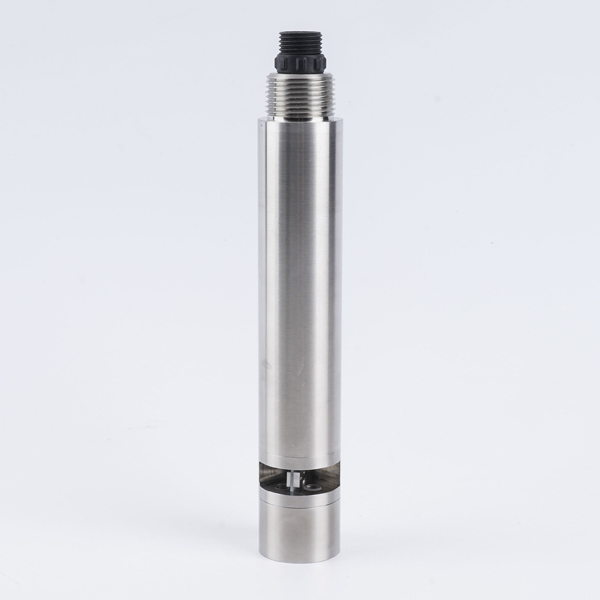
Chemical Oxygen Demand refers to the oxygen equivalent converted from the amount of oxidant consumed when treating water samples with strong oxidants (potassium dichromate or potassium permanganate), in units of mg/L. COD reflects the total amount of reducing substances in water samples that can be chemically oxidized, mainly organic matter. The higher the COD, the more serious the organic pollution of the water body. COD determination time is short (2-3 hours), making it one of the most commonly used indicators in water quality monitoring and sewage treatment process control.
BOD refers to the total amount of dissolved oxygen consumed when organic matter in water is oxidized and decomposed under the aerobic biochemical action of microorganisms, making it inorganic or gaseous. BOD measured under standard conditions (20℃, 5 days) is recorded as BOD₅, in units of mg/L. BOD is a comprehensive indicator reflecting the biodegradability of organic matter and is the core parameter for evaluating the biodegradability of sewage. When the BOD₅/COD ratio is greater than 0.3, it indicates that the sewage is suitable for biological treatment; when it is lower than 0.2, pretreatment is required to improve biodegradability.
TOC refers to the total amount of carbon contained in organic matter in water, expressed in mg/L. Unlike COD and BOD, TOC directly measures the carbon element content in organic matter, independent of the type of oxidant or microbial activity, and can more completely reflect the degree of organic pollution in water bodies. TOC measurement is fast (within minutes), but the instrument cost is high, and it is mostly used for advanced drinking water treatment and ultrapure water monitoring.
The permanganate index is the oxygen equivalent converted from the amount of oxidant consumed when treating water samples with potassium permanganate (KMnO₄) as the oxidant in acidic or alkaline media, in units of mg/L. This indicator is mainly used to understand the degree of organic pollution in drinking water and surface water (such as rivers and lakes), and is usually suitable for clean water bodies with low COD (< 10 mg/L).
Ammonia nitrogen refers to the nitrogen existing in water in the form of free ammonia (NH₃, non-ionic ammonia) and ammonium ions (NH₄⁺), in units of mg/L. Nitrogen-containing organic matter in animal organic matter and feces is unstable and easily decomposes into ammonia. An increase in ammonia nitrogen content indicates that the water body may be subject to fresh organic pollution. In sewage treatment, ammonia nitrogen is a control indicator for the nitrification process. High effluent ammonia nitrogen indicates insufficient nitrifying bacteria activity or insufficient dissolved oxygen. Non-ionic ammonia has significant toxicity to aquatic organisms, and ammonia nitrogen limits in drinking water are strict.
Total nitrogen refers to the total amount of various forms of inorganic nitrogen and organic nitrogen in water, in units of mg/L. It includes nitrate nitrogen (NO₃⁻-N), nitrite nitrogen (NO₂⁻-N), ammonia nitrogen (NH₃-N), and organic nitrogen such as protein, amino acids, and organic amines. TN is one of the core indicators for evaluating the risk of eutrophication in water bodies and is particularly important for lakes, reservoirs, and coastal waters.
The result measured after digesting the water sample and converting various forms of phosphorus into orthophosphate, in units of mg/L. Phosphorus in water exists in forms including elemental phosphorus, orthophosphate, condensed phosphate, pyrophosphate, metaphosphate, and organically bound phosphate. Phosphorus is a limiting nutrient element for plant growth. Excessive phosphorus input into receiving water bodies is the main cause of cyanobacterial blooms. In sewage treatment, TP must be controlled within discharge standards through biological phosphorus removal or chemical phosphorus removal (aluminum salt/iron salt precipitation) (Class I A standard requires TP ≤ 0.5 mg/L).
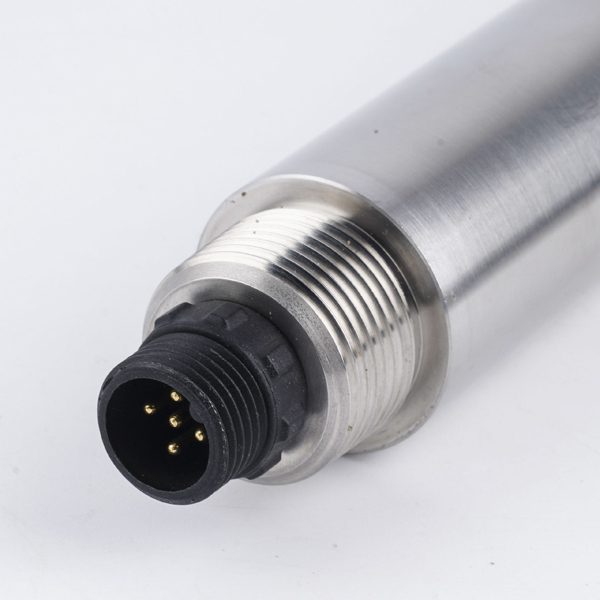
Dissolved oxygen refers to molecular oxygen dissolved in water, usually recorded as DO, in units of mg/L. DO is a key parameter for evaluating the self-purification capacity of water bodies and the health of aquatic ecosystems. Clean surface water DO is usually 6-9 mg/L; when DO is lower than 3 mg/L, most fish have difficulty surviving; when DO is lower than 1 mg/L, it enters an anaerobic state, and the water body may turn black and smelly. In sewage treatment, aeration tank DO is generally controlled at 2-4 mg/L.
pH represents the hydrogen ion concentration in the solution, that is, the ratio of the total number of hydrogen ions to the total amount of substances. The pH range is 0-14, 7 is neutral, less than 7 is acidic, and greater than 7 is alkaline. pH directly affects chemical reaction rates, microbial activity, and metal corrosiveness. Most biological treatment systems require influent pH 6.5-8.5. pH is a basic indicator in water quality testing with high on-site detection frequency.
Volatile phenol refers to toxic phenolic substances with a boiling point below 230℃, mainly including phenol, cresol, etc., in units of mg/L. The main pollution sources are industrial wastewater from gas washing, coking, synthetic ammonia, papermaking, wood preservation, and chemical industries. Volatile phenol has significant biological toxicity. The limit value of volatile phenol in China's surface water environmental quality standards is only 0.002-0.005 mg/L (according to different water function zones).
Hexavalent chromium is a swallowing poison and extremely toxic by inhalation. Skin contact may cause allergic reactions. Long-term exposure may cause hereditary genetic defects. Inhalation may cause cancer and has persistent danger to the environment. Hexavalent chromium mainly comes from wastewater from electroplating, tanning, dye, and metallurgical industries. Total chromium includes trivalent chromium and hexavalent chromium, but hexavalent chromium is far more toxic than trivalent chromium and must be monitored and controlled separately.
In the field of inorganic chemistry, chloride refers to salt compounds formed by the combination of negatively charged chloride ions (Cl⁻) and positively charged cations. Natural water bodies have low chloride content. Excessively high chloride comes from industrial wastewater or seawater intrusion. Increased chloride content will affect the taste of drinking water, cause corrosion to metal pipes and equipment, and may cause damage to sensitive crops.
The oil in water indicator includes petroleum, animal and vegetable oils, and other organic substances. When petroleum pollutants in water exceed the self-purification capacity of the water body, they will form an oil film on the water surface, blocking oxygen from entering the water body, resulting in decreased dissolved oxygen and the water body turning black and smelly. Oil in water monitoring plays an important role in petrochemical, mechanical processing, catering wastewater, and ship wastewater treatment.
Suspended solids refer to solid substances suspended in water, including water-insoluble inorganic matter, organic matter, silt, clay, microorganisms, etc., in units of mg/L. SS affects water transparency. High concentrations of SS will hinder photosynthesis of aquatic plants and carry adsorbed pollutants to migrate. In sewage treatment, SS is a key control indicator for the operation effect of primary treatment and secondary sedimentation tanks.
Chromaticity reflects the depth of water body color, usually derived from dyes, pigments, natural humus, or iron and manganese ions. Excessive chromaticity affects water appearance and light transmittance. Conductivity is a measure of the ability of a substance to transmit current. In liquids, it is used to reflect the content of total dissolved solids (TDS), in units of µS/cm. Pure water has extremely low conductivity (< 1 µS/cm), while high-salt wastewater can reach thousands to tens of thousands µS/cm.
| Indicator Category | Indicator Name | Common Unit | Main Indication Significance |
|---|---|---|---|
| Organic Matter Comprehensive | COD | mg/L | Total amount of chemically oxidizable organic matter |
| Organic Matter Comprehensive | BOD₅ | mg/L | Amount of biodegradable organic matter |
| Organic Matter Comprehensive | TOC | mg/L | Total organic carbon |
| Organic Matter Comprehensive | Permanganate Index | mg/L | Organic pollution degree in clean water bodies |
| Nutrient Salts | Ammonia Nitrogen | mg/L | Fresh organic pollution and nitrification effect |
| Nutrient Salts | Total Nitrogen (TN) | mg/L | Eutrophication potential of water body |
| Nutrient Salts | Total Phosphorus (TP) | mg/L | Limiting nutrient for algae growth |
| Physical and Chemical Indicators | Dissolved Oxygen (DO) | mg/L | Water self-purification capacity and ecological health |
| Physical and Chemical Indicators | pH | Dimensionless | Acidity and alkalinity |
| Physical and Chemical Indicators | Conductivity | µS/cm | Total dissolved solids content |
| Physical Indicators | Suspended Solids (SS) | mg/L | Total suspended particulate matter |
| Physical Indicators | Chromaticity | Degree | Water body color depth |
| Toxic Substances | Volatile Phenol | mg/L | Toxic phenolic pollution |
| Toxic Substances | Hexavalent Chromium | mg/L | Highly toxic heavy metal pollution |
| Toxic Substances | Chloride | mg/L | Salinity and corrosiveness |
| Toxic Substances | Oil in Water | mg/L | Oil pollution |
Q1. What is the difference between COD and BOD? Which indicator is more important?
COD measures the oxygen equivalent consumed by chemical oxidation, with results available in 2-3 hours; BOD measures the dissolved oxygen consumed by microbial oxidation, requiring 5 days. Both are important: COD is used for rapid process control, and BOD is used to evaluate biodegradability. When BOD₅/COD > 0.3, biological treatment is recommended.
Q2. What is the relationship between Total Nitrogen (TN) and ammonia nitrogen?
Ammonia nitrogen is a component of total nitrogen. Total nitrogen = ammonia nitrogen + nitrate nitrogen + nitrite nitrogen + organic nitrogen. Measuring only ammonia nitrogen cannot fully assess the degree of nitrogen pollution; it must be combined with TN and nitrate nitrogen for comprehensive analysis.
Q3. Is the permanganate index the same as COD?
No. The permanganate index uses potassium permanganate as the oxidant and is suitable for clean water bodies with COD < 10 mg/L (surface water, drinking water). COD for industrial sewage uses the potassium dichromate method (CODCr), which has more thorough oxidation, and the measured value is usually higher than the permanganate index.
Q4. How many indicators can a multi-parameter water quality analyzer measure simultaneously?
Depending on the model, it can measure 4-15 parameters simultaneously. NiuBoL series multi-parameter water quality analyzers can support rapid determination of up to 12 indicators such as COD, ammonia nitrogen, total phosphorus, total nitrogen, turbidity, chromaticity, and heavy metals.
Q5. What to do if dissolved oxygen (DO) is too low?
Low DO can be improved by increasing aeration, lowering water temperature, reducing organic load, or adding chemical oxygen enhancers. In natural water bodies, low DO is often accompanied by organic pollution or thermal pollution.
Q6. What should be noted in the determination of hexavalent chromium?
Hexavalent chromium determination must be analyzed as soon as possible after sampling to avoid interference from reducing substances. The commonly used diphenylcarbazide spectrophotometric method should be completed within 30 minutes after color development. Samples should not be acidified for preservation (hexavalent chromium may be reduced under acidic conditions).
Q7. What is the relationship between suspended solids (SS) and turbidity?
They are related but different. SS is mass concentration (mg/L), measured by gravimetric method; turbidity is an optical scattering property (NTU). Generally, the higher the turbidity, the higher the SS, but the correlation varies with particle size, shape, and color.
Q8. What is the calibration cycle of NiuBoL multi-parameter water quality analyzers?
It is recommended to calibrate once a month or each time the reagent batch is replaced. Core indicators (COD, ammonia nitrogen, total phosphorus) should be verified with standard solutions, and pH electrodes and dissolved oxygen electrodes should be periodically calibrated with buffer solutions.
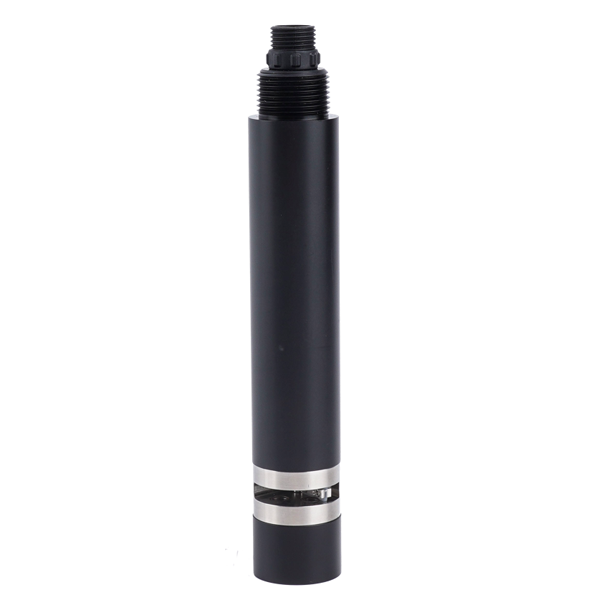
The measurement indicators of multi-parameter water quality analyzers cover core water quality parameters such as organic pollution (COD, BOD, TOC, permanganate index), nutrient salts (ammonia nitrogen, total nitrogen, total phosphorus), physical and chemical properties (dissolved oxygen, pH, conductivity), physical indicators (suspended solids, chromaticity), and toxic substances (volatile phenol, hexavalent chromium, chloride, oil in water). Accurately understanding the definition, unit, and engineering significance of each indicator helps scientifically evaluate water quality status, diagnose sewage treatment process problems, and meet environmental protection regulatory requirements. NiuBoL multi-parameter water quality analyzers provide fast and reliable detection tools for environmental monitoring, sewage treatment, and industrial emission control. It is recommended that users reasonably select indicator combinations according to monitoring purposes and strictly implement calibration and maintenance procedures.
 NBL-WQ-BOD-4A Online BOD Sensor.pdf
NBL-WQ-BOD-4S Online BOD Sensor.pdf
Related recommendations
Sensors & Weather Stations Catalog
Agriculture Sensors and Weather Stations Catalog-NiuBoL.pdf
Weather Stations Catalog-NiuBoL.pdf
Agriculture Sensors Catalog-NiuBoL.pdf
Water Quality Sensor Catalog-NiuBoL.pdf
Related products
 Combined air temperature and relative humidity sensor
 TDR Soil Moisture & Temperature Sensor for irrigation| RS485 |4-20mA| NBL-S-THR
 Soil pH sensor RS485 soil Testing instrument soil ph meter for agriculture |NBL-S-PH
 Wind Speed sensor Output Modbus/RS485/Analog/0-5V/4-20mA
 Tipping bucket rain gauge for weather monitoring auto rainfall sensor RS485/Outdoor/stainless steel
 Pyranometer Solar Radiation Sensor 4-20mA/RS485

Screenshot, WhatsApp to identify the QR code
WhatsApp number:+8615367865107
(Click on WhatsApp to copy and add friends)

