





— Blogs —
—Products—
 Consumer hotline +8618073152920
 WhatsApp:+8615367865107
Address:Room 102, District D, Houhu Industrial Park, Yuelu District, Changsha City, Hunan Province, China
Product knowledge
Time:2026-05-06 21:55:45 Popularity:369
With the acceleration of global urbanization, the protection and recycling of water resources have become important indicators for measuring sustainable urban development. As the core of urban infrastructure, the operational stability of sewage treatment plants is directly related to the safety of the surrounding ecological environment. In actual operation, precise monitoring of various physical, chemical and biological indicators of sewage can not only evaluate the effectiveness of treatment processes but also provide scientific basis for optimizing chemical dosing and reducing energy consumption.
As a global expert in sensor solutions, NiuBoL is committed to providing highly reliable monitoring terminals for smart water affairs. This article will systematically introduce the 10 key technical parameters that must be strictly controlled in conventional sewage treatment based on engineering practice.
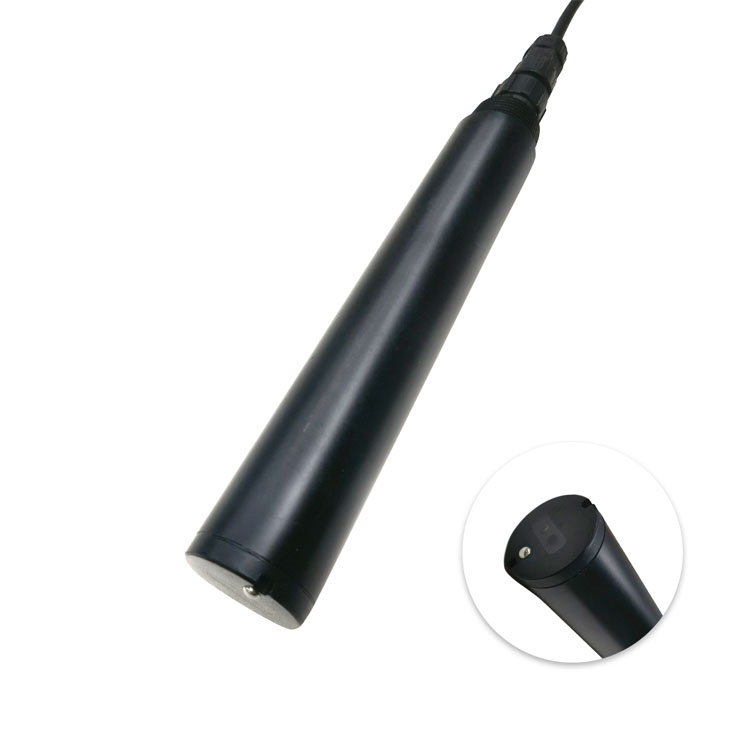
BOD5 refers to the amount of dissolved oxygen consumed by microorganisms decomposing organic matter in sewage under 20℃ conditions. It is the core indicator for measuring the concentration of biodegradable organic matter in sewage.
Engineering Significance: BOD5 is a key indicator for judging the treatment effect of sewage treatment plants. It reflects the degree of organic pollution in water bodies and serves as the basis for plant design and process selection (such as activated sludge method or biofilm method).
COD refers to the amount of oxidant consumed when treating water samples with strong oxidants (such as potassium dichromate or potassium permanganate).
Alternative Indicator: Compared with BOD5 which takes 5 days, COD determination is simple and fast, and is not limited by toxic substances in water quality. It can effectively measure industrial wastewater containing biologically inhibitory substances.
Biodegradability Judgment: In engineering, the BOD5/CODCr ratio is commonly used to evaluate the biodegradability of sewage. When BOD5/CODCr ≥ 0.3, the sewage has good biodegradability and is suitable for biological treatment. When BOD5/CODCr < 0.3, biochemical treatment is difficult and pretreatment units are usually required.
SS refers to solid matter in water that passes through a 2mm sieve and is retained by glass fiber filter paper with a pore size of 1μm.
Physical Impact: High concentrations of SS cause water turbidity, hinder sunlight penetration, and affect photosynthesis of aquatic plants. In treatment processes, SS monitoring helps evaluate the sedimentation efficiency of primary and secondary sedimentation tanks.
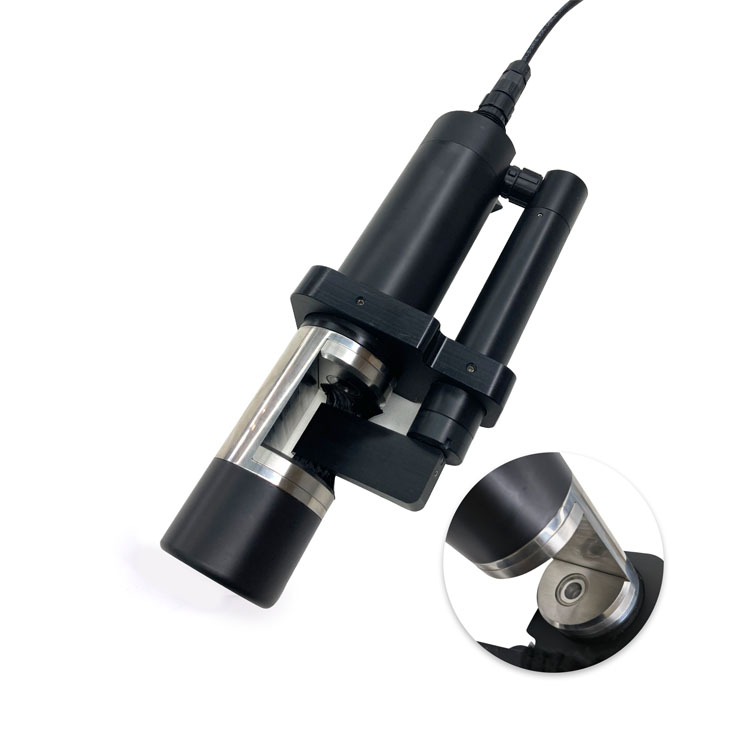
TS refers to the total residual solids after evaporating and drying a water sample at 105-110°C.
Data Conversion: Dissolved solids content equals TS minus SS. Mastering TS data helps understand the load of inorganic salts and total solids in sewage and has guiding value for sludge yield estimation.
The substances volatilized from residues or suspended solids at high temperature of 600℃±25℃ are called VTS and VSS respectively.
Organic Matter Characterization: The volatile portion represents the organic components in solids. VSS is an important reference for evaluating the "active" part in the activated sludge process. The VSS/SS ratio can be used to understand the degree of inorganicization and settling performance of sludge.
Nitrogen exists in wastewater in the forms of organic nitrogen, ammonia nitrogen, nitrite nitrogen and nitrate nitrogen.
Nitrogen Cycle: Organic nitrogen is converted into ammonia nitrogen through microbial hydrolysis, and then into nitrate nitrogen through nitrifying bacteria.
Environmental Risk: Nitrogen is the main element causing water eutrophication. When industrial wastewater has insufficient nitrogen content, artificial supplementation is needed to maintain biological metabolism; when content is too high, it must be removed through denitrification processes.

Includes organic phosphorus and inorganic phosphorus (phosphate, etc.).
Sources and Hazards: Mainly from feces, synthetic detergents and industrial raw materials. Like nitrogen, phosphorus is the culprit of eutrophication and an essential nutrient in biological treatment.
pH reflects the acidity and alkalinity of sewage and is one of the most sensitive indicators in biological treatment systems.
Biological Activity: Most microorganisms grow best in a pH range of 6.5–8.5. Too high or too low pH will inhibit enzyme activity and may even cause sludge bulking or disintegration.
Alkalinity represents the ability of sewage to neutralize acids, mainly composed of bicarbonate, carbonate and hydroxide.
Buffering Effect: Nitrification consumes a large amount of alkalinity. If alkalinity is insufficient, pH will drop rapidly, leading to system collapse. High alkalinity provides strong buffering capacity to ensure the stability of sludge digestion.
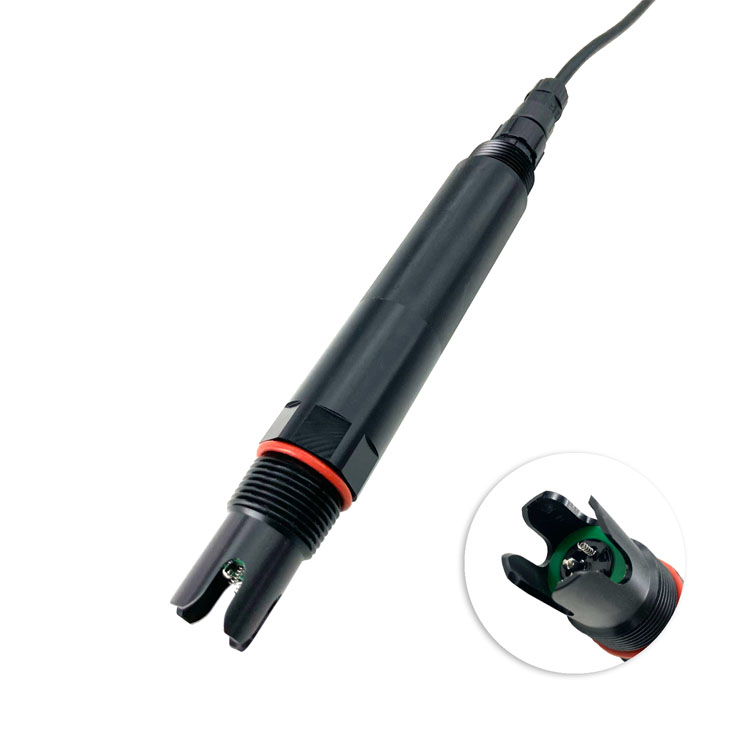
DO is the lifeline for maintaining normal operation of the activated sludge process.
Process Control: In the aerobic zone, too low DO will cause hypoxia and death, while too high will increase energy consumption and may break sludge flocs. NiuBoL fluorescence dissolved oxygen sensors require no frequent calibration and can achieve precise linkage with aeration systems.
| Sensor Type | Measurement Range | Resolution | Typical Application |
|---|---|---|---|
| Digital pH Sensor | 0 - 14 pH | 0.01 pH | Inlet/Outlet pH Monitoring |
| COD Online Analyzer | 0 - 1000/2000 mg/L | 1 mg/L | Effluent Compliance Monitoring |
| Ammonia Nitrogen Sensor | 0.1 - 1000 mg/L | 0.1 mg/L | Denitrification Process Control |
| Suspended Solids (SS) Sensor | 0 - 5000 mg/L | 1 mg/L | Sludge Concentration Monitoring |
| Fluorescence Dissolved Oxygen | 0 - 20 mg/L | 0.01 mg/L | Aeration Tank Oxygen Control |
| Multi-parameter Integrated Machine | Customizable Integration | Depends on Configuration | Smart Water Terminal |
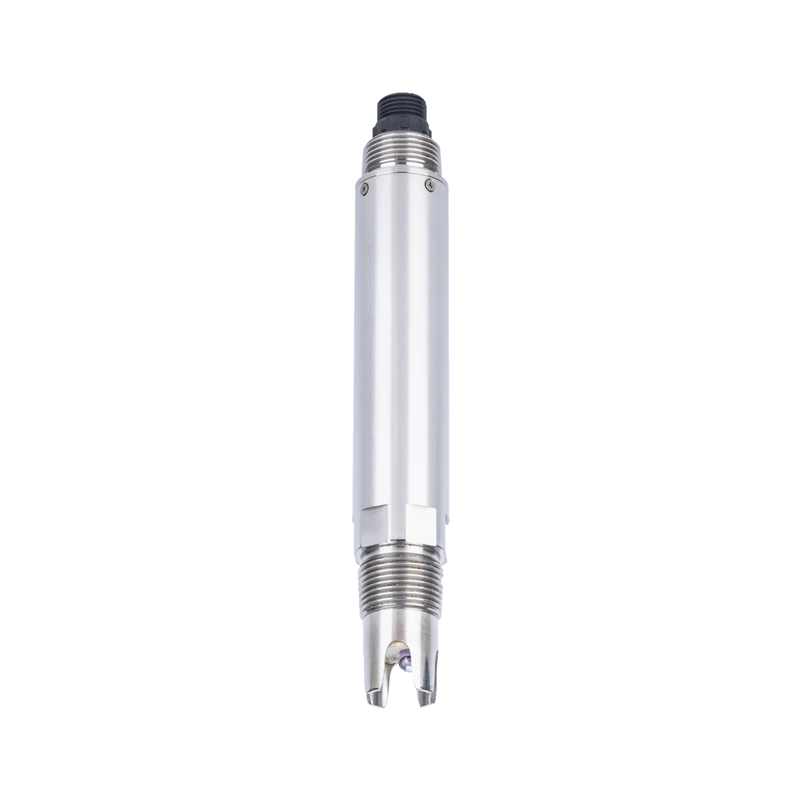
Q1. Why is the BOD5/CODCr ratio so important in sewage treatment?
This ratio directly reflects the biodegradability of sewage. Through this ratio, process engineers can decide whether to adopt biological methods directly or first perform chemical pretreatment such as advanced oxidation to improve the availability of organic matter.
Q2. What are the specific hazards of excessive ammonia nitrogen on effluent quality?
After ammonia nitrogen is discharged into natural water bodies, it will undergo nitrification consuming dissolved oxygen, leading to fish death. In addition, it is a key nutrient source for algal blooms and can cause water odor.
Q3. Why must alkalinity be monitored during nitrification?
The nitrification process releases hydrogen ions and consumes alkalinity in water. If alkalinity is insufficient, the environmental pH will decrease, thereby inhibiting the growth of nitrifying bacteria and forming a vicious cycle.
Q4. Are SS and Turbidity the same concept?
No. SS is mass concentration (mg/L), obtained by filtration, drying and weighing; turbidity is an optical indicator (NTU) that reflects light scattering. Although they are correlated, they are not completely equivalent.
Q5. What are the advantages of the RS485 (Modbus-RTU) protocol in sewage plant environments?
Sewage plant environments are complex with high electromagnetic interference. RS485 uses differential signal transmission with strong anti-interference ability, and the Modbus protocol is unified, making it easy for NiuBoL sensors to seamlessly connect with various PLC and SCADA systems.
Q6. What is the relationship between VSS and sludge activity?
VSS represents the volatile solids in sludge (mostly organic matter and microorganisms). The higher the VSS/SS ratio, the less inorganic components (such as silt) in the sludge, the higher the microbial concentration, and the better the treatment efficiency usually is.
Q7. What should be the monitoring frequency for total nitrogen (TN) and total phosphorus (TP)?
For large urban sewage treatment plants, 24-hour real-time monitoring is usually required. For small stations, it is recommended to sample and test at least 1-2 times per day to cope with influent fluctuations.
Q8. How do NiuBoL sensors prevent biological attachment in sewage environments?
Our sensors can be optionally equipped with automatic cleaning scrapers or air flushing components, which can effectively remove biofilms and pollutants on the probe surface and ensure long-term accuracy of monitoring data.
Sewage treatment is a systematic project, and its stable operation depends on a deep understanding and real-time control of the above 10 key parameters. From the judgment of biochemical oxygen demand to the precise balance of nitrogen and phosphorus nutrients, every piece of data represents the health status of the treatment process.
NiuBoL is committed to transforming these abstract chemical indicators into intuitive data streams through sensing technology and industrial-grade communication solutions. In the context of smart environmental protection, real-time online monitoring can not only reduce the work intensity of manual sampling but also prevent environmental accidents through data warnings, helping enterprises and cities achieve a win-win situation of effluent compliance and operational efficiency improvement.
 NBL-WQ-CL Water Quality Sensor Online Residual Chlorine Sensor.pdf
NBL-WQ-DO Online Fluorescence Dissolved Oxygen Sensor.pdf
NBL-WQ-NHN Ammonia Nitrogen Water Quality Sensor.pdf
NBL-WQ-COD Online Water Quality COD Sensor.pdf
NBL-WQ-PH Online pH Water Quality Sensor.pdf
NBL-WQ-EC water quality conductivity sensor.pdf
Related recommendations
Sensors & Weather Stations Catalog
Agriculture Sensors and Weather Stations Catalog-NiuBoL.pdf
Weather Stations Catalog-NiuBoL.pdf
Agriculture Sensors Catalog-NiuBoL.pdf
Water Quality Sensor Catalog-NiuBoL.pdf
Related products
 Combined air temperature and relative humidity sensor
 TDR Soil Moisture & Temperature Sensor for irrigation| RS485 |4-20mA| NBL-S-THR
 Soil pH sensor RS485 soil Testing instrument soil ph meter for agriculture |NBL-S-PH
 Wind Speed sensor Output Modbus/RS485/Analog/0-5V/4-20mA
 Tipping bucket rain gauge for weather monitoring auto rainfall sensor RS485/Outdoor/stainless steel
 Pyranometer Solar Radiation Sensor 4-20mA/RS485

Screenshot, WhatsApp to identify the QR code
WhatsApp number:+8615367865107
(Click on WhatsApp to copy and add friends)

