





— Blogs —
—Products—
 Consumer hotline +8618073152920
 WhatsApp:+8615367865107
Address:Room 102, District D, Houhu Industrial Park, Yuelu District, Changsha City, Hunan Province, China
Product knowledge
Time:2026-05-06 21:50:59 Popularity:351
With the acceleration of global urbanization and industrialization, water pollution has become a bottleneck restricting sustainable socio-economic development. In the context of regulations such as the "Water Conservation Management Regulations", building a conservation-oriented society has put higher demands on the real-time, accuracy and portability of water quality monitoring. As a new and efficient detection tool, the multi-parameter water quality analyzer, with its technical advantages of on-site sampling and testing without the need to prepare standard solutions, is gradually becoming an indispensable equipment in field sampling and industrial production.
As a leading brand in the field of environmental monitoring, NiuBoL is committed to combining digital sensing technology with portable analysis equipment to assist enterprises and research institutions in obtaining accurate data in complex and changing water environments, achieving the dual goals of "source expansion" and "consumption reduction".
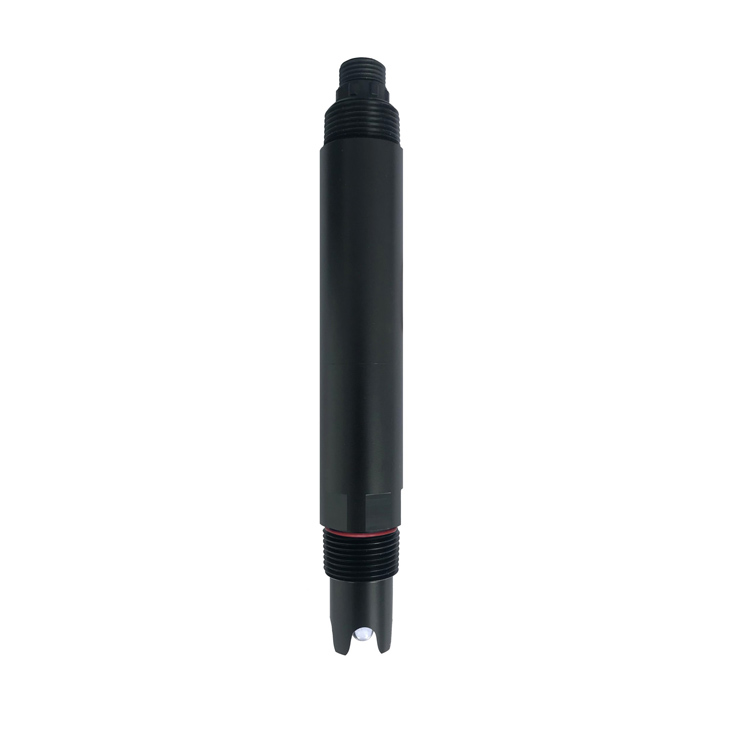
Traditional water quality testing often relies on large-scale laboratory analysis, which has problems such as cumbersome processes, poor timeliness, and extremely high requirements for the professional skills of operators.
People's requirements for drinking water have shifted from "safe" to "high-quality", which requires monitoring equipment to quickly cover multiple indicators such as BOD, COD, ammonia nitrogen, total phosphorus, total nitrogen, and turbidity.
The multi-parameter water quality analyzer has achieved key technological breakthroughs in signal acquisition and transmission. Its small size and light weight, combined with special supporting reagents, completely break free from the constraints of laboratory standard curve drawing, enabling non-professional staff to quickly obtain quantitative analysis results on site.
By strictly controlling total water consumption and quota control management, the multi-parameter analyzer provides a scientific guiding basis for industrial agglomeration, helping enterprises maximize water resource utilization efficiency while ensuring production.

The traceability of water samples is the logical starting point of analysis. In actual work, if the source attributes of the sample (such as sewage outlet, treated reclaimed water, natural runoff) are mistaken, subsequent data analysis will completely deviate from the actual problem. NiuBoL recommends adopting a digital label management system to ensure that each water sample is accurately matched with the sampling location.
Different types of water bodies have completely different chemical backgrounds and sampling standards, and corresponding parameter detection methods must be selected:
Surface Water: Sampling must comprehensively consider water level changes, flow velocity, flow direction, industrial layout along the shore and distribution of pollution sources. Its water quality fluctuations are usually highly related to rainfall and instantaneous pollution discharge.
Groundwater: Groundwater monitoring is affected by soil permeability, land use and geological structure. Sampling point setting needs to be based on urban development planning and industrial distribution, focusing on long-term monitoring and regional evaluation.
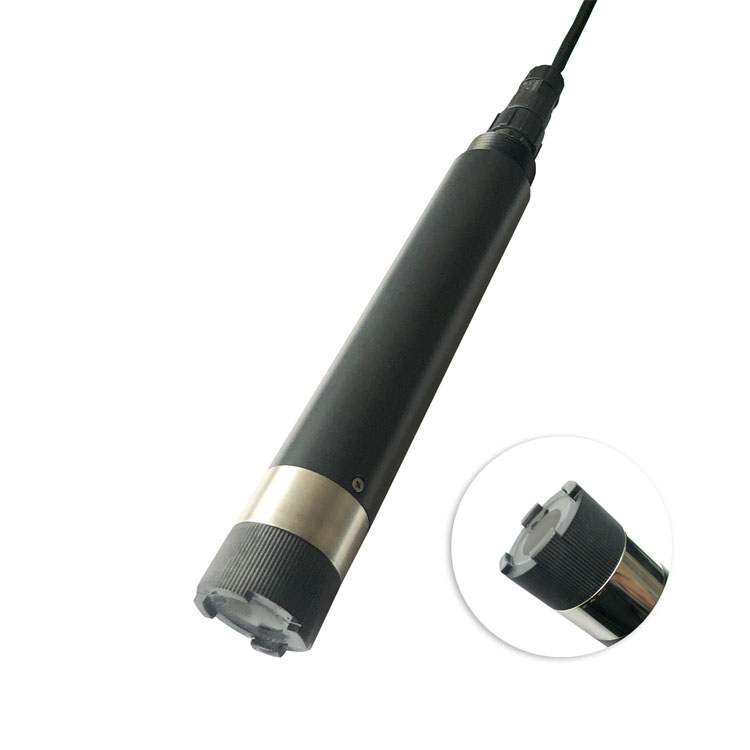
| Parameter Item | Measurement Range | Resolution | Communication Protocol |
|---|---|---|---|
| Chemical Oxygen Demand (COD) | 0 - 2000 mg/L | 1 mg/L | RS485 (Modbus-RTU) |
| Ammonia Nitrogen (NH3-N) | 0 - 100 mg/L | 0.01 mg/L | RS485 (Modbus-RTU) |
| Total Phosphorus (TP) | 0 - 20 mg/L | 0.01 mg/L | RS485 (Modbus-RTU) |
| Turbidity (Turbidity) | 0 - 1000 NTU | 0.1 NTU | RS485 (Modbus-RTU) |
| pH Value | 0 - 14 pH | 0.01 pH | RS485 (Modbus-RTU) |
| Dissolved Oxygen (DO) | 0 - 20 mg/L | 0.01 mg/L | RS485 (Modbus-RTU) |
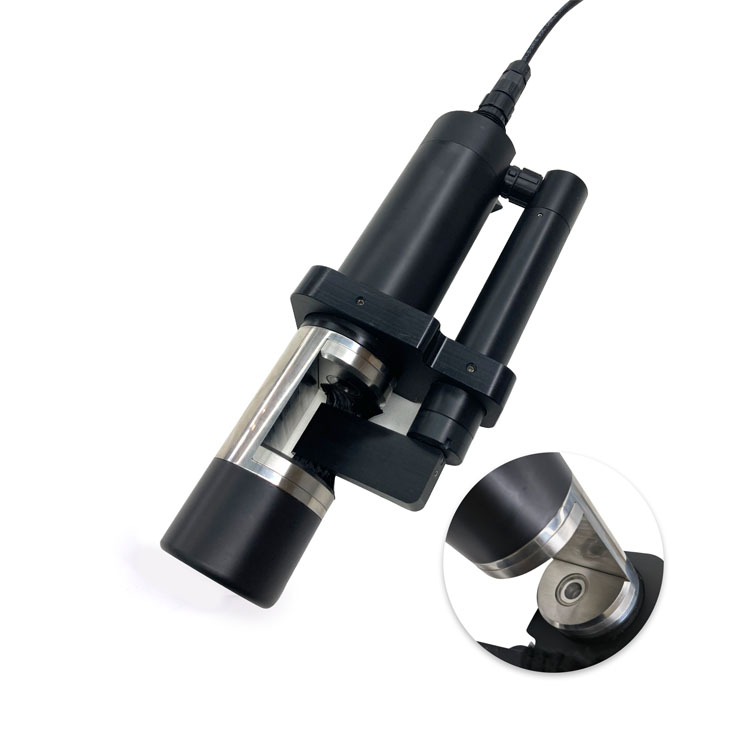
Strengthen Quota Control: Based on detection data, monitor industrial water consumption in real time and optimize circulating water treatment processes through precise water quality feedback.
Guide Industrial Agglomeration: According to regional water resource carrying capacity, use water quality monitoring networks to guide high water-consuming industries to reasonably locate in areas with abundant water and large environmental capacity.
Improve Water Environment Quality: In the process of implementing "source expansion" measures, use analyzers to strictly monitor the safety of new water sources to ensure that introduced water sources do not damage the original water ecology.
Q1. How long is the usual validity period of reagents?
Most pre-made reagents can be stored for 12 months in a cool and dry place. Expired reagents will cause incomplete color reactions, seriously affecting test results.
Q2. What is the difference in sampling frequency between surface water and groundwater?
Surface water is greatly affected by environmental rainfall and pollution discharge, so high-frequency sampling is recommended according to meteorological conditions and pollution discharge cycles. Groundwater quality is relatively stable and is usually collected systematically on a quarterly or semi-annual basis for regional evaluation.
Q3. How to avoid errors in water sample source records?
It is recommended to use the GPS positioning function of the multi-parameter analyzer or manually enter the sampling point number to achieve automatic association between data and geographic coordinates, eliminating source misreporting through technical means.
Q4. Is this instrument suitable for use in extremely cold or hot outdoor environments?
NiuBoL multi-parameter analyzers adopt a wide temperature design and can usually work stably in environments from -10℃ to 50℃, but the storage of supporting reagents must strictly follow the temperature range required in the manual.
Q5. What is the significance of the RS485 (Modbus-RTU) protocol for water quality monitoring?
This protocol supports long-distance, multi-point communication, allowing monitoring data from the field or production line to be directly uploaded to the factory control center or cloud platform, achieving unattended automated monitoring.
Q6. How to verify the accuracy of test results?
Although there is no need to draw a standard curve, it is recommended to regularly check the instrument with standard quality control samples. NiuBoL recommends system calibration every three months.
Q7. Can this instrument detect heavy metal items?
Yes. By replacing the corresponding optical modules and special reagents, the multi-parameter analyzer can be expanded to detect heavy metal indicators such as copper, nickel, chromium, and lead.
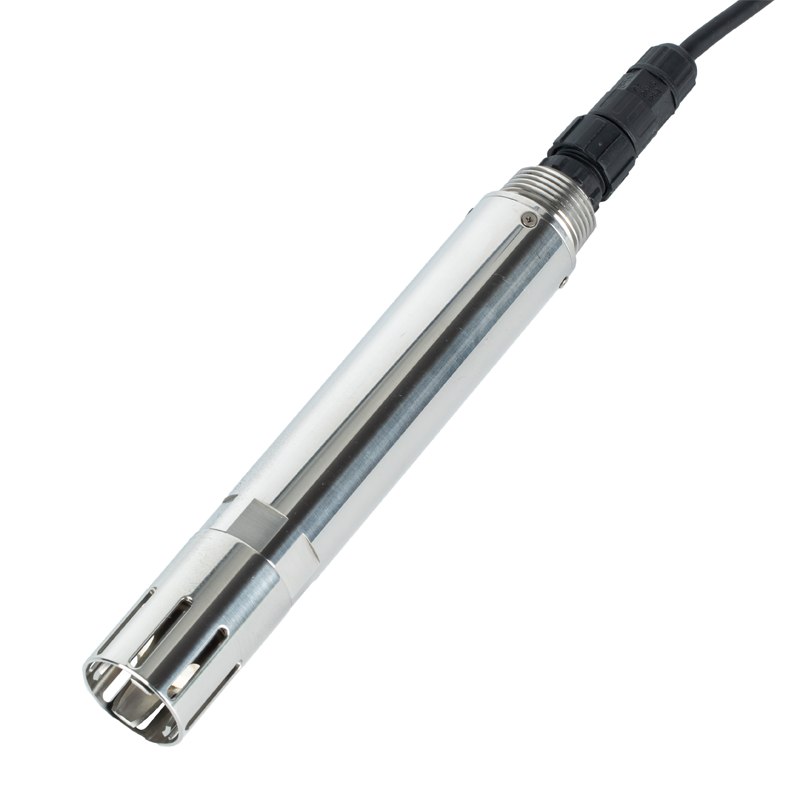
The widespread application of multi-parameter water quality analyzers marks that water quality monitoring has entered a new stage of "intelligent, convenient and real-time". Through rigorous consideration of source factors and category factors, combined with NiuBoL's professional and reliable hardware support, enterprises can more effectively fulfill their water conservation obligations, improve water resource quality, and contribute technical strength to building a conservation-oriented society.
In areas with relatively abundant water but prominent water quality contradictions, implementing effective monitoring and source expansion measures is not only a technological innovation but also a reverence and protection for natural resources. In the future, NiuBoL will continue to deepen its efforts in the field of water quality sensing and drive the continuous improvement of the water ecological environment through digital means.
 NBL-WQ-CL Water Quality Sensor Online Residual Chlorine Sensor.pdf
NBL-WQ-DO Online Fluorescence Dissolved Oxygen Sensor.pdf
NBL-WQ-NHN Ammonia Nitrogen Water Quality Sensor.pdf
NBL-WQ-COD Online Water Quality COD Sensor.pdf
NBL-WQ-PH Online pH Water Quality Sensor.pdf
NBL-WQ-EC water quality conductivity sensor.pdf
Next:Top 10 Core Parameters That Must Be Monitored in Urban and Industrial Sewage Treatment Processes
Related recommendations
Sensors & Weather Stations Catalog
Agriculture Sensors and Weather Stations Catalog-NiuBoL.pdf
Weather Stations Catalog-NiuBoL.pdf
Agriculture Sensors Catalog-NiuBoL.pdf
Water Quality Sensor Catalog-NiuBoL.pdf
Related products
 Combined air temperature and relative humidity sensor
 TDR Soil Moisture & Temperature Sensor for irrigation| RS485 |4-20mA| NBL-S-THR
 Soil pH sensor RS485 soil Testing instrument soil ph meter for agriculture |NBL-S-PH
 Wind Speed sensor Output Modbus/RS485/Analog/0-5V/4-20mA
 Tipping bucket rain gauge for weather monitoring auto rainfall sensor RS485/Outdoor/stainless steel
 Pyranometer Solar Radiation Sensor 4-20mA/RS485

Screenshot, WhatsApp to identify the QR code
WhatsApp number:+8615367865107
(Click on WhatsApp to copy and add friends)

