





— Blogs —
—Products—
 Consumer hotline +8618073152920
 WhatsApp:+8615367865107
Address:Room 102, District D, Houhu Industrial Park, Yuelu District, Changsha City, Hunan Province, China
Product knowledge
Time:2025-12-01 14:34:53 Popularity:1067
With the advancement of technology, meteorological monitoring has evolved from manual visual observation to highly automated real-time data acquisition. Temperature, humidity, wind speed, wind direction, and other key meteorological parameters have become essential data foundations for agricultural production, environmental safety, and commercial operations.
Currently, two main types of automatic weather stations dominate the market: traditional mechanical weather stations and modern ultrasonic (anemometer-free) weather stations.
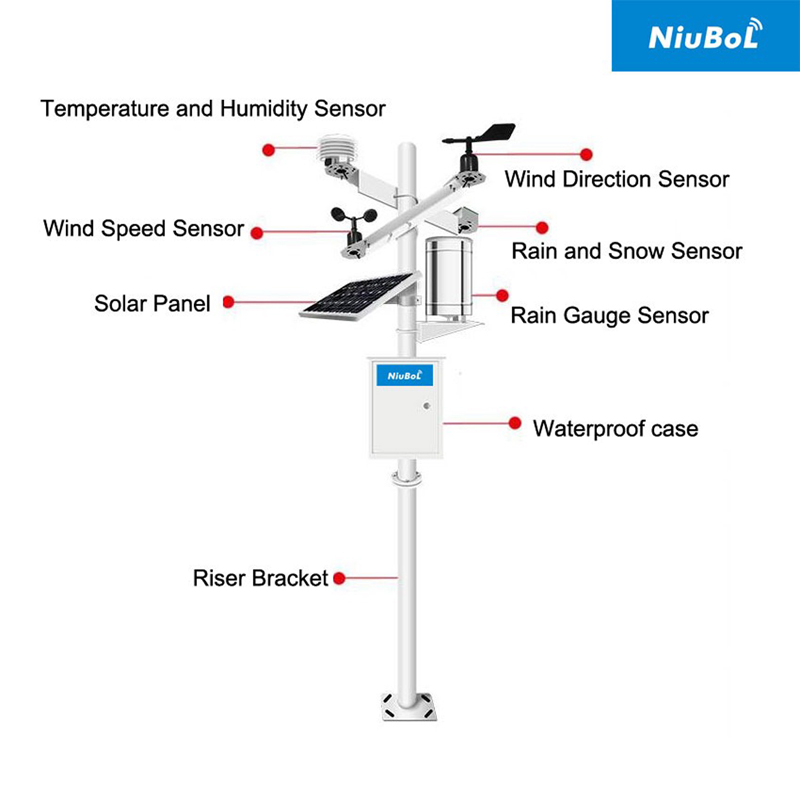
NiuBoL has always been committed to providing highly reliable meteorological monitoring solutions. Understanding the core differences between these two technologies is the key to making the optimal equipment investment decision.
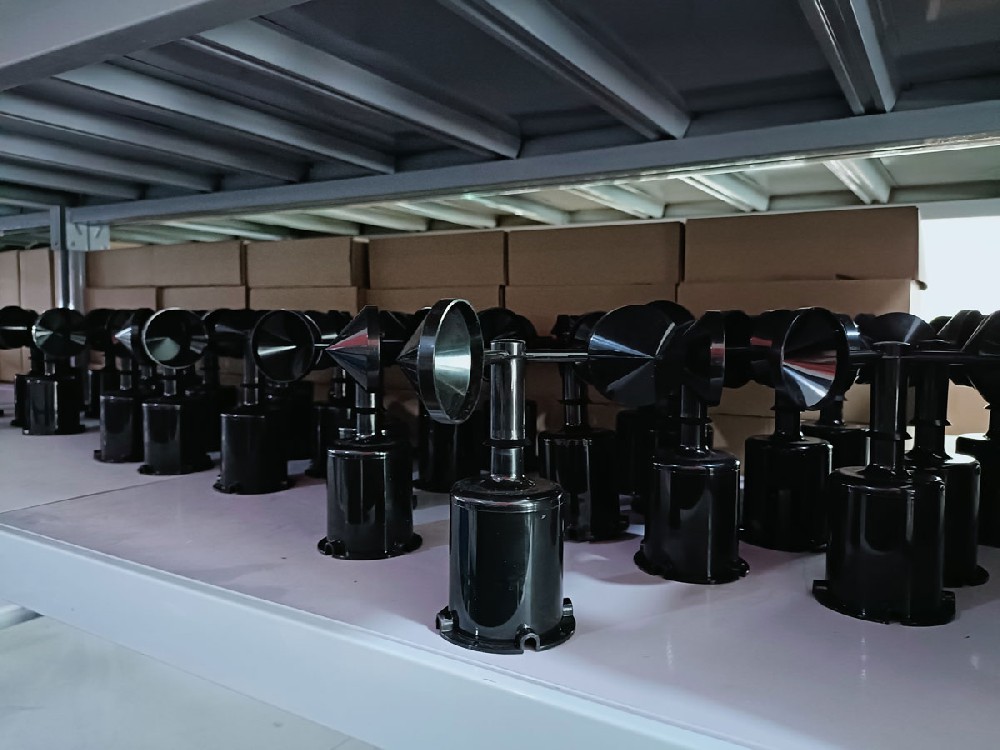
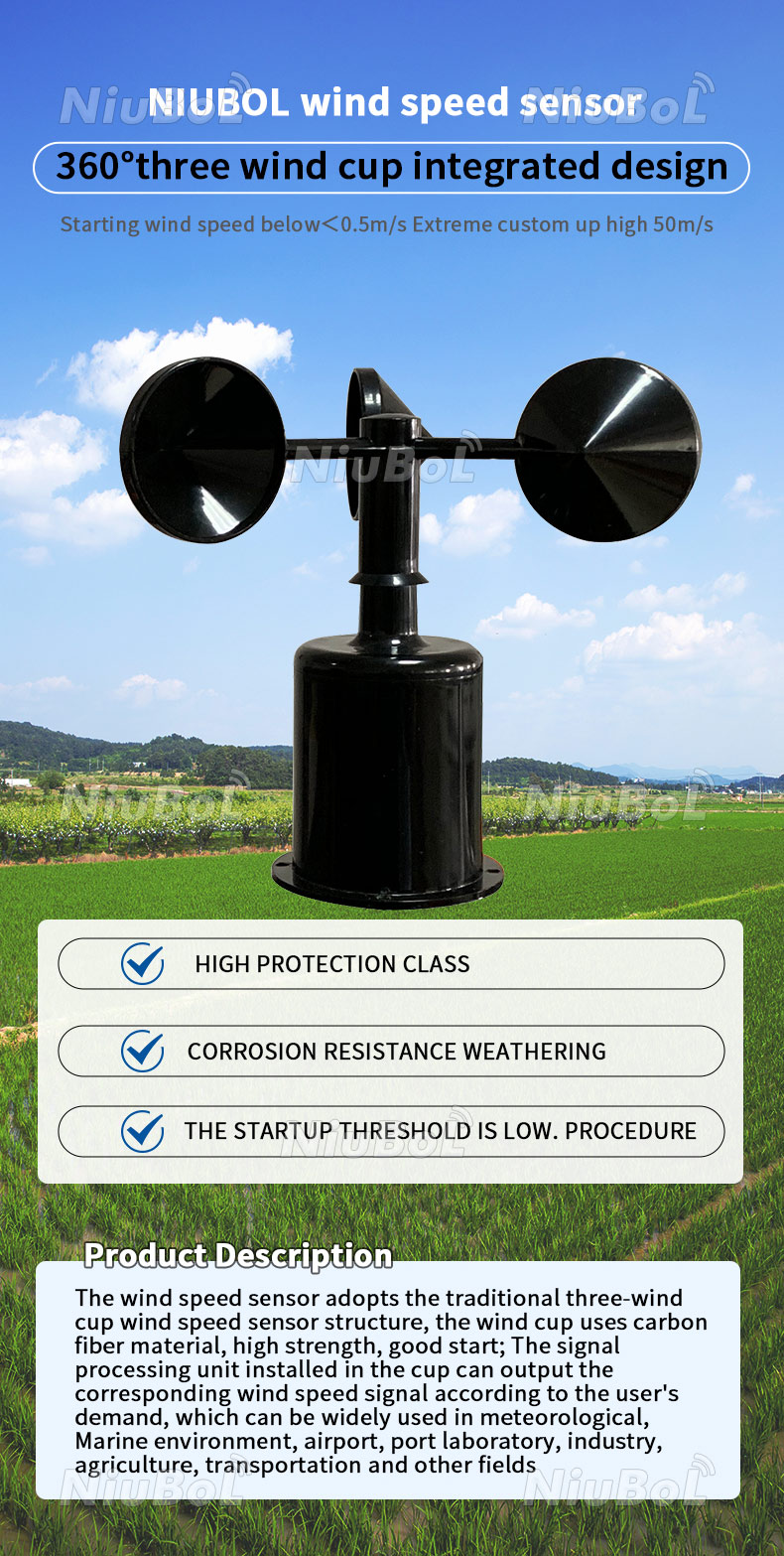
Definition: A mechanical weather station uses physical moving parts (such as wind cups, wind vanes, humidity-sensitive resistors, thermistors, etc.) to sense changes in meteorological elements, with data processed and transmitted via a data logger.
Working Principle:
- Wind speed & direction: Relies on mechanical rotation (cup rotation speed → wind speed; vane orientation → wind direction)
- Temperature & humidity: Measured by resistance or capacitance changes in sensing elements
Advantages: Simple structure, mature technology, easy assembly, and straightforward maintenance.
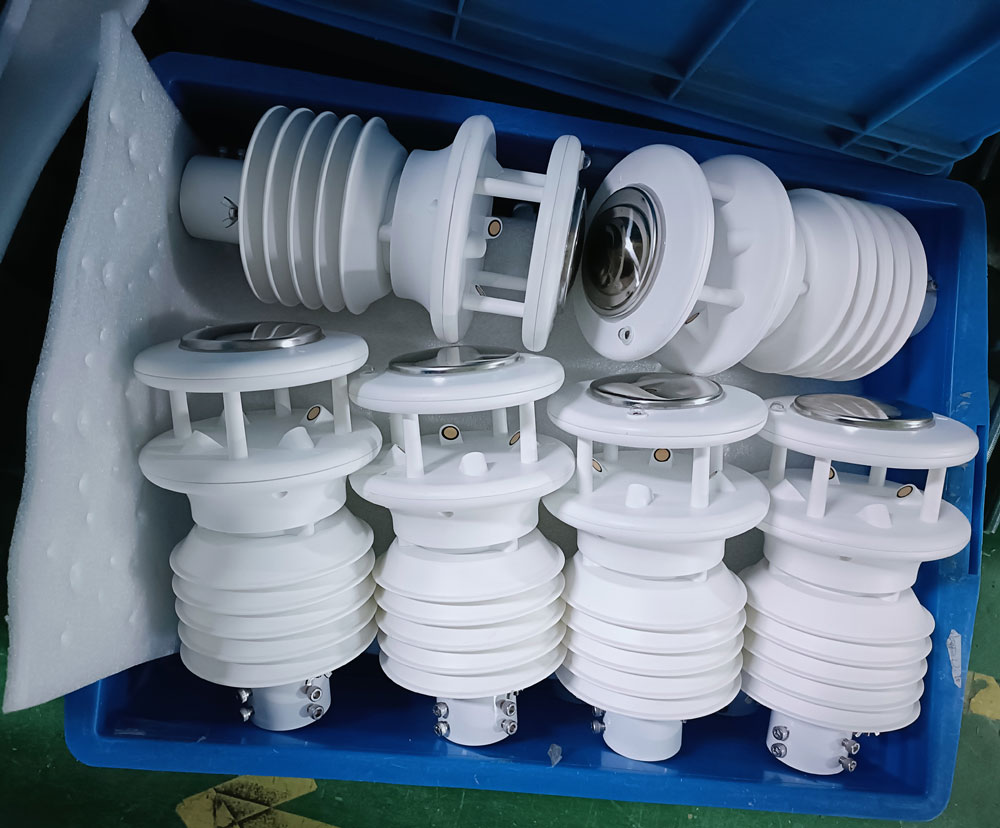
Definition: An ultrasonic weather station measures wind speed and direction in a completely contact-free manner by utilizing the influence of wind on ultrasonic propagation time in air, while integrating electronic sensors for temperature, humidity, pressure, etc.
Working Principle:
- Wind speed & direction: Based on the ultrasonic time-of-flight difference method. Pairs (or triplets) of transducers arranged perpendicularly transmit and receive ultrasonic pulses. The time difference between forward and reverse sound propagation along each axis is used to calculate wind vector.
Advantages: No moving parts, compact design, high accuracy even at very low wind speeds, excellent resistance to harsh environments.
| Feature | Mechanical Weather Station (NiuBoL Traditional Series) | Ultrasonic Weather Station (NiuBoL Ultrasonic Series) |
| Wind speed/direction components | Rotating cups + wind vane | No moving parts – ultrasonic transducers only |
| Core measurement method | Mechanical rotation + pulse counting | Ultrasonic time-of-flight difference (contact-free) |
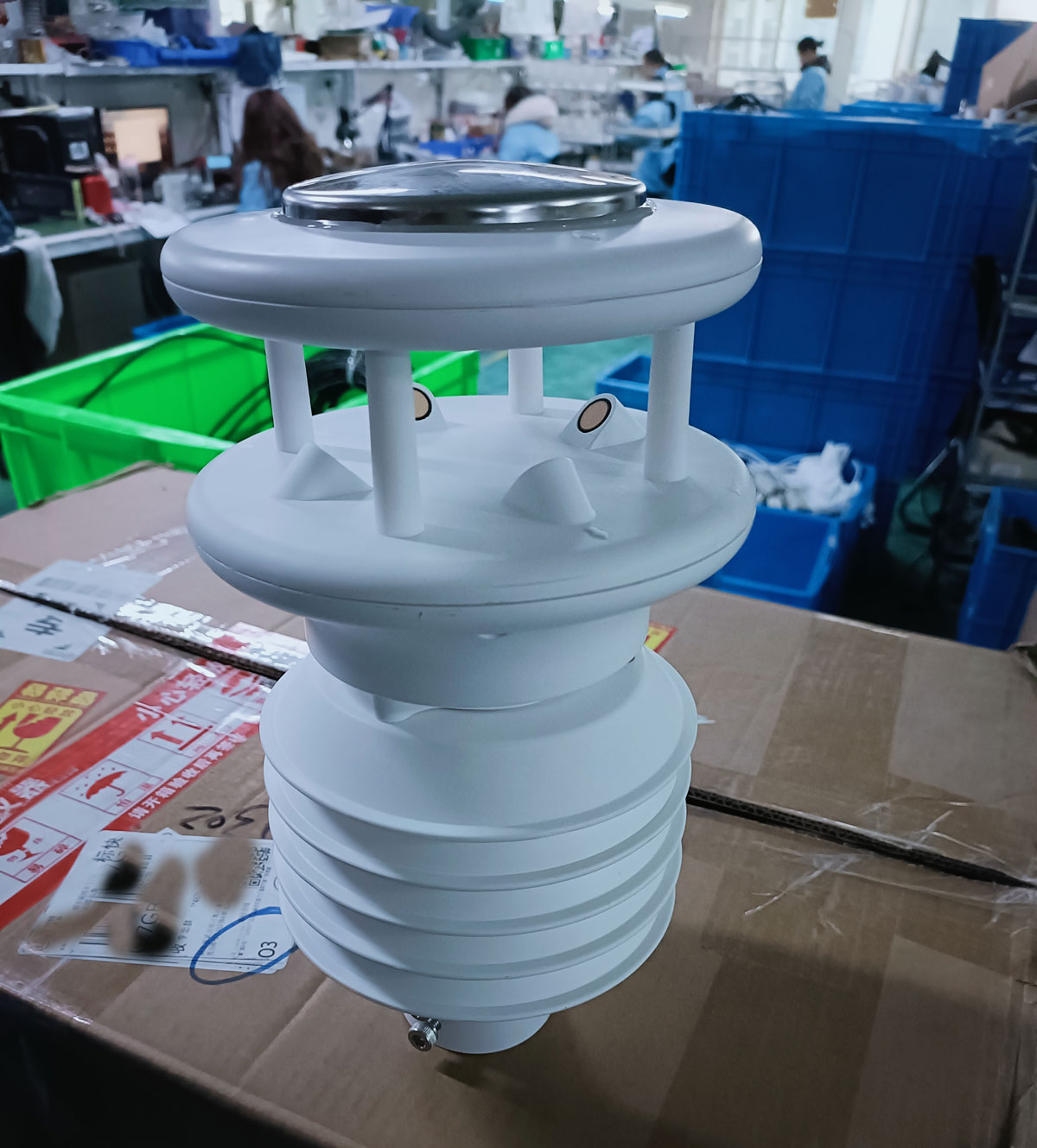
| Structural characteristics | Multiple separate or combined components | Highly integrated – all sensors in one compact housing |
| Starting wind speed | Higher (typically >0.5 m/s), poor accuracy at low wind | Extremely low or zero – accurate even in calm conditions |
| Resistance to harsh environments | Easily affected by ice, snow, sand; moving parts wear & jam | Extremely robust, minimal maintenance, ideal for marine/polar |
| Maintenance requirements | High – regular calibration & replacement of bearings/cups | Extremely low – virtually maintenance-free |
| Response speed | Slower due to mechanical inertia | Instantaneous response to gusts and rapid changes |
- Wind sensors must be installed in open areas; obstacles within 10× height distance and height <1/10 of sensor height.
- Temperature/humidity sensors must be placed in well-ventilated radiation shields or louvered screens to avoid direct sunlight and ground heat radiation.
- Sensors are mounted on cross-arms; special attention to waterproofing and lightning protection of cables.
- Highly integrated design greatly simplifies installation.
- Only requirement: open location with no obstructions in the ultrasonic measurement volume.
- NiuBoL ultrasonic stations feature standard mounting interfaces for rapid deployment.
- Factory pre-calibrated – no complex field calibration required, significantly reducing deployment time.
| Fault Type | Mechanical Weather Station | Ultrasonic Weather Station |
| Abnormal wind speed | 1. Bearing wear/jamming → check & replace cups/bearings 2. Wiring issue | 1. Transducer surface contamination (bird droppings, ice) → clean 2. Rare electronics failure → remote diagnosis |
| Inaccurate wind direction | 1. Misalignment with true north 2. Vane stuck | 1. Mast not vertical → use spirit level 2. Strong EMI nearby |
| No data output | 1. Power failure 2. Logger or terminal block issue | 1. Wrong communication settings (baud rate, address) 2. Rare sensor failure → self-test fail → return for repair |
| Field | Mechanical Suitability | Ultrasonic Suitability |
| General agriculture | Suitable for ordinary fields/orchards | Highly suitable – precise micro-climate data even in low wind |
| Highway & traffic safety | Average – frequent maintenance required | Excellent – real-time, maintenance-free, vibration-resistant |
| High-altitude / polar | Not recommended – icing causes failure | Excellent – optional heating models work reliably in -50 °C |
| Solar farms / substations | Average | Excellent – high-accuracy data for efficiency & safety |
| Priority | Recommended Model / Technology | Reason |
| Budget first, mild climate | NiuBoL Basic Mechanical Weather Station | Lowest cost, mature technology, sufficient for non-critical sites |
| Accuracy & zero maintenance | NiuBoL Multi-parameter Ultrasonic Weather Station | Core recommendation – highest accuracy, no wear, fast response |
| Extreme cold/rain/freezing | NiuBoL Heated Ultrasonic Weather Station | Built-in de-icing heating, guaranteed operation in harsh winters |
A: Mechanical systems have inherent limitations in low-wind accuracy, maintenance cost, and harsh-environment reliability. Ultrasonic stations eliminate moving parts and solve all these pain points.
A: Yes. Mechanical anemometers have a starting threshold and inertia; ultrasonic sensors start at 0 m/s and sample at high frequency for true instantaneous gust capture.
A: Yes. The speed of sound is temperature-dependent, so they simultaneously output acoustic virtual temperature (very close to actual air temperature), useful for research and calibration.
A: Yes. Although some models have built-in tilt sensors for compensation, perfect verticality ensures maximum accuracy.
A: Very low power design – perfectly suited for off-grid solar + battery operation in remote areas.
A: Yes. Contaminants alter ultrasonic paths. NiuBoL recommends periodic cleaning of transducer faces.
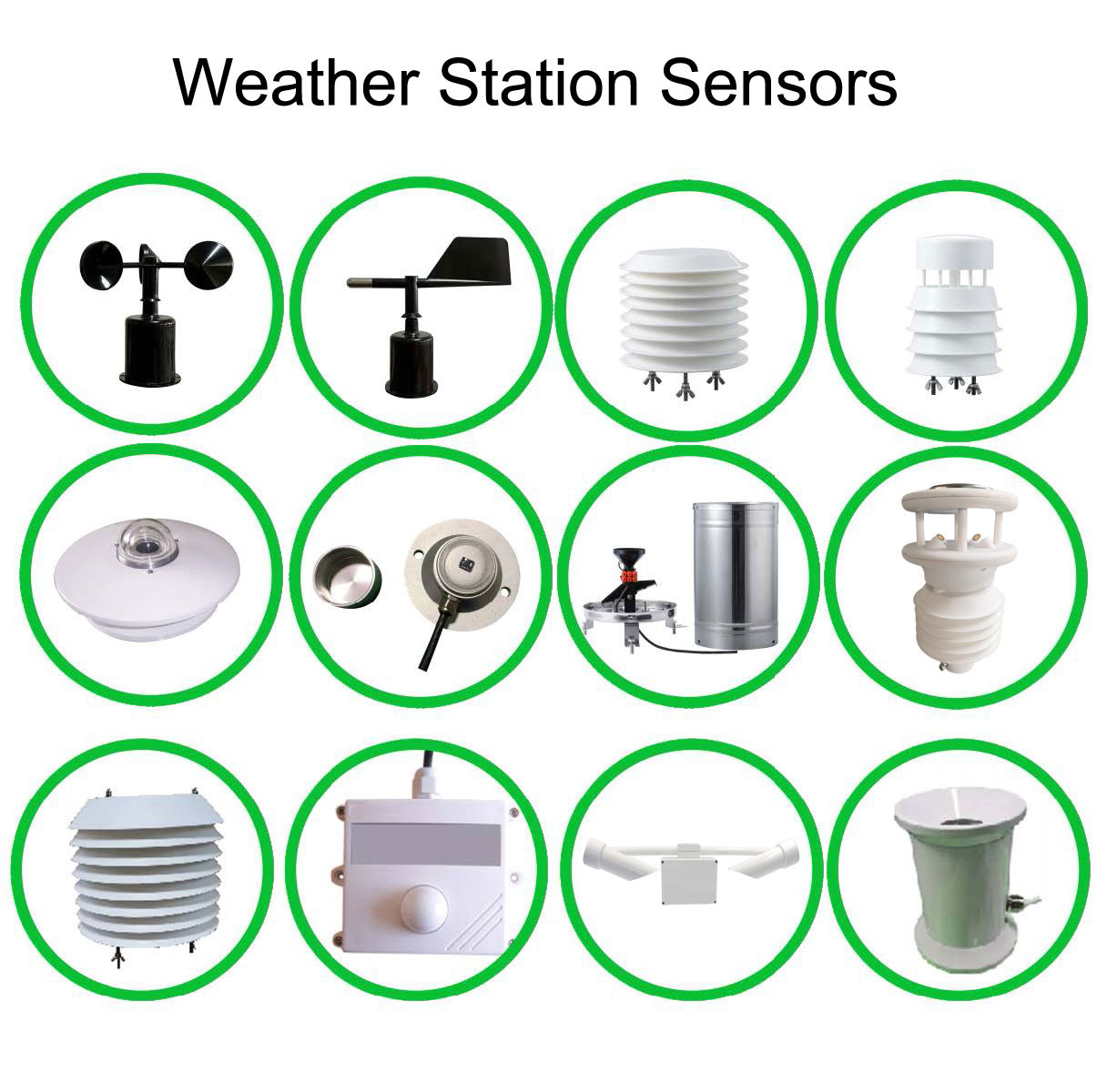
A: Standard: wind speed/direction, air temperature, humidity, barometric pressure; optional: rainfall, solar radiation, PM2.5/PM10, etc.
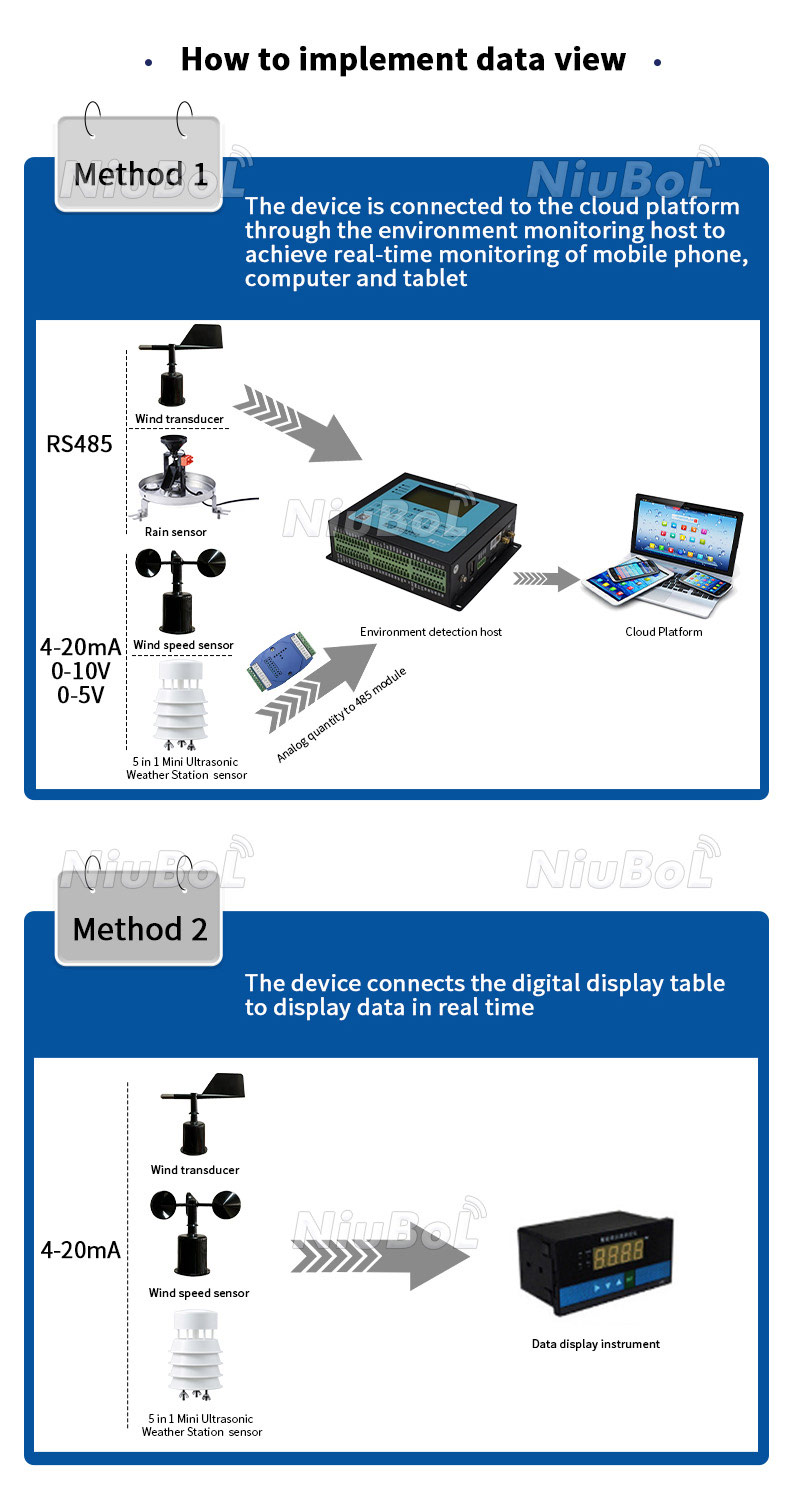
A: Digital output (RS485/Modbus/SDI-12), high-performance logger, millisecond-level sampling and stable communication.
A: All loggers support 4G/GPRS/LoRa/NB-IoT; data can be pushed to any server or the NiuBoL cloud platform.
A: CE, FCC, RoHS, ISO9001, IP65/IP67 (model dependent), and professional meteorological calibration certificates (CMA/CNAs where applicable).
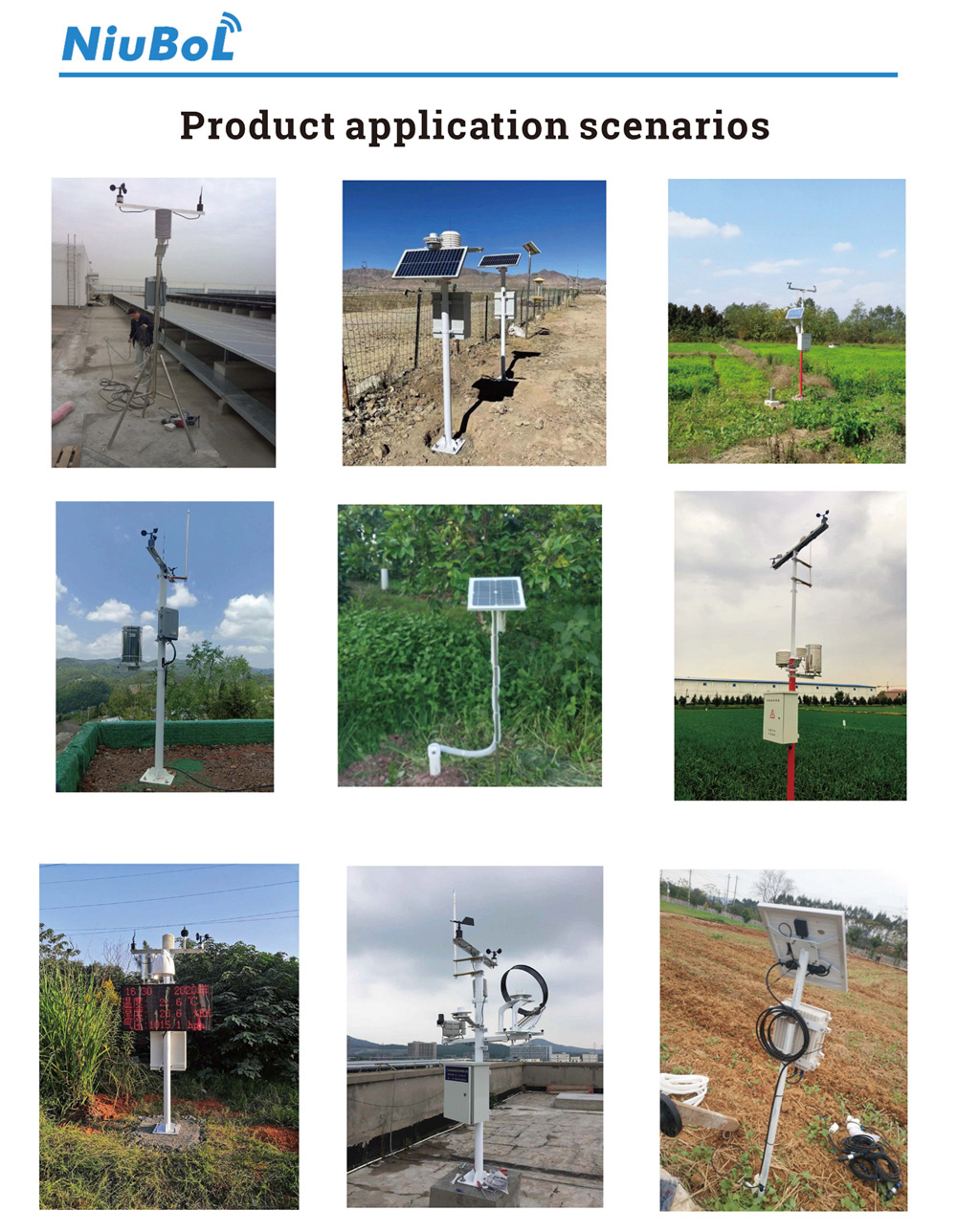
In precision agriculture, environmental protection, smart cities, renewable energy, and scientific research, accurate real-time meteorological data is the cornerstone of “prevention before disaster.”
Traditional mechanical weather stations still have their place in cost-sensitive, mild-environment applications thanks to simplicity and maturity.
However, when you need extreme reliability, zero maintenance, superior low-wind accuracy, and the ability to operate continuously in ice, snow, sandstorms, or marine environments, NiuBoL ultrasonic weather stations are the clear professional choice.
NiuBoL Commitment: Whether you choose proven traditional solutions or cutting-edge ultrasonic technology, we provide stable, reliable, and easily integrated monitoring equipment and lifetime technical support – helping you master the secrets of weather and make the best decisions with confidence.
 NBL-W-21GUWS-Ultrasonic-Wind-speed-and-direction-Sensor.pdf
NBL-W-61MUWS-Ultrasonic-Weather-Station-Instruction-Manual.pdf
NBL-W-71MUWS-Micrometeorological-Sensor-Operating-Instructions.pdf
Prev:What Are the “Four Agricultural Conditions”? A Complete Explanation
Next:Forest Weather Stations: Key Applications and Selection Guide
Related recommendations
Sensors & Weather Stations Catalog
Agriculture Sensors and Weather Stations Catalog-NiuBoL.pdf
Weather Stations Catalog-NiuBoL.pdf
Agriculture Sensors Catalog-NiuBoL.pdf
Water Quality Sensor Catalog-NiuBoL.pdf
Related products
 Combined air temperature and relative humidity sensor
 TDR Soil Moisture & Temperature Sensor for irrigation| RS485 |4-20mA| NBL-S-THR
 Soil pH sensor RS485 soil Testing instrument soil ph meter for agriculture |NBL-S-PH
 Wind Speed sensor Output Modbus/RS485/Analog/0-5V/4-20mA
 Tipping bucket rain gauge for weather monitoring auto rainfall sensor RS485/Outdoor/stainless steel
 Pyranometer Solar Radiation Sensor 4-20mA/RS485

Screenshot, WhatsApp to identify the QR code
WhatsApp number:+8615367865107
(Click on WhatsApp to copy and add friends)

