





— Blogs —
—Products—
 Consumer hotline +8618073152920
 WhatsApp:+8615367865107
Address:Room 102, District D, Houhu Industrial Park, Yuelu District, Changsha City, Hunan Province, China
Product knowledge
Time:2026-02-22 10:38:44 Popularity:475
For small hydropower stations using gate-controlled discharge methods (such as radial gates, flat gates, flap gates, etc.), the ecological discharge flow is not a constant value but a dynamic function varying with upstream water level and gate opening. Therefore, relying solely on manual patrols or simple flowmeters cannot meet regulatory requirements for precision and continuity. It is essential to build an automated, verifiable, traceable, and remotely monitorable system.
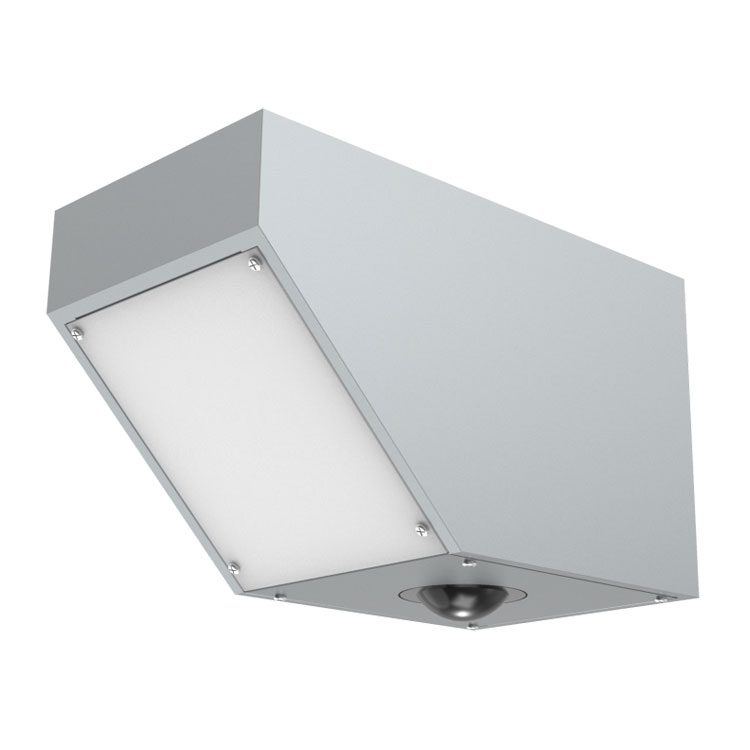
The NiuBoL ecological discharge flow monitoring system adopts a "perception-transmission-platform" three-layer architecture, achieving a closed-loop management from physical quantity collection to regulatory decision-making.
1. Acquisition Layer: Multi-Source Perception Fusion
For gate-type discharge outlets, the system uses the "water level + gate position" combined flow inference method, based on the hydraulic formula:
Q = C × B × e × √(2gH)
(Where Q is flow, C is flow coefficient, B is gate opening width, e is effective opening, H is upstream head)
Note: For power stations already equipped with electromagnetic flowmeters or radar flowmeters, the system also supports access to third-party flow signals as auxiliary verification.
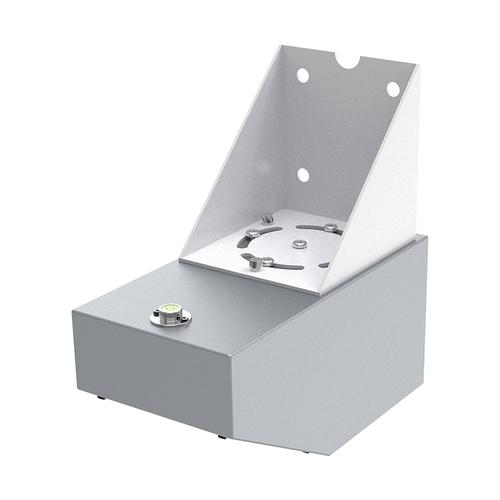
2. Transmission Layer: High-Reliability Communication Assurance
Main channel: 4G, supporting TCP/MQTT/HTTP multiple reporting methods;
Backup channel: LoRa (local networking), wired Ethernet;
Protocol compatibility: Native support for Modbus-RTU (for sensor access).
3. Application Layer: Regulatory Platform Integration
Data is encrypted and transmitted to the cloud, where the NiuBoL ecological flow regulatory platform completes:
Real-time display of discharge flow, water level, gate position, and video for each power station;
Automatic comparison against approved ecological flow thresholds, triggering three-level warnings (yellow/orange/red);
Generation of daily, monthly, and exceedance event reports, supporting Excel export;
GIS map view, aggregating stations by basin and administrative division;
Open API interfaces for regulatory departments such as water resources departments and ecology bureaus to call.
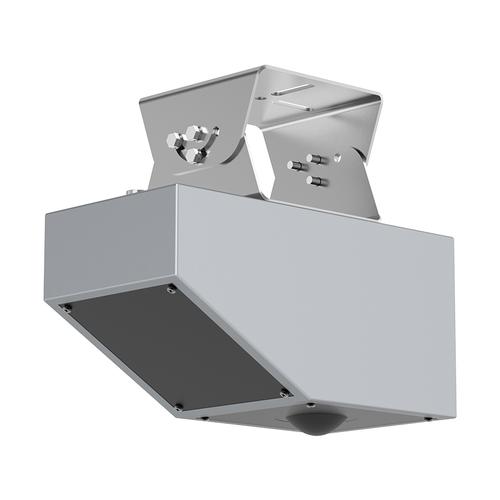
Scenario 1: Mountain Diversion-Type Power Stations (No Regulating Reservoir)
Pain point: Large inflow fluctuations, difficult for manual judgment of sufficient discharge;
Solution: Install level gauge + gate position gauge at the downstream discharge outlet of the forebay, RTU reports data at timed intervals (1–15 minutes);
Effect: A provincial water resources department identified 12 stations with long-term "zero discharge" through this system and ordered rectification according to law.
Scenario 2: Multiple Units Sharing Discharge Channel
Pain point: Insufficient ecological flow when a single unit is shut down;
Solution: Deploy radar flowmeter + video in the total discharge channel, supplemented by each unit's operation status signals;
Logic: When total flow < approved value and video shows no flow, determine violation.
Scenario 3: Historical Legacy Power Station Retrofit
Pain point: No mains power, no network, old gates;
Solution: Adopt solar power supply (100 W PV panel + 100 Ah lithium battery), NB-IoT communication, install mechanical gate position encoder;
Advantage: Deployment completed within 72 hours, no civil engineering required.
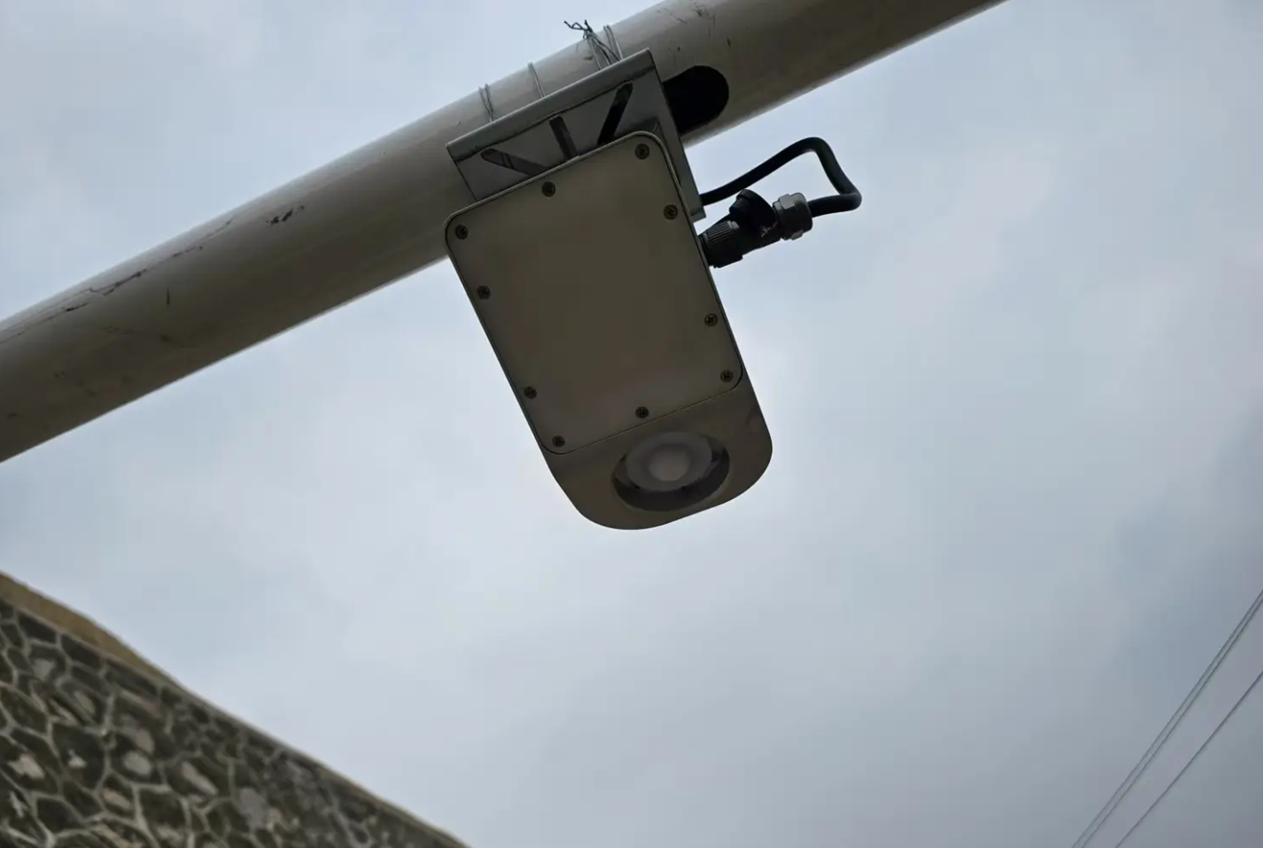
1. Sensor Selection Key Points
Level Gauge: Prioritize non-contact ultrasonic or radar type to avoid sediment accumulation impact; if water is clear, consider submersible pressure level gauge;
Gate Position Gauge: Select according to gate type — built-in displacement sensor for hydraulic cylinders (suitable for oil pressure hoists), external draw-wire encoder for winch type.
2. Installation and Commissioning Notes
Level gauge installation position should avoid vortex and drop areas, distance from gate ≥3 times water depth;
Gate position gauge must be parallel to gate motion axis to avoid lateral force causing wear;
Video camera view should cover the entire discharge flow section, with night supplementary lighting;
RTU installed in waterproof box, grounding resistance ≤4 Ω, communication antenna away from metal structures.
3. Data Calibration and Verification
Before initial commissioning, conduct on-site rating: Use portable ADCP or velocimeter for actual flow measurement under different gate openings, back-calculate flow coefficient C;
Conduct quarterly video-data consistency checks to prevent device drift or manual obstruction.

Ecological flow regulation for small hydropower is not simply "install equipment and transmit data," but a systematic engineering project involving hydraulic modeling, communication reliability, regulatory logic, and sustainable operation and maintenance. With years of technical accumulation in water conservancy automation, NiuBoL provides full-stack delivery capabilities from sensor selection, RTU gateway integration, communication networking to platform docking, helping owners efficiently meet regulatory requirements while reducing long-term operation and maintenance burden.
For water conservancy design institutes, system integrators, and local water affairs companies, choosing NiuBoL means selecting a standardized, replicable, auditable, and scalable ecological flow monitoring paradigm, providing solid support for building a harmonious human-water modern water governance system.
Next:How the Automatic Water and Rainfall Monitoring System Strengthens Reservoir Safety Supervision
Related recommendations
Sensors & Weather Stations Catalog
 Agriculture Sensors and Weather Stations Catalog-NiuBoL.pdf
Weather Stations Catalog-NiuBoL.pdf
Agriculture Sensors Catalog-NiuBoL.pdf
Water Quality Sensor Catalog-NiuBoL.pdf
Related products
 Combined air temperature and relative humidity sensor
 TDR Soil Moisture & Temperature Sensor for irrigation| RS485 |4-20mA| NBL-S-THR
 Soil pH sensor RS485 soil Testing instrument soil ph meter for agriculture |NBL-S-PH
 Wind Speed sensor Output Modbus/RS485/Analog/0-5V/4-20mA
 Tipping bucket rain gauge for weather monitoring auto rainfall sensor RS485/Outdoor/stainless steel
 Pyranometer Solar Radiation Sensor 4-20mA/RS485

Screenshot, WhatsApp to identify the QR code
WhatsApp number:+8615367865107
(Click on WhatsApp to copy and add friends)

