





— Blogs —
—Products—
 Consumer hotline +8618073152920
 WhatsApp:+8615367865107
Address:Room 102, District D, Houhu Industrial Park, Yuelu District, Changsha City, Hunan Province, China
Product knowledge
Time:2026-02-22 10:48:34 Popularity:595
In the process of smart water conservancy and Industry 4.0, the "real-time" and "accuracy" of water quality monitoring data are the lifeline for enterprise environmental compliance and production process control. The online water quality analysis system provided by NiuBoL not only acquires raw data through precision sensors but also builds a full-chain closed loop from perception to decision-making by combining telemetry terminals (RTU) and cloud algorithms.
However, the performance of precision water quality analyzers (especially those involving Karl Fischer titration or electrochemical principles) is greatly affected by environmental factors and operating specifications. This article aims to provide a standardized integration and maintenance guide for engineering purchasers and O&M engineers.
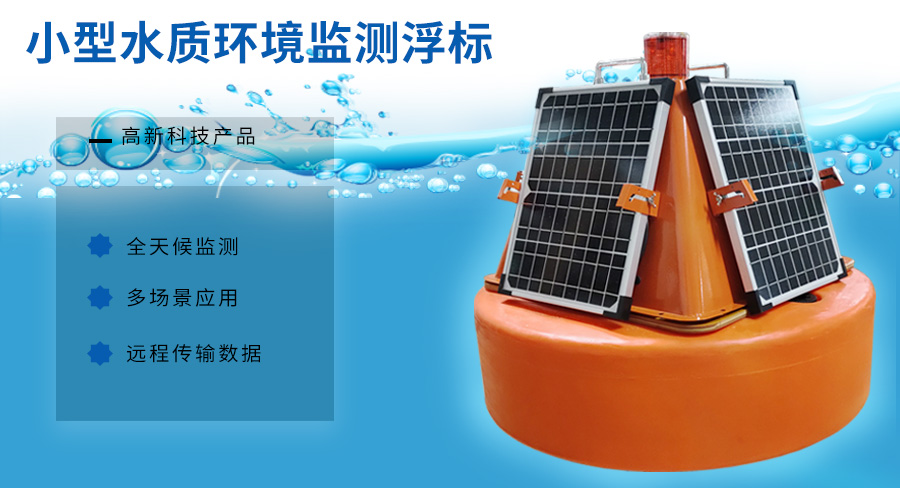
For precision chemical analyzers (particularly Karl Fischer moisture analyzers and multi-parameter online analyzers), the NiuBoL technical team emphasizes the following five major O&M cores:
1. Absolute Hermeticity of the System Flow Path
Karl Fischer reagent is extremely sensitive to environmental moisture.
Technical pain point: Any micro-leakage in the liquid path from reagent bottle, metering pump to reaction cell causes continuous absorption of atmospheric moisture by the reagent, leading to delayed titration endpoint and systematic high bias.
Engineering countermeasures: On manual or automatic moisture analyzers, add U-shaped tubes filled with desiccant to the suction bulb tubing and glass burette top; implement dehumidification measures when relative humidity >70%.
2. Precise Control of Sampling and Injection
Micro-quantitative sampling: Use 10μl-grade samplers during reagent calibration to reduce adhesion errors.
Reaction cell protection: Strictly minimize reaction cell open time after each sampling or injection. For online systems, regularly check sampling pump flow stability (recommended 300-500 mL/min).
3. Titration Logic and Stirring Kinetics
Speed ladder algorithm: NiuBoL online analysis systems employ a "fast then slow" titration strategy. Rapid initial reaction shortens cycle time; near endpoint switches to micro-pulse titration to eliminate delay-induced metering bias.
Stirring optimization: Adjust stir bar speed to "critical turbulent" state — ensure rapid diffusion of titrant after local addition without vortex formation that disrupts the liquid surface.
4. System Cleaning Protocol
After daily tests or periodic online monitoring, the system must be drained and thoroughly cleaned with anhydrous methanol. Strictly prohibit water cleaning, as residual moisture is extremely difficult to volatilize and directly causes initial equilibrium failure in subsequent runs.
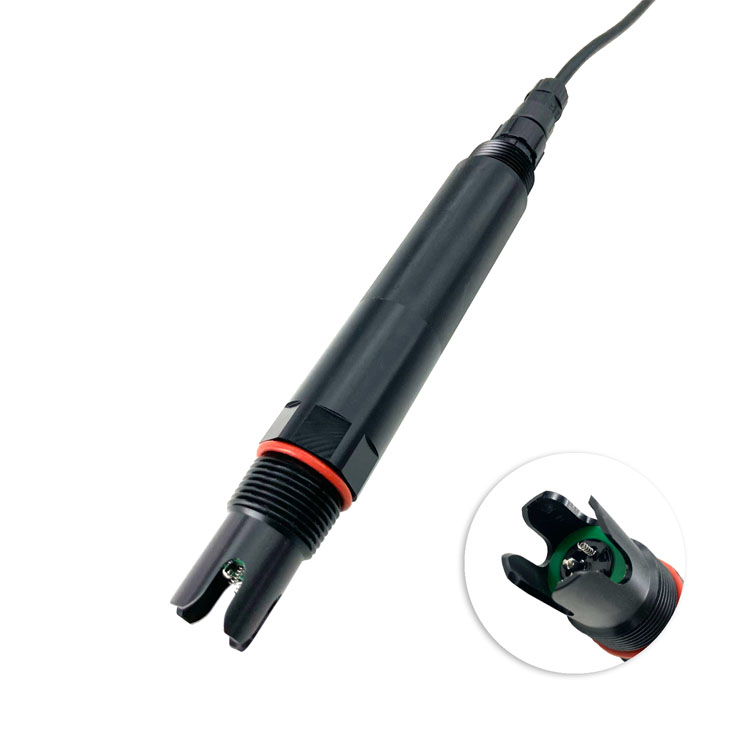
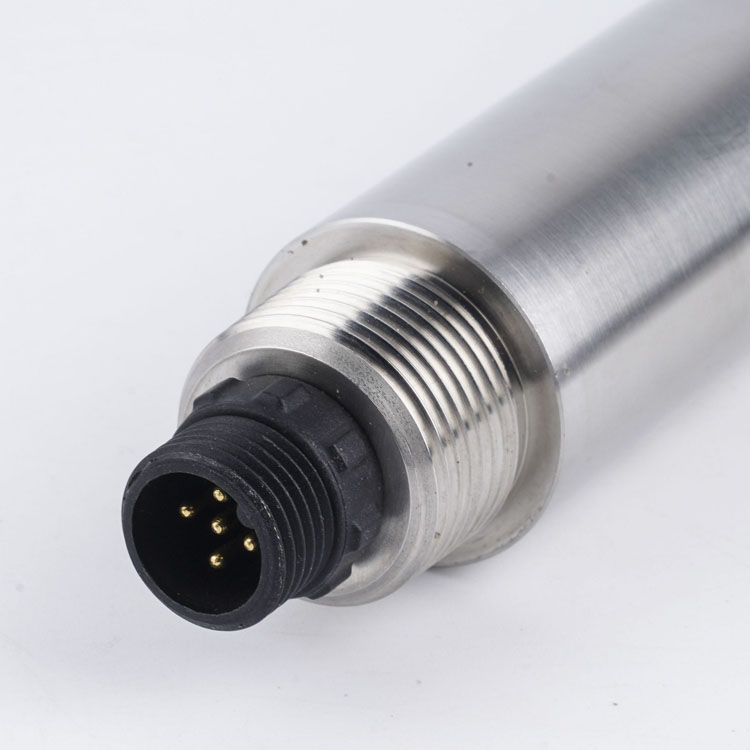
NiuBoL sensor modules all support standard RS485 (Modbus-RTU) protocol, enabling seamless integration with mainstream PLC systems and data acquisition platforms.
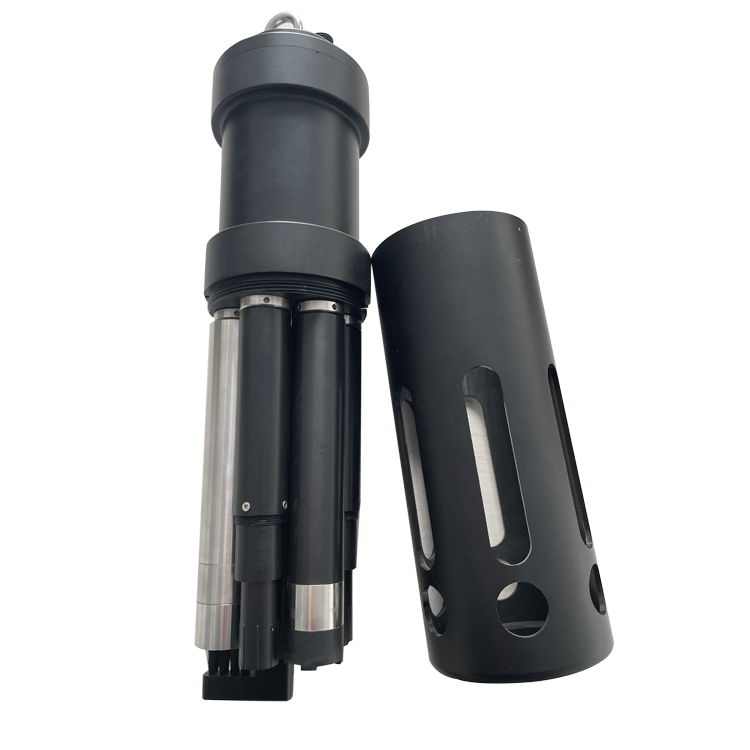
NiuBoL provides users with a "sensor + RTU/gateway + cloud platform" three-in-one integrated solution:
Perception Layer: Deploy multi-parameter online analyzers (residual chlorine, ammonia nitrogen, pH, turbidity, etc.).
Transmission Layer: NiuBoL telemetry terminal machine. Features 2 RS485 and 2 analog input channels, supports 4G/5G transmission.
Application Layer (Cloud Platform):
Real-time monitoring: GIS map labeling of each monitoring point status.
Anomaly alarms: Automatic push via SMS/webpage for water quality exceedances, sensor failures, or low battery.
Remote control: Supports remote control of automatic cleaning valves or sampling pump frequency adjustment.
1.Industrial Wastewater Treatment and Process Control
Requirements: Monitor total phosphorus, total nitrogen, and heavy metals.
Solution: Select online analysis system with self-cleaning and automatic calibration functions.
Value: Ensure compliant discharge and avoid environmental fines.
2. Aquaculture and Ecological Balance
Requirements: Real-time monitoring of dissolved oxygen (DO), ammonia nitrogen, and nitrite.
Solution: Adopt low-power, highly integrated multi-parameter sensors.
Value: Automatically link aerators to reduce breeding risks and increase yield.
3. Tap Water Plants and Drinking Water Safety
Requirements: Monitor residual chlorine, turbidity, pH.
Solution: Select high-precision constant voltage residual chlorine sensors and fiber-optic turbidity meters.
Value: Ensure factory water quality safety and optimize dosing processes.

Facing varying quality brands on the market, commercial procurement should focus on the following three core dimensions:
1. Sensor Lifespan and Maintenance Frequency: Prioritize technologies such as fluorescence method (dissolved oxygen) or constant voltage method (residual chlorine) that do not require frequent membrane/electrolyte replacement to reduce O&M costs.
2. System Integration Compatibility: Confirm whether the equipment supports standard Modbus-RTU communication protocol and has remote calibration and self-cleaning functions.
3. Environmental Adaptability: Industrial-grade enclosures (IP65/IP68 rating) and corrosion-resistant materials are crucial for sewage treatment environments.
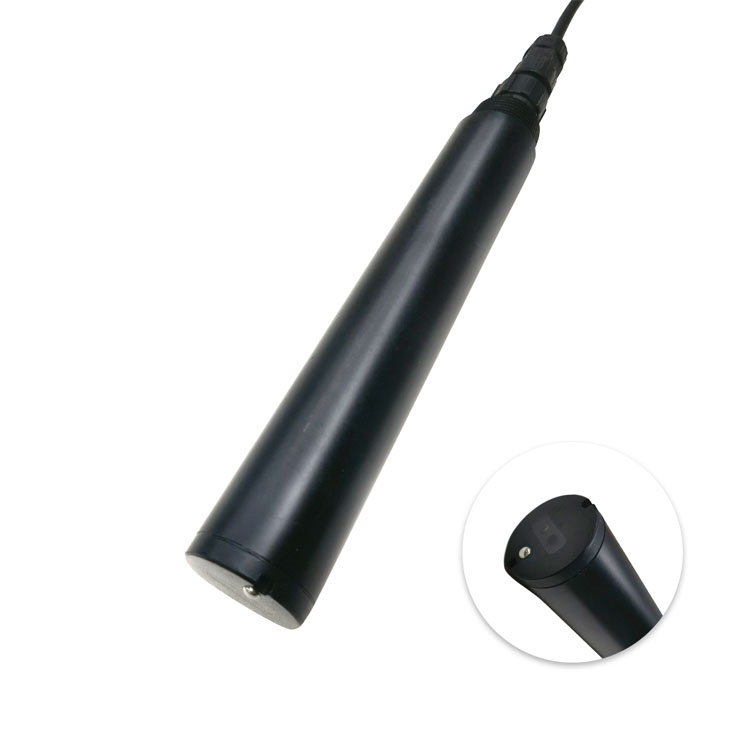
Q1: Why does NiuBoL recommend non-contact or membrane-free sensors?
A: Traditional membrane sensors are prone to biofouling or sludge blockage, requiring frequent electrolyte replacement. NiuBoL's fluorescence dissolved oxygen and constant voltage residual chlorine sensors significantly extend maintenance cycles, reducing total lifecycle cost (TCO) by over 40%.
Q2: In online Karl Fischer titration monitoring, how to handle high-humidity environments?
A: In high-humidity (RH >70%) environments, install large-capacity molecular sieve drying tubes in the system gas path. If interference persists, recommend installing temperature-controlled dehumidifiers inside the analysis cabinet.
Q3: Does the system support access to third-party PLC or regulatory platforms?
A: Yes. All equipment uses standard Modbus-RTU protocol with 485 communication. We can provide detailed register mapping tables.
Q4: Can water quality data transmission frequency be customized?
A: Yes. Through the NiuBoL telemetry terminal, you can set any sampling and reporting interval between 1 minute and 24 hours.
Q5: How to power the system if there is no mains power on site?
A: NiuBoL sensors and RTUs are low-power designs. Paired with 30W-100W solar power systems, they achieve year-round uninterrupted operation.
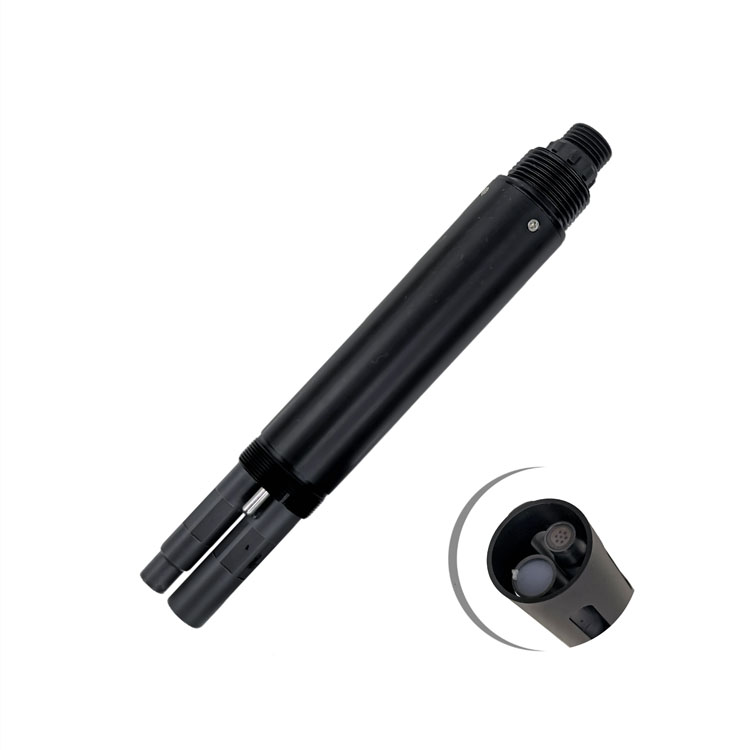
Q6: Will ammonia nitrogen sensors be "poisoned" in sewage?
A: Industrial wastewater contains complex chemical components. NiuBoL ammonia nitrogen probes use special anti-interference membranes and are recommended with automatic cleaning systems to regularly remove surface attachments.
Q7: What are the installation position requirements for water quality analyzers?
A: Avoid strong magnetic fields and severe vibration sources. Inlet piping should be as short as possible with smooth drainage to prevent back pressure affecting metering pump accuracy.
Q8: How to solve accuracy degradation of instruments in high-humidity environments?
A: Recommend integrating temperature control systems or large-capacity drying units inside the instrument cabinet, and perform precision manual tests in environments with relative humidity below 70% whenever possible.
Q9: Does NiuBoL provide multi-parameter integrated buoy monitoring solutions?
A: Yes. For river and reservoir monitoring, we offer buoy systems integrating solar power, video surveillance, and multi-parameter water quality analyzers for unattended monitoring.
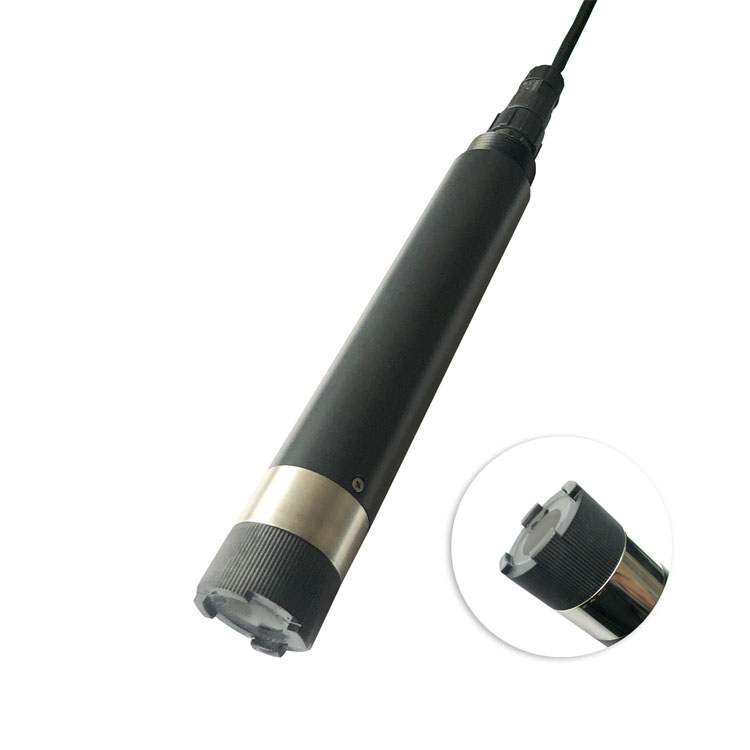
The value of online water quality analyzers lies not only in monitoring but also in "prediction" and "control." Through industrial-grade reinforcement of multi-parameter sensors and high integration with cloud platforms, NiuBoL provides users with a reliable, precise, and easy-to-maintain perception solution.
If you are tendering or selecting equipment for specific industrial wastewater treatment projects or smart water affairs projects, please contact NiuBoL. We will provide you with detailed equipment lists, flow path design drawings, and complete Modbus communication manuals.
 NBL-RDO-206 Online Fluorescence Dissolved Oxygen Sensor.pdf
NBL-COD-208 Online COD Water Quality Sensor.pdf
NBL-CL-206 Water Quality Sensor Online Residual Chlorine Sensor.pdf
Prev:How the Automatic Water and Rainfall Monitoring System Strengthens Reservoir Safety Supervision
Next:Integrated Solution and Integration Guide for Automatic Water and Rainfall Monitoring System
Related recommendations
Sensors & Weather Stations Catalog
Agriculture Sensors and Weather Stations Catalog-NiuBoL.pdf
Weather Stations Catalog-NiuBoL.pdf
Agriculture Sensors Catalog-NiuBoL.pdf
Water Quality Sensor Catalog-NiuBoL.pdf
Related products
 Combined air temperature and relative humidity sensor
 TDR Soil Moisture & Temperature Sensor for irrigation| RS485 |4-20mA| NBL-S-THR
 Soil pH sensor RS485 soil Testing instrument soil ph meter for agriculture |NBL-S-PH
 Wind Speed sensor Output Modbus/RS485/Analog/0-5V/4-20mA
 Tipping bucket rain gauge for weather monitoring auto rainfall sensor RS485/Outdoor/stainless steel
 Pyranometer Solar Radiation Sensor 4-20mA/RS485

Screenshot, WhatsApp to identify the QR code
WhatsApp number:+8615367865107
(Click on WhatsApp to copy and add friends)

