





— Blogs —
—Products—
 Consumer hotline +8618073152920
 WhatsApp:+8615367865107
Address:Room 102, District D, Houhu Industrial Park, Yuelu District, Changsha City, Hunan Province, China
Product knowledge
Time:2026-02-22 10:33:11 Popularity:681
Driven by the "Smart Water Conservancy" strategy, water conservancy informatization construction is accelerating toward intelligent transformation to address challenges such as flood disasters, water resource shortages, and water environmental pollution. The smart river channel monitoring system collects real-time data on water level, flow, water quality parameters, and video to achieve river pollution source tracing, illegal behavior warnings, and ecological governance decision support. The NiuBoL smart river channel water level and flow monitoring solution integrates Doppler ultrasonic flowmeter, radar flowmeter, non-contact sensors, and online water quality monitoring modules, supporting GPRS/4G communication, Modbus-RTU protocol, and cloud platform access. It is suitable for basin-level river channels, urban inner rivers, and sewage outlet monitoring. For system integrators, water conservancy engineering contractors, IoT platform providers, and water affairs departments, NiuBoL provides modular and scalable solutions to ensure data continuity, system compatibility, and seamless docking with provincial water conservancy platforms.
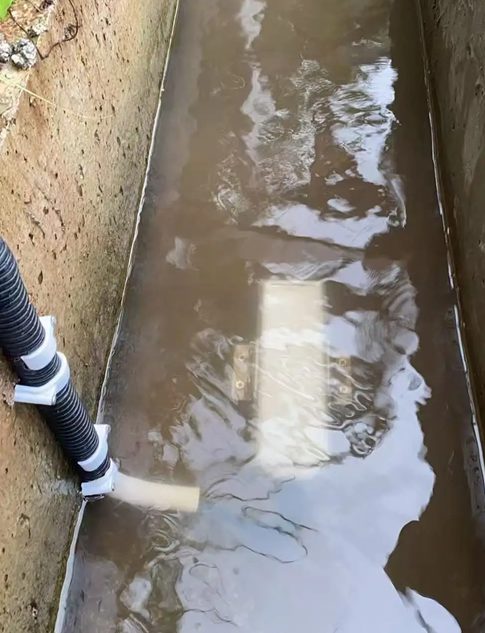
The NiuBoL smart river channel monitoring system adopts a multi-layer architecture design, covering the perception layer, transmission layer, data processing layer, and application layer, fully supporting the information collection, analysis, and decision-making closed loop under the "Smart Water Conservancy" framework.
Perception Layer: Integrates water level and flow sensors, online water quality monitoring probes, and image/video equipment. Doppler ultrasonic flowmeter is suitable for contact measurement in complex flow regime river channels, while radar flowmeter (combining radar velocimeter and radar level gauge) achieves non-contact monitoring to avoid sediment corrosion impact. The water quality module covers pH, temperature, turbidity, COD, BOD, ammonia nitrogen, etc., and supports extension to ecological indicators such as total phosphorus and total nitrogen. Video equipment uses industrial-grade cameras for timed/triggered shooting to assist in evidence collection for illegal sewage discharges at outlets.
Transmission Layer: Telemetry terminal (RTU) collects sensor data via RS485 Modbus-RTU protocol, supporting GPRS/4G public network transmission. The system is compatible with timed self-reporting, incremental reporting, and polling mechanisms, with data latency controlled at the second level. Reserved NB-IoT or LoRa interfaces facilitate expansion in remote river sections.
Power Assurance: Optional solar power supply (PV panel + lithium iron phosphate battery pack) or mains power depending on site conditions, with maximum power consumption optimized to<5W, ensuring ≥7 days of continuous operation during rainy periods. Equipped with lightning protection modules, surge protection, and IP67 protective cabinets, adapting to humid and high-temperature riverbank environments.
Data Processing and Application Layer: Cloud server receives and parses messages, establishes time-series database, supporting real-time curve display, historical query, multi-level alarm push, and report generation. The platform integrates GIS maps and AI trajectory analysis algorithms for patrol assessment and intelligent sewage identification.
Through IoT technology, river water level and flow, water quality, and video data are unified into the basin management platform, achieving full-chain monitoring from source governance to end interception.
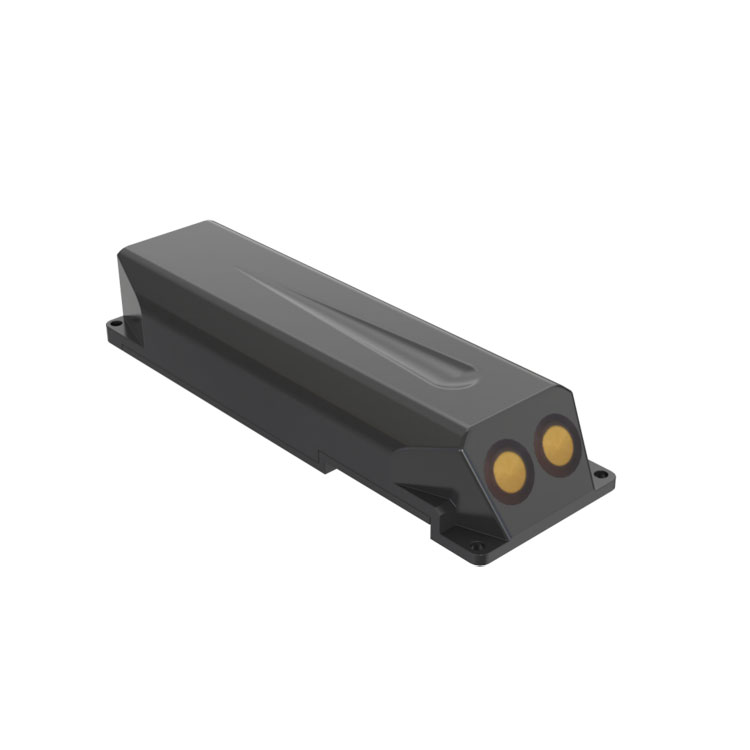
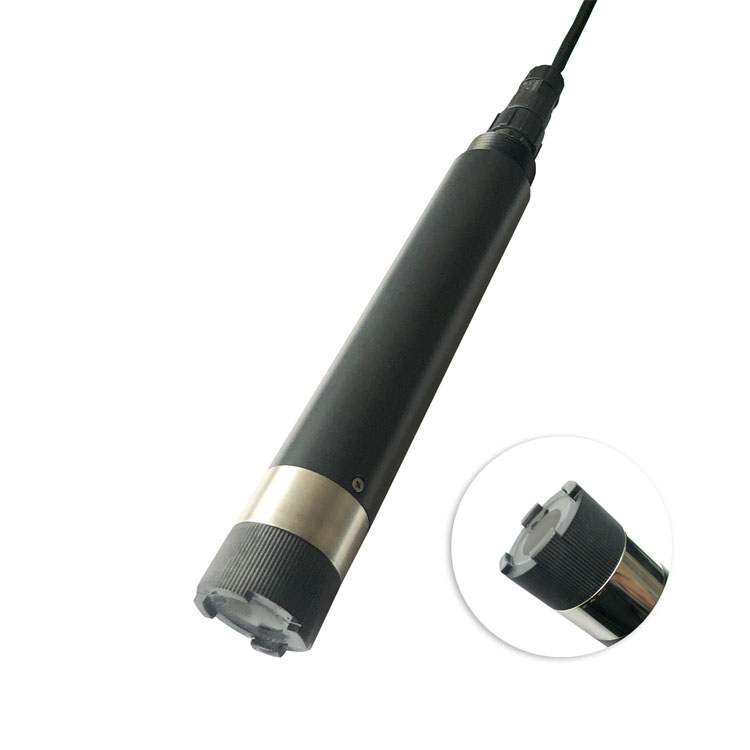
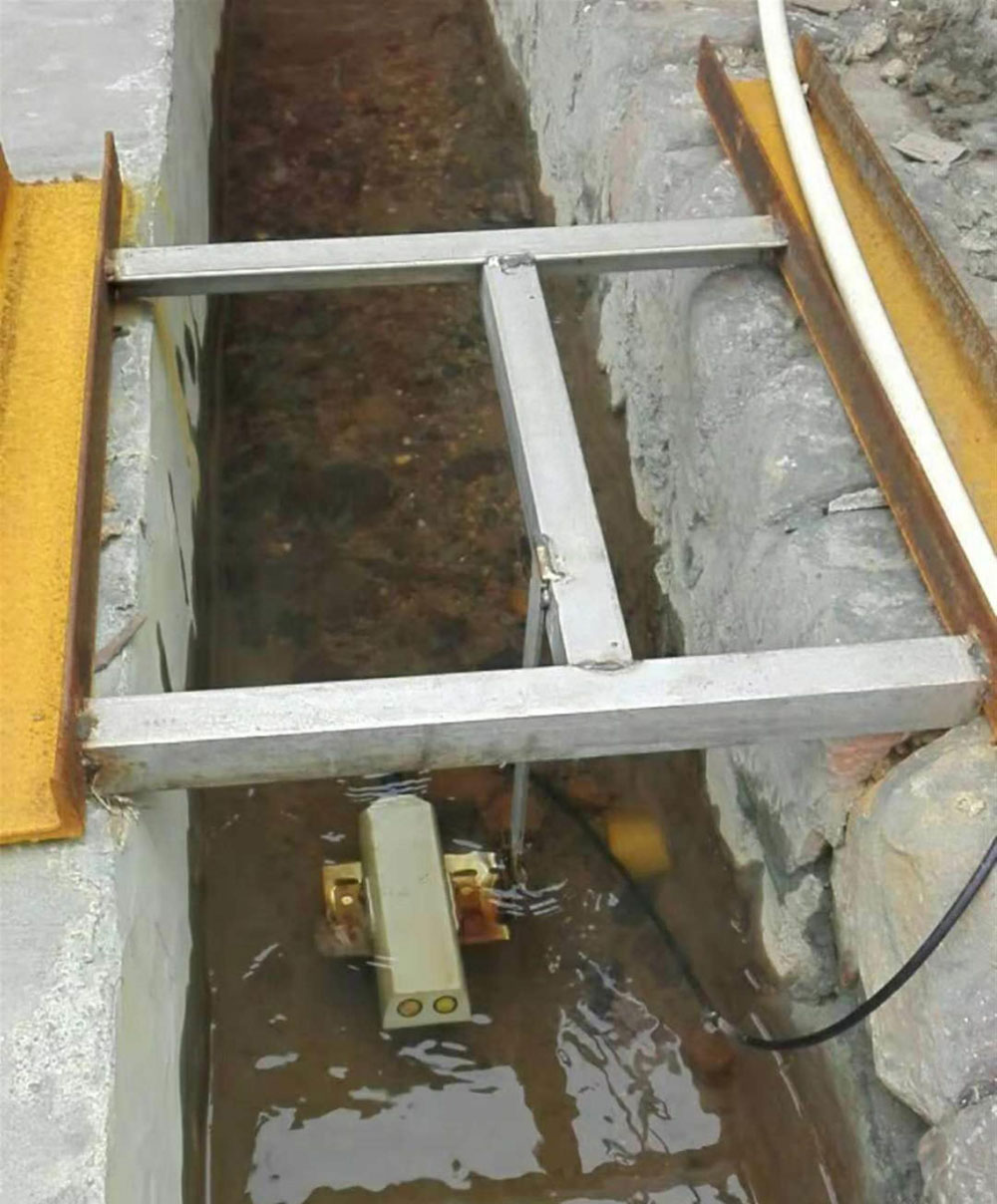
Suitable for curved river channels with high sediment content, using velocity-area method for flow calculation.
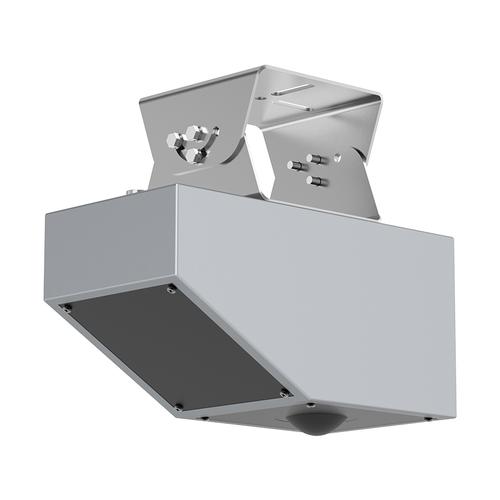
Suitable for open river surfaces and flood-prone areas, non-contact design reduces maintenance.
Supports multi-parameter integrated probes.
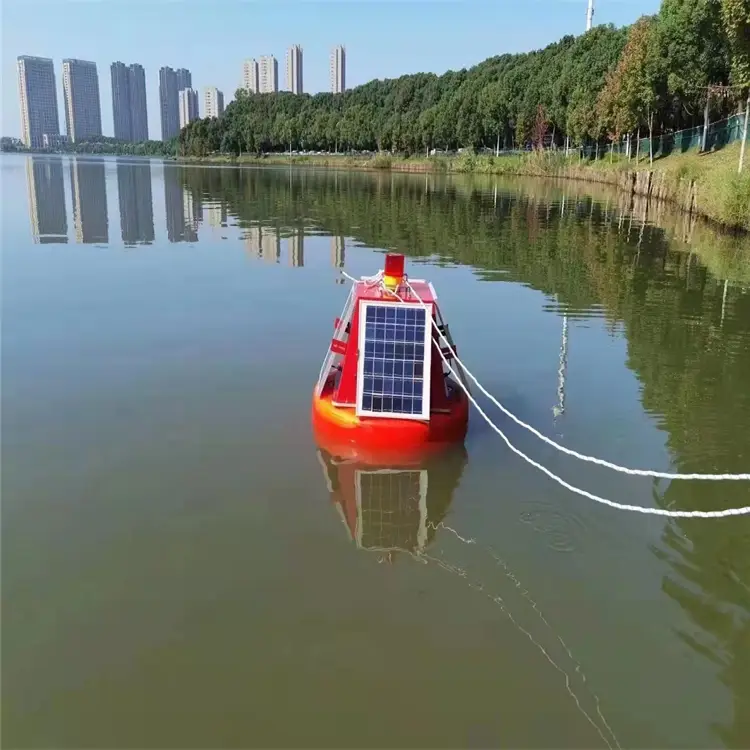
1. River Pollution Source Tracing and Illegal Warning
Deploy radar flowmeter + water quality module + video equipment at river sewage outlets to achieve real-time monitoring of flow anomalies, water quality exceedances, and sewage discharge behaviors.
2. Basin-Level Flood Control Monitoring
Deploy Doppler ultrasonic flowmeters along key river sections, combined with water level data to generate flood forecast models, providing incoming water volume, inflow, and downstream inundation analysis to support flood control command decisions.
3. Urban Inner River Ecological Governance
Integrate water quality parameter monitoring for continuous tracking of pH, COD, BOD, etc., assisting source governance and end interception. Video linkage evaluates river dredging effects and forms regular ecological reports.
4. Rural River Water Resource Management
For small and medium river sections, adopt solar-powered solutions to monitor water level, flow, temperature, and turbidity, supporting drought-resistant water storage scheduling and soil erosion assessment.
5. Smart City Water Network Integration
Linkage with rainwater pipes and groundwater monitoring to provide full-element data access to the city brain platform, achieving river and lake chief system assessment and comprehensive water environment management.
Selection Reference
Flow Measurement Method: Stable riverbed with low sediment selects Doppler contact type; open water surface with difficult maintenance selects radar non-contact type.
Water Quality Parameters: Conventional river channels select pH/temperature/turbidity; heavily polluted sections extend to COD/BOD/ammonia nitrogen.
Power Supply Type: Remote river sections mandate solar + battery pack; riverbank with mains power can select DC power supply.
Communication Protocol: Prioritize Modbus-RTU; multi-source fusion requires MQTT-supporting RTU.
Video Resolution: Sewage evidence collection selects HD 1080P; general monitoring selects 720P to reduce power consumption.
Integration Notes
1. Site Planning: Uniform deployment based on historical flood maps, river CAD, and hydrological models to ensure representativeness; denser upstream, combined with sewage outlets downstream.
2. Sensor Installation: Flowmeter facing water flow direction, installation height above flood peak + margin; water quality probe immersion depth 0.5-1m to avoid bubble interference.
3. Parameter Calibration: On-site input of river cross-section geometry and slope; perform actual comparison calibration of flow correction coefficient after initial commissioning.
4. Protocol Docking: RTU configures consistent Modbus address and baud rate; enable CRC error checking to ensure data integrity.
5. Lightning Protection Grounding: Bracket, solar panel, RTU require independent grounding with resistance<4 Ω; install surge protectors.
Q1. How is the accuracy of radar flowmeter during large river waves?
A: Built-in filtering algorithm compensates for wave interference, maintaining ±2% accuracy; suitable for open river surfaces, proven stable in multiple projects.
Q2. Can the system extend water quality parameters to total phosphorus/total nitrogen?
A: Yes, supports modular plug-and-play with reserved interfaces; requires calibration after extension to ensure data fusion analysis with COD/BOD.
Q3. How does solar power ensure operation during continuous rainy days?
A: Optimized battery pack capacity supports 7-10 days of continuous operation; automatic switch to low-power mode.
Q4. Is Doppler flowmeter prone to damage on sediment riverbeds?
A: IP68 protection + corrosion-resistant material design, combined with regular cleaning, provides high long-term stability.
Q5. What mobile functions does the cloud platform support?
A: View real-time data, curves, alarms, and video playback via browser/APP, supports patrol trajectory management.
Q6. What project support services does NiuBoL provide?
A: From site survey, customized solutions to on-site commissioning and long-term operation and maintenance; includes 1-3 year warranty and remote diagnosis.

The NiuBoL smart river channel water level and flow monitoring system takes high-precision sensors, reliable transmission, and intelligent platforms as its core, fully responding to the "Smart Water Conservancy" construction needs and supporting river pollution source tracing, flood warning, and ecological governance. Through modular design and standard interfaces, it ensures easy integration and expansion, assisting water affairs departments in achieving data-driven decision-making.
For system integrators and engineering companies seeking river channel monitoring solutions, NiuBoL can provide customized consultation, policy benchmarking reports, and implementation guidance. Welcome to contact us for detailed solutions or reference cases to jointly advance water conservancy informatization to a higher level.
 NBL-RDO-206 Online Fluorescence Dissolved Oxygen Sensor.pdf
NBL-COD-208 Online COD Water Quality Sensor.pdf
NBL-CL-206 Water Quality Sensor Online Residual Chlorine Sensor.pdf
Related recommendations
Sensors & Weather Stations Catalog
Agriculture Sensors and Weather Stations Catalog-NiuBoL.pdf
Weather Stations Catalog-NiuBoL.pdf
Agriculture Sensors Catalog-NiuBoL.pdf
Water Quality Sensor Catalog-NiuBoL.pdf
Related products
 Combined air temperature and relative humidity sensor
 TDR Soil Moisture & Temperature Sensor for irrigation| RS485 |4-20mA| NBL-S-THR
 Soil pH sensor RS485 soil Testing instrument soil ph meter for agriculture |NBL-S-PH
 Wind Speed sensor Output Modbus/RS485/Analog/0-5V/4-20mA
 Tipping bucket rain gauge for weather monitoring auto rainfall sensor RS485/Outdoor/stainless steel
 Pyranometer Solar Radiation Sensor 4-20mA/RS485

Screenshot, WhatsApp to identify the QR code
WhatsApp number:+8615367865107
(Click on WhatsApp to copy and add friends)

