





— Blogs —
—Products—
 Consumer hotline +8618073152920
 WhatsApp:+8615367865107
Address:Room 102, District D, Houhu Industrial Park, Yuelu District, Changsha City, Hunan Province, China
Product knowledge
Time:2026-03-14 10:46:28 Popularity:435
The construction of campus weather stations holds significant strategic value in primary and secondary schools as well as higher education institutions, particularly in meteorological science popularization education, smart campus construction, environmental safety management, and the creation of green low-carbon campuses. As a professional provider of industrial-grade meteorological monitoring solutions, NiuBoL is committed to supplying system integrators, IoT solution providers, project contractors, and engineering companies with highly reliable, scalable campus weather station products and overall integration solutions that comply with relevant national standards.
This article systematically elaborates from an engineering application perspective on the construction significance, technical composition, typical parameters, installation key points, policy background, actual project value, and future trends of campus weather stations, helping partners better respond to education system, government procurement, and smart city perception system bidding requirements.
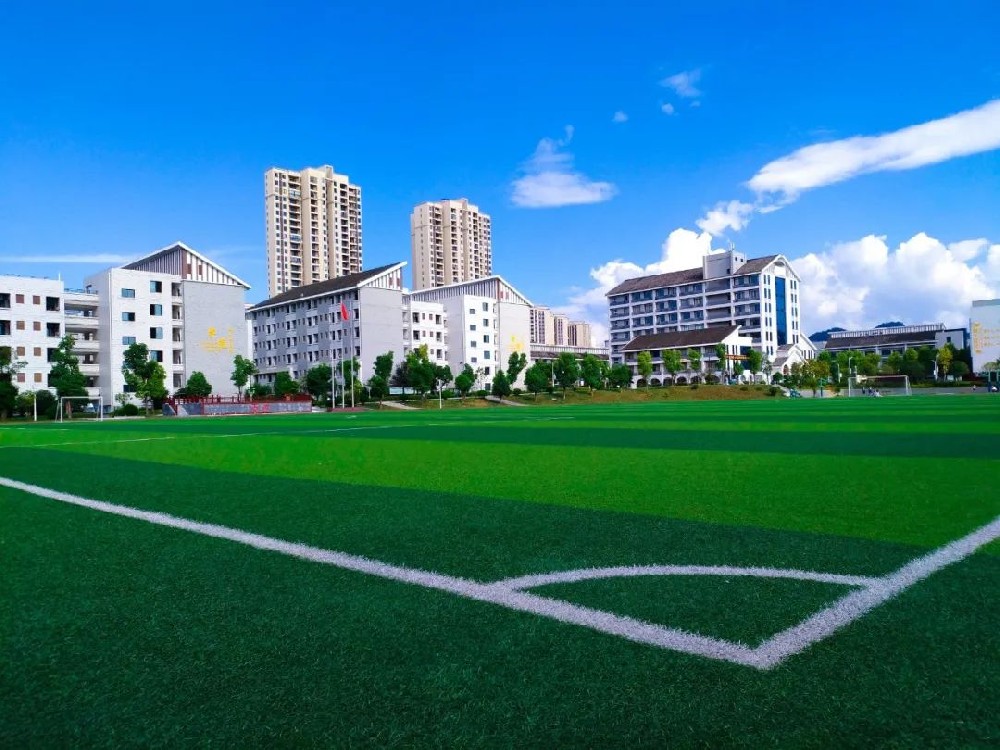
In the context of frequent extreme weather events, rising concerns about air quality and climate change, campus weather stations have evolved from simple popular science tools to important nodes in smart campus and urban perception systems. Their core value is reflected in multiple dimensions:
1. Comprehensive Enhancement of Meteorological Science Popularization and Scientific Literacy
The system provides real-time, multi-element meteorological data to support immersive and inquiry-based teaching. Students can understand atmospheric circulation, climate change patterns, causes of environmental pollution, and carbon emission mechanisms by observing wind speed, air pressure changes, PM2.5/PM10 concentrations, etc. This directly aligns with the “Compulsory Education Geography Curriculum Standards,” “Science Curriculum Standards,” and high school geography elective modules, supporting interdisciplinary (geography + physics + information technology + comprehensive practice) project-based learning and enhancing data literacy, scientific thinking, and problem-solving abilities.
2. Refined Management of Campus Environmental Health and Safety
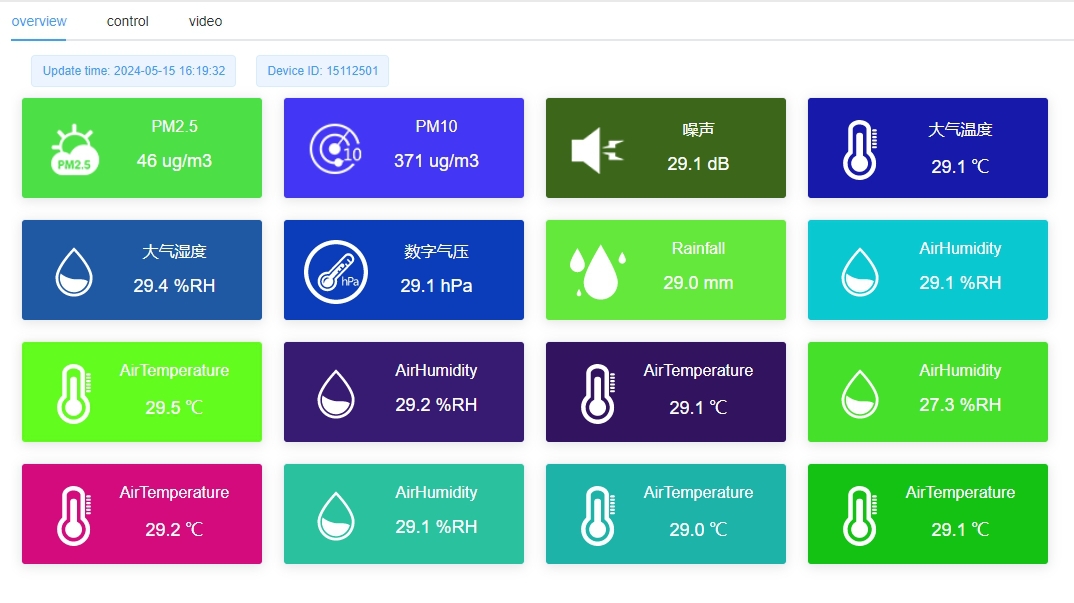
Real-time monitoring of Air Quality Index (AQI), noise, light, temperature, humidity, etc. When PM2.5 exceeds standards, high-temperature warnings occur, or strong winds arrive, the system automatically triggers multi-channel warnings (SMS, campus large screens, APP push notifications) to guide schools in scientifically adjusting outdoor activities, physical education classes, window ventilation, or activating air purification equipment, providing data support for teachers' and students' health and reducing risks of respiratory diseases and heatstroke.
3. Construction of Meteorological Disaster Defense and Emergency Response Capabilities
Through high-frequency monitoring of rainfall intensity, wind speed, sudden air pressure changes, etc., combined with local meteorological bureau grid data, it can perceive risks such as strong convection, typhoons, heavy rain, and thunderstorms in advance. This supports schools in improving emergency plans, organizing disaster prevention and reduction drills, and carrying out “Little Disaster Reduction Officer” activities, enhancing teachers' and students' self-rescue, mutual aid, and resilience awareness.
4. Deep Integration with Smart Campus and Urban Perception Systems
NiuBoL products support standard industrial protocols (Modbus RTU, MQTT, HTTP/HTTPS, LoRaWAN, etc.), facilitating seamless access to campus unified management platforms, smart large screens, energy consumption management systems, air quality grid monitoring, or city-level perception platforms.
5. Amplification of Social Benefits, Policy Dividends, and Brand Value
Many regions have included campus weather station construction in the creation indicators and performance assessments of “science popularization education characteristic schools,” “ecological civilization demonstration schools,” and “meteorological science popularization education bases.” Successful projects often receive joint plaques from local meteorological bureaus and education bureaus, media coverage, and special funding support, forming demonstration effects. For contractors, this is an efficient path to accumulate benchmark cases in education, enhance regional influence, and increase brand value.
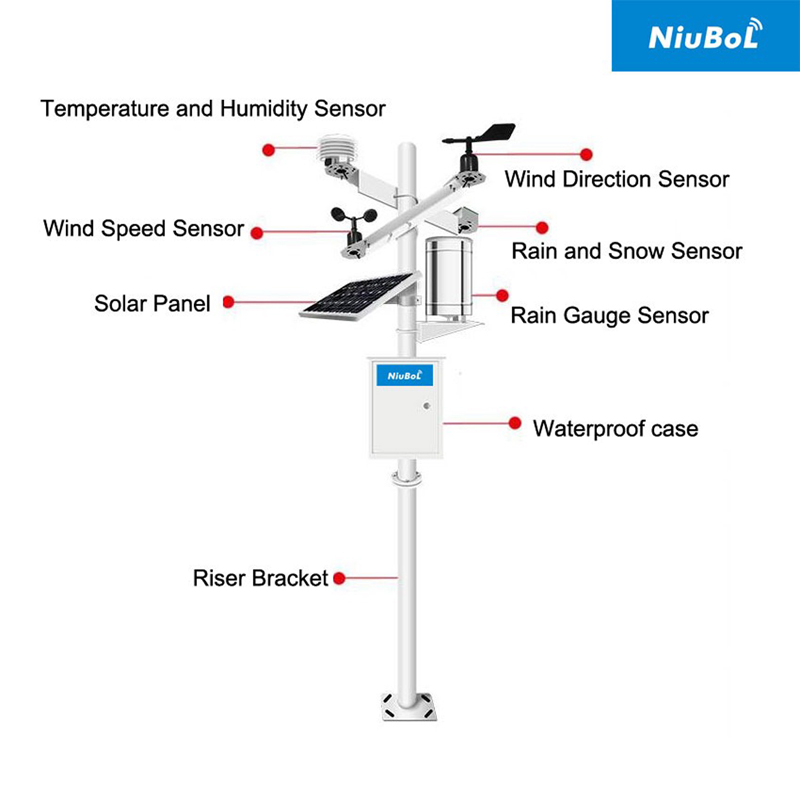
NiuBoL campus weather stations adopt modular, industrial-grade design, supporting rapid deployment, later expansion, and remote operation and maintenance. Main components include:
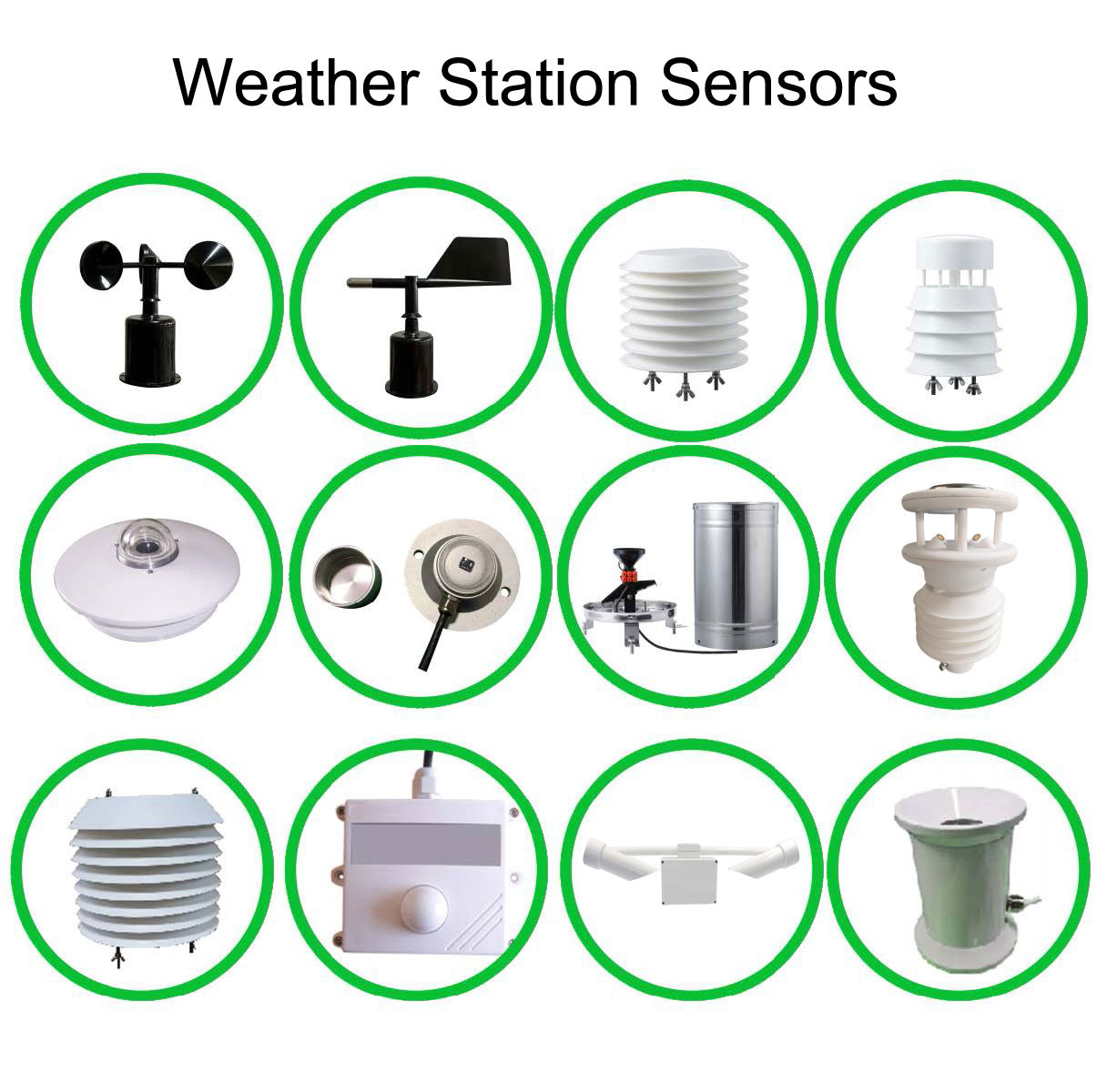
Meteorological sensor array: Ten-element (or customized multi-element) all-in-one/split sensors, supporting high-precision solutions such as laser scattering PM, piezoelectric/tipping bucket rainfall, ultrasonic wind speed/direction, etc.
Data acquisition and edge processing unit: Industrial-grade logger with ≥8GB local storage (supports ≥3 years data cache), breakpoint resume, edge threshold judgment.
Communication: 4G/5G full-network, LoRa, RJ45 Ethernet.
Power system: Solar + lithium iron phosphate battery pack (≥7 days cloudy/rainy endurance) + mains automatic switching, with overcharge/overdischarge/lightning protection.
Protection and structure: IP65~IP67 protection rating, full stainless steel/hot-dip galvanized plastic-sprayed bracket, with bird-proof spikes, radiation shield, lightning grounding.
Cloud platform and application layer: SaaS/Web/APP multi-terminal support, real-time dashboard, historical curves, threshold alarms, automatic report generation, API openness, teaching template integration, data sharing to meteorological bureau platform.
| Parameter | Measurement Range | Accuracy/Resolution | Notes and Optional Recommendations |
|---|---|---|---|
| Wind Speed | 0~70 m/s | ±(0.1 m/s + 3%) | Ultrasonic preferred (no mechanical wear) |
| Wind Direction | 0~360° | ±1° | Optical/magnetic resistance encoding |
| Air Temperature | -40℃~+85℃ | ±0.3℃ (typical ±0.2℃) | With radiation shield to prevent direct sunlight |
| Air Humidity | 0~100% RH | ±2% RH | Capacitive, good long-term stability |
| Atmospheric Pressure | 300~1100 hPa | ±0.15 hPa | MEMS silicon piezoresistive, temperature compensated |
| PM2.5 | 0~1000 μg/m³ | ±(10% + 10 μg/m³) | Laser scattering, heating and dehumidification to prevent condensation |
| PM10 | 0~1000 μg/m³ | ±(10% + 10 μg/m³) | Same as above, optional dual-channel |
| Noise | 30~130 dB | ±1.5 dB | A-weighting/C-weighting optional |
| Illuminance/Ultraviolet | 0~200 klx / 0~2000 mW/m² | ±4% / ±5% | Silicon photocell, expandable to UVA/UVB |
| Rainfall | 0~8 mm/min | Piezoelectric ±10% / Tipping bucket ±4% | Piezoelectric responds faster, suitable for heavy precipitation |
| Optional Elements | CO₂, negative oxygen ions, soil temperature/humidity, visibility, etc. | Depending on project needs | Supports hot-swappable modules |
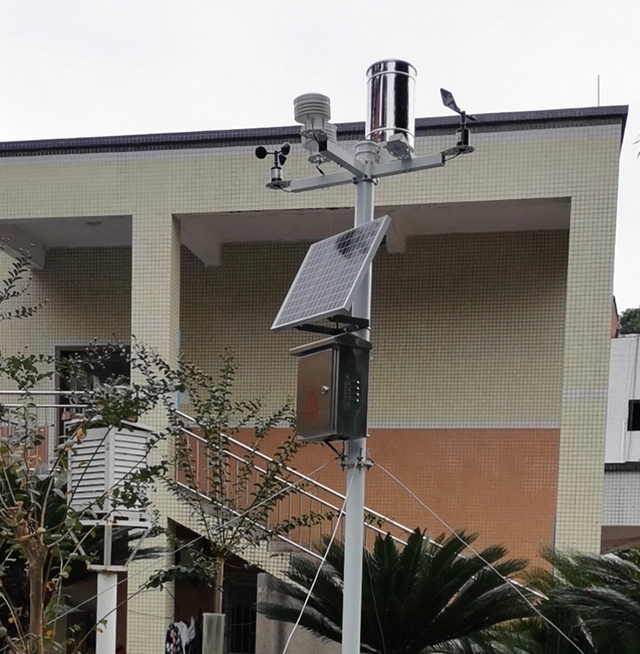
Site Selection Principles: Open area without obvious heat island/dust sources, distance from buildings/trees/roads ≥10 meters; flat terrain, avoid low-lying areas; recommended area ≥6m×8m (primary schools can be compressed to rooftop platform 4m×6m).
Observation Field Layout: North higher than south, east-west rows; surrounded by 1.2~1.5m white sparse fence (with entrance/exit); artificial lawn inside (grass height ≤20cm), with 0.3~0.5m wide hardened walkway; north-facing entrance.
Bracket and Height: Standard 3~4 meters (wind speed/direction recommended 3.5~10 meters above ground, campus often compromises); with independent lightning rod.
Power and Communication: Solar system preferred (with MPPT controller); communication 4G/RS485, supports offline local cache.
Others: Full lightning protection (power + signal), anti-theft (fence + sensor fixation), bird-proof, dust-proof design.
Q1: What is the essential difference between campus weather stations and ordinary small weather stations?
Campus-type emphasizes teaching interaction, data visualization, safety compliance, and educational software templates; sensor accuracy reaches meteorological service level, supporting multi-terminal display and school-based curriculum integration.
Q2: How to implement with limited primary school space?
Recommend compact all-in-one machine + rooftop platform solution, 3-meter bracket + solar, covering 4~6㎡, without affecting playground use.
Q3: How to truly integrate data into daily teaching?
Platform includes real-time curves, historical comparisons, Excel export; provides teaching packages on themes such as “Observing Clouds to Recognize Weather,” “Air Quality and Health,” “Climate Change Inquiry,” supporting club activities and school-based courses.
Q4: How to control O&M costs and cycles?
Sensor calibration once every 1~2 years, solar system basically maintenance-free; NiuBoL provides remote diagnosis + annual on-site service package with controllable annual average costs.
Q5: Application focus differences across educational stages?
Primary: Fun popular science + phenology observation; Junior high: Hands-on experiments + disaster prevention games; Senior high: Climate research + environmental monitoring projects.
Q6: Procurement and delivery cycle?
Standard configuration delivered 4~8 weeks after contract signing, supports prototype testing; bulk/customized projects can be planned in advance.
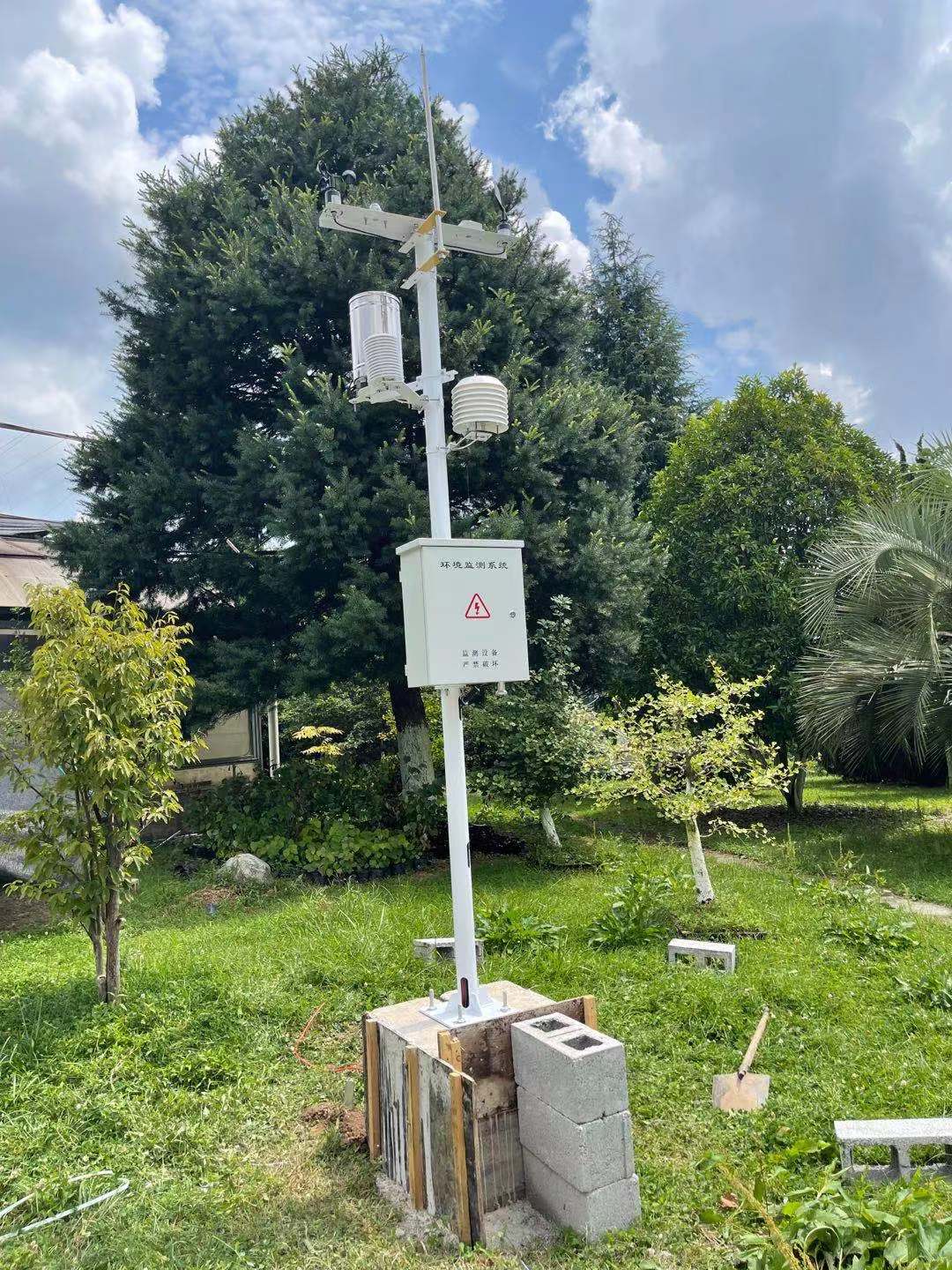
Campus weather stations are not only vivid carriers of meteorological science popularization but also comprehensive infrastructure for smart education, campus resilience, ecological civilization, and urban perception system construction. NiuBoL takes industrial-grade stability and open integration capabilities as its core, deeply adapting to educational scenarios and providing end-to-end solutions from hardware selection and system integration to cloud O&M for partners.
If you are advancing education IoT bidding, smart campus construction, meteorological science popularization projects, or urban environmental perception projects, welcome to contact NiuBoL for the latest solutions, white papers, prototype testing opportunities, and regional agent/integration policies. We look forward to working with you to create data-driven, safe, intelligent, green, and sustainable learning environments for more campuses, promoting high-quality development of meteorological science education and disaster prevention and reduction.
Related recommendations
Sensors & Weather Stations Catalog
 Agriculture Sensors and Weather Stations Catalog-NiuBoL.pdf
Weather Stations Catalog-NiuBoL.pdf
Agriculture Sensors Catalog-NiuBoL.pdf
Water Quality Sensor Catalog-NiuBoL.pdf
Related products
 Combined air temperature and relative humidity sensor
 Soil Moisture Temperature sensor for irrigation|NBL-S-THR
 Soil pH sensor RS485 soil Testing instrument soil ph meter for agriculture |NBL-S-PH
 Wind Speed sensor Output Modbus/RS485/Analog/0-5V/4-20mA
 Tipping bucket rain gauge for weather monitoring auto rainfall sensor RS485/Outdoor/stainless steel
 Pyranometer Solar Radiation Sensor 4-20mA/RS485

Screenshot, WhatsApp to identify the QR code
WhatsApp number:+8615367865107
(Click on WhatsApp to copy and add friends)

