





— Blogs —
—Products—
 Consumer hotline +8618073152920
 WhatsApp:+8615367865107
Address:Room 102, District D, Houhu Industrial Park, Yuelu District, Changsha City, Hunan Province, China
Product knowledge
Time:2026-04-15 14:37:54 Popularity:409
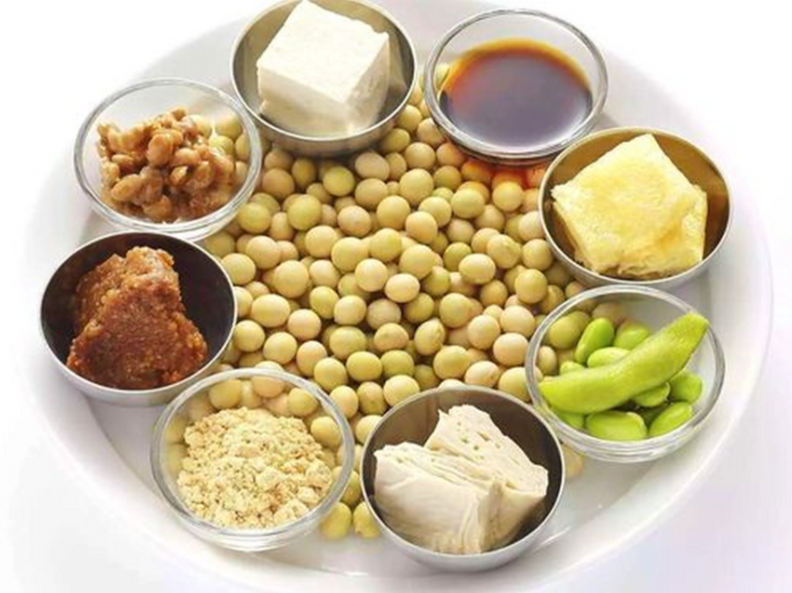
Soy products, as a traditional protein food in China, continue to see growing market demand. However, the wastewater generated during processing has become a typical pollution source in the food industry. Traditional soy product production is mainly workshop-style, with small scale and wide distribution. The wastewater has large volume, high organic concentration, and complex composition. If discharged directly without effective treatment, it will cause serious water pollution and eutrophication. Based on engineering practice, this article analyzes in detail the characteristics of soy product wastewater, treatment challenges, and mainstream biological treatment processes, providing operable solutions for small workshop enterprises.
Soy product wastewater mainly comes from bean washing water, bean soaking water, pulp and residue separation water, press filtration water, equipment and container washing water, and ground flushing water. It is high-concentration organic wastewater, with COD and BOD5 reaching tens of thousands of mg/L, SS concentration usually 1000~1500 mg/L, and pH low (mostly 4~6). However, it has good biodegradability (BOD5/COD ratio 0.55~0.65). The C:N:P ratio of the wastewater is approximately 100:4.7:0.2, which is suitable for microbial growth, and there are few toxic and harmful substances.
In actual operation, soy product production is mostly intermittent, with concentrated drainage times, resulting in large fluctuations in water volume and quality. Under anaerobic conditions, scum layers are easily formed, and high-concentration wastewater is prone to acidification, affecting subsequent treatment. When the activated sludge method is used in the aerobic stage, sludge bulking is prone to occur. In addition, the high nitrogen and phosphorus content can easily cause eutrophication if discharged untreated.
Given these characteristics, physical or chemical treatment alone is difficult to meet standards, so biological methods have become the mainstream choice. Among them, anaerobic biological treatment has the advantages of low residual sludge, small footprint, low energy consumption, and recoverable biogas. However, it is difficult to meet discharge standards when used alone. Therefore, the combination of anaerobic and aerobic processes has become the industry consensus, which can achieve economic benefits while ensuring stable compliant effluent.
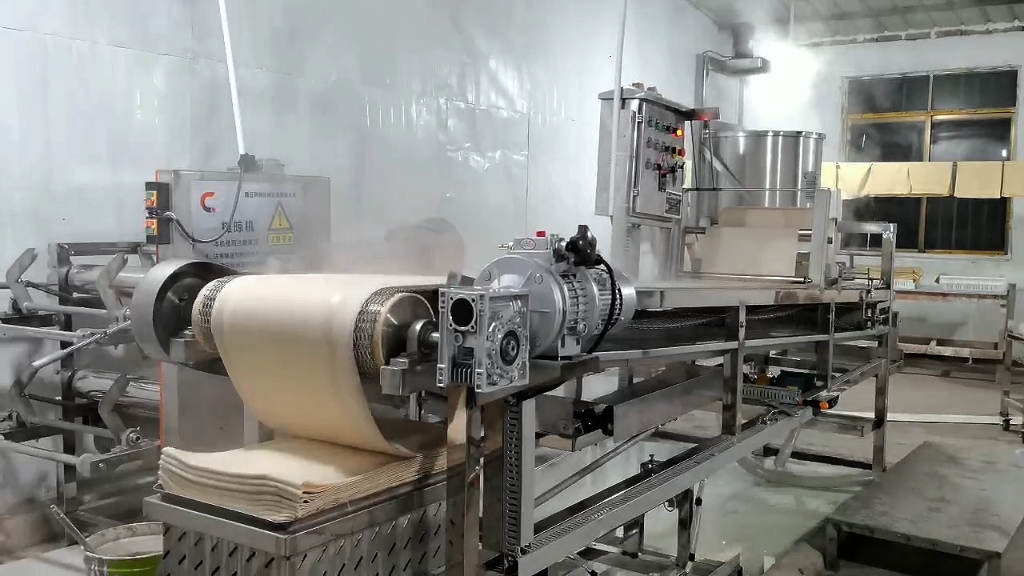
Domestic research on soy product wastewater treatment began in the 1970s. At present, multiple mature anaerobic-aerobic combined processes have been developed. The following explains them with typical engineering cases.
This process is suitable for situations with large variations in water quality and volume, high SS, easy acidification, and sludge bulking. It emphasizes separate treatment of high- and low-concentration wastewater. A bean product company in Beijing produces various soy products and soy milk with a treatment scale of 900 m³/d. High-concentration wastewater has COD 12000 mg/L, BOD5 6000 mg/L, SS 1500 mg/L; low-concentration wastewater has COD 2500 mg/L, BOD5 1200 mg/L, SS 1000 mg/L. After UASB anaerobic treatment, it enters the SBR aerobic unit, followed by sand filtration and biological activated carbon filtration for advanced treatment. The final effluent meets COD≤60 mg/L, BOD5≤20 mg/L, SS≤50 mg/L, pH 6~8.5, reaching the secondary standard for discharge into surface water bodies. The process operates stably, and the advanced treatment unit effectively ensures effluent quality.
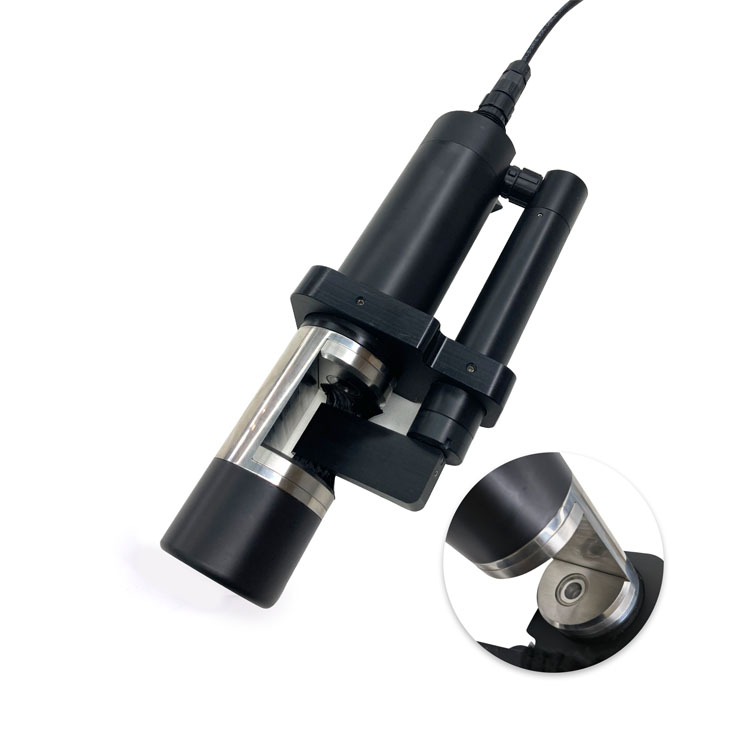
For high-concentration wastewater pretreatment needs, the acidification hydrolysis tank can hydrolyze complex macromolecular organic matter into easily degradable small molecules, while reducing SS and raising pH to reduce impact on anaerobic digestion. A bean product factory in Hangzhou with a daily output of 10 t has high-concentration wastewater COD 24000 mg/L, BOD5 10800 mg/L, SS 12000 mg/L, and low-concentration wastewater COD 400 mg/L, BOD5 180 mg/L. The high-concentration portion is treated by acidification hydrolysis-anaerobic digestion, and the effluent is mixed with low-concentration wastewater before being connected to the municipal pipe network. Operation data over the past two years show stable treatment effect, normal equipment operation, and low investment and operating costs.
This process is particularly suitable for wastewater with high SS, low pH, and high temperature. A bean product enterprise in Henan with a daily output of 10 t has comprehensive influent COD 8850 mg/L, BOD5 4880 mg/L, NH3-N 600 mg/L. Pretreatment uses air flotation to remove scum and a regulating tank. The biochemical section uses internal circulation UASB + A/O process, with partial effluent reflux to enhance impact resistance. The effluent meets COD≤150 mg/L, BOD5≤30 mg/L, NH3-N≤25 mg/L, complying with GB 8978-1996 secondary standard. The process has low investment and operating costs and has strong industry promotion value.
The ABR-MSBR combined process is suitable for wastewater where pollutants are mainly carbohydrates, proteins, and fats, with a small amount of edible oil and additives. A biological food factory in Hunan with a treatment scale of 220 m³/d has comprehensive influent COD 1500~3000 mg/L, BOD5 850~2000 mg/L. MSBR, as an improved SBR, achieves continuous inflow and outflow with constant water level operation, avoiding the disadvantages of traditional SBR such as large head loss and low volume utilization. The effluent meets COD≤100 mg/L, BOD5≤20 mg/L, SS≤70 mg/L, NH3-N≤15 mg/L, TP≤0.5 mg/L, reaching GB 8978-1996 primary standard. The operation is stable and costs are controllable.
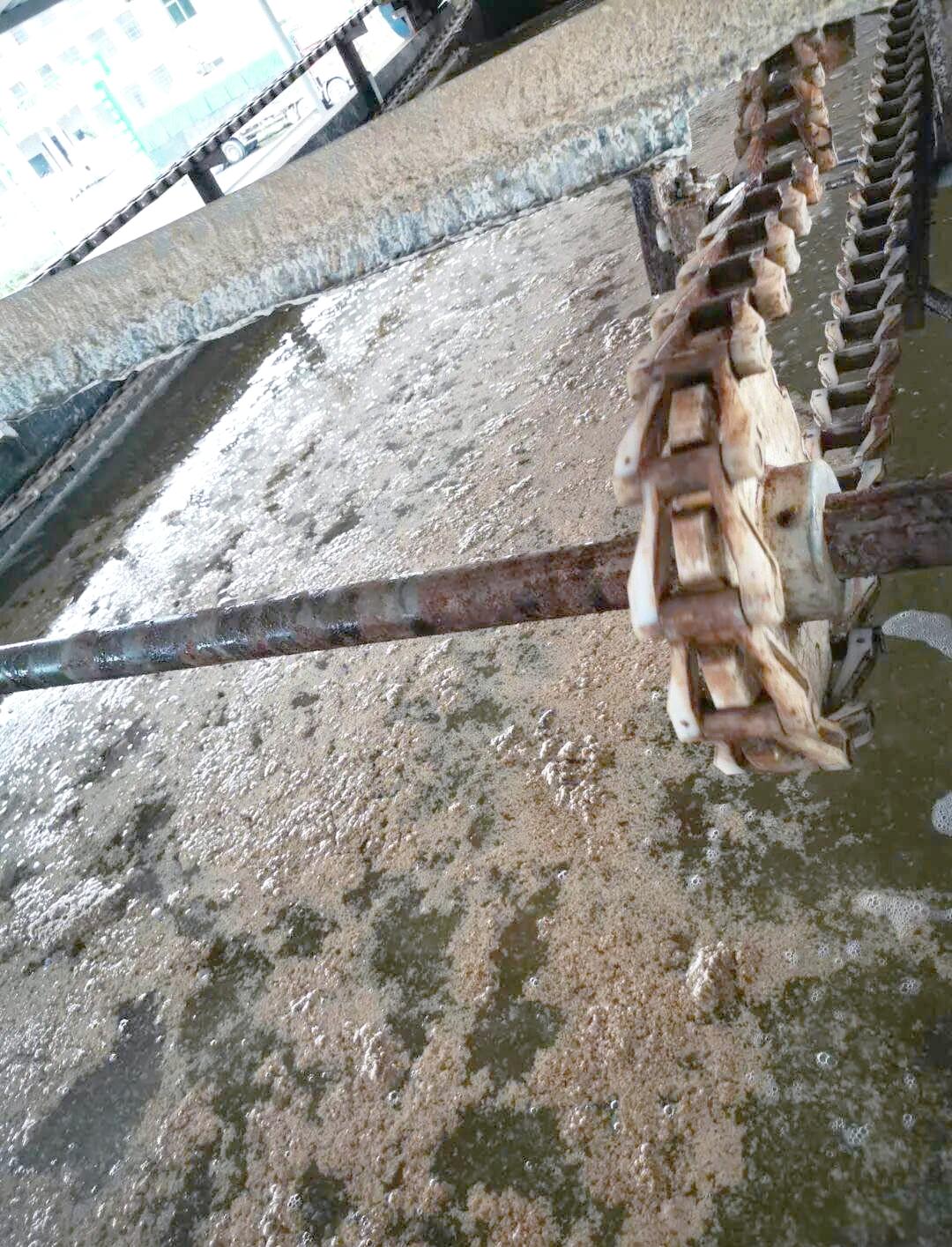
To facilitate comparison for small workshop enterprises, the following table summarizes the core parameters of four mainstream processes (based on actual engineering data):
| Process Name | Applicable Scale / Water Volume | Main Treatment Units | Typical Effluent Indicators (mg/L) | Core Advantages |
|---|---|---|---|---|
| UASB-SBR-Sand Filtration-Biological Activated Carbon Filtration | Medium-small, 900 m³/d | UASB + SBR + sand filtration + activated carbon | COD≤60, BOD5≤20, SS≤50 | Separate treatment of different qualities, excellent advanced treatment effect |
| Acidification Hydrolysis-Anaerobic Digestion | Medium-small, 330 m³/d | Acidification hydrolysis + anaerobic digestion | Mixed and connected to municipal pipe network (stable compliance) | Significant SS reduction, pH adjustment, strong impact resistance |
| UASB-A/O | Medium-small, 300 m³/d | Air flotation + internal circulation UASB + A/O | COD≤150, BOD5≤30, NH3-N≤25 | Efficient nitrogen removal, reflux enhances stability |
| ABR-MSBR | Small, 220 m³/d | ABR + MSBR | COD≤100, BOD5≤20, TP≤0.5 | Continuous operation, phosphorus and nitrogen removal, economical footprint |
Small workshop production features concentrated drainage and large water quality fluctuations. It is recommended to prioritize the installation of a regulating tank to balance water volume and quality. Before the anaerobic unit, air flotation or sedimentation pretreatment should be performed to remove most SS, while adjusting pH and alkalinity. The anaerobic + aerobic combined process can achieve a balance of low residual sludge, biogas recovery, and compliant discharge, with low operating costs, making it suitable for intermittent production modes.
Q1. What are the main sources of soy product wastewater?
Mainly including bean washing water, bean soaking water, pulp and residue separation water, press filtration water, equipment and container washing water, and ground flushing water. The wastewater generation is generally more than 5 times the weight of soybeans.
Q2. What are the typical COD and BOD5 concentrations in soy product wastewater?
High-concentration wastewater COD can reach 12000~30000 mg/L, BOD5 6000~10800 mg/L, SS 1000~1500 mg/L. It is a typical high-concentration organic wastewater.
Q3. What is the most common difficulty in treating soy product wastewater in small workshops?
Concentrated drainage time leads to uneven water volume and quality, easy acidification and scum in anaerobic conditions, sludge bulking in aerobic conditions, and high N and P content that easily causes eutrophication.
Q4. Why is biological treatment suitable for soy product wastewater?
Pollutants are mostly degradable organic matter, with biodegradability of 0.55~0.65. The C:N:P ratio is suitable for microbial growth, and there are few toxic and harmful substances.
Q5. Can anaerobic treatment alone achieve compliant discharge?
Anaerobic treatment alone produces little residual sludge and low energy consumption, but the effluent is difficult to meet discharge standards. It usually needs to be combined with aerobic treatment to achieve stable compliance.
Q6. What is the role of the UASB process in soy product wastewater treatment?
UASB can efficiently remove most organic matter, resist load shocks, and achieve gas-liquid-sludge separation through a three-phase separator. It is suitable for high-concentration wastewater pretreatment.
Q7. Why is the ABR-MSBR process suitable for small workshops?
ABR has strong impact resistance. MSBR achieves continuous inflow and outflow with constant water level operation. The treatment effect is stable, investment and operating costs are low, and it is particularly suitable for small and medium-sized enterprises with intermittent production.
Q8. How can small workshops reduce the cost of soy product wastewater treatment?
Through separate treatment of different qualities, setting up regulating tanks and pretreatment units, prioritizing anaerobic + aerobic combined processes, and considering biogas recovery and utilization, energy consumption and operating costs can be significantly reduced.
Soy product small workshop wastewater treatment needs to address characteristics such as large water volume fluctuations, high SS, and easy acidification by selecting biological treatment processes that combine anaerobic and aerobic methods. Mature solutions such as UASB-SBR, acidification hydrolysis-anaerobic digestion, UASB-A/O, and ABR-MSBR have been verified for stability and economy in multiple projects. Enterprises can effectively control environmental pollution, achieve resource recovery and compliant discharge, and promote sustainable industry development through reasonable process combinations. It is recommended to determine the optimal solution based on own water volume, quality, and discharge destination, combined with professional assessment, to ensure long-term stable operation.
 NBL-RDO-206 Online Fluorescence Dissolved Oxygen Sensor.pdf
NBL-COD-208 Online COD Water Quality Sensor.pdf
NBL-CL-206 Water Quality Sensor Online Residual Chlorine Sensor.pdf
Related recommendations
Sensors & Weather Stations Catalog
Agriculture Sensors and Weather Stations Catalog-NiuBoL.pdf
Weather Stations Catalog-NiuBoL.pdf
Agriculture Sensors Catalog-NiuBoL.pdf
Water Quality Sensor Catalog-NiuBoL.pdf
Related products
 Combined air temperature and relative humidity sensor
 Soil Moisture Temperature sensor for irrigation|NBL-S-THR
 Soil pH sensor RS485 soil Testing instrument soil ph meter for agriculture |NBL-S-PH
 Wind Speed sensor Output Modbus/RS485/Analog/0-5V/4-20mA
 Tipping bucket rain gauge for weather monitoring auto rainfall sensor RS485/Outdoor/stainless steel
 Pyranometer Solar Radiation Sensor 4-20mA/RS485

Screenshot, WhatsApp to identify the QR code
WhatsApp number:+8615367865107
(Click on WhatsApp to copy and add friends)

