





— Blogs —
—Products—
 Consumer hotline +8618073152920
 WhatsApp:+8615367865107
Address:Room 102, District D, Houhu Industrial Park, Yuelu District, Changsha City, Hunan Province, China
Product knowledge
Time:2026-04-15 14:48:12 Popularity:425
In the fields of industrial fluid control and environmental engineering, real-time data acquisition of water quality parameters is the cornerstone of stable system operation. In particular, the coupled changes of Total Dissolved Solids (TDS) and pH directly affect the efficiency of boiler feedwater, cooling circulation, reverse osmosis (RO) systems, and compliant wastewater discharge.
For system integrators, selecting sensors with high stability, digital output, and compliance with industrial standard protocols is the key to reducing operation and maintenance costs and improving project delivery quality.
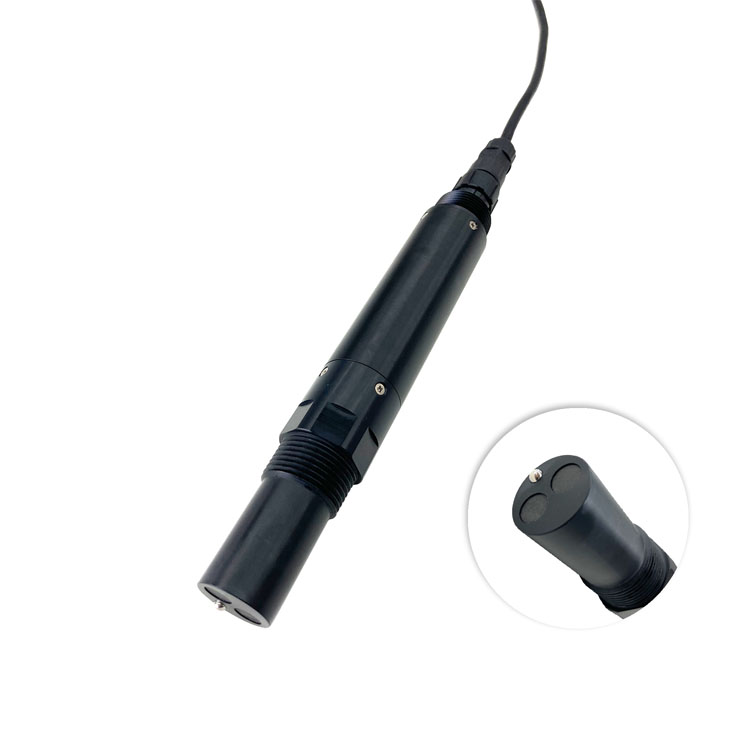
TDS measures the total mass of inorganic salts and organic matter dissolved in water. In engineering practice, TDS is usually derived from conductivity (EC) through a specific conversion coefficient.
1.1 Elimination of Electrode Polarization Effect
When dealing with high-concentration saline (high TDS) water, the sensor electrode surface is prone to polarization charges, leading to artificially increased measurement impedance and nonlinear errors. NiuBoL digital sensors use high-frequency sine wave excitation source technology to effectively neutralize the polarization effect on the electrode surface, ensuring linear output even under high conductivity conditions.
1.2 Dynamic Nonlinear Temperature Compensation
The activity of electrolyte solutions is significantly affected by temperature. NiuBoL sensors have built-in embedded compensation algorithms that use PT1000 platinum resistance to sense real-time fluid temperature and perform normalization through the following logic:
Standard reference point: 25°C.
Compensation coefficient: Automatically adjusted according to solution properties to avoid data drift caused by seasonal temperature differences.
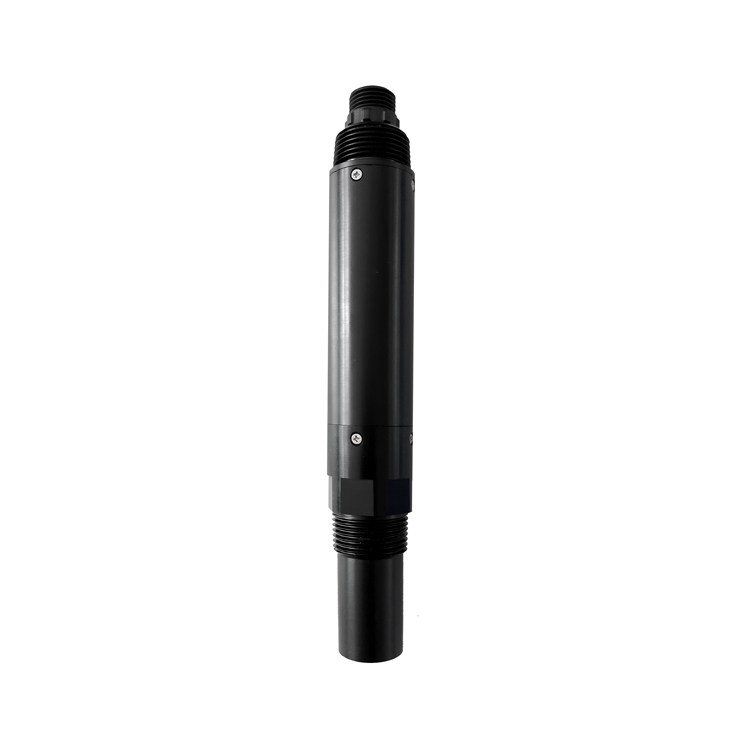
pH measurement is a high-impedance electrochemical measurement that is extremely sensitive to the on-site electromagnetic environment.
2.1 In-situ Digital Conversion
Traditional analog pH sensors are susceptible to common-mode interference from high-power frequency converters, motors, and other equipment during transmission. NiuBoL’s solution is to perform signal analog-to-digital conversion (ADC) directly at the front end of the sensor probe and transmit it through the RS485 digital bus, fundamentally eliminating reading jumps caused by cable distributed capacitance.
2.2 Anti-poisoning Design of Reference Electrode
In industrial wastewater, heavy metal ions and sulfides easily penetrate the reference electrode. We adopt a large-area polytetrafluoroethylene (PTFE) annular liquid junction combined with a double liquid junction structure, which greatly extends the calibration cycle and service life of the sensor in complex chemical environments.
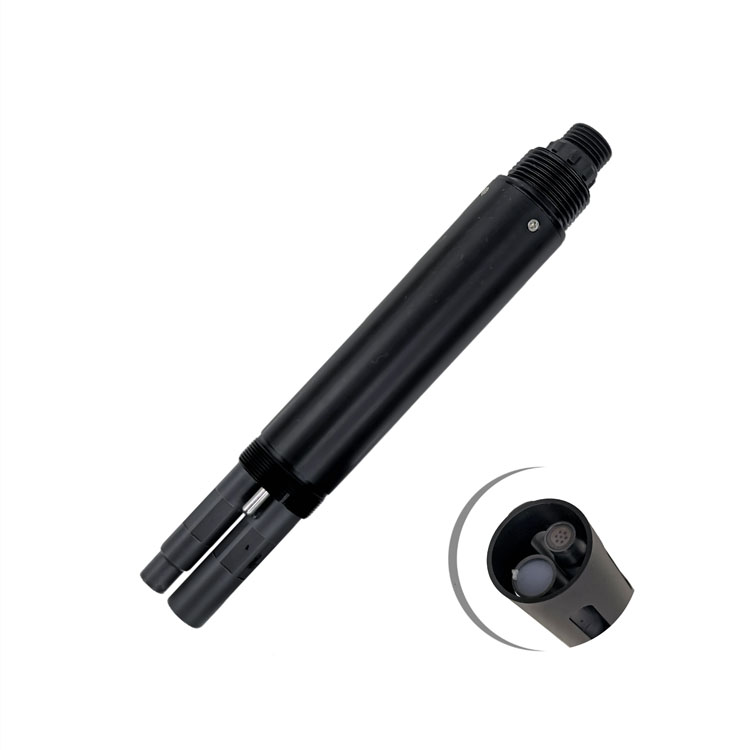
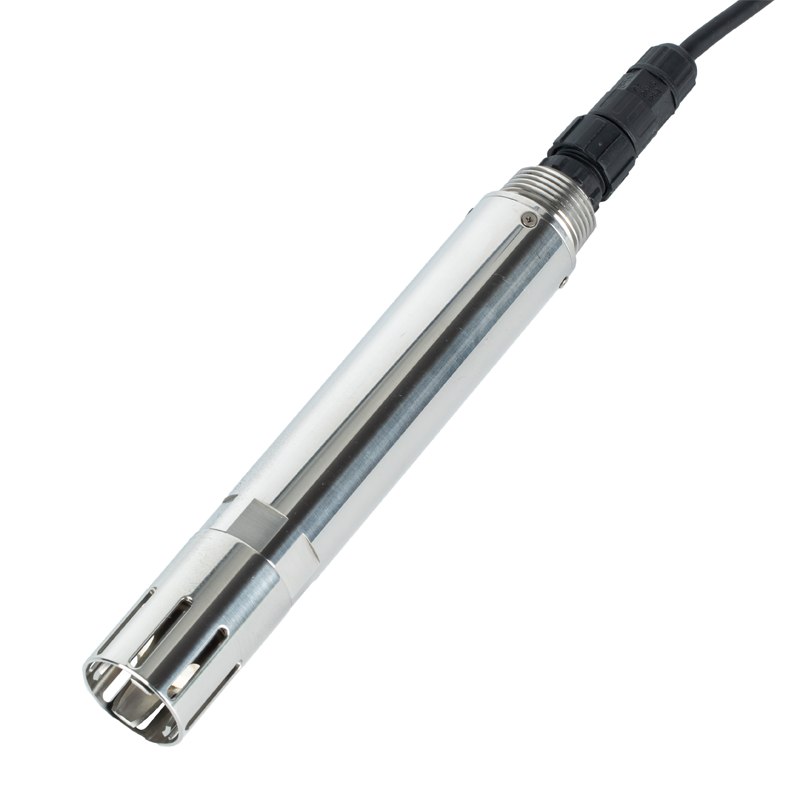
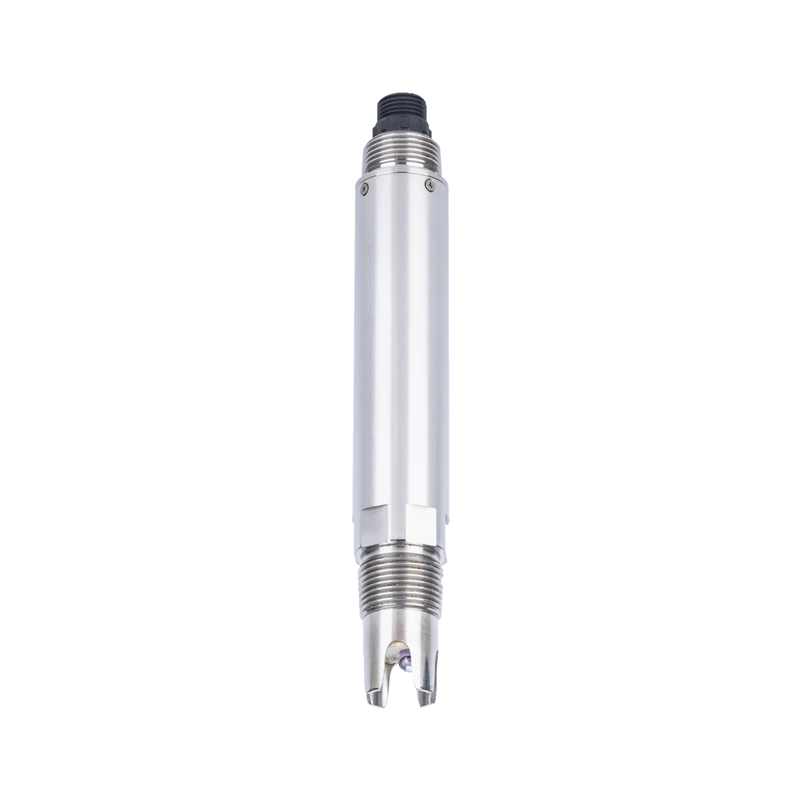
In response to the standardized selection needs of integrators, NiuBoL provides the following digital sensing modules:
| Technical Parameters | Industrial TDS Monitoring Terminal | pH Transmitter Probe">Industrial pH Transmitter Probe |
|---|---|---|
| Sensing Material | 316L stainless steel / titanium alloy | pH Transmitter Probe" align="center" valign="middle">Sensitive glass membrane / solid-state reference |
| Measurement Range | 0 - 20000 mg/L (range customizable) | 0.00 - 14.00 pH |
| Measurement Accuracy | ±1% F.S. | ±0.02 pH |
| Resolution | 1 mg/L (ppm) | 0.01 pH |
| Operating Temperature | 0 - 60°C (high pressure customizable) | 0 - 80°C |
| Communication Interface | RS485 (optocoupler isolation) | RS485 (optocoupler isolation) |
| Communication Protocol | Modbus-RTU | Modbus-RTU |
| Power Supply Voltage | 12V - 24V DC | 12V - 24V DC |
| Thread Interface | NPT 3/4" industrial universal interface | NPT 3/4" industrial universal interface |
When building a multi-point distributed monitoring system, the digital architecture of NiuBoL sensors provides extremely high flexibility.
Node Scalability: Sensors support standard Modbus-RTU addressing. Up to 32 nodes (up to 247 with repeaters) can be cascaded using a single twisted pair, significantly reducing wiring material and labor costs.
Protocol Standardization: Compatible with mainstream PLCs (Siemens, Schneider, etc.), DCS systems, and third-party data acquisition gateways without the need to write complex analog conversion drivers.
Remote Maintenance Capability: System integrators can directly access the sensor’s Modbus registers via the cloud to remotely read diagnostic status (such as electrode life warnings, over-range alarms, etc.).
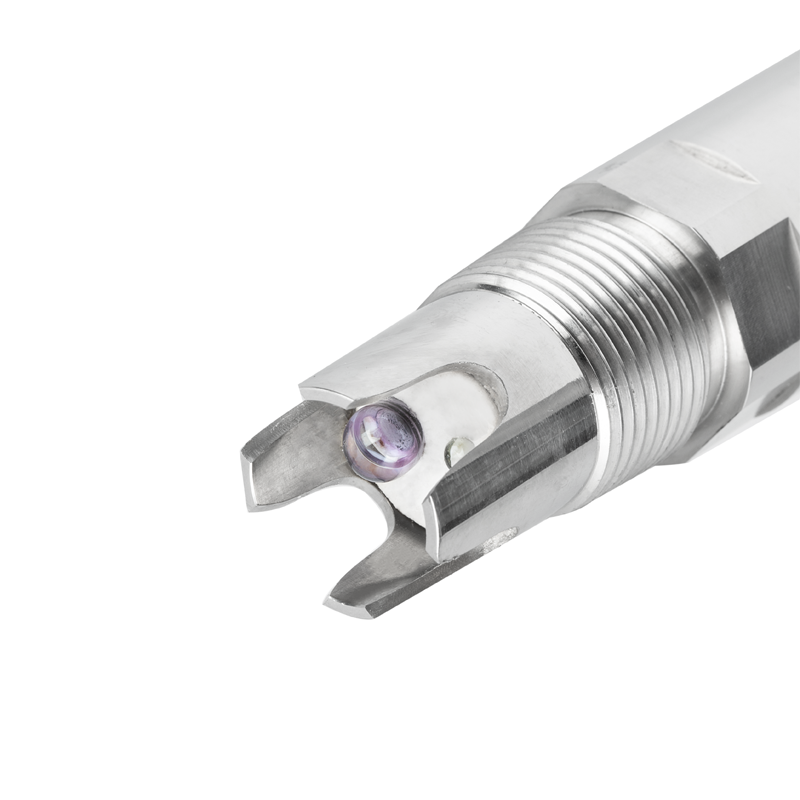
Q1. Why is pH measurement unstable in high-concentration TDS environments?
High concentrations of dissolved solids (especially sodium ions) produce “alkaline error,” affecting the selectivity of glass electrodes. NiuBoL sensors reduce this interference through optimized glass formulations, ensuring accurate readings under high salinity conditions.
Q2. How do sensors cope with water hammer or pipeline pressure fluctuations?
NiuBoL industrial sensors use reinforced PPS or 316L stainless steel enclosures with a pressure rating of over 0.6 MPa. Installed via standard NPT threads, they effectively withstand instantaneous shocks during process startup.
Q3. What is the specific conversion coefficient between TDS readings and conductivity?
The conversion coefficient usually fluctuates between 0.5 and 0.7. NiuBoL transmitters allow users to write custom TDS coefficients via Modbus protocol to adapt to specific industries (such as seawater desalination and circulating cooling water) salt composition.
Q4. What should be the calibration frequency for pH sensors?
In relatively clean water treatment scenarios, calibration once every 3 months is recommended. In strongly corrosive or high-scaling conditions, two-point calibration should be performed monthly.
Q5. Does it support long-distance signal transmission?
The RS485 physical link supports stable transmission up to 1200 meters. For longer distances or wireless connections, NiuBoL’s wireless transmission modules can be used to achieve cloud synchronization.
Q6. How to use these sensors in boiler make-up water systems?
Boiler feedwater requires ultra-low TDS. It is recommended to select electrodes with K=0.01 or K=0.1 constant to capture small changes in ion concentration and prevent boiler priming caused by rising TDS.
Q7. What is the typical service life of the sensors?
Under standard conditions, TDS electrode life is usually more than 2-3 years; due to chemical consumption, pH electrodes are recommended to replace the sensitive core every 12-18 months.
In the context of pursuing digital transformation, industrial water quality monitoring is no longer simply hardware stacking, but a competition of data accuracy and system integration efficiency. With its deep accumulation in underlying sensor algorithms and industrial bus technology, NiuBoL provides system integrators with highly reliable and maintenance-free monitoring tools.
By deploying NiuBoL digital TDS and pH sensors, engineers can accurately grasp the physical and chemical characteristics of fluids, achieve optimal dosing and maximize asset life, thereby maintaining technological leadership in increasingly stringent industrial standards.
 NBL-PHG-406-S online Water Quality pH Sensor.pdf
NBL-PHG-406-A online Water Quality pH Sensor.pdf
NBL-PHG-206A Online Water Quality pH Sensor.pdf
NBL-DDM-206 Online Water Quality Conductivity Sensor.pdf
Related recommendations
Sensors & Weather Stations Catalog
Agriculture Sensors and Weather Stations Catalog-NiuBoL.pdf
Weather Stations Catalog-NiuBoL.pdf
Agriculture Sensors Catalog-NiuBoL.pdf
Water Quality Sensor Catalog-NiuBoL.pdf
Related products
 Combined air temperature and relative humidity sensor
 Soil Moisture Temperature sensor for irrigation|NBL-S-THR
 Soil pH sensor RS485 soil Testing instrument soil ph meter for agriculture |NBL-S-PH
 Wind Speed sensor Output Modbus/RS485/Analog/0-5V/4-20mA
 Tipping bucket rain gauge for weather monitoring auto rainfall sensor RS485/Outdoor/stainless steel
 Pyranometer Solar Radiation Sensor 4-20mA/RS485

Screenshot, WhatsApp to identify the QR code
WhatsApp number:+8615367865107
(Click on WhatsApp to copy and add friends)

