





— Blogs —
—Products—
 Consumer hotline +8618073152920
 WhatsApp:+8615367865107
Address:Room 102, District D, Houhu Industrial Park, Yuelu District, Changsha City, Hunan Province, China
Product knowledge
Time:2026-04-15 14:24:43 Popularity:368
During chemical production processes, a large amount of wastewater is generated from product washing, circulating water desalination, separation and dewatering, and boiler drainage. With the technological upgrading of the industry, wastewater components are becoming increasingly complex, with high pollutant concentrations and many types of toxic and harmful substances, bringing challenges to treatment. Effective water quality monitoring and targeted treatment technologies are the core to ensuring compliant discharge, resource recovery, and environmental compliance. Modern chemical wastewater treatment is usually divided into three major categories: physical, chemical, and biological methods. In actual projects, combined processes are often used to improve efficiency. NiuBoL industrial sensor series provides reliable data support for process optimization and discharge control by real-time online monitoring of key parameters such as pH, COD, and ammonia nitrogen.
Chemical wastewater quality is characterized by complex composition, high pollutant content, strong toxicity, and large fluctuations in water volume. Typical pollutants include acids and alkalis, organic matter, heavy metals, phenols, cyanides, and high salinity. Direct discharge without treatment will destroy the ecological balance of water bodies, causing eutrophication or toxicity accumulation.
Treatment difficulties include:
High proportion of refractory organic matter, low biodegradability (BOD5/COD);
Drastic pH fluctuations requiring precise regulation;
Coexistence of suspended solids, color, and toxic substances, making it difficult for a single method to meet standards;
Increasingly stringent requirements for resource recovery and energy consumption control.
For these characteristics, treatment technologies need to select appropriate processes based on water quality analysis results. Real-time water quality monitoring instruments can be deployed at inlet, reaction tank, and outlet stages to provide timely feedback on parameter changes and guide adjustments in dosing, aeration, or reflux.
Chemical wastewater treatment technologies are mainly divided into three categories according to their action principles: physical treatment, chemical treatment, and biological treatment. In practical applications, a three-stage process of pretreatment (physical/chemical) + secondary biochemical treatment + advanced treatment is often adopted to achieve step-by-step pollutant removal.
Physical treatment methods use physical actions to separate pollutants without changing the chemical properties of substances. They are suitable for removing suspended solids, oils, and some dissolved substances. Common methods include:
Precipitation and Air Flotation: Removal of SS (suspended solids) through gravity sedimentation or microbubble flotation.
Filtration and Screening: Using grids, sand filters, or precision filters to intercept particles.
Membrane Separation Technology: Including microfiltration (MF), ultrafiltration (UF), nanofiltration (NF), and reverse osmosis (RO), using membrane pore size selectivity to separate ions and macromolecules. Electrodialysis and liquid membrane methods also belong to this category.
Adsorption Method: Activated carbon, zeolite, or resin remove color and organic matter through surface adsorption.
Physical methods are often used as pretreatment or advanced treatment units. They have simple equipment and low operating costs, but have limited removal effect on dissolved pollutants.
Chemical treatment methods convert or separate pollutants through chemical reactions and are suitable for acid-base regulation, oxidation of toxic substances, and colloid removal. Typical methods include:
Neutralization Method: Adjust pH to neutral range. Acid-base wastewater mutual neutralization, dosing neutralization (lime, caustic soda, soda ash), or filtration neutralization (marble, limestone). Suitable for chemical reagent drainage, oil tank washing water, and boiler water treatment.
Oxidation-Reduction Method: Convert toxic substances into low-toxicity or non-toxic forms.
Ozone oxidation: Efficient removal of phenols, reducing COD and BOD.
Wet oxidation: Oxidation of organic matter with air or oxygen under high temperature and pressure, recyclable materials.
Sonochemical oxidation: Combined with ultrasound to enhance oxidation efficiency, targeting refractory organic matter.
Flocculation Method: Add coagulants (aluminum salts, iron salts, or inorganic polymer composite flocculants) to destroy colloid stability, form flocs, and then remove turbidity, color, and organic matter through precipitation or air flotation. Composite flocculants have better effects than single agents.
Others: Electrolysis, ion exchange, dialysis, etc.
Chemical methods have fast reactions and strong targeting, but may produce chemical sludge, requiring supporting sludge treatment.
Biological treatment methods use microbial metabolism to degrade organic matter. They have low cost and relatively low sludge production, and are suitable for wastewater with good biodegradability. According to the oxygen requirements of microorganisms, they are divided into aerobic and anaerobic categories; according to the form of microorganisms, they are divided into activated sludge method and biofilm method.
Anaerobic Biological Treatment: Under anoxic conditions, anaerobic bacteria decompose organic matter to produce recoverable energy gases such as methane. Low sludge yield, suitable for high-concentration organic wastewater. Typical processes include UASB, ABR, etc.
Aerobic Biological Treatment:
Activated Sludge Method: Suspended microbial populations adsorb, oxidize, and decompose organic matter, separated by flocculation and precipitation. Includes three stages: adsorption, oxidation, and precipitation.
Biofilm Method: Microorganisms form biofilms on the surface of fillers to adsorb and degrade organic matter. The cultivation process requires gradual acclimation.
Biological Contact Oxidation Method: Between the two, fillers are set in the aeration tank. Biofilm and suspended activated sludge work synergistically, with strong impact load resistance.
Combined Processes: A/O, A²/O, SBR, oxidation ditch, etc., to achieve nitrogen and phosphorus removal.
Biological methods have high treatment efficiency and good economy, but are sensitive to toxic substances and require pretreatment to reduce inhibitory effects.
The following table compares the core characteristics of the three major treatment methods (based on typical chemical wastewater applications):
| Treatment Method | Main Principle | Applicable Pollutant Types | Advantages | Limitations | Typical Application Scenarios |
|---|---|---|---|---|---|
| Physical Method | Physical Separation | SS, oils, some macromolecules | Simple equipment, low energy consumption, no secondary pollution | Limited effect on dissolved pollutants | Pretreatment, advanced treatment |
| Chemical Method | Chemical Reaction (Neutralization, Oxidation, Flocculation) | Acids and alkalis, heavy metals, phenols, color | Fast reaction, strong targeting | Produces chemical sludge, reagent costs | pH adjustment, decolorization, oxidation pretreatment |
| Biological Method | Microbial Metabolic Degradation | Biodegradable organic matter, nitrogen and phosphorus | Low cost, resource recovery (biogas) | Greatly affected by toxicity and temperature | Secondary treatment, nitrogen and phosphorus removal |
In actual projects, physical-chemical-biological combined processes are the most widely used. For example, high-concentration organic wastewater is first pretreated with chemical oxidation or flocculation to reduce toxicity and load, then enters anaerobic/aerobic biochemical systems, and finally achieves advanced purification through membrane separation or adsorption.
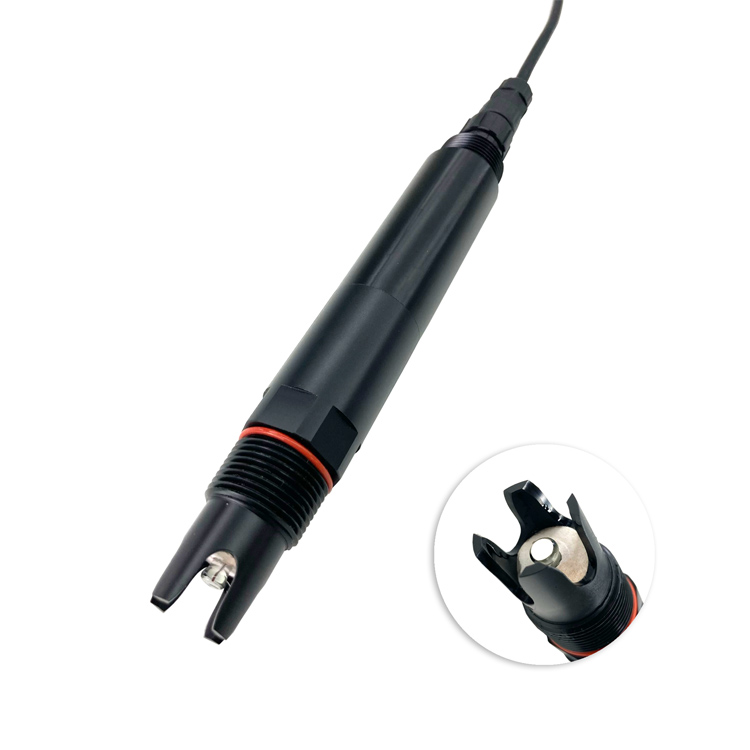
Water quality monitoring is the foundation of process control and discharge compliance. Chemical enterprises need to grasp inlet water quality, reaction tank parameters, and outlet indicators in real time to avoid exceeding discharge standards or process out-of-control. Key monitoring parameters include pH, COD, ammonia nitrogen (NH3-N), total phosphorus (TP), total nitrogen (TN), dissolved oxygen (DO), conductivity, and turbidity.
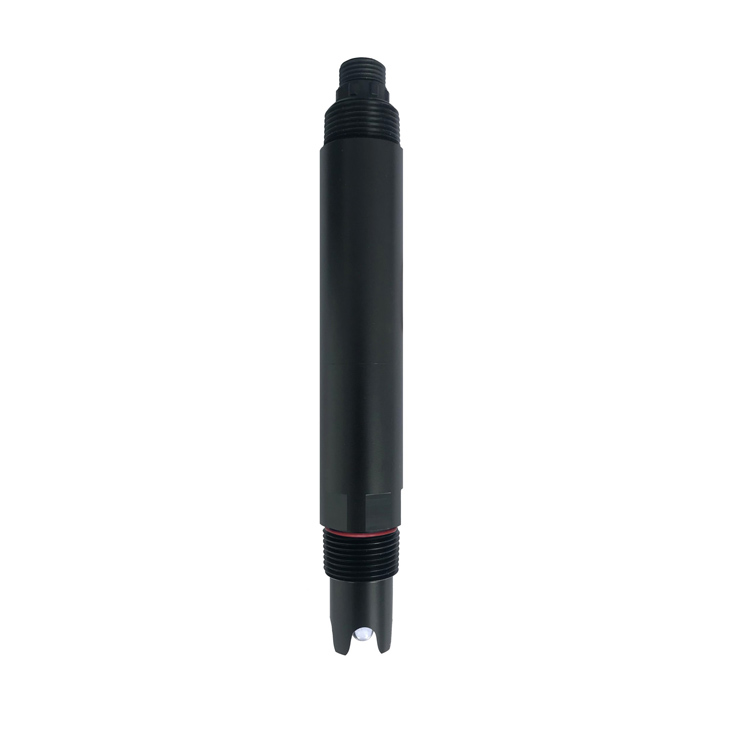
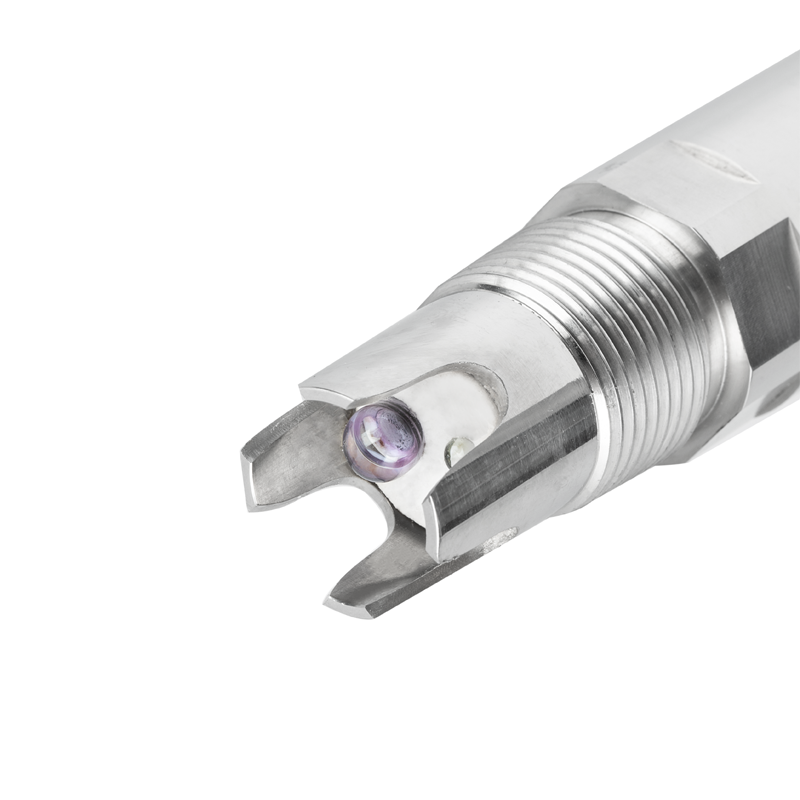
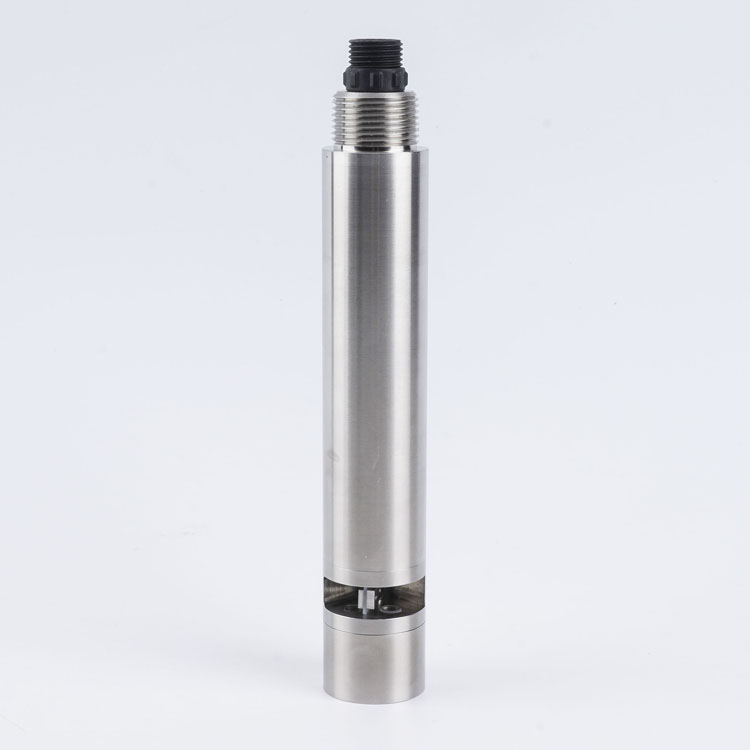
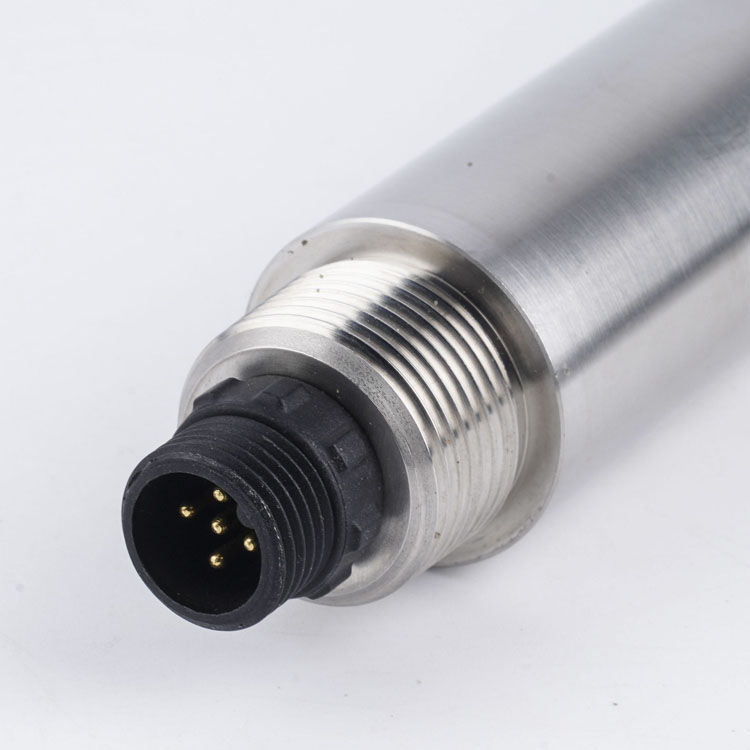
The NiuBoL industrial online water quality sensor series supports RS-485 Modbus protocol and IP68 protection, suitable for submerged, flow-through, or pipeline installation. Typical products such as the NBL-PHG series pH sensor, combined with temperature compensation, adapt to wide pH range and temperature fluctuations. Supporting COD and ammonia nitrogen online analyzers can achieve continuous monitoring and provide data basis for dosing volume, aeration intensity, and reflux ratio.
The advantages of the monitoring system are reflected in:
Process Optimization: Real-time feedback of pH and DO to guide neutralization or aeration adjustments.
Compliance Assurance: Multi-parameter monitoring of effluent to ensure compliance with discharge standards such as GB 8978.
Fault Early Warning: Timely alarms when parameters drift abnormally, reducing equipment loss.
Data Traceability: Supports remote transmission and recording, facilitating environmental supervision.
Chemical wastewater treatment solutions need to be customized according to water quality analysis results, water volume, and discharge requirements:
High-salt high-organic wastewater: Evaporation crystallization + biochemical combination.
Phenol-cyanide wastewater: Chemical oxidation pretreatment + biological method.
Acid-alkali wastewater: Neutralization + flocculation + biochemical.
It is recommended to deploy NiuBoL online monitoring equipment at key nodes to form closed-loop control. Regular sensor calibration and maintenance records can significantly extend equipment life and improve data reliability.
Q1. What are the main categories of chemical wastewater treatment methods?
Mainly divided into three major categories: physical treatment, chemical treatment, and biological treatment. In practice, combined processes are often used.
Q2. What are the typical applications of physical treatment methods in chemical wastewater?
Mainly used to remove suspended solids, oils, and preliminary separation, often as pretreatment or advanced treatment units, such as membrane separation and adsorption methods.
Q3. What chemical wastewater is the neutralization method suitable for?
Suitable for acid or alkali-containing wastewater, such as chemical reagent drainage, oil tank washing water, and boiler water treatment. pH is adjusted through dosing or mutual neutralization.
Q4. What are the main types of biological treatment methods?
Divided into aerobic and anaerobic according to oxygen requirements; divided into activated sludge method, biofilm method, and biological contact oxidation method according to microbial form.
Q5. Why do chemical wastewater treatment often use combined processes?
A single method is difficult to cope with complex components. Physical-chemical pretreatment reduces load and toxicity, biological methods efficiently degrade organic matter, and advanced treatment ensures compliance.
Q6. What is the role of industrial online water quality monitoring in wastewater treatment?
Real-time grasp of parameters such as pH, COD, and ammonia nitrogen to guide process adjustments and ensure process stability and discharge compliance.
Q7. What are the advantages of using composite coagulants in flocculation methods?
Treatment efficiency is higher than single agents, effectively removing turbidity, color, and organic matter. It has become a mainstream trend.
Q8. How to choose appropriate chemical wastewater treatment technology?
It needs to be combined with water quality analysis (composition, concentration, biodegradability), water volume, and discharge standards. Combined processes and online monitoring support should be prioritized.
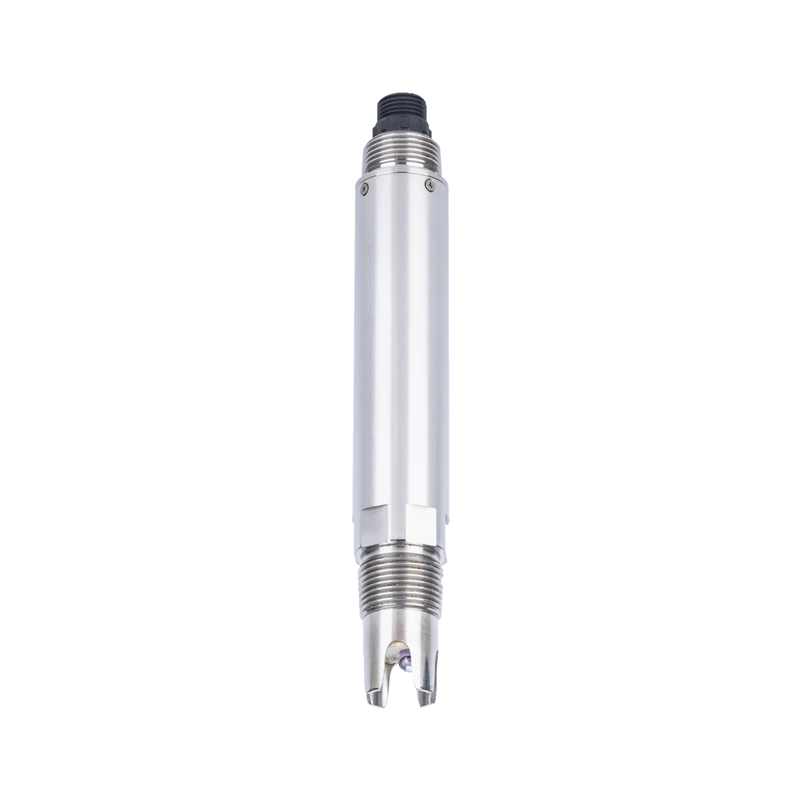
Chemical industry water quality monitoring and wastewater treatment technologies take physical, chemical, and biological methods as the core, forming a complete system from pretreatment to advanced purification. For the characteristics of complex water quality and diverse pollutants, reasonable selection and optimization of combined processes can achieve efficient pollutant removal, resource recovery, and unified environmental benefits. NiuBoL industrial online water quality sensors provide strong support for process control and compliance management through stable and reliable real-time monitoring data. In practical applications, enterprises should strengthen water quality analysis, establish monitoring and maintenance systems, and dynamically adjust process plans according to production changes to adapt to increasingly stringent environmental protection requirements and promote green and sustainable development of the chemical industry. For specific wastewater quality or monitoring needs, solutions can be further optimized based on on-site parameters.
 NBL-PHG-406-S online Water Quality pH Sensor.pdf
NBL-PHG-406-A online Water Quality pH Sensor.pdf
NBL-PHG-206A Online Water Quality pH Sensor.pdf
Related recommendations
Sensors & Weather Stations Catalog
Agriculture Sensors and Weather Stations Catalog-NiuBoL.pdf
Weather Stations Catalog-NiuBoL.pdf
Agriculture Sensors Catalog-NiuBoL.pdf
Water Quality Sensor Catalog-NiuBoL.pdf
Related products
 Combined air temperature and relative humidity sensor
 Soil Moisture Temperature sensor for irrigation|NBL-S-THR
 Soil pH sensor RS485 soil Testing instrument soil ph meter for agriculture |NBL-S-PH
 Wind Speed sensor Output Modbus/RS485/Analog/0-5V/4-20mA
 Tipping bucket rain gauge for weather monitoring auto rainfall sensor RS485/Outdoor/stainless steel
 Pyranometer Solar Radiation Sensor 4-20mA/RS485

Screenshot, WhatsApp to identify the QR code
WhatsApp number:+8615367865107
(Click on WhatsApp to copy and add friends)

