





— Blogs —
—Products—
 Consumer hotline +8618073152920
 WhatsApp:+8615367865107
Address:Room 102, District D, Houhu Industrial Park, Yuelu District, Changsha City, Hunan Province, China
Product knowledge
Time:2026-04-15 14:20:11 Popularity:369
In the treatment projects of high-concentration ammonia nitrogen wastewater (Ammonia Nitrogen > 500 mg/L), such as coking wastewater, fertilizer plant wastewater and landfill leachate treatment, traditional denitrification processes face pain points such as high aeration energy consumption, large carbon source (COD) supplementation and drastic pH environment fluctuations. With the advancement of global carbon neutrality goals, low-energy-consumption and autotrophic denitrification technologies have become the preferred solution for system integrators (SI).
As a leader in digital sensing technology, NiuBoL is committed to providing high-precision sensors based on RS485 communication protocol. Through real-time monitoring of dissolved oxygen (DO), pH, oxidation-reduction potential (ORP) and ammonia nitrogen concentration, it ensures the stability of new biochemical processes (such as ANAMMOX and CANON) under complex working conditions.
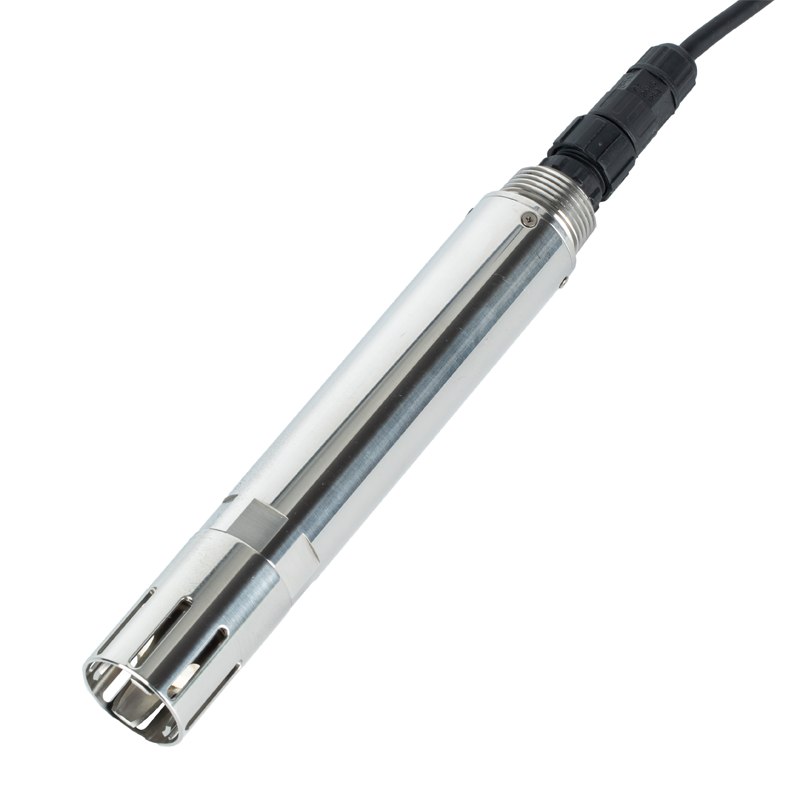
The core of short-cut nitrification-denitrification (Short-cut Nitrification-Denitrification) is to control the oxidation of ammonia nitrogen to the nitrite (NO2-N) stage, followed by direct denitrification, thereby skipping the step of conversion to nitrate (NO3-N).
1.1 Kinetic Control and Microbial Competition Mechanism
The key to achieving this process is to inhibit nitrite-oxidizing bacteria (NOB) through environmental factors while promoting the proliferation of ammonia-oxidizing bacteria (AOB).
Low Dissolved Oxygen Control: The oxygen affinity of AOB is usually higher than that of NOB. By using NiuBoL digital fluorescence DO sensor to strictly control dissolved oxygen in the range of 0.5 - 0.7 mg/L, NOB can be effectively eliminated. Studies show that when DO > 1.7 mg/L, nitrite will be rapidly converted to nitrate, leading to the failure of short-cut nitrification.
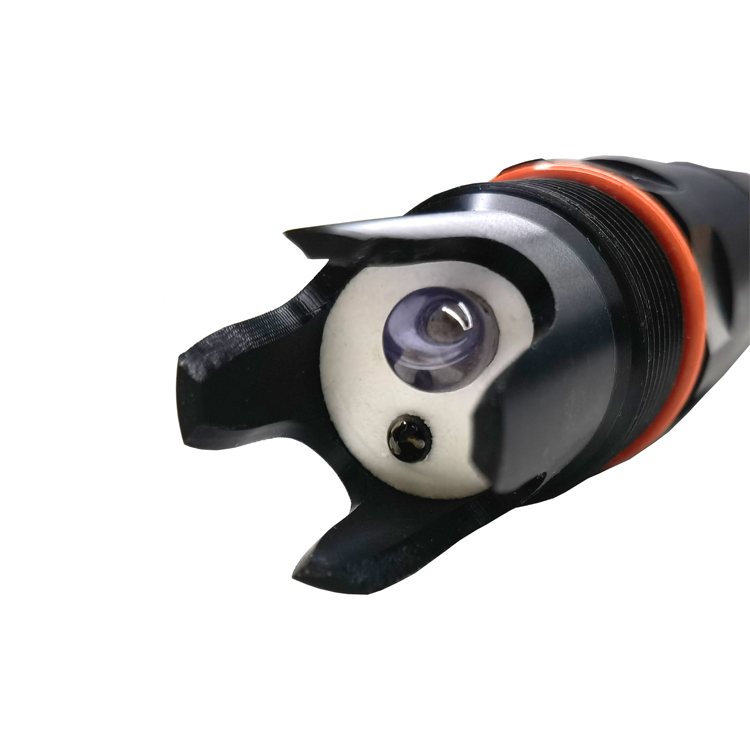
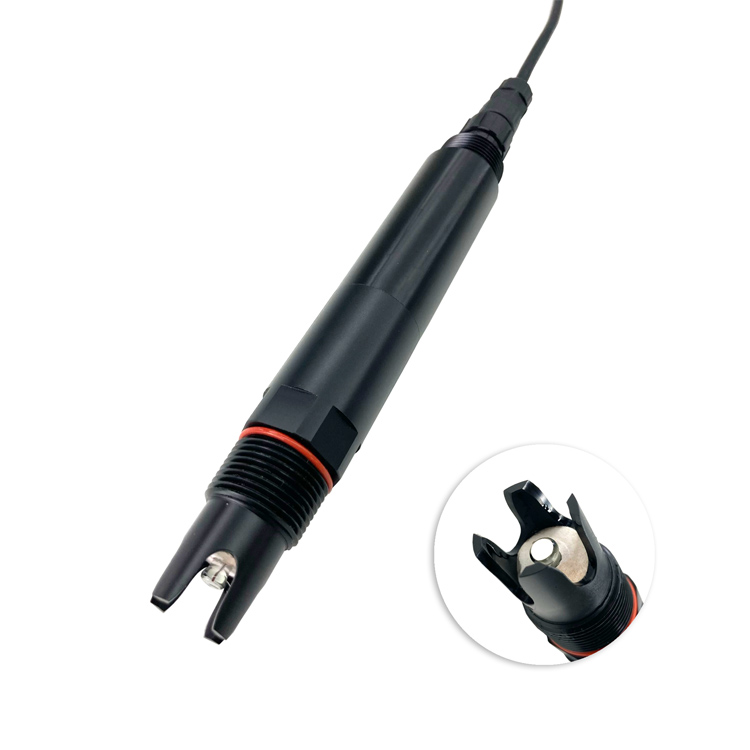
pH and Free Ammonia (FA) Inhibition: When pH is in the range of 6.45 - 8.95, the nitrification process is significantly affected by pH fluctuations. Using NiuBoL high-precision pH transmitter, real-time monitoring of water alkalinity can be achieved. The selective inhibitory effect of free ammonia on NOB is utilized to maintain a high nitrite accumulation rate (NAR).
Engineering Benefits: Compared with traditional processes, this process can save about 25% of aeration oxygen demand and about 40% of denitrification carbon source.
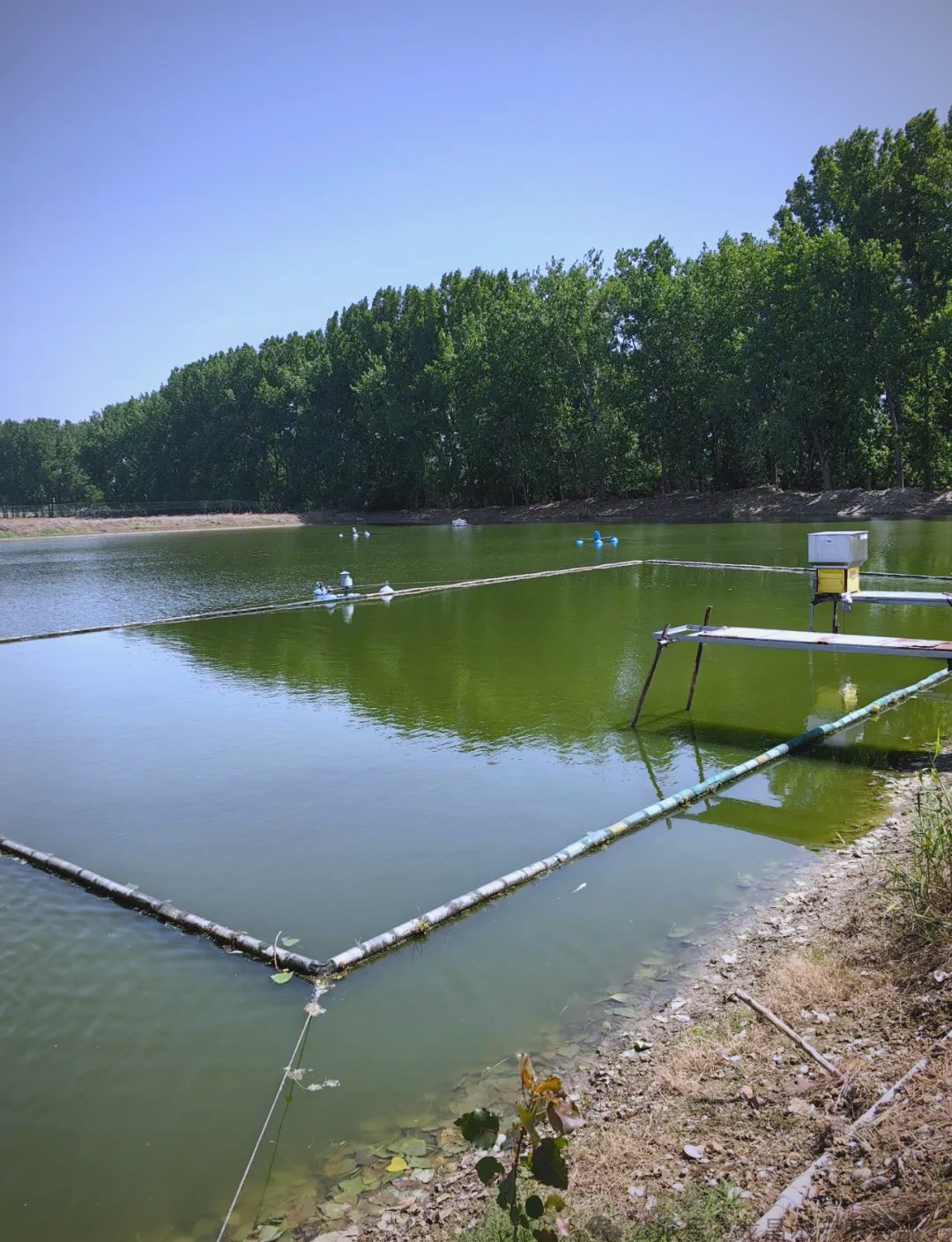
Anaerobic ammonia oxidation refers to the process in which ammonia nitrogen is directly oxidized to nitrogen gas (N2) under anaerobic or anoxic conditions, using nitrite as the electron acceptor.
2.1 Biochemical Reaction Mechanism and Advantages
Its biochemical reaction equation is: NH4⁺ + NO2⁻ → N2 + 2H2O.
Autotrophic Growth: ANAMMOX bacteria are obligate anaerobic autotrophic bacteria and do not require external organic carbon sources (such as methanol). This has extremely high economic value for treating low C/N ratio and high ammonia nitrogen wastewater (such as anaerobic digestion liquid and landfill leachate).
Process Forms:
SHARON-ANAMMOX Combined Process: In the front stage, about 50% of ammonia nitrogen is converted to nitrite through a nitritation reactor, and the back stage is connected to an ANAMMOX reactor.
CANON Process (Completely Autotrophic Nitrogen Removal): In a single reactor, nitrification and anaerobic ammonia oxidation are completed simultaneously under oxygen-limited conditions. This process requires extremely stable DO (usually controlled at about 0.5 mg/L). Any fluctuation may lead to excessive growth of AOB or inactivation of ANAMMOX bacteria.
2.2 Importance of Process Monitoring
ANAMMOX bacteria have a long doubling time (10-15 days) and are extremely sensitive to the environment. The digital ammonia nitrogen sensor (ISE ion selective electrode) provided by NiuBoL can monitor influent load in real time. Combined with ORP sensor, it helps integrators establish early warning systems to prevent "poisoning" caused by excessively high substrate concentration.
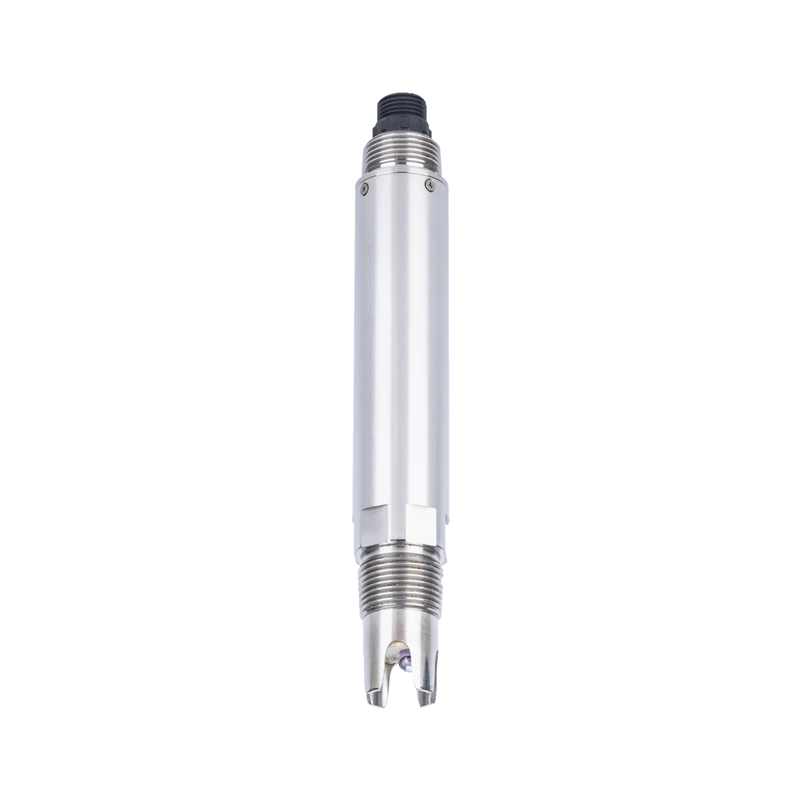
Simultaneous nitrification and denitrification breaks the temporal and spatial isolation of traditional processes and achieves nitrogen loss in the same treatment space.
Physical Micro-environment Effect: In MBBR (Moving Bed Biofilm Reactor) systems, the oxygen gradient inside the biofilm is utilized. The outer layer performs nitrification, while the inner layer performs denitrification due to anoxic conditions.
Aerobic Denitrification Bacteria: Aerobic denitrification bacteria (such as T.pantotropha) discovered in recent years can use nitrate as an electron acceptor under aerobic conditions.
Key Indicators: When dissolved oxygen is around 0.14 mg/L, the nitrification rate and denitrification rate reach an equilibrium point (SND rate is about 4.7 mg/L/h). The high resolution (0.01 mg/L) of NiuBoL sensors is the basis for maintaining such dynamic equilibrium.
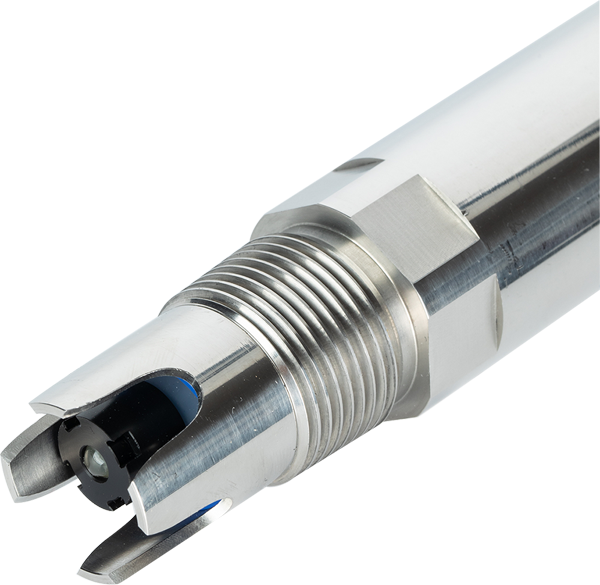
In response to the standardized needs of system integrators (SI), NiuBoL provides a full range of detection terminals based on digital protocols:
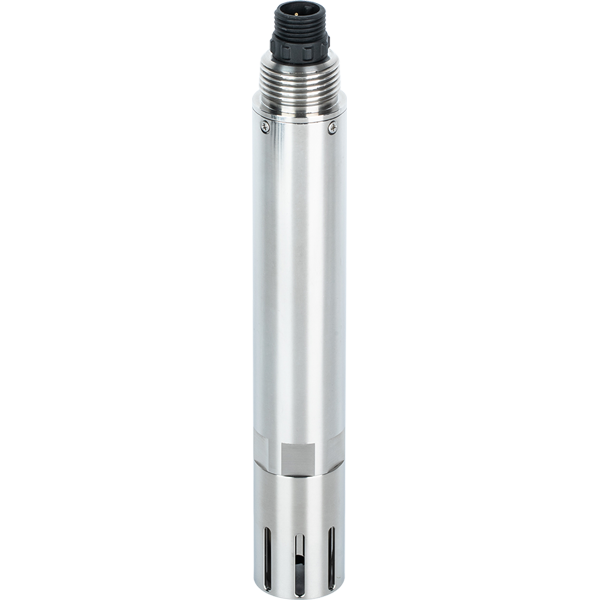
| Technical Index | Digital Fluorescence DO Sensor | pH Transmitter Probe">Industrial Online pH Transmitter Probe | Ammonia Nitrogen / Ion Selective Sensor (ISE) |
|---|---|---|---|
| Measurement Principle | Fluorescence quenching technology (no consumption) | Composite glass electrode / solid-state reference | Ion membrane potential analysis |
| Range | 0.00 - 20.00 mg/L | pH Transmitter Probe" align="center" valign="middle">0.00 - 14.00 pH | 0.1 - 1000 mg/L (customizable) |
| Accuracy / Resolution | 0.1 mg/L / 0.01 mg/L | 0.01 pH / 0.01 pH | 3% F.S. / 0.1 mg/L |
| Temperature Compensation | Automatic compensation (PT1000) | Automatic compensation (PT100) | Automatic compensation and ion interference correction |
| Communication Interface | RS485 (optocoupler isolation) | RS485 (optocoupler isolation) | RS485 (optocoupler isolation) |
| Communication Protocol | Modbus-RTU | Modbus-RTU | Modbus-RTU |
| Shell Material | 316L stainless steel / POM | PPS reinforced material | POM / epoxy resin |
| Working Pressure | < 0.6 MPa | < 0.6 MPa | < 0.4 MPa |
Q1. Why is short-cut nitrification preferred over traditional processes in landfill leachate treatment?
Landfill leachate has extremely high ammonia nitrogen concentration (usually 1000-3000 mg/L), but available carbon sources are insufficient. Short-cut nitrification can not only reduce carbon source costs by 40%, but also reduce aeration volume, which is the core path to reduce operating costs.
Q2. ANAMMOX bacteria grow slowly. How to retain biomass in engineering?
MBBR carriers or granular sludge technology are usually used. Strictly controlling the ratio of influent nitrite nitrogen to ammonia nitrogen (theoretical value 1.32 : 1) through NiuBoL sensors is the key to maintaining high denitrification rate of the system (up to 8.9 kgN/m³/d).
Q3. How to ensure Modbus-RTU communication stability in strong electromagnetic interference environments?
NiuBoL sensors integrate optocoupler isolation circuits internally and use shielded twisted pair for transmission. Digital signals have extremely strong anti-electromagnetic noise capability compared to traditional 4-20mA analog signals, ensuring that the data received by PLC is true and reliable.
Q4. When dissolved oxygen is controlled at about 0.5 mg/L, is the sensor prone to drift?
Traditional membrane DO electrodes are prone to inaccuracy under low oxygen. NiuBoL adopts fluorescence method principle, which does not consume oxygen and does not require membrane replacement. It has extremely high long-term stability in low-oxygen environments, with a calibration cycle of more than 6 months.
Q5. Why is ORP monitoring required during the denitrification process?
ORP (oxidation-reduction potential) is the "indicator light" of denitrification degree. When denitrification is close to completion, the ORP curve will show an obvious inflection point (Nitrate Knee). SI can use this feature to trigger real-time adjustment of dosing volume through RS485 signals.
Q6. Can NiuBoL sensors be directly connected to IoT cloud platforms?
Yes. The sensors can seamlessly connect to 4G/5G gateways through standard Modbus-RTU protocol.
Q7. How to monitor the impact of water temperature on denitrification efficiency?
Denitrification microorganisms (especially ANAMMOX bacteria) are extremely sensitive to temperature. NiuBoL sensors have built-in precision temperature compensation elements, which are not only used for data correction but can also serve as the basis for automation systems to adjust reactor heating power.
Q8. How to prevent sensor scaling in highly polluted wastewater?
For the viscous characteristics of high-concentration ammonia nitrogen wastewater, NiuBoL recommends supporting pneumatic automatic cleaning modules. Cleaning instructions are sent regularly via the bus to keep the sensor detection end clean and reduce manual maintenance frequency.
The biochemical treatment of high-concentration ammonia nitrogen wastewater has evolved from a single process design to a precise process control solution. Whether it is precise oxygen control for short-cut nitrification or load balancing of anaerobic ammonia oxidation systems, they all extremely rely on real-time and accurate basic data.
As a professional environmental sensing terminal supplier, NiuBoL helps system integrators find the optimal balance point in complex fluid environments by providing standardized, digital and highly reliable sensing tools. In the industrial trend of pursuing low carbon emissions and high energy efficiency, digital control will be the core competitiveness for achieving ammonia nitrogen compliance discharge.
This article is provided by NiuBoL Industrial Technology Department. If you need specific Modbus register mapping tables or model selection, please contact the technical support center.
Related recommendations
Sensors & Weather Stations Catalog
 Agriculture Sensors and Weather Stations Catalog-NiuBoL.pdf
Weather Stations Catalog-NiuBoL.pdf
Agriculture Sensors Catalog-NiuBoL.pdf
Water Quality Sensor Catalog-NiuBoL.pdf
Related products
 Combined air temperature and relative humidity sensor
 Soil Moisture Temperature sensor for irrigation|NBL-S-THR
 Soil pH sensor RS485 soil Testing instrument soil ph meter for agriculture |NBL-S-PH
 Wind Speed sensor Output Modbus/RS485/Analog/0-5V/4-20mA
 Tipping bucket rain gauge for weather monitoring auto rainfall sensor RS485/Outdoor/stainless steel
 Pyranometer Solar Radiation Sensor 4-20mA/RS485

Screenshot, WhatsApp to identify the QR code
WhatsApp number:+8615367865107
(Click on WhatsApp to copy and add friends)

