





— Blogs —
—Products—
 Consumer hotline +8618073152920
 WhatsApp:+8615367865107
Address:Room 102, District D, Houhu Industrial Park, Yuelu District, Changsha City, Hunan Province, China
Product knowledge
Time:2023-07-23 11:20:19 Popularity:2006
Grassland meteorological monitoring is a task of real-time observation, recording and analysis of weather and climate conditions in grassland areas. Its purpose is to understand the climatic characteristics and trends of the grassland region and to provide a scientific basis for the management of grassland ecosystems, agricultural and animal husbandry production and disaster prevention.
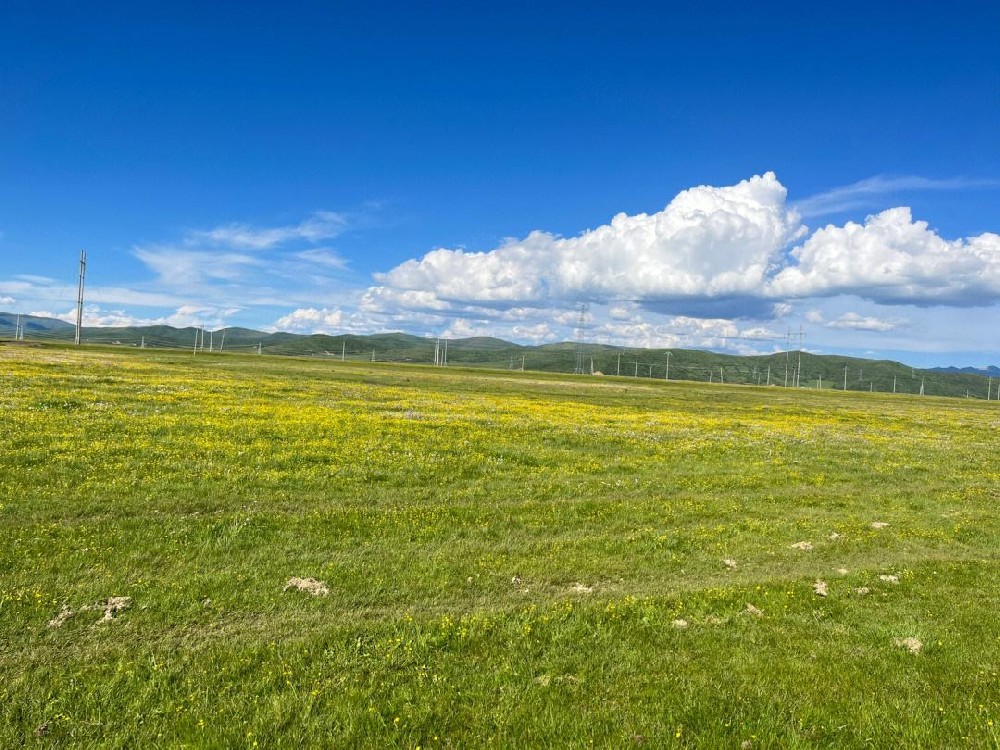
In grassland meteorological monitoring, the meteorological environment monitoring station plays an important role. The following are its functions and roles in grassland meteorological monitoring:
Meteorological parameter monitoring: the meteorological environment monitoring station can monitor meteorological parameters in real time, such as temperature, humidity, barometric pressure, wind speed and wind direction. These data are critical to understanding the current climate conditions of the grassland and can provide accurate weather information.
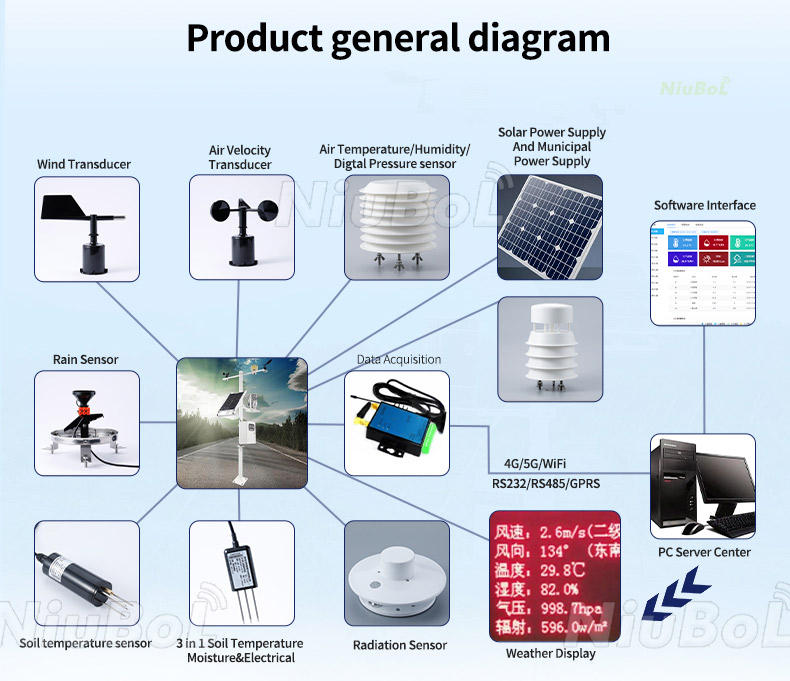
Grassland Fire Danger Monitoring: Grasslands are often threatened by fires, and meteorological environmental monitoring stations can detect changes in temperature, humidity and wind speed, and determine the fire danger level through comprehensive analysis. This helps to provide early warning and take corresponding fire prevention measures to protect grassland ecology and human property safety.
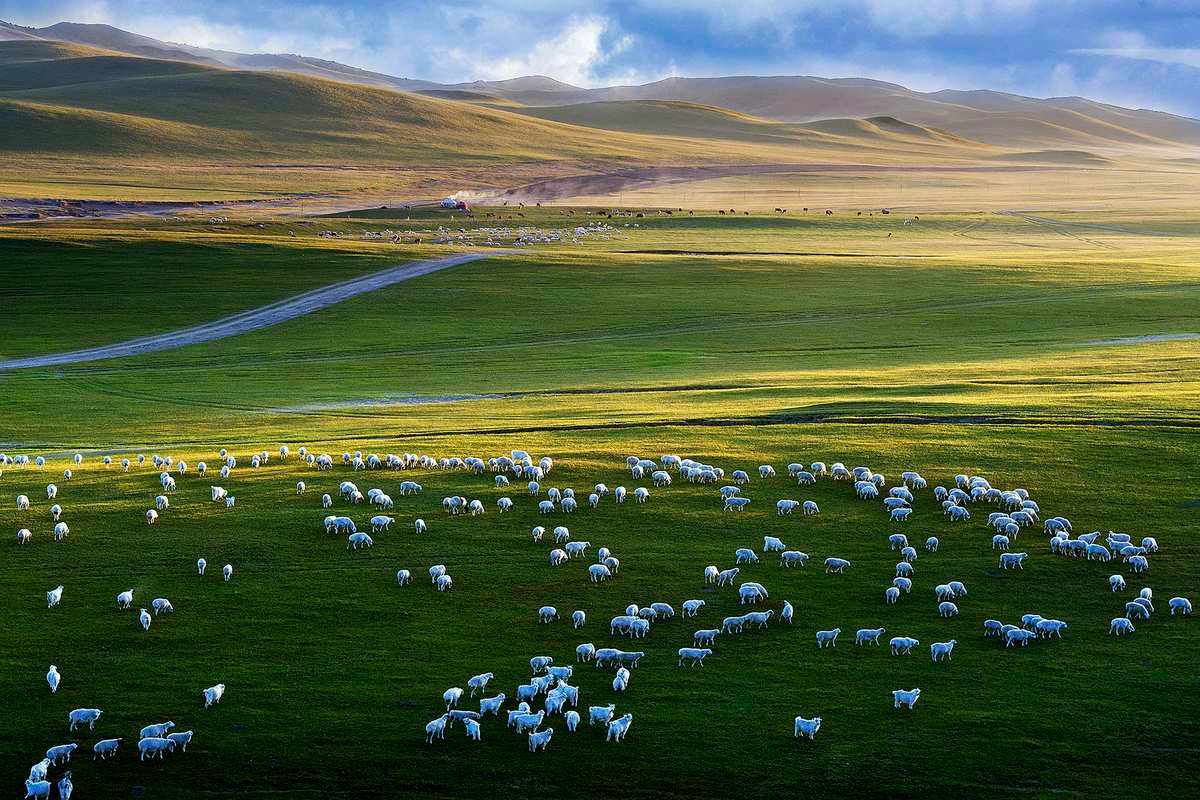
Precipitation monitoring: The precipitation situation of the grassland has an important impact on ecological processes such as vegetation growth and animal drinking water. Meteorological and environmental monitoring stations can record the amount and time of precipitation and further analyze the distribution and trend of precipitation, providing reference for grassland ecosystem management and drought disaster prevention.
Research on environmental change: Grassland is a dynamic ecosystem, and meteorological and environmental monitoring stations can record and collect climatic data over a long period of time, including temperature, humidity, air pressure and precipitation. These data are important for studying the climate change trend of grassland, ecosystem response and assessment of climate change impact on grassland.
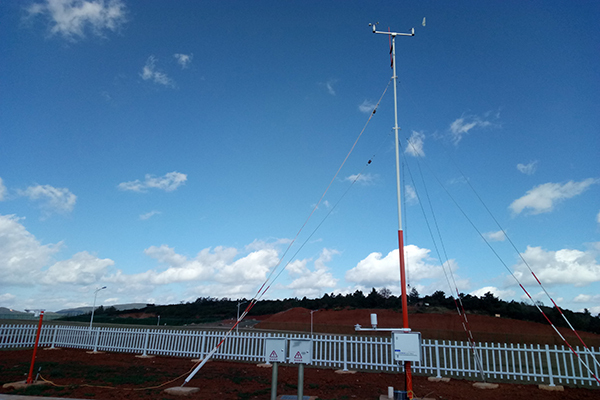
Agricultural and animal husbandry production support: Grassland is an important area for agricultural and animal husbandry production, and the meteorological data provided by meteorological and environmental monitoring stations can help farmers and herdsmen to make reasonable decisions, such as choosing the appropriate sowing time, irrigation management, and utilization of pasture, etc., so as to improve agricultural and animal husbandry production efficiency.
In summary, meteorological and environmental monitoring stations play a key role in grassland meteorological monitoring, and can provide accurate information on meteorological parameter monitoring, grassland fire risk monitoring, precipitation monitoring, environmental change research and agricultural and animal husbandry production support, etc. The data and information from grassland meteorological monitoring can be used for decision-making by national and local governments, grassland resource management, agricultural and animal husbandry production planning, tourism development and grassland ecological protection, etc., to realize the sustainable development of grassland areas. aspects, in order to realize sustainable development and ecological balance of grassland areas and provide important support for grassland ecological protection and sustainable development.
Related recommendations
Sensors & Weather Stations Catalog
 Agriculture Sensors and Weather Stations Catalog-NiuBoL.pdf
Weather Stations Catalog-NiuBoL.pdf
Agriculture Sensors Catalog-NiuBoL.pdf
Water Quality Sensor Catalog-NiuBoL.pdf
Related products
 Combined air temperature and relative humidity sensor
 TDR Soil Moisture & Temperature Sensor for irrigation| RS485 |4-20mA| NBL-S-THR
 Soil pH sensor RS485 soil Testing instrument soil ph meter for agriculture |NBL-S-PH
 Wind Speed sensor Output Modbus/RS485/Analog/0-5V/4-20mA
 Tipping bucket rain gauge for weather monitoring auto rainfall sensor RS485/Outdoor/stainless steel
 Pyranometer Solar Radiation Sensor 4-20mA/RS485

Screenshot, WhatsApp to identify the QR code
WhatsApp number:+8615367865107
(Click on WhatsApp to copy and add friends)

