





— Blogs —
—Products—
 Consumer hotline +8618073152920
 WhatsApp:+8615367865107
Address:Room 102, District D, Houhu Industrial Park, Yuelu District, Changsha City, Hunan Province, China
Product knowledge
Time:2026-01-14 13:53:41 Popularity:757
With the growing global demand for high-protein aquatic products, the aquaculture industry has become an important link in ensuring food security. However, breeding methods in most regions still linger on the edge of tradition, and this "relying on weather and experience to raise fish" model is facing unprecedented survival crises.
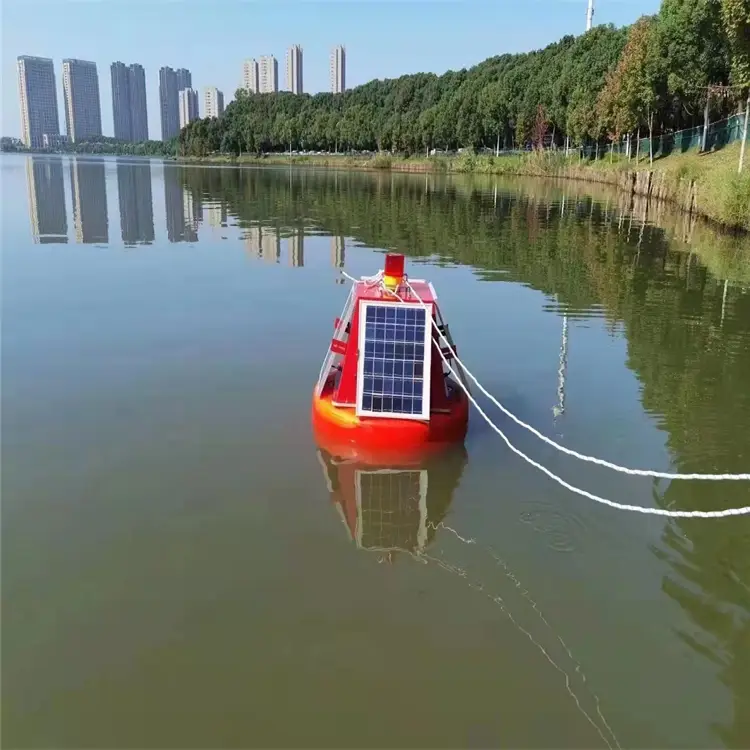
1. Falling into the Vicious Cycle of "High Density" and "Low Profits"
With continuously rising land rents (high pond rents) and production material costs (high agricultural inputs), farmers are forced into ultra-high-density breeding to sustain their livelihoods. However, high density means a huge challenge to the water body's self-purification capacity. Once environmental control fails, this production model will shift from "high input, high output" to "high risk, high loss."
2. Technological Gap in New Methods
Although industrialization is advancing, under short-term contracting and decentralized operations, farmers face difficulties in investment and slow technology updates. Most farmers still rely on visual observation of water color and touching water temperature to judge water quality, and this lagged perception cannot handle the ever-changing underwater environment at all.
3. Water Quality Deterioration and Frequent Fish Diseases
Due to the lack of scientific monitoring, harmful substances such as ammonia nitrogen and nitrite in fish ponds often exceed standards for long periods. The water body is in a "sub-health" state, directly leading to decreased fish immunity and frequent diseases. Once large-scale mortality occurs, farmers' years of hard work will be lost in an instant.
4. Negative Cycle Brought by Drug Abuse
Facing sudden waves of dead fish, farmers often "resort to desperate measures," administering large doses of antibiotics or chemical disinfectants. This not only aggravates secondary pollution of the water body but also leads to drug residues exceeding standards in aquatic products, damaging brand reputation and forming a vicious cycle.
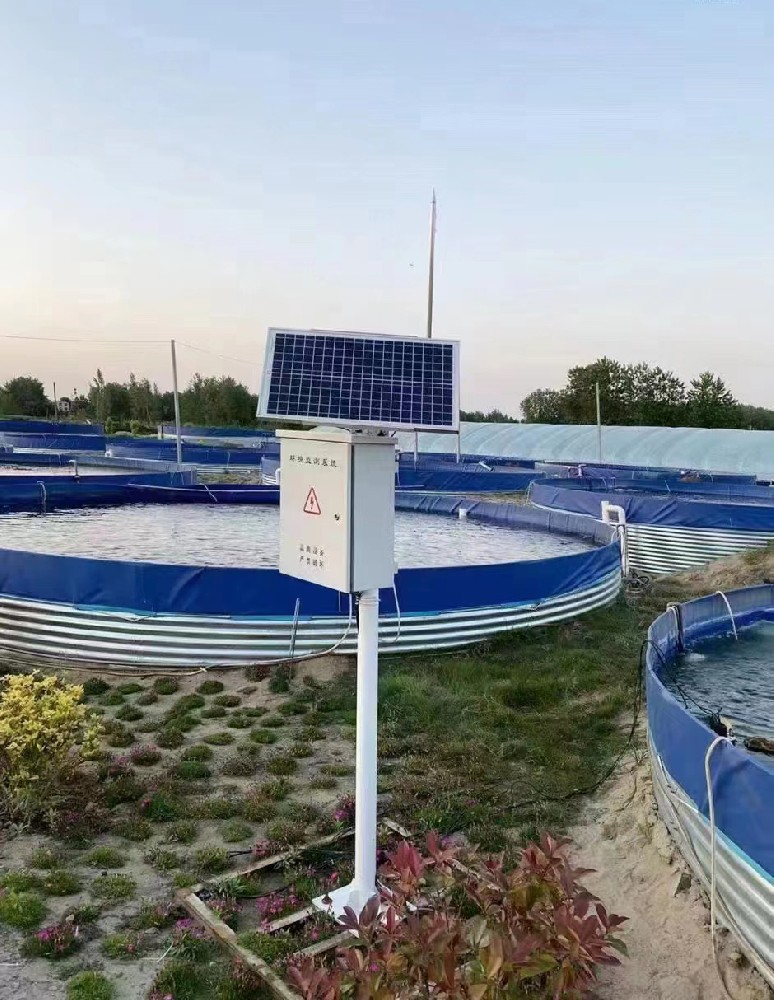
To address the above pain points, the NiuBoL-developed aquaculture monitoring system establishes an all-weather "digital medical record library" for fish ponds through integrated advanced sensing technology and IoT platforms.
It is not just a pile of sensors but an intelligent management closed loop that integrates data collection, transmission, analysis, early warning, and automatic control. The system achieves independent operation in harsh field environments through low-power collectors combined with solar power supply.
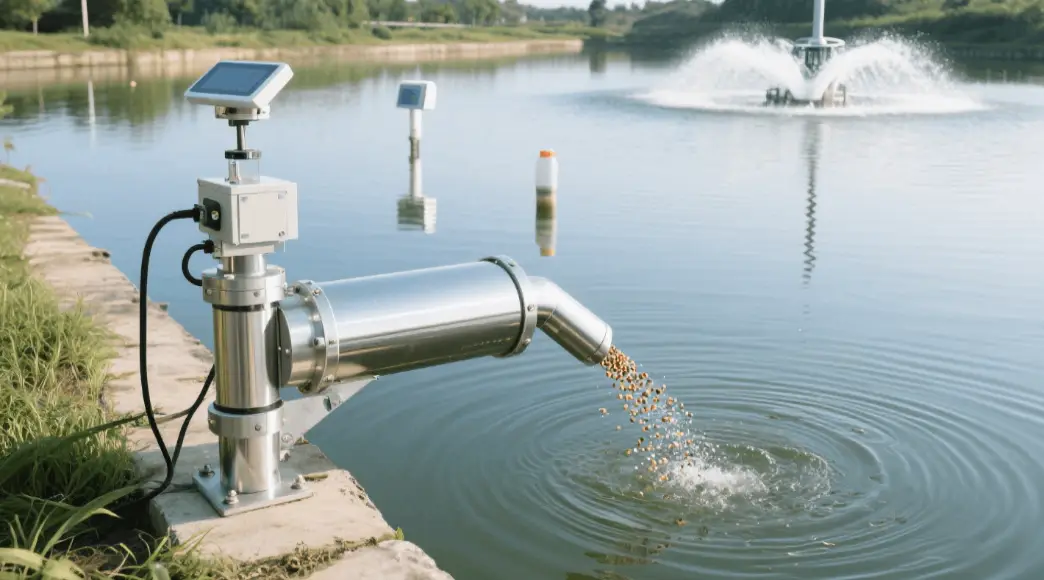
By introducing the NiuBoL smart monitoring solution, farmers can shift from "managing the environment" to "precise regulation," achieving true cost reduction and efficiency improvement.
1. Real-Time Water Quality Monitoring, Preventing Problems Before They Occur
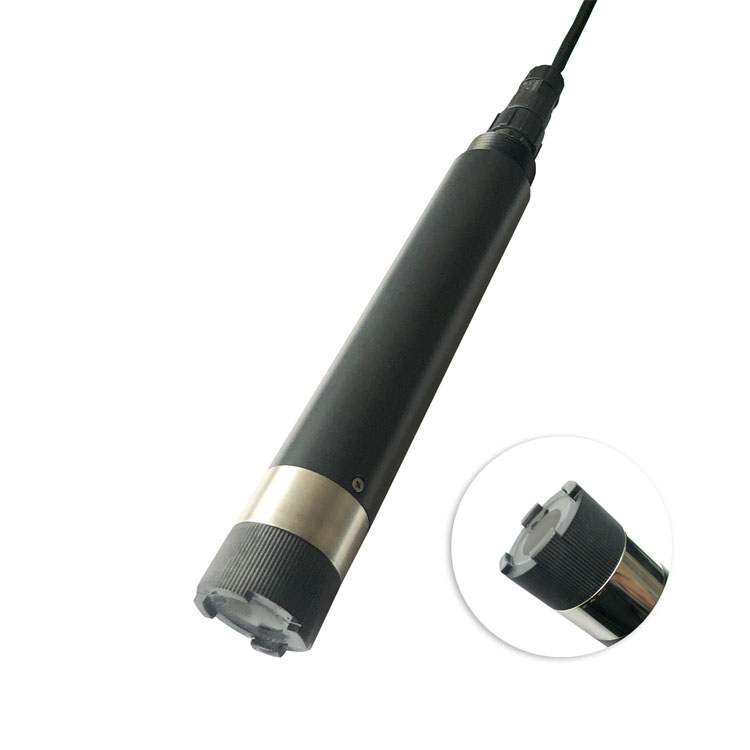
The system is equipped with high-precision sensors (such as pH sensors, dissolved oxygen sensors, turbidity sensors, conductivity sensors, ammonia nitrogen sensors, etc.) capable of continuous 24-hour data collection.
Dissolved oxygen monitoring: Dawn is the period with the lowest dissolved oxygen and the highest risk of "floating heads." The system can immediately alarm when dissolved oxygen drops below the safety threshold and link to aerators to avoid hypoxic fish deaths.
Harmful substance early warning: Real-time sensing of changes in ammonia nitrogen and nitrite. Before these substances reach harmful concentrations, remind farmers to change water or add water conditioners.
2. Precise Breeding Solutions, Reducing Feed Conversion Ratios
Water temperature and dissolved oxygen levels directly affect fish metabolism rates. Through NiuBoL historical data analysis, farmers can identify the optimal feeding window for fish. Feeding under the most suitable conditions can significantly improve feed conversion rates, reduce feed conversion ratios, and save substantial feed expenses.
3. Improving Ecological Environment, Breaking the Disease Chain
A stable water environment is the best "protective umbrella" for fish. The monitoring system can automatically identify environmental fluctuation trends and maintain water quality in a balanced state through refined management, fundamentally reducing incidence rates. When the breeding environment improves, drug usage naturally decreases significantly, and product quality achieves a qualitative leap.
4. Achieving "Unattended," Liberating Labor
As breeding scales expand, manual monitoring is no longer competent. The NiuBoL system achieves remote management of fish ponds. Managers, no matter where they are, can view real-time parameters and on-site monitoring footage via mobile APP or web end, truly realizing "one person managing a hundred mu pond."
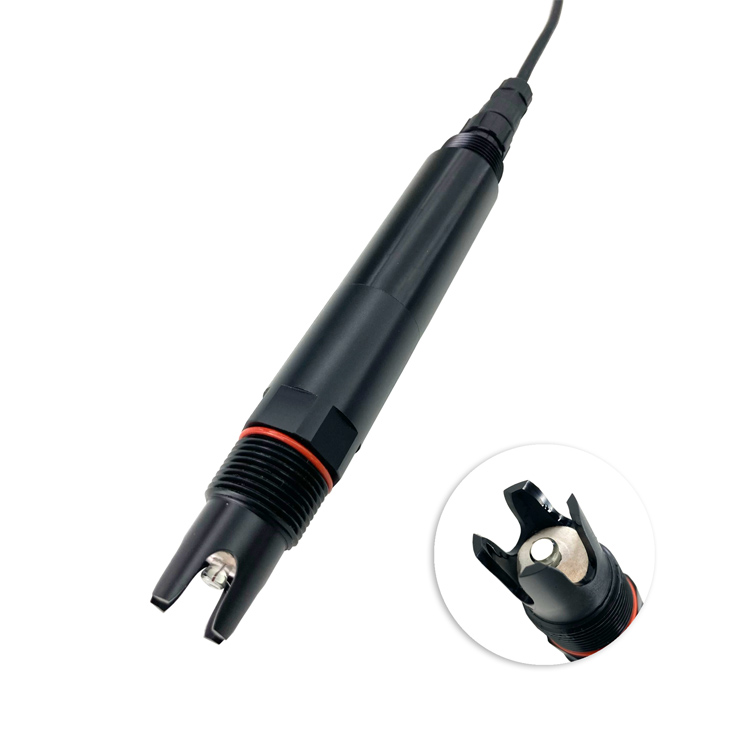
In addition to basic monitoring and early warning, NiuBoL also provides multi-level safeguards for farmers:
Meteorological auxiliary monitoring: Integrated sensors for wind speed, wind direction, air pressure, rainfall, etc. Fish are greatly affected by weather changes; through combined weather forecasting and real-time data, the system can early warn risks of algae collapse or sharp dissolved oxygen drops caused by heavy rain erosion.
LED screen local display: Equipped with large screens on-site, workers can see water body status at a glance during patrols without frequent phone operations.
Data statistics analysis: The system supports automatic generation of daily, monthly, and annual reports. Through benchmarking references, farmers can summarize the "breeding model" most suitable for the local region and variety, providing scientific review for increased production in the coming year.
The future of aquaculture inevitably develops toward intensification, facilitation, standardization, circularization, and informatization. Traditional small-scale, low-efficiency breeding models will gradually be eliminated in market competition.
The application of smart monitoring systems is a qualitative change in breeding technology. It breaks away from the history of raising fish by experience, upgrading "observing water to raise fish" to "data-driven fish raising." This transformation not only meets modern agriculture's requirements for green ecology but also serves as the core weapon to enhance regional agricultural product competitiveness.
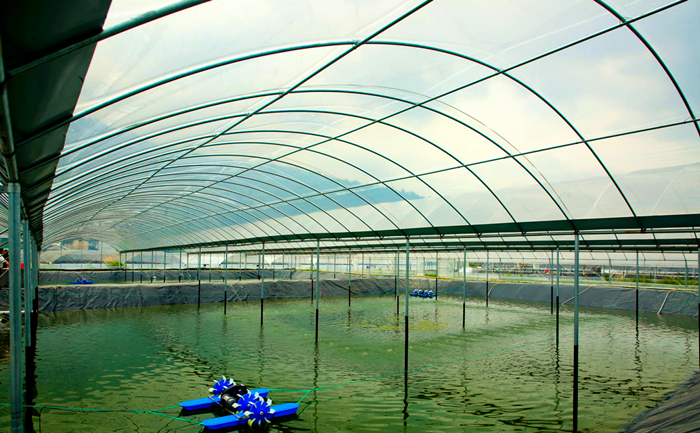
Q1: Is the investment cost for installing NiuBoL monitoring stations high? How long to recoup?
Answer: Compared to traditional customized systems, NiuBoL adopts modular design, significantly reducing initial deployment costs. By reducing risks of hypoxic fish deaths, saving 20%-30% electricity consumption, and lowering over 10% feed waste, costs are usually recovered within one breeding cycle.
Q2: Do sensors need frequent cleaning in sewage?
Answer: Breeding environments are indeed complex, but NiuBoL sensors can be equipped with automatic cleaning devices to periodically clean membrane heads or optical windows. It is recommended to perform manual inspections and standard liquid calibrations quarterly to maintain optimal accuracy.
Q3: What is the significance of 72-hour debugging?
Answer: This is key to ensuring system reliability. Through 72 hours of continuous trial operation, zero drift of sensors in actual water quality can be tested, and data link stability under different weather conditions confirmed, ensuring every set of data delivered is true and effective.
Q4: How does the NiuBoL system's power consumption get handled?
Answer: The system uses low-power collectors and efficient solar power generation systems, enabling independent operation in off-grid field areas, energy-saving, power-efficient, and environmentally friendly.
Q5: How does the system address sensor biofouling issues?
Answer: In long-term continuous monitoring, sensor surfaces are prone to biofouling. It is recommended to equip probes with automatic cleaning functions or perform simple manual wiping periodically (e.g., monthly) to ensure optical measurement transparency.
The core of smart aquaculture transformation lies in turning "invisible" underwater dynamics into "visible" digital assets. The NiuBoL aquaculture monitoring station, with advanced sensing technology as the foundation and IoT platforms as the link, builds a solid safety barrier for farmers. Facing future challenges, NiuBoL recommends that every farmer pursuing excellence introduce digital management tools as soon as possible. This is not only to reduce risks but also to seize the initiative in production during the era of intensive competition, jointly building a green, healthy smart aquaculture ecosystem.
Monitoring parameters: Dissolved oxygen (mg/L), pH (0-14), temperature (°C), turbidity (NTU), conductivity (mS/cm), ammonia nitrogen (mg/L).
Meteorological extensions: Wind speed, wind direction, air pressure, rainfall, light intensity, noise.
Core equipment: Low-power collector, high-efficiency solar power module, LED display terminal.
Power supply system: 12V/24V DC, solar power assisted.
Communication protocol: Modbus RTU / Modbus TCP.
Output signal: RS-485.
Protection rating: Collector IP65, sensor probe IP68.
Cloud access: 4G / 5G / GPRS wireless upload.
Do you need a customized sensor configuration proposal based on your pond area and breeding variety? Welcome to contact NiuBoL and its team; we will provide you with comprehensive smart breeding technical solutions.
Related recommendations
Sensors & Weather Stations Catalog
 Agriculture Sensors and Weather Stations Catalog-NiuBoL.pdf
Weather Stations Catalog-NiuBoL.pdf
Agriculture Sensors Catalog-NiuBoL.pdf
Water Quality Sensor Catalog-NiuBoL.pdf
Related products
 Combined air temperature and relative humidity sensor
 TDR Soil Moisture & Temperature Sensor for irrigation| RS485 |4-20mA| NBL-S-THR
 Soil pH sensor RS485 soil Testing instrument soil ph meter for agriculture |NBL-S-PH
 Wind Speed sensor Output Modbus/RS485/Analog/0-5V/4-20mA
 Tipping bucket rain gauge for weather monitoring auto rainfall sensor RS485/Outdoor/stainless steel
 Pyranometer Solar Radiation Sensor 4-20mA/RS485

Screenshot, WhatsApp to identify the QR code
WhatsApp number:+8615367865107
(Click on WhatsApp to copy and add friends)

