





— Blogs —
—Products—
 Consumer hotline +8618073152920
 WhatsApp:+8615367865107
Address:Room 102, District D, Houhu Industrial Park, Yuelu District, Changsha City, Hunan Province, China
Product knowledge
Time:2026-01-14 14:00:47 Popularity:823
The aquaculture industry, as an important component of the global economy, not only provides abundant high-quality protein but is also the livelihood of countless farmers. However, with the expansion of breeding scale and increasing intensification, breeding density has approached the limit of water self-purification capacity. Water quality issues have become the "Sword of Damocles" hanging over every farmer.
Water quality monitoring is no longer an optional auxiliary means but a core tool for assessing water health, preventing large-scale disease outbreaks, and improving breeding efficiency. By regularly or continuously monitoring key indicators such as temperature, dissolved oxygen, pH, and ammonia nitrogen, farmers can timely understand water dynamics. At the same time, it serves as an early warning mechanism for detecting potential environmental pollution and protecting aquatic ecosystems.
Traditional sampling and testing methods suffer from low frequency and lagged data, often resulting in irreparable losses by the time abnormalities are detected. The emergence of the NiuBoL shore-based water quality monitoring system has completely changed this situation, transforming "post-event remediation" into "all-time guardianship."
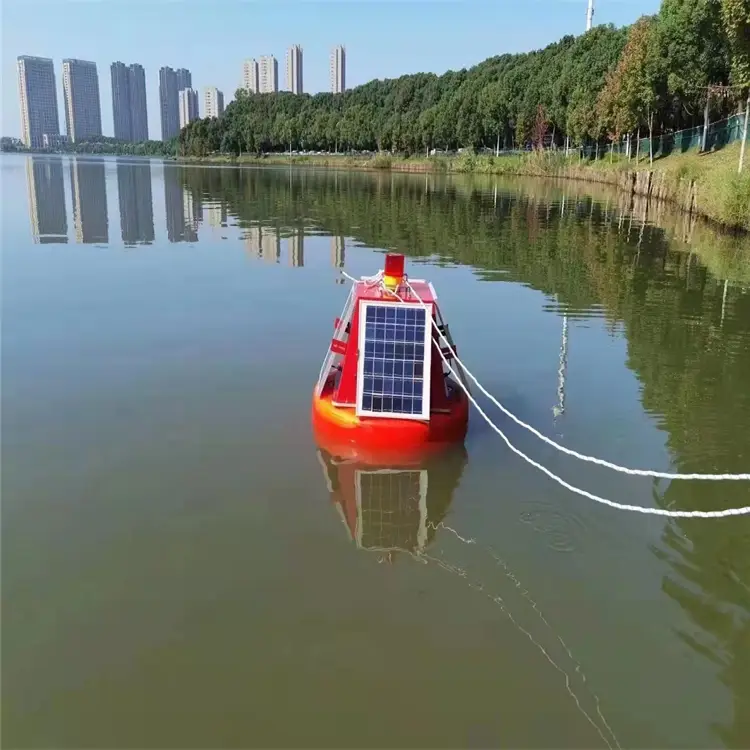
A shore-based water quality monitoring station is a precision device installed at the edge of ponds, lakes, or nearshore areas, integrating automation, intelligence, and remote communication. It features multiple monitoring parameters, high precision, and strong real-time performance, enabling continuous uninterrupted monitoring and transmitting data to a remote monitoring center via the network.
The NiuBoL shore-based water quality monitoring station acts like a "digital sentinel" on duty 24 hours a day. When water quality parameters fluctuate, the station can automatically alarm and remind farmers to take measures such as adjusting water temperature, aerating, or changing water. Additionally, it provides long-term trend analysis to help farmers understand water quality change patterns and formulate more scientific breeding plans.
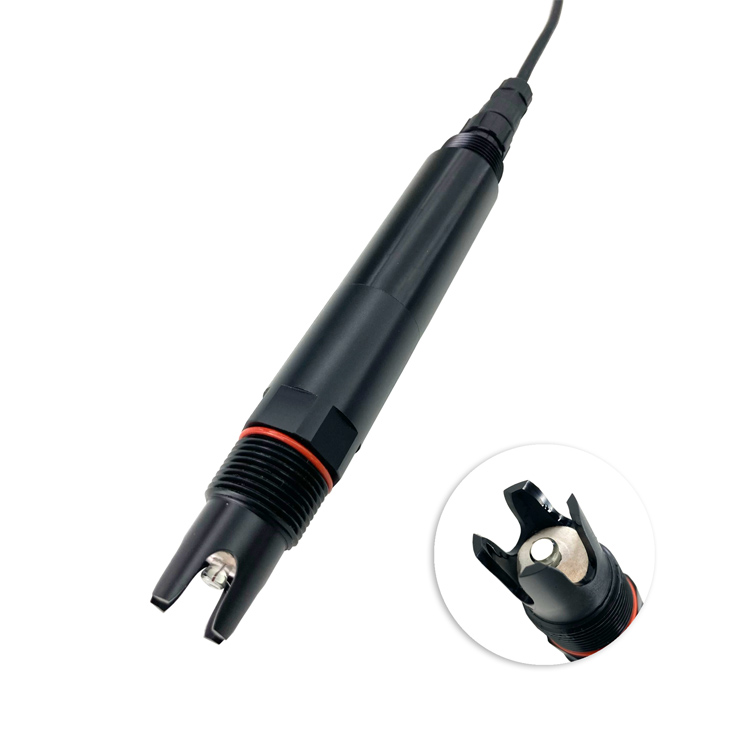
Relying on cloud computing, IoT, and advanced sensor technologies, NiuBoL has built a complete closed loop integrating collection, storage, transmission, management, and alarming. The following are the eight core capabilities of the system supporting smart breeding:
1. Flexible Selection of Monitoring Needs
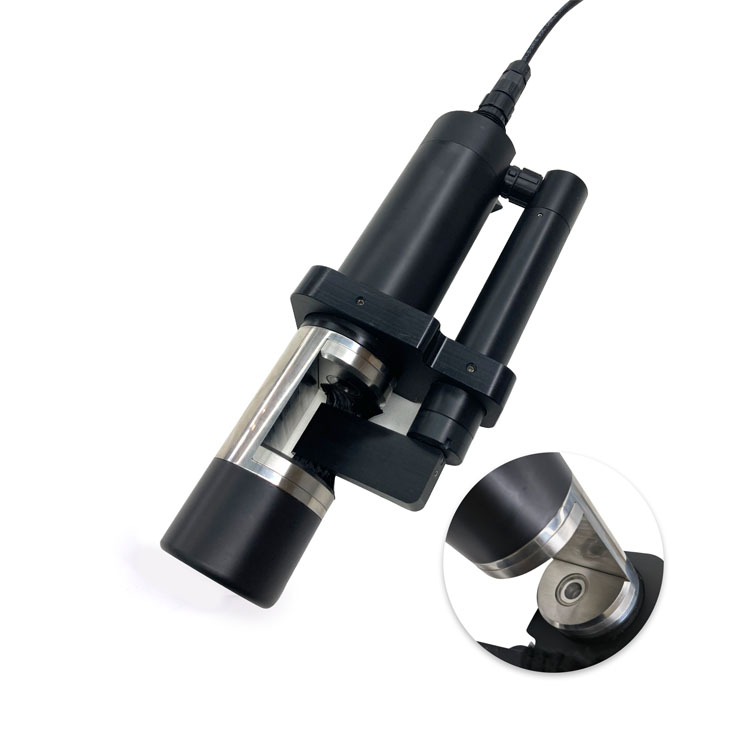
The system supports flexible configuration of multiple indicators such as potassium permanganate index (organic pollution indicator), total conductivity, dissolved oxygen, water quality, flow, pH, pressure, and water level. Whether for freshwater ponds or marine cages, the most suitable sensor combination can be found.
2. Multi-Dimensional Real-Time Alarm Mechanism
Managers can set upper and lower limit alarm thresholds for detected parameters. Once data is abnormal, the system immediately alerts through cloud platform notifications, SMS, alarm calls, WeChat official account messages, and other methods, ensuring timely emergency response.
3. High-Frequency Data Transmission and Refresh
Through 4G or WiFi networks, system data upload frequency can reach once per minute, with cloud data refresh as fast as every 3 seconds. This second-level response speed allows managers to access real-time dynamics anytime, anywhere, as long as there is network access.
4. Powerful Data Processing and Report Output
The cloud platform automatically stores, analyzes, and statistically processes monitoring data. Data is displayed in classified forms such as curves and visual reports. Data storage cycles are on a yearly basis, supporting long-term historical data tracing.
5. Refined Permission Management Strategy
The system supports multi-county and multi-department permission management. Permissions can be set at provincial, municipal, functional, and other levels, facilitating unified scheduling and hierarchical management for large-scale breeding groups or government regulatory departments.
6. Multi-System Ecological Integration
The NiuBoL monitoring system has excellent openness and can connect to meteorological monitoring systems. By comparing correlations between temperature, air pressure, rainfall, and water quality indicators, it further enhances the scientific nature of breeding management.
7. Intelligent Linkage Control
This is the key step from "monitoring" to "control." The system supports access to control terminals (such as smart valves, water pumps, aerators, etc.). When dissolved oxygen is insufficient, the system can intelligently control aerator operation for automated regulation.
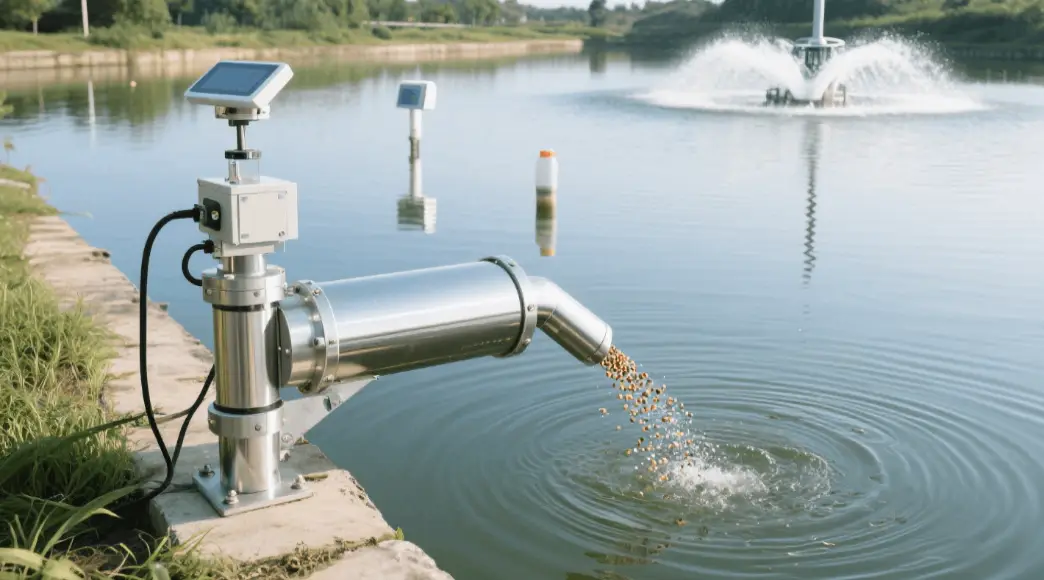
The NiuBoL water quality monitoring system was designed to cope with diverse water environments, with wide and in-depth application scenarios.
1. Ponds and Intensive Farming Facilities
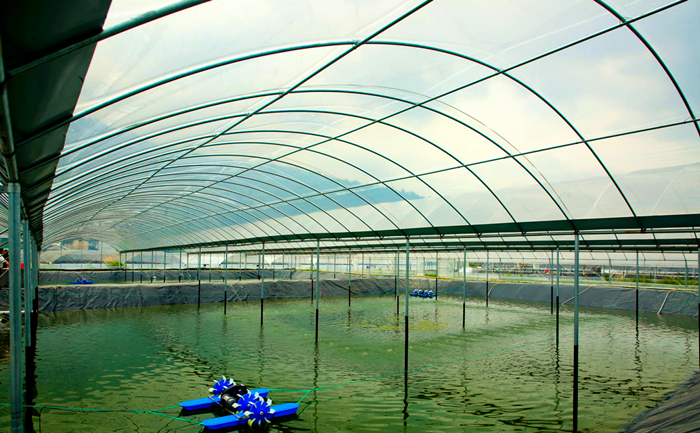
This is the most direct application scenario. Shore-based stations can monitor dissolved oxygen lows and ammonia nitrogen peaks in high-density environments in real time, preventing "floating heads" and large-scale diseases, ensuring healthy growth of cultured organisms.
2. Wetlands and Lake Ecological Protection
In the context of industrialization and urbanization, monitoring chemical substances, suspended solids, and sediments is crucial. Monitoring stations can regularly record operational change trends, evaluate quality conditions, and provide early warnings for water ecological civilization city construction.
3. Marine Ranches and Nearshore Aquaculture
For high-salinity environments, the system adopts anti-corrosion design. Shore-based monitoring stations help farmers cope with sudden situations such as red tides and salinity fluctuations, protecting expensive marine products.
4. Reservoirs and Drinking Water Source Monitoring
As guardians of the source of life, monitoring stations provide 24-hour online monitoring of water intake quality, ensuring drinking water safety and preventing illegal discharges.
Among numerous monitoring solutions, NiuBoL stands out with its industrial-grade design and forward-looking technical means:
Personalized customization: Flexible hardware configuration selection based on actual testing needs, with exclusive detection parameters set.
Technological generational upgrade: Unlike previous scattered and easily disconnected traditional sensors, NiuBoL has upgraded the entire monitoring solution, significantly improving system stability and collection accuracy.
Low-power operation principle: The system adopts low-power design combined with solar power supply, ensuring stable operation in field environments for more than 3 years, solving long-term maintenance concerns.
Q1: What is the difference between shore-based monitoring stations and floating buoy monitoring stations in water?
Answer: Shore-based monitoring stations are installed on land edges, usually using suction or extended probe measurement, with advantages such as easy maintenance, not easily collided by boats, and long equipment life. They are currently the preferred choice for ponds and nearshore aquaculture.
Q2: With data uploaded once per minute, is the data traffic consumption high?
Answer: The NiuBoL system adopts efficient data compression protocols, resulting in extremely low 4G transmission traffic costs. At the same time, high-frequency refresh ensures managers receive the most timely information during sudden water quality deterioration.
Q3: How does the system cope with extreme weather impacts?
Answer: The hardware enclosure adopts high-strength waterproof and anti-corrosion design, with overvoltage and overcurrent protection in the acquisition circuit. Combined with meteorological system access, the system can early warn of extreme weather impacts on water quality, enabling early detection and preparation.
Water is the source of life and the foundation of fisheries. In today's aquaculture industry pursuit of high-quality development, choosing the NiuBoL shore-based water quality monitoring system essentially means choosing a data-driven management logic.
We no longer rely on vague visual observation but provide 24-hour all-weather online protection for every water quality indicator. As an industry-leading solution recommended by experts, this system not only improves production efficiency but also plays an irreplaceable role in protecting aquatic ecosystems.
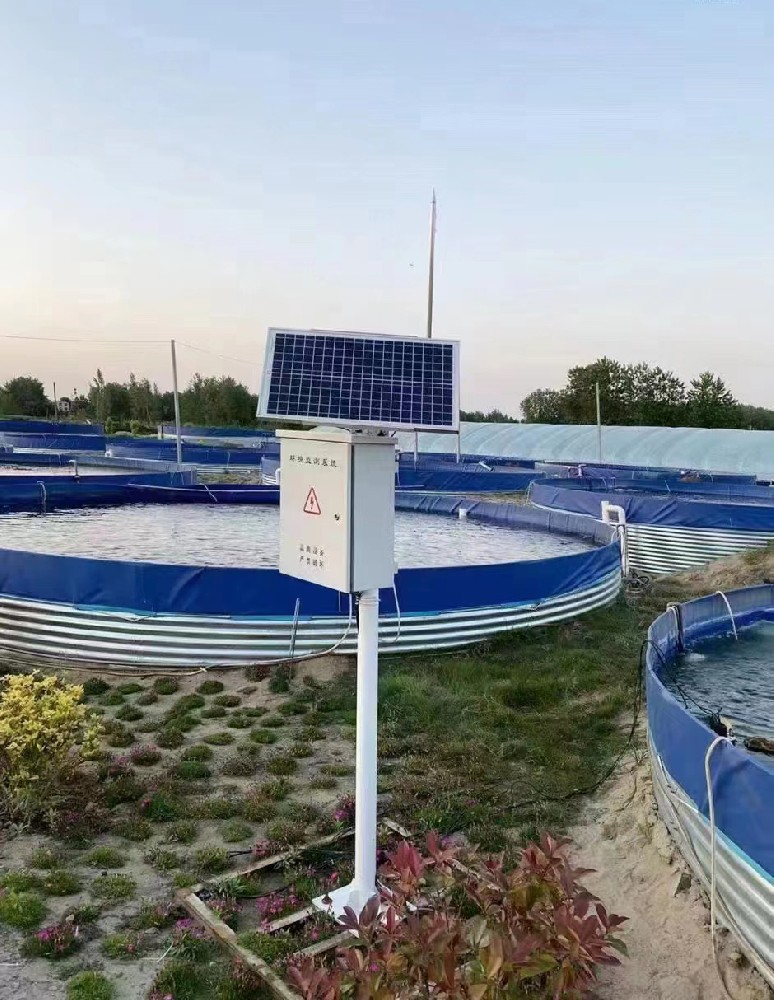
Monitoring parameters: Dissolved oxygen (mg/L), pH (0-14), temperature (°C), conductivity (μS/cm), turbidity (NTU), water level (m), etc.
Communication protocol: Modbus RTU / Modbus TCP.
Wireless link: 4G / WiFi / GPRS.
Data upload interval: 60 seconds (adjustable).
Data refresh frequency: 3 seconds/time.
Power supply method: 12V/24V DC or 10W/20W solar power system.
Protection rating: Acquisition box IP65, sensor probe IP68.
Storage depth: Cloud storage of historical data ≥ 1 year.
Do you need a customized water quality monitoring solution based on your breeding scale (such as number of ponds or water area)? Welcome to contact NiuBoL and its team; we will provide you with full-service support from solution design to installation guidance.
Related recommendations
Sensors & Weather Stations Catalog
 Agriculture Sensors and Weather Stations Catalog-NiuBoL.pdf
Weather Stations Catalog-NiuBoL.pdf
Agriculture Sensors Catalog-NiuBoL.pdf
Water Quality Sensor Catalog-NiuBoL.pdf
Related products
 Combined air temperature and relative humidity sensor
 TDR Soil Moisture & Temperature Sensor for irrigation| RS485 |4-20mA| NBL-S-THR
 Soil pH sensor RS485 soil Testing instrument soil ph meter for agriculture |NBL-S-PH
 Wind Speed sensor Output Modbus/RS485/Analog/0-5V/4-20mA
 Tipping bucket rain gauge for weather monitoring auto rainfall sensor RS485/Outdoor/stainless steel
 Pyranometer Solar Radiation Sensor 4-20mA/RS485

Screenshot, WhatsApp to identify the QR code
WhatsApp number:+8615367865107
(Click on WhatsApp to copy and add friends)

