





— Blogs —
—Products—
 Consumer hotline +8618073152920
 WhatsApp:+8615367865107
Address:Room 102, District D, Houhu Industrial Park, Yuelu District, Changsha City, Hunan Province, China
Product knowledge
Time:2026-01-14 14:06:26 Popularity:847
With the deepening of smart water management and environmental governance, traditional shore-based monitoring stations, limited by terrain and sampling distance, have become difficult to meet the real-time monitoring needs of large water areas. The NiuBoL buoy water quality monitoring station, as a highly integrated automated monitoring platform, has become the "digital sentinel" of modern water environment governance with its flexibility and real-time capabilities.
The system is deployed in the center of water bodies via buoy carriers, integrating high-precision water quality sensors, data acquisition recorders, and 4G wireless communication modules. It can capture subtle physical and chemical changes in water bodies 24 hours a day, convert them into structured data, and transmit them in real time to the cloud monitoring center, providing scientific basis for water environment evaluation and emergency decision-making.
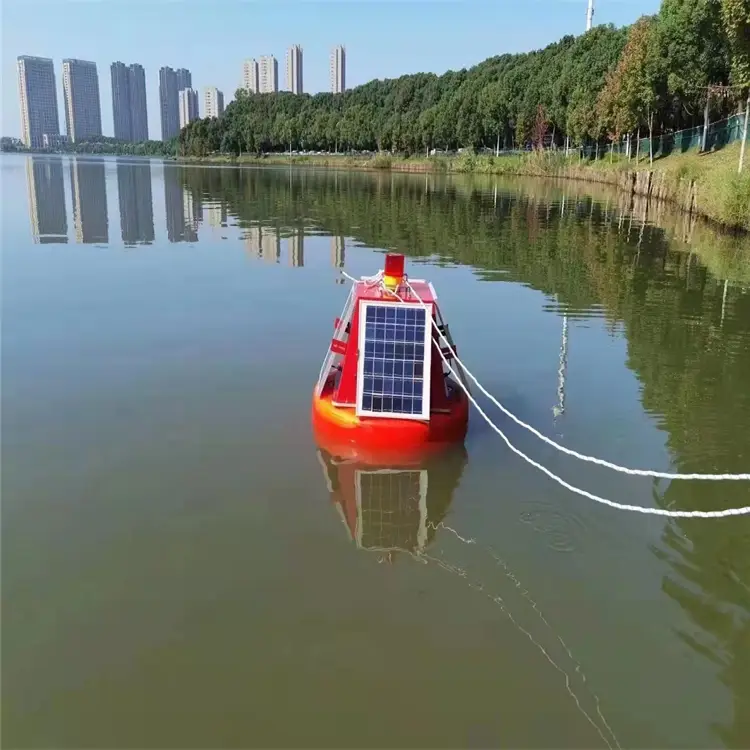
The core competitiveness of buoy monitoring stations lies in their equipped sensors. NiuBoL adopts advanced sensing technology to ensure every set of data withstands scientific scrutiny.
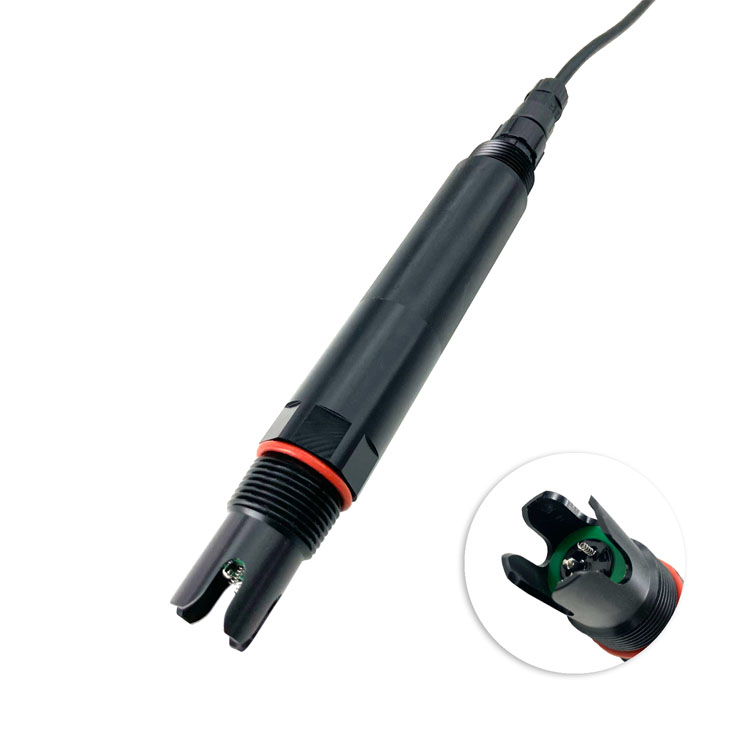
1. pH Sensor: Sensitive Probe for Acidity and Alkalinity
pH value is a key indicator for measuring water body acid-base balance. Whether it's industrial wastewater discharge or aquaculture, drastic fluctuations in pH indicate disruption of ecological balance. NiuBoL uses composite electrode technology to quickly respond to changes in water body chemical composition.
2. Dissolved Oxygen (DO) Sensor: "Life Indicator" of Water Bodies
Dissolved oxygen is the foundation for maintaining aquatic life survival and a core parameter for assessing water self-purification capacity. Low-oxygen environments often accompany organic pollution or blue-green algae outbreaks. Real-time monitoring of dissolved oxygen can predict black-odor risks in water bodies in advance.
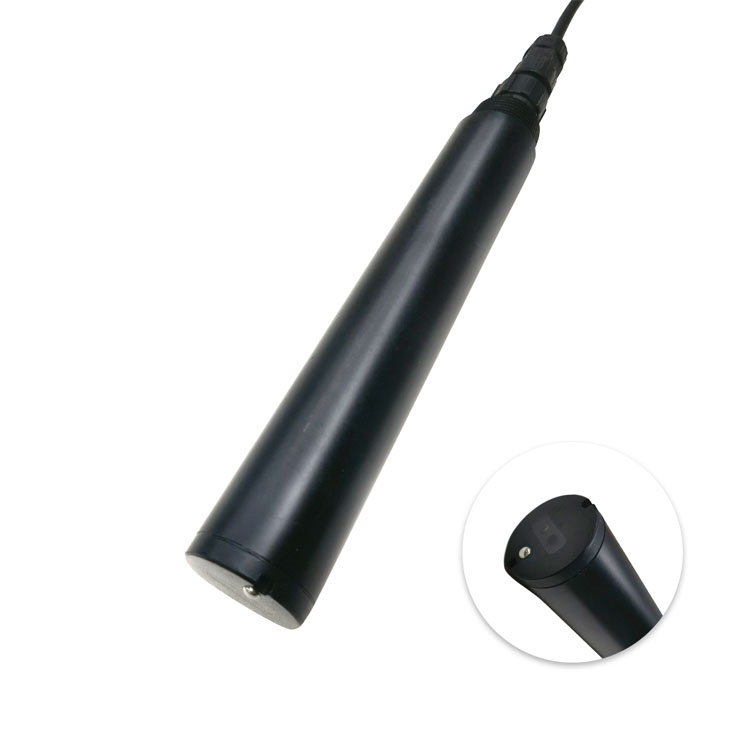
3. Turbidity Sensor: Quantification Tool for Clarity
Turbidity reflects the content of suspended solids in water. By measuring the scattering degree of light in water bodies, this sensor can intuitively reflect the degree to which water bodies are affected by silt, microorganisms, or pollutants, serving as an important reference for soil erosion and drainage monitoring.
4. Conductivity (EC) Sensor: Epitome of Total Dissolved Solids Content
Conductivity represents the content of inorganic salts in water. In nearshore monitoring or industrial discharge outlets, abnormal increases in conductivity usually indicate salinity changes or heavy metal ion pollution intrusion.
5. Water Temperature Sensor: Catalyst for Biochemical Reactions
Water temperature not only affects the solubility of dissolved oxygen but also directly influences the activity of microorganisms in water. It is the basic parameter for compensation calculations of other water quality indicators.
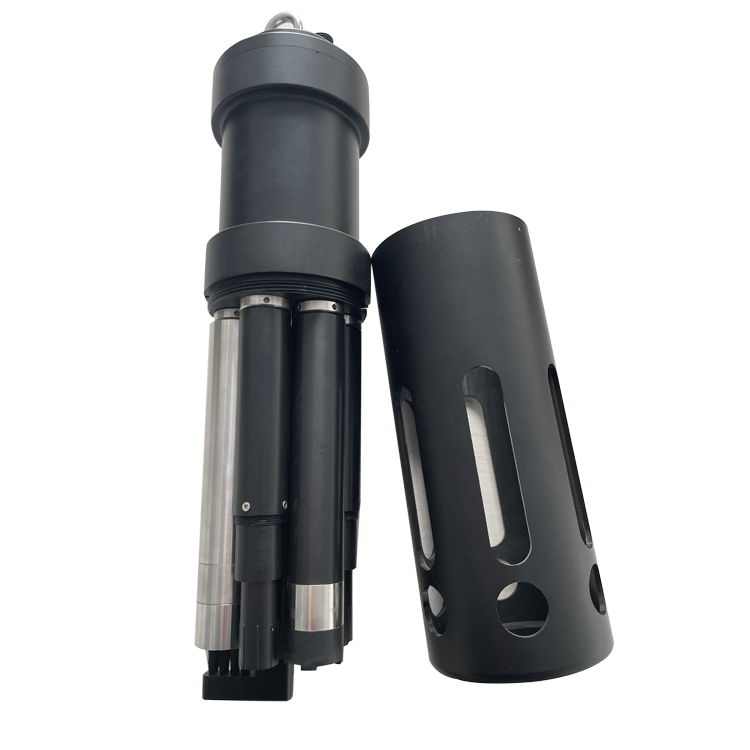
Improper installation location selection can lead to measurement errors at best, or equipment damage or stranding at worst. NiuBoL and its technical team recommend strictly referring to the following site selection standards when deploying NiuBoL buoy stations.
1. Balance of Depth and Slope
Installation points should be selected in deeper water areas. Must avoid beaches, shallows, or points with small slopes near the shore. If water levels drop, areas with small slopes are highly likely to cause buoys to run aground and damage expensive probe components.
2. Dynamic Considerations of Flow and Water Level
Gentle flow velocity: Should select locations with relatively stable flow. Excessively fast flow generates impact forces that not only interfere with sensor reading stability but may also wash away or damage anchoring systems.
Moderate drop: Water level drop should not be too large. If the drop is excessive, equipment may be completely submerged during later maintenance, or exposed to air due to receding water levels, losing monitoring significance.
3. Environmental Interference and Signal Coverage
Adequate sunlight: Buoys rely on solar power. Site selection should avoid shadows from tall buildings, trees, or bridges to ensure solar panels receive the longest sunlight duration.
Signal strength: Data is transmitted back via 4G networks, so installation points must have stable mobile signals to ensure data transmission continuity and timeliness.
To ensure equipment remains "steady as a rock" in long-term field environments, the following red lines must be strictly observed during installation:
1. Anchoring System and Lanyard Length
Before formal deployment, historical highest and lowest water levels at the site must be checked. Determine lanyard length based on water level variation range. Too short a lanyard can cause buoys to be "pulled under" during rising water, causing damage; too long a lanyard can cause excessive drift or shore collisions during receding water.
2. Navigation Safety and Production Operations
Avoid waterways: When installing in rivers, must ensure points do not affect normal vessel passage, and equip with prominent nighttime warning lights to prevent vessel collisions.
Fisheries avoidance: In reservoirs and other water areas, maintain safe distance from fishery operation zones to avoid fishing nets entangling sensors or buoys.
3. Avoid Pollution Sources and Lightning Strike Zones
Pollution representativeness: Do not install directly in core high-pollution areas of discharge outlets. Locally extremely high concentrations of pollutants not only corrode sensors but also render data unrepresentative of overall water areas. Should select downwind or downstream representative mixing areas.
Lightning protection: Avoid deploying buoys in historical high-lightning zones. Although equipment has certain lightning protection design, risks of damage still exist in extreme thunderstorms.
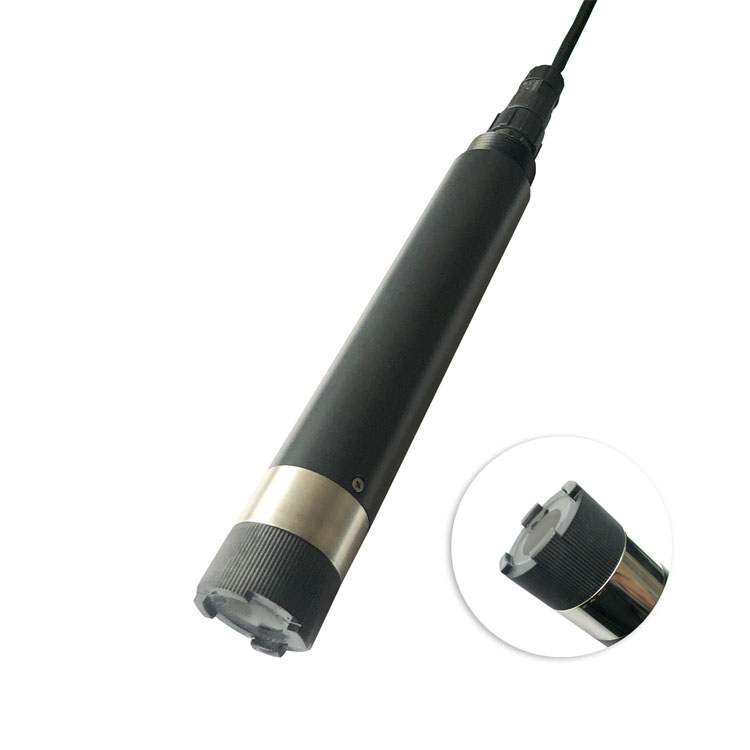
River and lake long-term monitoring: Real-time sensing of ecological health status in cross-border rivers and urban lakes.
Reservoir drinking water source protection: 24-hour early warning of pollution intrusion, ensuring resident drinking water safety.
Nearshore and port monitoring: Monitoring salinity changes and red tide risks, supporting smart ocean construction.
Industrial discharge outlet regulation: End monitoring of enterprise discharge water quality, achieving environmental compliance.
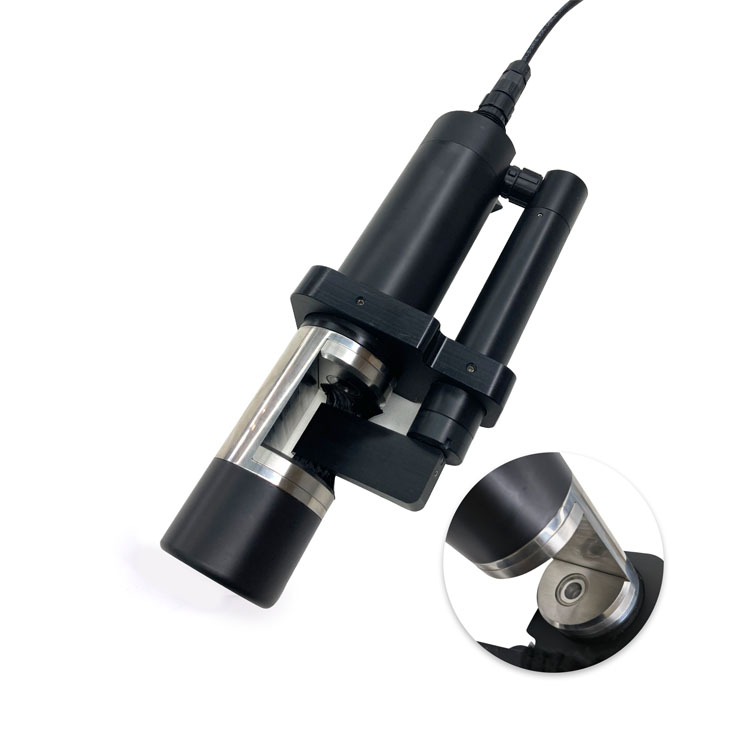
Q1: Are buoy sensor probes prone to biofouling (such as moss, shellfish)? How to solve it?
Answer: In static or eutrophic water bodies, probes are indeed prone to bioattachment. NiuBoL's advanced sensors can be equipped with automatic cleaning brush functions, periodically maintaining the cleanliness of probe lenses or membranes through mechanical sweeping, significantly extending maintenance cycles.
Q2: If encountering floods or extreme weather, will buoys be washed away?
Answer: This depends on anchoring design. During installation, counterweight block weight is calculated based on flow velocity. As long as lanyards and anchors are secure, and floating debris accumulation areas are avoided, buoys can usually safely pass flood seasons.
Q3: How long can batteries last on rainy days?
Answer: The NiuBoL buoy system adopts low-power collectors. When fully charged, even with 7-10 consecutive days without light, the system can maintain basic data collection and transmission.
Buoy water quality monitoring stations are not just hardware but a precise environmental sensing solution. Through scientific site selection—avoiding beaches, considering water levels, ensuring signals—we can maximize the efficacy of NiuBoL sensors.
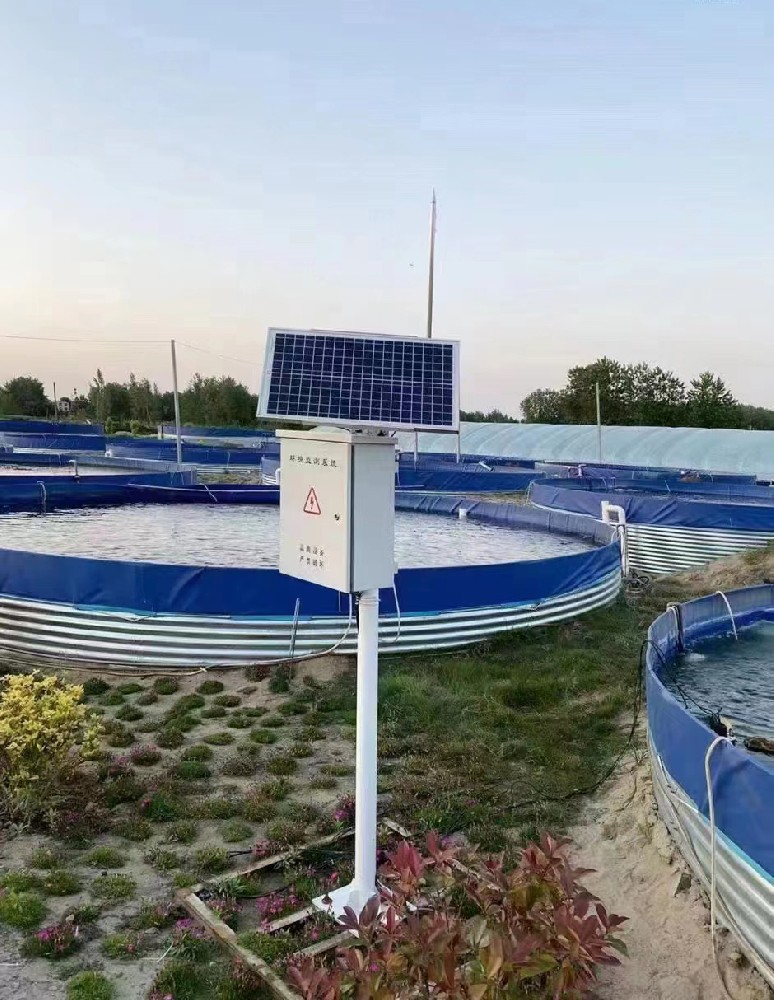
Monitoring parameters: Temperature (℃), pH, dissolved oxygen (mg/L), turbidity (NTU), conductivity (µS/cm).
Communication protocol: Modbus-RTU / MQTT.
Transmission link: 4G (LTE) / 5G / GPRS.
Power supply system: Solar panel (≥20W) + high-energy lithium battery.
Protection rating: Sensor IP68, data host IP67.
Lanyard recommendation: Stainless steel wire rope or high-strength nylon rope, equipped with anti-collision buoys.
Are you hesitating over site selection for river monitoring or reservoir water quality monitoring projects? Welcome to contact NiuBoL and its technical team; we will provide you with technical solution support from survey site selection to full buoy deployment.
 NBL-RDO-206 Online Fluorescence Dissolved Oxygen Sensor.pdf
NBL-COD-208 Online COD Water Quality Sensor.pdf
NBL-CL-206 Water Quality Sensor Online Residual Chlorine Sensor.pdf
Related recommendations
Sensors & Weather Stations Catalog
Agriculture Sensors and Weather Stations Catalog-NiuBoL.pdf
Weather Stations Catalog-NiuBoL.pdf
Agriculture Sensors Catalog-NiuBoL.pdf
Water Quality Sensor Catalog-NiuBoL.pdf
Related products
 Combined air temperature and relative humidity sensor
 TDR Soil Moisture & Temperature Sensor for irrigation| RS485 |4-20mA| NBL-S-THR
 Soil pH sensor RS485 soil Testing instrument soil ph meter for agriculture |NBL-S-PH
 Wind Speed sensor Output Modbus/RS485/Analog/0-5V/4-20mA
 Tipping bucket rain gauge for weather monitoring auto rainfall sensor RS485/Outdoor/stainless steel
 Pyranometer Solar Radiation Sensor 4-20mA/RS485

Screenshot, WhatsApp to identify the QR code
WhatsApp number:+8615367865107
(Click on WhatsApp to copy and add friends)

