





— Blogs —
—Products—
 Consumer hotline +8618073152920
 WhatsApp:+8615367865107
Address:Room 102, District D, Houhu Industrial Park, Yuelu District, Changsha City, Hunan Province, China
Product knowledge
Time:2026-01-14 14:14:57 Popularity:830
“Water is the source of life, the essence of production, and the foundation of ecology.” In today's deepening ecological civilization construction, water quality monitoring has fully shifted from traditional manual sampling analysis to automated, intelligent online monitoring modes.
Currently, water resource pollution problems remain complex, and using NiuBoL water quality online monitors to strengthen safety monitoring has become standard for environmental protection bureaus, chemical plants, sewage treatment plants, and large-scale farms. Compared to traditional solutions, modern online monitoring stations solve the pain points of “data lag, high labor costs, and many monitoring blind spots,” providing real-time, scientific decision-making basis for water environment management through digital means.
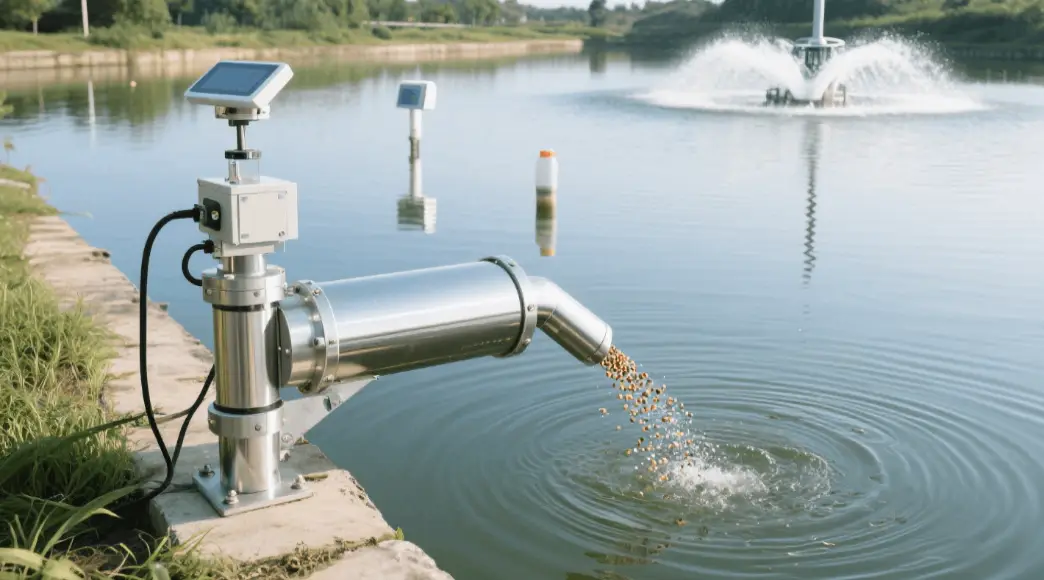
The performance upper limit of water quality online monitoring stations depends on sensor accuracy. The NiuBoL system integrates five core sensors, adopting physical and electrochemical principles:
1. Dissolved Oxygen (DO) Sensor
Monitoring significance: Key to measuring water self-purification capacity, directly related to aquatic organism survival and sewage degradation efficiency.
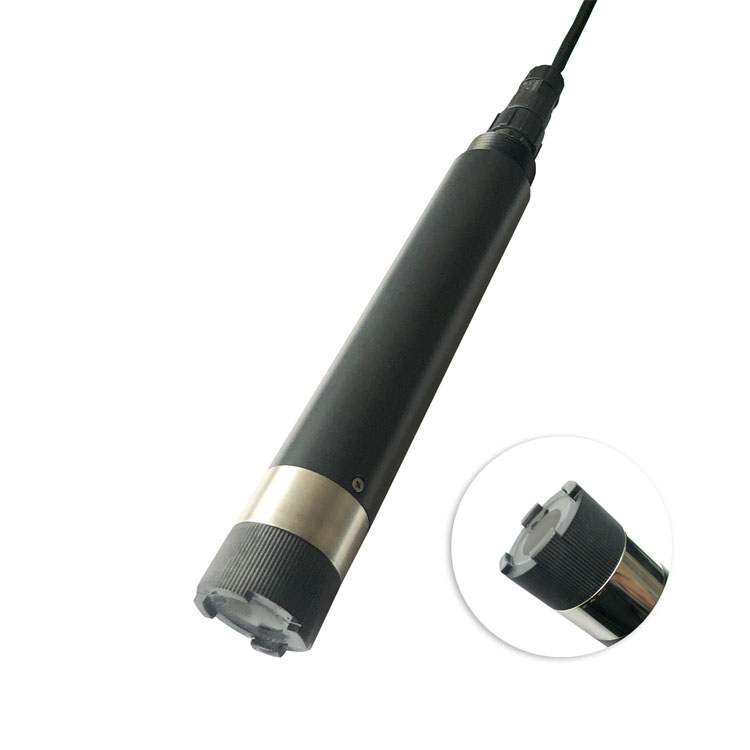
Technical principle: Mainly adopts fluorescence method. Uses excitation light to irradiate fluorescent substances and measures oxygen molecule concentration based on fluorescence quenching principle. Compared to membrane methods, it requires no electrolyte replacement, is unaffected by flow rates, and has extremely low maintenance.
2. Turbidity Sensor
Monitoring significance: Intuitive indicator reflecting suspended matter content in water, core for drinking water safety and filtration process monitoring.
Technical principle: Adopts 90° scattered light principle (infrared band). The sensor calculates suspended particle concentration in water by measuring scattered light intensity, precisely capturing subtle turbidity changes in water quality.
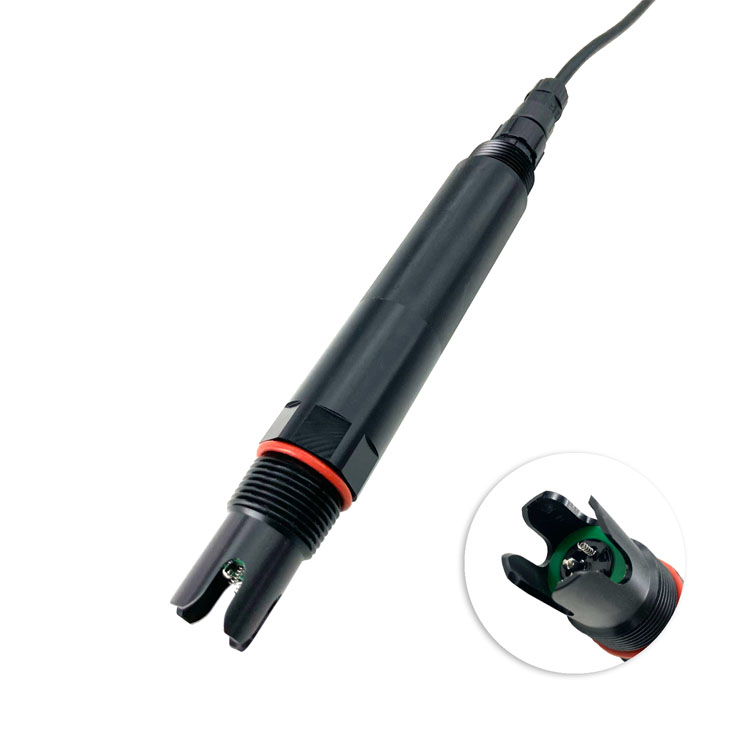
3. pH Sensor
Monitoring significance: Determines water acidity and alkalinity, foundation for chemical wastewater discharge monitoring and biochemical reaction control.
Technical principle: Glass electrode method. Measures potential difference between indicator electrode and reference electrode, and outputs precise pH values combined with temperature compensation algorithms.
4. Conductivity Sensor
Monitoring significance: Reflects total dissolved solids (TDS) and ion concentration in water, commonly used for monitoring seawater intrusion or industrial electrolyte pollution.
Technical principle: Adopts two-electrode or four-electrode principle, measures solution conductivity through AC excitation.
5. Water Temperature Sensor
Monitoring significance: Basic physical parameter, not only affects chemical reaction speeds but also serves as the benchmark for compensation calculations of all other water quality parameters.
Technical principle: Adopts high-stability thermistors, with fast response and high linearity.
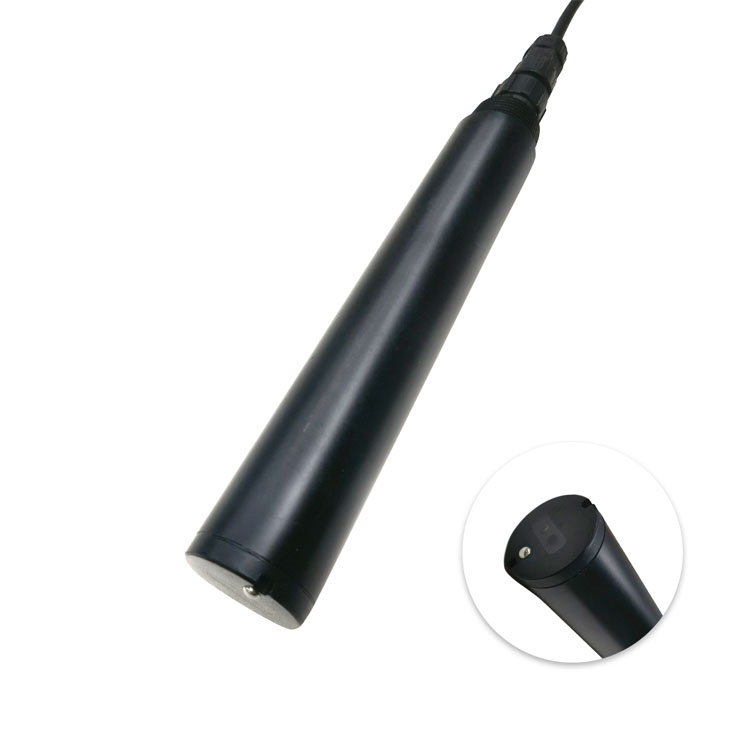
A qualified water quality monitoring system must excel in software and hardware integration:
All-weather real-time monitoring: 24-hour online continuous collection, ensuring no missed instantaneous exceedances.
Big data traceability analysis: Cloud storage of years of historical data, supporting curve graph generation, facilitating daily, monthly, and annual report analysis and benchmarking references.
Intelligent early warning mechanism: Supports multiple alarm methods such as SMS and APP push. Once parameters are abnormal, the system notifies relevant personnel at the second level.
Remote Web/mobile monitoring: Managers can view on-site real-time data anytime, anywhere via browsers or mobile APPs without being present.
High compatibility: Supports standard communication protocols such as Modbus RTU/TCP, easily docking with environmental protection bureau platforms or enterprise DCS systems.
Extremely simple maintenance design: Modular design supports sensor hot-swapping, lowering the professional technical threshold for later maintenance.
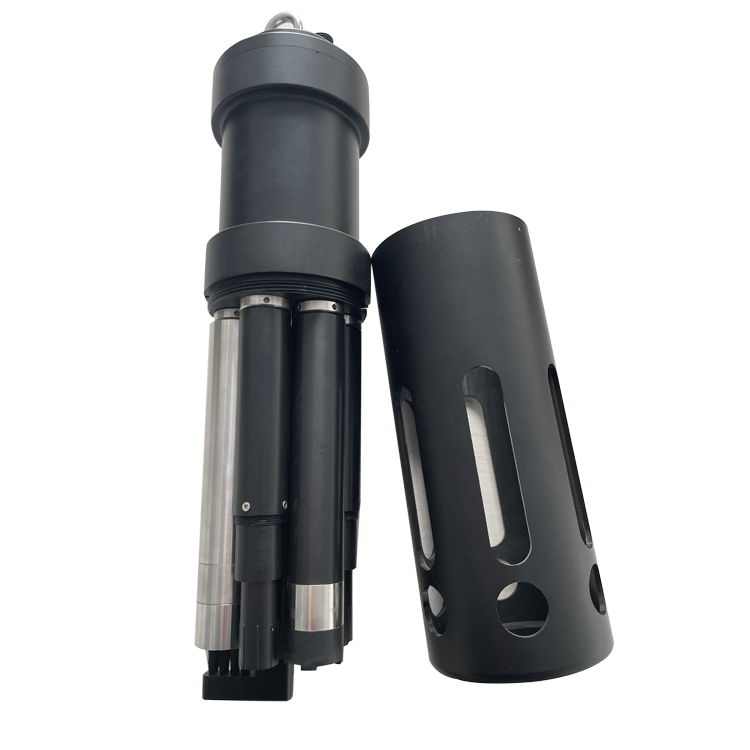
Installation and debugging are critical stages to ensure monitoring station data is “true, accurate, and complete.” Experts remind you to follow these professional steps:
1. Site Selection Logic Before Installation
Representativeness: Sampling points should avoid dead corners, backflow areas, or direct impact points of discharge outlets, selecting sections with uniform flow and full mixing.
Physical protection: Monitoring station rooms need good lightning protection, fire prevention, and moisture-proof functions. Grounding resistance must be kept below 4Ω to ensure equipment safety.
2. 72-Hour Continuous Debugging System
After completing on-site initial testing, must enter no less than 72 hours of continuous operation debugging:
Calibration check: Daily zero-point calibration and range calibration required during debugging.
Drift control: If cumulative drift exceeds specified indicators, instruments must be readjusted.
Interruption handling: If power outages, system failures, or abnormal emission sources cause interruptions during debugging, debugging timing must reset to zero, restarting 72-hour countdown after normal recovery.
In actual engineering applications, raw water often contains silt, grease, or plankton, and direct monitoring easily damages equipment, so preprocessing systems are crucial:
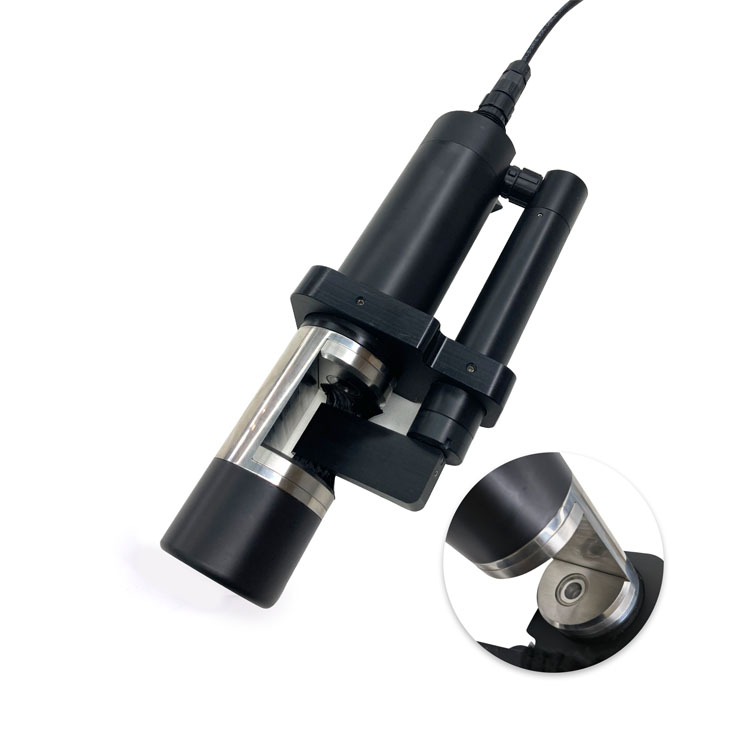
Automatic cleaning function: NiuBoL sensors can be equipped with automatic cleaning brushes or compressed air purging, effectively preventing biofilm attachment.
Water sampling filtration system: Install precision filtration pump groups at monitoring station room entrances to filter impurities while ensuring sample representativeness.
Constant temperature assurance: To ensure accuracy of chemical analysis indicators (such as COD, ammonia nitrogen), it is recommended to install air conditioning in station rooms, maintaining 5–35°C.
Q1: Why do online monitoring data and laboratory test data sometimes differ?
A: Differences usually stem from two points: one is sampling time synchronization; the other is that laboratories use chemical titration methods, while online monitoring mostly uses physical/electrochemical methods. As long as differences are within the percentage range specified by national standards, they are qualified.
Q2: Will unstable communication networks cause data loss?
A: NiuBoL's data collectors have "breakpoint resume" functions. During network interruptions, data is temporarily stored in local memory and automatically retransmitted to the cloud platform upon signal recovery.
Q3: How often do sensors usually need replacement?
A: pH electrodes usually replaced every 1-2 years, fluorescence method dissolved oxygen membrane heads usable for over 2 years. Regular maintenance and cleaning can significantly extend their service life.
Q4: How often do water quality sensors usually need maintenance?
A: Maintenance cycles depend on water quality environments. In cleaner tap water environments, usually maintain every 3-6 months; in sewage or breeding environments, recommend cleaning sensor surface attachments (such as biofilms, silt) every 2-4 weeks to ensure measurement sensitivity.
Q5: If the monitoring station location has no wired network, how to transmit data?
A: NiuBoL systems support multiple wireless communication protocols. In places without wired networks, high-speed data upload can be achieved via 4G/5G cellular networks, with wide coverage and simple installation.
Q6: What advantages does the fluorescence method dissolved oxygen sensor have over traditional electrochemical membrane methods?
A: The fluorescence method requires no membrane or electrolyte replacement, does not consume oxygen, thus accurately measuring in low-flow or even static water bodies, with almost no need for frequent calibration and extremely low maintenance.
Q7: What to do if power outages occur during debugging?
A: According to environmental protection regulations, if power failures cause monitoring interruptions, the debugging process must restart after power recovery and run a full 72 hours. It is recommended to equip UPS uninterruptible power supplies to reduce such interferences.
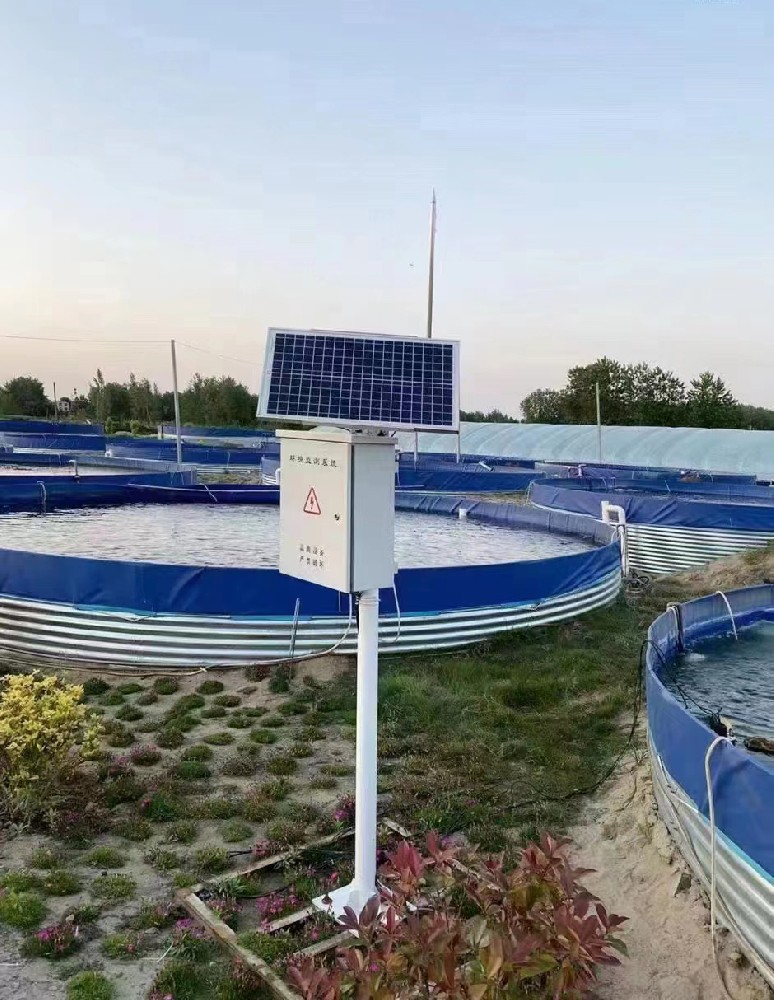
The construction of water quality online monitoring stations is a systematic project, from high-precision sensor selection to rigorous 72-hour debugging—every detail determines data effectiveness. NiuBoL is committed to providing the most reliable and intelligent monitoring solutions for environmental protection system integrators and industrial users.
Through real-time data analysis and diagnosis, we can not only improve water source quality but also contribute digital power to ecological civilization construction. If you have any questions about water quality monitoring station construction or need customized industry solutions, welcome to consult NiuBoL; we will provide you with comprehensive technical support.
Do you need an exclusive sensor configuration list based on specific application scenarios (such as secondary water supply, sewage treatment, or aquaculture)? We can provide more detailed selection recommendations tailored to your needs.
 NBL-RDO-206 Online Fluorescence Dissolved Oxygen Sensor.pdf
NBL-COD-208 Online COD Water Quality Sensor.pdf
NBL-CL-206 Water Quality Sensor Online Residual Chlorine Sensor.pdf
Related recommendations
Sensors & Weather Stations Catalog
Agriculture Sensors and Weather Stations Catalog-NiuBoL.pdf
Weather Stations Catalog-NiuBoL.pdf
Agriculture Sensors Catalog-NiuBoL.pdf
Water Quality Sensor Catalog-NiuBoL.pdf
Related products
 Combined air temperature and relative humidity sensor
 TDR Soil Moisture & Temperature Sensor for irrigation| RS485 |4-20mA| NBL-S-THR
 Soil pH sensor RS485 soil Testing instrument soil ph meter for agriculture |NBL-S-PH
 Wind Speed sensor Output Modbus/RS485/Analog/0-5V/4-20mA
 Tipping bucket rain gauge for weather monitoring auto rainfall sensor RS485/Outdoor/stainless steel
 Pyranometer Solar Radiation Sensor 4-20mA/RS485

Screenshot, WhatsApp to identify the QR code
WhatsApp number:+8615367865107
(Click on WhatsApp to copy and add friends)

